Raydafon Technology Group Co.,Limited
Products
Products
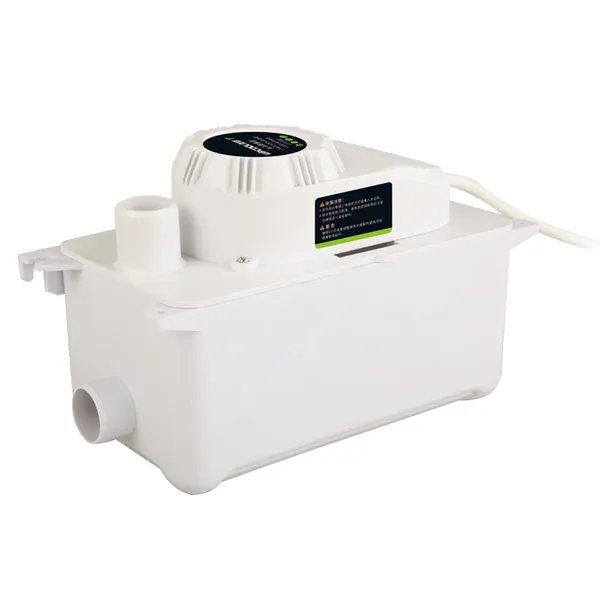
Condensate Lift Pump PCT-100A for Commercial and Industrial HVAC Systems
  • Condensate Lift Pump PCT-100A for Commercial and Industrial HVAC SystemsCondensate Lift Pump PCT-100A for Commercial and Industrial HVAC Systems

Condensate Lift Pump PCT-100A for Commercial and Industrial HVAC Systems

Raydafon Group’s Condensate Lift Pump PCT-100A efficiently removes condensate in commercial and industrial HVAC systems, featuring durable corrosion-resistant materials for reliable performance. Ideal for facility managers, it ensures hassle-free operation and energy savings, solving overflow issues with a compact, quiet design that outlasts competitors. Experience peace of mind and enhanced system efficiency with this essential solution.

Condensate Lift Pump PCT-100A for Commercial and Industrial HVAC Systems

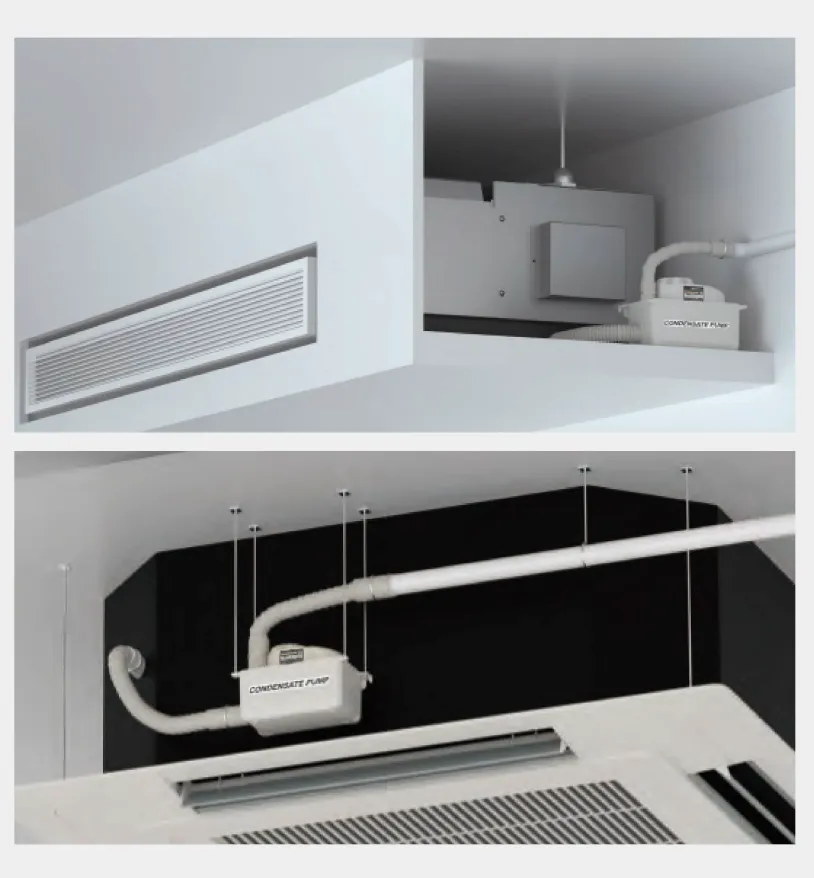
A condensate lift pump is a type of pump used in HVAC systems to remove condensate, which is the moisture that forms as a result of cooling the air. This pump is designed to lift the condensate to a higher elevation, such as to a drain or sewer line, where it can be discharged safely.The condensate lift pump works by using a motor-driven impeller to draw the condensate into the pump reservoir and then discharge it through a discharge pipe. The pump is typically activated by a float switch, which is triggered when the condensate level in the reservoir reaches a certain level.Condensate lift pumps are commonly used in commercial and industrial HVAC systems, where there is a need to remove large amounts of condensate quickly and efficiently. They are also used in residential HVAC systems, where it may be difficult to drain the condensate by gravity due to the location of the equipment.Compared to a corner condensate pump, a condensate lift pump is designed to lift the condensate to a higher elevation, which allows it to be discharged to a remote location. However, a condensate lift pump may require more space and installation complexity and may also be more expensive than a corner condensate pump.
▍Features of Condensate Lift Pump PCT-100A

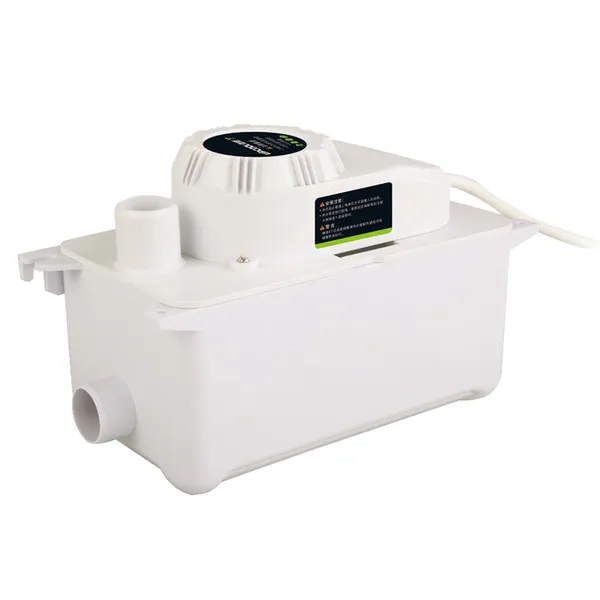
Silent Running, Easy Connection• Built-in safety switch• <P 25 inlet&outlet, Fast connection• Compact size, Low profile• Silent operation with 23db(A)Condensate Lift Pump PCT-100A for Commercial and Industrial HVAC Systems

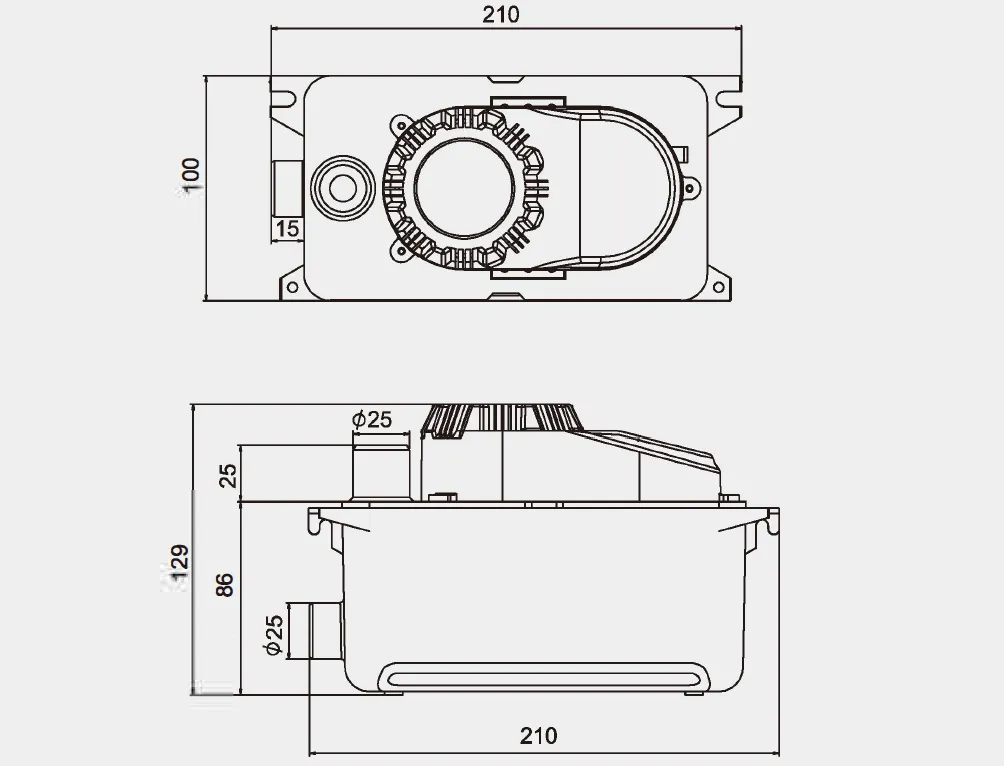
▍Condensate Lift Pump PCT-100A Dimensions:

Condensate Lift Pump PCT-100A for Commercial and Industrial HVAC Systems

▍Condensate Lift Pump PCT-100A Technical Data:

ModelPCT-100A
Voltage230V-/50-60Hz or 100-120V-/50-60Hz
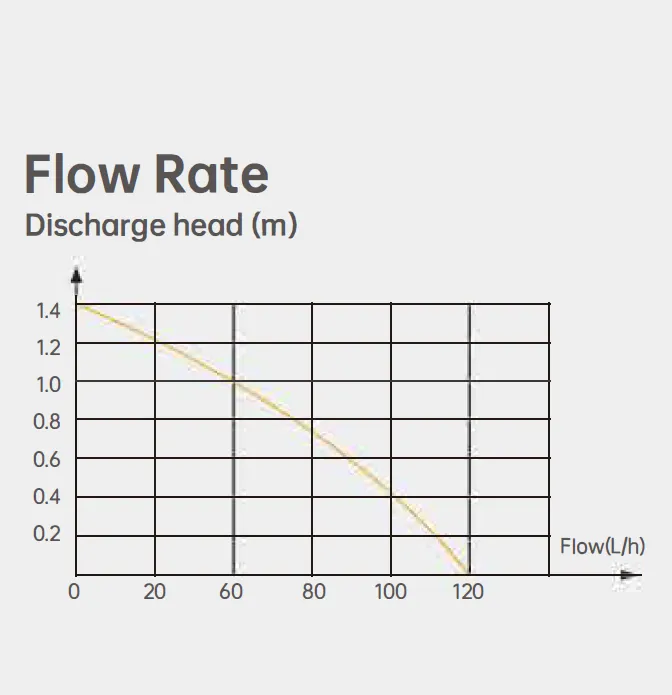
Discharge headMax.1.2m(4ft)
Flow rate100L/h
Tank capacity1L
Sound level at 1m23dB(A)
Ambient temp0°C-50°C
Power consumption15W
Condensate Lift Pump Flow RateCondensate Lift Pump Instructions
Condensate Lift Pump PCT-100A for Commercial and Industrial HVAC SystemsCondensate Lift Pump PCT-100A for Commercial and Industrial HVAC Systems

▍Advantages of Condensate Lift Pump PCT-100A:

Condensate lift pumps offer several advantages in HVAC systems:1. Efficient condensate removal: The condensate lift pump is designed to remove condensate quickly and efficiently, which helps to prevent the buildup of moisture in the HVAC system. This can help to improve the efficiency and lifespan of the equipment.2. Flexibility in discharge location: A condensate lift pump can lift the condensate to a higher elevation, allowing it to be discharged to a remote location such as a drain or sewer line. This provides more flexibility in the location of the condensate discharge, which can be useful in buildings where the HVAC equipment is not located near a suitable drain.3. Automatic operation: The condensate lift pump is typically activated by a float switch, which means that it will automatically turn on and off as needed without the need for manual intervention.4. Low maintenance: Condensate lift pumps are designed to be low maintenance, with durable components that can withstand the harsh conditions of an HVAC system.5. Versatility: Condensate lift pumps can be used in a wide range of HVAC systems, from small residential units to large commercial and industrial systems.6. Cost-effective: Installing a condensate lift pump can be a cost-effective way to prevent condensate buildup and protect HVAC equipment from damage, which can help to reduce repair and replacement costs over time.7. Space-saving: Condensate lift pumps are typically installed in a small sump pit or basin, which can help to save space in the HVAC system and make installation easier.Overall, the advantages of a condensate lift pump include more flexibility in discharge location, efficient and automatic condensate removal, low maintenance requirements, and cost-effectiveness.

▍How Does Condensate Lift Pump Work?

A condensate lift pump, also known as a condensate pump, is a device used to collect and transport condensate water produced by air conditioning systems, boilers, and other equipment that generate condensation. This water needs to be moved away from the equipment, typically to a drain or a collection system, especially when there is no gravity-fed drainage available. Here's how a condensate lift pump works:1. Collection: The condensate water produced by the equipment flows into a collection reservoir or tank. This tank is usually placed at a lower level than the equipment, allowing gravity to help collect the water.2. Level Sensing: Inside the reservoir, there is a float switch or a level sensor that detects when the water level reaches a predetermined point. This sensor sends a signal to the condensate lift pump's control system, indicating it's time to start pumping the water out.3. Pumping: When the water level in the reservoir reaches the set point, the condensate lift pump activates. The pump, which is usually a small centrifugal or diaphragm-style pump, pushes the water out of the reservoir through a discharge line.4. Discharge: The discharge line connects the condensate lift pump to a drain or a collection system, where the water can be safely disposed of. In many cases, the discharge line must lift the water vertically, hence the name "lift pump." The condensate lift pump must have enough power to push the water up and over any obstacles in the discharge path.5. Automatic Shutoff: Once the water level in the reservoir drops below the predetermined point, the float switch or level sensor signals the pump's control system to shut off the condensate lift pump. This prevents the pump from running dry and damaging internal components.6. Repeat: The process repeats as more condensate water is produced by the equipment and collected in the reservoir.Condensate lift pumps are essential for maintaining the safe and efficient operation of equipment that produces condensation, helping to prevent water damage, mold growth, and other issues caused by standing water. They are commonly used in commercial and residential buildings with air conditioning systems, boilers, and other equipment that generates condensate water.Condensate Lift Pump PCT-100A for Commercial and Industrial HVAC Systems

▍How to Install a Condensate Lift Pump?

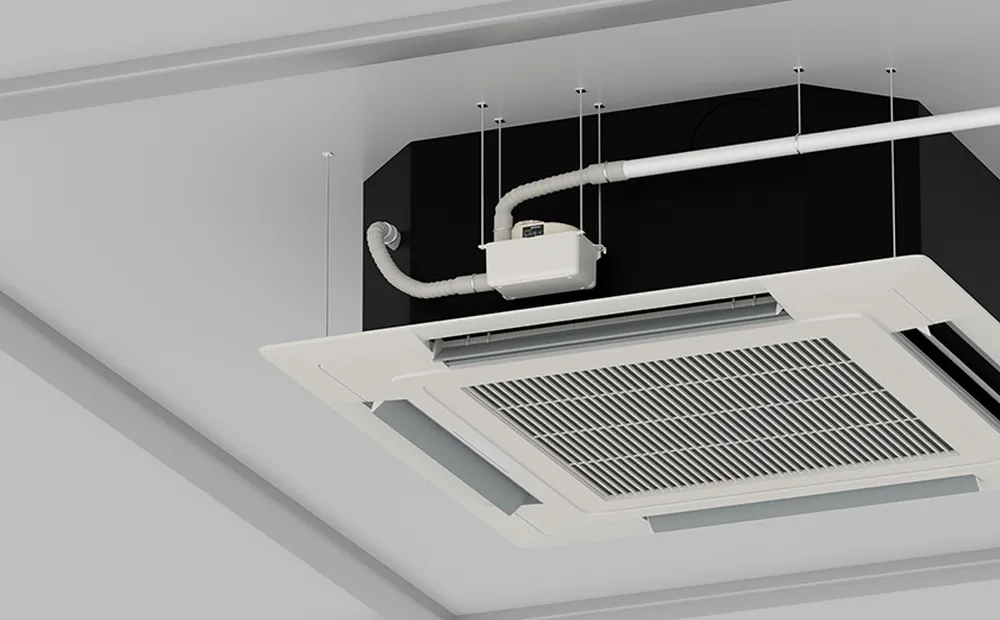
Here are the general steps to install a condensate lift pump:(1) Choose the Location: Select a location for the condensate lift pump that is close to the HVAC unit and has access to a power outlet. Ensure the location is level and can support the weight of the pump when filled with water.(2) Prepare the Drainage System: Install a drainage pipe or connect the condensate lift pump outlet to an existing drainage system. Ensure the drainage route is sloped downward to allow water to flow away from the pump.(3) Mount the Pump: Install the condensate lift pump onto a level surface using the mounting brackets provided. Ensure the pump is securely mounted to avoid vibration or movement during operation.(4) Connect the Inlet Pipe: Connect the inlet pipe to the HVAC unit's condensate drain line using the appropriate fittings. Ensure the connection is tight to prevent leaks.(5) Install the Discharge Pipe: Connect the discharge pipe to the condensate lift pump outlet and route it to the designated drainage system. Ensure the pipe is sloped downward to allow water to flow properly.(6) Install the Float or Pressure Switch: Install the float or pressure switch according to the manufacturer's instructions. This switch will activate the condensate lift pump when the water level in the tank reaches a certain level.(7) Connect Power: Connect the condensate lift pump to a power outlet using the provided cord and plug. Ensure the power cord is properly grounded to prevent electrical shocks.(8) Test the System: Turn on the HVAC unit and ensure the condensate water flows into the condensate lift pump tank and is pumped out through the discharge pipe. Check for any leaks or abnormalities in the system.(9) Regular Maintenance: Regularly inspect and maintain the condensate lift pump, float or pressure switch, and drainage system to ensure optimal performance and prevent malfunctions.It is important to follow the manufacturer's instructions carefully and adhere to any local codes and regulations when installing a condensate lift pump. If you are not comfortable performing the installation yourself, it is recommended to seek the assistance of a qualified HVAC technician.

▍Condensate Lift Pump Manufacturers and Suppliers

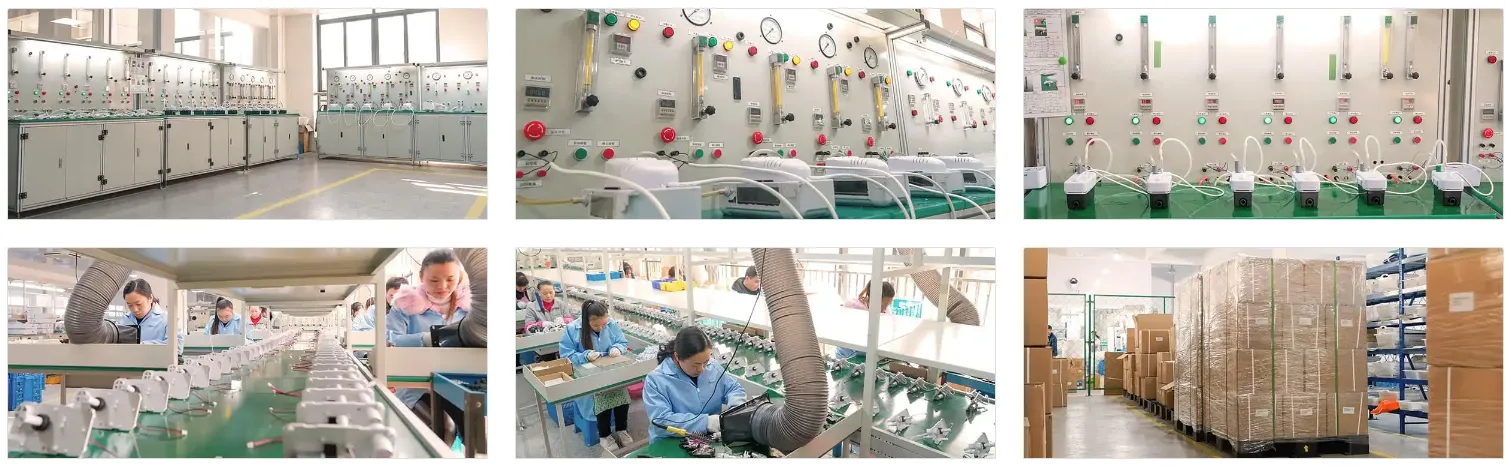
Raydafon HVAC condensate pump manufacturer specializes in the development, production, and sales of refrigeration and air conditioning drainage pumps, including air conditioner condensate pumps, mini HVAC condensate pumps, hot water condensate pumps, commercial condensate pumps, automatic condensate pump, etc., which are widely used in air conditioning equipment, heating, and various refrigeration systems.Raydafon HVAC condensate pump manufacturer pays attention to R&D investment, owns more than 20 Chinese patents, and has established a sales network in many countries and regions around the world, supporting 5 famous domestic air conditioning brands.The company has a complete quality management system and established an incoming inspection and process inspection system to strictly control HVAC condensate pump quality. Send your inquiry now and get a high-quality HVAC condensate pump!Condensate Lift Pump PCT-100A for Commercial and Industrial HVAC Systems

FAQ

Q1: Does a condensate pump run all the time?A1: A condensate pump will only pump out the water from the tank when it reaches a certain level and stop once the water level goes down. If there’s a significant amount of condensate being produced by your HVAC system, then it may seem your pump is running continuously.Q2: How do you clean a condensate pump?A2: First, make sure it’s unplugged. Disconnect the pipes both on the inlets and outlet. Remove the top (which contains the motor and wirings) to access the tank at the bottom. Clean the tank and the discharge valve until they’re free from clogs or any debris. Rinse and replace all components.Q3: What happens if a condensate pump fails?A3: If your condensate pump fails, the water may overflow and spill. However, if you have a properly working safety switch connected, then it will automatically shut off your dehumidifier or any other appliance to prevent overflow.Q4: Why is my condensate pump so loud?A4: Condensate pumps are naturally loud due to the motor and the movement of water. If possible, add insulation to block the noise. But if you notice your unit getting unusually louder, then it may be a case of a clogged drain pipe. It makes a gurgling noise as it tries to push out the excess water and whatever is stuck in there. If you don’t check as soon as possible, it can lead to water leakage.Q5: How long does a condensate pump last?A5: Just like any device or appliance, it depends on your usage and maintenance. A lot of users get the most out of their condensate pumps from five years up to ten years.
Hot Tags: Condensate Lift Pump PCT-100A Supplier, Commercial HVAC Condensate Pump Manufacturer, Industrial Condensate Lift Pump Wholesale
Send Inquiry
Contact Info
Get customized quotes for transmission components, gearboxes, and machinery. Our engineers will respond within 24 hours.
Online
X
We use cookies to offer you a better browsing experience, analyze site traffic and personalize content. By using this site, you agree to our use of cookies. Privacy Policy
Reject Accept