Raydafon Technology Group Co.,Limited
Products
Products
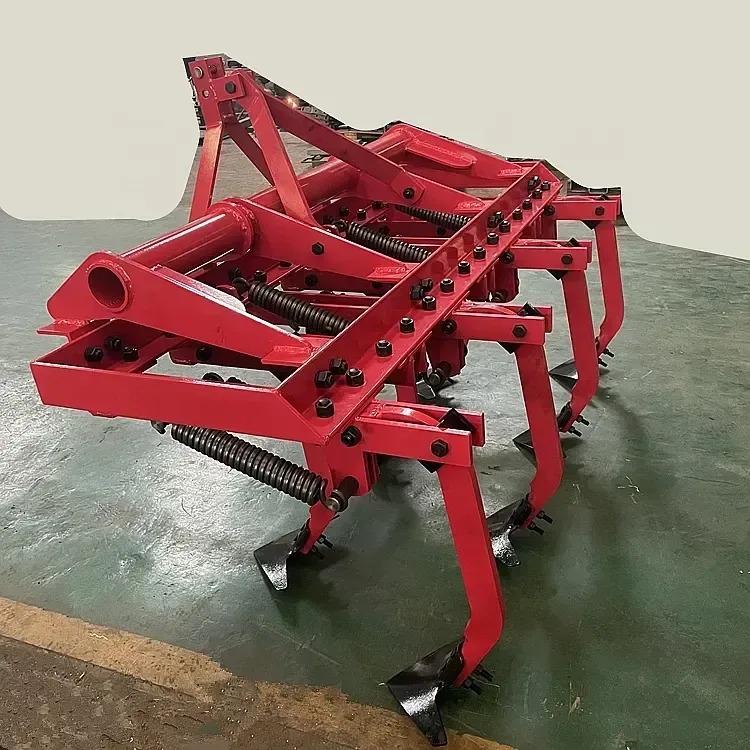
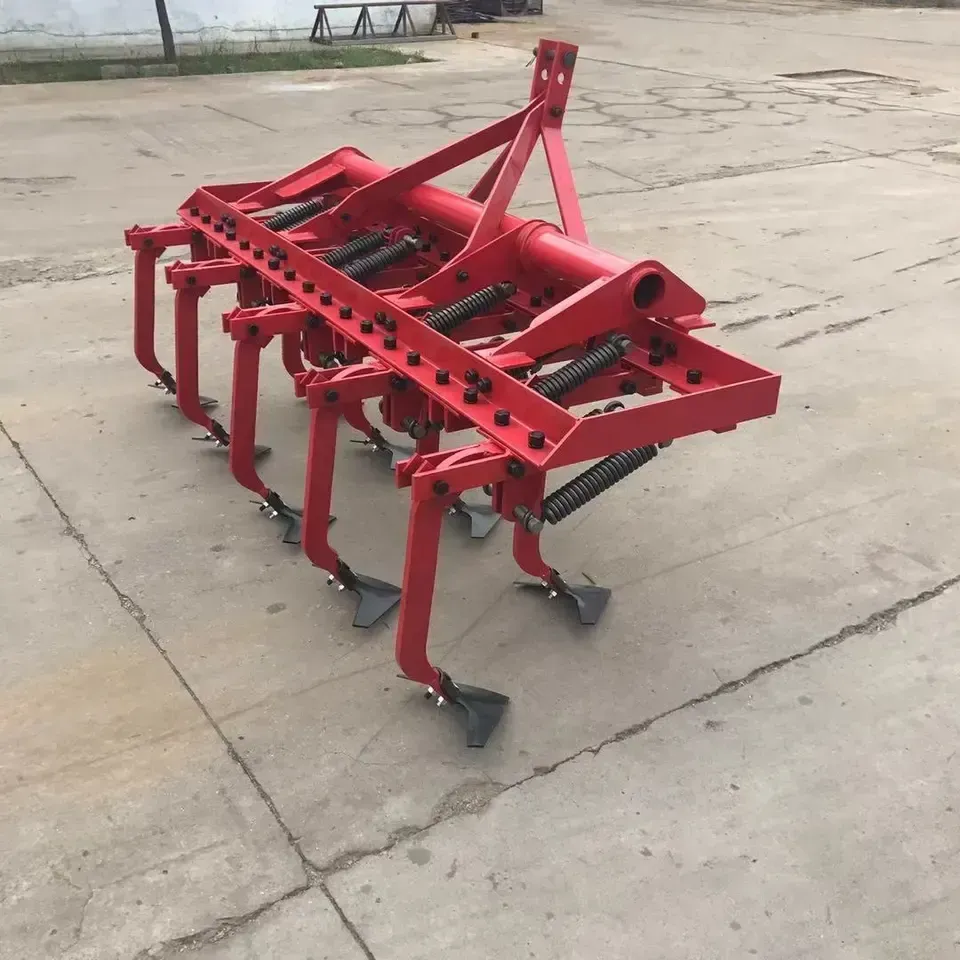
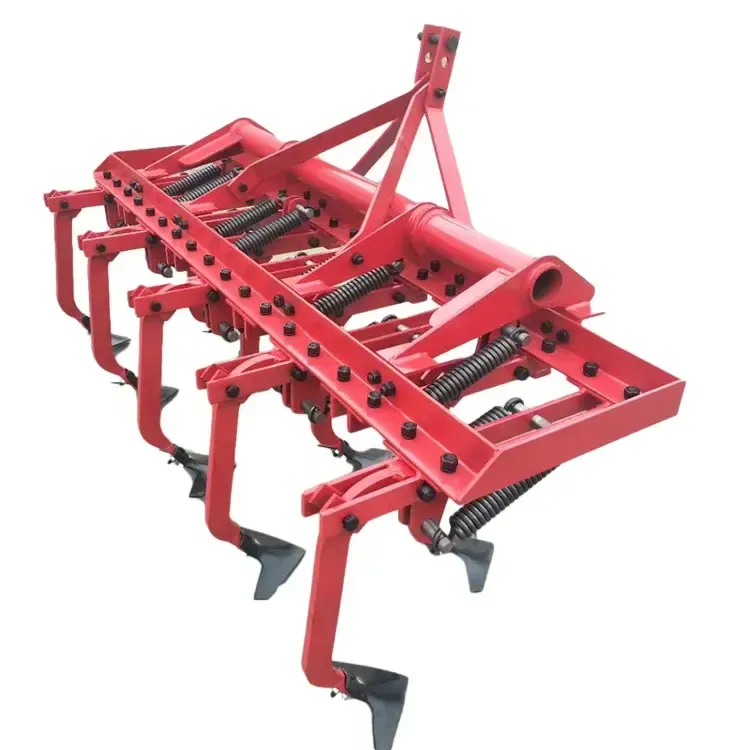
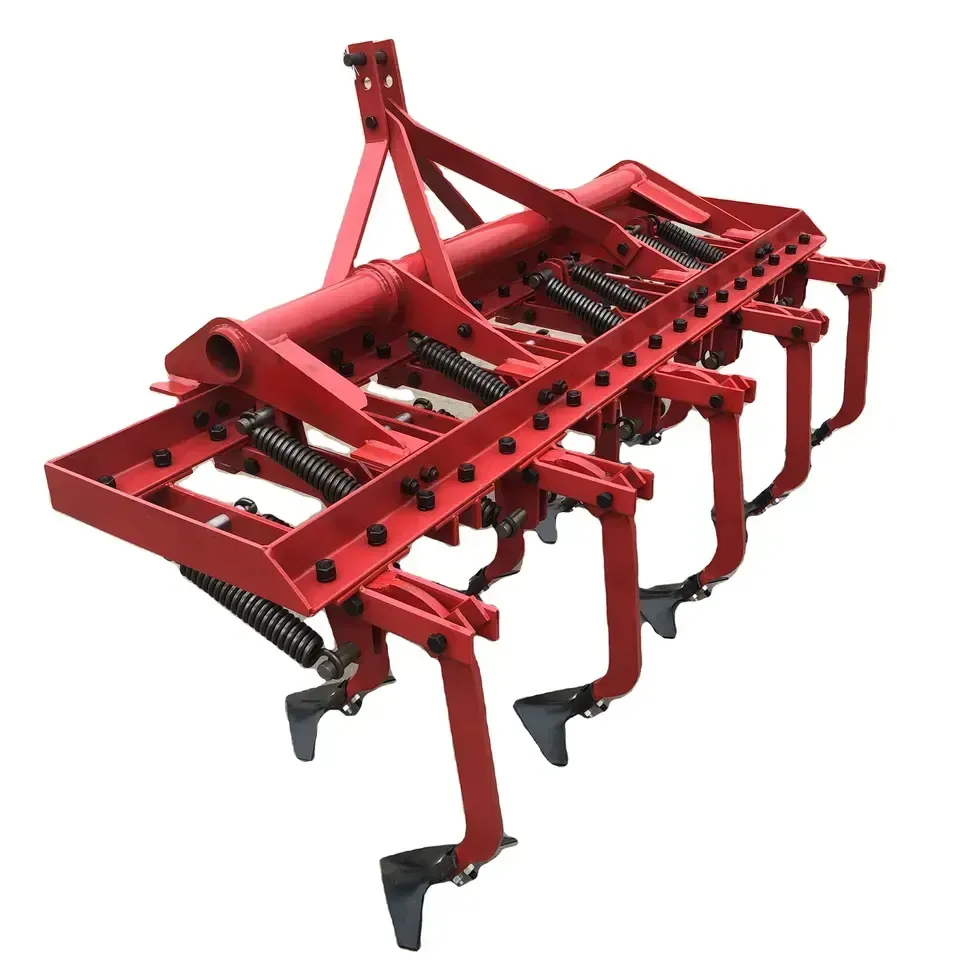
Farm Cultivator Tractor Linkaged 7 Tines Spring Cultivator 3ZT-1.4

Farm Cultivator Tractor Linkaged 7 Tines Spring Cultivator 3ZT-1.4

Raydafon Group's Farm Cultivator Tractor Linkaged 7 Tines Spring Cultivator 3ZT-1.4 revolutionizes soil preparation with its durable spring tines, ideal for farmers and gardeners seeking efficient, gentle cultivation. This robust tool ensures consistent depth control, enhancing crop growth while saving time and effort—perfect for small to mid-sized farms. Experience reliable, high-performance farming that sets a new standard in cultivation tools.
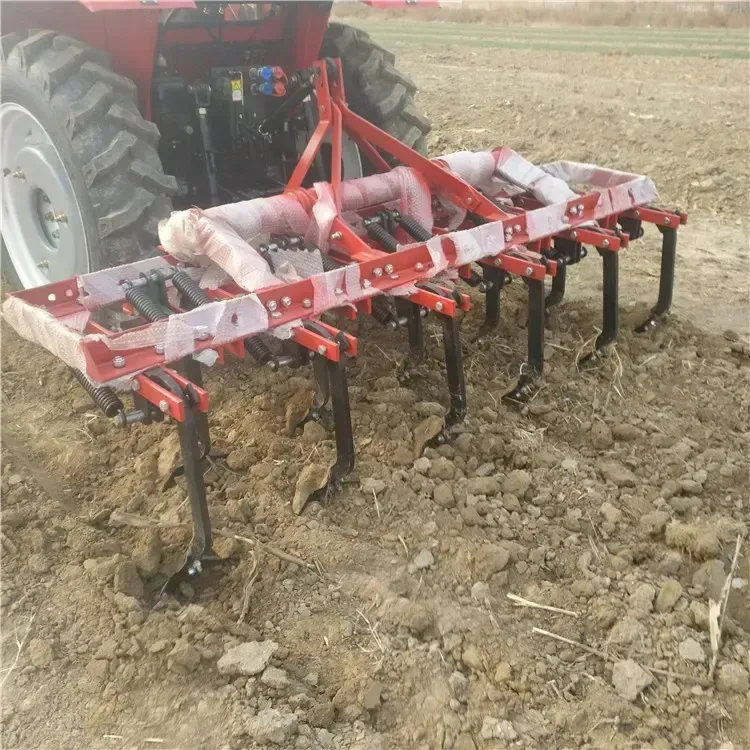
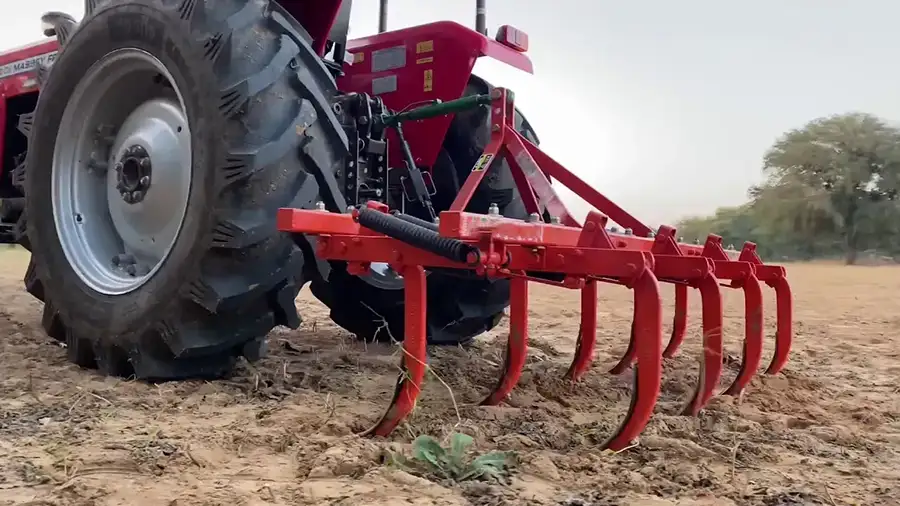
[embed]https://youtu.be/8scLEGXvsMY[/embed] The 3ZT series of spring cultivators is developed by our company according to the demand of the foreign market. This machine adopts a double-spring tension device, which enables the tines to bounce automatically during operation when meeting with obstacles and return to normal working quickly after over them, by which the tines are protected. It has the advantage of row spacing to be conveniently adjusted and the depth to be easily controlled. The machine is suitable for cultivating and loosening soil in the corn, cotton, and beans fields. The cultivator is typically attached to the rear of a tractor via a three-point linkage system, providing stability and ease of maneuverability across various terrains. The primary purpose of this tool is to aerate the soil, break up clods, and remove weeds, thus preparing the land for planting crops. Its spring-loaded tines create fine tilth, which enhances seedbed conditions and promotes better crop growth. This implement is especially favored for its durability and adaptability, making it suitable for small to medium-sized farms. By allowing deeper cultivation, it improves water retention and nutrient absorption in the soil, leading to healthier crops and increased yields. Farm Cultivator Tractor Linkaged 7 Tines Spring Cultivator 3ZT-1.4

Specifications of Tractor Linkage 7 Tines Spring Cultivator 3ZT-1.4

Models
Unit
3ZT-1.0
3ZT-1.4
3ZT-1.8
3ZT-2.2
3ZT-2.6
3ZT-3.0
Working Width
mm
1000
1400
1800
2200
2600
3000
No. of plowbody
pcs
5
7
9
11
13
15
Working depth
mm
100-200
100-200
100-200
100-200
100-200
100-200
Total weight
KG
260
300
350
420
490
580
Matched power
hp
25
30-40
40-50
50-70
70-90
80-100
Linkage
 Three-pointed mounted

Features of Farm Cultivator Tractor Linkaged 7 Tines Spring Cultivator

The farm cultivator tractor linkage 7 tines spring cultivator boasts several key features that make it a valuable tool for soil preparation and cultivation in agricultural activities. Here are some notable features of this implement:
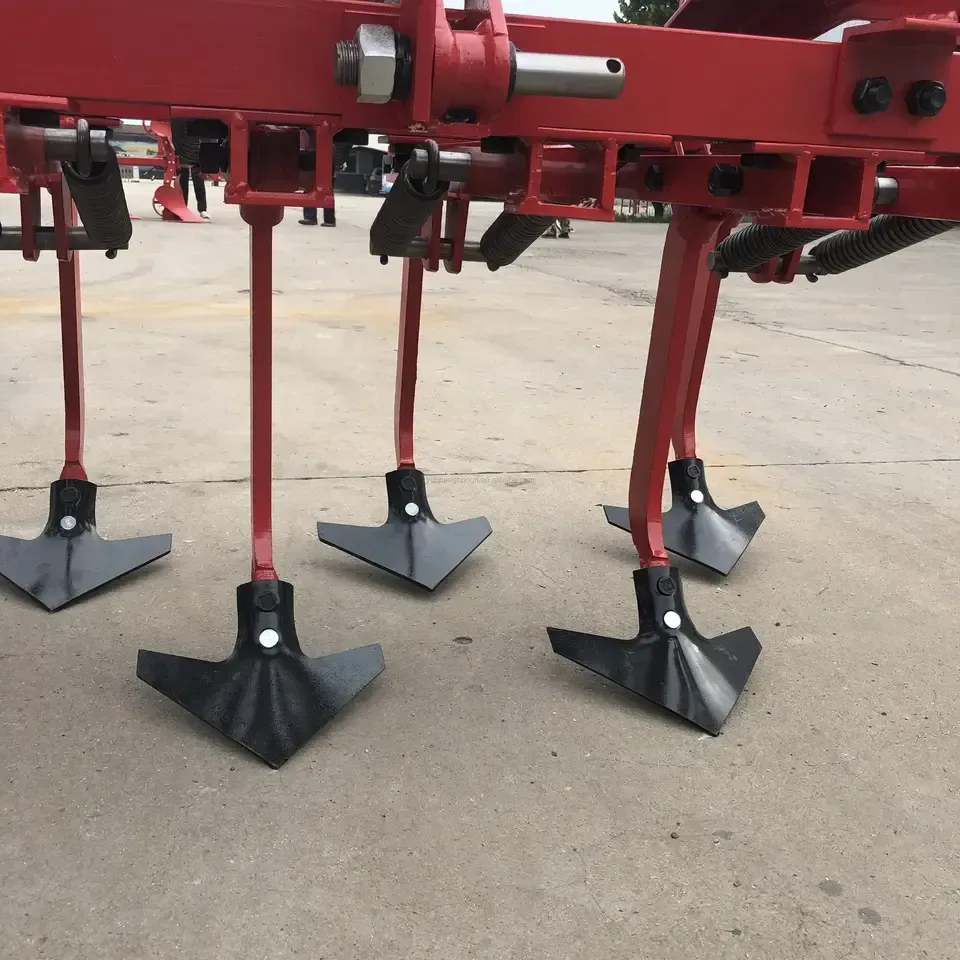
  1. Spring-Loaded Tines: Each of the seven tines is equipped with a spring mechanism, allowing them to flex and absorb shocks from rocks or other obstacles. This design minimizes the risk of tine breakage, ensuring longevity and reducing maintenance costs. The springs also help maintain consistent soil depth, enhancing the quality of soil aeration and preparation.
  2. Three-Point Linkage System: The cultivator attaches to tractors using a standardized three-point linkage system, which provides stability and ease of attachment. This system allows for quick and secure connection, enabling farmers to switch implements efficiently. The linkage also ensures better control and maneuverability, allowing for precise cultivation even in uneven or challenging terrains.
  3. Durable Construction: Constructed from high-quality steel, the cultivator is designed to withstand harsh agricultural environments. Its robust build ensures durability and reliability, making it suitable for long-term use on a variety of soil types. The materials used resist corrosion and wear, ensuring consistent performance and reducing the need for frequent replacements.
  4. Adjustable Working Depth: The cultivator offers adjustable working depth settings, allowing farmers to tailor the cultivation process according to specific crop needs and soil conditions. This flexibility ensures optimal soil aeration and preparation, promoting better seed germination and growth. Adjustability also allows for use in different farming operations, from shallow weeding to deeper soil loosening.
  5. Enhanced Soil Aeration: By effectively breaking up compacted soil, the cultivator enhances soil aeration, which is crucial for root development and nutrient absorption. Improved aeration increases microbial activity, benefiting soil health and fertility. This feature contributes to higher crop yields and healthier plants, as roots can access more oxygen and nutrients.
  6. Versatile Application: Suitable for a variety of crops and soil conditions, the cultivator is versatile and adaptable. It can be used for primary tillage, secondary tillage, and seedbed preparation, making it an invaluable tool for diverse farming practices. This versatility allows farmers to maximize the utility of a single implement across different farming tasks.
Farm Cultivator Tractor Linkaged 7 Tines Spring Cultivator 3ZT-1.4

Common Applications of Farm Spring Tine Cultivators

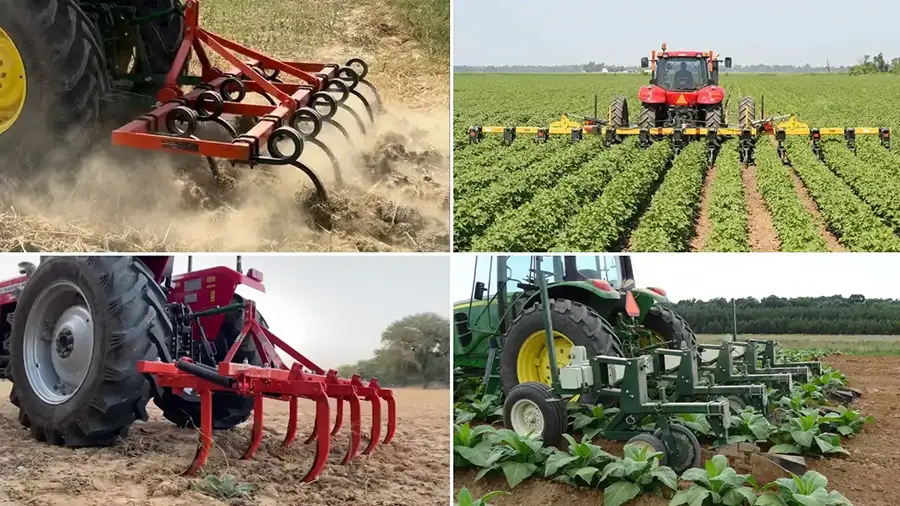
Farm spring tine cultivators, like the one you're inquiring about, find extensive application in various agricultural practices due to their versatility and effectiveness in soil preparation and weed control. Some common applications of farm spring tine cultivators include:
  • Seedbed Preparation: Spring tine cultivators are essential for seedbed preparation, providing a fine, crumbly soil structure ideal for planting. By breaking up clods and leveling the soil, they create optimal conditions for seed germination. This process ensures that seeds have good contact with the soil, improving moisture retention and nutrient availability for young plants.
  • Soil Aeration: These cultivators effectively aerate the soil, enhancing airflow and promoting healthy root development. By loosening compacted layers, they facilitate better oxygen penetration and microbial activity. This process is crucial for maintaining soil health, as it encourages the breakdown of organic matter, improving fertility and supporting robust crop growth.
  • Soil Preparation: In soil preparation, spring tine cultivators break up the surface and incorporate organic matter, improving soil structure and fertility. This process helps in mixing fertilizers evenly throughout the soil, ensuring that nutrients are accessible to crops. Proper soil preparation sets the stage for successful planting and higher yields.
  • Weed Control: Spring tine cultivators are effective in uprooting weeds, reducing competition for nutrients, water, and sunlight. This mechanical weed control minimizes reliance on chemical herbicides, promoting environmentally sustainable farming. By managing weeds early in the growing season, these cultivators help maintain healthy crop stands and improve overall farm productivity.
  • Field Cultivation: Used for general field cultivation, these implements prepare the land for various agricultural activities. They efficiently break up soil crusts and manage residue from previous crops, creating a clean slate for new planting. Regular field cultivation with spring tine cultivators helps maintain soil health and supports sustainable crop rotations.
  • Primary Tillage: In primary tillage, spring tine cultivators penetrate deeper into the soil, breaking up compacted layers and incorporating residues. This initial soil disturbance is crucial for improving drainage and root penetration. By enhancing soil structure, primary tillage with these cultivators lays the groundwork for successful secondary tillage and planting operations.
Farm Cultivator Tractor Linkaged 7 Tines Spring Cultivator 3ZT-1.4

Working Principle of Tractor Mounted 7 Tines Spring Cultivator

The working principle of a tractor-mounted 7 tines spring cultivator involves a series of actions designed to effectively cultivate soil in preparation for planting. Here's a breakdown of the working process:
  1. Attachment and Setup: The cultivator is attached to the tractor using a three-point linkage system, ensuring stability and ease of movement. This connection allows the operator to control depth and angle adjustments from the tractor seat, optimizing the cultivator's performance according to soil conditions and farming requirements.
  2. Tine Penetration: As the tractor moves forward, the seven spring-loaded tines penetrate the soil. The tines are designed to cut through surface layers, breaking up compacted soil. Their spacing and alignment ensure even coverage and effective soil disturbance, preparing the ground for subsequent planting or other agricultural activities.
  3. Shock Absorption: The spring mechanism on each tine absorbs shocks and vibrations encountered from rocks or hard soil patches. This feature prevents tine breakage and reduces wear on the equipment. The flexibility provided by the springs ensures consistent depth and minimizes disruptions, maintaining the integrity of the soil structure.
  4. Soil Loosening: The cultivator’s tines work to loosen the soil, improving its structure and aeration. This process enhances root penetration and water infiltration, key factors for healthy crop growth. By breaking up clods and reducing soil compaction, the cultivator sets the stage for optimal seedbed conditions.
  5. Weed Uprooting: During operation, the tines also lift and uproot weeds, helping to clear the field of unwanted vegetation. This mechanical action reduces the need for chemical herbicides and supports sustainable farming practices. Effective weed management ensures that crops face less competition for nutrients and water.
  6. Residue Incorporation: The cultivator incorporates crop residues into the soil, promoting decomposition and nutrient recycling. By mixing organic matter evenly, it enhances soil fertility and structure. This process contributes to soil health by increasing organic content and supporting beneficial microbial activity, which is essential for sustainable agriculture.
Farm Cultivator Tractor Linkaged 7 Tines Spring Cultivator 3ZT-1.4

Types of Agricultural Equipment Tractor Cultivators

Tractor cultivators are essential agricultural implements used for soil preparation, weed control, and seedbed cultivation. There are various types of tractor cultivators designed to meet specific farming needs and soil conditions. Here are some common types of agricultural equipment tractor cultivators:
  • Spring Tine Cultivators: Spring tine cultivators are designed with flexible tines that absorb shocks and adapt to uneven ground. They are ideal for light soil cultivation and weed control, offering efficient soil aeration and preparation. The spring mechanism allows the tines to move independently, reducing damage and maintaining consistent soil penetration.
  • Rigid Tine Cultivators: These cultivators feature fixed tines that provide deeper soil penetration, suitable for breaking up hard and compacted soil layers. They are used for primary tillage, effectively loosening soil and incorporating residues. Rigid tine cultivators are robust and durable, making them ideal for heavy-duty applications in tougher soil conditions.
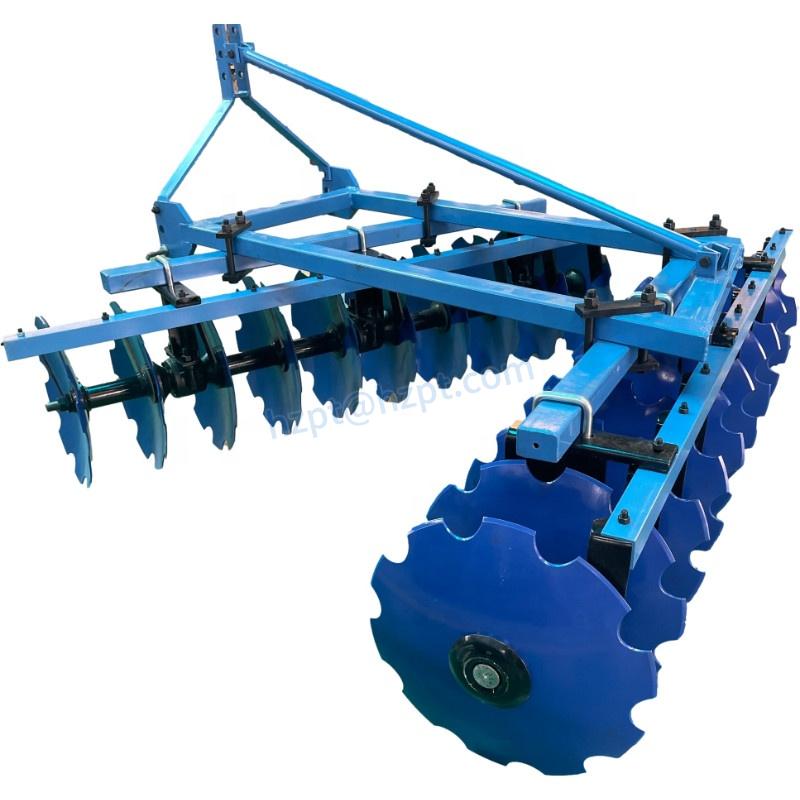
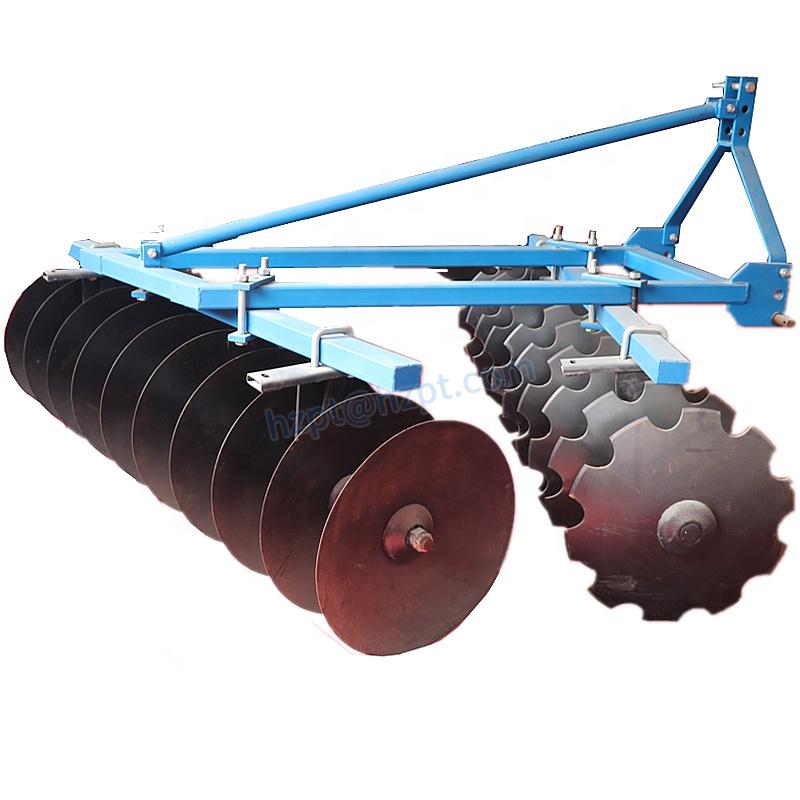
  • Disc Cultivators: Disc cultivators use rotating discs to cut through soil and residues, ideal for mixing and leveling fields. They are versatile, handling both primary and secondary tillage. The discs can be angled to adjust the aggressiveness of the cut, making them effective for soil turning, weed control, and residue incorporation.
  • Power Harrows: Powered by the tractor’s PTO, power harrows use rotating blades to refine the soil surface, creating a fine tilth ideal for seedbeds. They operate at shallow depths, ensuring minimal soil disturbance while achieving a smooth, level finish. Power harrows are excellent for preparing precise seedbeds in various soil types.
  • Rotary Tillers: Rotary tillers have rotating blades that chop and mix soil and residues, providing thorough cultivation. They are suitable for preparing seedbeds and incorporating organic matter into the soil. The depth and intensity of tillage can be adjusted, making them versatile for different soil conditions and farming practices.
  • Chisel Plows: Chisel plows are used for deep tillage without turning the soil, preserving soil structure and minimizing erosion. They break up hardpan layers, improving drainage and root growth. Chisel plows are effective for conservation tillage, enhancing soil health by maintaining organic matter and promoting sustainable farming practices.
Farm Cultivator Tractor Linkaged 7 Tines Spring Cultivator 3ZT-1.4

Choosing the Right Tractor 3 Point Spring Loaded Cultivator for Your Need

Selecting the appropriate tractor 3-point spring-loaded cultivator is crucial for efficient soil cultivation and preparation in agriculture. Here are some key factors to consider when choosing the right cultivator for your specific needs:
  1. Soil Type Compatibility: Evaluate the cultivator's suitability for your soil type. Spring-loaded cultivators work well in lighter soils but may struggle in extremely compacted ground. Understanding your soil's characteristics will help you choose a model with the appropriate tine strength and flexibility to ensure effective cultivation and minimal wear on the equipment.
  2. Tine Configuration and Spacing: Consider the number and arrangement of tines. A model with adjustable tine spacing can offer versatility for different tasks, from weeding to deep soil loosening. Ensure that the tine configuration aligns with your specific agricultural needs, allowing for efficient soil disturbance and optimal weed control.
  3. Working Width: Select a cultivator with a working width that matches your field size and tractor capacity. A wider cultivator covers more ground in less time, increasing efficiency in larger fields. However, ensure that your tractor can handle the load without sacrificing maneuverability, especially in smaller or irregularly shaped plots.
  4. Depth Control Mechanism: Look for a cultivator with adjustable depth settings. This feature allows you to customize the cultivation depth to suit different crops and soil conditions. Precise depth control ensures effective soil preparation, enhancing root growth and moisture retention, which are crucial for successful planting and crop yield.
  5. Durability and Build Quality: Assess the materials and construction quality of the cultivator. High-quality steel and robust construction ensure longevity and reliability in various farming conditions. Investing in a durable cultivator reduces maintenance costs and downtime, providing consistent performance over multiple seasons.
  6. Ease of Attachment and Use: Choose a cultivator that is easy to attach and detach from your tractor’s three-point linkage system. Quick and straightforward attachment processes save time and effort, allowing you to switch implements efficiently. Consider models with user-friendly controls for seamless operation during fieldwork.
Farm Cultivator Tractor Linkaged 7 Tines Spring Cultivator 3ZT-1.4

Why Choose Raydafon's Agricultural Cultivators?

Raydafon is a leading manufacturer and distributor specializing in the production and sale of agricultural cultivators. With a robust infrastructure and advanced technological capabilities, our company has established itself as a major player in the agricultural equipment industry. Our state-of-the-art manufacturing facilities and a team of skilled professionals enable us to deliver high-quality products that meet international standards. We are committed to innovation and excellence, ensuring our solutions cater to the evolving needs of modern agriculture. Our agricultural cultivators serve as perfect replacements for renowned brands such as John Deere, Case IH, New Holland, Massey Ferguson, Kubota, AGCO, Kuhn, Lemken, Amazone, Horsch, Sunflower, Kverneland, and more. Designed with precision, our cultivators enhance productivity and efficiency in various farming operations. They are built to withstand challenging environments, ensuring durability and reliability. Our products are engineered to facilitate optimal soil preparation, promoting healthier crops and better yields, making them indispensable tools for farmers worldwide. Farm Cultivator Tractor Linkaged 7 Tines Spring Cultivator 3ZT-1.4 Raydafon prides itself on its expertise and influence in the agricultural cultivator sector. Our commitment to quality is reflected in our international certifications and custom service offerings. We provide comprehensive after-sales support, ensuring customer satisfaction and product longevity. Beyond cultivators, we offer a wide range of agricultural machinery, including PTO shafts, agricultural gearboxes, large round balers, mini round balers, hay square balers, PTO wood chippers, diesel wood chippers, drum mowers, disc mowers, lawn mowers, sickle bar mowers, flail mowers, rotary mower, rotary tillers, land levelers, rotary hay rakes, fertilizer spreaders, furrow ploughs, disc harrows, disc blades, disc ridgers, disc ploughs, potato planters, potato harvesters, corn seeders, wheat seeders, vegetable seeders, post hole diggers, boom sprayers, trailers, snow blowers, chain trenchers, and more. Our extensive product line and dedication to customer service position us as a trusted partner for agricultural professionals seeking reliable and innovative equipment solutions. Farm Cultivator Tractor Linkaged 7 Tines Spring Cultivator 3ZT-1.4
FAQs:

Q: What is a spring tine cultivator used for? A: Spring tine cultivators are primarily used for soil aeration, seedbed preparation, and weed control. They help break up compacted soil, mix in organic matter, and uproot weeds, promoting healthier soil conditions for crop growth. Q: How does the spring mechanism benefit cultivation? A: The spring mechanism allows tines to flex and absorb shocks from rocks or hard soil, preventing damage. This flexibility maintains consistent soil penetration and reduces the risk of breakage, ensuring a longer lifespan for the cultivator. Q: Can spring tine cultivators handle heavy soils? A: While they are effective in lighter soils, spring tine cultivators may struggle with very compacted or heavy clay soils. In such cases, additional passes or alternative equipment may be necessary for optimal soil preparation. Q: What tractor specifications are needed? A: Ensure your tractor meets the power and weight requirements for the specific cultivator model, with a compatible three-point linkage system. Adequate horsepower is necessary to pull the implement effectively, especially in challenging soil conditions. Q: How do I maintain a spring tine cultivator? A: Regular maintenance includes checking and tightening bolts, lubricating moving parts, and inspecting tines for wear or damage. Replacing worn tines and ensuring proper alignment will maintain efficiency and extend the tool's life. Q: Is depth adjustment available on all models? A: Most spring tine cultivators offer adjustable depth settings, allowing customization for different soil conditions and tasks. Check model specifications to ensure it has the desired range of depth control for your needs. Q: Are spring tine cultivators suitable for all crops? A: They are versatile and can be used for various crops, but the suitability may vary based on specific crop requirements and soil conditions. Adjustments in tine spacing and depth can optimize performance for different agricultural purposes. Q: What safety precautions should I take? A: Always follow the manufacturer’s guidelines for operation and maintenance. Ensure all safety shields are in place, and never attempt to adjust or repair the cultivator while it is in operation. Use appropriate personal protective equipment when handling machinery. Author: Yjx
Hot Tags: Farm Cultivator 3ZT-1.4 Supplier, Spring Cultivator Wholesale, Tractor Linkaged Cultivator Manufacturer
Send Inquiry
Contact Info
Get customized quotes for transmission components, gearboxes, and machinery. Our engineers will respond within 24 hours.
Online
X
We use cookies to offer you a better browsing experience, analyze site traffic and personalize content. By using this site, you agree to our use of cookies. Privacy Policy
Reject Accept