
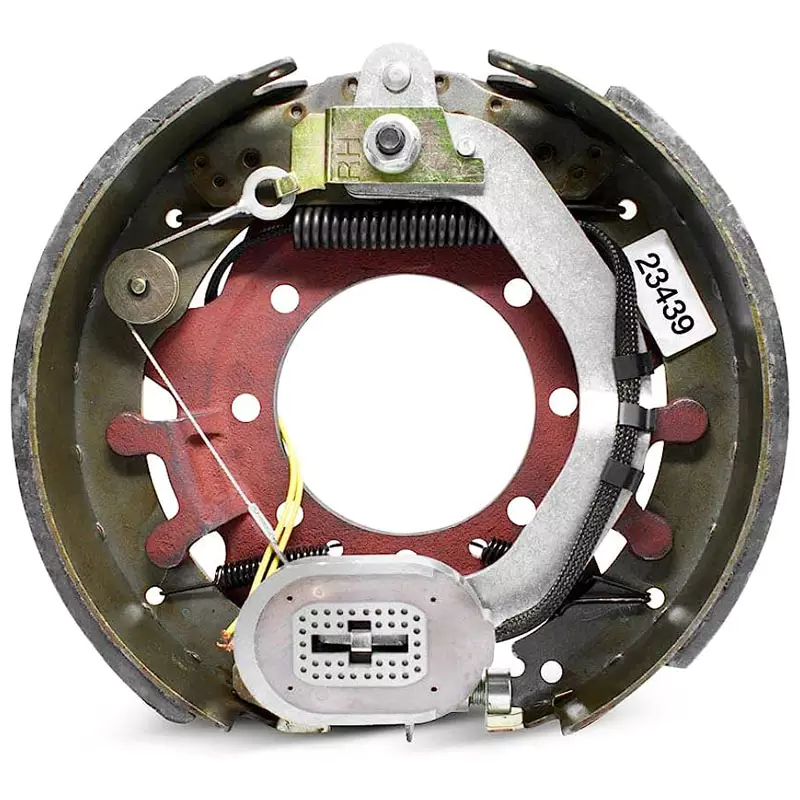

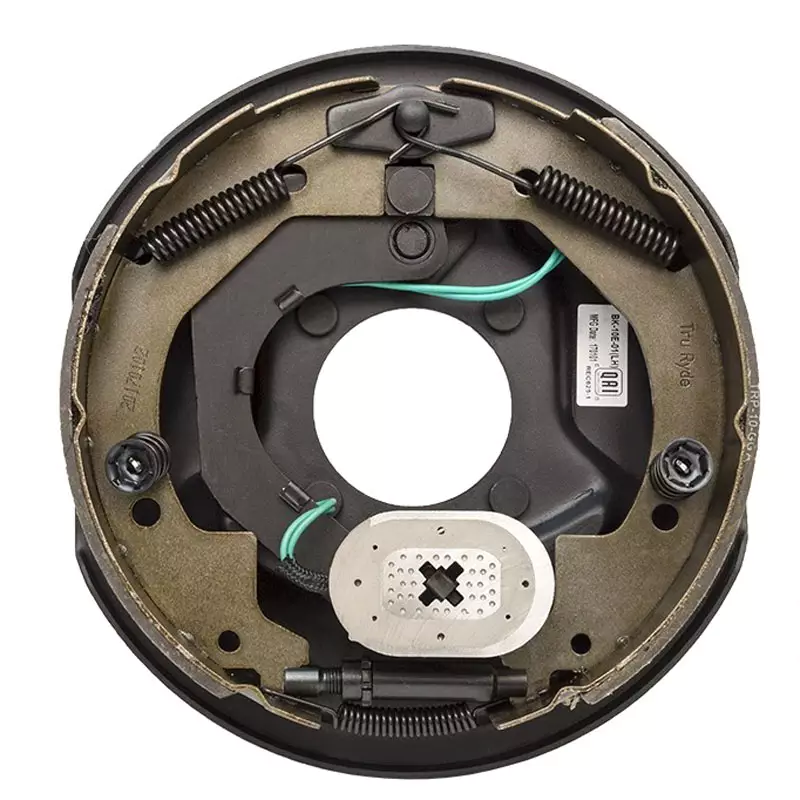
 86435 L/R 10`Electric Brake 86435 L/R 10`Electric Brake | 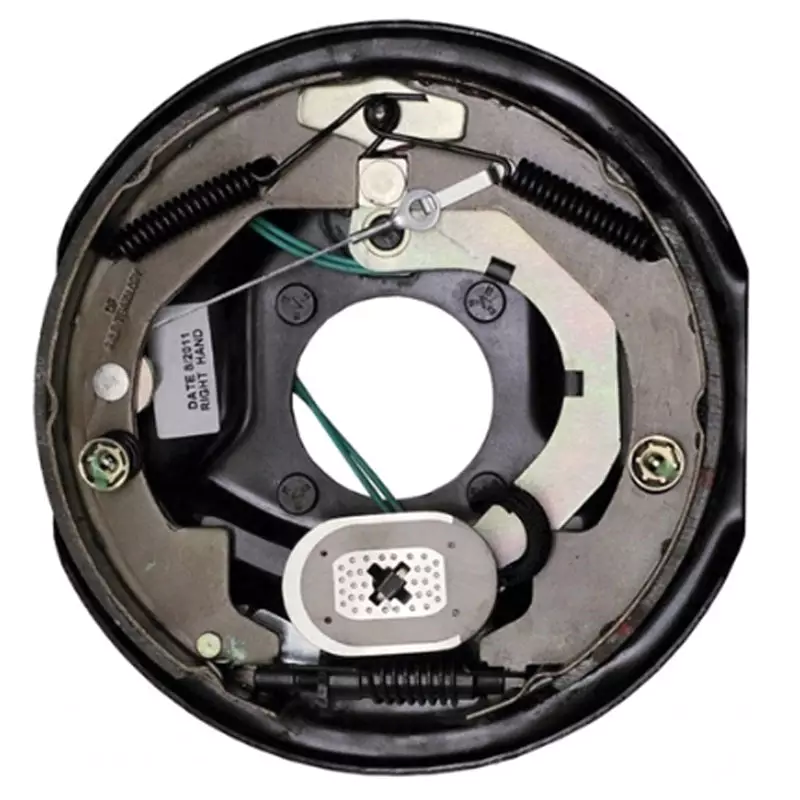 86435-S L/R 10`Electric Brake(self-adjusted) 86435-S L/R 10`Electric Brake(self-adjusted) | 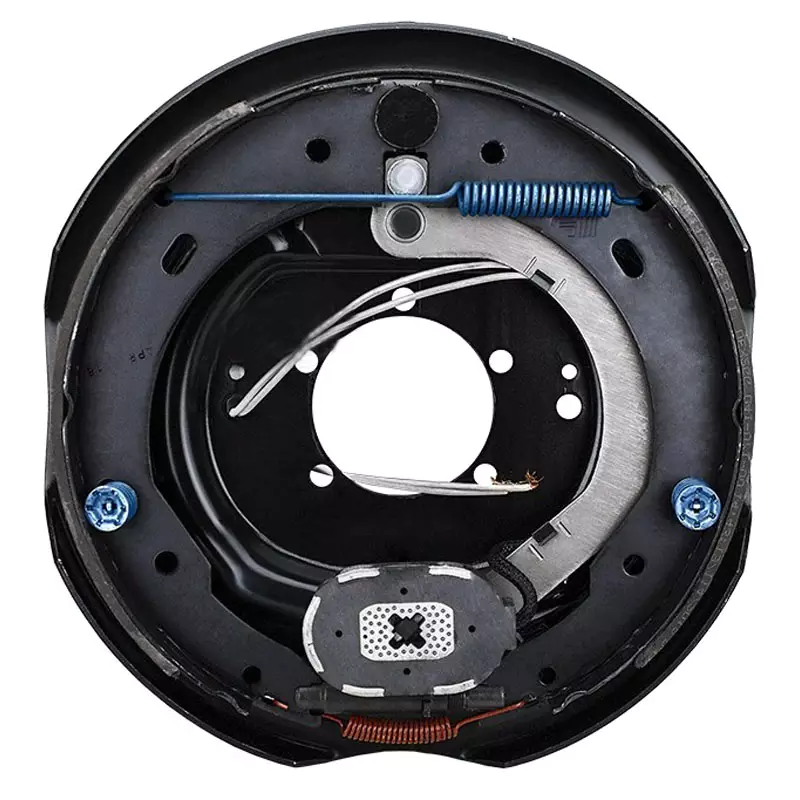 86437 L/R 12`Electric Brake 86437 L/R 12`Electric Brake |
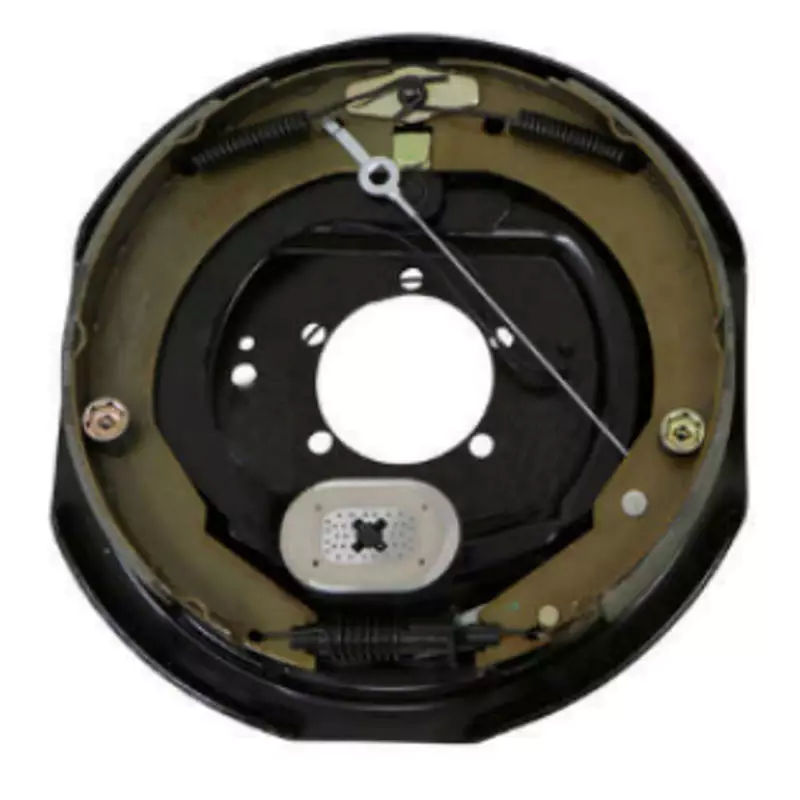 86437-S L/R 12`Electric Brake (self-adjusted) 86437-S L/R 12`Electric Brake (self-adjusted) | 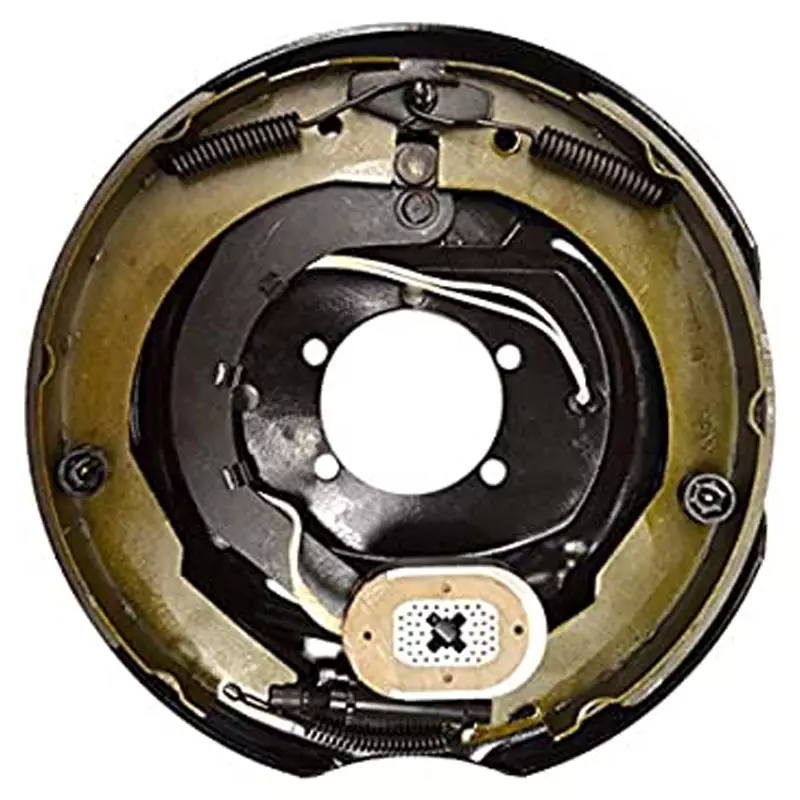 86439 L/R 12`Electric Brake (heavy duty) 7K 86439 L/R 12`Electric Brake (heavy duty) 7K | K23-438/439 12.25 x 4” Electric brake7 holes(Yellow wire) |
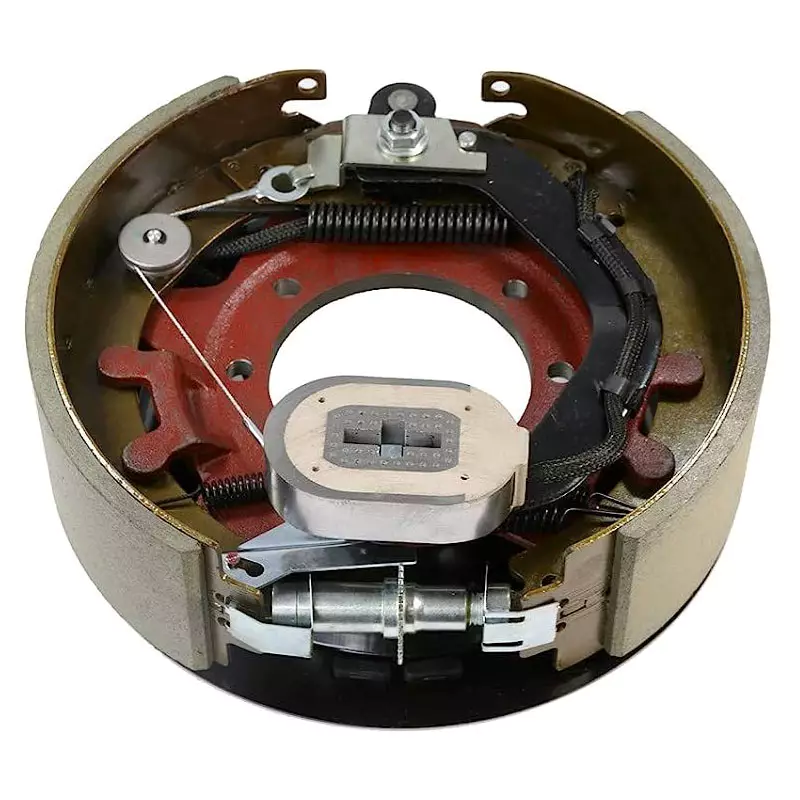 K23-442/443 12.25 x 5” Electric brake7 holes (Black wire) K23-442/443 12.25 x 5” Electric brake7 holes (Black wire) | 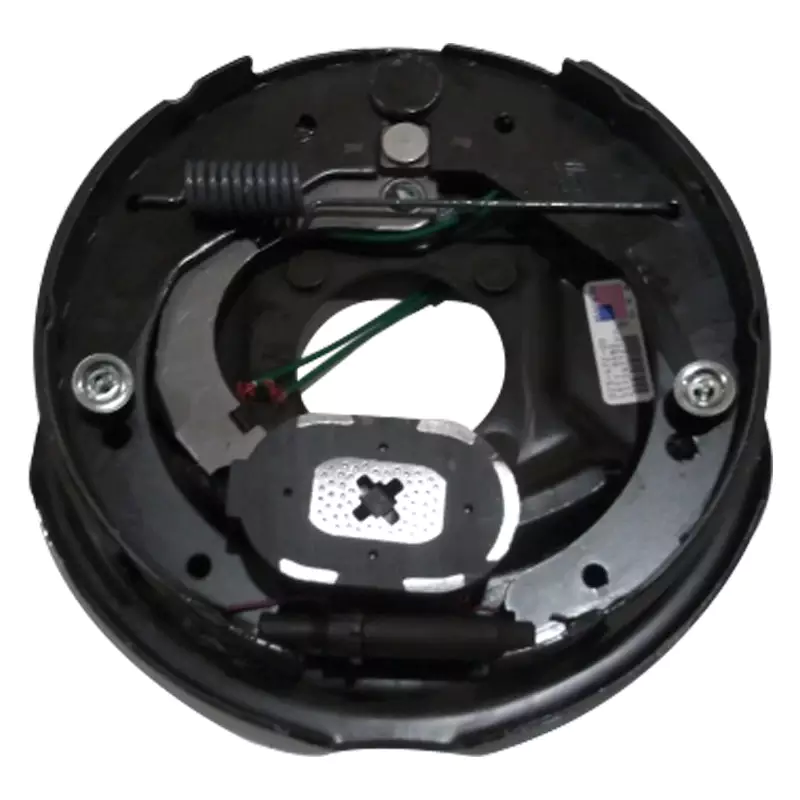 K23-446/447 12.25 x 5” Electric brake7 holes (blue wire) K23-446/447 12.25 x 5” Electric brake7 holes (blue wire) | 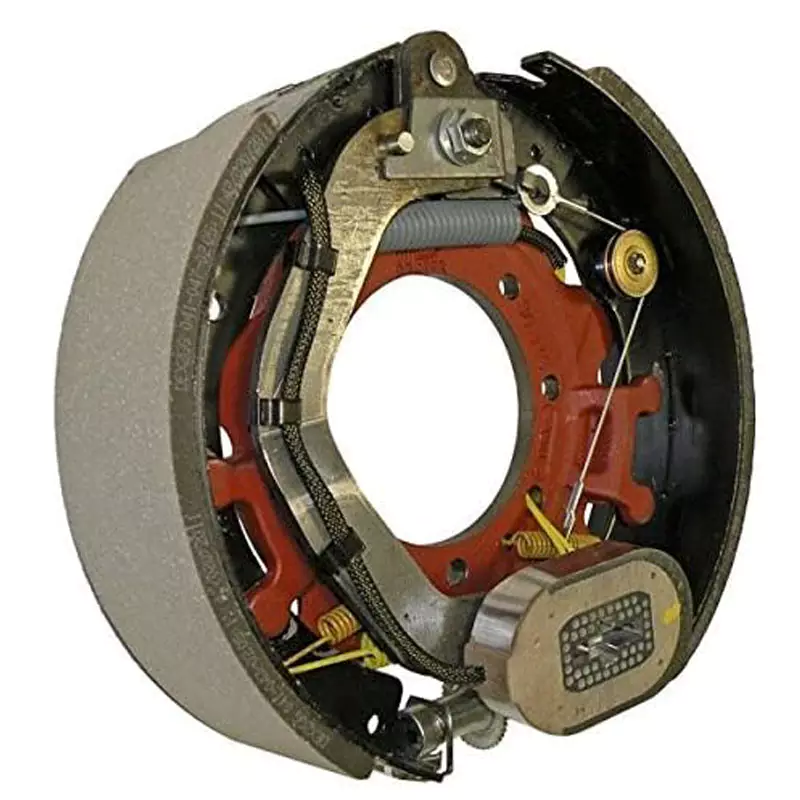 K23-450/451 12.25 x 3-3/8” Electric brake7 holes (Yellow wire) K23-450/451 12.25 x 3-3/8” Electric brake7 holes (Yellow wire) |
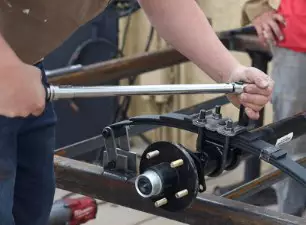 It is likely that you have realized that in the appropriate time frame, to completely stop the vehicle and its trailer, more than just the tractor's brakes are required. Considering the weight and speed of the trailer, it is obvious that the trailer also needs to tilt using its braking force.This is achieved through the brakes of the trailer, which can be one of two types: surge (mechanical or hydraulic), which relies on inertia for automatic deceleration, or electric brakes that require electrical connection to the towing vehicle to operate. The principle behind the surge (also known as override or overspeed) brake is simple.The coupling includes a sliding shaft connected to the tow ball. Due to vehicle deceleration, the axle slides when pushed and applies pressure directly to the mechanical linkage (mechanical brake) or the linkage connected to the hydraulic cylinder, thereby generating hydraulic pressure on the braking system (hydraulic brake). These often appear on camping trailers or boat trailers.The electric trailer brake generates wear and slows down the trailer by activating the electromagnetic brake drum. When the surge brake operates independently, the electric trailer brake must be connected to the power supply of the towing vehicle and adjusted by the brake control unit or electric brake controller.
Address
Luotuo Industrial Area, Zhenhai District, Ningbo City, China
Tel


 Raydafon