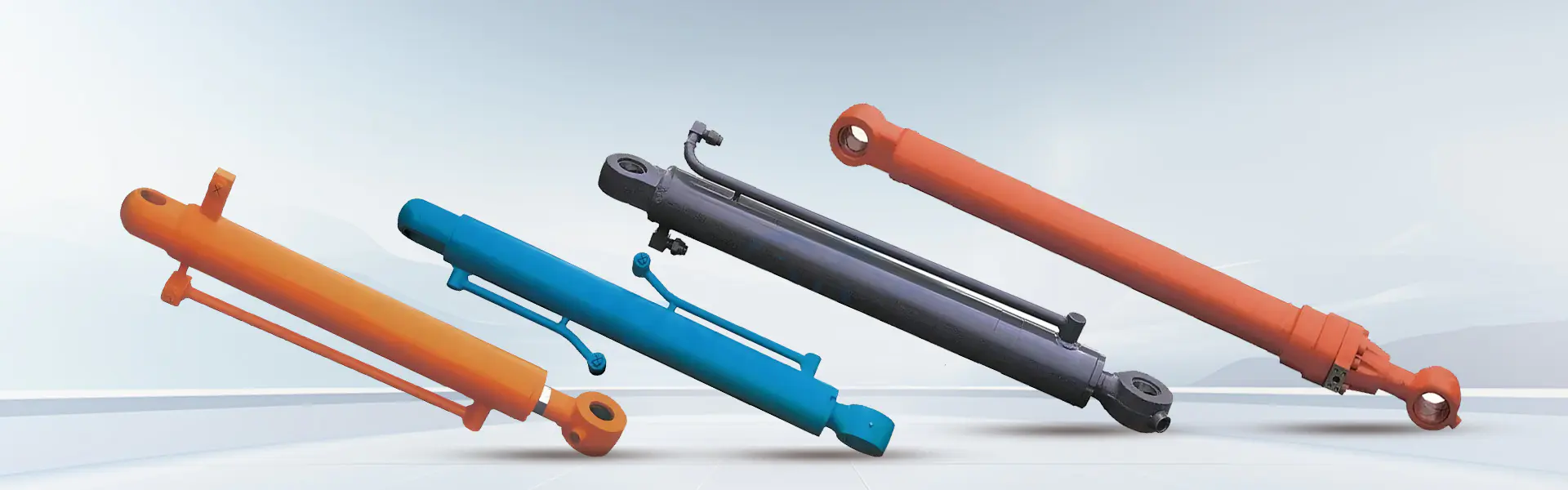
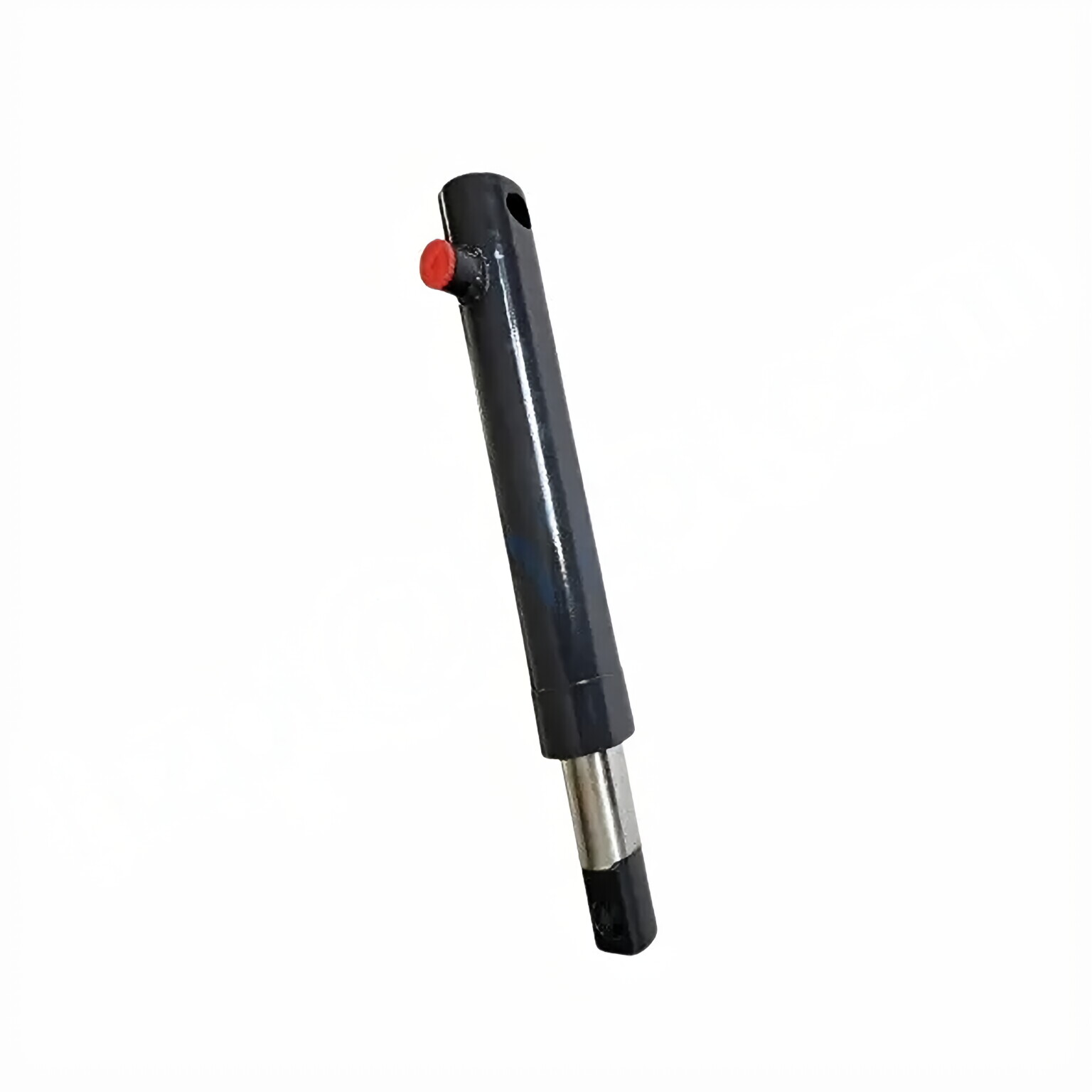
Raydafon Group offers the Low-Pressure Hydraulic Cylinder Rear Pin, a durable and reliable component designed for seamless integration into hydraulic systems. Its high-quality materials and precision engineering ensure efficient operation, perfect for industrial and agricultural applications. This pin enhances safety and performance, solving alignment issues while providing peace of mind. With its unique corrosion-resistant design, it outperforms competitors, delivering value and reliability. Choose Raydafon Group for superior hydraulic solutions that boost your machinery's longevity and functionality.
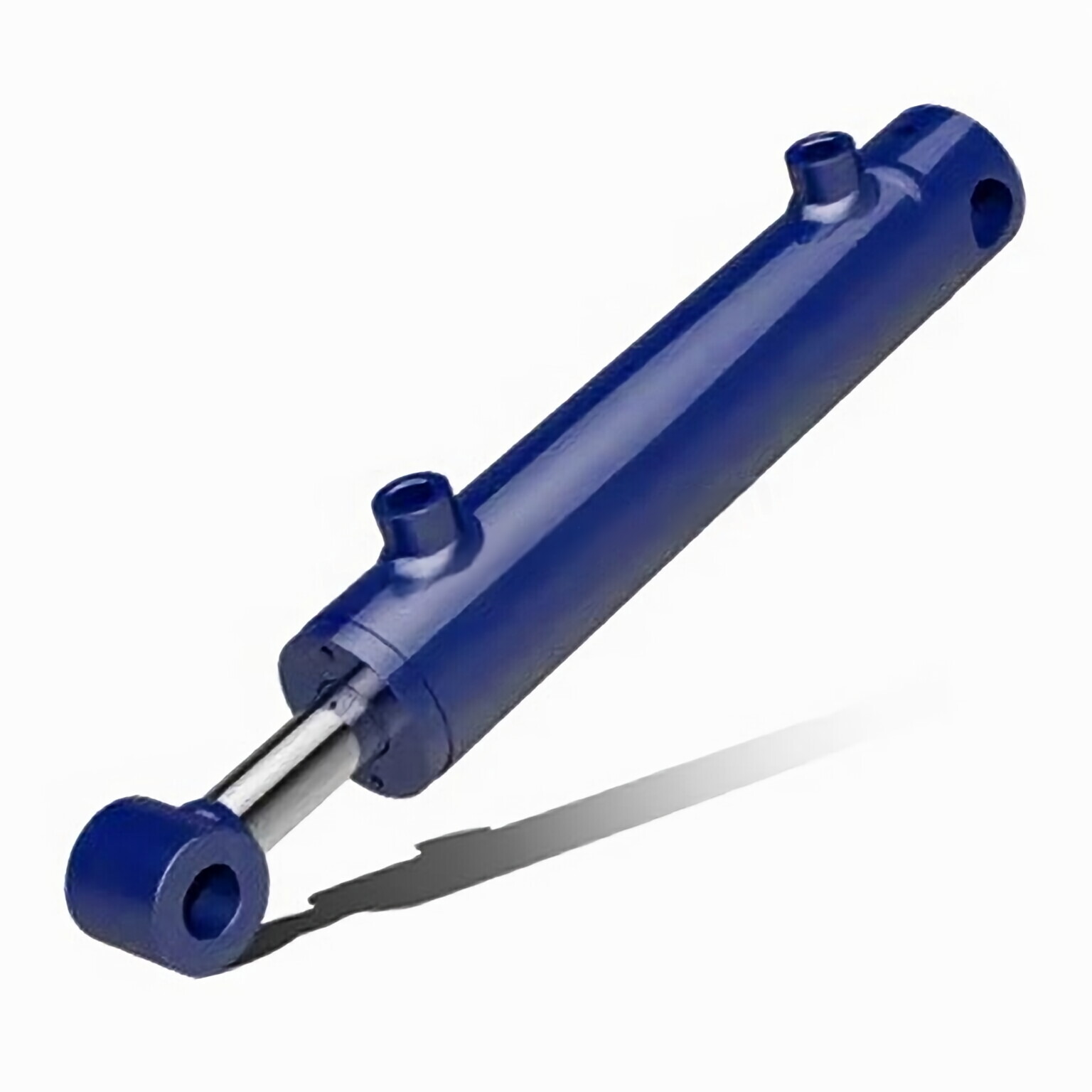
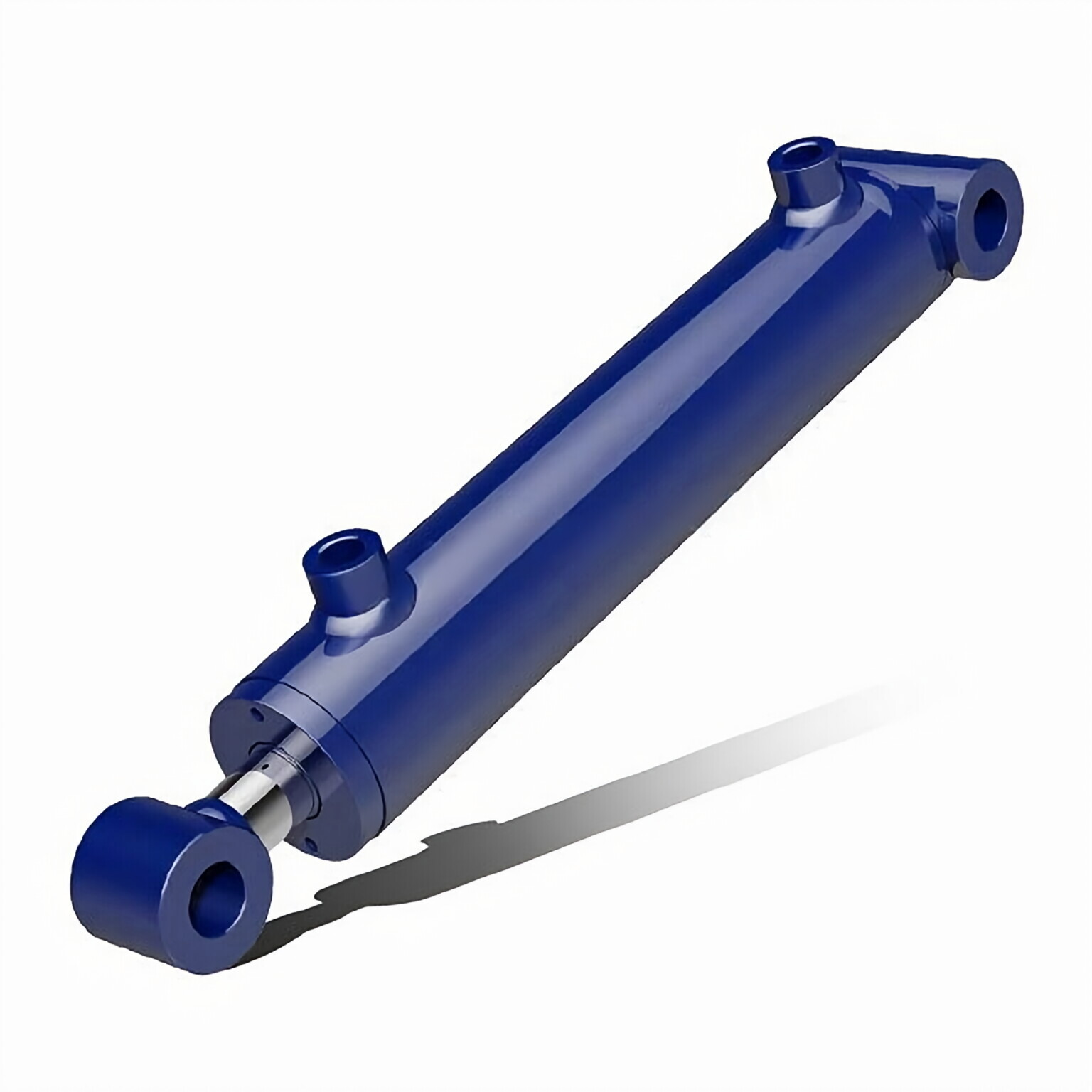
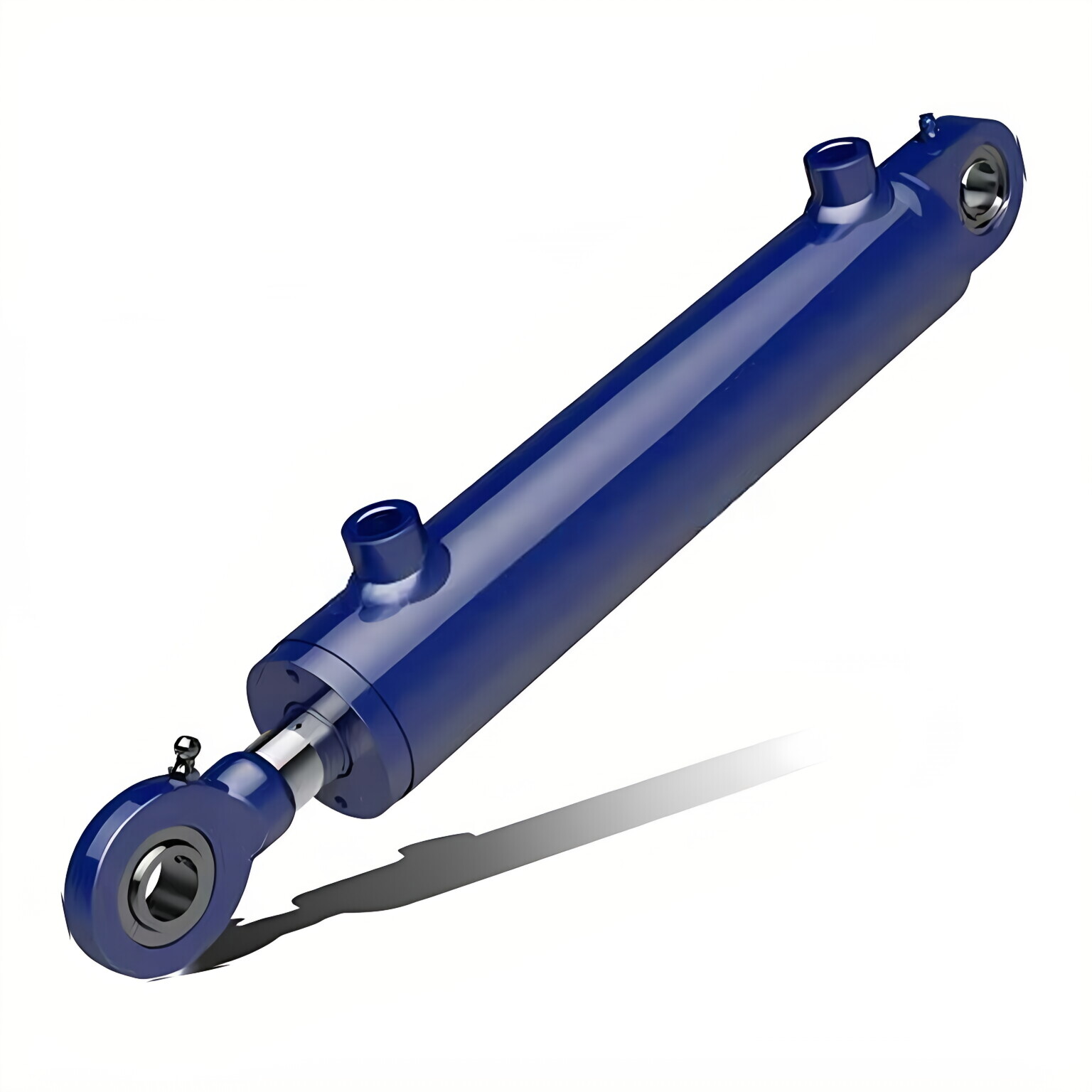
Low-Pressure Hydraulic Cylinder Rear PinIn the context of a low-pressure hydraulic cylinder, a rear pin refers to a pin or shaft located at the rear end of the cylinder. This pin serves as a connection point or pivot for attaching or mounting the cylinder to other components or equipment. Here's some information about the rear pin in a low-pressure hydraulic cylinder:Design and Construction Of Low-pressure Hydraulic Cylinder:
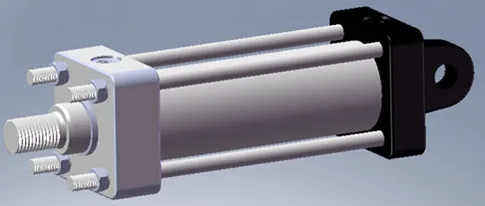
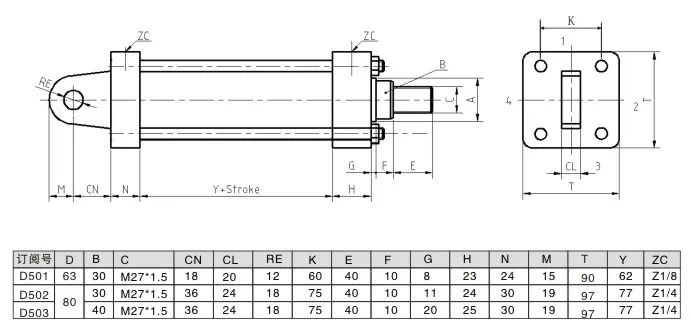
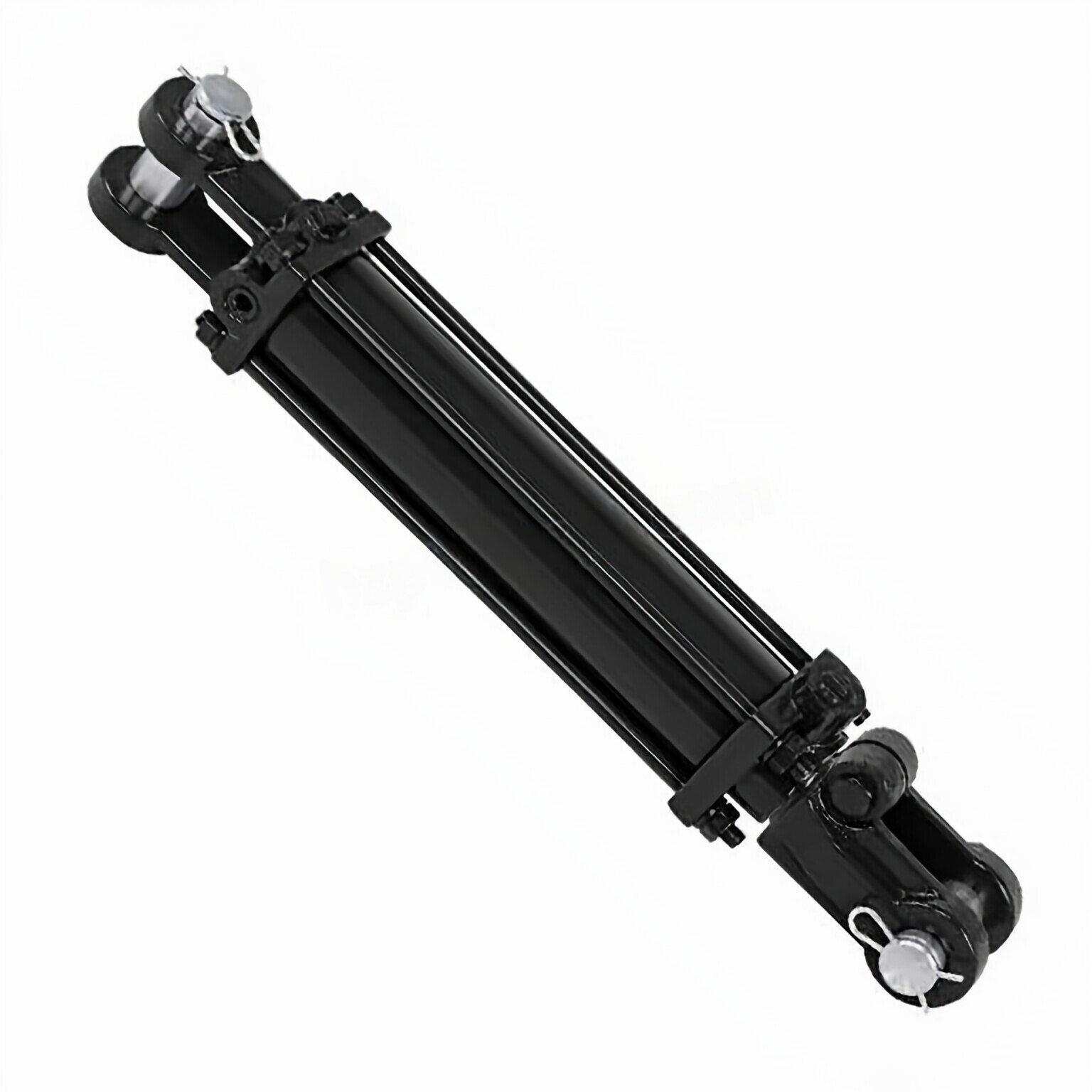
Rear Pin: The rear pin is typically a solid metal pin or shaft that extends through the rear end of the hydraulic cylinder. It is designed to provide a secure connection and pivot point for the cylinder.
Mounting Holes: The rear pin is inserted through mounting holes or brackets on the cylinder housing or rear flange. These mounting holes are aligned with corresponding holes or brackets on the equipment or structure to which the cylinder is being attached.
Retention Mechanism: The rear pin may be secured in place using retaining clips, bolts, or other fasteners to prevent unintended disconnection or movement.
Low-pressure hydraulic cylinders with rear pins are used in various industries and applications, especially in systems that operate under lower hydraulic pressures.
They are commonly employed in industrial machinery, mobile equipment, and other systems where space constraints or specific mounting requirements exist.
These cylinders are suitable for applications such as material handling, lifting mechanisms, conveyor systems, and other equipment that requires linear force or motion.
Low-Pressure Hydraulic Cylinder Rear Pin Mounting and Connection:
Mounting the Cylinder: The rear pin allows for direct attachment of the hydraulic cylinder to other equipment or structural elements. The pin is inserted through the mounting holes or brackets on the cylinder and the mating holes or brackets on the equipment or structure.
Fastening the Rear Pin: Once the rear pin is inserted through the mounting points, it is typically secured in place using retaining clips, bolts, or other fasteners. These fasteners ensure a stable and rigid connection between the cylinder and the mating surface.
How To Rebuild Hydraulic Cylinder?
Rebuilding a hydraulic cylinder involves disassembling the cylinder, inspecting and replacing worn or damaged components, reassembling the cylinder with new parts, and testing it for proper operation. Here's a general overview of the process:
Gather Required Tools and Parts: Before starting the rebuild process, gather the necessary tools and replacement parts, including seals, o-rings, gaskets, and any other components specific to your hydraulic cylinder model.
Cylinder Removal: Disconnect the hydraulic cylinder from the system or equipment it is installed in. Follow proper safety procedures and use appropriate lifting equipment if needed.
Cylinder Disassembly: Carefully disassemble the cylinder, taking note of the order and orientation of the components as you remove them. This may involve removing the end caps, piston, piston rod, seals, and other internal components.
Component Inspection: Inspect each component for wear, damage, or degradation signs. Pay close attention to seals, o-rings, and other rubber components, as they are commonly replaced during a rebuild. Replace any worn or damaged parts with new ones.
Cylinder Cleaning: Thoroughly clean all components using an appropriate cleaning agent to remove dirt, debris, and hydraulic fluid residue. Ensure that all ingredients are dehydrated before reassembly.
Seal Installation: Install new seals, o-rings, and gaskets in their respective positions within the cylinder. Ensure proper alignment and orientation according to the manufacturer's specifications.
Reassembly: Begin reassembling the cylinder, following the reverse order of disassembly. Lubricate the seals and o-rings with a compatible hydraulic fluid or assembly lubricant as you reassemble the components.
Torque and Tighten: Use the manufacturer's recommended torque values to tighten bolts, nuts, and fittings to the appropriate specifications. Ensure that all connections are secure but avoid over-tightening, which can damage components.
Testing: Re reconnect the cylinder to the hydraulic system or equipment once the cylinder is reassembled. Test the cylinder for proper operation, including extension, retraction, and pressure-holding capabilities. Check for any leaks and address them if necessary.
System Fluid Replacement: If required, replace the hydraulic fluid in the system with clean, compatible fluid following the manufacturer's guidelines.
China Hydraulic Cylinder Manufacturers:
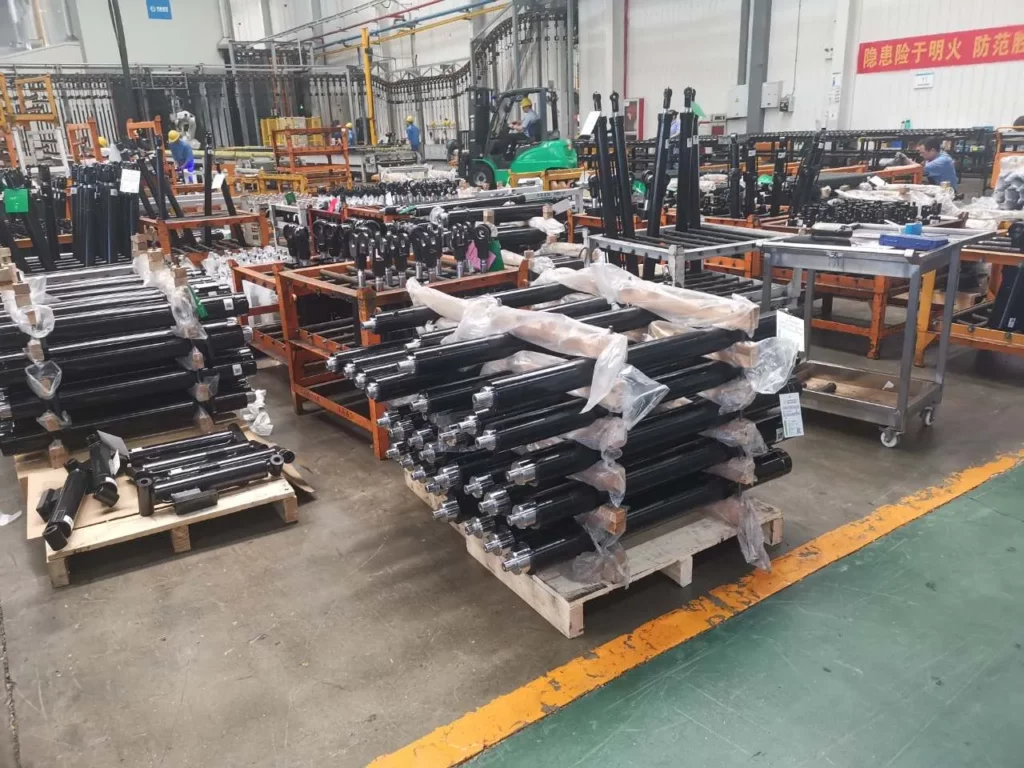
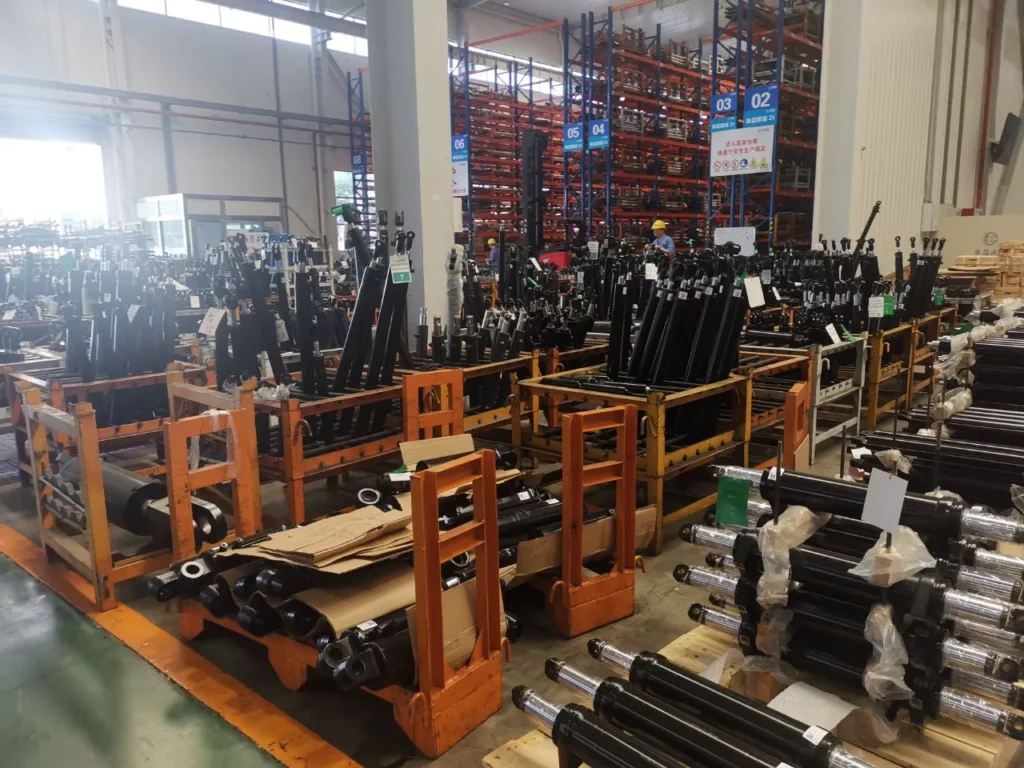
Raydafon is a company in the R&D and manufacture of low-pressure hydraulic cylinders. It maintains a leading position in the market segment of hydraulic cylinders for forklifts in China. In 2020, the domestic market share was around 29%. We produce Industrial vehicle low-pressure hydraulic cylinders, Aerial work vehicle low-pressure hydraulic cylinders, Agricultural Machinery hydraulic cylinders, and Sanitation machinery hydraulic cylinders.We have a first-class independent R&D platform for assembly. The low-pressure hydraulic cylinder production workshop has four semi-automatic lifting cylinder assembly lines and one fully automatic tilting cylinder assembly line, with a designed annual production capacity of 1 million pieces; the special cylinder workshop is equipped with semi-automatic cleaning and assembly systems of various specifications, with a designed annual production capacity of 200,000 pieces. It is equipped with famous brand CNC machining equipment, machining centers, special equipment for high precision cylinder processing, robot welding machines, automatic cleaning machines, automatic cylinder assembly machines, and automatic paint production lines. We have more than 300 sets of key equipment running. The optimized allocation and efficient utilization of equipment resources ensure the precision requirements of the products and meet the high standard quality requirements of the products.
We use cookies to offer you a better browsing experience, analyze site traffic and personalize content. By using this site, you agree to our use of cookies.Privacy Policy


 Raydafon