
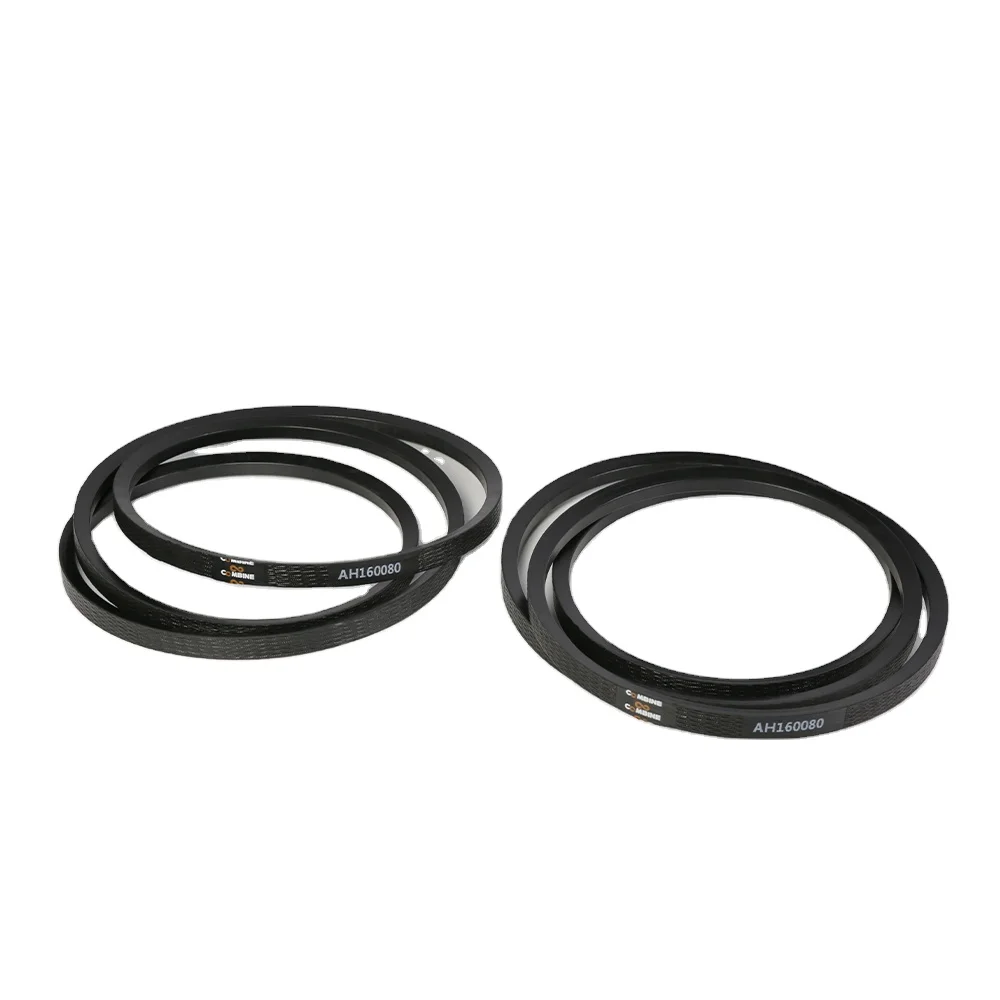
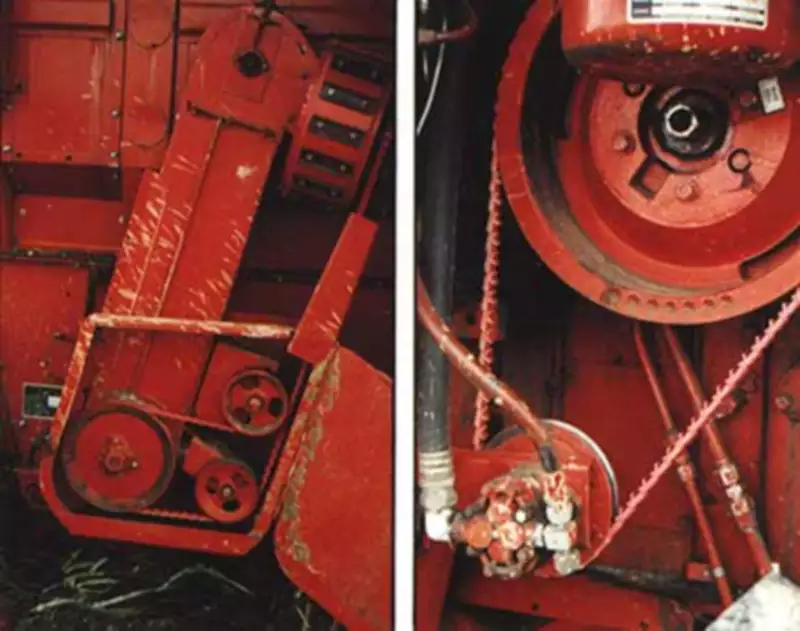
An agricultural belt, as the name implies, is a belt used in agricultural machinery to transfer power. Agricultural belts are widely used in tractors, combines, and other equipment that require power transmission. Here is a list of the types of agricultural machinery that usually use agricultural belts:
The agricultural belt is mainly used in the PTO section of the tractor, connecting the tractor with the attached agricultural tools, such as plows, seeders, harvesters, crushers, water pumps, etc.
The agricultural belt is used in the main transmission system to transfer the engine's power to the threshing drum, cutter bar, cleaning system, and other moving parts.
The agricultural belt is used to transfer the power of the tractor to the working parts of the tillage equipment, such as rotary tillers, plows, deep tillage machines, etc.
In power-driven pumping and rotary sprinkler systems, the agricultural belt transfers the tractor's power to the pump or other drive components.
In feed mixers, silage cutters, and other equipment, the agricultural belt is used to drive the mixing and cutting modules.
The Narrow V - Belt AH160080 can be used to replace John Deere Belts AH160080. Here is a list of the brands and models of agricultural machinery this belt can fit:
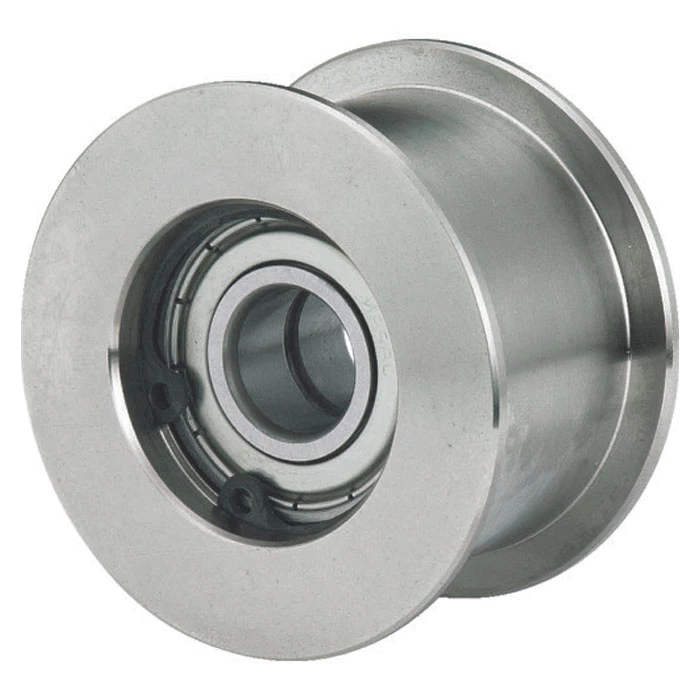
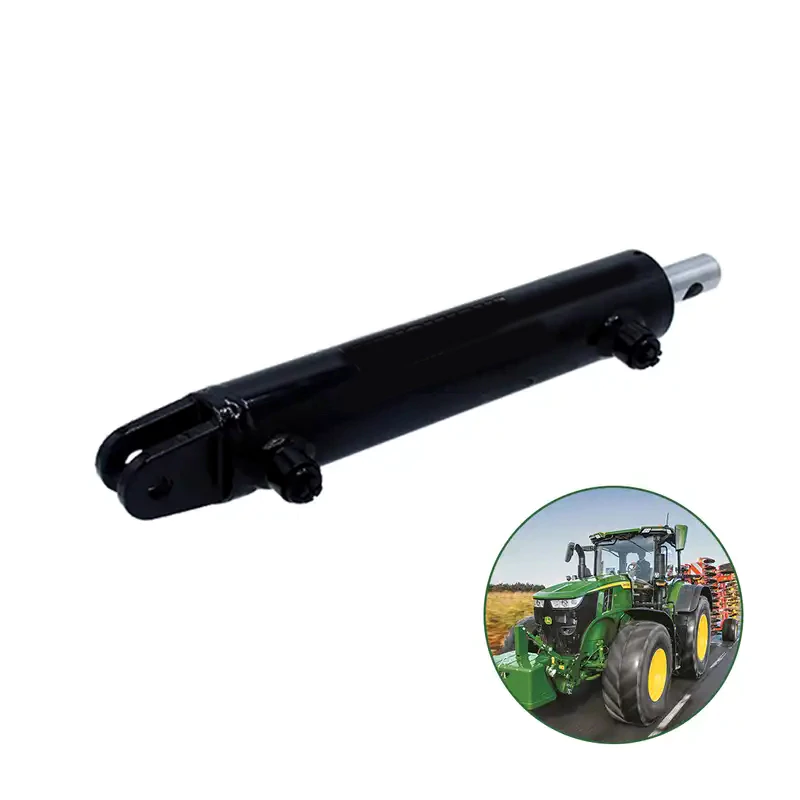
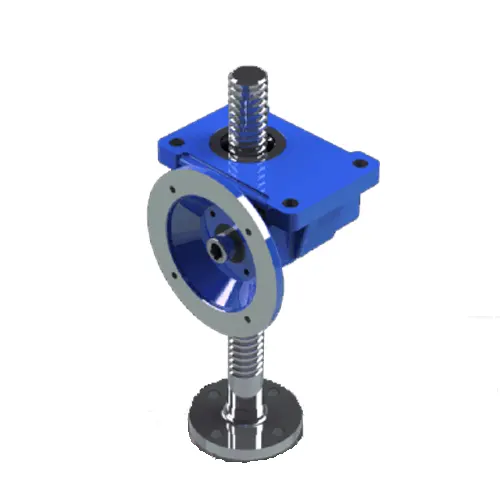
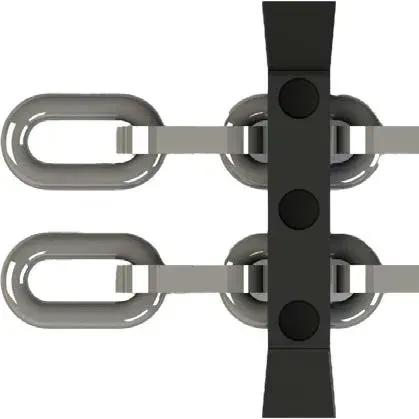
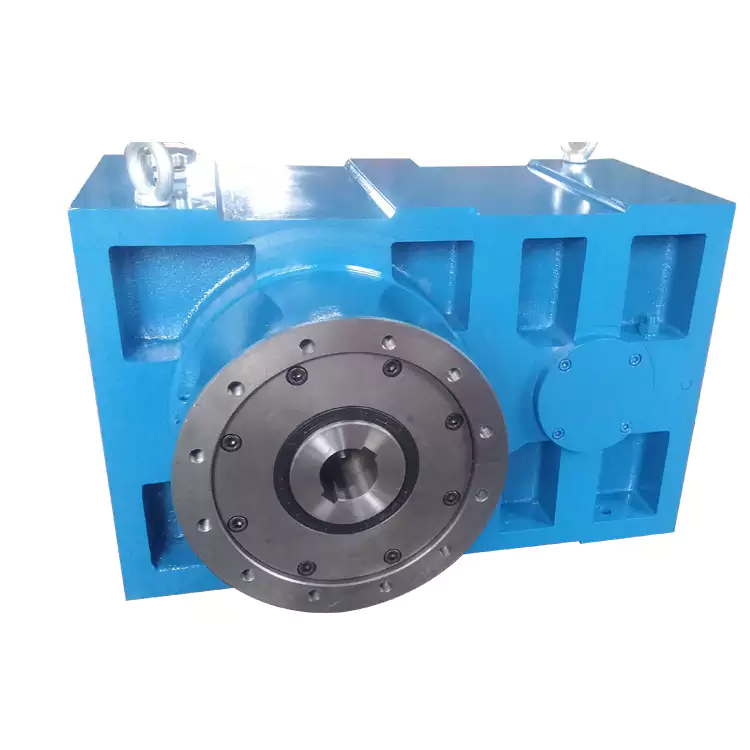
In addition to agricultural belts, we also offer other agricultural machinery parts, such as agricultural chains, agricultural gearbox, pulley, sprocket, coupling, PTO shaft, concave, and other accessories. We have all the agricultural machinery parts you need.
When should you replace your agricultural belt? Here are some signs to look out for:
If the surface of the agricultural belt has cracks, frayed edges, thinning, rubber blocks falling off, or exposed fabric layers, it means that the belt is severely worn, and the strength and stability are greatly reduced. You should replace it in time.
The agricultural belt should run in the appropriate tension state. If the belt is too loose, it may sag more than the specified value when pressed by hand, or the belt length cannot maintain the original tension after continuous use. This indicates that the belt has lost elasticity and tension and needs to be replaced.
If you hear a sharp whistling sound from the belt during agricultural machinery operation or feel that the power output of the machine is insufficient, and the speed decreases, it's probably due to belt slipping. You should check the tension and friction of the belt and replace it if necessary.
The normal belt will generate some heat during operation, but if it feels very hot or even hot to the touch, it may be due to the belt's excessive fatigue, internal damage, or excessive tightening, which is easy to accelerate the belt's aging and damage. You should stop running immediately and check and replace the belt.
If you smell burning rubber or see melting or burning marks on the belt, it means that the belt is in a serious overloaded state, and partial or complete damage may have occurred. You must replace the belt immediately.
When the agricultural belt fails or is about to fail, it may cause additional vibration or noise during machine operation. This is because of the uneven transmission. You should stop the machine, check the cause, and replace the problematic belt promptly.
How to choose the right agricultural belt?
The most commonly used agricultural belt is the V-belt (also called a triangular belt), with different models such as A, B, C, D, etc. Choose the same model as the original belt or refer to the specifications provided by the agricultural machinery manufacturer.
Measure or calculate the required belt's accurate length according to the agricultural machinery manual to ensure that the new belt can be installed smoothly and maintain proper tension.
The belt needs to bear the engine output power of the agricultural machinery, so you must ensure that the new belt's rated power is greater than or equal to the power demand of the transmission system.
Belts made of high-quality rubber blends have better wear resistance, high-temperature resistance, oil resistance, and aging resistance.
The agricultural belt must match the groove width and depth of the belt pulley to ensure good meshing and avoid slipping or premature wear.
Author: Miya
Address
Luotuo Industrial Area, Zhenhai District, Ningbo City, China
Tel

 Raydafon