Raydafon Technology Group Co.,Limited
Products
Products
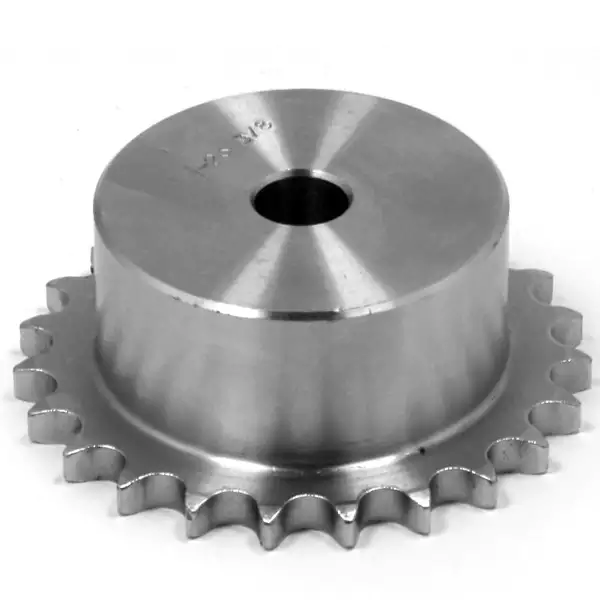
NK180B Standard Bore Sprocket
  • NK180B Standard Bore SprocketNK180B Standard Bore Sprocket

NK180B Standard Bore Sprocket

Raydafon Group's NK180B Standard Bore Sprocket is a durable, high-precision component designed for smooth power transmission in industrial machinery. Its robust steel construction ensures longevity and reliability, making it ideal for mechanics and engineers in manufacturing or automotive settings. This sprocket reduces maintenance downtime, delivering a sense of efficiency and trust. Unlike standard models, it features enhanced corrosion resistance and a perfect fit. Elevate your operations with this essential upgrade!

NK180B Standard Bore Sprocket

A standard bore sprocket is a type of sprocket that comes with a pre-bored hole to fit onto a specific shaft size. The NK180B Standard Bore Sprocket is a type of standard bore sprocket that comes with a black oxide finish to prevent corrosion. The below selection table shows the different dimensions of the sprocket.
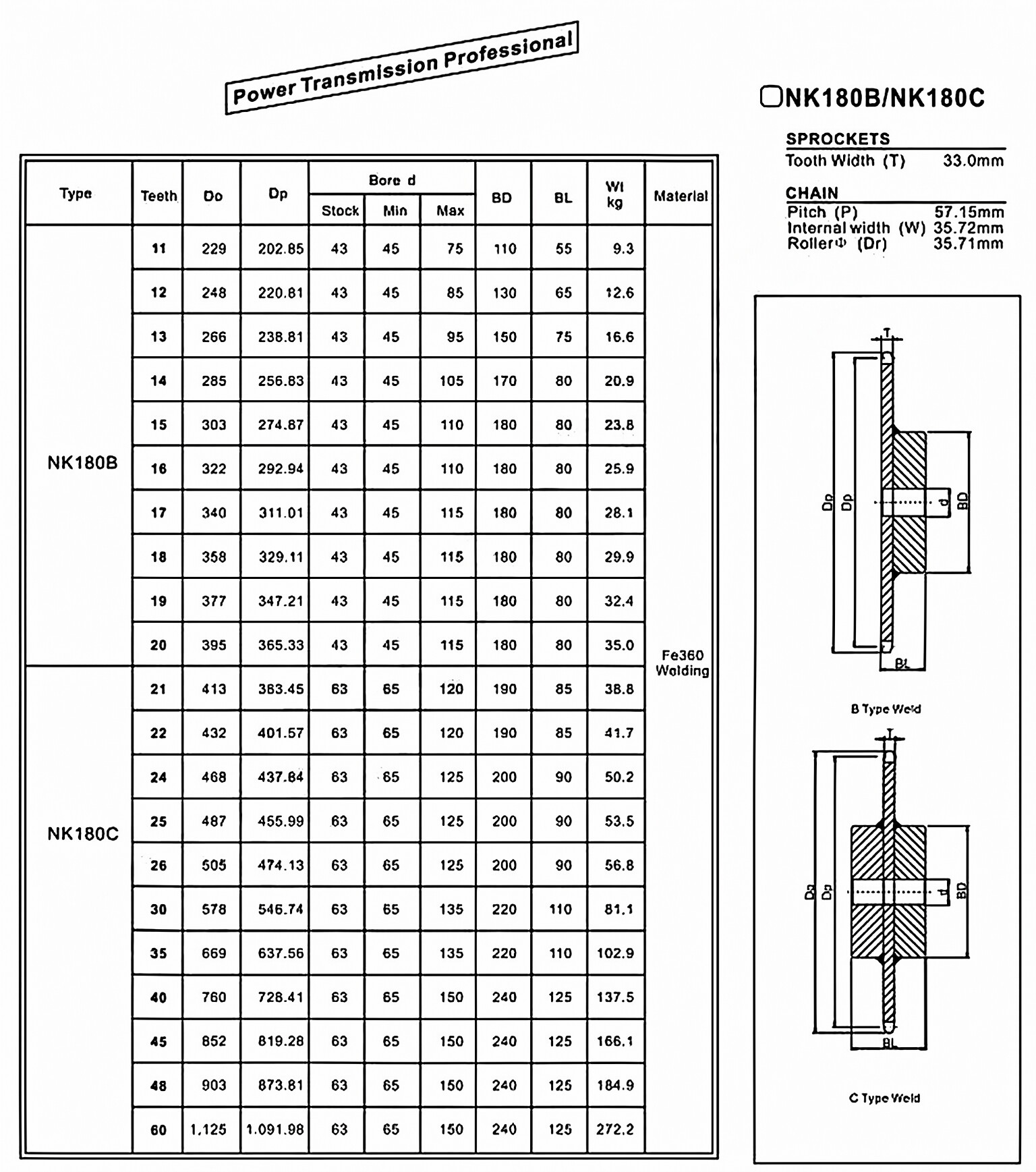
NK180B Standard Bore Sprocket

Basic Structure of Sprockets

Sprockets are made up of teeth, a bore, and a hub. The teeth are responsible for engaging with the chain to transmit power to the driven equipment. The bore is the pre-bored hole that fits onto the shaft. The hub is where the sprocket attaches to the equipment. When customizing a sprocket, the following factors need to be determined:

  • Material: The material can be high carbon steel, alloy steel, or stainless steel.
  • Tooth profile: The tooth profile can be a standard, non-standard, or custom design.
  • Number of teeth: The number of teeth determines the speed ratio of the sprocket.
  • Dimensions: The dimensions of the sprocket must be specific to the equipment it is being used for.
  • Bore diameter: The bore diameter must match the diameter of the shaft it is being mounted on.
  • Keyway: The keyway must be customized to align with the shaft's keyway.
  • Surface treatment: The surface treatment can be black oxide, zinc plating, or painting.

Materials and Manufacturing Process

Our sprockets are made of high carbon steel, alloy steel, or stainless steel. The manufacturing process includes material selection, cutting, punching, forging, CNC machining, heat treatment, surface hardening, surface treatment, rust prevention, and quality inspection.

  • Material selection: The material used is selected based on the customer's specific requirements.
  • Cutting and punching: The raw material is cut and punched to the required size and shape.
  • Forging: The rough shape of the sprocket is created through forging.
  • CNC machining: The sprocket is refined to its final shape through CNC machining.
  • Heat treatment: The sprocket is heat-treated to improve its strength and durability.
  • Surface hardening: The sprocket is surface-hardened to prevent wear and tear.
  • Surface treatment: The sprocket is given a surface treatment to prevent rust and improve its appearance.
  • Quality inspection: The sprocket undergoes a quality inspection to ensure it meets the required standards.

Applications

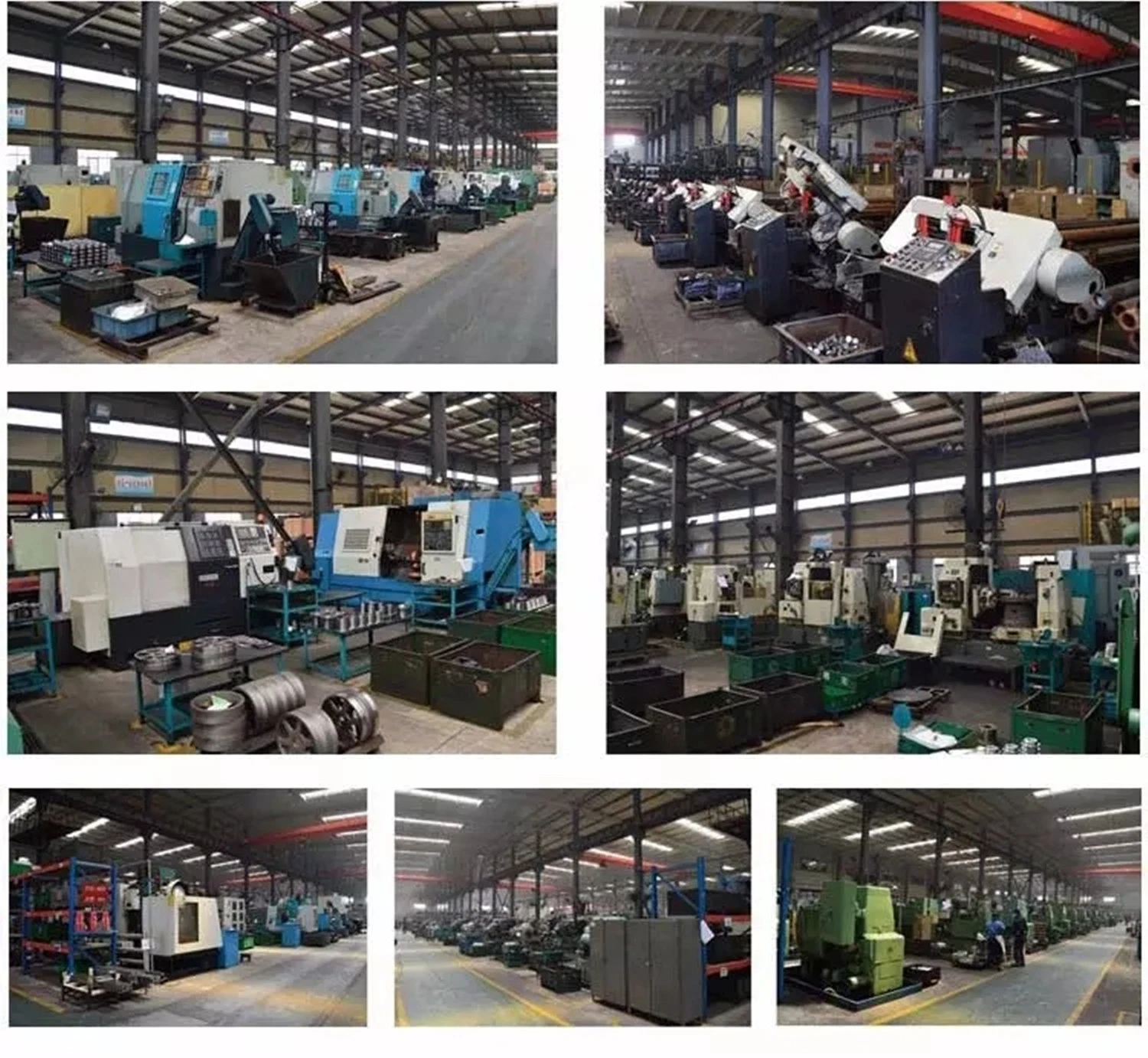
Our sprockets are used in a variety of industries, including heavy machinery and equipment, food processing and packaging, chemical and pharmaceutical, assembly lines, logistics, and warehousing. The following image shows our Hunting Tooth Sprockets being used in a heavy machinery application:
NK180B Standard Bore Sprocket

Maintenance and Troubleshooting

Maintaining and troubleshooting sprockets is essential for ensuring their longevity and performance. The following maintenance processes should be followed:

  • Daily inspection: Sprockets should be inspected daily to identify any issues or signs of wear and tear.
  • Cleaning: Sprockets should be cleaned regularly to prevent dirt and debris from accumulating, which can cause damage to the sprocket and chain.
  • Lubrication: Sprockets should be lubricated regularly to reduce friction between the sprocket and chain, which can cause wear and tear.
  • Adjustment: Sprockets should be adjusted and calibrated regularly to ensure they are aligned and working correctly.

Common problems with sprockets include skipping teeth, breakage, wearing, excessive noise, and chain slippage. The following troubleshooting methods should be used to resolve these issues:

  • Skipping teeth: Skipping teeth can be caused by a worn chain or sprocket, misaligned sprocket, or loose tensioner. The chain or sprocket should be replaced, and the sprocket should be realigned and tensioned correctly.
  • Breakage: Breakage can be caused by overloading, fatigue, or poor quality materials. The sprocket should be replaced with a higher load capacity sprocket made of better quality materials.
  • Wearing: Wearing can be caused by poor lubrication or misaligned sprocket. The sprocket should be lubricated regularly and correctly aligned.
  • Excessive noise: Excessive noise can be caused by worn or misaligned sprockets or chains. The sprockets or chains should be replaced, and the sprockets should be correctly aligned.
  • Chain slippage: Chain slippage can be caused by a loose tensioner, worn sprocket, or chain. The tensioner should be tightened, and the sprocket or chain should be replaced if necessary.

Other Types of Sprockets

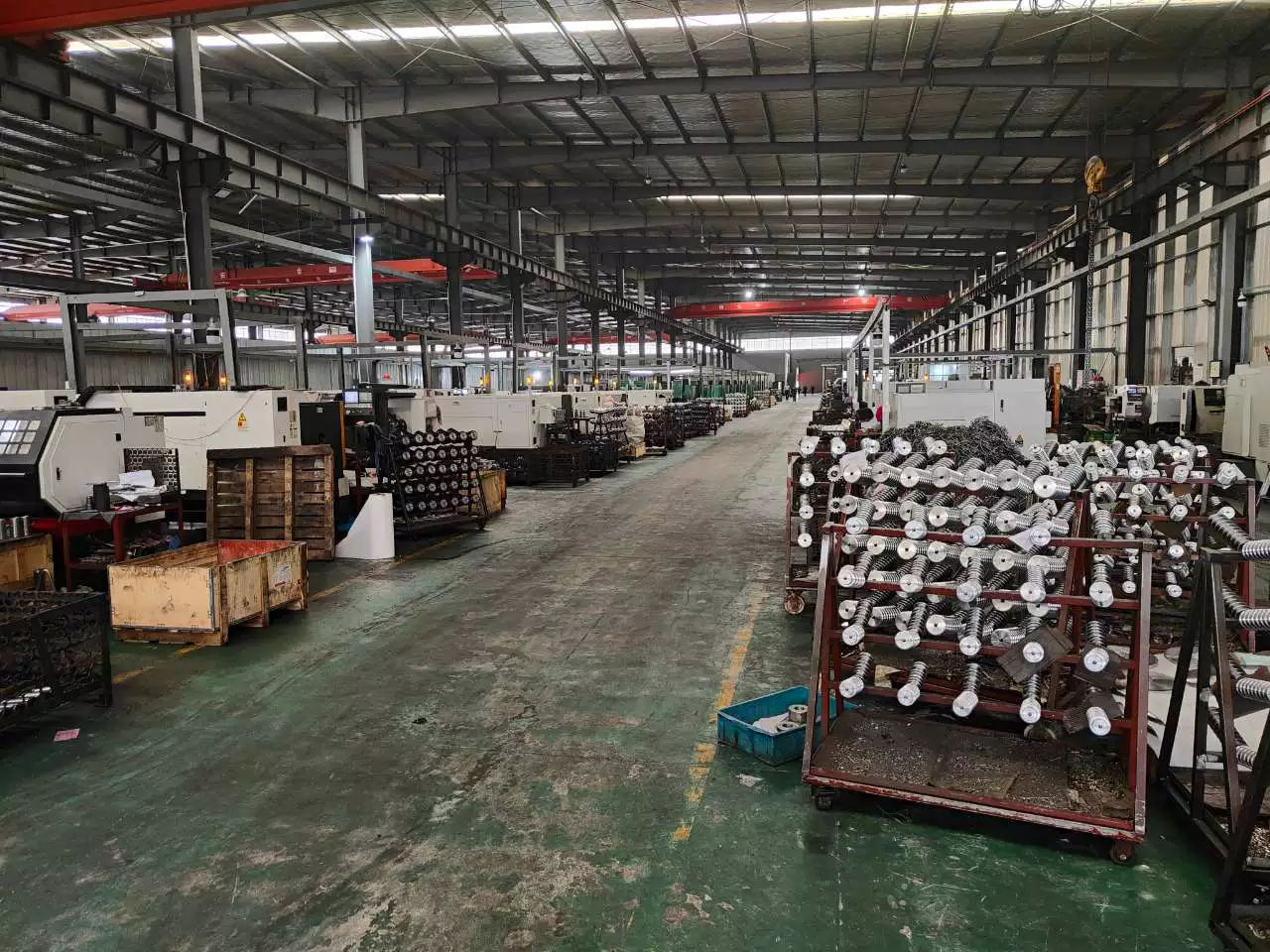
In addition to the NK180B Standard Bore Sprocket, we also offer other types of sprockets, including platewheel sprockets, idler sprockets, QD sprockets, taper lock sprockets, and more. We also provide matching chains for our sprockets. The following image shows our range of sprockets:
NK180B Standard Bore Sprocket

Author: Miya

Hot Tags: NK180B Standard Bore Sprocket Manufacturer, Standard Bore Sprocket Supplier, Industrial Sprocket Wholesale
Send Inquiry
Contact Info
Get customized quotes for transmission components, gearboxes, and machinery. Our engineers will respond within 24 hours.
Online
X
We use cookies to offer you a better browsing experience, analyze site traffic and personalize content. By using this site, you agree to our use of cookies. Privacy Policy
Reject Accept