
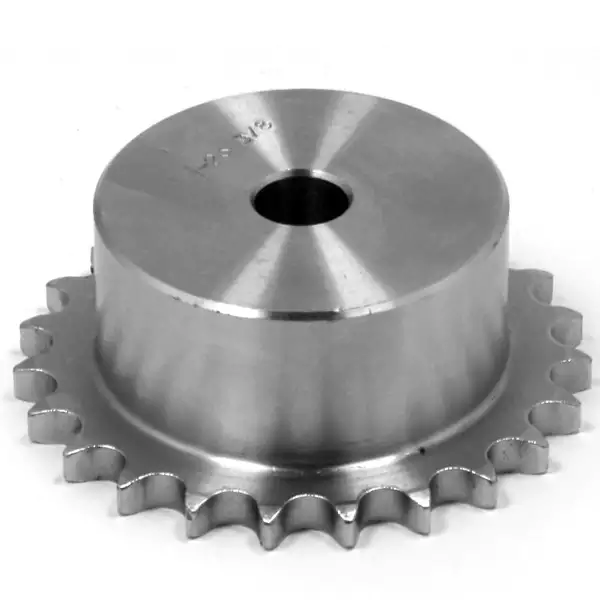
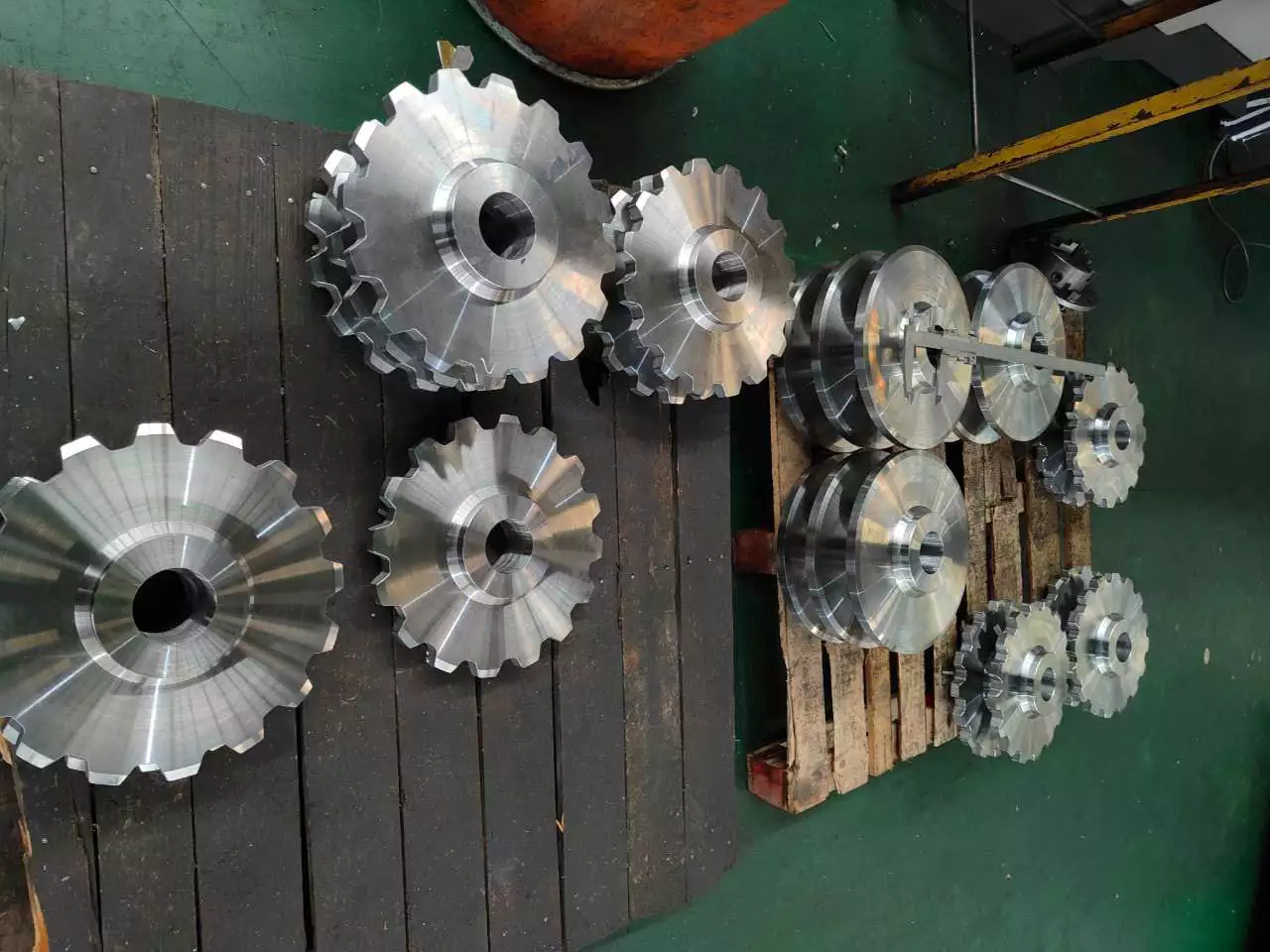
A standard bore sprocket is a type of sprocket used to transmit rotary motion between two shafts where one shaft is powered and the other is not. The No.41 Standard Bore Sprocket is a type of sprocket that is commonly used in power transmission applications due to its wide range of tooth count options and bore sizes.
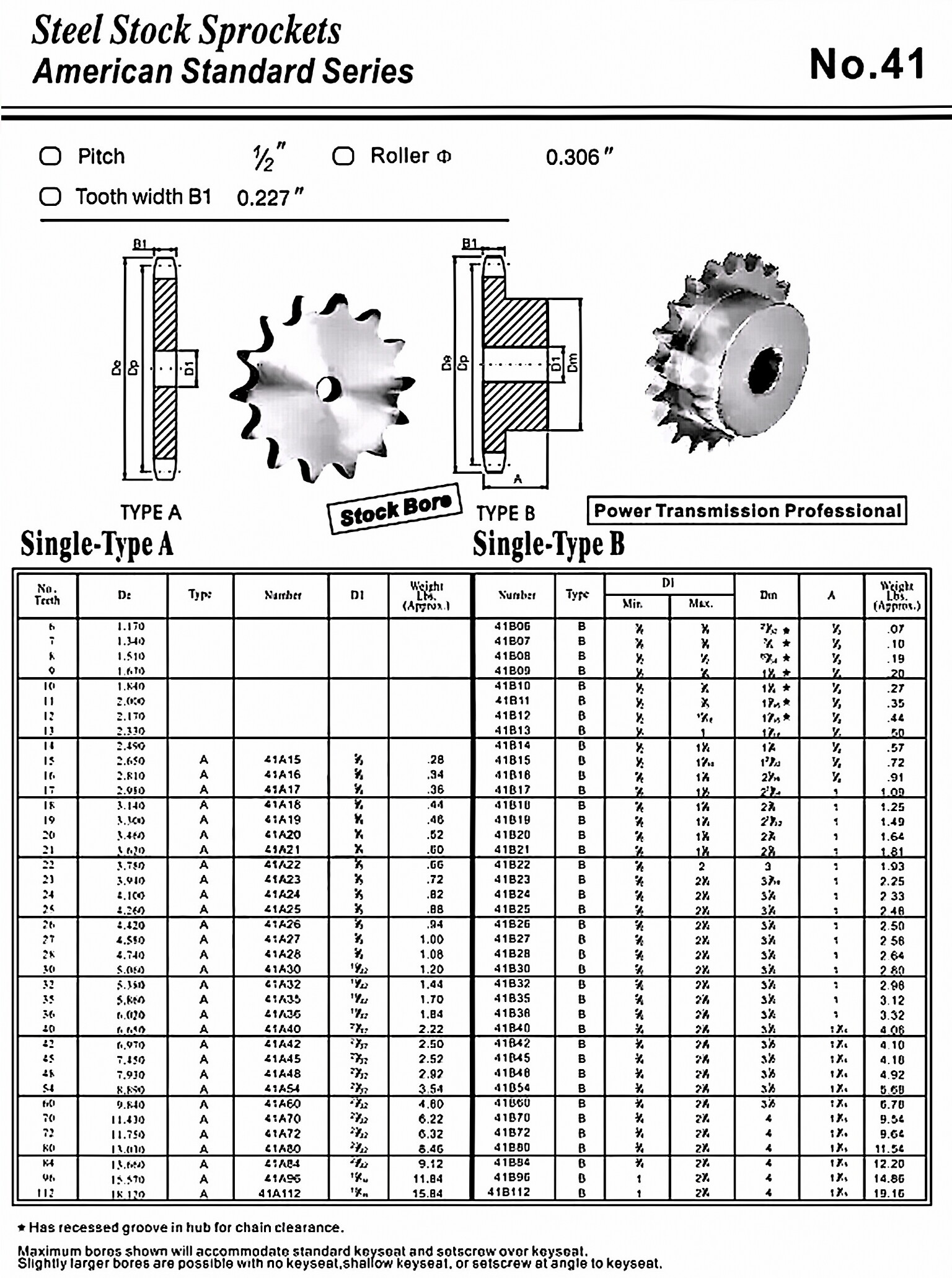
A sprocket consists of a wheel with teeth that mesh with a chain, belt, or other perforated or indented material. The teeth of the sprocket fit into the holes or indents on the material and transfer power. When selecting a custom sprocket, several factors need to be considered, including material, tooth profile, number of teeth, size, bore, keyway, surface treatment, and more.
The No.41 Standard Bore Sprocket is made of high-carbon or alloy steel or stainless steel. High-carbon steel is known for its strength, wear resistance, and durability. Alloy steel is a mixture of iron and other elements, such as chromium, nickel, and molybdenum, that provide improved strength and wear resistance. Stainless steel is a corrosion-resistant alloy that is ideal for applications where the sprocket may be exposed to moisture, chemicals, or other harsh conditions.
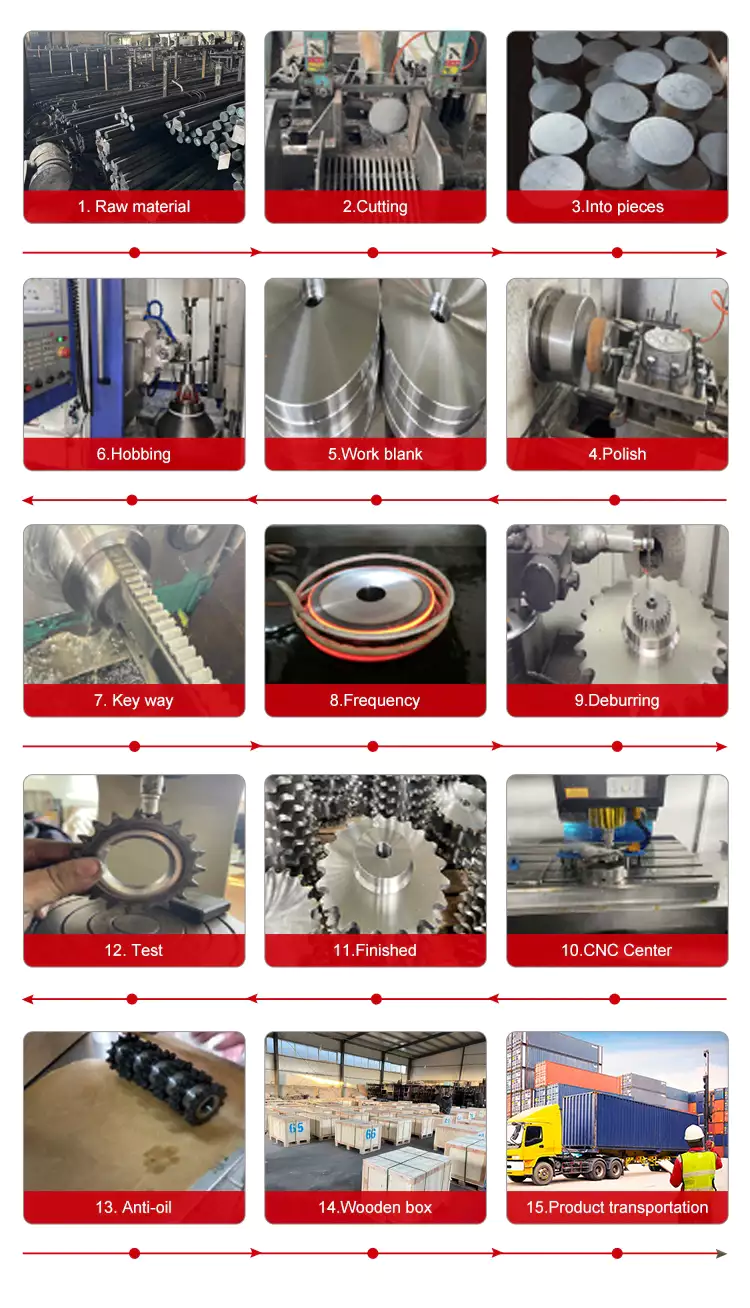
The process of manufacturing a sprocket varies depending on the type of material used, the desired tooth profile, and other factors. The manufacturing process for a No.41 Standard Bore Sprocket typically includes material selection, cutting, punching, forging, machining, drilling, heat treatment, surface hardening, surface treatment, rust prevention, and quality inspection. Each step in the process is critical to ensure that the sprocket is made to the required specifications and will perform reliably over its intended lifespan.
The No.41 Standard Bore Sprocket is used in a wide range of heavy machinery and equipment, including food processing and packaging, chemical and pharmaceutical processing, assembly lines, logistics, and warehousing. Its strength, durability, and ability to transmit high torque make it an ideal choice for these demanding applications.
To ensure that your No.41 Standard Bore Sprocket continues to perform optimally over its lifespan, regular maintenance is essential. Daily checks, cleaning, lubrication, adjustment, and calibration are all essential. It is important to check for common problems such as tooth skipping, breakage, wear, excessive noise, and chain slippage. If any of these problems are detected, the appropriate corrective measures should be taken immediately to prevent further damage and ensure safe operation.
We also offer other types of sprockets, such as Platewheel Sprockets, Idler Sprockets, QD Sprockets, Taper Lock Sprockets, and more. Our sprockets are designed to work seamlessly with our chains to provide a reliable power transmission solution.
Author: Miya
Address
Luotuo Industrial Area, Zhenhai District, Ningbo City, China
Tel

 Raydafon