
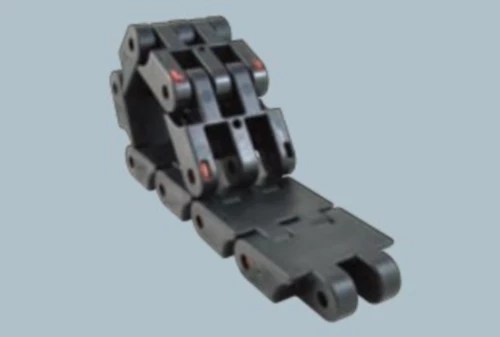
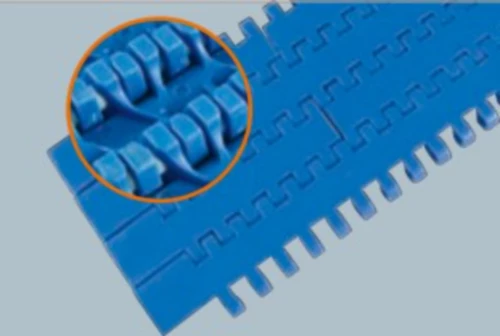
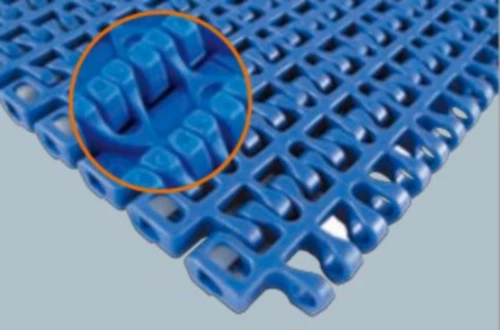
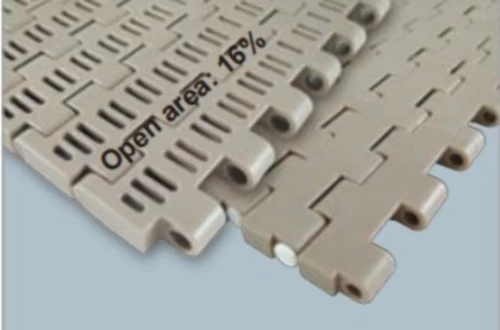
Plastic modular belts are a type of conveyor belt system composed of interlocking plastic modules or links that form a continuous, flexible belt. These belts are designed to be highly customizable, easily assembled, and adaptable to various applications.
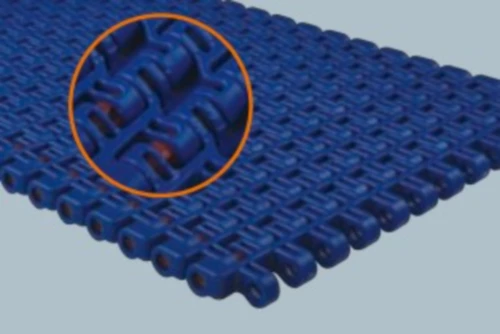
Plastic modular belts offer the advantage of modularity, allowing for easy customization to suit specific conveyor system requirements. The interlocking modules can be easily added or removed to accommodate changes in the production line.
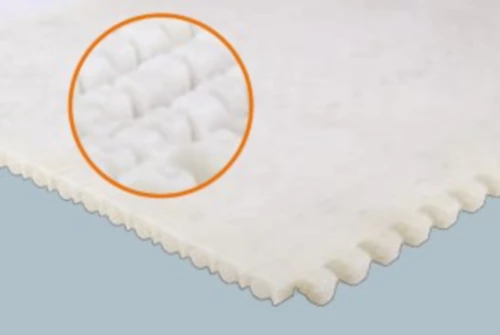
Plastic modular belts are highly flexible and can navigate curves, inclines, and declines, making them suitable for various conveyor system configurations. They can adapt to different production layouts and enable efficient material handling.
These belts are made of durable thermoplastic materials, such as polypropylene or polyethylene, which provide excellent resistance to wear and tear. They are also corrosion-resistant, ensuring longevity even in harsh environments.
Plastic modular belts are easy to clean and maintain, making them ideal for applications in the food and beverage industry, where hygiene is a top priority. The smooth surface and modular design prevent food particles from getting trapped, ensuring a sanitary production environment.
Due to their modular design, these belts require minimal maintenance. If a module becomes damaged or worn out, it can be easily replaced without the need to replace the entire belt. This reduces downtime and maintenance costs.
Plastic modular belts offer energy efficiency advantages. The low-friction surface reduces the power required for belt movement, resulting in lower energy consumption and cost savings.
The modular design of these belts allows for easy and quick replacement of damaged or worn-out modules. This reduces downtime and ensures continuous production flow.
Plastic modular belts are widely used in the food and beverage industry for conveying and processing applications. They are suitable for transporting items such as bottles, cans, and packaged food products.
In pharmaceutical and medical device manufacturing, cleanliness and precision are crucial. Plastic modular belts provide a hygienic and reliable solution for the transportation of drugs, medical devices, and other sensitive products.
Plastic modular belts are commonly used in logistics and warehousing operations for efficient material handling. They can transport a wide range of products, from small packages to heavy loads.
In the automotive industry, plastic modular belts are utilized for conveying automotive parts during the manufacturing process. They are resistant to oils, greases, and chemicals commonly found in automotive production environments.
Plastic modular belts are suitable for the electronics and consumer goods industries, where delicate handling is required. They can transport items like circuit boards, electronic components, and consumer products safely and efficiently.
In recycling and waste management facilities, plastic modular belts are used to transport recyclable materials and waste. Their durability and corrosion resistance ensure reliable operation in challenging environments.
Plastic modular belts consist of individual plastic modules or links that interlock with each other, forming a continuous, flexible conveyor belt. These modules are typically made of durable thermoplastic materials, such as polypropylene or polyethylene. The belts are supported by a series of rollers or sprockets that drive the belt's movement. As the rollers or sprockets rotate, the interlocking modules align and move in a synchronized manner, propelling the belt forward. The modular design allows the belt to navigate curves, inclines, and declines, making it adaptable to various conveyor system configurations.
Consider the specific requirements of your application, such as load capacity, speed, and environmental conditions, to determine the appropriate plastic modular belt.
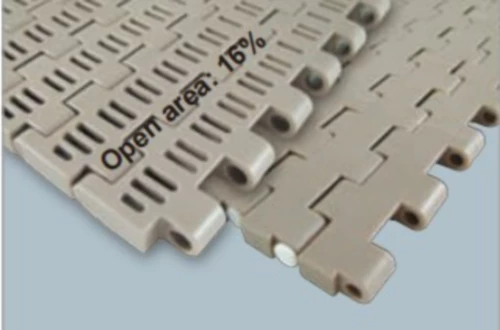
Choose a plastic modular belt material that is suitable for your application's environment and the products being conveyed. Consider factors like temperature resistance, chemical resistance, and food-grade requirements.
Consider the design of the plastic modules, such as their shape, size, and interlocking mechanism. Ensure that the module design supports the efficient and reliable movement of your products.
Choose a surface texture that suits your application's requirements. Options include smooth, non-slip, or grip surface textures, depending on the type of products being conveyed.
Consider additional accessories and options, such as side guards, guiding systems, or cleats, that may enhance the performance and functionality of your plastic modular belt.
Choose a reputable manufacturer with a track record of producing high-quality plastic modular belts. Ensure that the manufacturer provides reliable technical support and after-sales service.
Consider the cost and lead time of the plastic modular belts, balancing your budget constraints with the urgency of your application's needs.
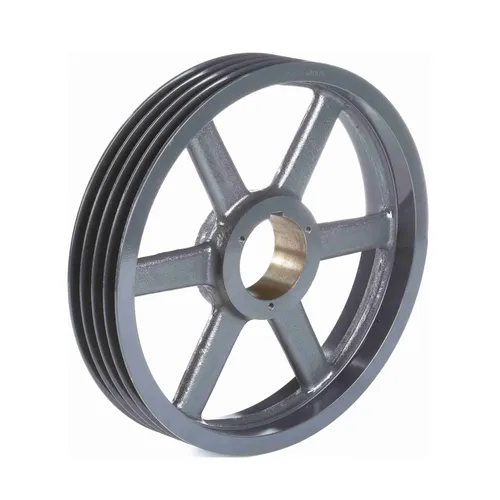
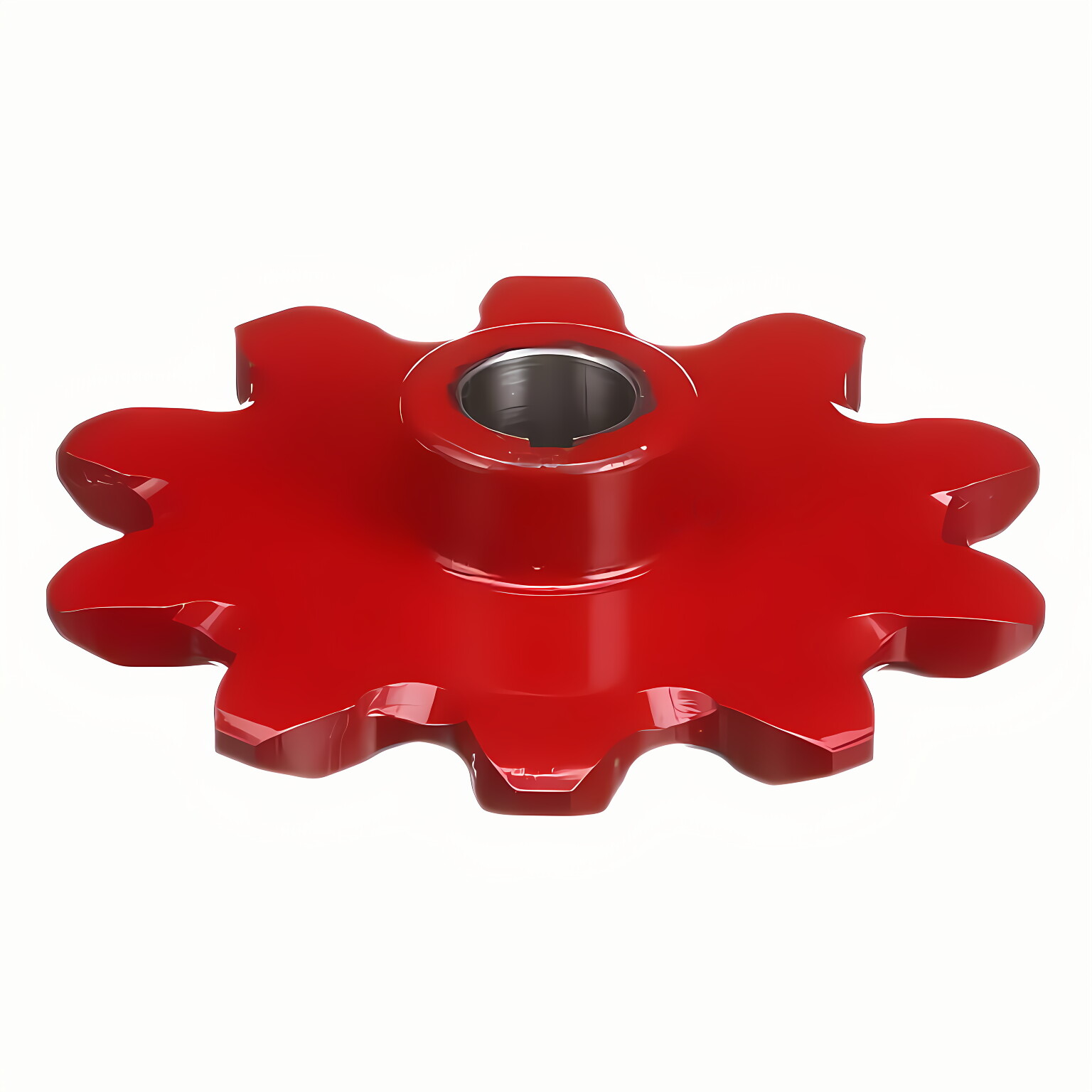
Chain sprockets play a crucial role in the functionality and performance of plastic modular belts. They are toothed wheels that engage with the links of the belt, driving its movement. The correct selection of sprockets ensures smooth and efficient operation, preventing slippage and ensuring proper engagement between the belt and the sprocket teeth.
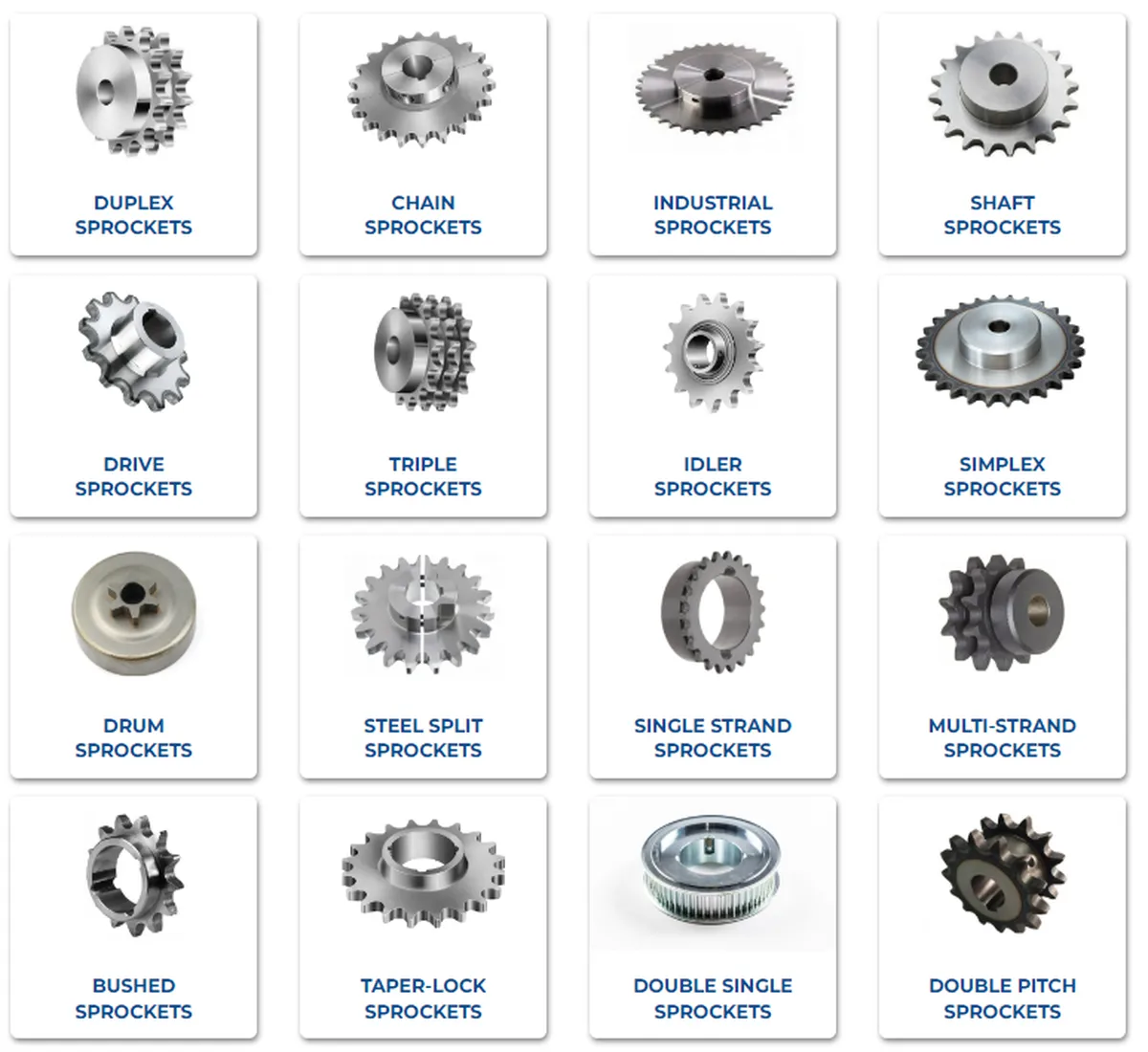
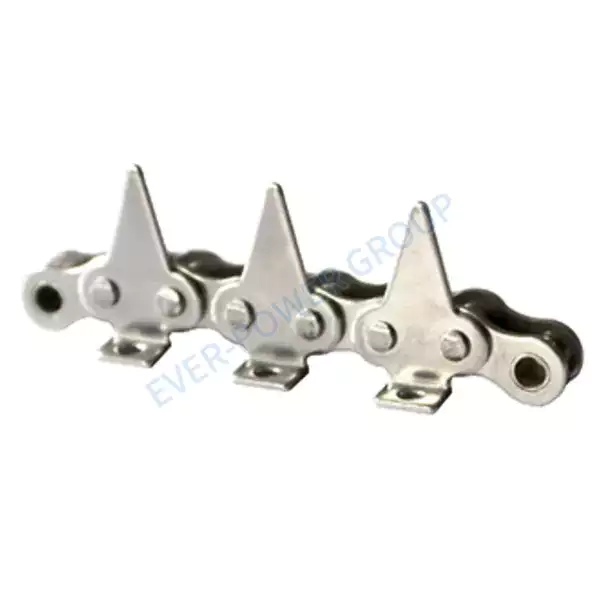
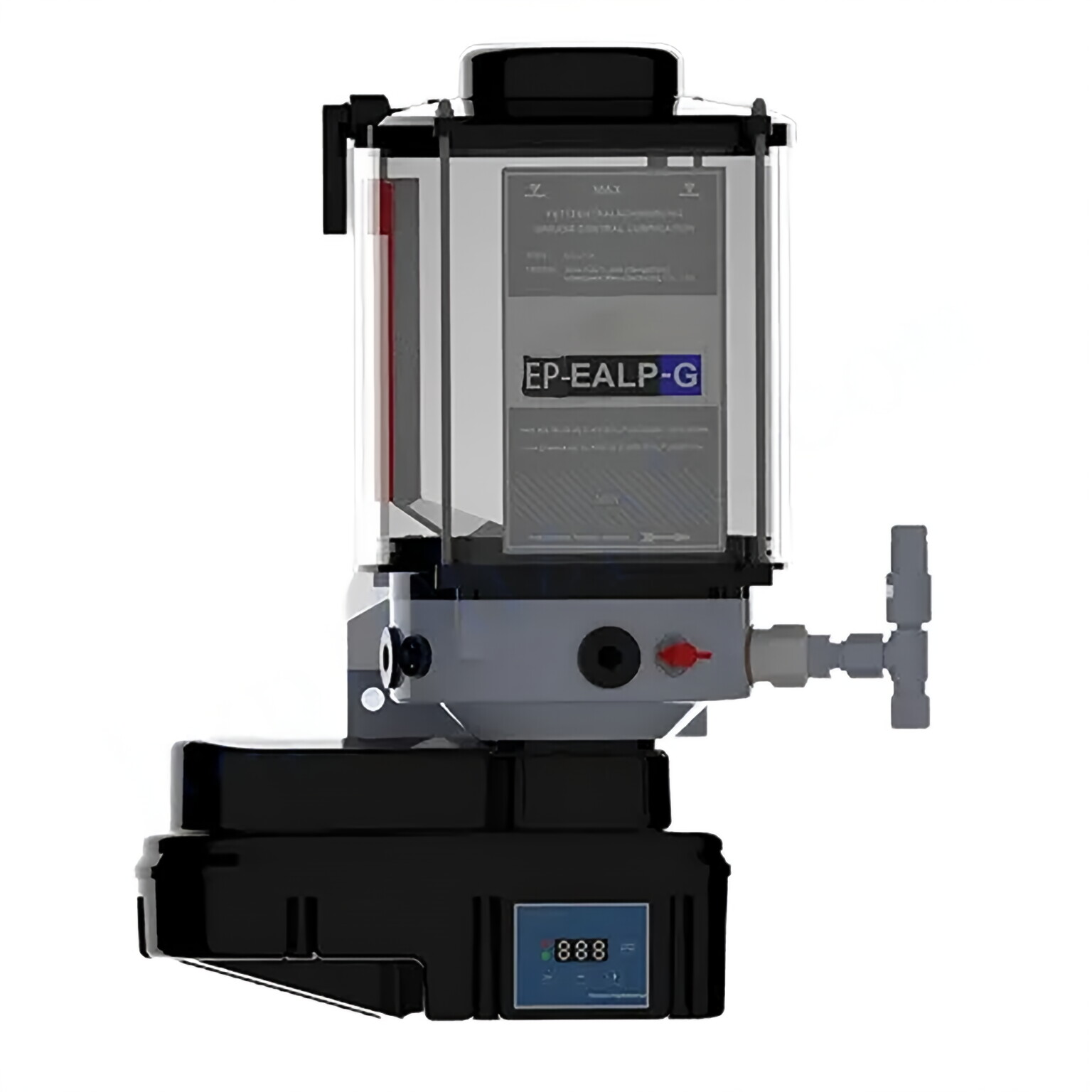
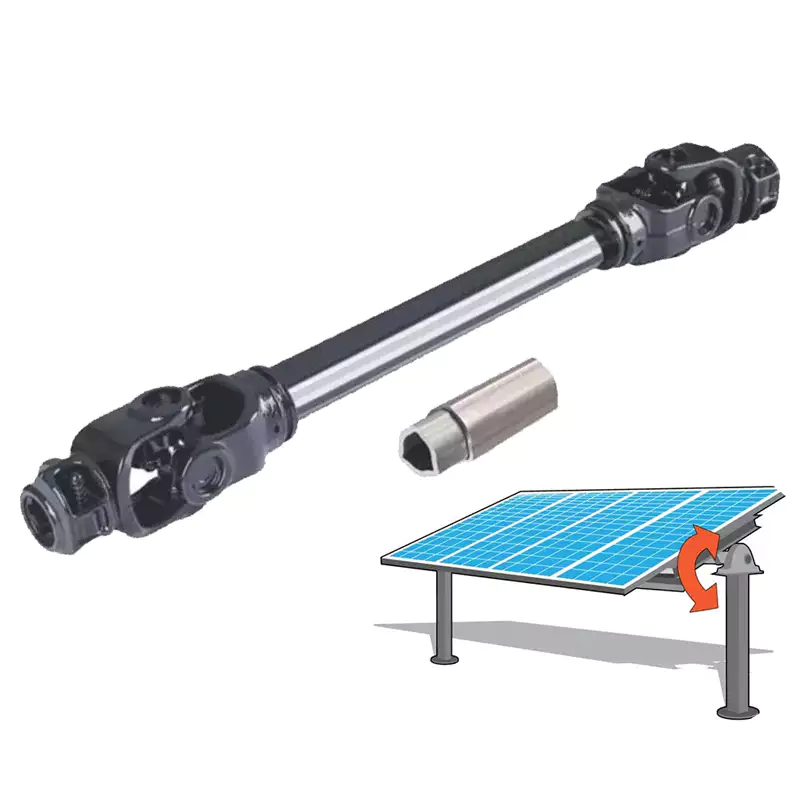
In addition to plastic modular belts, we also offer a range of other chain products to meet various industrial needs:
Raydafon was established in 2003 as a professional manufacturer of power transmission components. We are equipped with advanced production and inspection equipment, including CNC Gear grinding machine, gear measuring machine, CNC gear shaper, machine center, CMMS, and Torque test system. Our focus on professionalism, international certifications, customized services, state-of-the-art production equipment, and after-sales support sets us apart from the competition. We welcome customers to inquire or customize products to meet their specific requirements.
Address
Luotuo Industrial Area, Zhenhai District, Ningbo City, China
Tel

 Raydafon