Raydafon Technology Group Co.,Limited
Products
Products
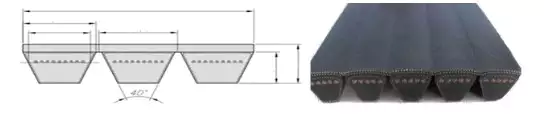
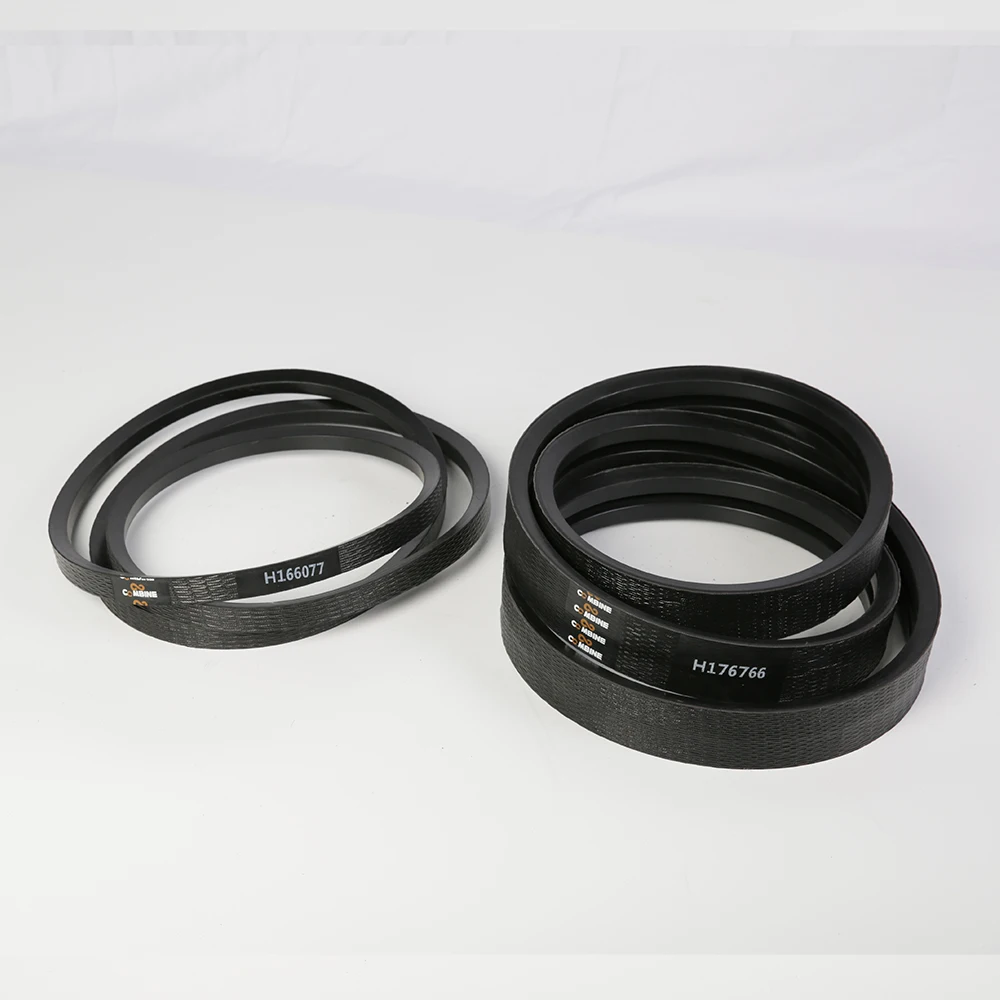
Professional Agriculture machines used Quality Classical V Belt For Harvester Spare Parts
  • Professional Agriculture machines used Quality Classical V Belt For Harvester Spare PartsProfessional Agriculture machines used Quality Classical V Belt For Harvester Spare Parts

Professional Agriculture machines used Quality Classical V Belt For Harvester Spare Parts

Raydafon Guoup’s Professional Agriculture machines used Quality Classical V Belt For Harvester Spare Parts is a durable and reliable belt specifically designed for harvesters, ensuring smooth operation and reduced downtime. Its high-quality materials and precise engineering deliver superior performance, perfect for farmers and agricultural professionals seeking efficiency. Experience enhanced productivity and peace of mind with this essential spare part that stands out for its longevity and compatibility.

Professional Agriculture Machines Used Quality Classical V Belt for Harvester Spare Parts

Professional Agriculture machines used Quality Classical V Belt For Harvester Spare Parts
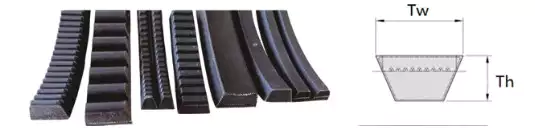
Belt No.
TOP Width
Top Height
Angle(°)
Type
HZ
10
8
40
Agricultural
belt
wrappped V-belt
HA
13
8
40
HB
17
11
40
HC
22
14
40
HD
32
19
40
Variable speed belt
cogged
V-belt
HDJ
32
16
40
HI
25.4
12.7
40
HJ
31.8
15.1
40
HK
38.1
17.5
40
HL
44.5
19.8
40
HM
50.8
22.2
40
HO
62
27
40

Professional Agriculture machines used Quality Classical V Belt For Harvester Spare Parts
Belt NO.
TOP Width
Top Height
Angle(°)
Type
2HB
36.1
13.5
40
banded V-belt
3HB
55.2
13.5
40
4HB
74.3
13.5
40
5HB
93.4
13.5
40
2HC
47.9
16.8
40
3HC
73.6
16.8
40
4HC
98.9
16.8
40
5HC
124.1
16.8
40

Agricultural Belt and Its Role in Agricultural Machinery

Agricultural Belt, also known as V Belt, is a power transmission belt that transfers power between two rotating shafts. It is an essential component in agricultural machinery, providing power to various agricultural equipment, including tractors, harvesters, irrigation equipment, and feed processing machinery. Agricultural Belt ensures smooth and efficient operation of agricultural machinery and increases productivity.

Applications of Agricultural Belt in Agricultural Machinery

1. Tractor Transmission System: Agricultural Belt is mainly used in the Power Take-Off (PTO) section of tractors to connect the tractor with external agricultural equipment, such as plows, seeders, harvesters, crushers, water pumps, etc. 2. Combine Harvester: Agricultural Belt is used in the main transmission system of combine harvesters to transfer power from the engine to the threshing drum, cutting table, cleaning system, and other movable components. 3. Cultivation Machinery: Agricultural Belt is used in cultivation machinery, such as rotary tillers, plows, deep tillers, to transfer power from the tractor to the working parts of the cultivation machinery. 4. Irrigation Equipment: In power-driven water pumps and rotating sprinkler systems, Agricultural Belt transmits power from the tractor to the pump or other driving components. 5. Feed Processing Machinery: Agricultural Belt is used in feed mixers, silage cutters, and other equipment to drive mixing and cutting functions. Compatibility of Professional Agriculture Machines Used Quality Classical V Belt with Agricultural Machinery Brands and Models The following table shows the compatibility of Professional Agriculture Machines Used Quality Classical V Belt with various agricultural machinery brands and models: [ninja_tables id="410625"]

Other Agricultural Machinery Spare Parts

Apart from Agricultural Belt, we also provide other agricultural machinery spare parts, such as agricultural chains, agricultural gearbox, pulley, sprocket, coupling, PTO shaft, concave, etc. All the required agricultural machinery spare parts can be found in one place.

Signs that Indicate the Need to Replace Agricultural Belt in Agricultural Machinery

1. Obvious Wear and Tear: Check the surface of the Agricultural Belt for cracks, frayed edges, thinning, rubber chunks peeling off, or exposed fabric layers. These signs indicate that the Agricultural Belt is severely worn out, and its strength and stability have greatly decreased, and it should be replaced promptly. 2. Looseness: The Agricultural Belt should operate under proper tension. If the Agricultural Belt is too loose and sags more than the specified value when pressed by hand or the belt length cannot maintain the original tension after continuous use, it indicates that the belt has lost its elasticity and tension and needs to be replaced. 3. Slippage: When working with agricultural machinery, if you hear a sharp whistling sound from the Agricultural Belt or feel that the machine's power output is insufficient and the speed is reduced, it is likely that the Agricultural Belt slip has occurred. In this case, not only check the tension but also check whether the belt has sufficient friction. If necessary, replace it. 4. Heating: The normal operating Agricultural Belt will have a slight temperature rise, but if it feels very hot or even hot to the touch, it may be due to the Agricultural Belt's excessive fatigue, internal structure damage, or excessive tension, which can accelerate the belt's aging and damage. Stop running immediately, check, and replace it. 5. Odor or Burning Marks: If you smell the burning rubber odor or see melting or scorch marks on the Agricultural Belt, it means that the belt is in a serious overload state and may have suffered partial or complete damage. It must be replaced immediately with a new Agricultural Belt. 6. Abnormal Vibration or Noise: When the Agricultural Belt fails or is about to fail, it may cause additional vibration or noise during machine operation due to uneven transmission. You should stop the machine, check, identify the cause, and replace the problematic Agricultural Belt in time. [Insert Image 2: Signs to Replace Agricultural Belt]

How to Choose the Right Agricultural Belt

When choosing an Agricultural Belt, the following factors should be considered to ensure proper selection and efficient operation: 1. Belt Type: Agricultural machinery commonly uses V Belts (also known as triangular belts). Depending on the width and thickness, there are many types, such as A, B, C, D, etc. Choose the same belt type as the original equipment, or refer to the specifications provided by the agricultural machinery manufacturer. 2. Belt Length: Measure or calculate the exact length of the Agricultural Belt required according to the agricultural machinery's manual to ensure that the new belt can be installed smoothly and maintained at an appropriate tension. 3. Horsepower/Power Requirements: The Agricultural Belt needs to bear the output power of the agricultural machinery engine. Therefore, ensure that the new belt's rated power is greater than or equal to the power requirements of the transmission system. 4. Material: Agricultural Belt made of high-quality rubber compounds has better wear resistance, high-temperature resistance, oil resistance, and aging resistance. 5. Belt Groove Size: The Agricultural Belt must fit the groove width and depth of the pulley to ensure good engagement, avoiding slippage or premature wear. Author: Miya
Hot Tags: Harvester V Belt, Agricultural Machinery V Belt, Classical V Belt Supplier
Send Inquiry
Contact Info
Get customized quotes for transmission components, gearboxes, and machinery. Our engineers will respond within 24 hours.
Online
X
We use cookies to offer you a better browsing experience, analyze site traffic and personalize content. By using this site, you agree to our use of cookies. Privacy Policy
Reject Accept