
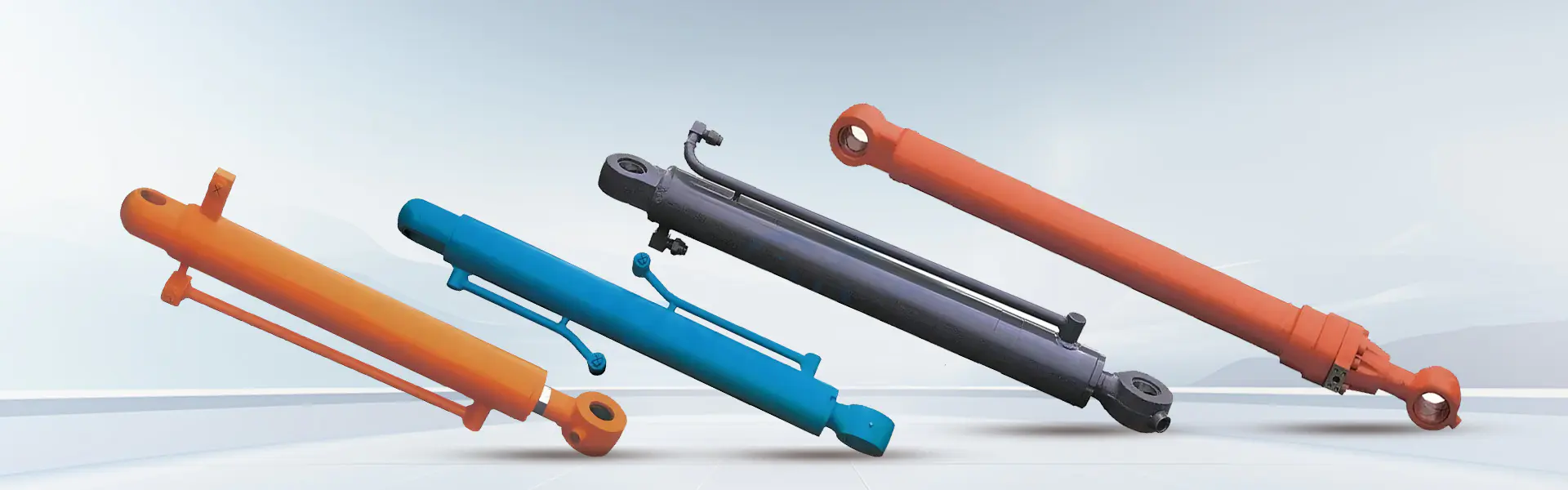
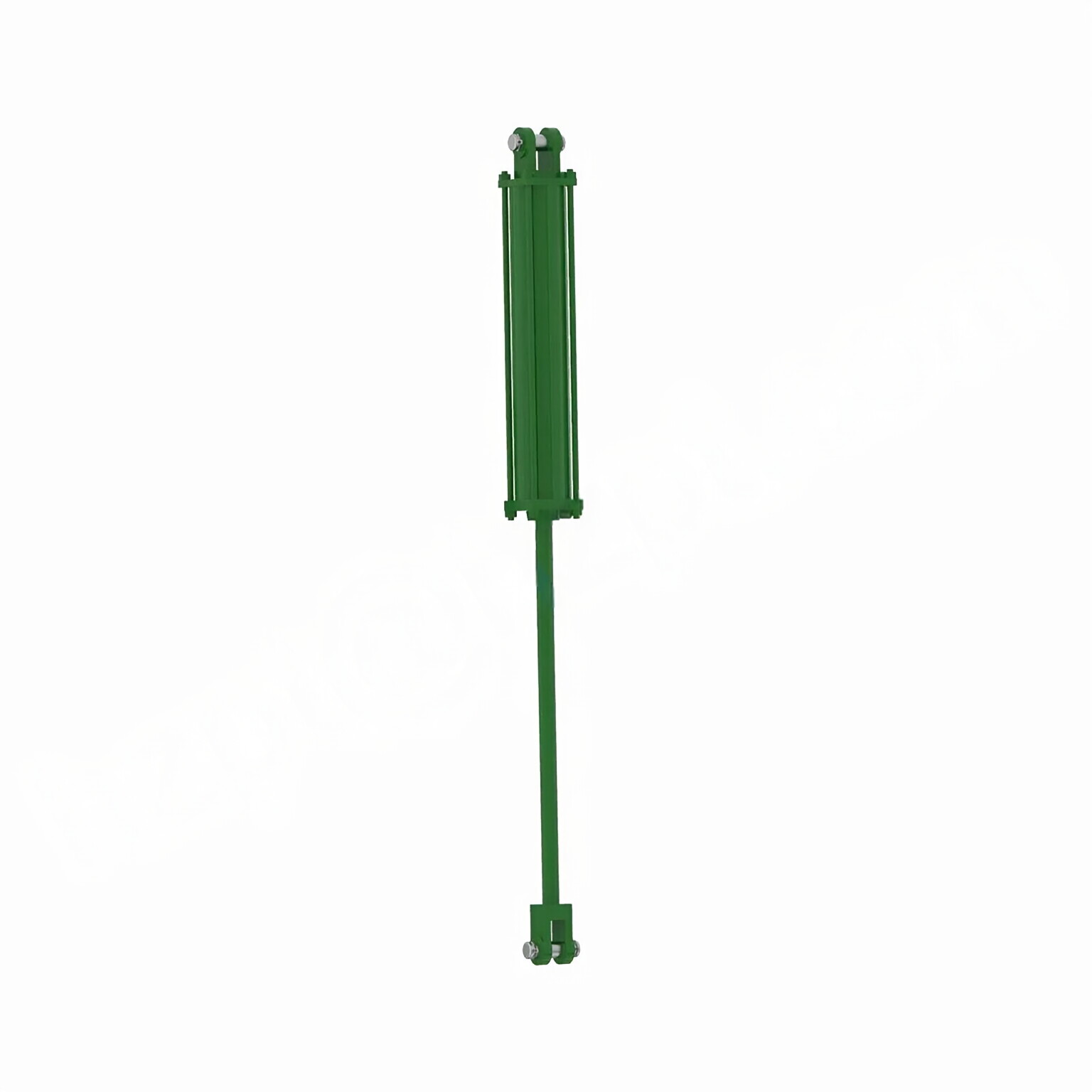
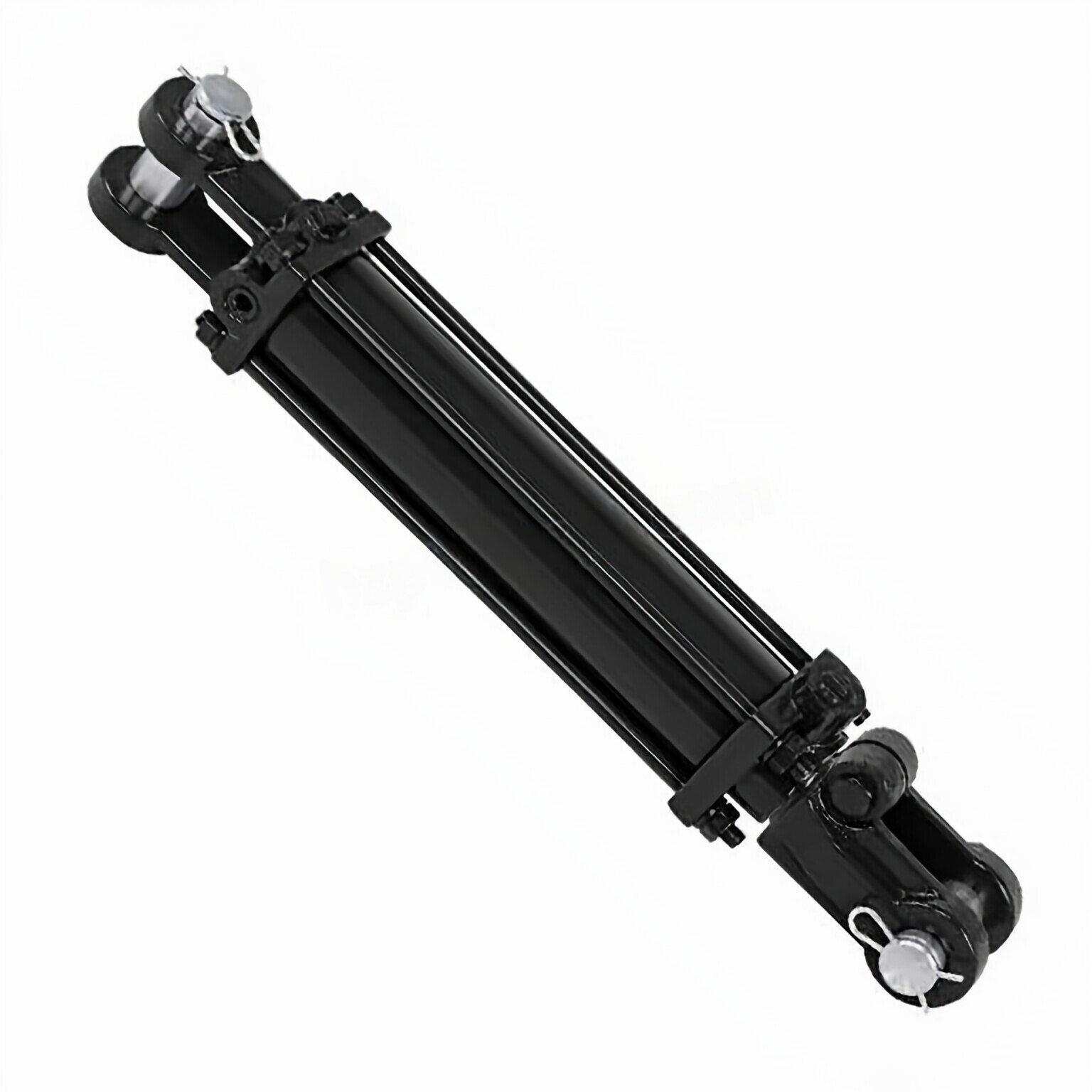
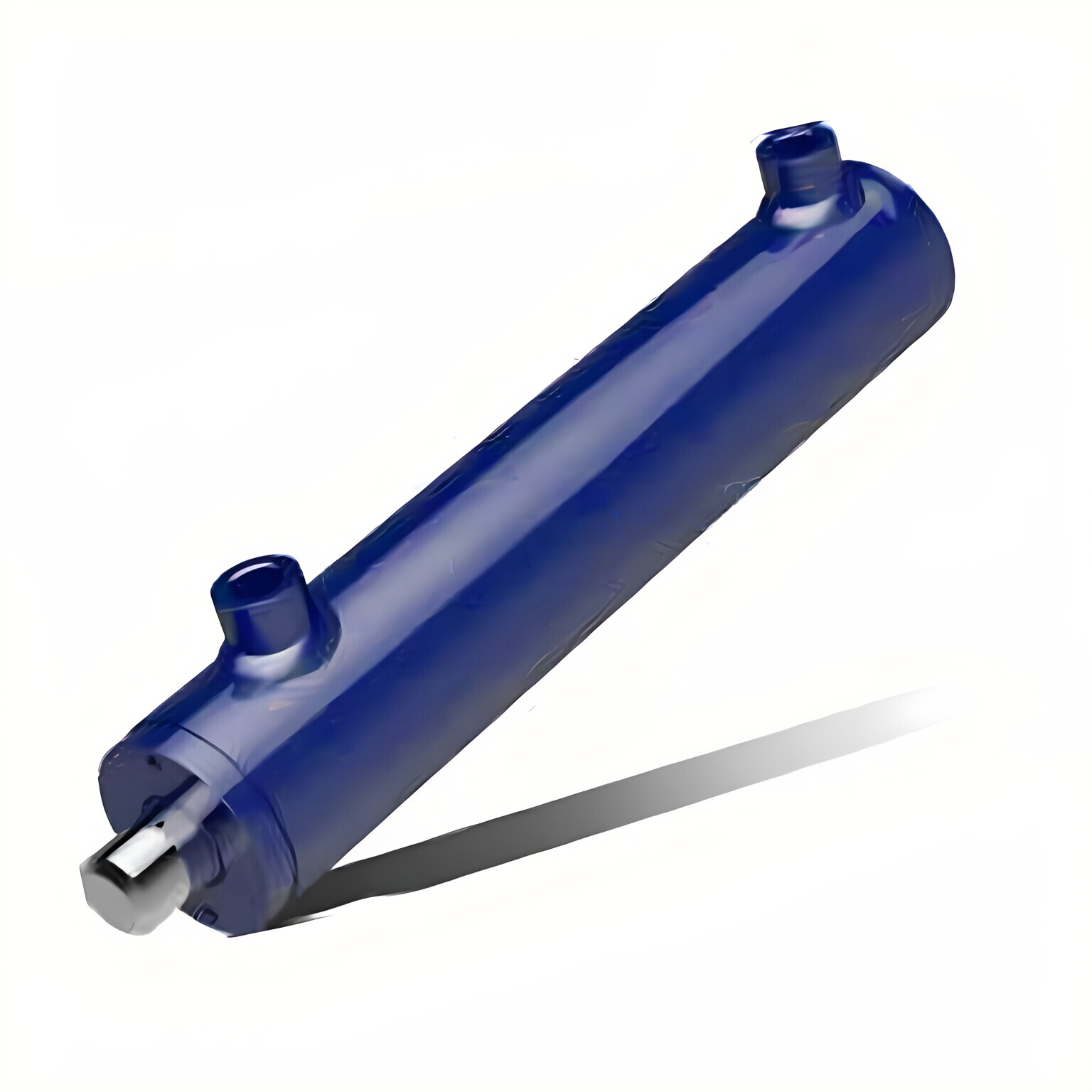
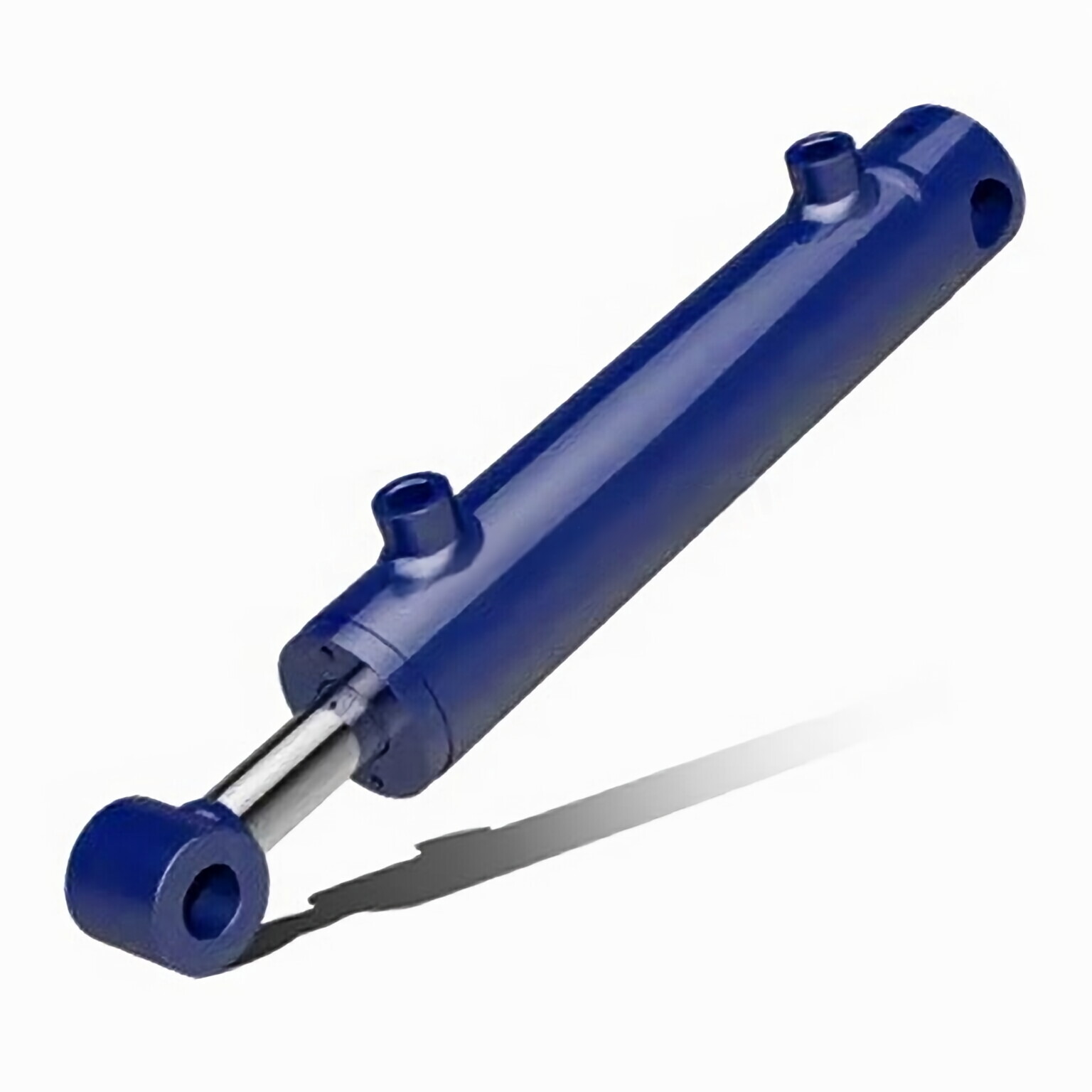
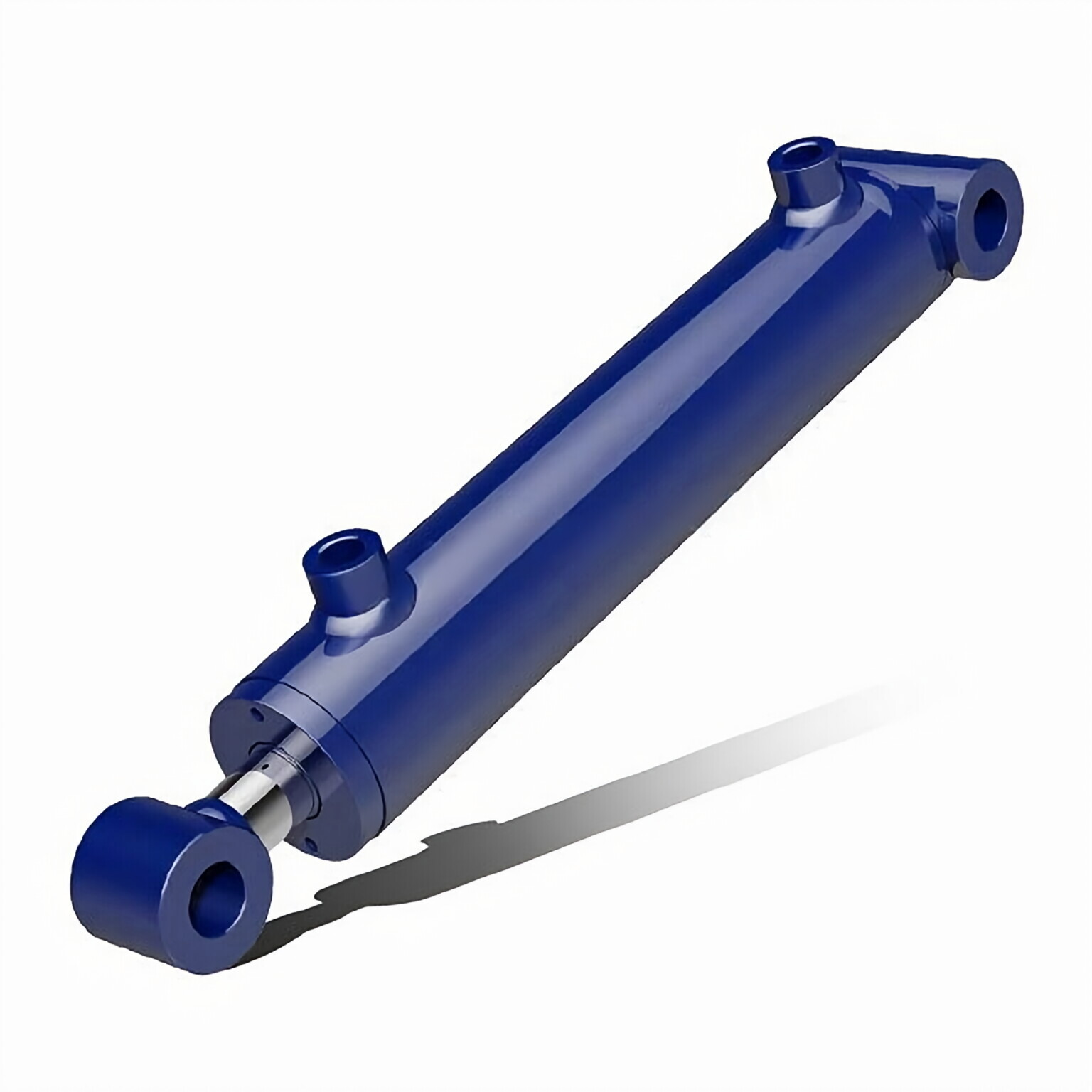
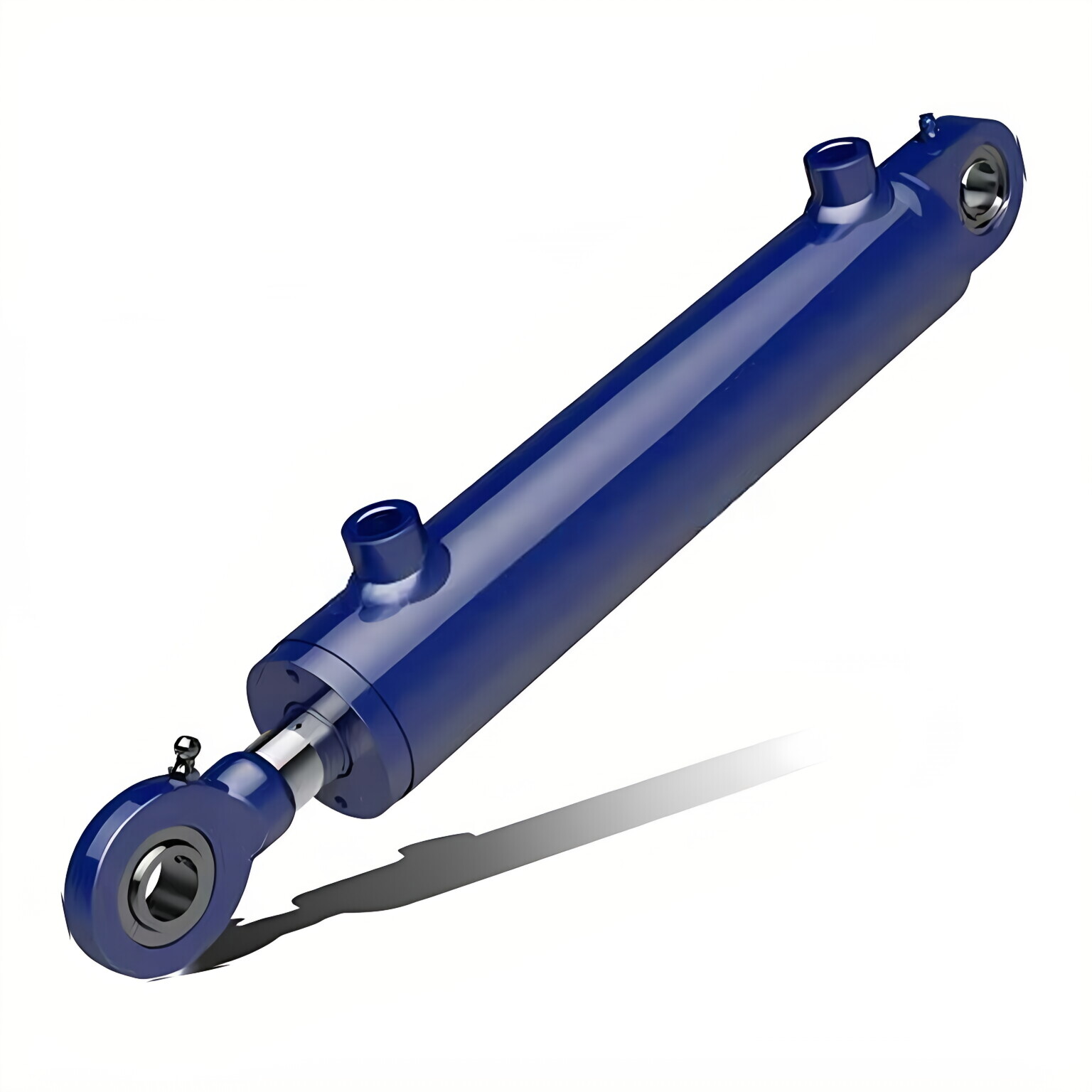
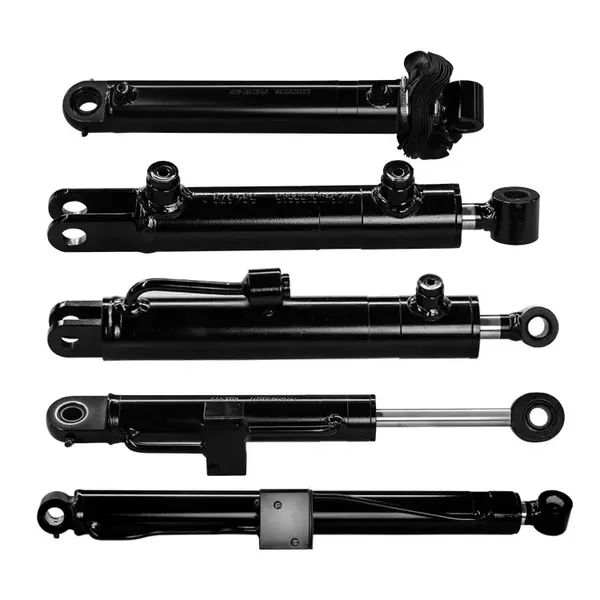
The Replacement Of AA39515 Hydraulic Cylinder is designed for the 200 1720 1725 models. It is a crucial component in the hydraulic system, providing the necessary force for various operations. In this article, we will discuss the proper maintenance, safety considerations, common issues, and troubleshooting tips for this hydraulic cylinder.
Regularly inspect the hydraulic cylinder for any signs of damage or wear. Check for leaks, cracks, or any other abnormalities that may affect its performance.
Ensure that the hydraulic cylinder is properly lubricated to reduce friction and extend its lifespan. Use the recommended lubricants and follow the manufacturer's guidelines for lubrication intervals.
Periodically replace the seals to maintain the cylinder's integrity and prevent leaks. Additionally, perform calibration checks to ensure the cylinder is operating within the specified parameters.
During installation, it is crucial to provide proper alignment guidance for the cylinder. The use of appropriate installation supports to secure the cylinder is recommended. Follow the recommended inspection, repair, and replacement procedures provided by the manufacturer to ensure optimal performance and longevity of the hydraulic cylinder.
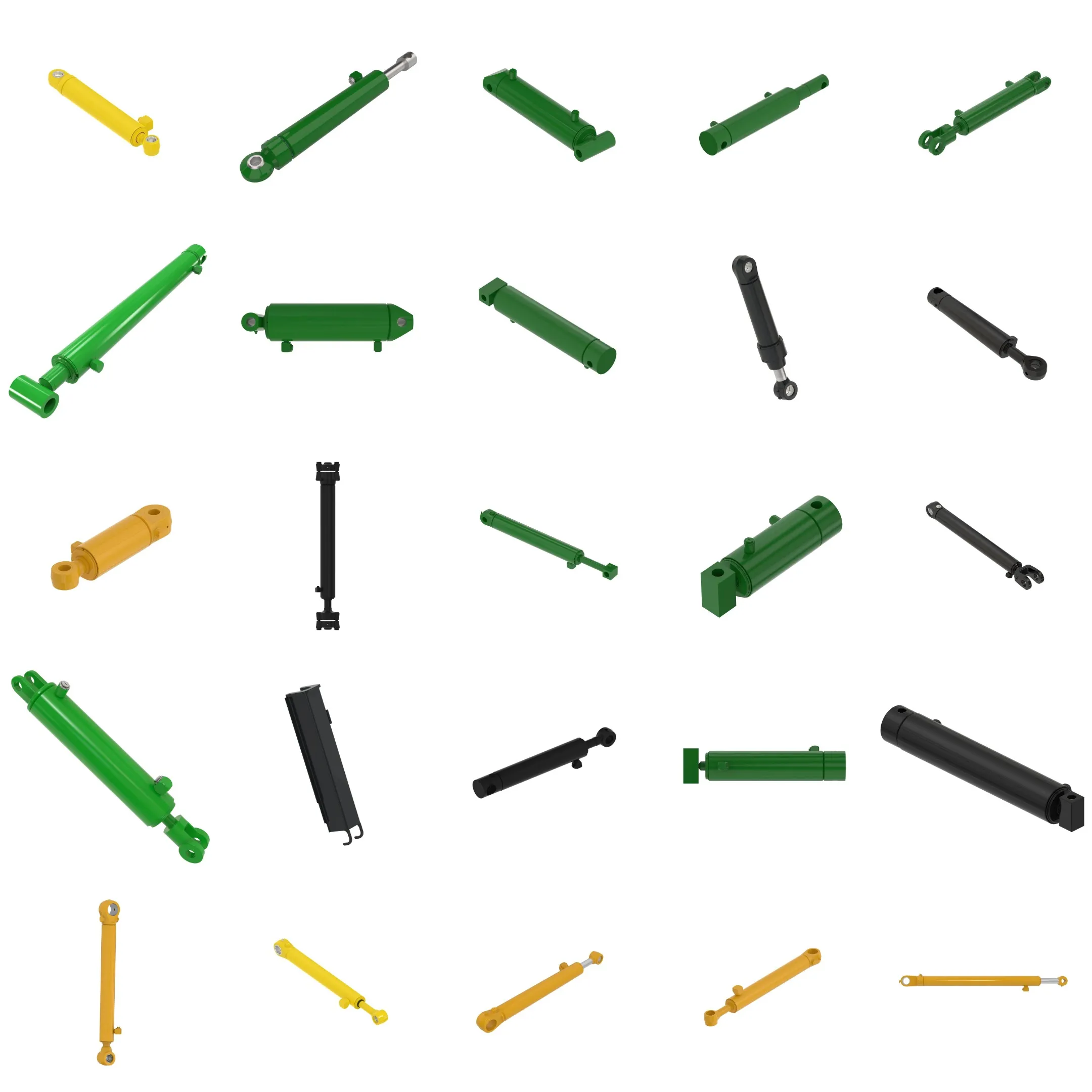
When working with hydraulic cylinders, it is essential to prioritize safety measures. Ensure that the system is depressurized before performing any maintenance tasks. Use appropriate personal protective equipment, such as gloves and safety goggles, to prevent injuries.
Consider environmental factors when installing or operating the hydraulic cylinder. Protect it from harsh weather conditions, extreme temperatures, and corrosive substances to maintain its performance and longevity. Proper disposal of used hydraulic fluids and components is also necessary to minimize environmental impact.
Possible Cause: Insufficient fluid pressure.
Solution: Check the hydraulic fluid levels and ensure that the pump is functioning correctly.
Possible Cause: Damaged seals or fittings.
Solution: Inspect and replace any faulty seals or fittings.
Possible Cause: Misalignment or worn-out components.
Solution: Realign the cylinder and inspect all components for signs of wear or damage. Replace if necessary.
By following these troubleshooting tips, readers can effectively diagnose and resolve common issues with the hydraulic cylinder. Additionally, emphasizing preventive measures can help minimize potential problems and ensure optimal performance.
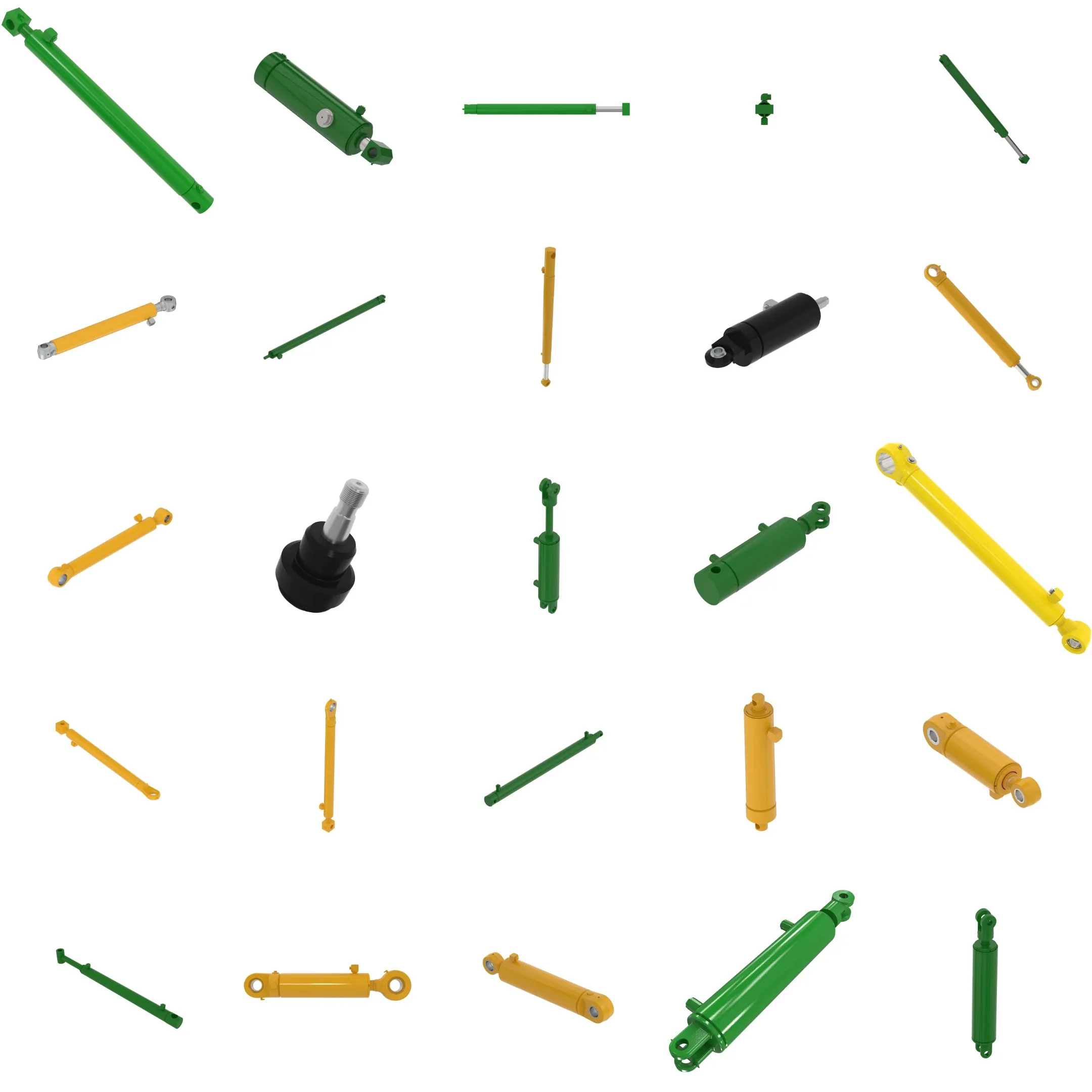
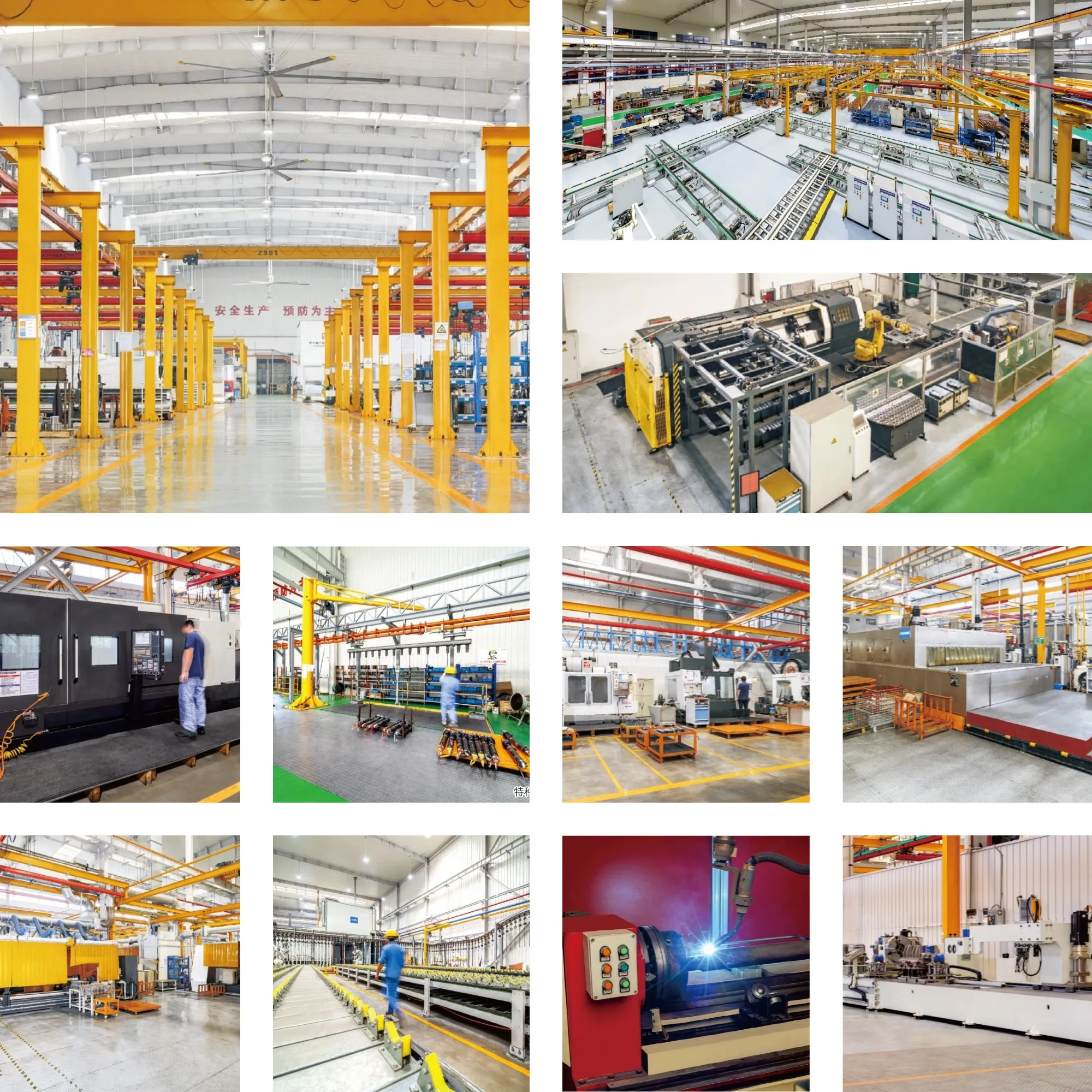
We are a leading manufacturer and wholesale distributor of replacement hydraulic cylinders. Our extensive range of products has made us a trusted name in both domestic and international markets. We prioritize professionalism, international certifications, customized services, state-of-the-art production equipment, and exceptional after-sales support to meet the diverse needs of our customers.
Author: lyl
Address
Luotuo Industrial Area, Zhenhai District, Ningbo City, China
Tel

 Raydafon