
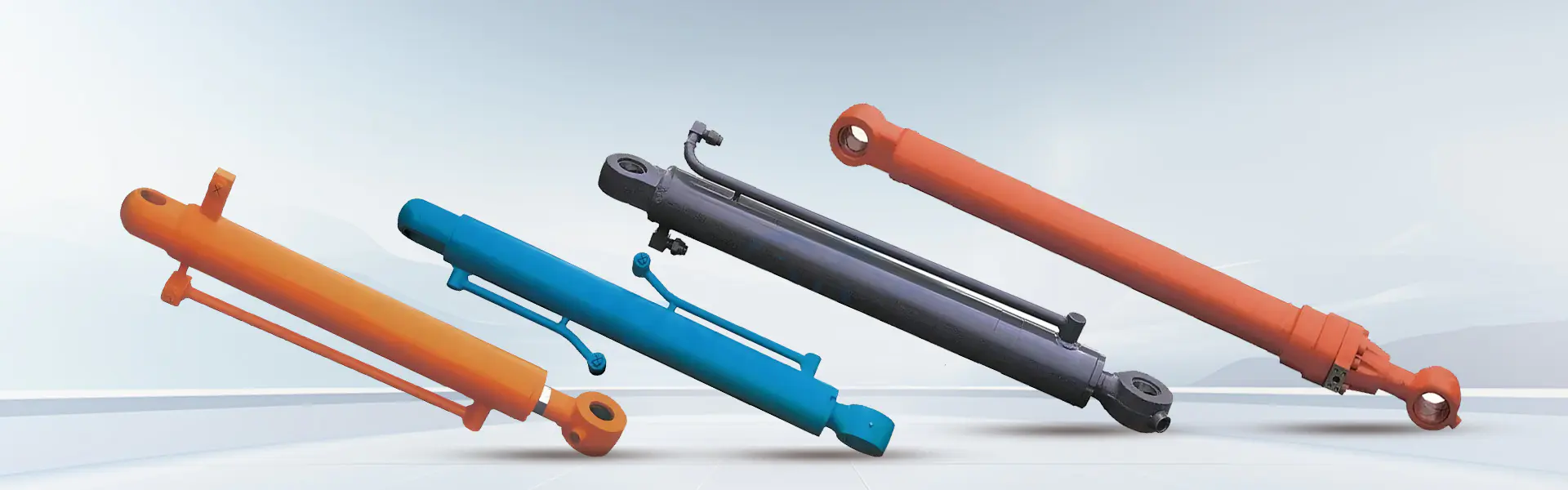
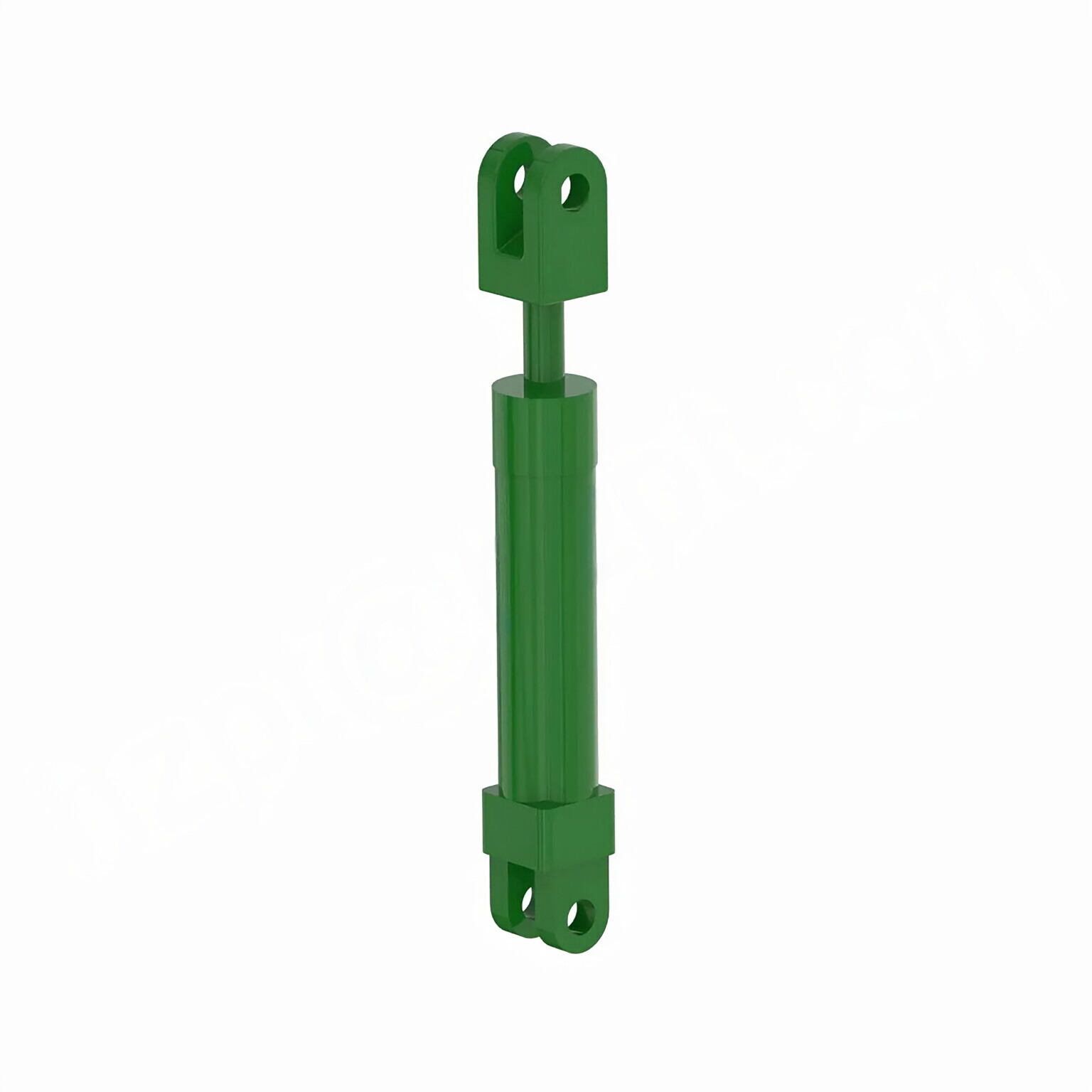
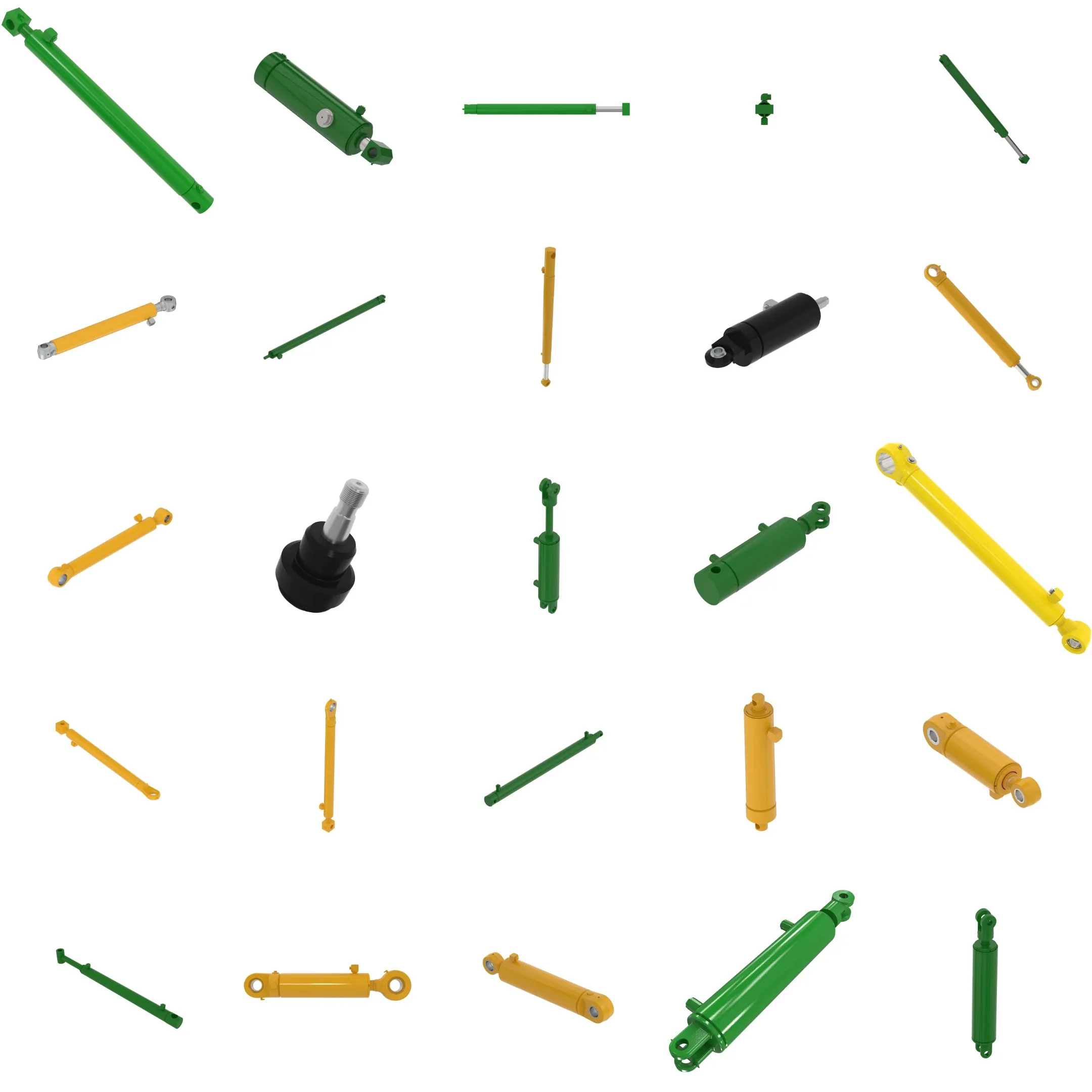
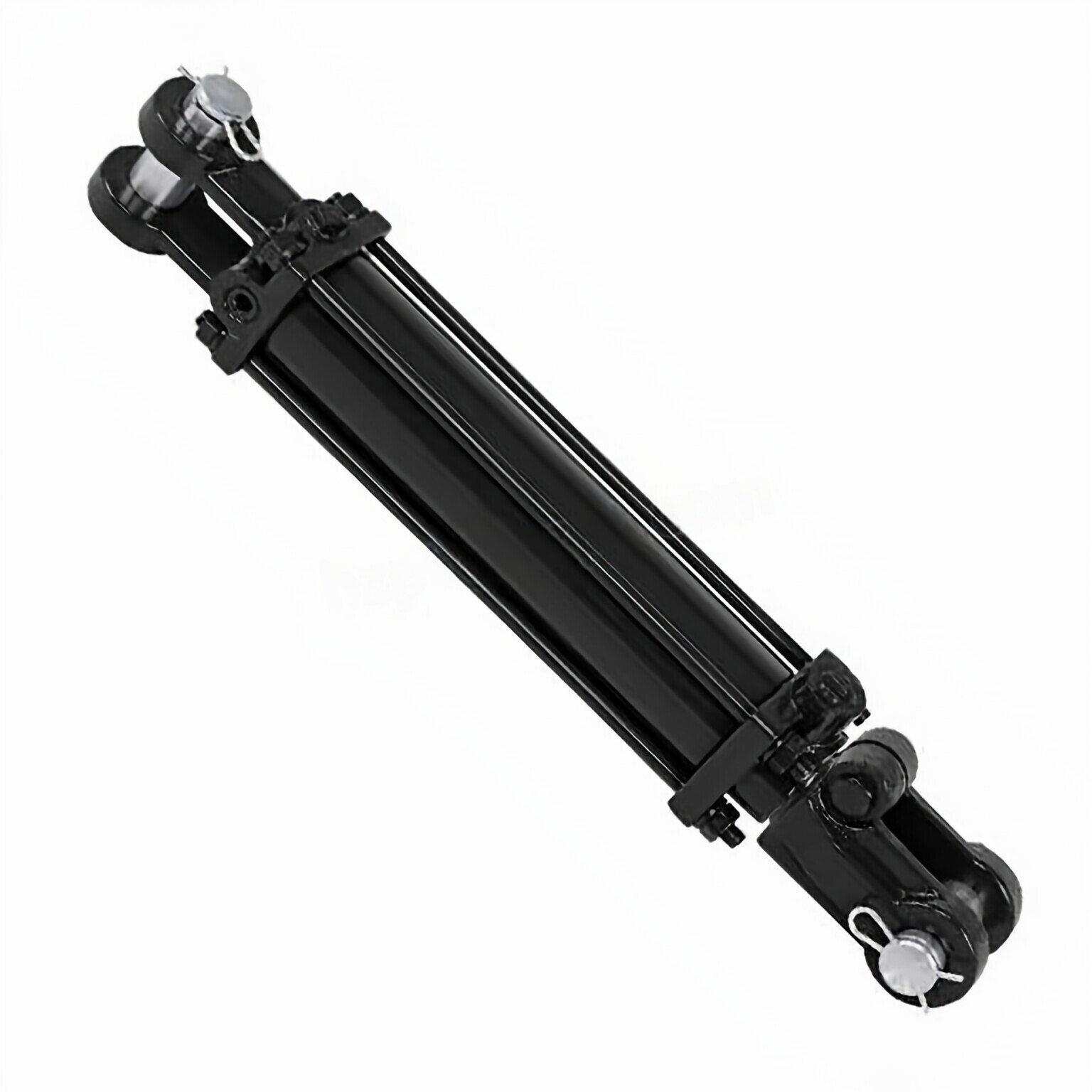
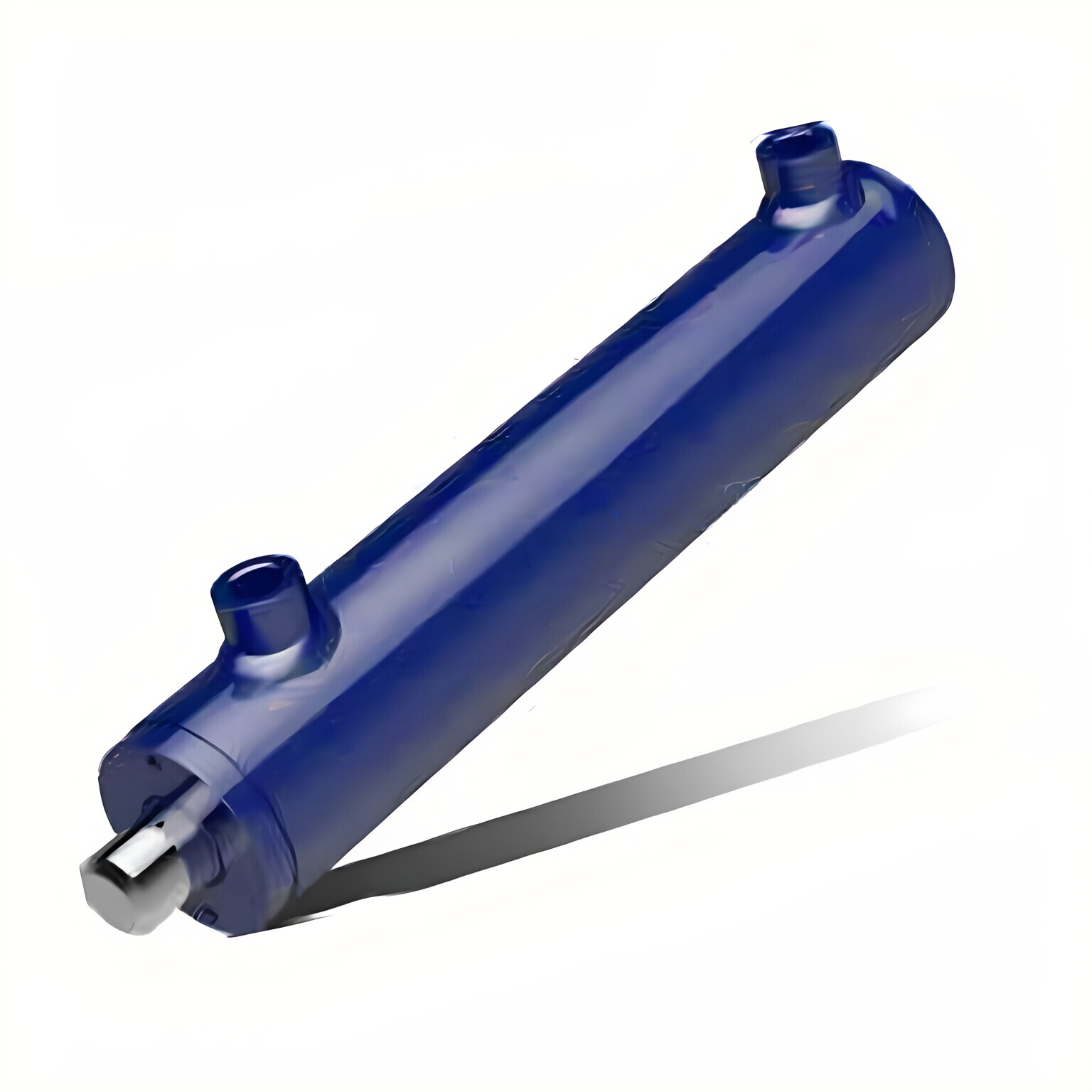
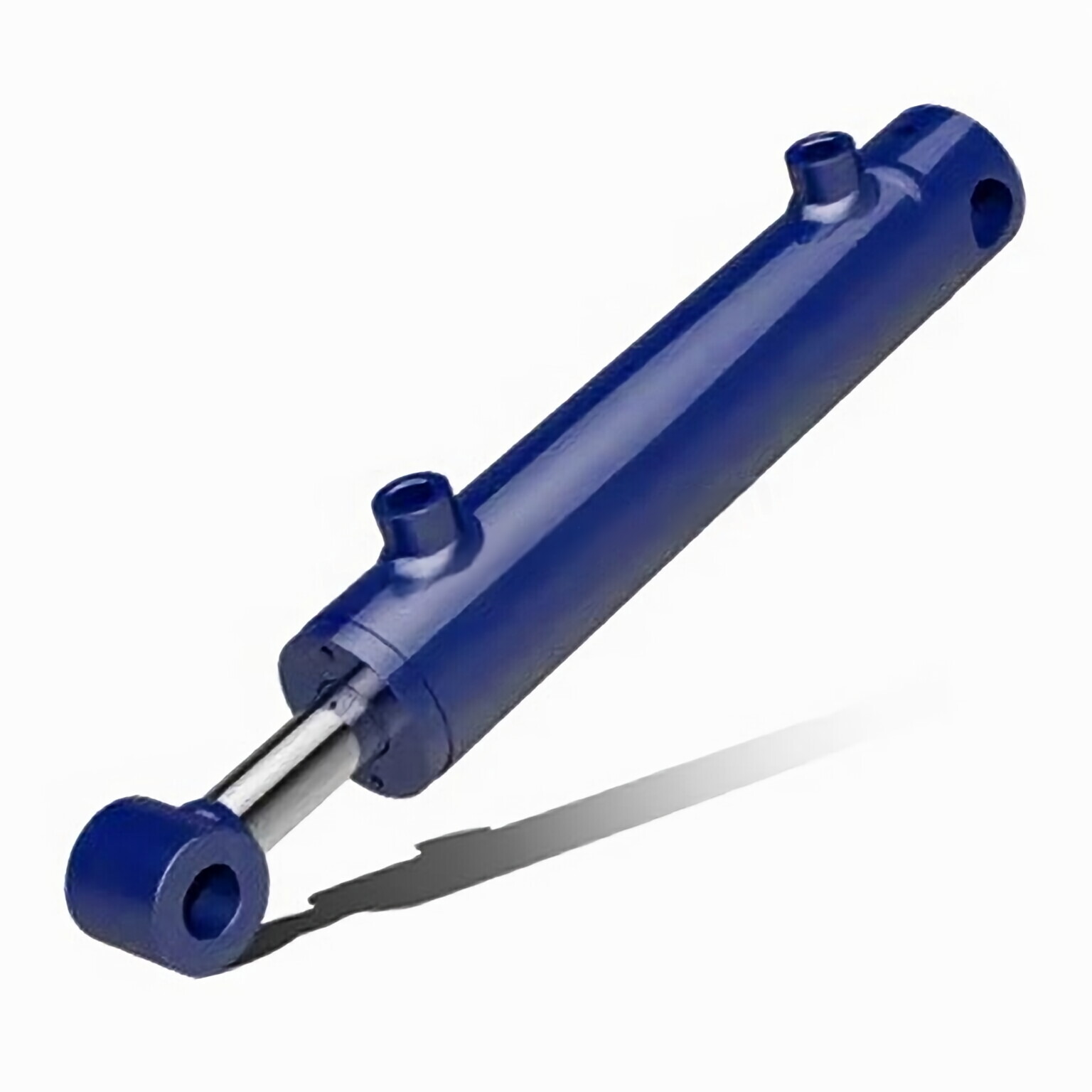
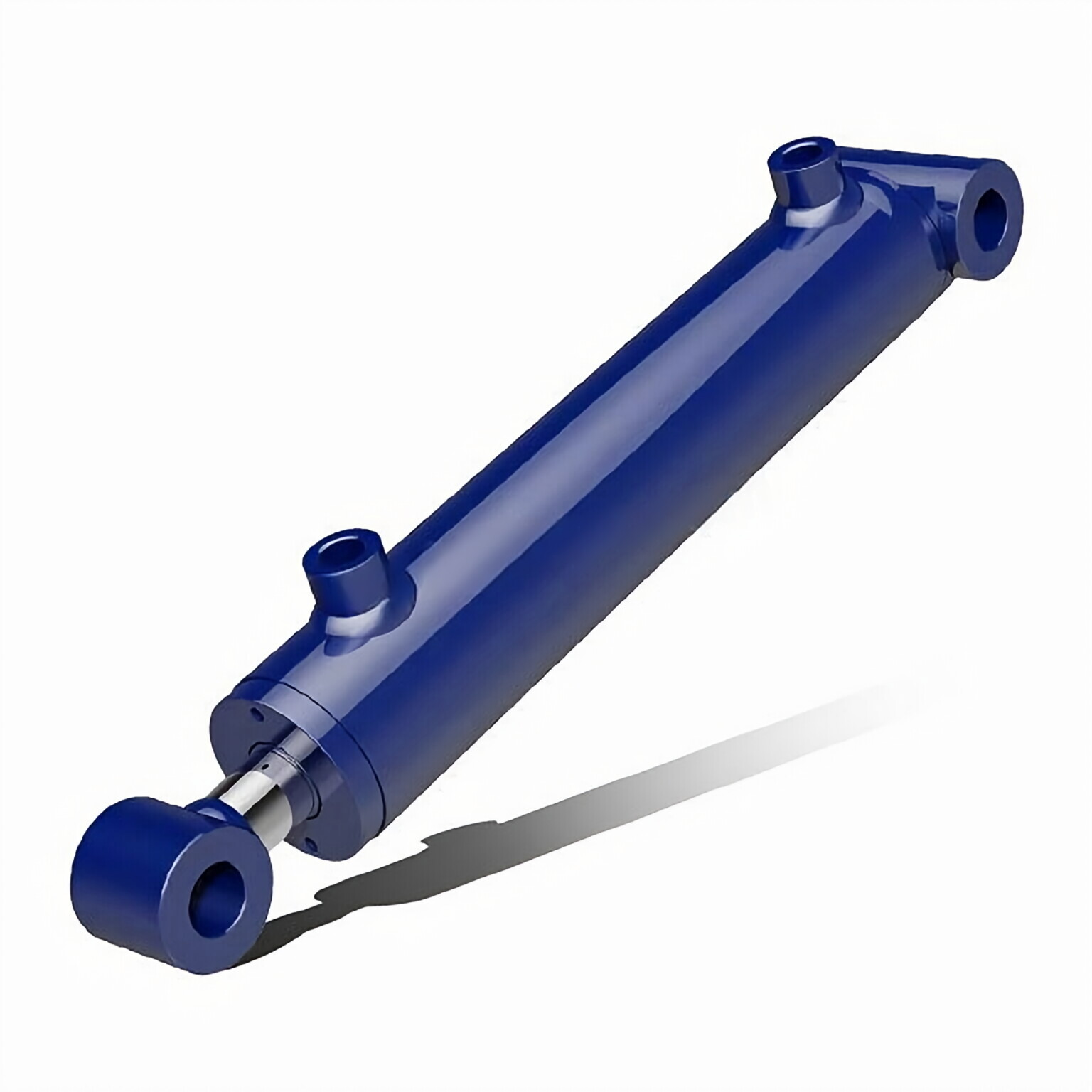
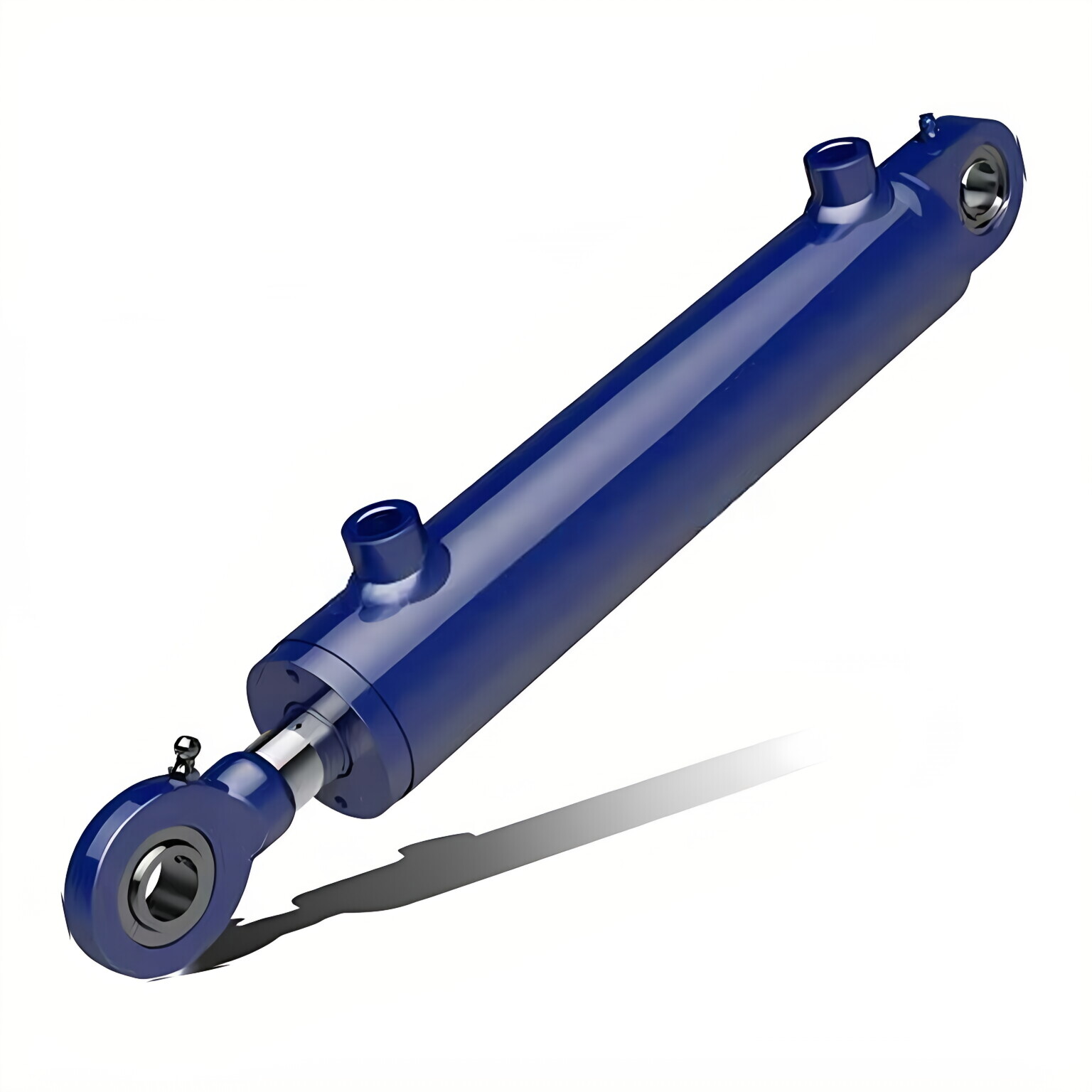
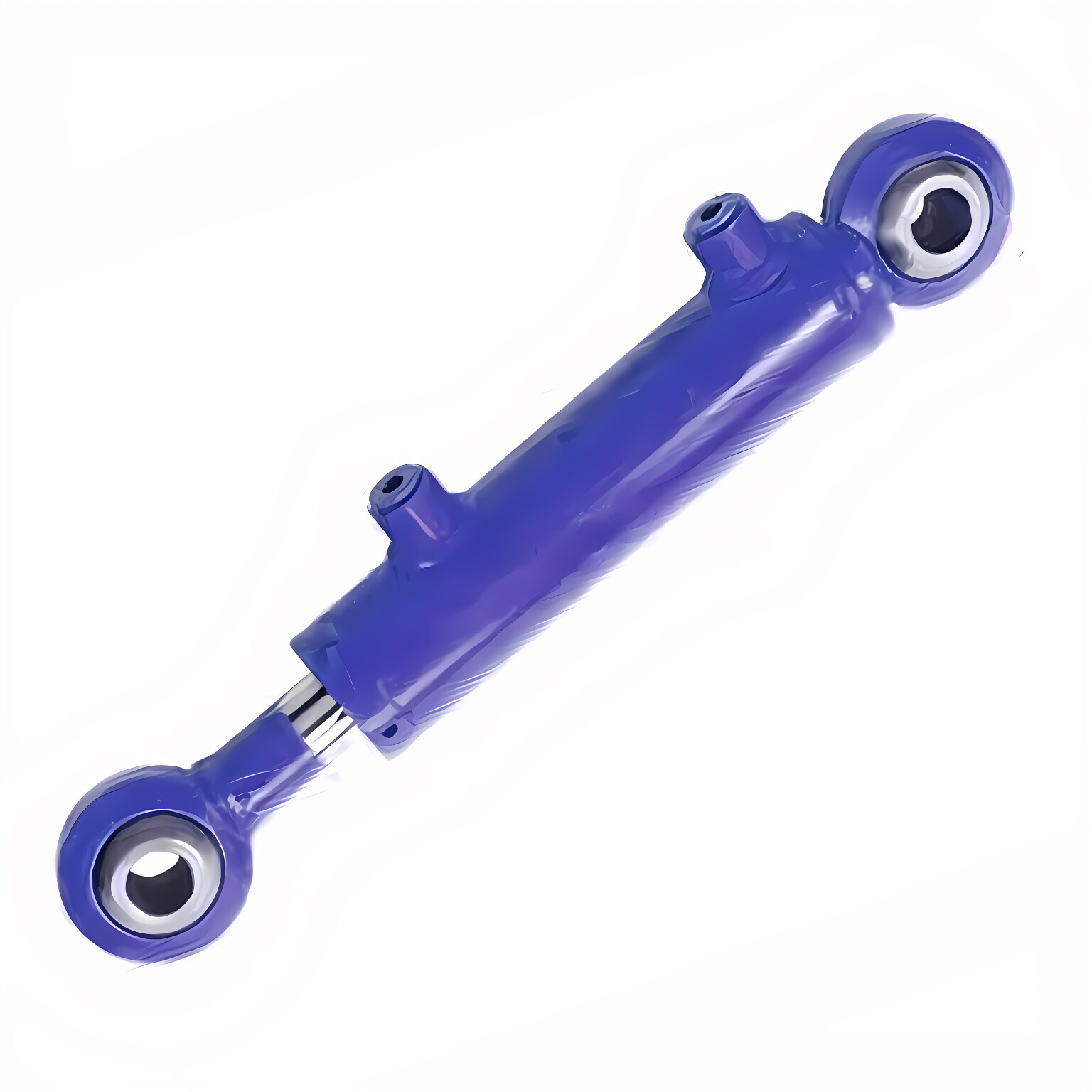
This hydraulic cylinder replacement is compatible with the following models:
Proper maintenance of your hydraulic cylinder is essential to ensure its longevity and optimal performance. Below are three common maintenance tasks to keep in mind:
Regular checks should be performed to detect any signs of wear and tear, leaks, or other issues. This can help identify problems early and prevent costly repairs down the line.
Proper lubrication is crucial to maintain the smooth operation of your hydraulic cylinder. It is recommended to use the appropriate lubricant and follow the manufacturer's guidelines for lubrication frequency.
Seals can wear out over time, leading to leaks and decreased performance. It is important to replace them in a timely manner and calibrate the cylinder to ensure proper operation.
During installation, it is important to provide proper alignment guidance and use appropriate installation fixtures to secure the cylinder in place. We offer recommended inspection, repair, and replacement procedures, as well as replacement parts and rebuilding services to prolong the life of your cylinder.
When working with hydraulic cylinders, safety is of utmost importance. It is recommended to follow all safety precautions and guidelines to avoid injury or damage to equipment. Proper disposal of old cylinders is also important to minimize environmental impact.
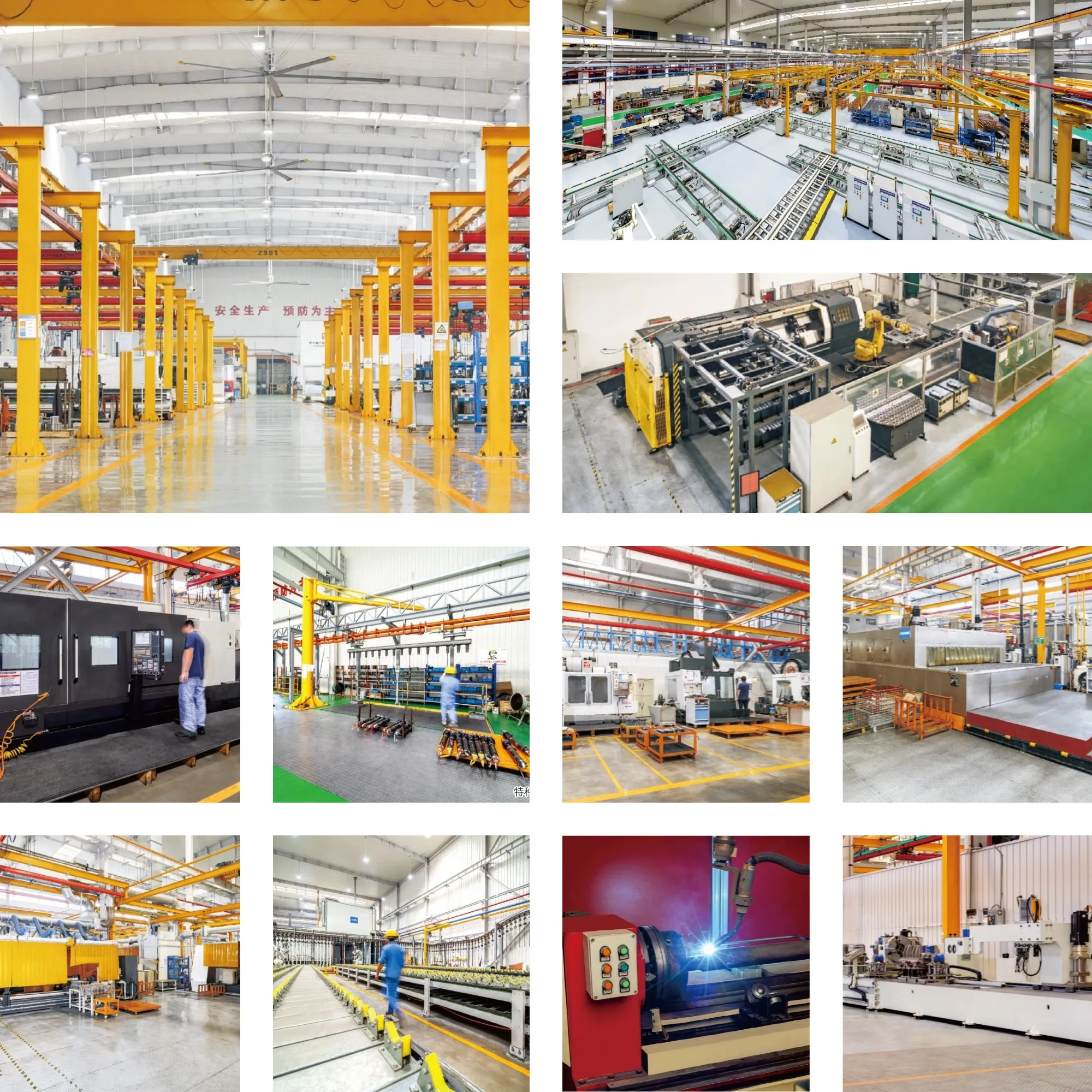
Our company is dedicated to producing high-quality replacement hydraulic cylinders and is a leading manufacturer and distributor in both domestic and international markets. We offer professional, custom services and have received several international certifications. Our advanced production equipment and excellent after-sales service ensure customer satisfaction.
Hydraulic cylinders can experience various issues that affect their performance. Below are some common problems and possible solutions:
A leaking cylinder can be caused by worn-out seals or a damaged piston rod. It is recommended to replace the seals or piston rod as needed to address the issue.
Slow cylinder movement can be caused by low hydraulic pressure or a clogged filter. It is recommended to check the pressure and replace the filter as needed.
Jerky cylinder movement can be caused by air in the hydraulic system or damaged seals. It is recommended to bleed the system and replace the seals as needed.
Regular maintenance, proper installation, and prompt repairs can help prevent the above issues and ensure optimal hydraulic cylinder performance.
Author: lyl
Address
Luotuo Industrial Area, Zhenhai District, Ningbo City, China
Tel

 Raydafon