
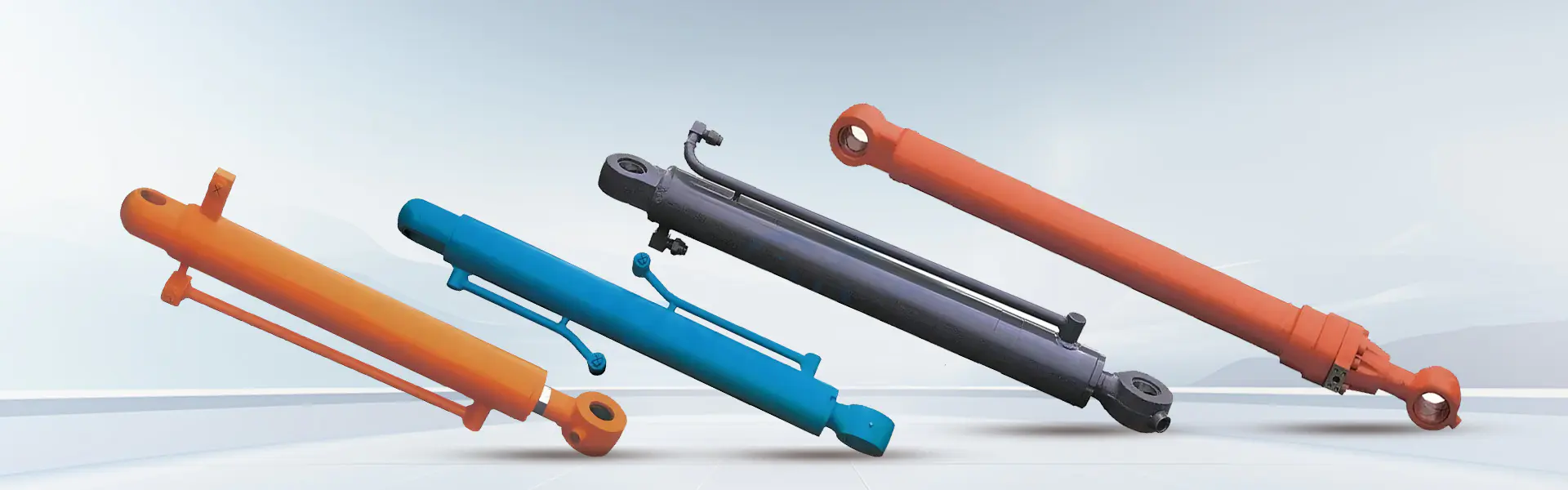
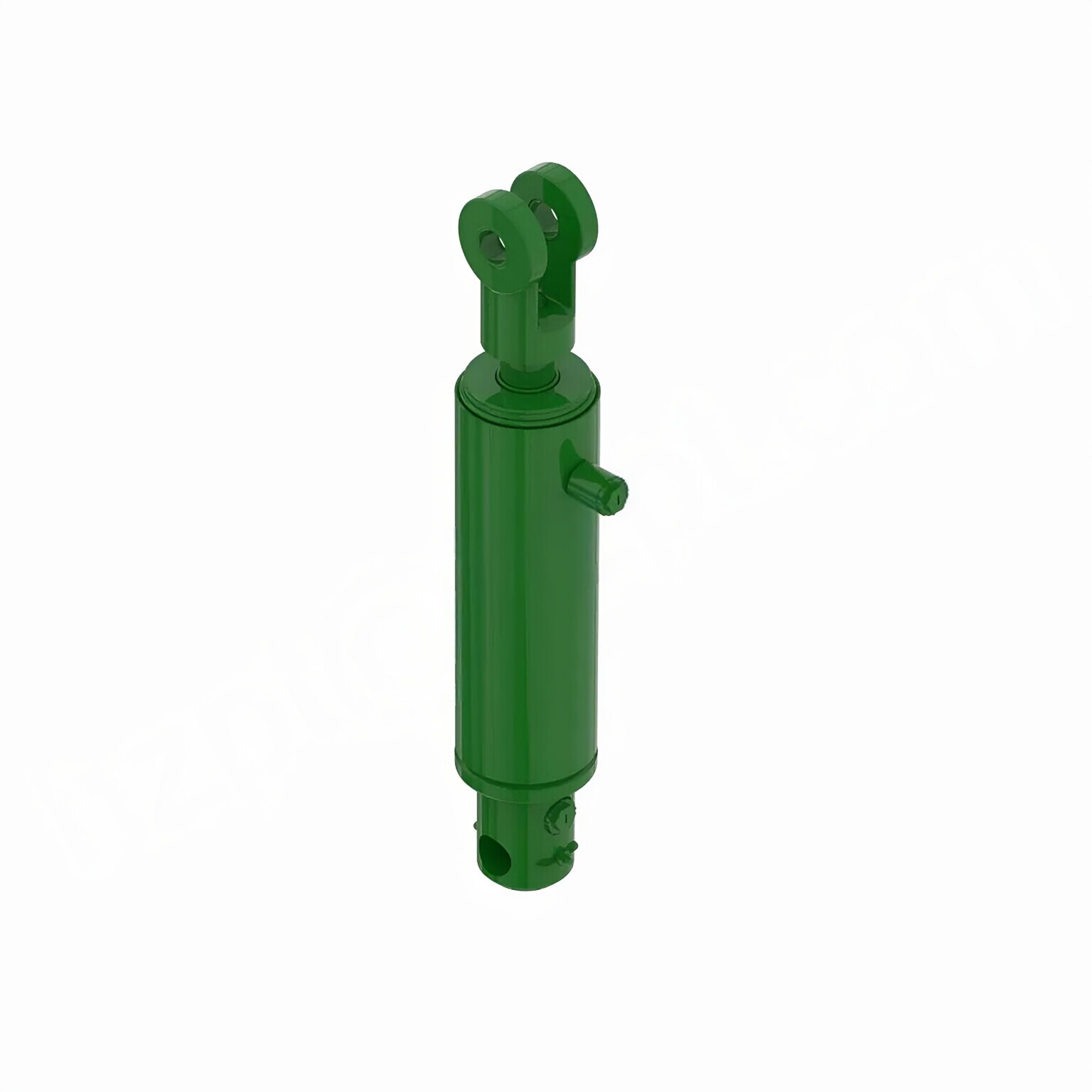
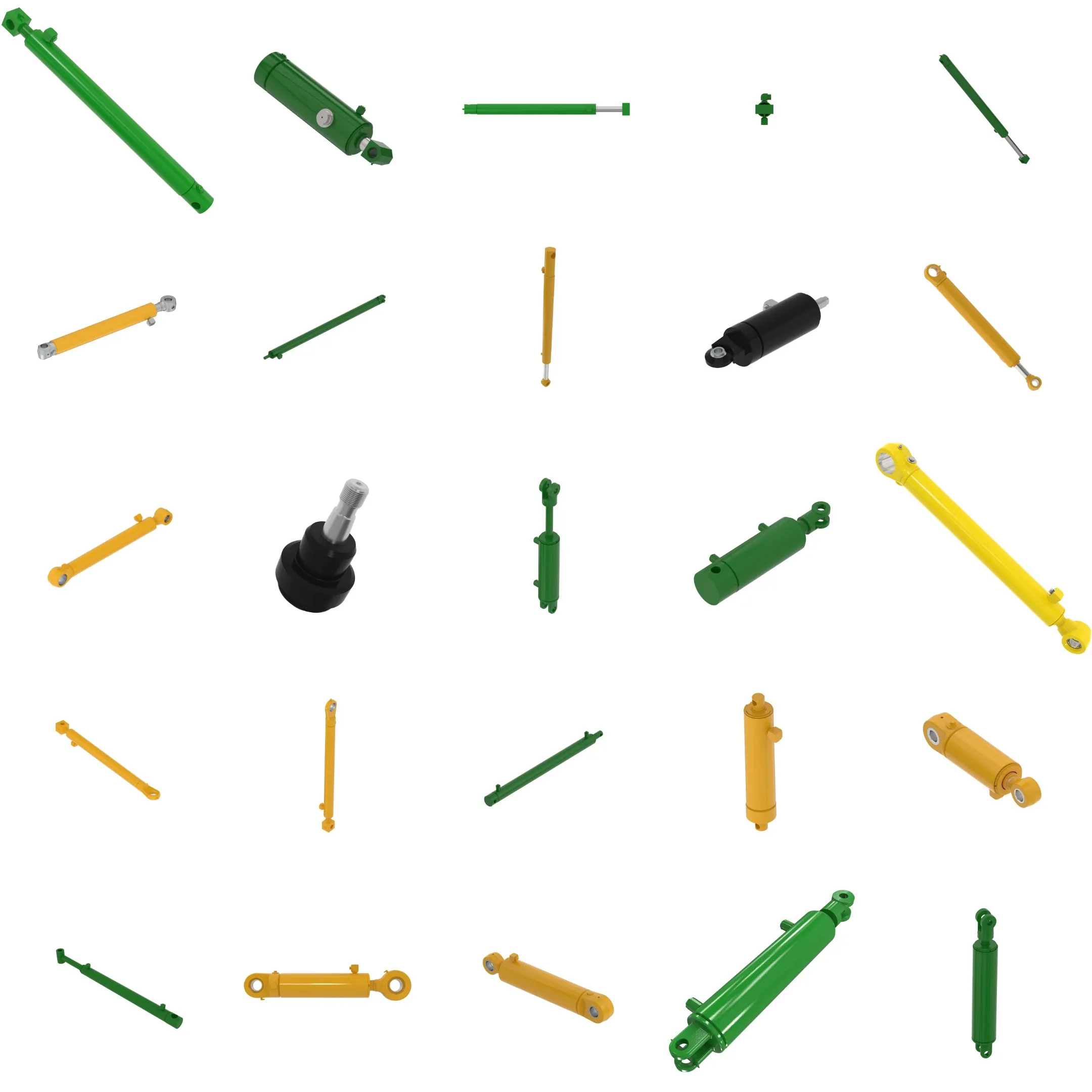
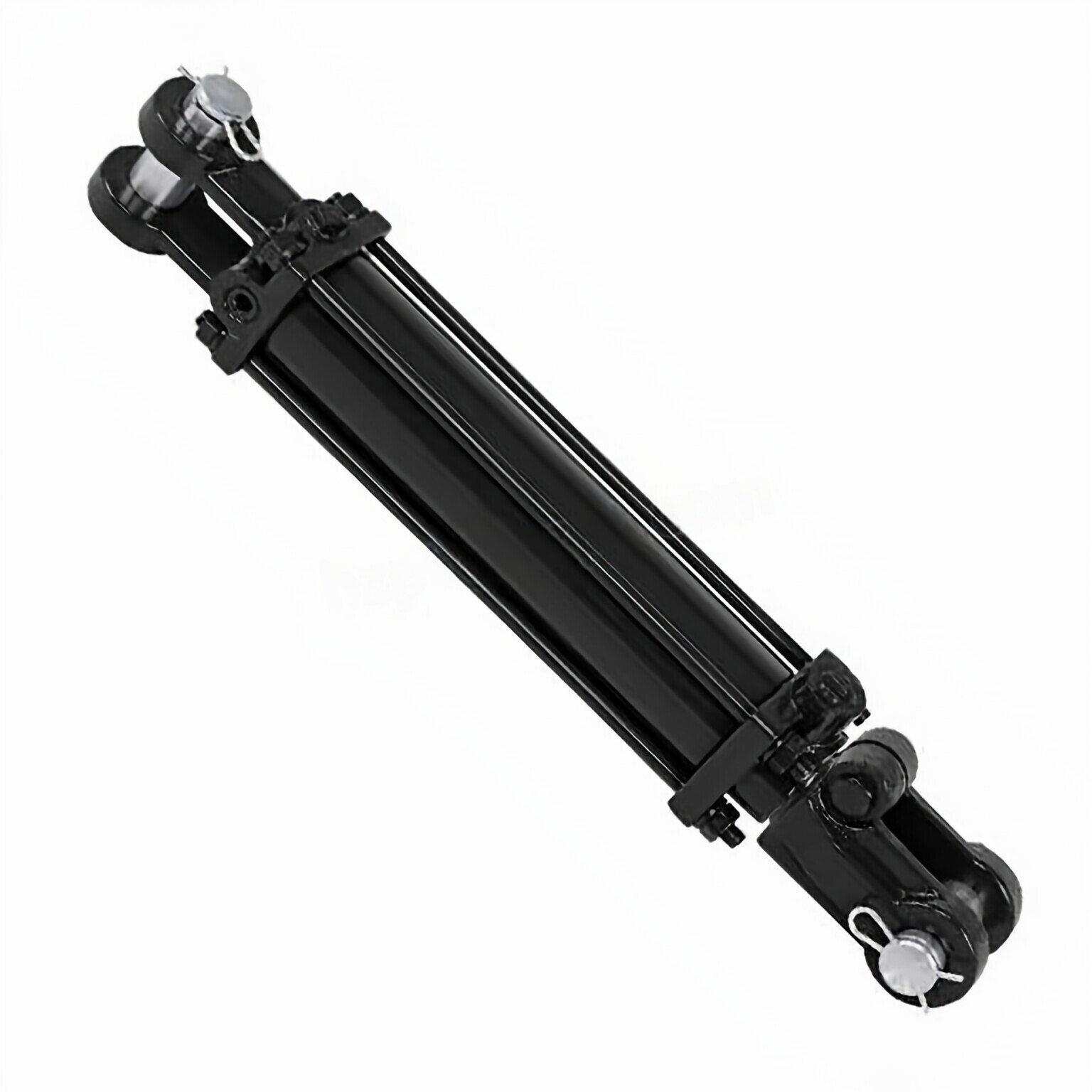
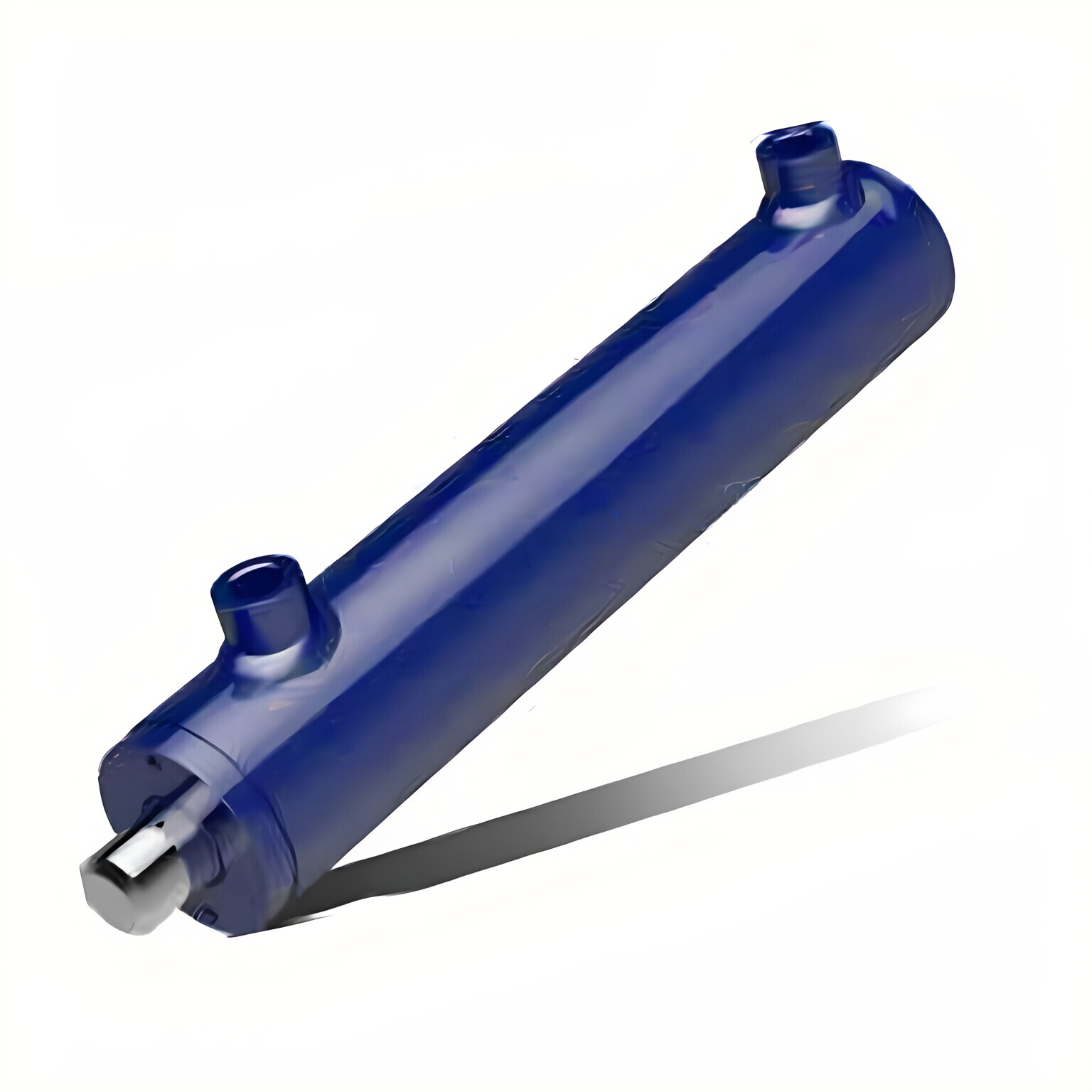
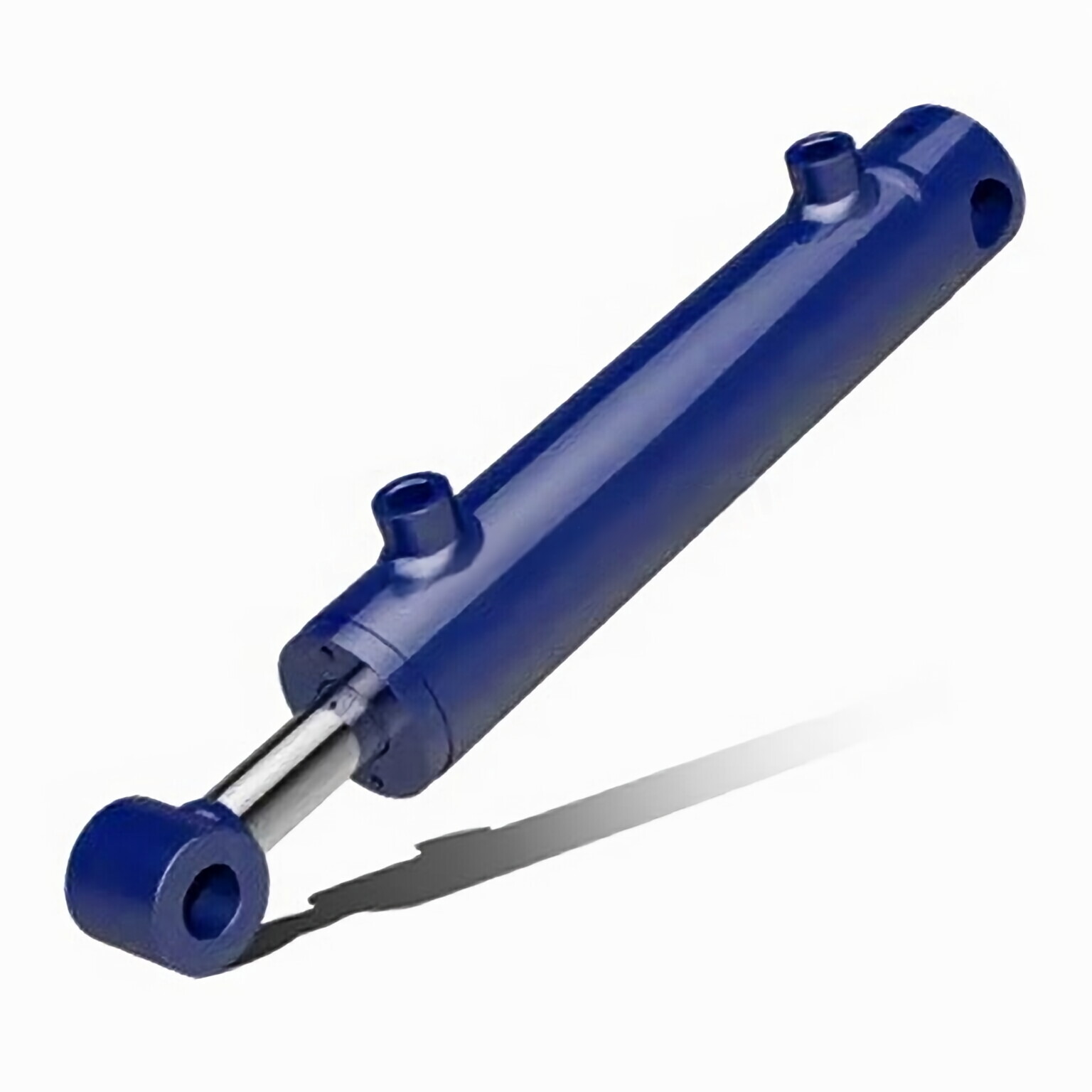
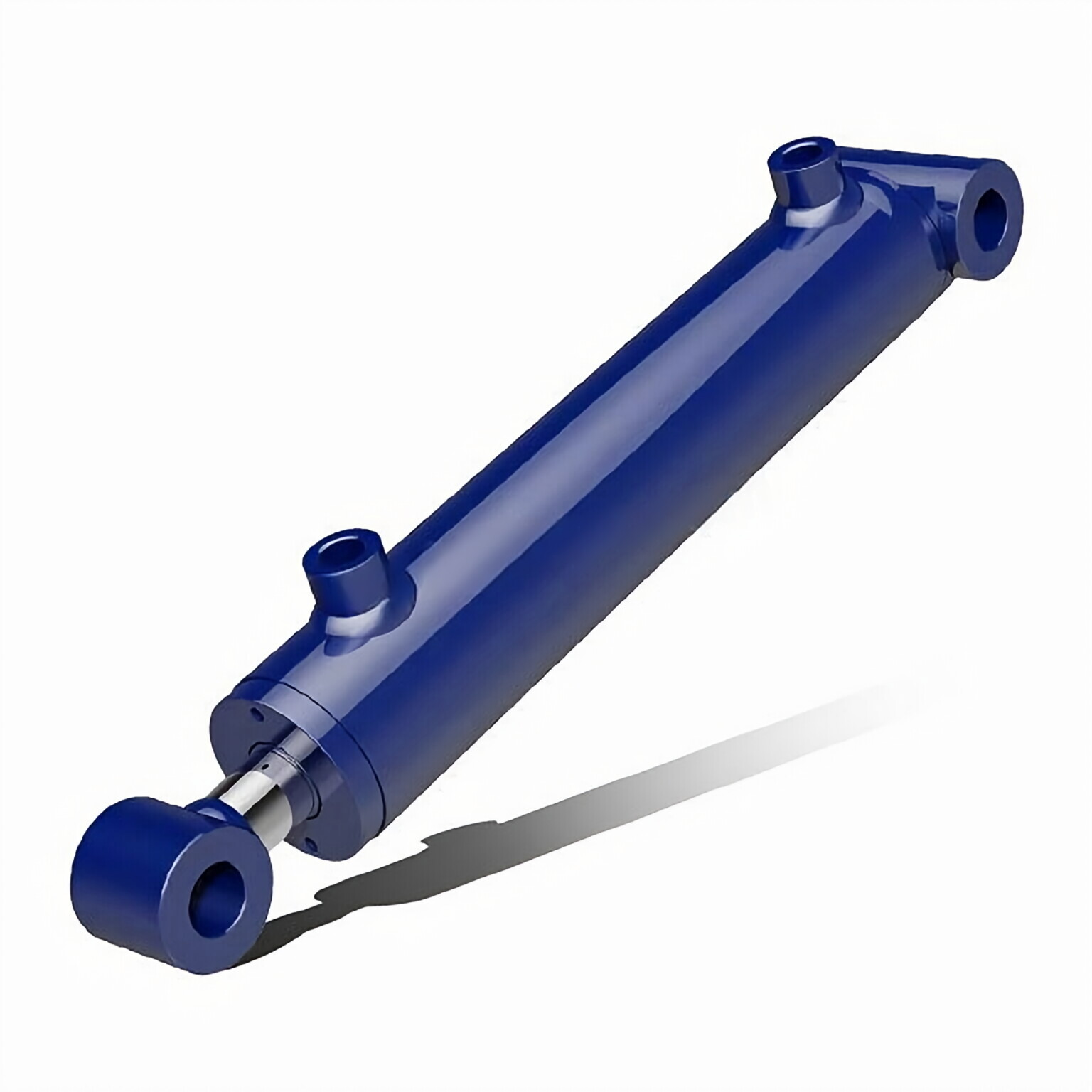
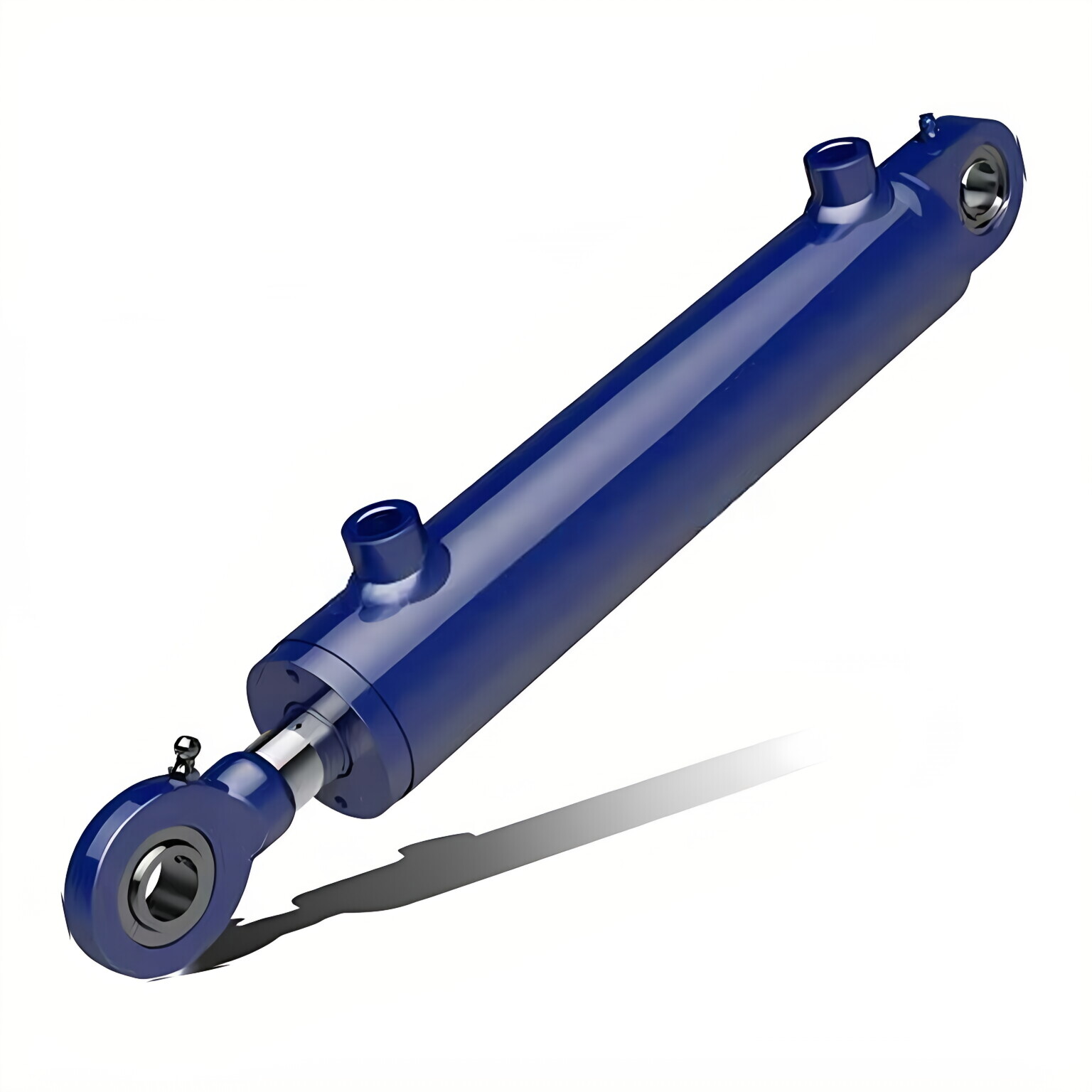
The Replacement Of AH176919 Hydraulic Cylinder is designed to provide efficient hydraulic power for the 9970 model. It is crucial to properly maintain and care for this cylinder to ensure optimal performance and longevity.
Regular inspections are essential to identify any signs of wear or damage. Inspect the cylinder for leaks, cracks, or loose fittings. If any issues are detected, immediate action should be taken to prevent further damage.
Effective lubrication is critical for the smooth operation of the hydraulic cylinder. Apply the recommended lubricant according to the manufacturer's guidelines to ensure proper functioning.
Seals play a vital role in maintaining the integrity of the hydraulic system. Regularly inspect and replace worn-out seals to prevent leaks. Additionally, perform calibration checks to ensure accurate operation.
Proper installation, lubrication, and adjustment are crucial for the optimal performance and longevity of the hydraulic cylinder. Ensure the cylinder is correctly aligned during the installation process, and provide proper guidance for alignment. It is recommended to use appropriate installation brackets to secure the cylinder in place. Follow the recommended inspection, repair, and replacement procedures to maintain the cylinder's functionality. Utilize techniques to enhance the lifespan of the hydraulic cylinder by utilizing proper keyword usage.
When using keywords, it is essential to prioritize safety measures. Operators should adhere to all safety protocols and guidelines to prevent accidents or injuries. Additionally, considering environmental factors is vital to reduce the impact on the surroundings.
1. Leakage: Check for any signs of hydraulic fluid leakage. Inspect fittings, seals, and connections for potential leaks. Resolve any leakage issues promptly to prevent further damage.
2. Reduced Performance: If the hydraulic cylinder's performance decreases, it could indicate internal wear or blockage. Conduct a thorough inspection to identify the underlying cause.
3. Excessive Noise: Unusual noises during cylinder operation may suggest internal damage or worn-out components. Inspect and address any sources of noise to prevent further complications.
1. Leakage: Tighten loose fittings, replace damaged seals, or repair/rebuild the cylinder if necessary.
2. Reduced Performance: Check for blockages, worn-out components, or incorrect adjustments. Clean or replace any faulty parts and ensure proper adjustments are made.
3. Excessive Noise: Inspect and replace any damaged or worn-out components causing the noise. Lubricate moving parts as required to reduce friction and noise.
Implement preventive measures to minimize potential issues. Regular maintenance, proper lubrication, and timely repairs are key to preventing major problems.
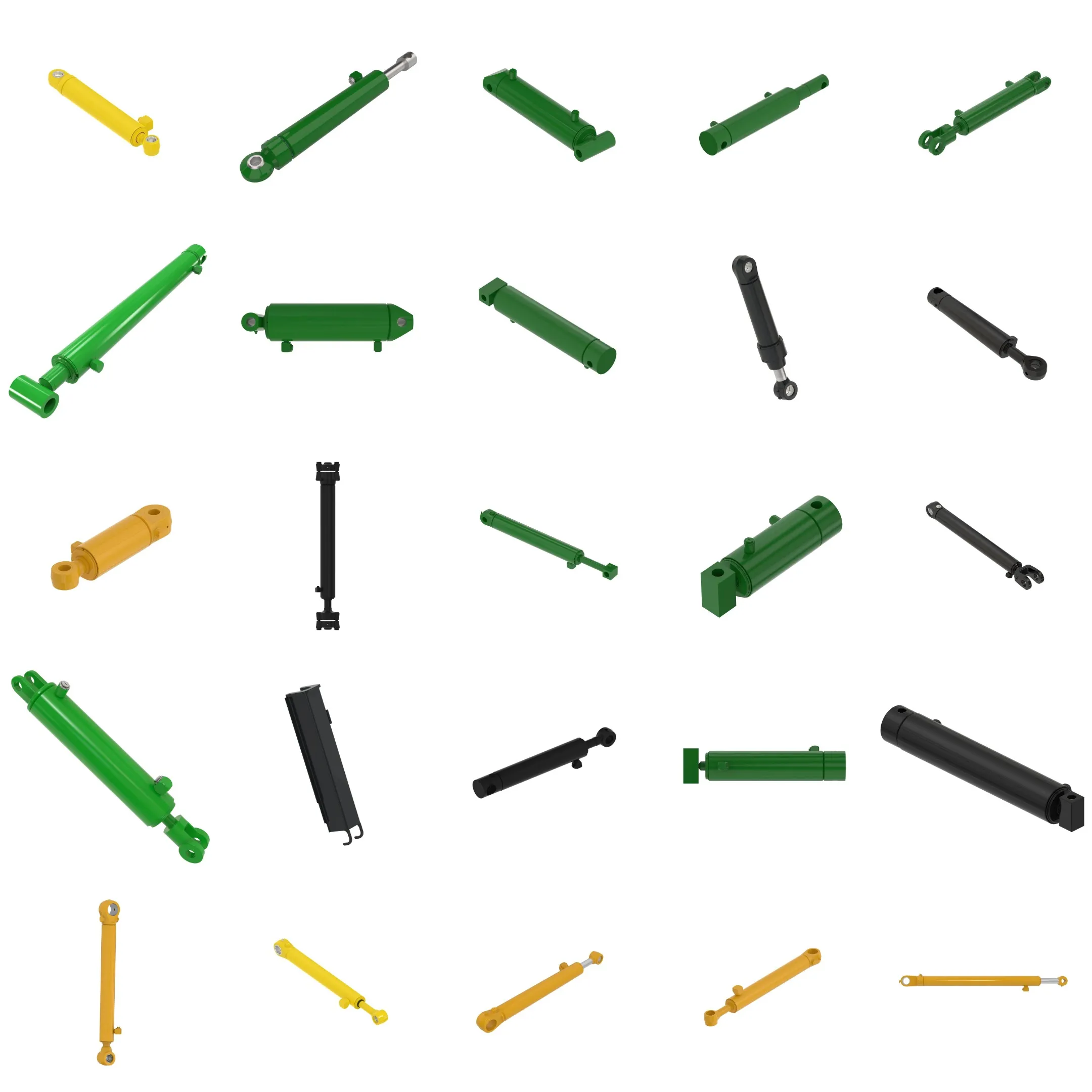
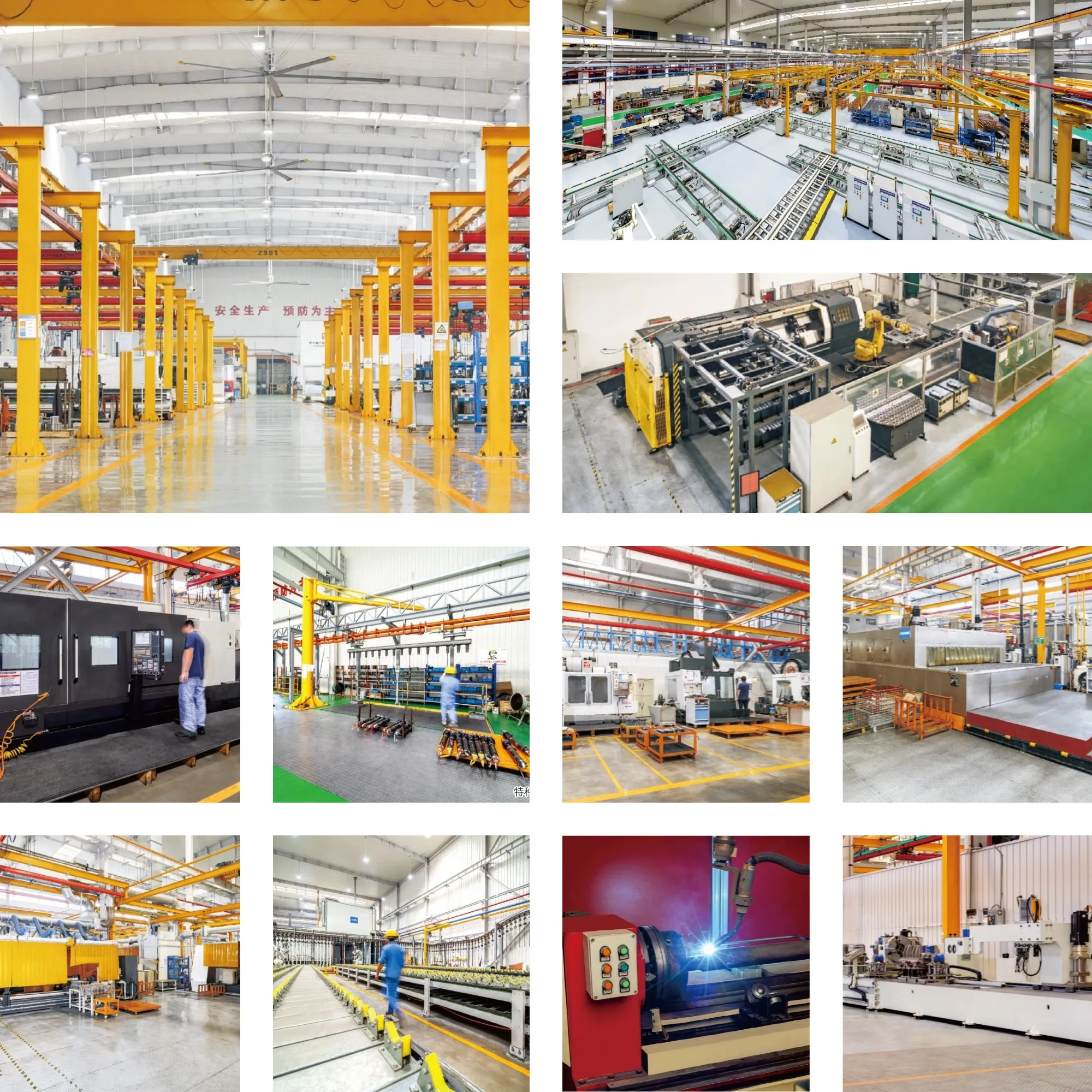
We are a leading manufacturer and wholesale distributor of replacement hydraulic cylinders. With a wide range of products, we have established ourselves as a trusted supplier in both domestic and international markets.
Author: lyl
Address
Luotuo Industrial Area, Zhenhai District, Ningbo City, China
Tel

 Raydafon