
1790 1795
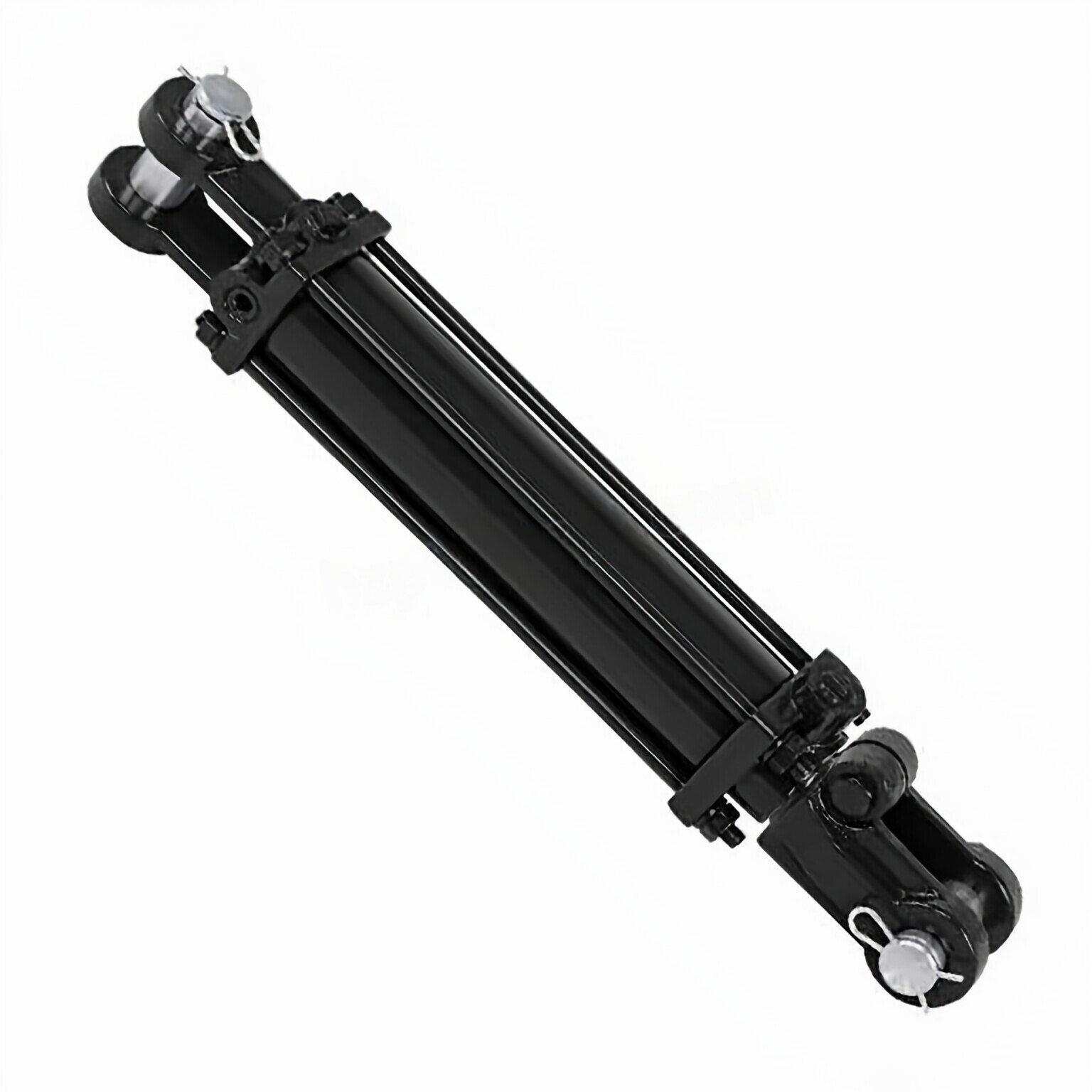
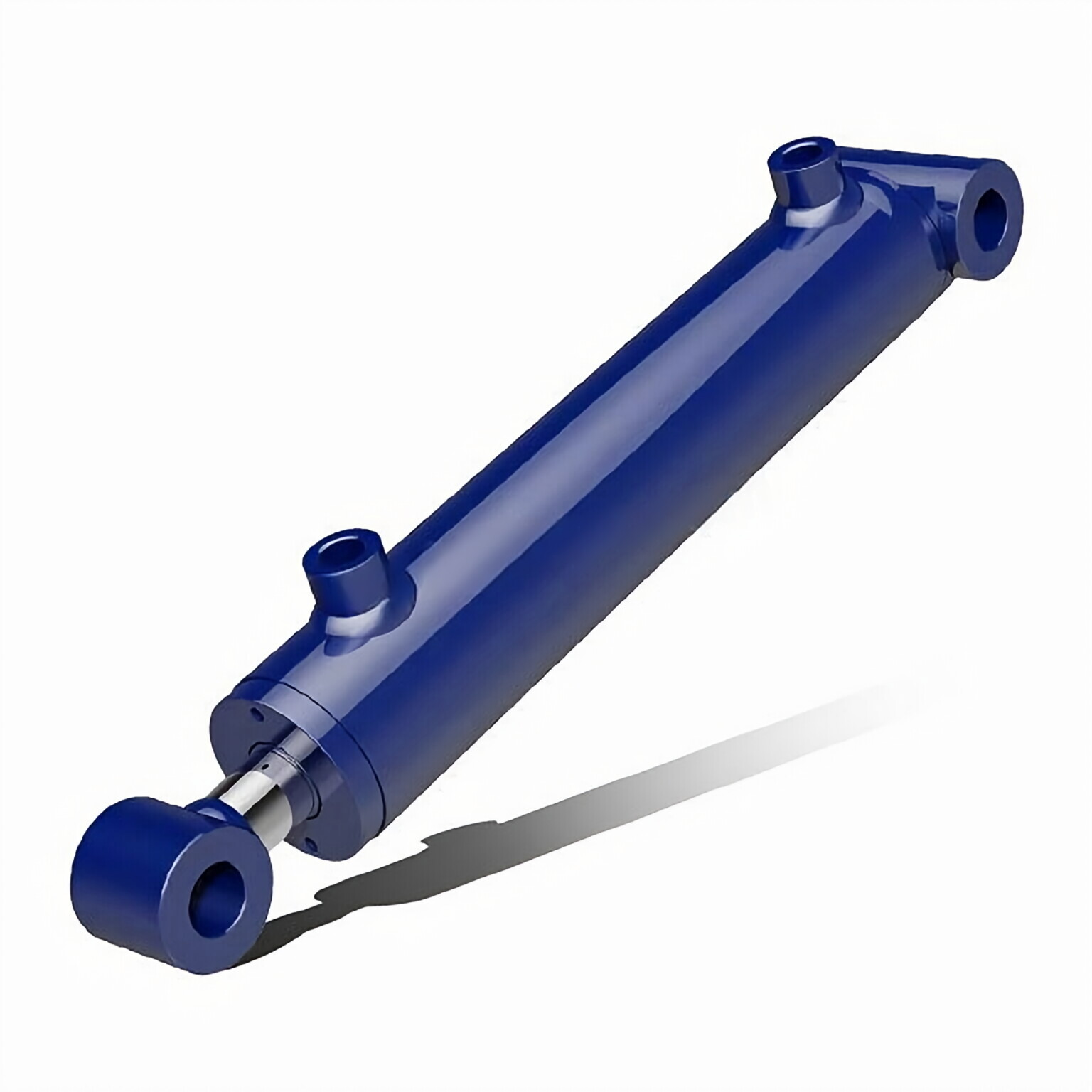
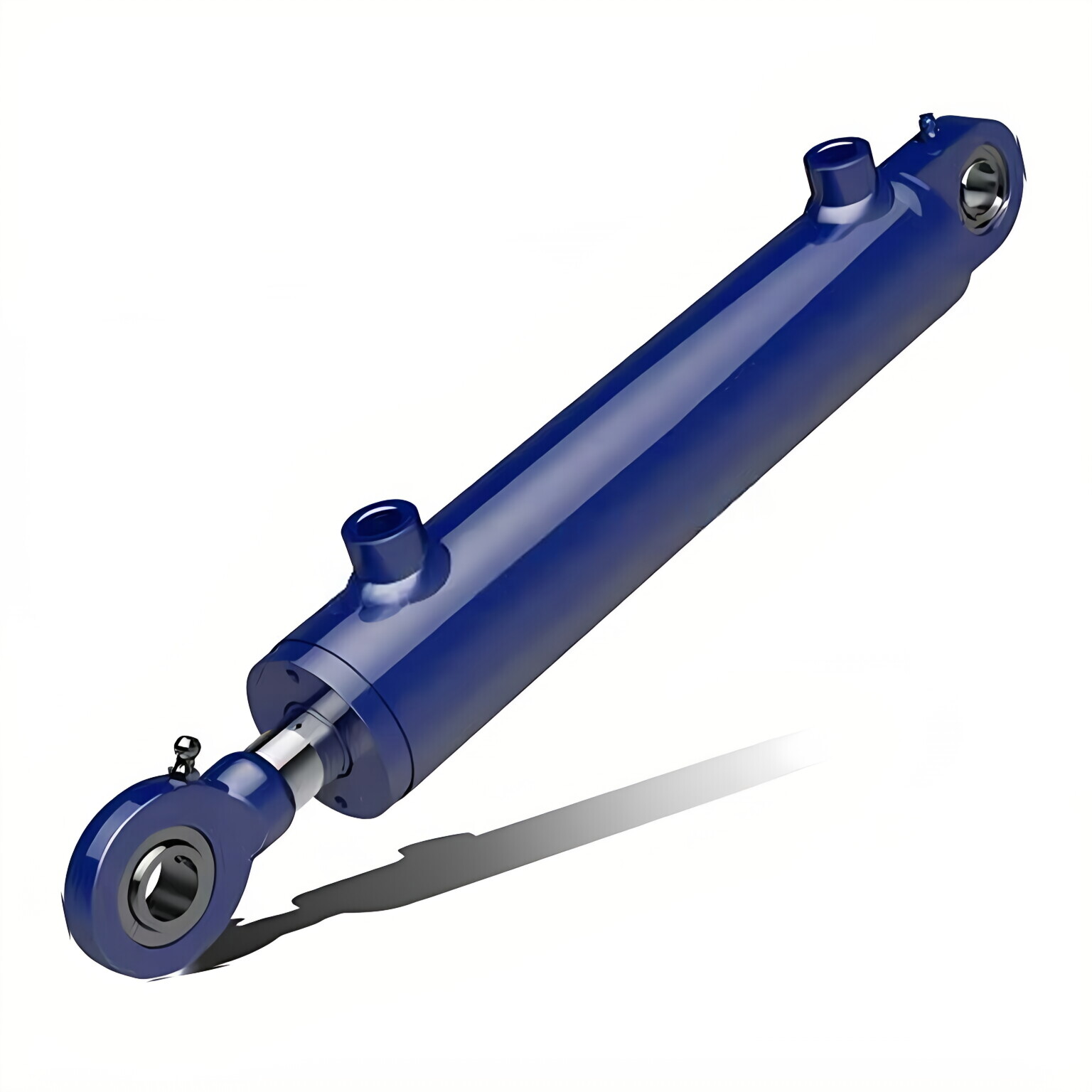
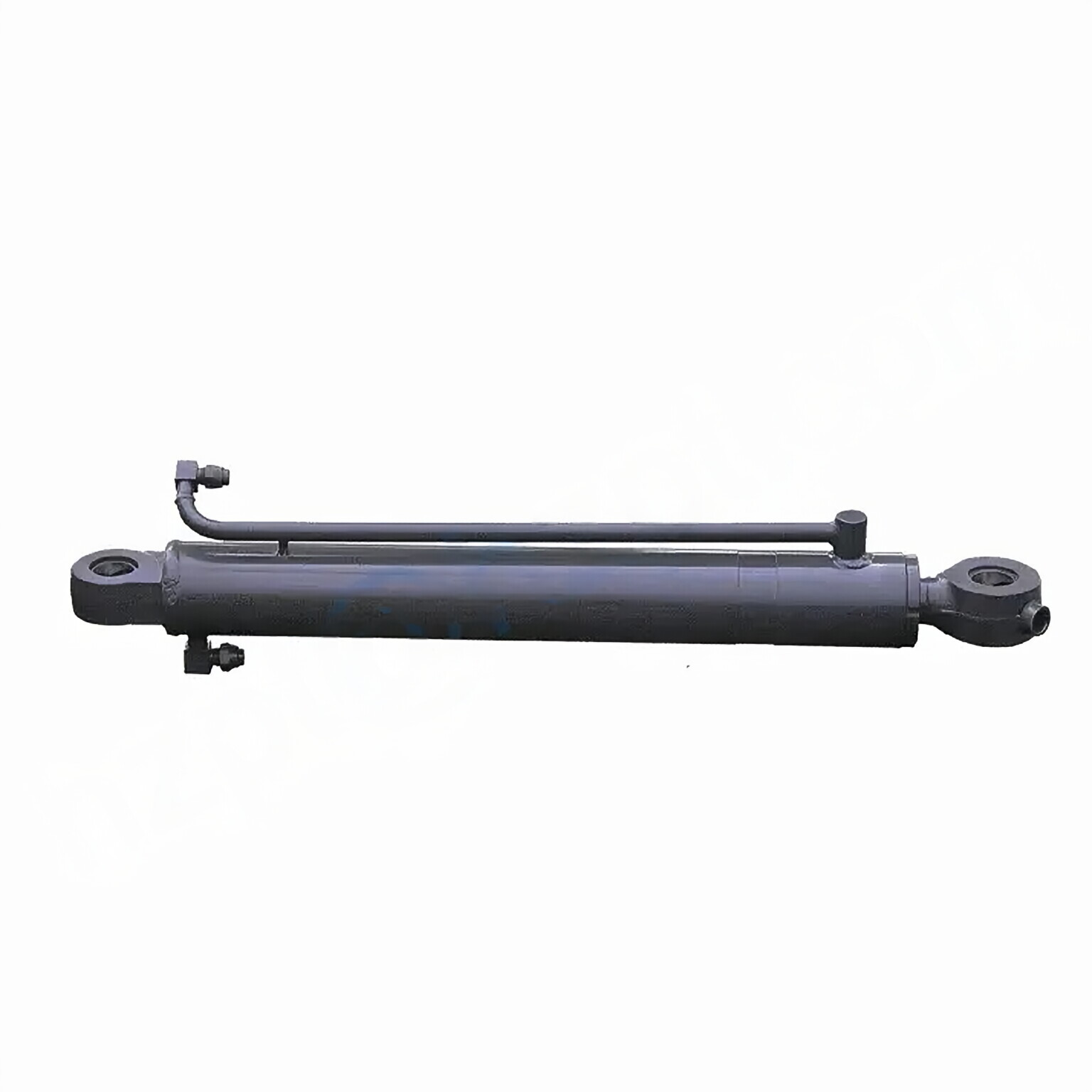
Regularly inspect the hydraulic cylinder for any signs of wear or damage. Look for leaks, dents, or bent parts. Inspect the seals and connections for any issues.
Make sure to lubricate the hydraulic cylinder according to the manufacturer's recommendations. Use the appropriate lubricant and apply it to the necessary parts regularly.
Replace the seals of the hydraulic cylinder when necessary. Perform calibration checks to ensure proper functioning and alignment of the cylinder.
Proper installation, lubrication, and adjustment are essential for maintaining the hydraulic cylinder's performance and longevity. Incorrect installation can lead to leaks, malfunctions, and premature wear. Lubrication ensures smooth operation, while proper adjustment ensures optimal functionality.
Regularly inspect the hydraulic cylinder for any signs of wear or damage. If any issues are detected, follow the manufacturer's recommended repair or replacement procedures. Additionally, provide replacement parts and rebuilding services to enhance the lifespan of the cylinder.
1. Follow the recommended maintenance tasks.
2. Ensure proper installation, lubrication, and adjustment.
3. Implement regular inspections and address any issues promptly.
When using the hydraulic cylinder, it is crucial to prioritize safety measures. Proper use of keywords ensures the safety of operators and prevents accidents. Considering environmental factors, such as temperature and exposure to corrosive substances, is also important to maintain the cylinder's performance and longevity.
1. Leakage: Inspect the cylinder for any signs of leaks and address them promptly.
2. Slow or Erratic Movement: Check for any blockages or malfunctions in the system and perform necessary repairs.
3. Inconsistent Pressure: Ensure proper adjustment and alignment of the cylinder to maintain consistent pressure.
1. If experiencing leakage, check the seals and connections for any damage and replace if necessary.
2. If movement is slow or erratic, inspect the hydraulic fluid level and system for any issues. Clean or replace filters if needed.
3. In case of inconsistent pressure, check for any obstructions or malfunctions in the hydraulic system. Adjust or repair as required.
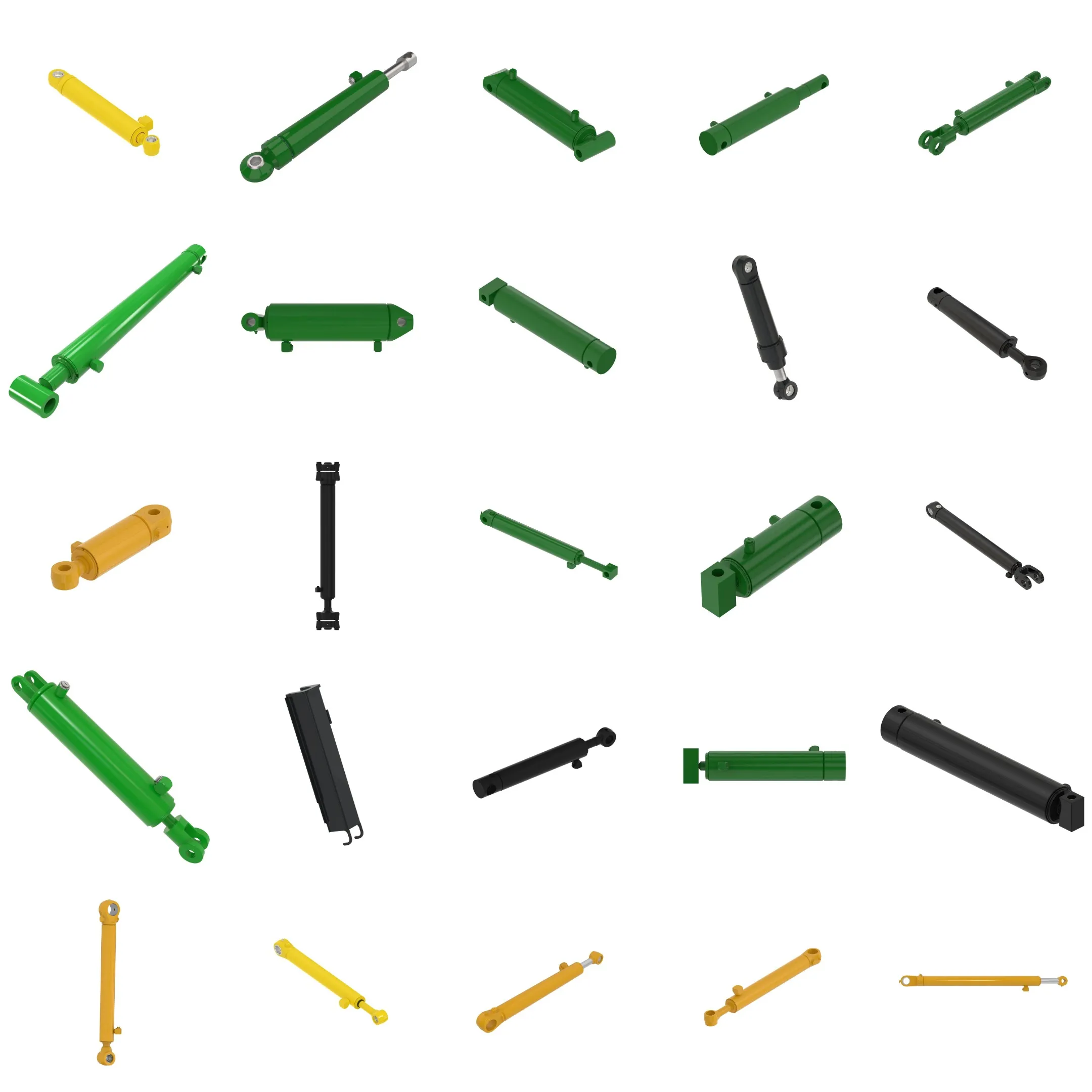
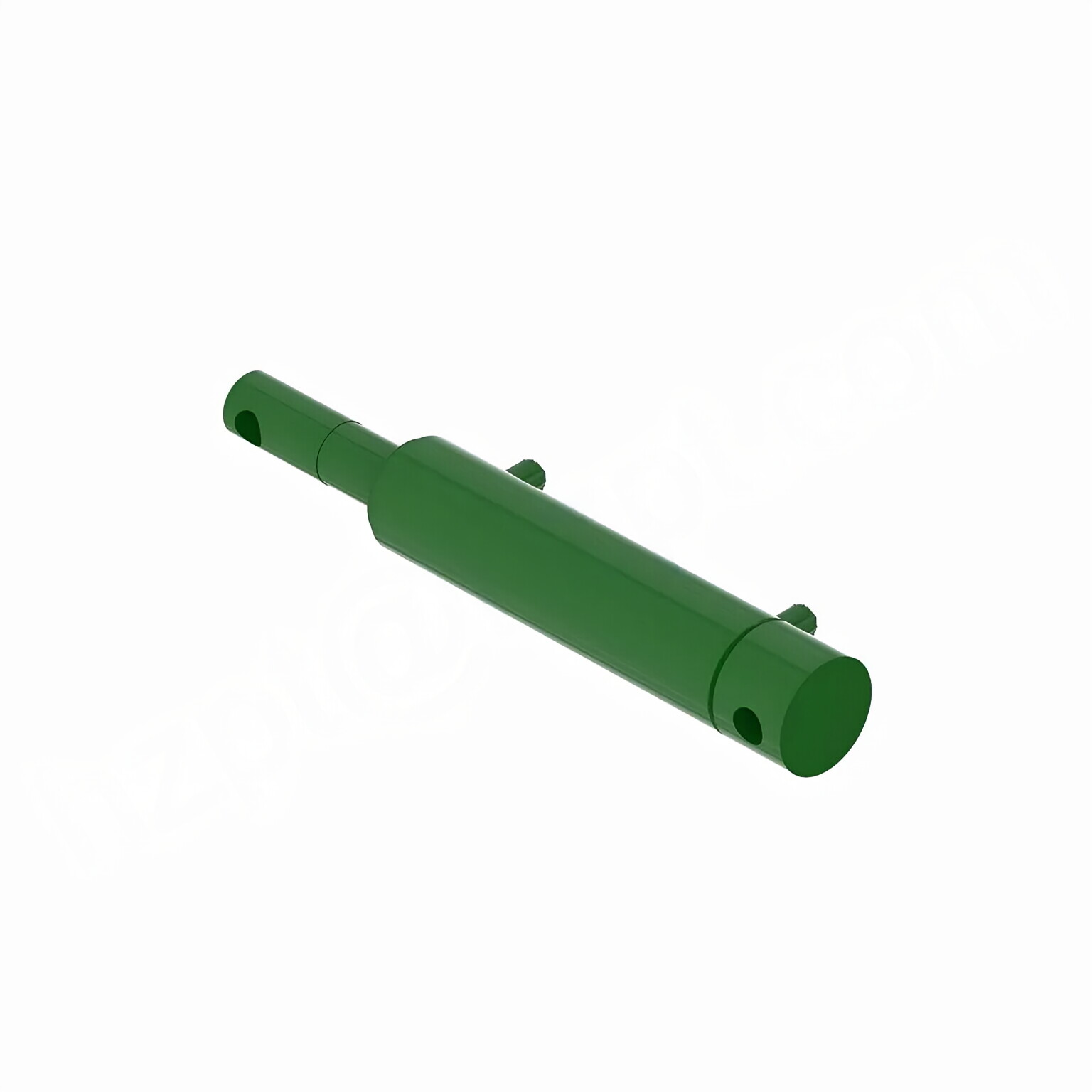
Implementing preventive measures can help minimize potential issues with the hydraulic cylinder. Regular maintenance, inspections, and adherence to proper installation and usage guidelines are key to preventing problems.
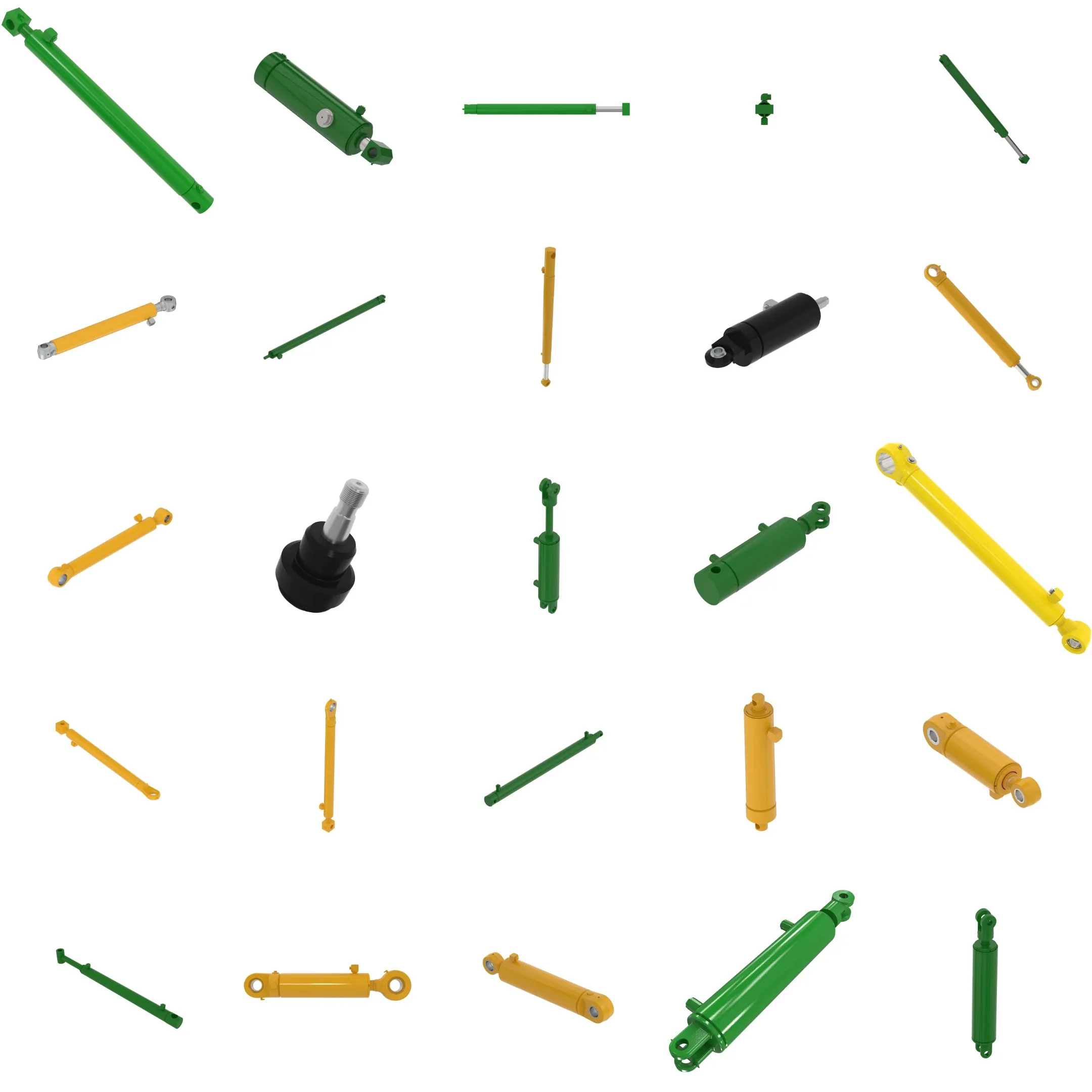
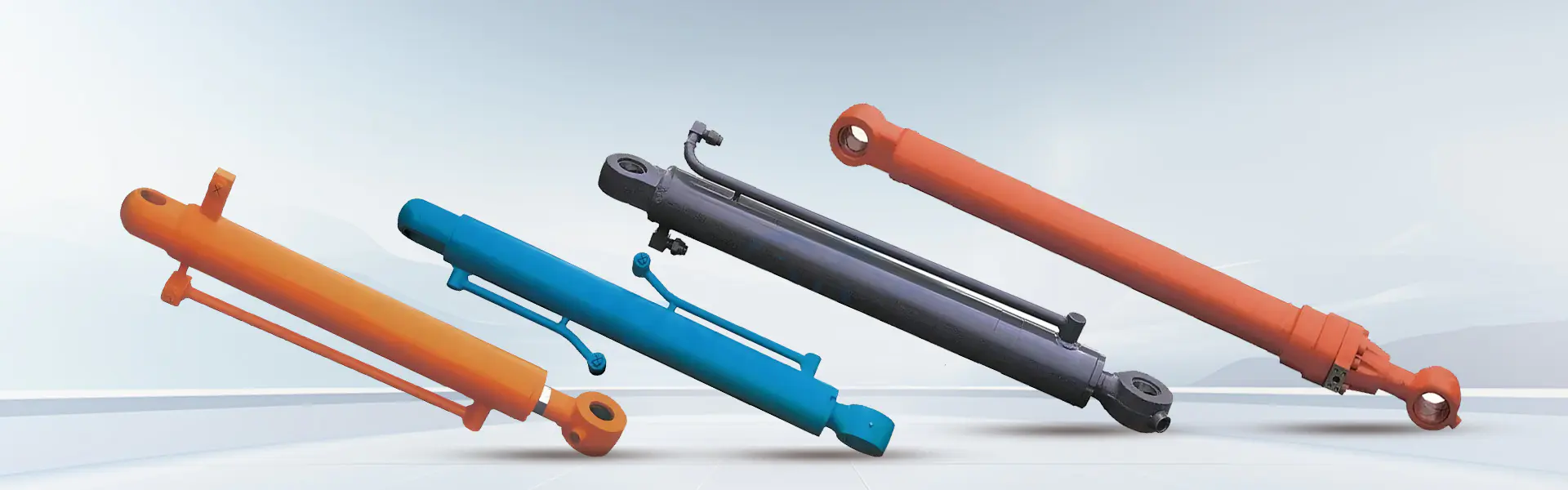
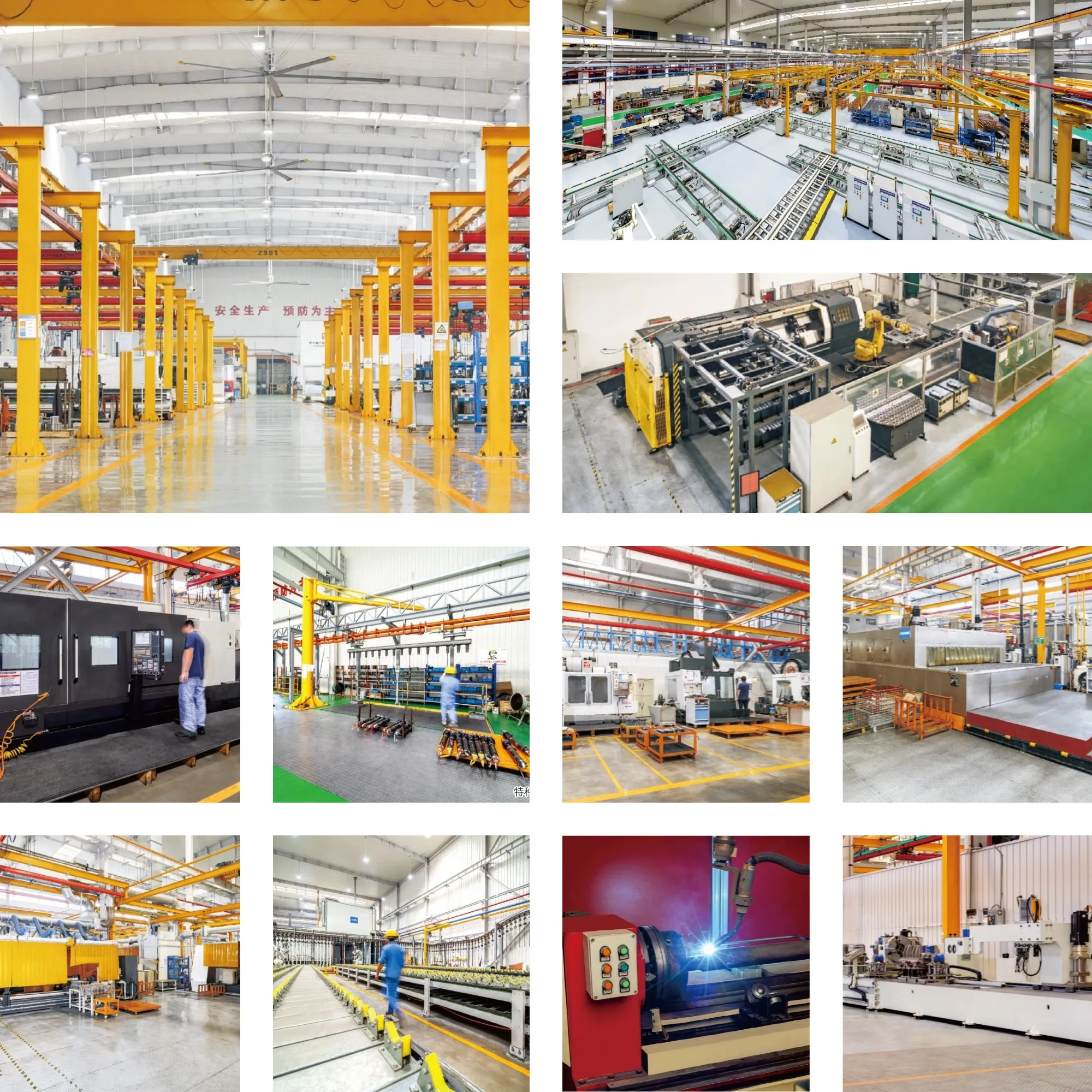
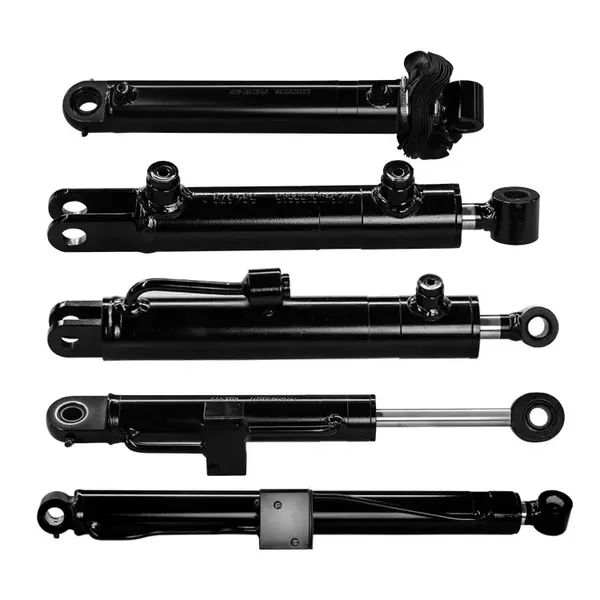
We are a leading manufacturer and wholesale distributor of replacement hydraulic cylinders. Our extensive range of products has made us a prominent player in both domestic and international markets.
Author: lyl
Address
Luotuo Industrial Area, Zhenhai District, Ningbo City, China
Tel

 Raydafon