
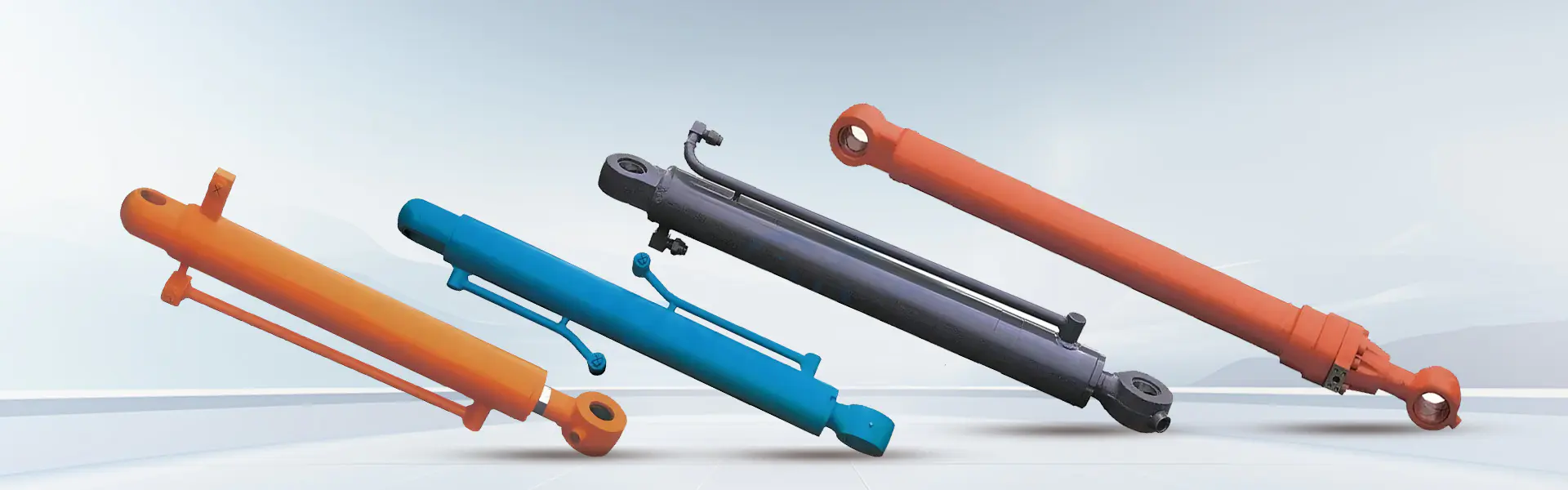
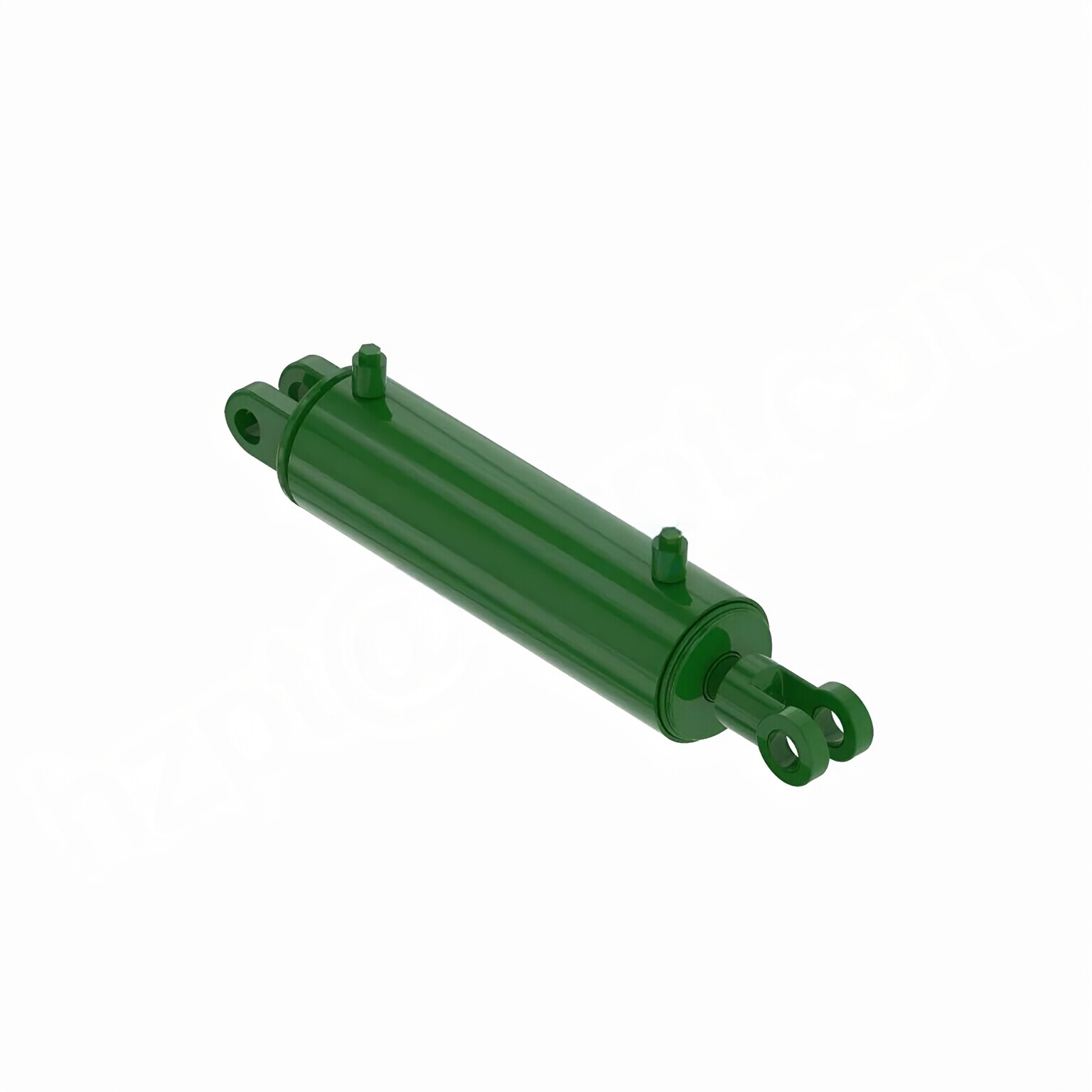
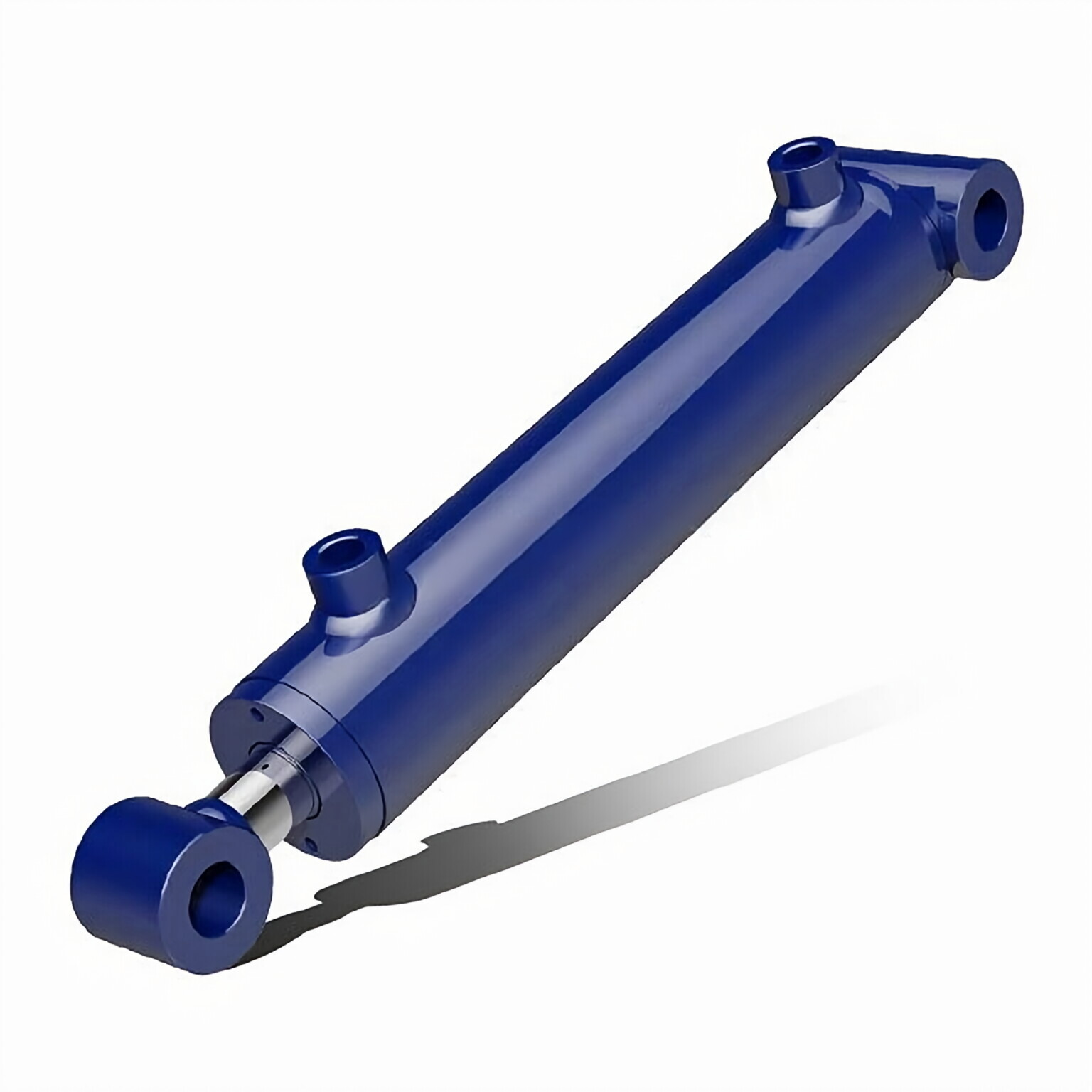
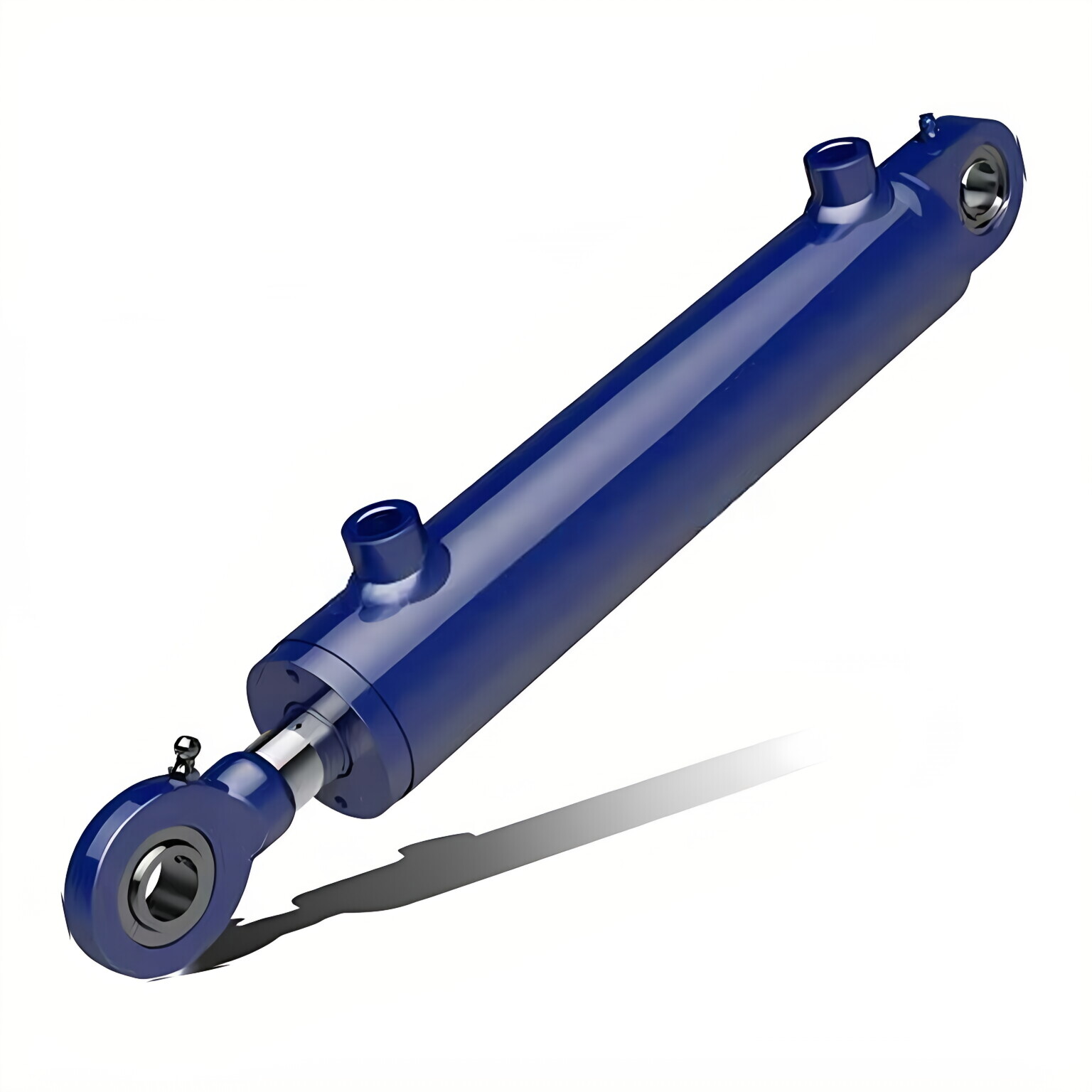
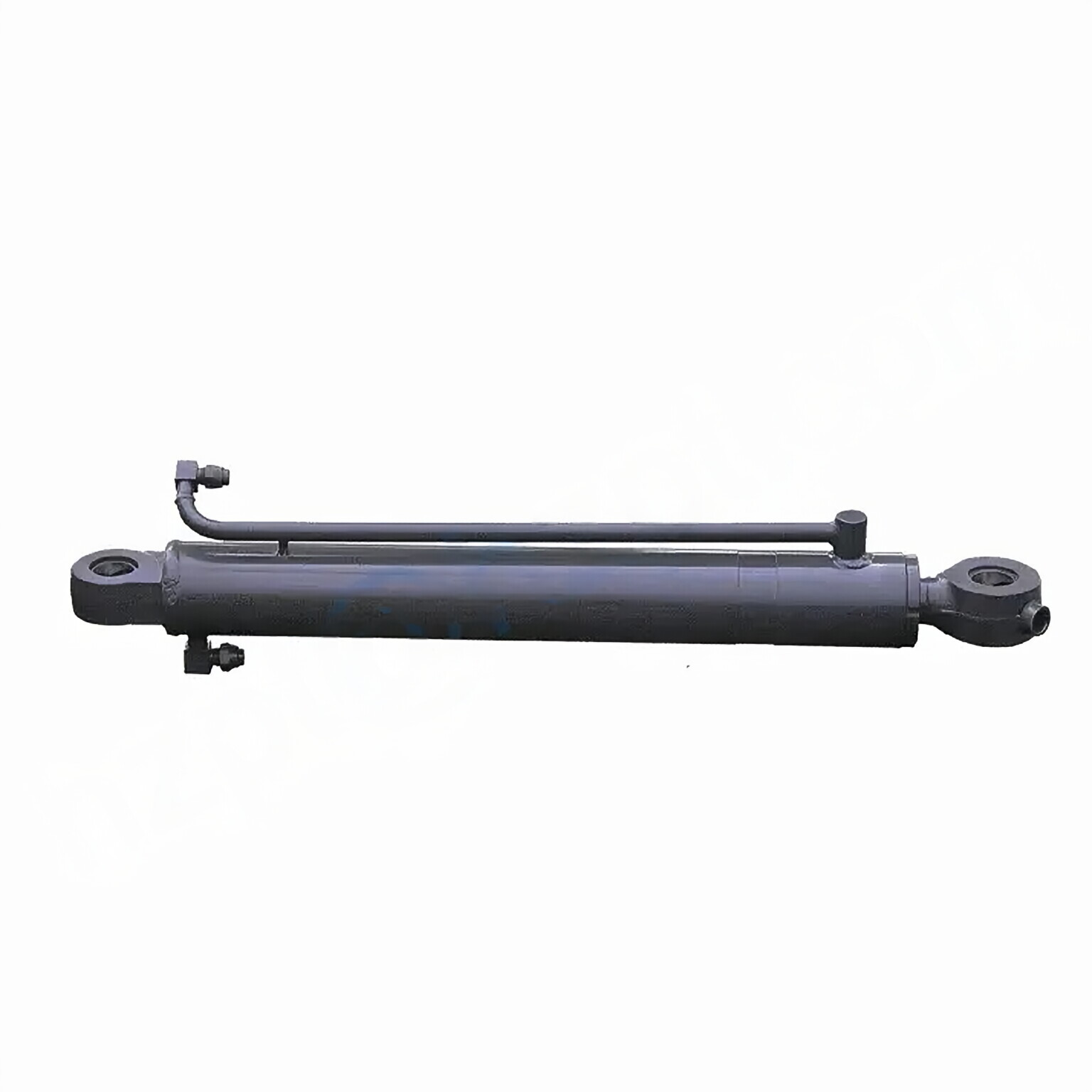
Regularly inspect the hydraulic cylinder for any signs of wear, damage, or leakage. This will help identify any potential issues before they become major problems.
Ensure that the hydraulic cylinder is properly lubricated to prevent friction and extend its lifespan. Use the recommended lubricant and follow the manufacturer's guidelines.
Periodically check and replace the seals to maintain proper sealing and prevent leaks. Additionally, calibrate the hydraulic cylinder to ensure accurate operation.
Proper installation is crucial for the hydraulic cylinder to function optimally. Make sure to provide guidance on aligning the cylinder correctly and recommend using appropriate installation brackets for stability.
Regular lubrication helps reduce friction, heat, and wear, ensuring smooth operation. Correct adjustment ensures the hydraulic cylinder operates within the desired parameters, maximizing its efficiency and lifespan.
When inspecting the hydraulic cylinder, check for any signs of damage, such as bent rods or worn-out seals. If repairs are needed, follow the manufacturer's recommended procedures or consult a professional. For replacement parts and rebuilding services, contact our company for assistance.
To extend the lifespan of the hydraulic cylinder, utilize these tips:
When working with hydraulic cylinders, safety measures are crucial. Follow proper procedures, wear appropriate protective gear, and be aware of potential hazards, such as high pressure or hydraulic fluid leaks.
Considering environmental factors is essential to prevent pollution and ensure compliance with regulations. Dispose of hydraulic fluids and other hazardous materials responsibly.
Faults and problems may arise with hydraulic cylinders. Here are some common issues:
If there is hydraulic fluid leakage, check for damaged seals or loose connections. Tighten connections or replace seals as necessary.
This issue may be caused by low hydraulic fluid levels, a faulty valve, or a damaged piston. Check the fluid levels, inspect the valve, and replace any damaged components.
If the cylinder operates slowly, insufficient fluid flow or a restricted hydraulic line may be the cause. Check for any blockages, clean the lines, and ensure proper fluid flow.
For effective diagnosis and problem-solving:
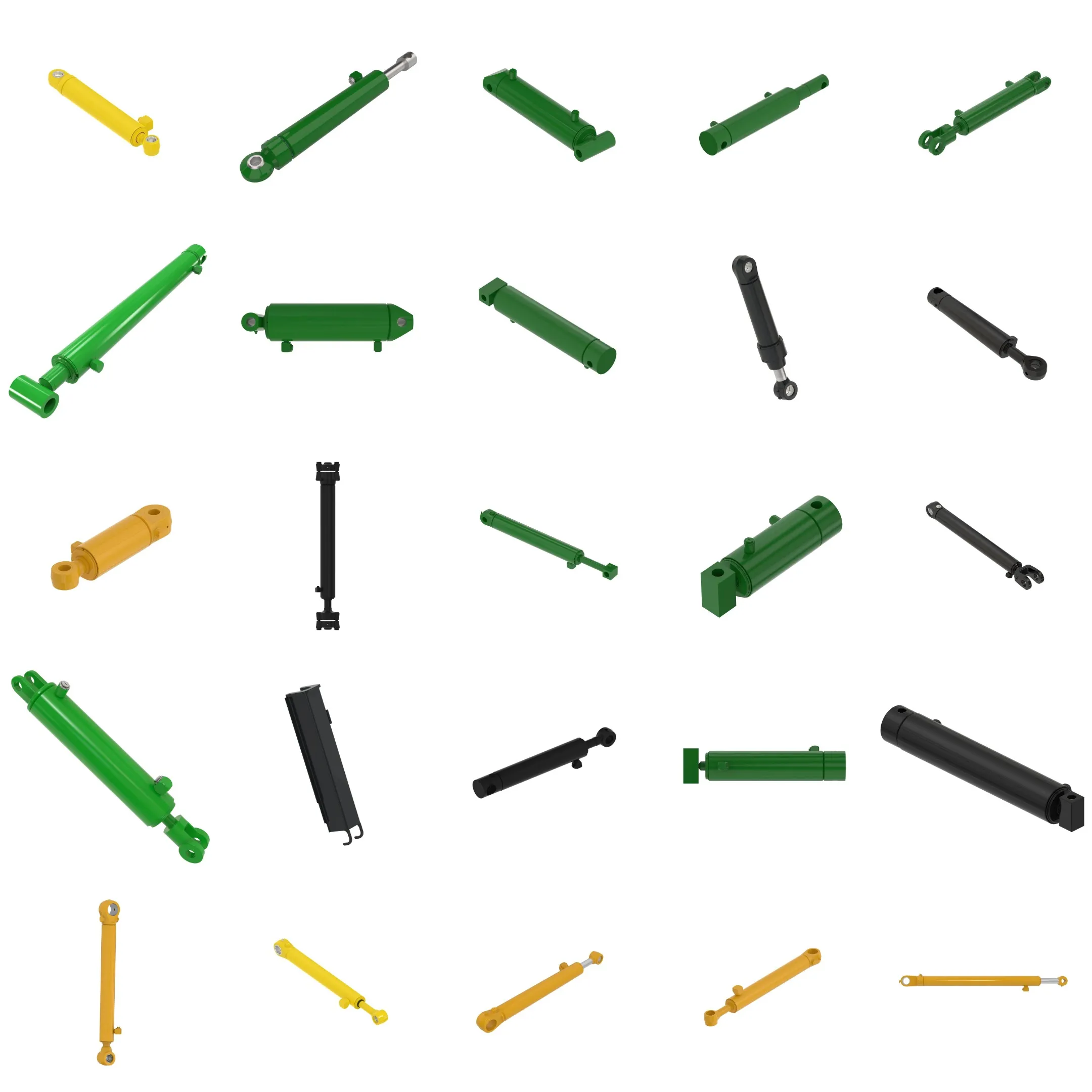
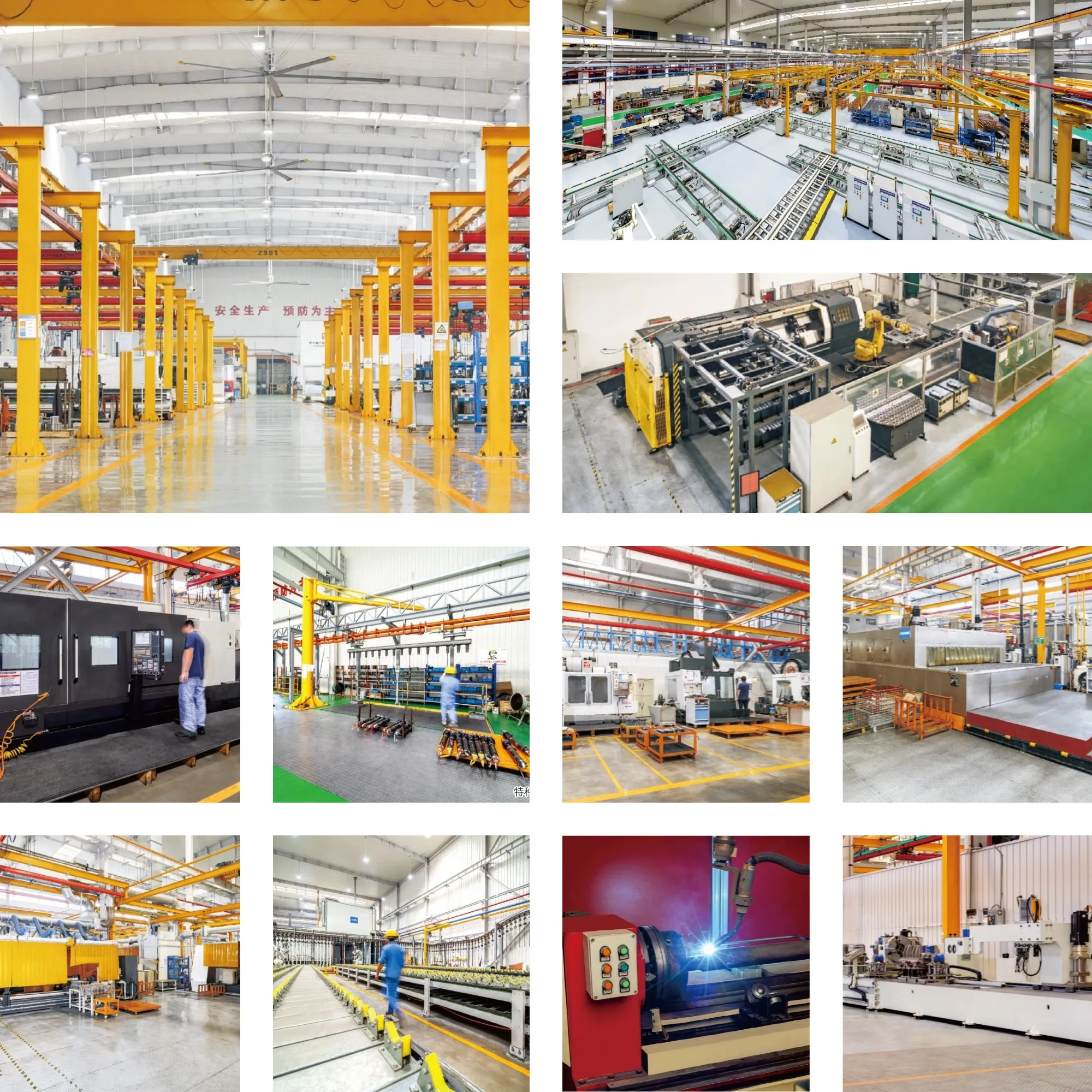
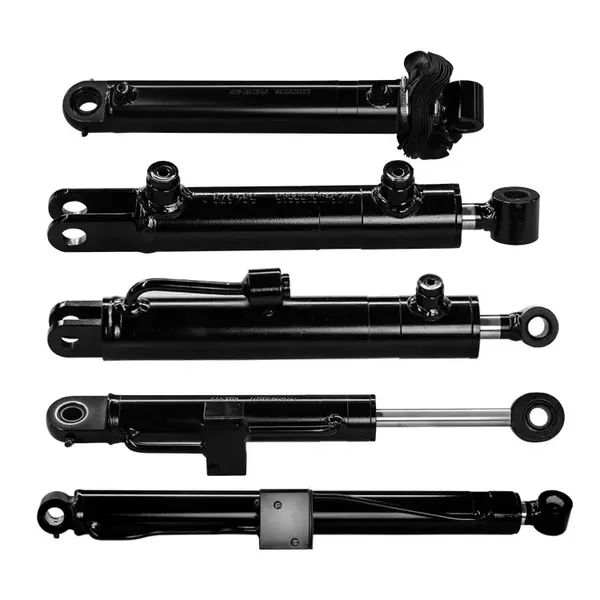
We are a leading manufacturer and wholesale distributor of replacement hydraulic cylinders. Our company offers a wide range of products and has established itself as a prominent player in both domestic and international markets.
Author: lyl
Address
Luotuo Industrial Area, Zhenhai District, Ningbo City, China
Tel

 Raydafon