
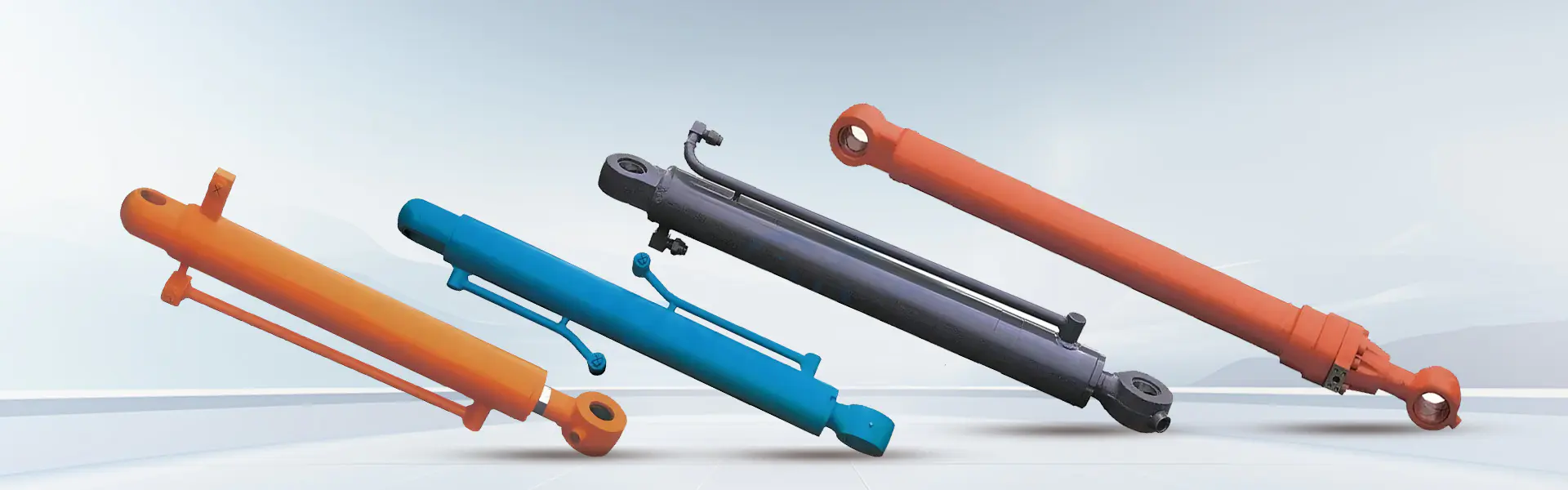
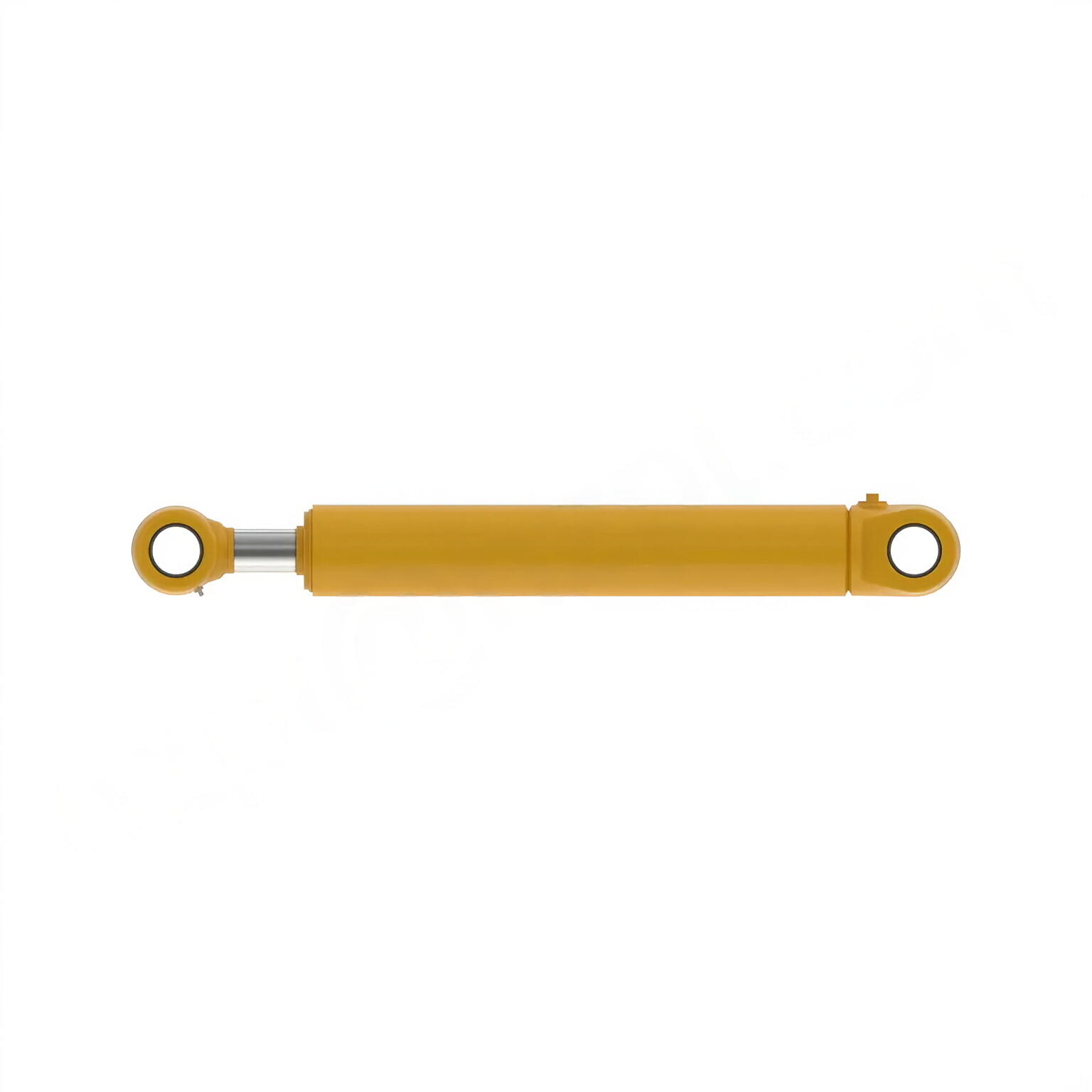
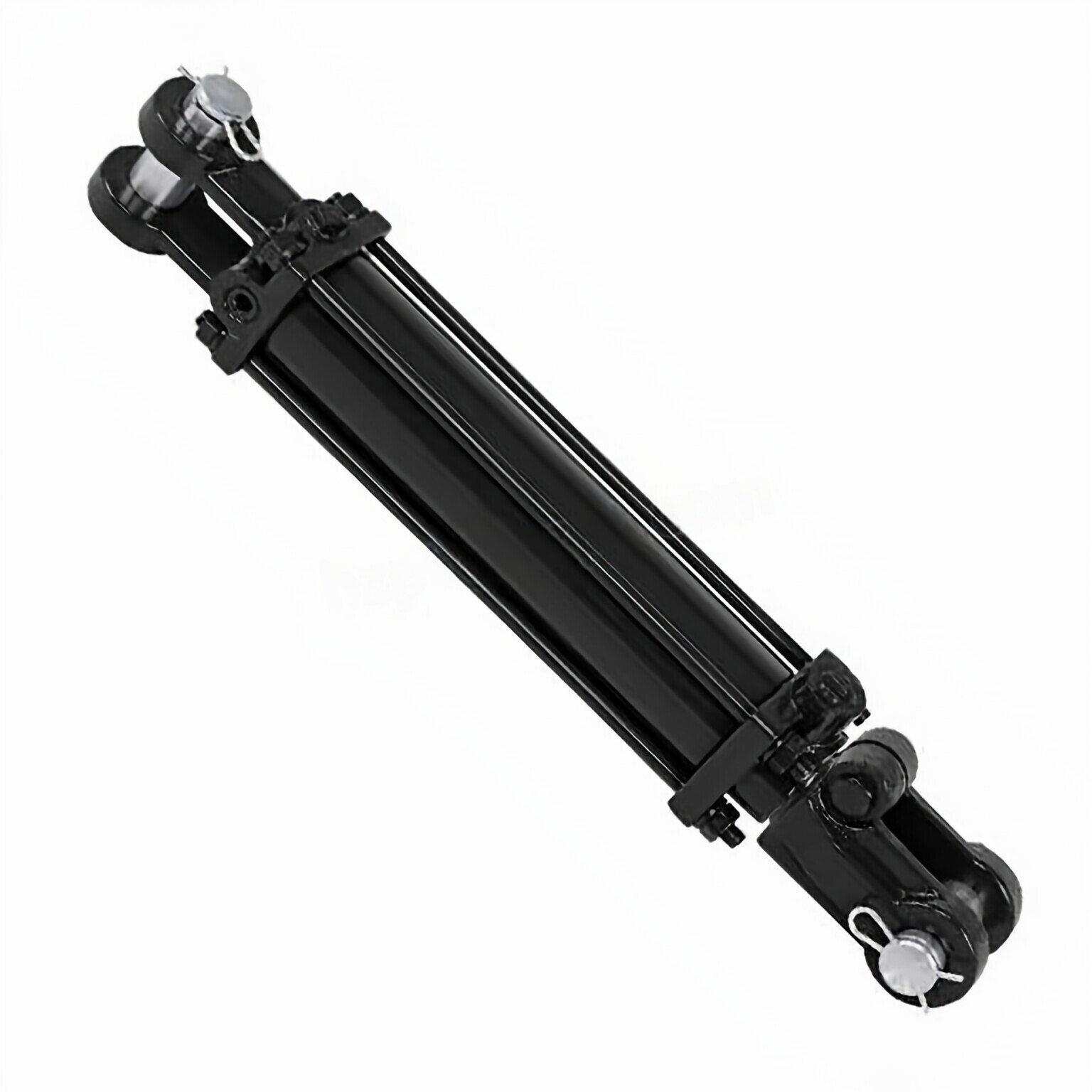
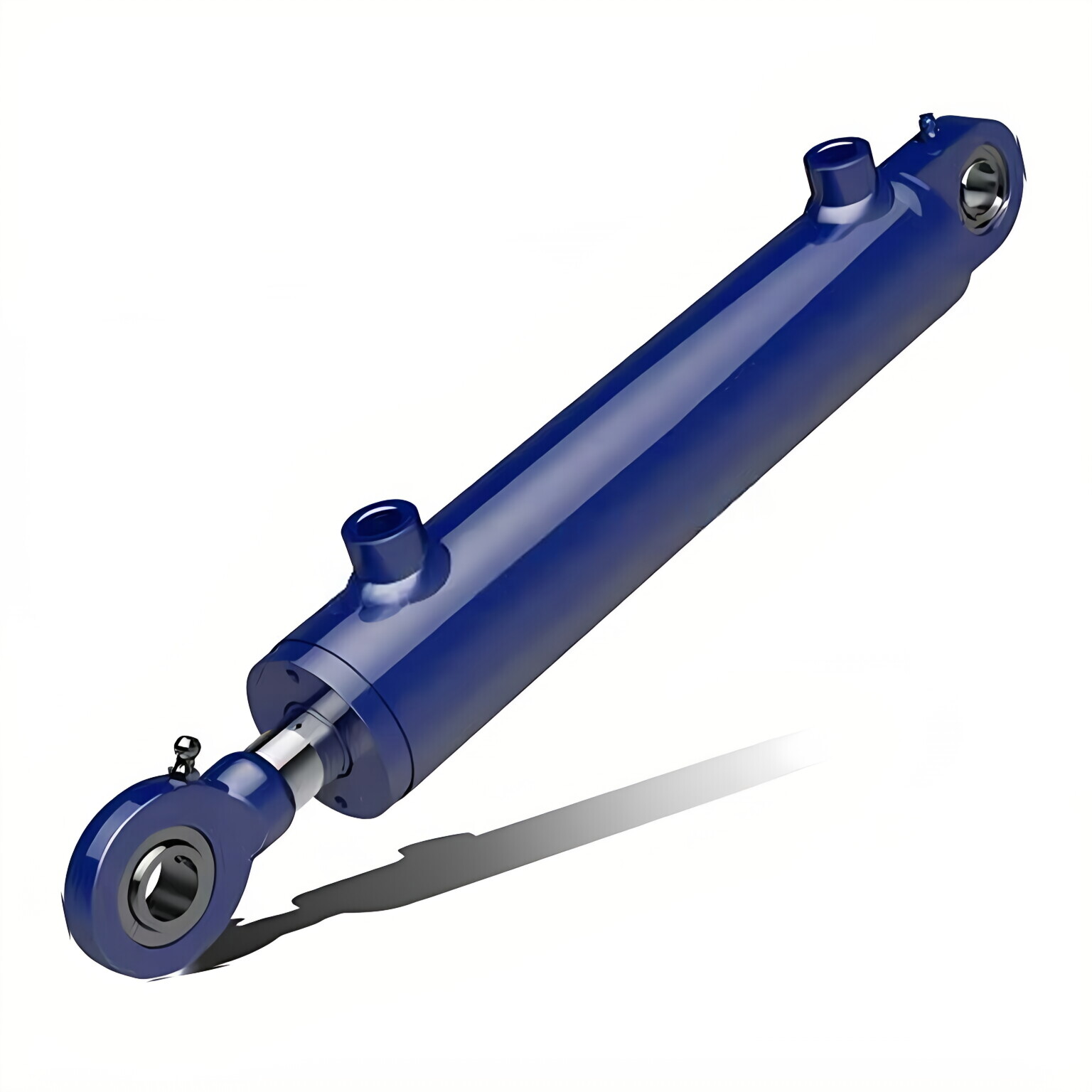
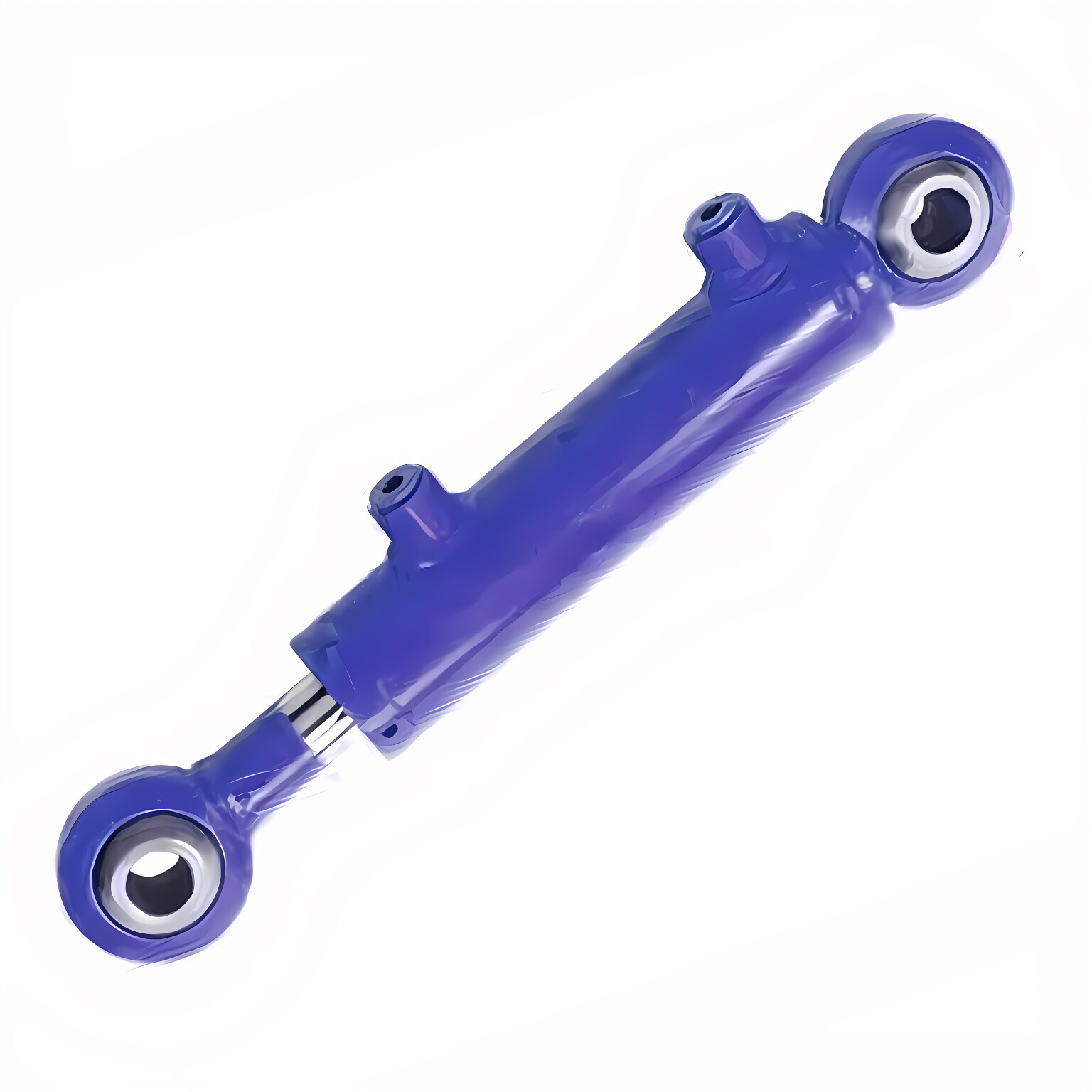
Welcome to our article discussing the replacement of the AHC18628 Hydraulic Cylinder. In this guide, we will provide you with essential information about the specifications and model compatibility of this product. We will also explore the maintenance tasks, safety considerations, troubleshooting and common issues, as well as preventive measures to ensure the longevity and optimal performance of your hydraulic cylinder.
The Replacement of AHC18628 Hydraulic Cylinder is compatible with the following models:
Regular inspections are crucial to ensure the proper functioning of the hydraulic cylinder. Inspect for any signs of damage, leaks, or abnormal wear and tear. Pay close attention to the seals and connections.
Appropriate lubrication is essential to maintain the performance and extend the lifespan of the hydraulic cylinder. Use the recommended lubricants and apply them according to the manufacturer's guidelines.
Over time, seals may wear out and lose their effectiveness. Regularly check the seals and replace them when necessary to prevent leaks and maintain optimal performance.
Periodically calibrating the hydraulic cylinder ensures accurate operation. It is important to check and adjust the calibration settings to maintain precision and efficiency.
Proper installation, lubrication, and adjustment are crucial for the optimal performance and longevity of the hydraulic cylinder. Here are some important guidelines:
When working with hydraulic cylinders, it is essential to prioritize safety measures and consider environmental factors. Some key points to remember include:
When encountering problems with your hydraulic cylinder, diagnosing and addressing the issues promptly is essential. Here are some common troubleshooting tips:
Description: Check for visible leaks and inspect the seals and connections for any damage or wear.
Solution: Replace damaged seals and tighten loose connections to eliminate leaks.
Description: If the hydraulic cylinder operates sluggishly or inconsistently, it may indicate a loss of pressure.
Solution: Check the hydraulic fluid level, and if necessary, refill or replace it. Inspect the hydraulic pump for any issues.
Description: Unusual noise or excessive vibration during operation can indicate a problem with the hydraulic cylinder.
Solution: Inspect and tighten any loose components. Check for damaged or worn parts and replace them if needed.
To minimize potential problems and ensure the smooth operation of your hydraulic cylinder, consider implementing the following preventive measures:
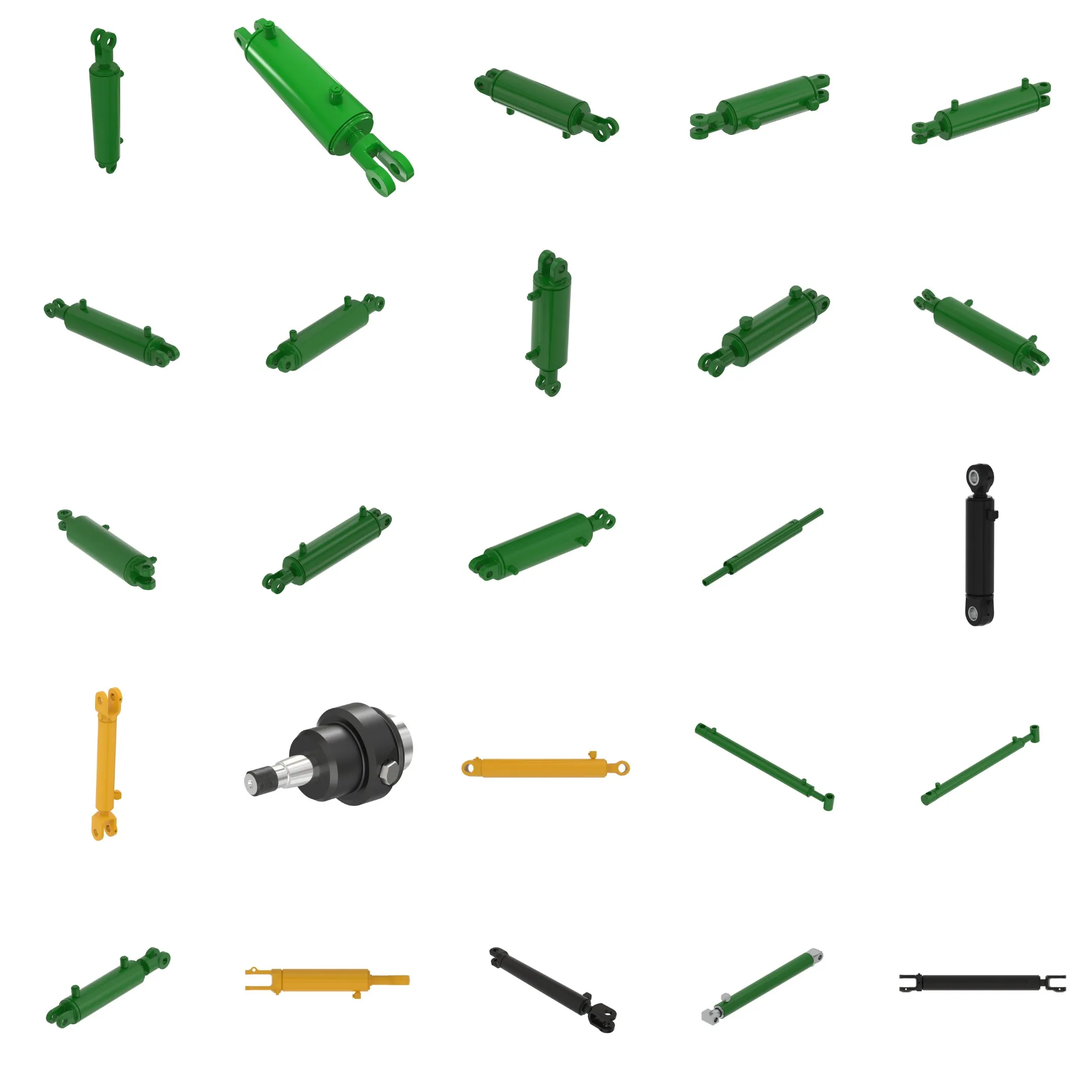
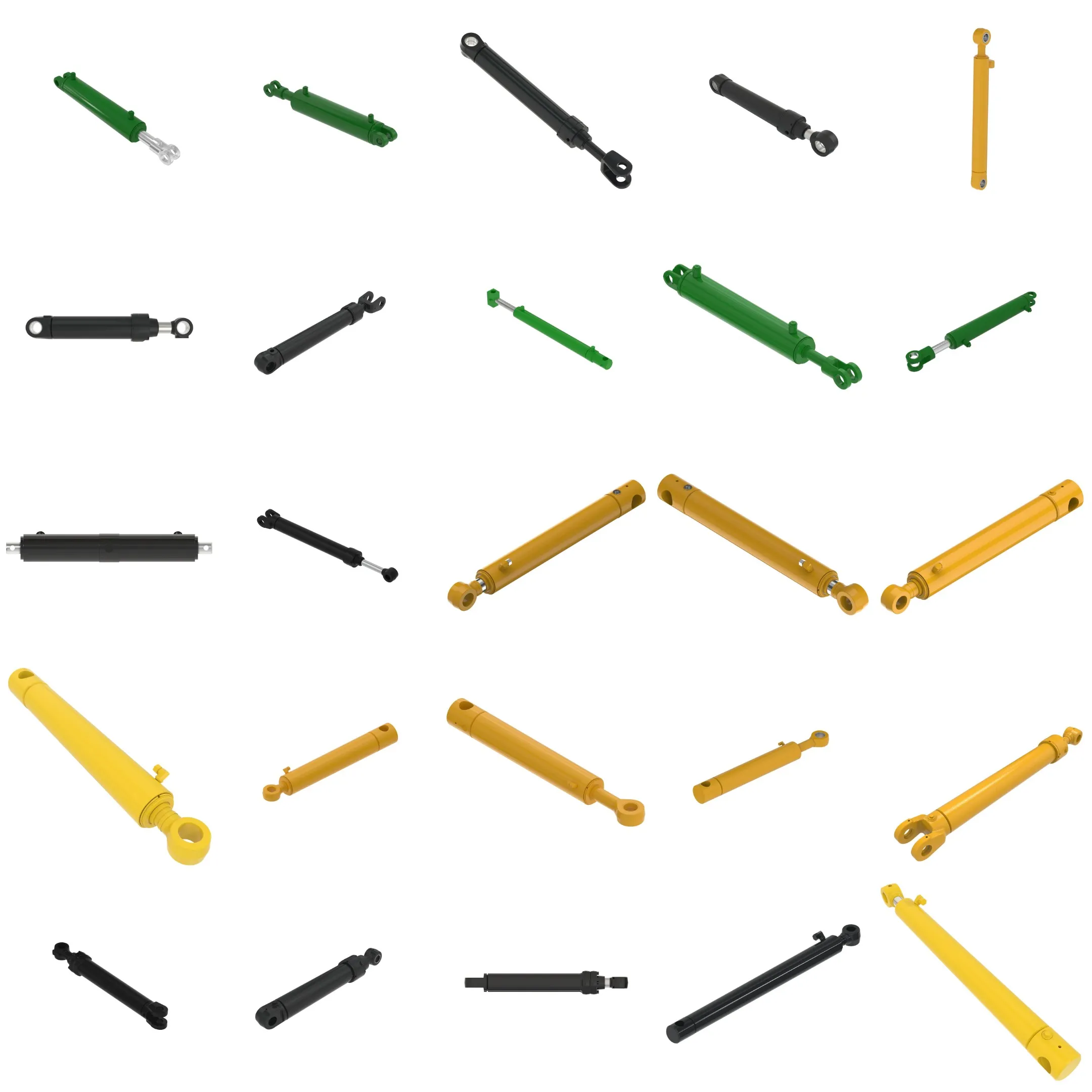
We are a leading manufacturer and wholesale distributor of replacement hydraulic cylinders. Our company offers a comprehensive range of products and has become a prominent player in both domestic and international markets.
Here are some key aspects of our company:

Author: lyl
Address
Luotuo Industrial Area, Zhenhai District, Ningbo City, China
Tel

 Raydafon