
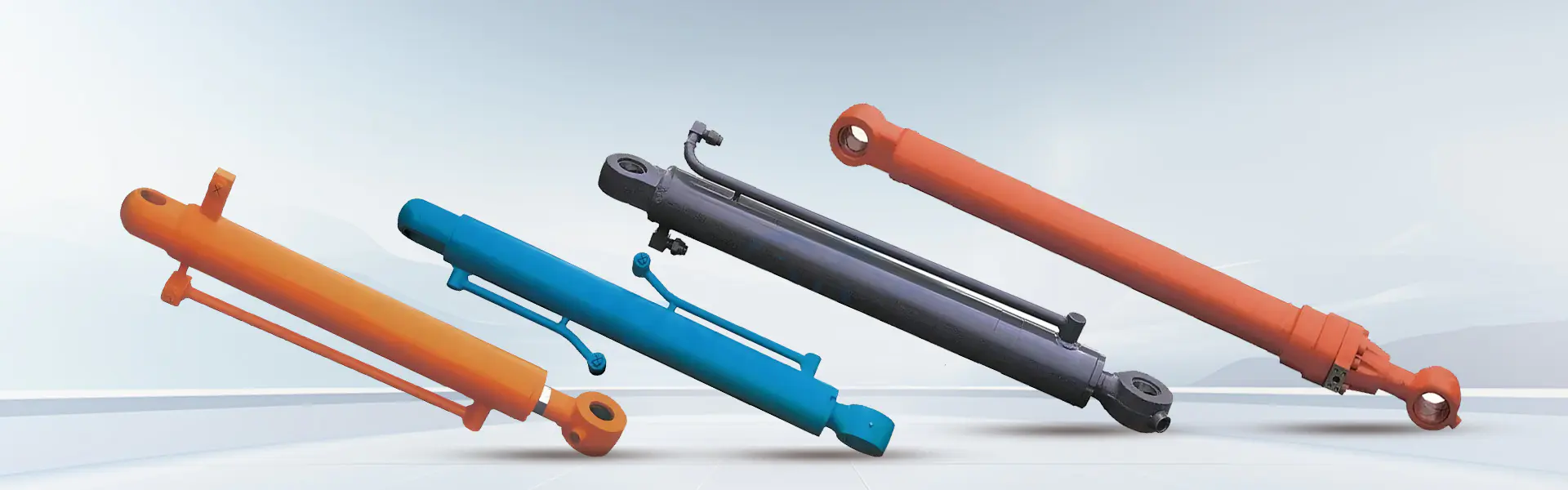
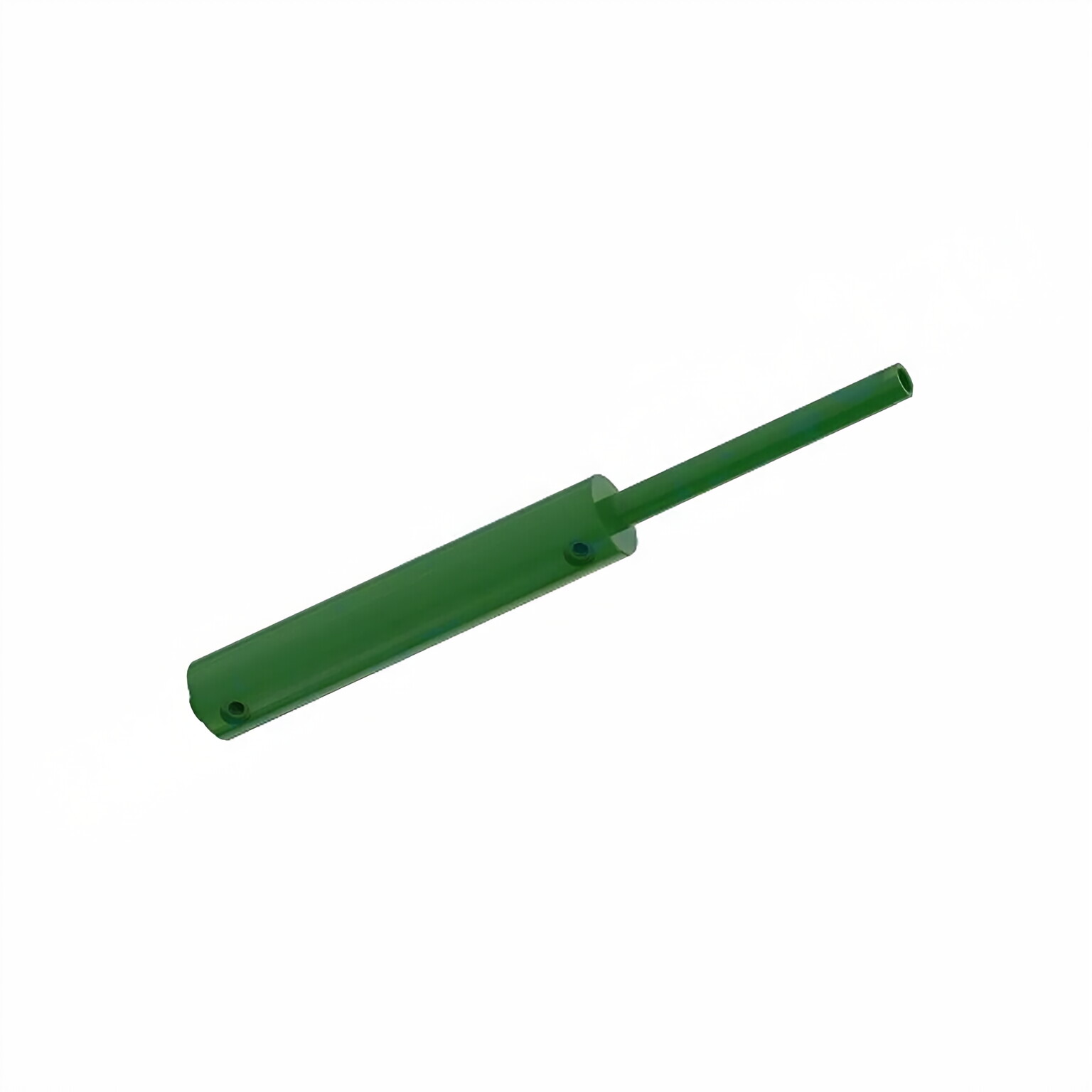
Regular maintenance tasks are critical for ensuring the longevity and optimal performance of the hydraulic cylinder. Below are three common maintenance tasks:
Regular inspections are necessary to identify any signs of wear and tear, leaks or damage. The inspection should include checking the cylinder's rod, seals, mounting points, and any other components that may need attention.
Proper lubrication is critical for reducing friction and wear of the cylinder components. The lubrication schedule should be followed, and the right type and amount of lubricant should be used.
Seal replacement and calibration checks are essential for ensuring the correct functioning of the hydraulic cylinder. The seals should be replaced if they show signs of wear and tear or damage. Calibration checks should be performed to ensure that the cylinder is working within the specified parameters.
During the installation process, it is important to provide proper alignment guidance to ensure that the cylinder is aligned correctly and works efficiently. It is recommended to use appropriate installation brackets to secure the cylinder.
For repair and replacement services, we offer high-quality replacement parts and rebuilding services to extend the life of your hydraulic cylinder. To increase the life of your cylinder, it is recommended to follow regular maintenance tasks.
When using the hydraulic cylinder, it is essential to follow all safety precautions to avoid accidents or injuries. It is recommended to use appropriate protective gear, such as gloves, safety glasses, and hard hats. When dealing with hydraulic fluid, it is important to ensure that it is handled appropriately to avoid environmental contamination.
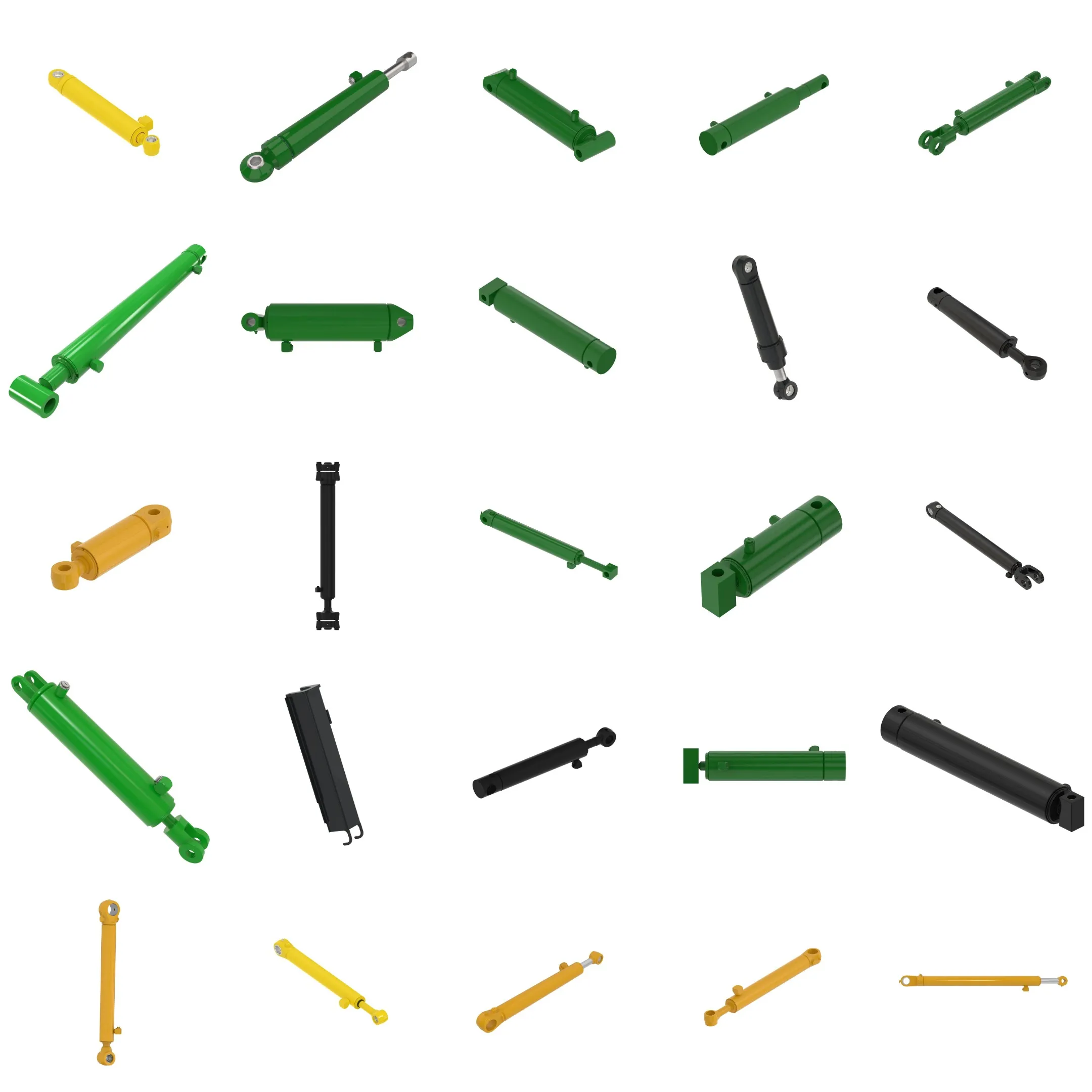
Below are some common problems that may arise with the hydraulic cylinder and possible solutions:
If the cylinder is leaking, it could be due to worn-out seals, damaged piston rod or damaged cylinder wall. The solution is to replace the damaged parts or seals.
If the cylinder movement is slow, it could be due to insufficient lubrication, damaged piston rod, or damaged cylinder wall. The solution is to replace the damaged parts or seals and provide adequate lubrication.
If the cylinder is not working, it could be due to a disconnected/loose hydraulic line, insufficient hydraulic fluid, or damaged cylinder. The solution is to check the hydraulic lines and ensure that they are connected properly, check the hydraulic fluid level, and inspect the cylinder for any damage.
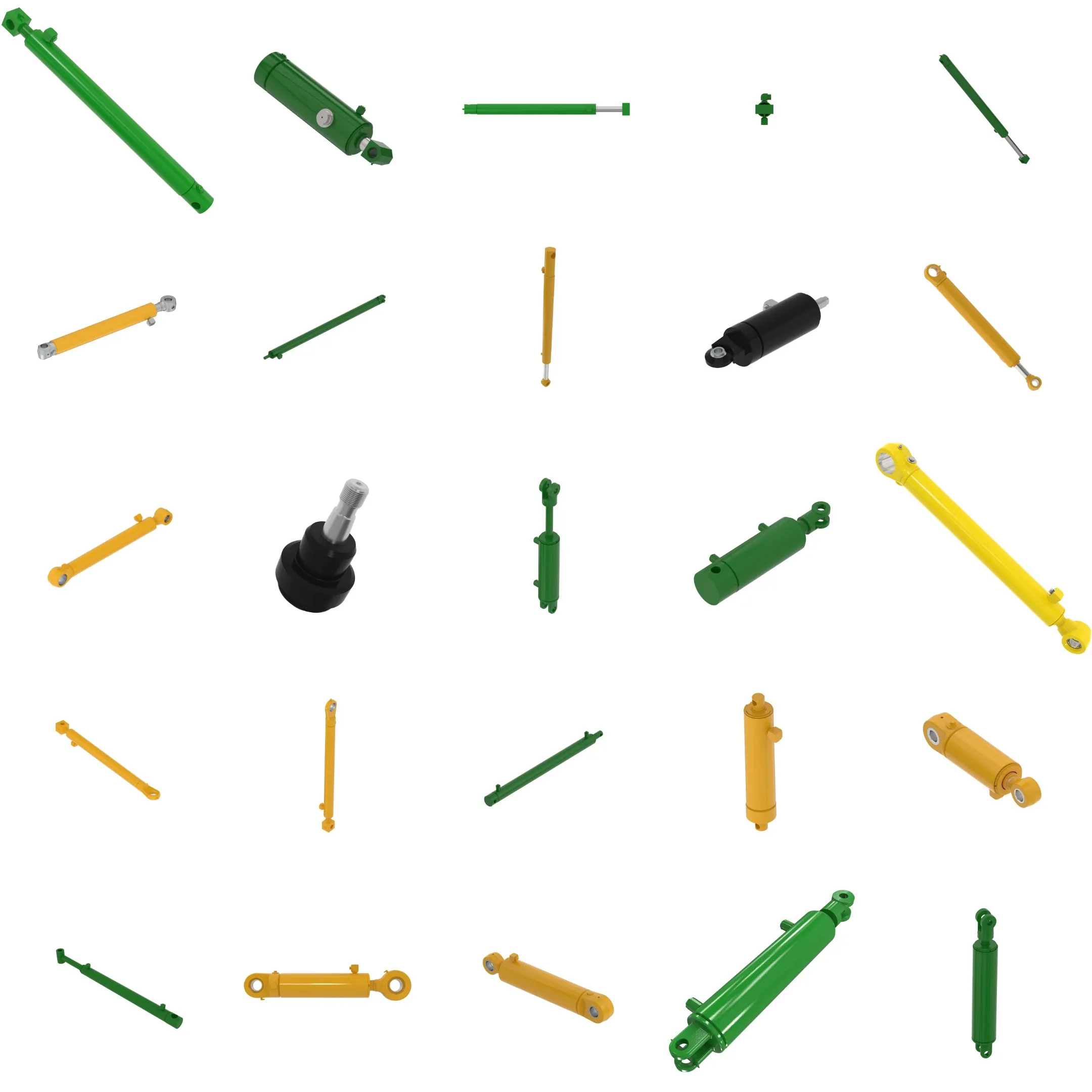
To minimize potential problems, preventive measures can be taken. These include:
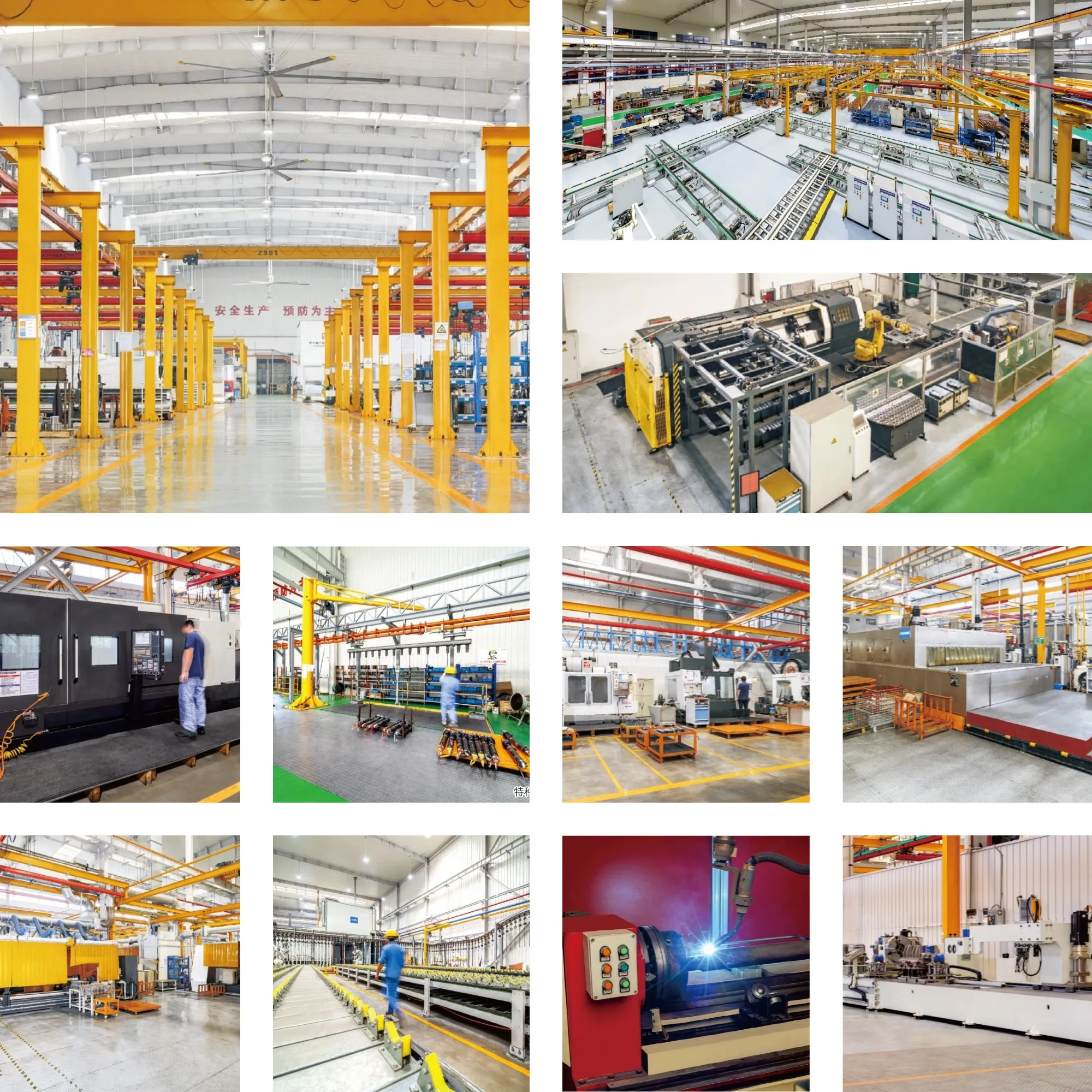
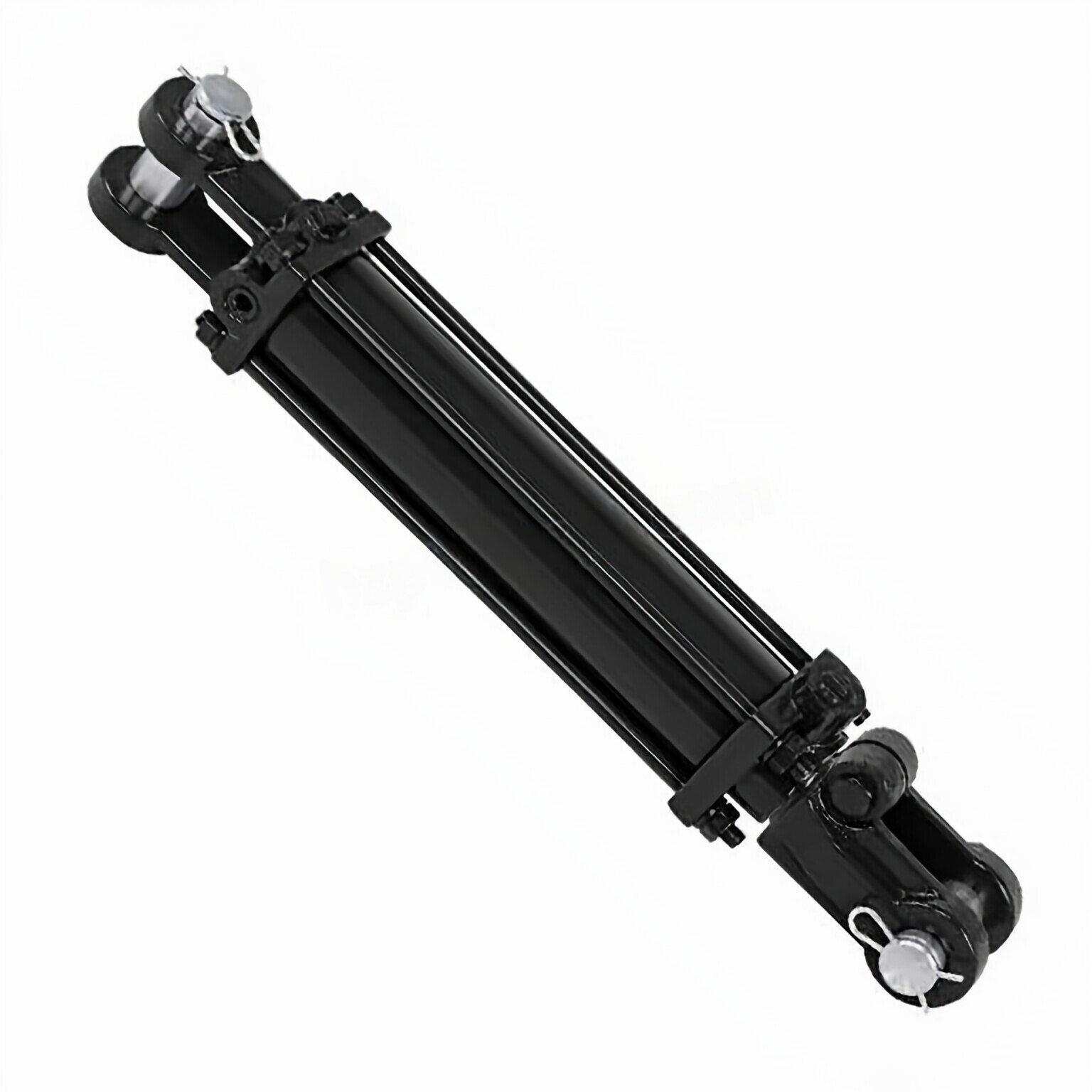
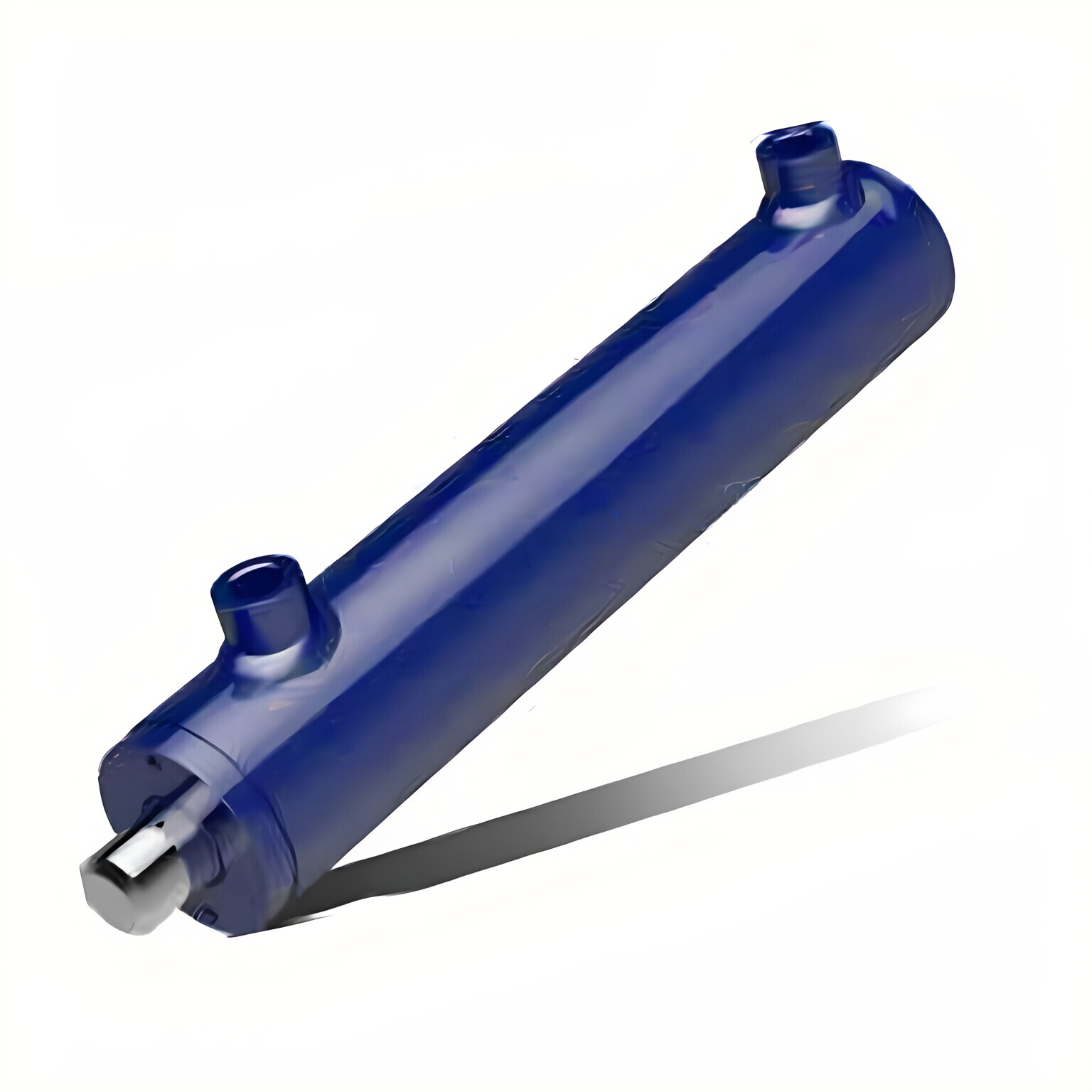
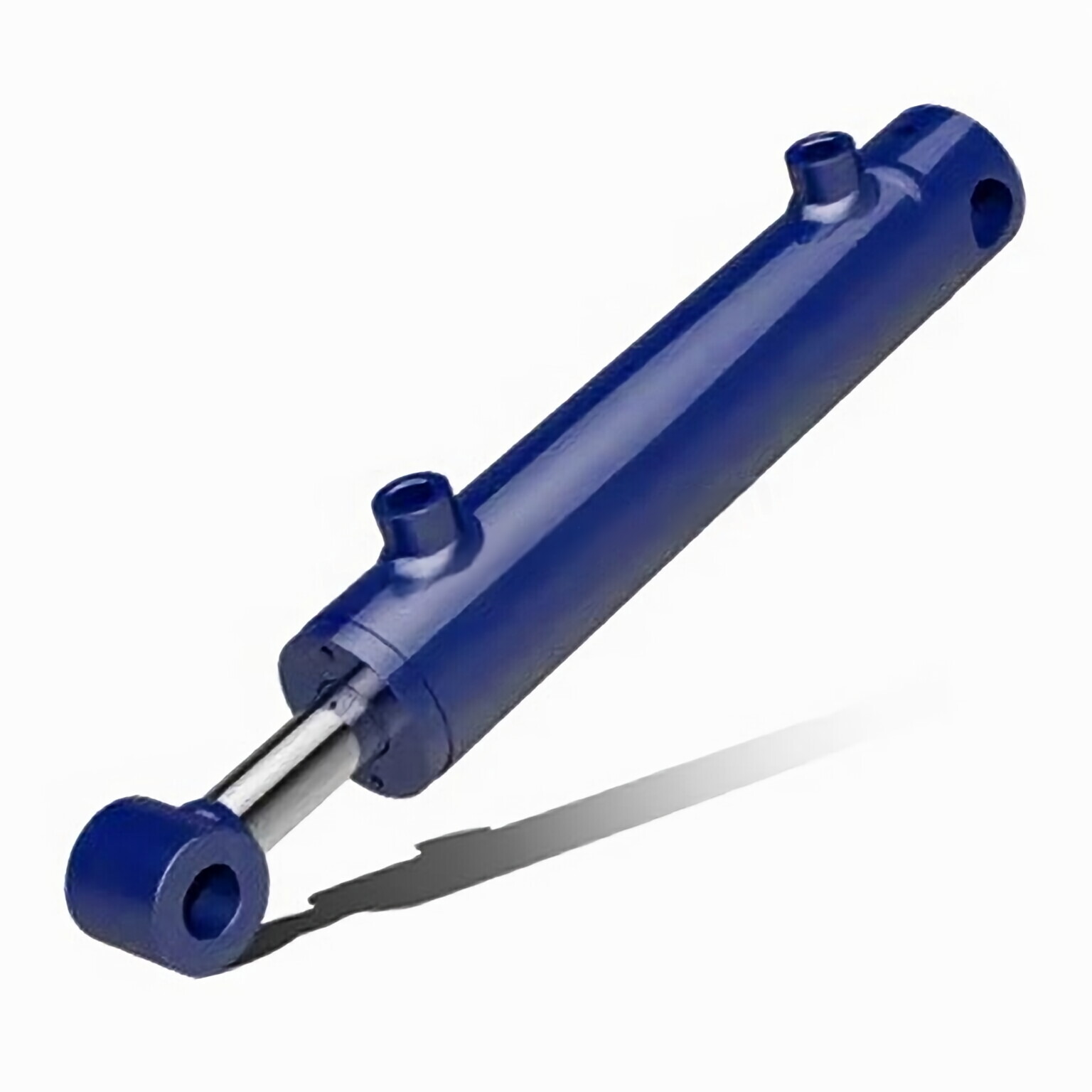
We are a leading manufacturer and wholesale distributor of replacement hydraulic cylinders. Our company offers a complete range of high-quality hydraulic cylinders for different applications. We are committed to providing excellent customer service and high-quality products. Our services include:
Author: lyl
Please note that the rules for replacement of hydraulic cylinder and replacement of John Deere hydraulic cylinder are the same.
Address
Luotuo Industrial Area, Zhenhai District, Ningbo City, China
Tel

 Raydafon