
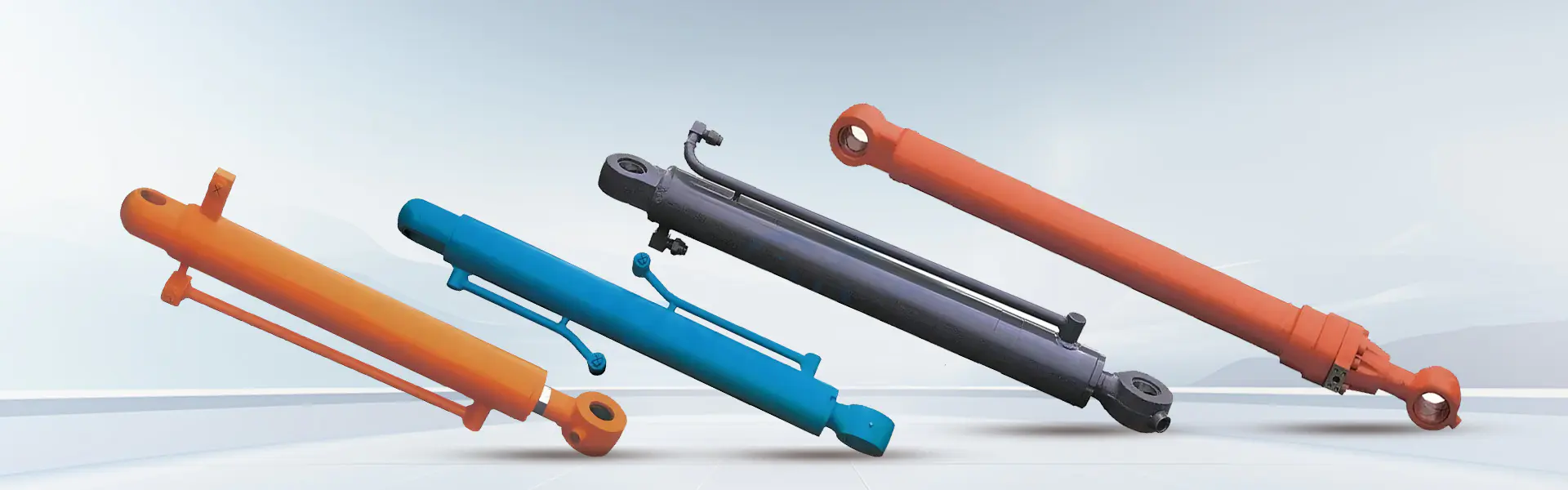
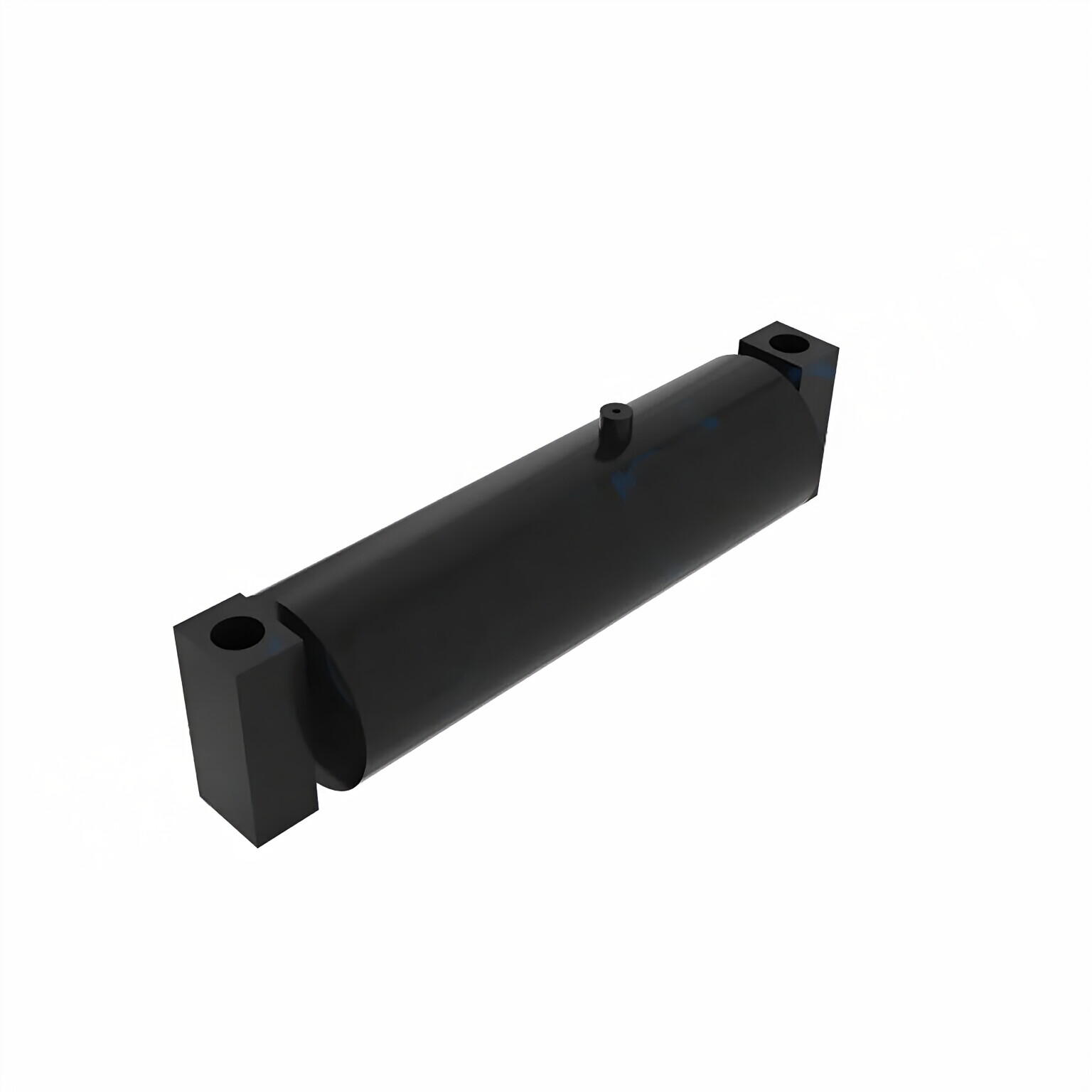
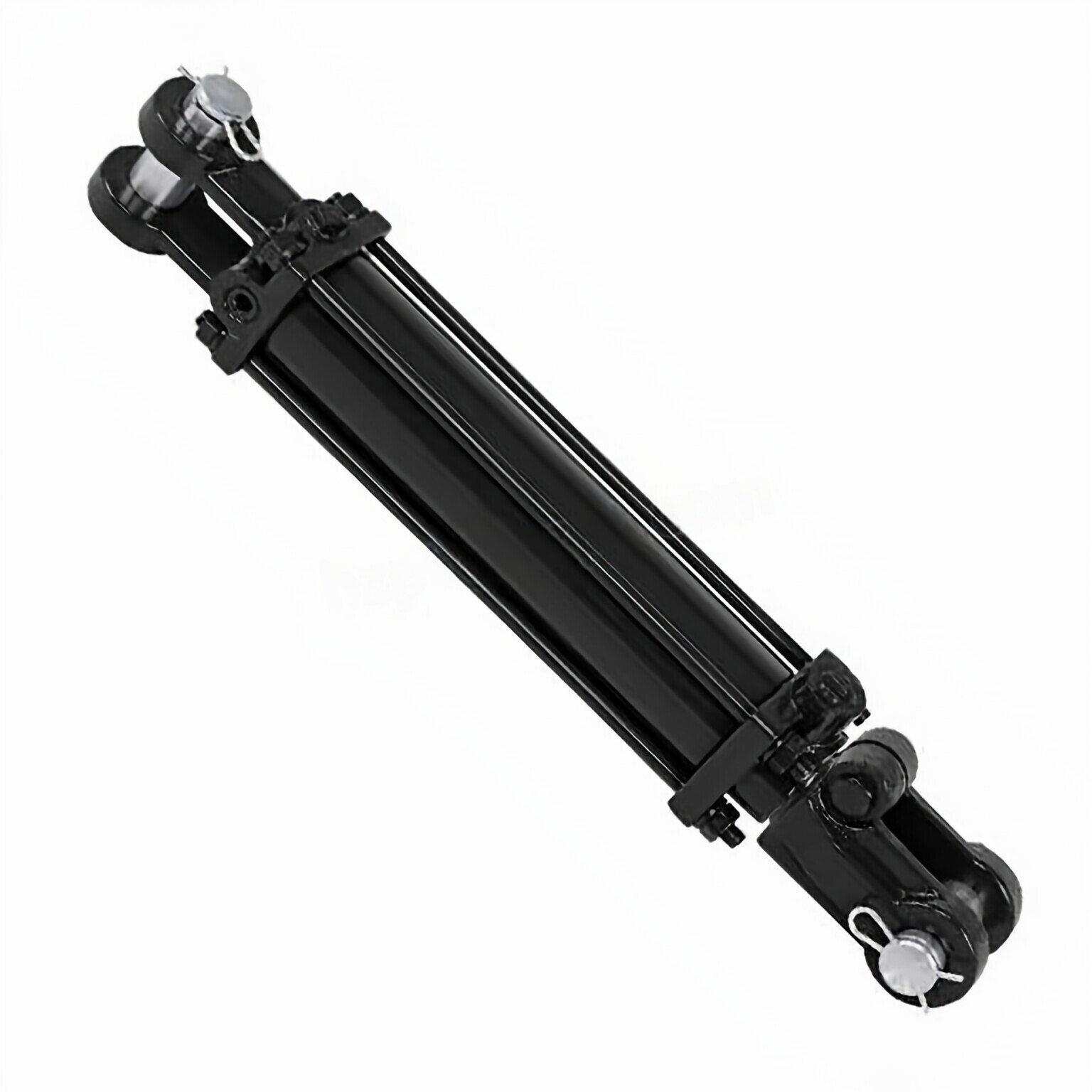
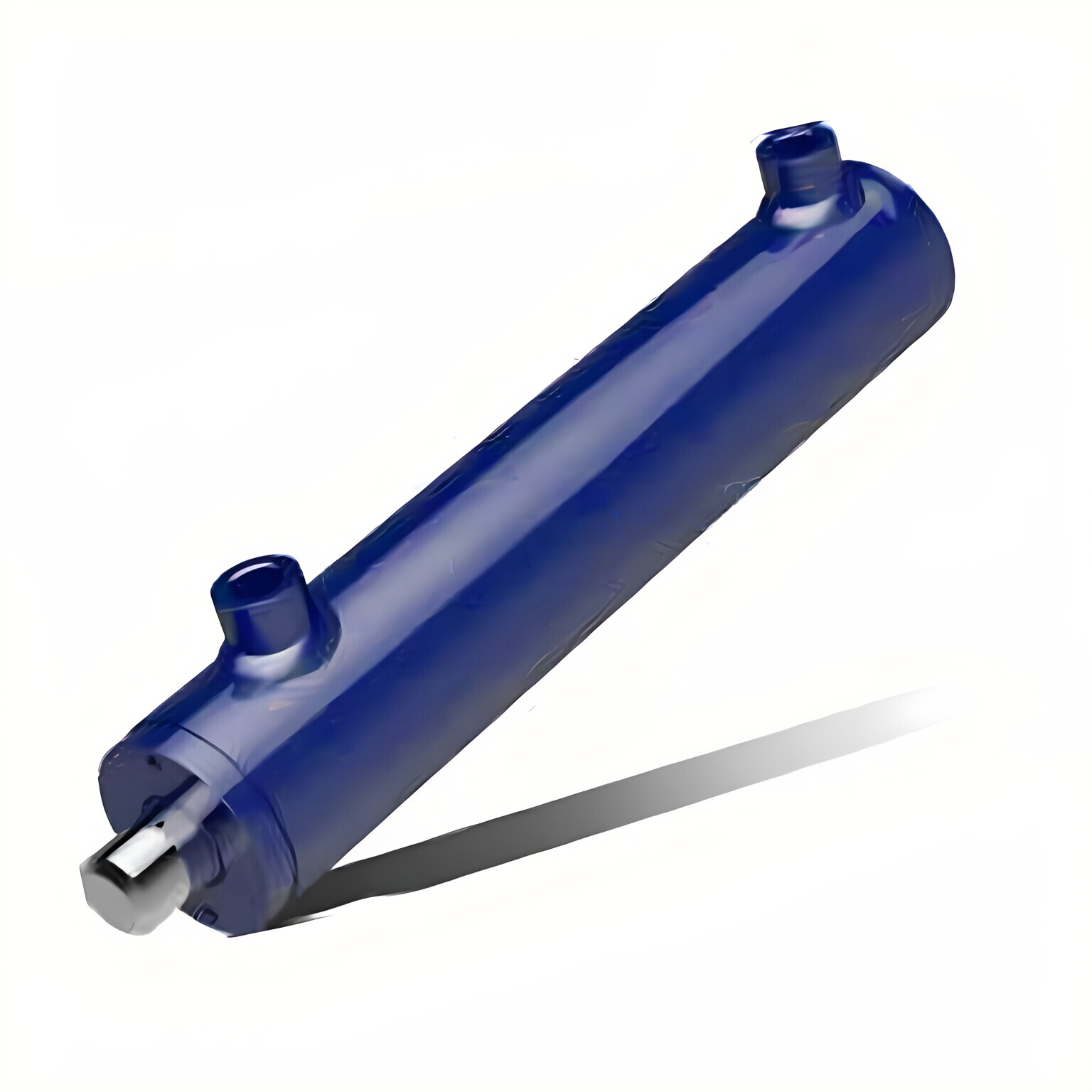
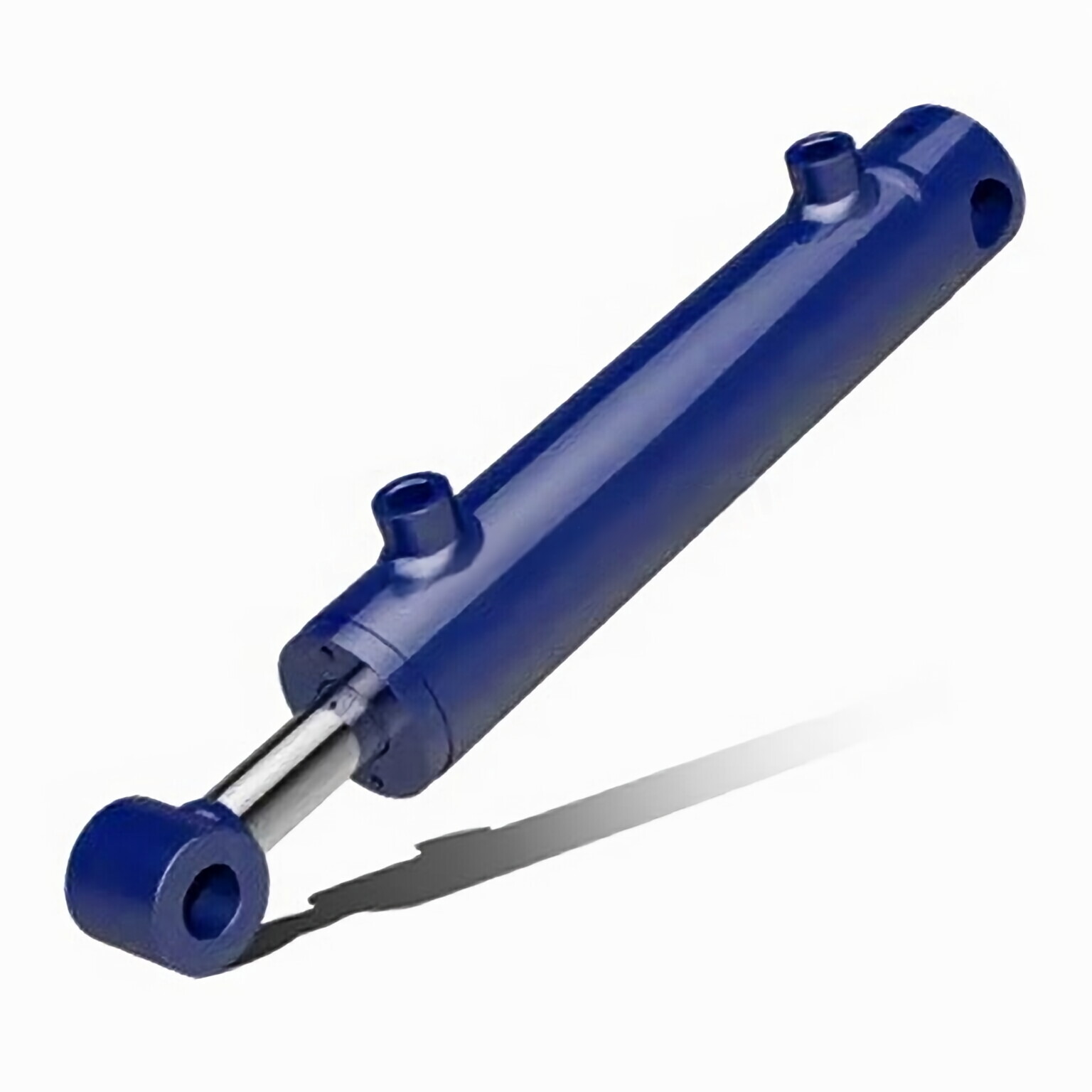
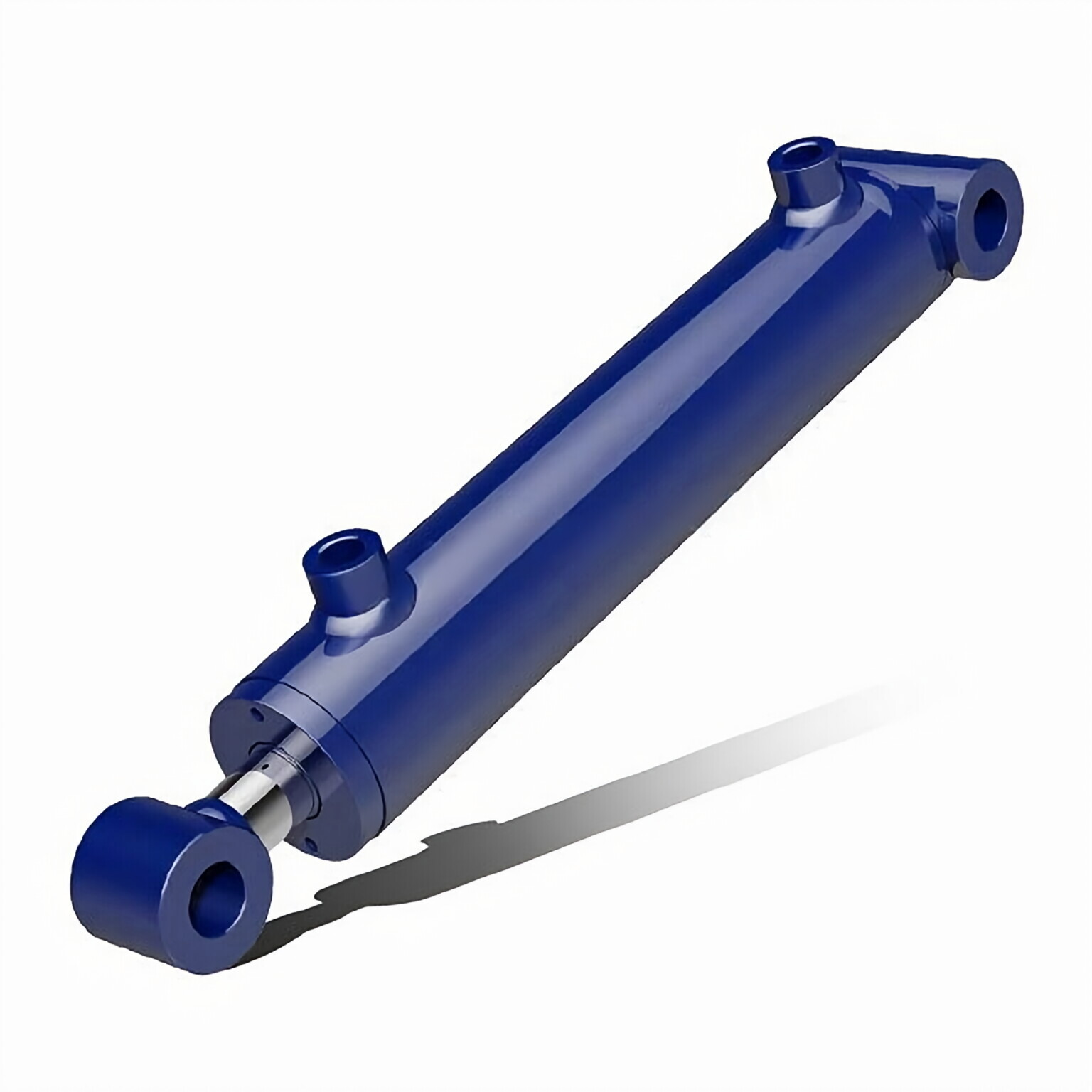
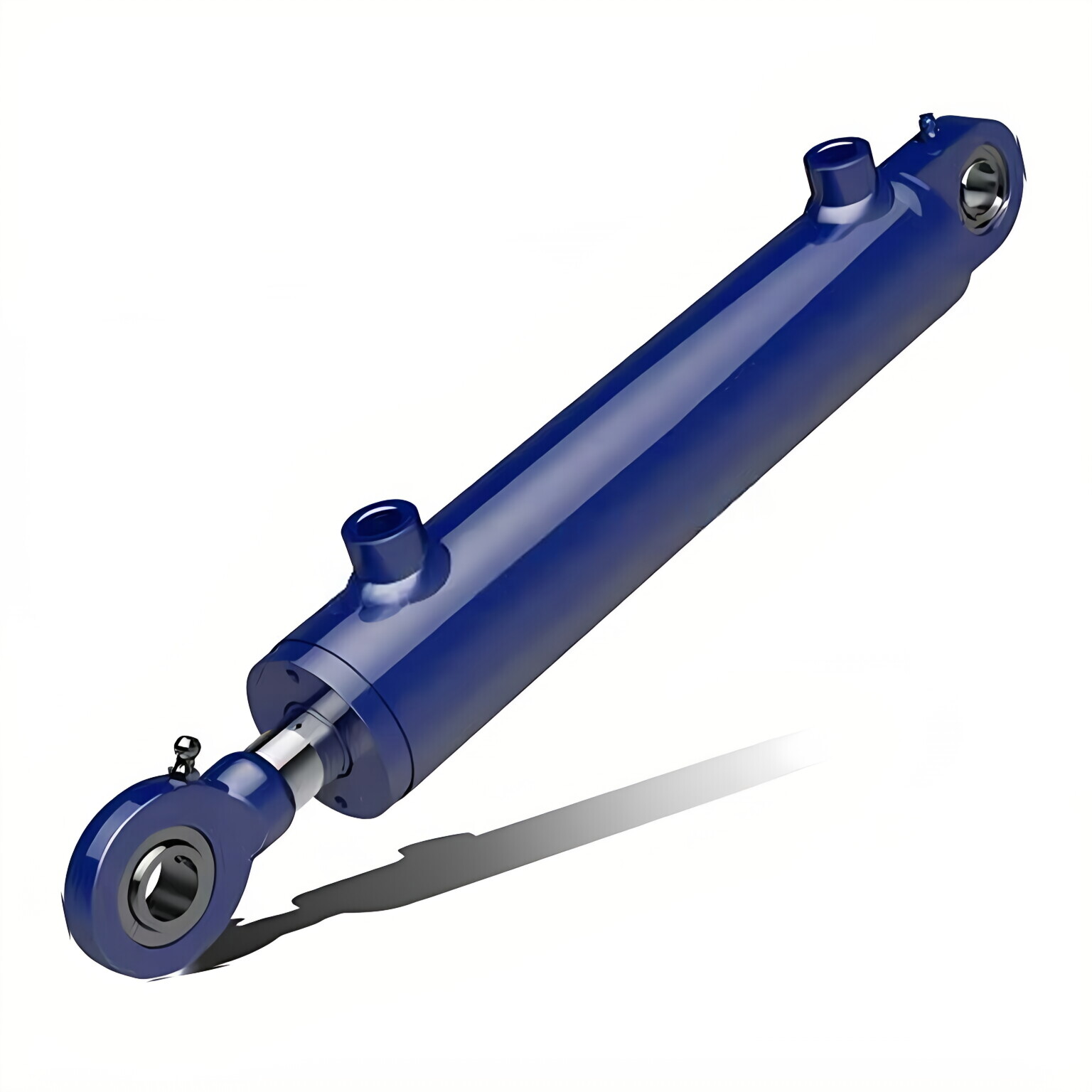
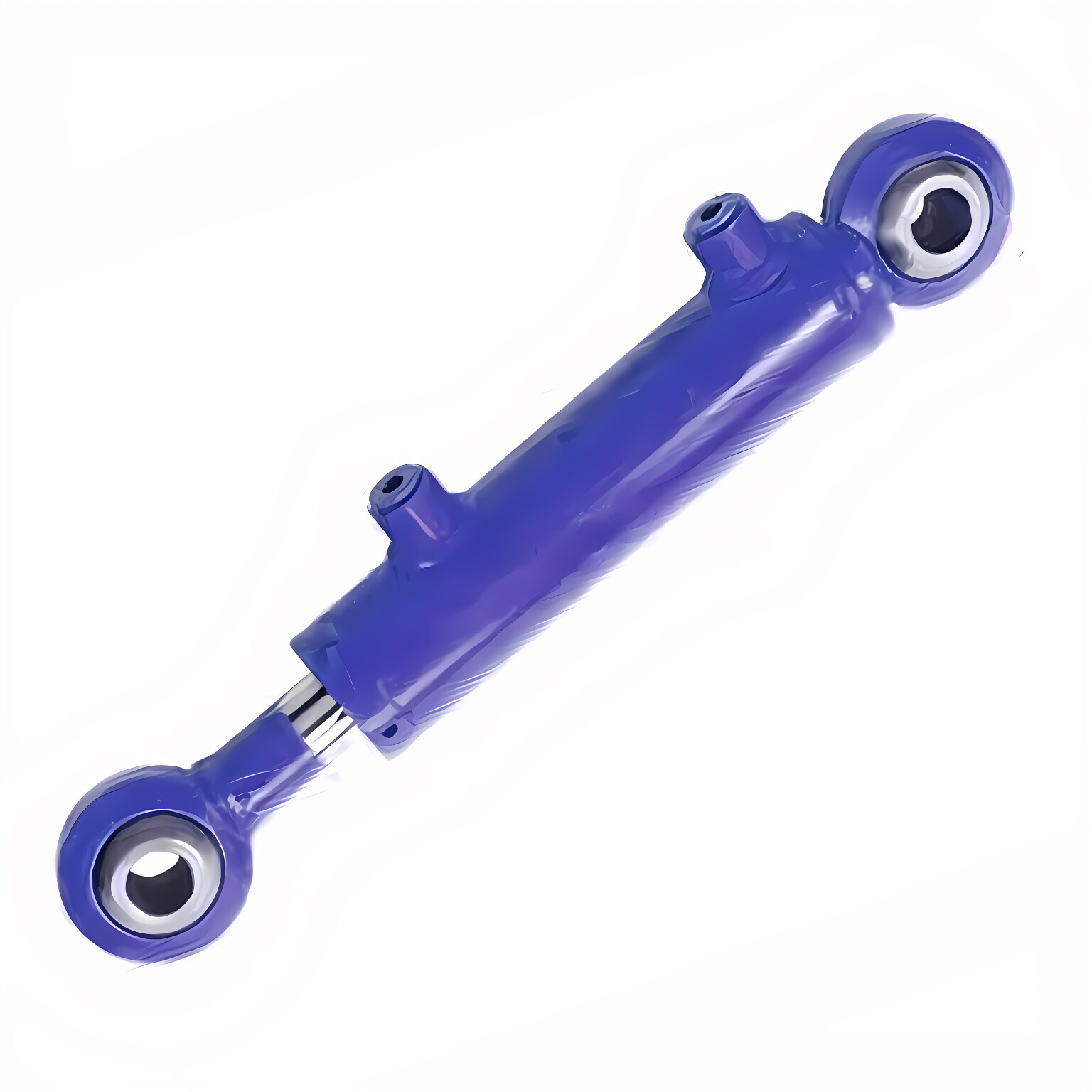
The Replacement Of AHC22081 Hydraulic Cylinder is a key component for the DB90 model. In this article, we will discuss the importance of proper installation, lubrication, and adjustment, as well as common maintenance tasks such as regular inspections, lubrication, seal replacement, and calibration checks.
When installing the hydraulic cylinder, it is crucial to provide proper alignment guidance. We recommend using appropriate installation brackets to secure the cylinder in place. This ensures the cylinder operates smoothly and efficiently.
Regular inspections are essential for identifying any signs of wear and tear or potential issues. Inspect the hydraulic cylinder for leaks, damaged seals, or loose connections.
Applying the correct lubrication is vital for the optimal performance and longevity of the hydraulic cylinder. Follow the manufacturer's recommendations and use suitable lubricants to prevent friction and reduce wear.
Over time, seals may wear out and require replacement. Regularly check the seals and replace them promptly to maintain the cylinder's integrity and prevent leaks.
Periodic calibration checks ensure the hydraulic cylinder operates within the desired parameters. Verify the cylinder's accuracy and adjust if necessary to ensure optimal performance.
By following the recommended maintenance tasks and utilizing the correct installation, lubrication, and adjustment techniques, you can significantly increase the lifespan of the hydraulic cylinder. Regular inspections, appropriate lubrication, seal replacement, and calibration checks are vital for maintaining its performance.
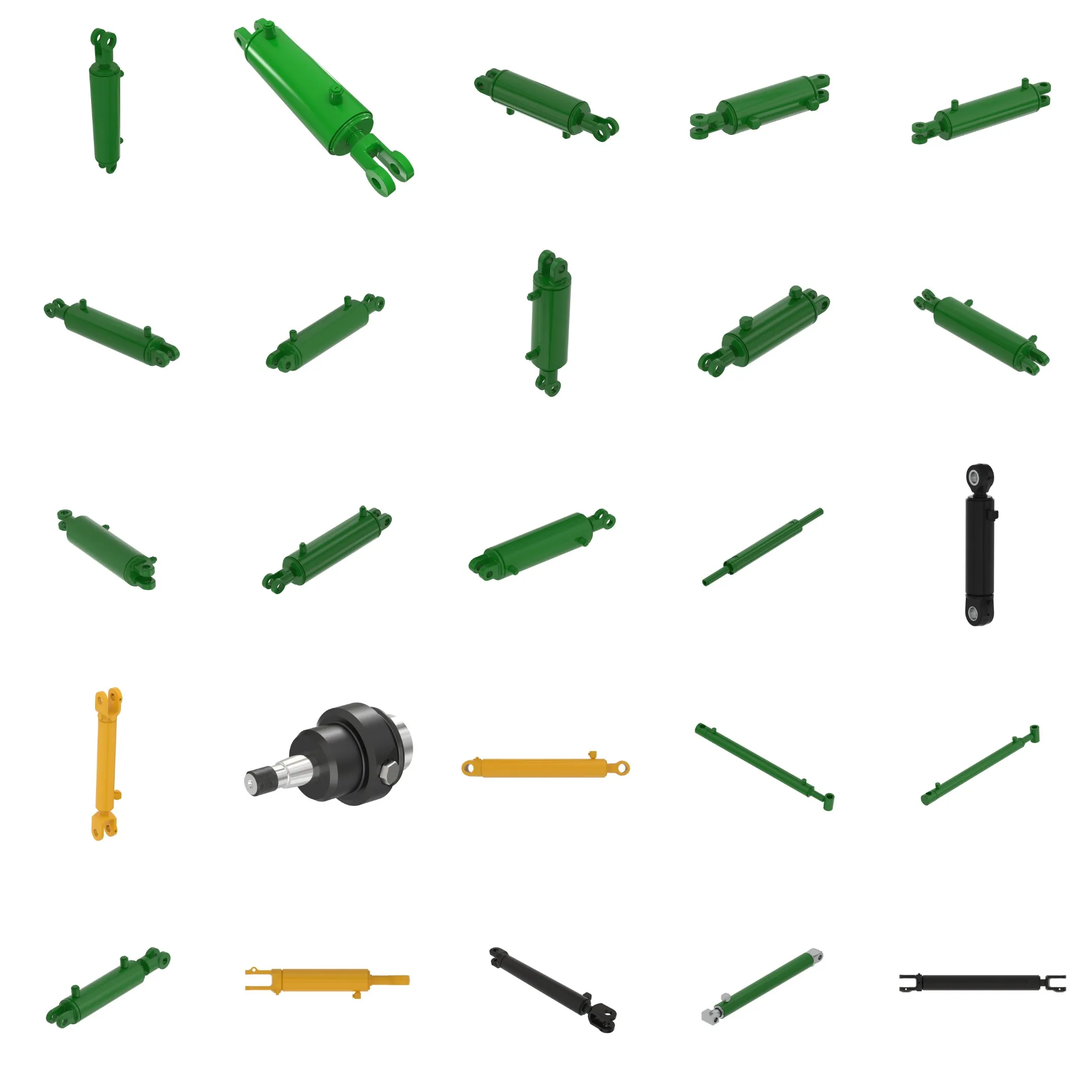
When working with hydraulic cylinders, prioritizing safety measures is crucial. Following proper safety protocols and using the appropriate keywords for safe handling helps prevent accidents or injuries. Additionally, considering environmental factors ensures the cylinder's functionality remains unaffected in different conditions.
When encountering problems with the hydraulic cylinder, it is essential to diagnose and address them promptly. Here are some common issues:
If you notice any leaks, inspect the seals, connections, and fittings for damages or looseness. Tighten or replace them as needed.
If the hydraulic cylinder lacks power, check the hydraulic fluid level, pressure, and filter. Ensure they are within the recommended range and clean or replace the filter if necessary.
If the cylinder moves unevenly, inspect the piston rod, cylinder body, and mounting brackets for any misalignment or damage. Adjust or replace the components as needed.
If there are unusual noises or vibrations, inspect the hydraulic fluid level, connections, and fittings for any issues. Ensure everything is secure and functioning correctly.
When troubleshooting hydraulic cylinder issues, keep the following tips in mind:
To prevent potential problems, implement these preventive measures:
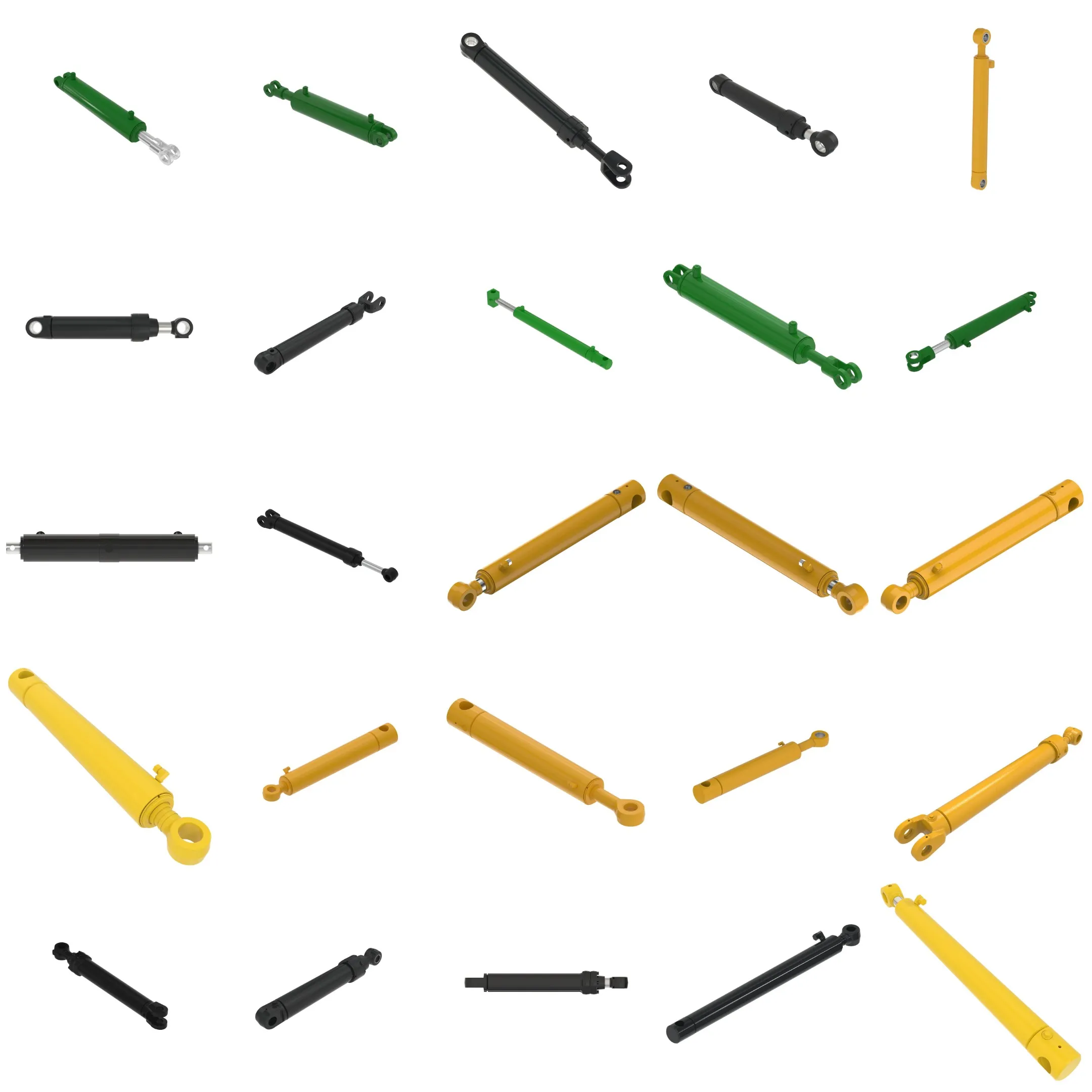
We are a leading manufacturer and wholesale distributor of replacement hydraulic cylinders. Our company offers a wide range of hydraulic cylinder options and has become a trusted name in the domestic and international markets.
We pride ourselves on the following aspects:

Author: lyl
Address
Luotuo Industrial Area, Zhenhai District, Ningbo City, China
Tel

 Raydafon