
Regular inspections are crucial to ensure the proper functioning of the hydraulic cylinder. Inspect for any signs of wear, damage, or leakage.
Proper lubrication is essential for the smooth operation of the hydraulic cylinder. Ensure that the cylinder is adequately lubricated at all times.
Replacing seals is a common maintenance task for hydraulic cylinders. Regularly check and replace seals as needed to prevent leaks and maintain optimal performance.
Perform regular calibration checks to ensure the hydraulic cylinder is operating within the specified parameters. Adjust as necessary to maintain accuracy.
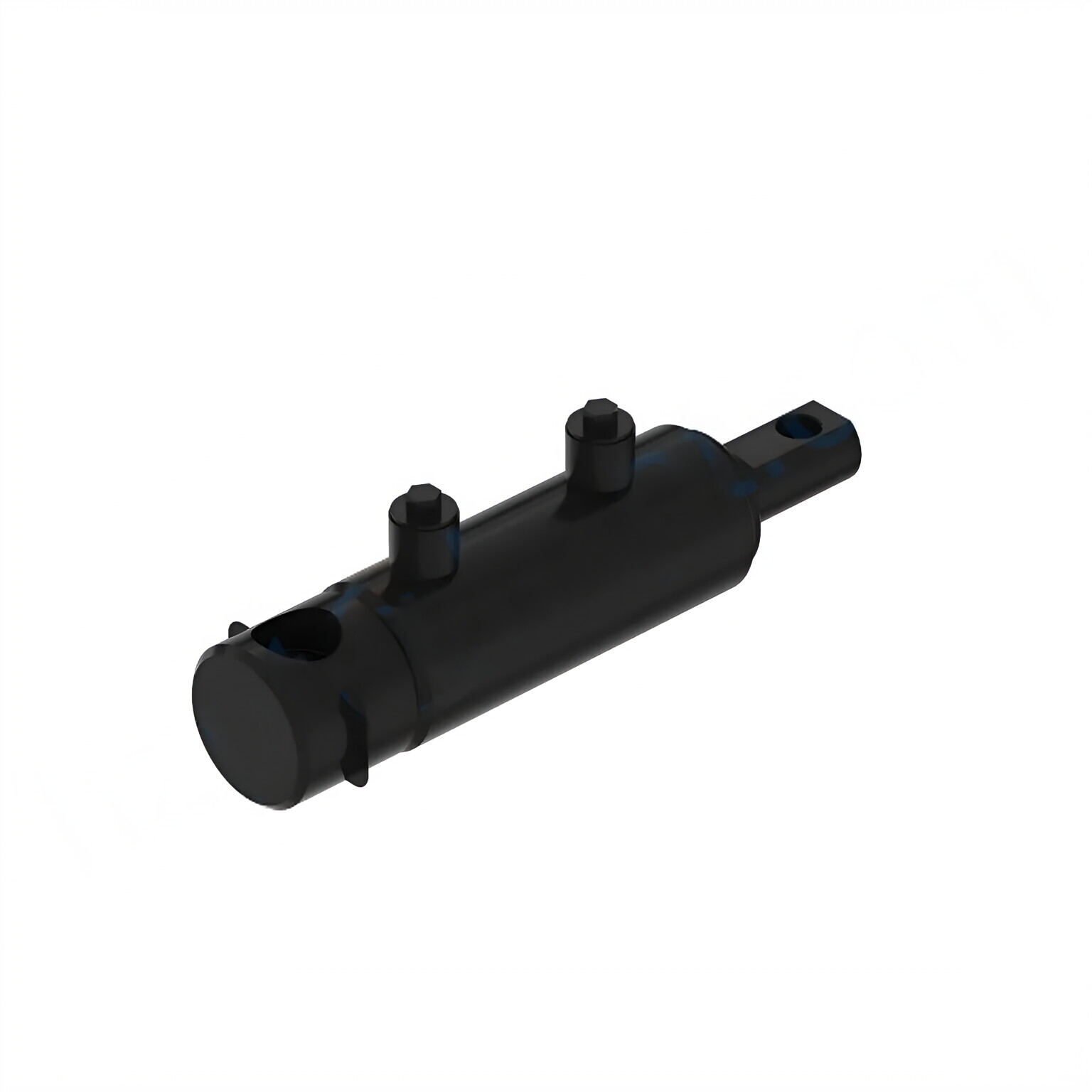
Proper installation, lubrication, and adjustment are crucial for the hydraulic cylinder's performance and longevity. Incorrect alignment during installation can lead to premature wear and damage. Using appropriate installation fixtures to secure the cylinder is recommended. Follow the recommended inspection, repair, and replacement procedures to ensure optimal performance. Offer replacement parts and rebuilding services to extend the lifespan of the cylinder. Enhance the longevity of the cylinder by utilizing proper keyword usage techniques.
When using keywords, it is essential to prioritize safety measures. Ensure the appropriate safety precautions are followed to prevent accidents and injuries. Consider environmental factors such as temperature, humidity, and exposure to protect the hydraulic cylinder from potential hazards.
1. Fault: Leakage
Solution: Inspect seals and connections for any damage or wear. Replace faulty components and tighten connections to resolve the issue.
2. Fault: Cylinder not extending or retracting
Solution: Check for hydraulic fluid level and pressure. Inspect the control valve for any blockages. Adjust or replace components as necessary.
3. Fault: Abnormal noise during operation
Solution: Inspect for loose or damaged parts. Lubricate moving components and tighten any loose connections to eliminate abnormal noise.
1. Clearly identify the problem by analyzing the symptoms and conducting thorough inspections.
2. Refer to the manufacturer's guidelines and documentation for troubleshooting steps.
3. Utilize diagnostic tools and equipment to accurately identify the root cause of the issue.
4. Provide step-by-step instructions for resolving the problem, including any necessary part replacements or adjustments.
5. Offer preventive measures to minimize potential issues and ensure long-term reliability.
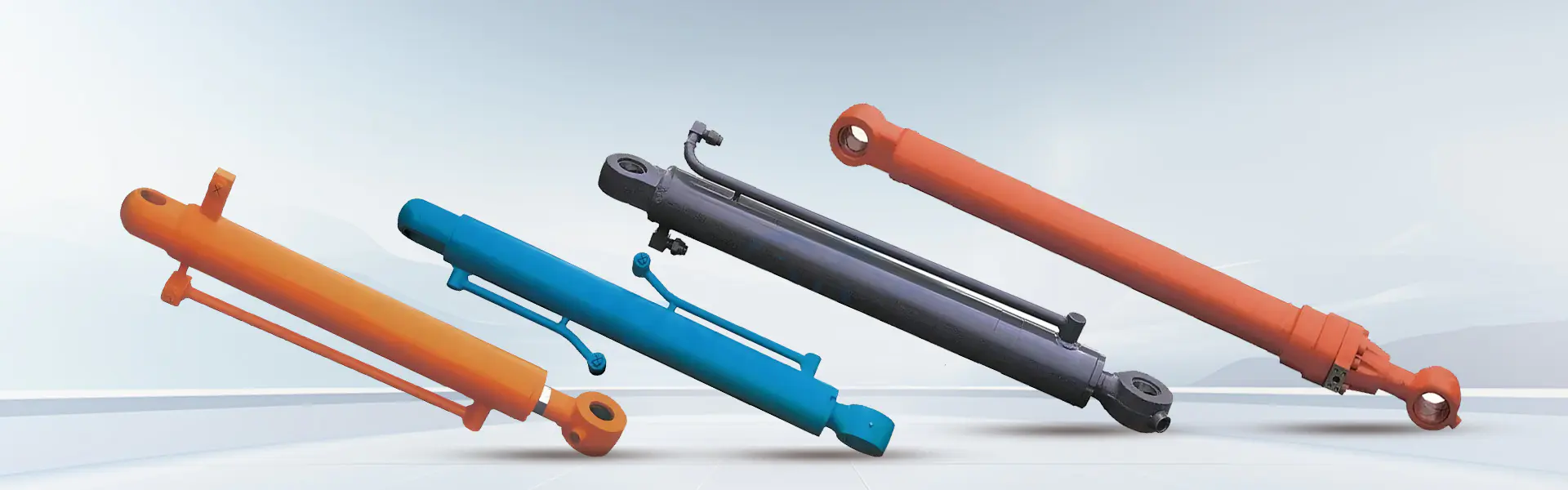
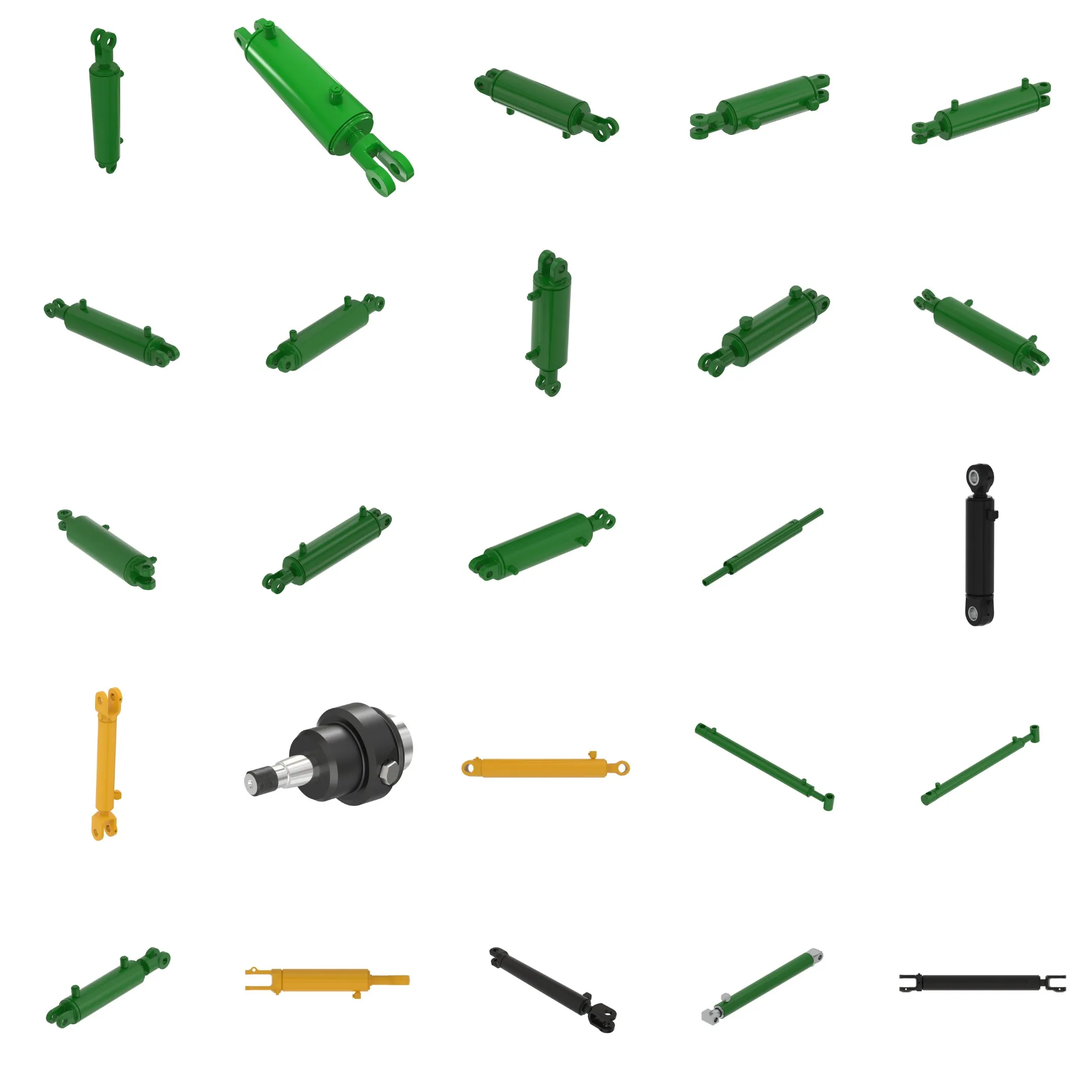
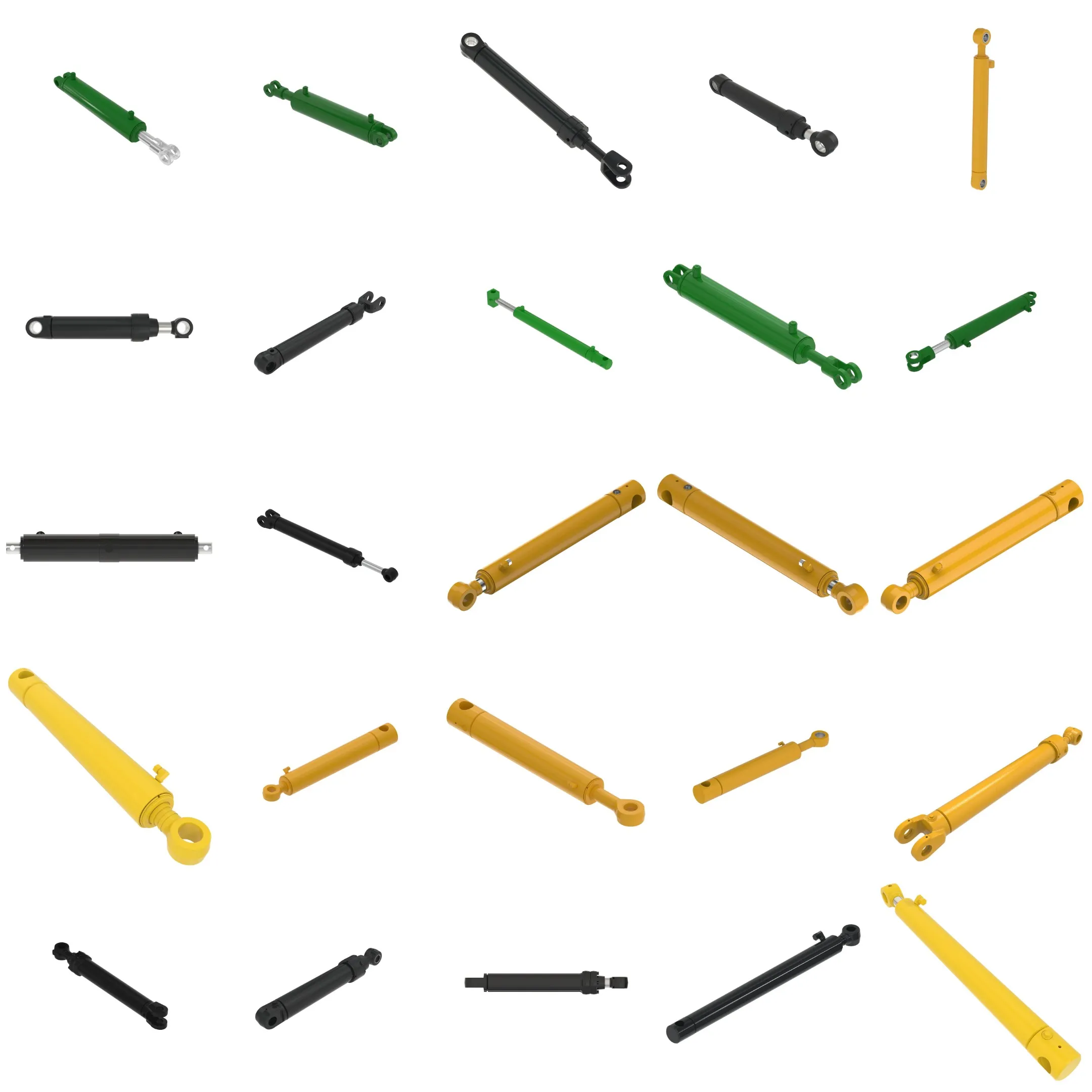
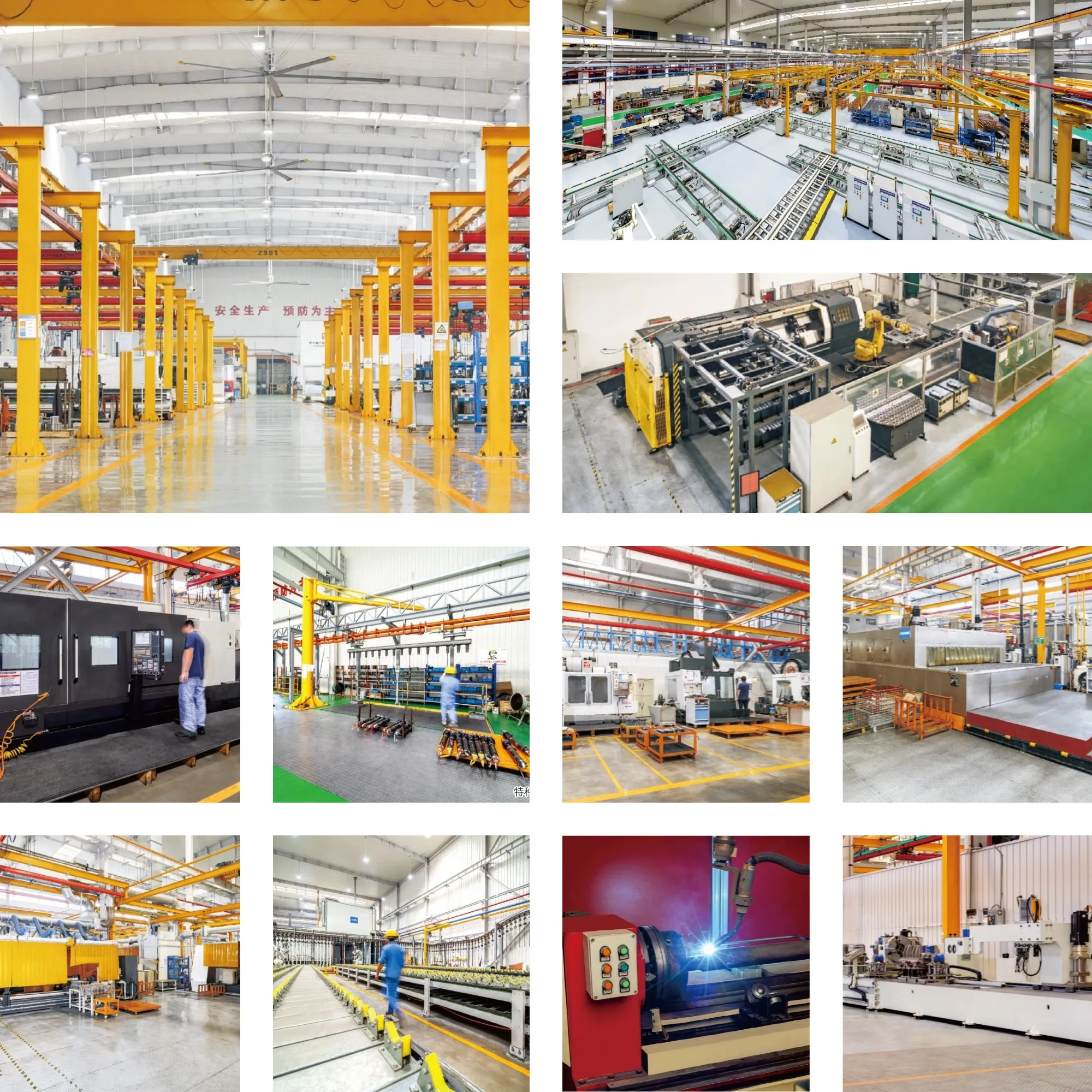
We are a manufacturer of replacement hydraulic cylinders, offering a comprehensive range of products. We have established ourselves as one of the leading manufacturers and wholesale distributors of hydraulic cylinders in domestic and international markets.
Author: lyl
Address
Luotuo Industrial Area, Zhenhai District, Ningbo City, China
Tel

 Raydafon