
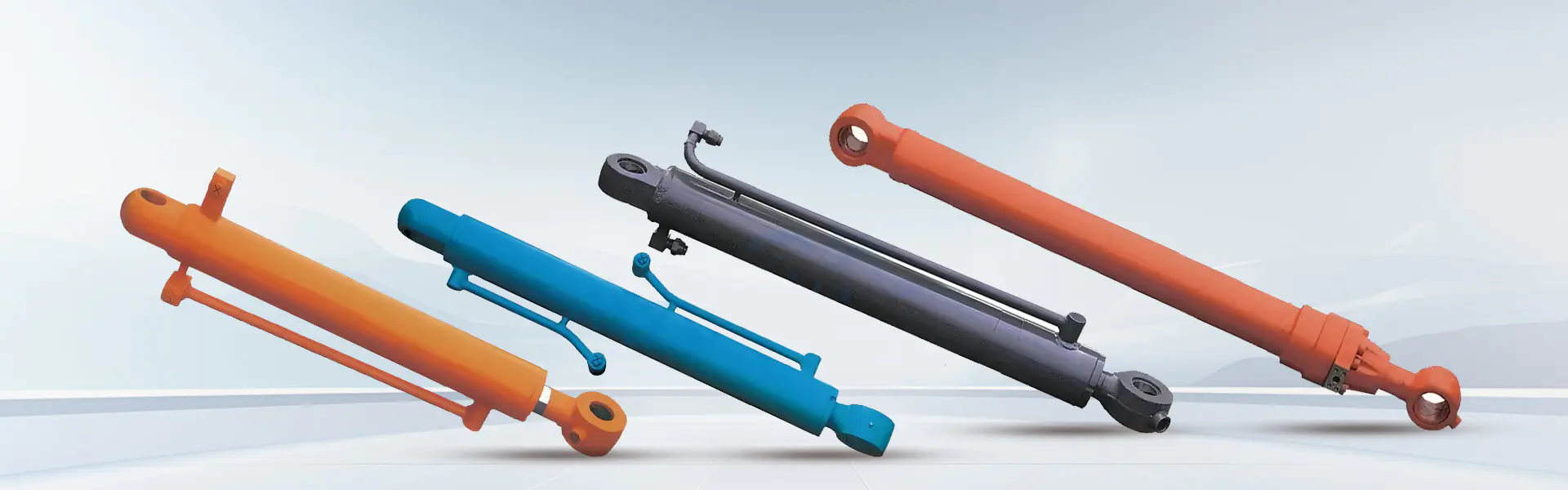

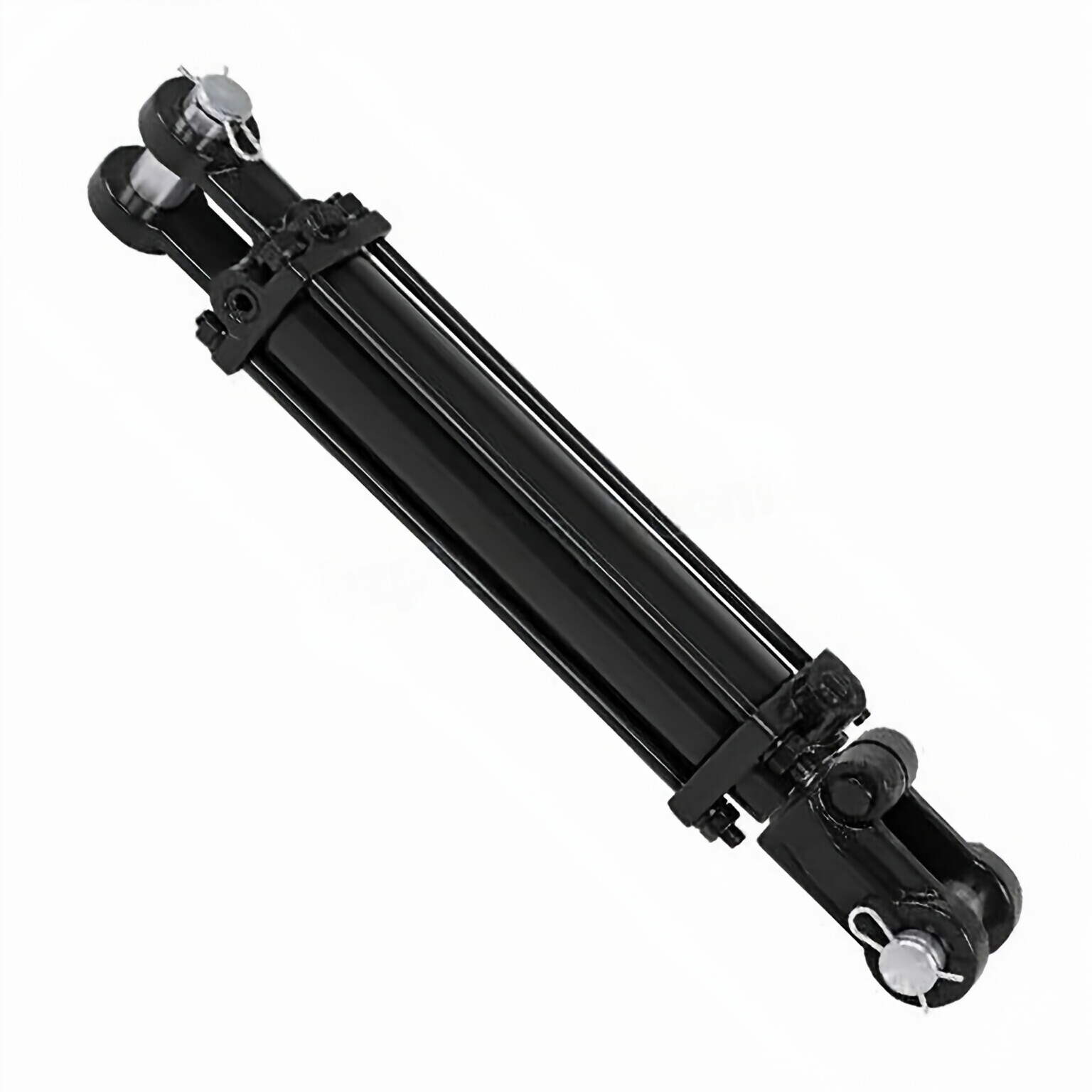
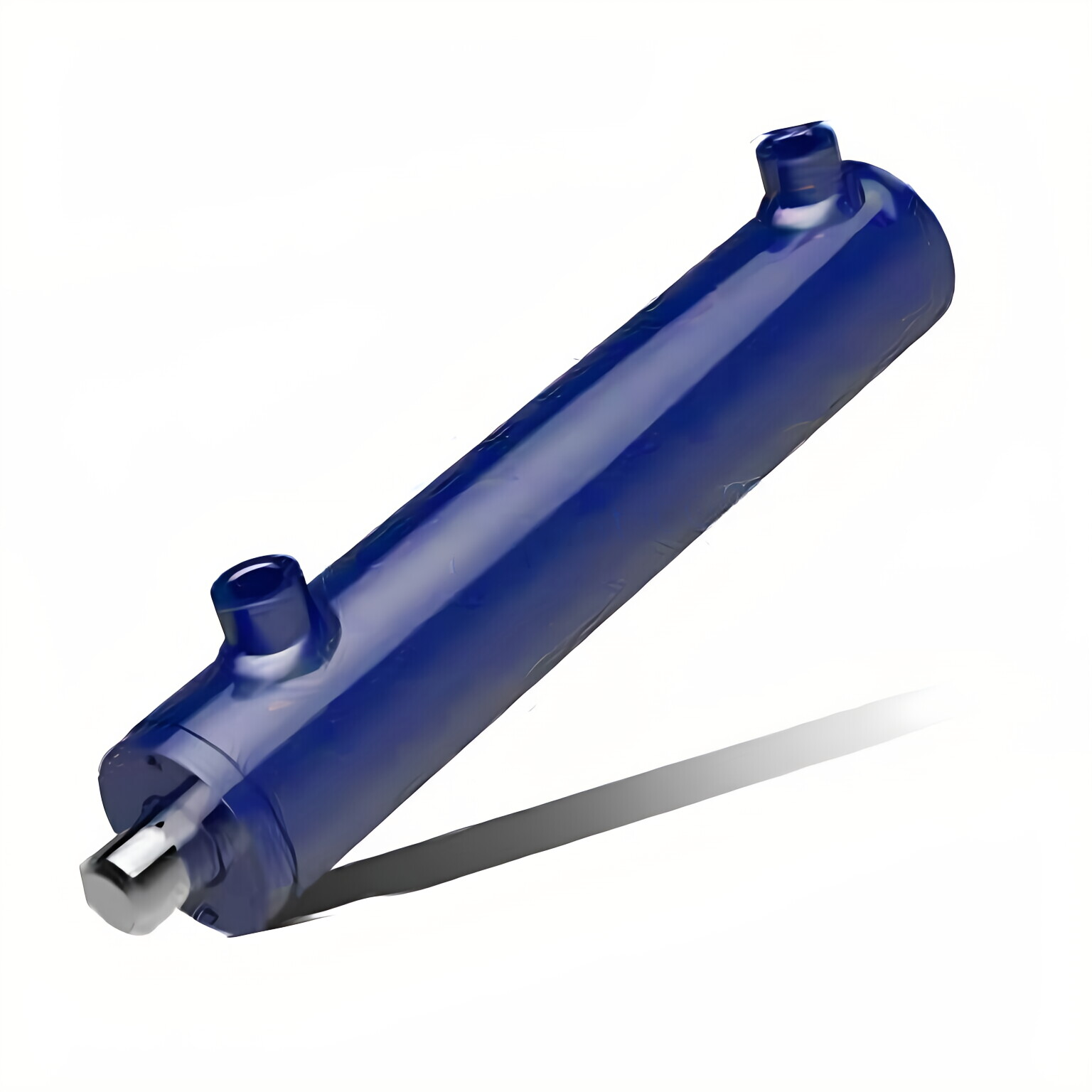
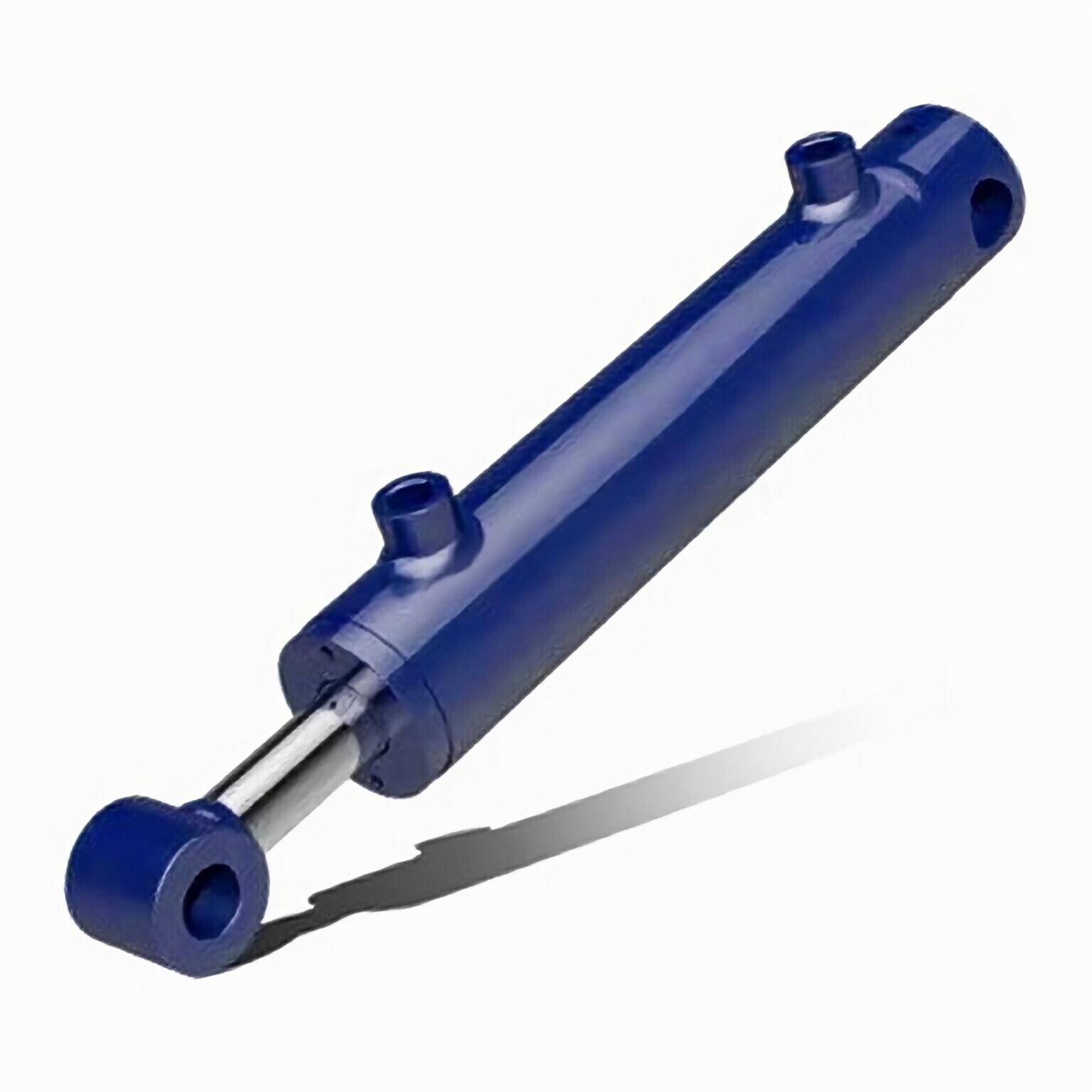
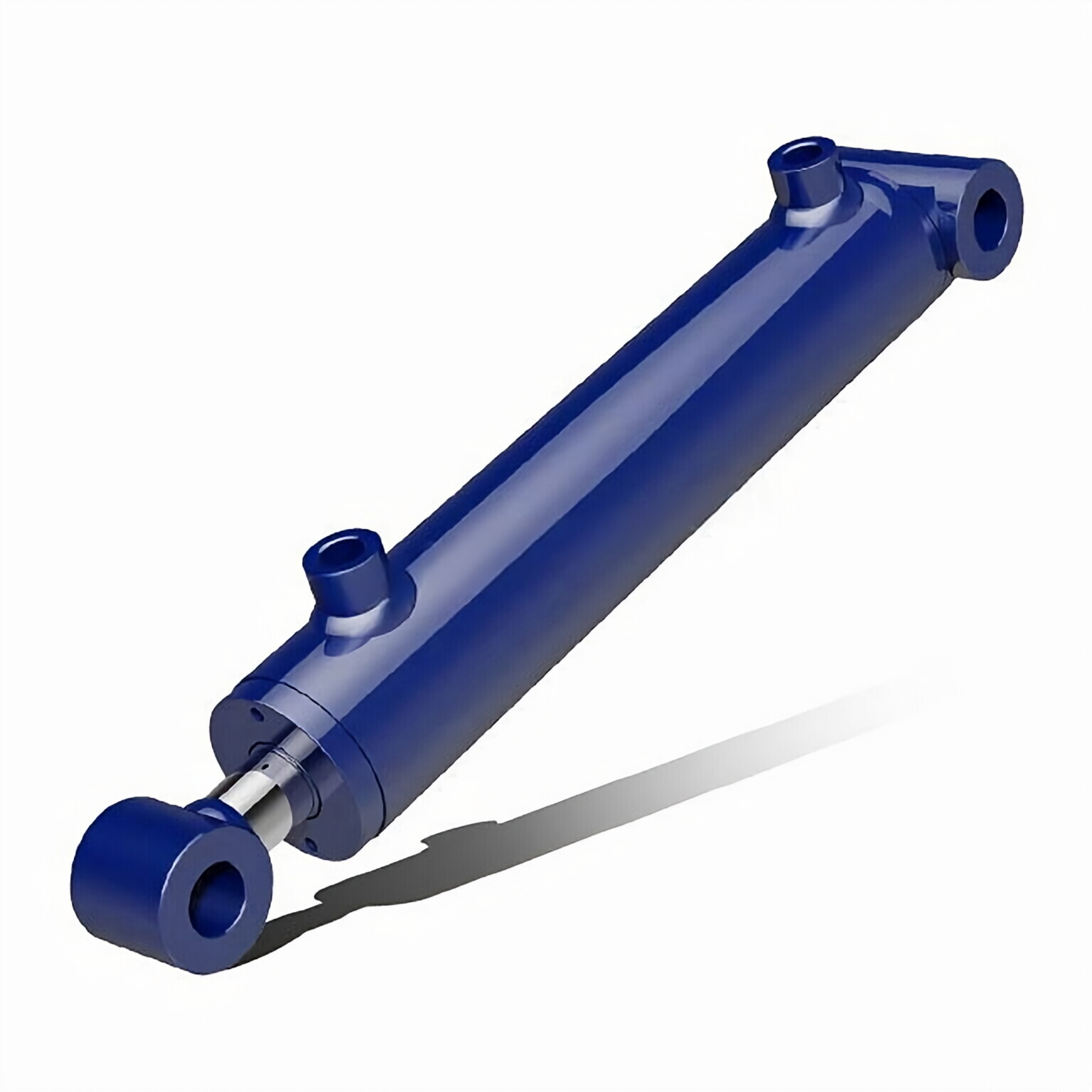
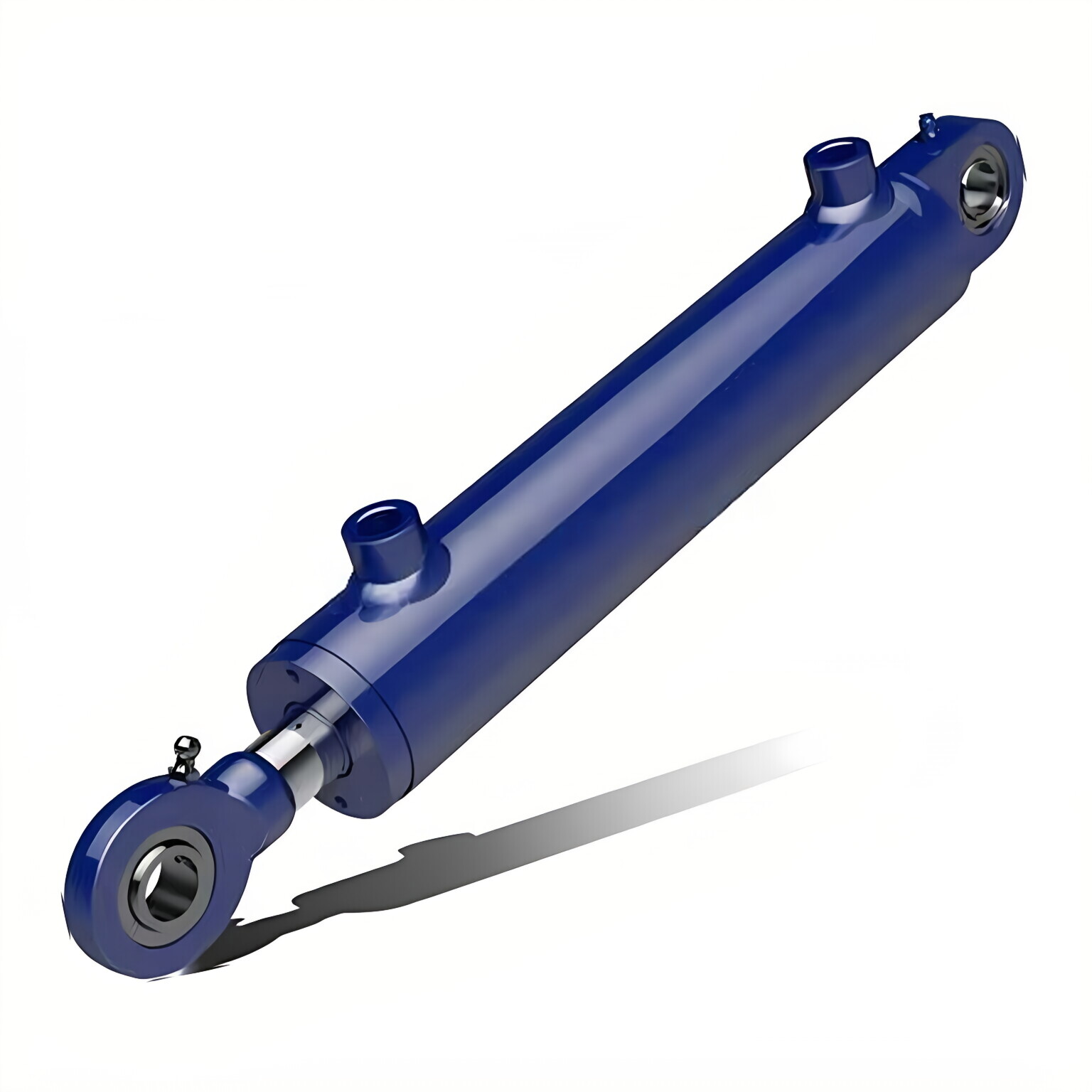
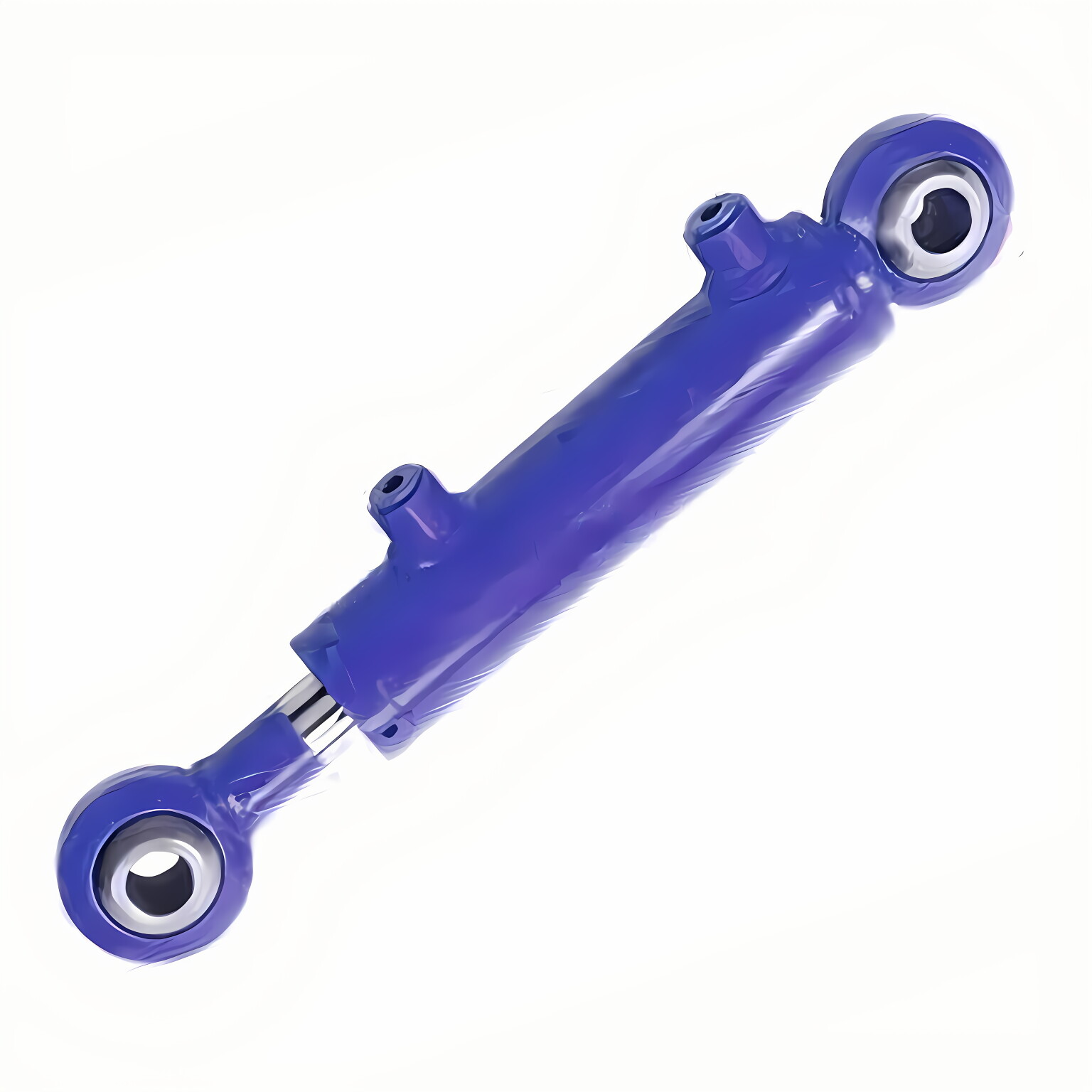
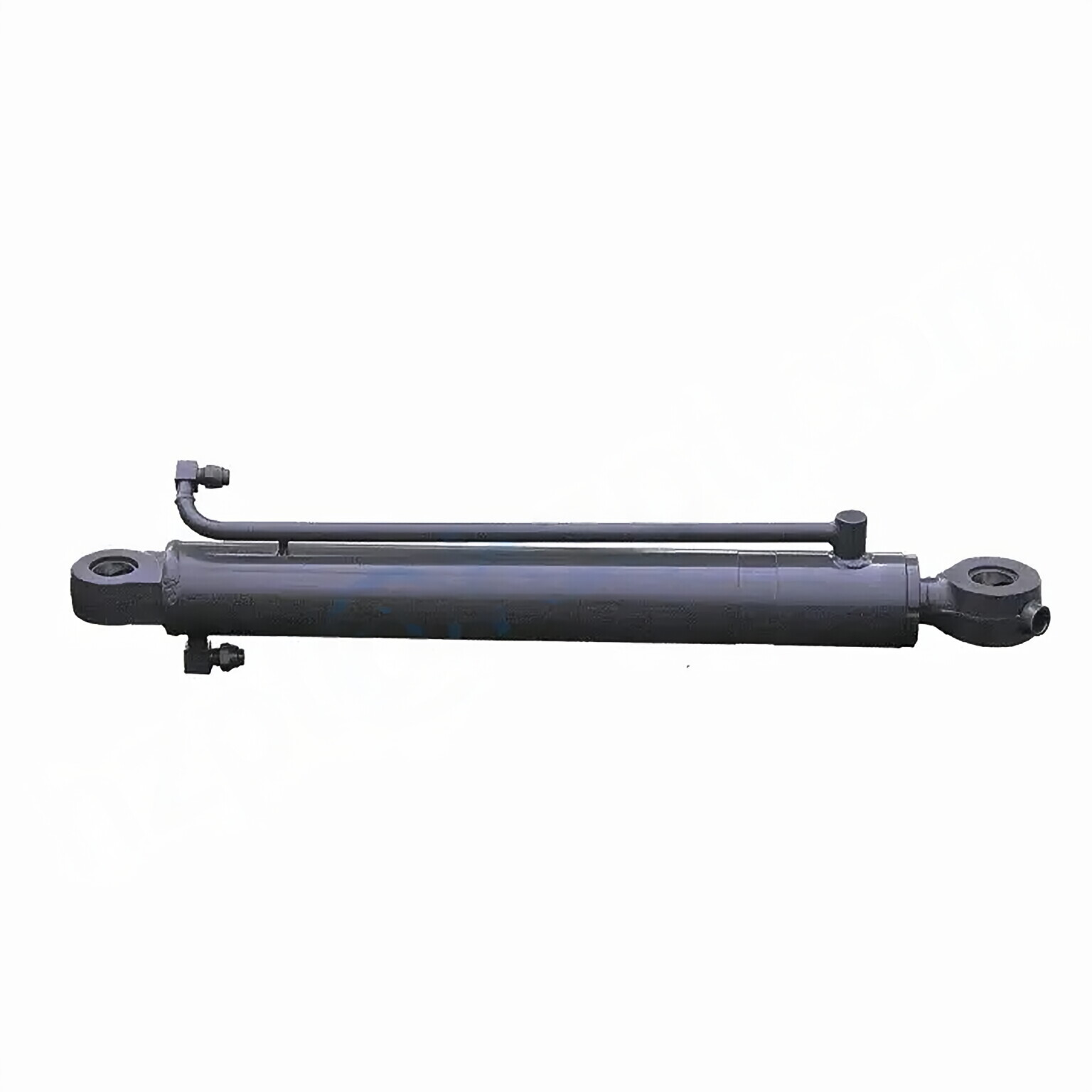
The Replacement of F707353 Hydraulic Cylinder is an essential component used in various equipment. It is responsible for converting the force from fluid pressure into mechanical force. The hydraulic cylinder is an important tool used in various applications such as construction, manufacturing, transportation, and aviation. It is designed to generate high force output with minimum input force and is known for its high efficiency and durability.
The hydraulic cylinder has a weight of 50.817 lb, a height of 11 in, a width of 16 in, and a length of 23.6 in. It is compatible with the 1270G and 1470G models.
Our hydraulic cylinder can replace other cylinders such as piston seals, rod seals, and other critical components to ensure maximum performance and efficiency.
The hydraulic cylinder is used in various equipment such as cranes, hoists, and elevators, where it is responsible for securely holding heavy loads in place.
The hydraulic cylinder is used in pressure machines, where it is responsible for forming materials under high pressure while also keeping them securely in place.
The hydraulic cylinder is used in stabilizers and jacks in vehicles to ensure safety during maintenance or transportation.
The hydraulic cylinder is used in landing gear systems to keep the landing gear securely in place during takeoff and landing.
The hydraulic cylinder is designed to withstand high pressure and loads, and its critical components such as piston seals, rod seals, and other critical parts are made of durable materials such as polyurethane and nitrile rubber. It is also designed to be easy to maintain, and it can be easily disassembled for repair or replacement of worn out parts. The hydraulic cylinder is selected based on its load capacity, sealing capacity, durability, safety features, and maintenance requirements.
The hydraulic cylinder uses various sealing components such as piston seals, rod seals, and other critical parts to prevent fluid leakage and ensure efficient operation. These components are made of durable materials such as polyurethane and nitrile rubber that are resistant to wear and tear. The hydraulic cylinder also requires regular lubrication to ensure smooth operation, and it is recommended to use hydraulic oil for lubrication.
The hydraulic cylinder needs to be regularly inspected to ensure its smooth operation. This involves checking for leaks, wear and tear, and other signs of damage. Preventive maintenance procedures include regular lubrication, replacing worn-out seals and other critical components, and calibrating the cylinder to ensure maximum efficiency.
The installation of the hydraulic cylinder requires careful alignment and proper placement. It is recommended to use appropriate installation fixtures to secure the cylinder and ensure its proper alignment. The installation process involves connecting the cylinder to the appropriate equipment and ensuring that all connections are secure and leak-free.
The use of the hydraulic cylinder requires careful consideration of safety measures to prevent accidents and injuries. It is important to follow safety guidelines such as wearing appropriate protective gear and using secure fixtures to prevent accidents. Environmental factors such as temperature and humidity can affect the performance of the cylinder, and it is important to ensure that the cylinder is properly maintained to ensure maximum efficiency.
The hydraulic cylinder may experience various problems such as leaks, wear and tear, and other signs of damage. Troubleshooting involves identifying the cause of the problem and taking appropriate action such as replacing worn-out components, adjusting the cylinder, or recalibrating to ensure maximum efficiency. Preventive measures include regularly inspecting the cylinder, ensuring proper lubrication, and replacing worn-out components.
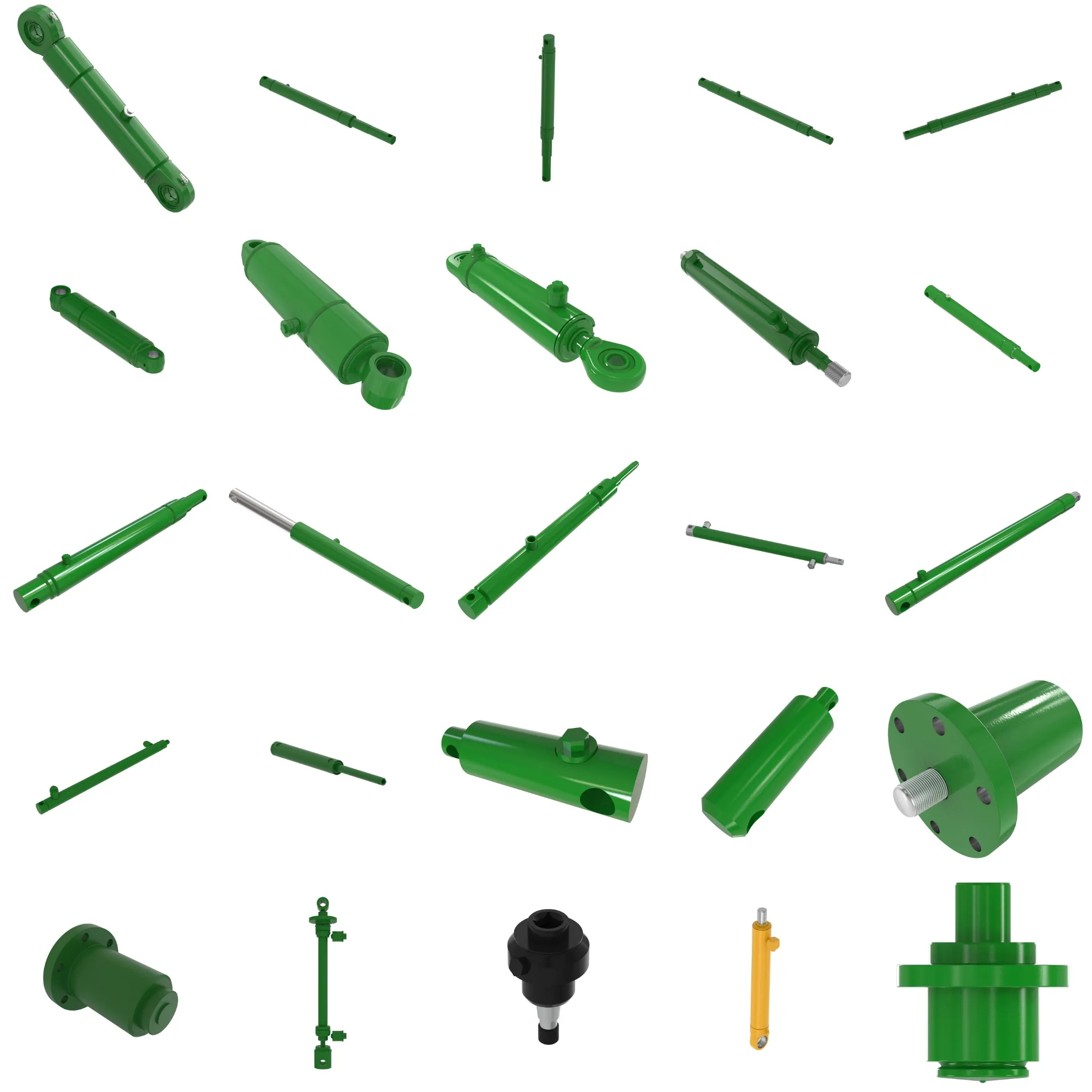
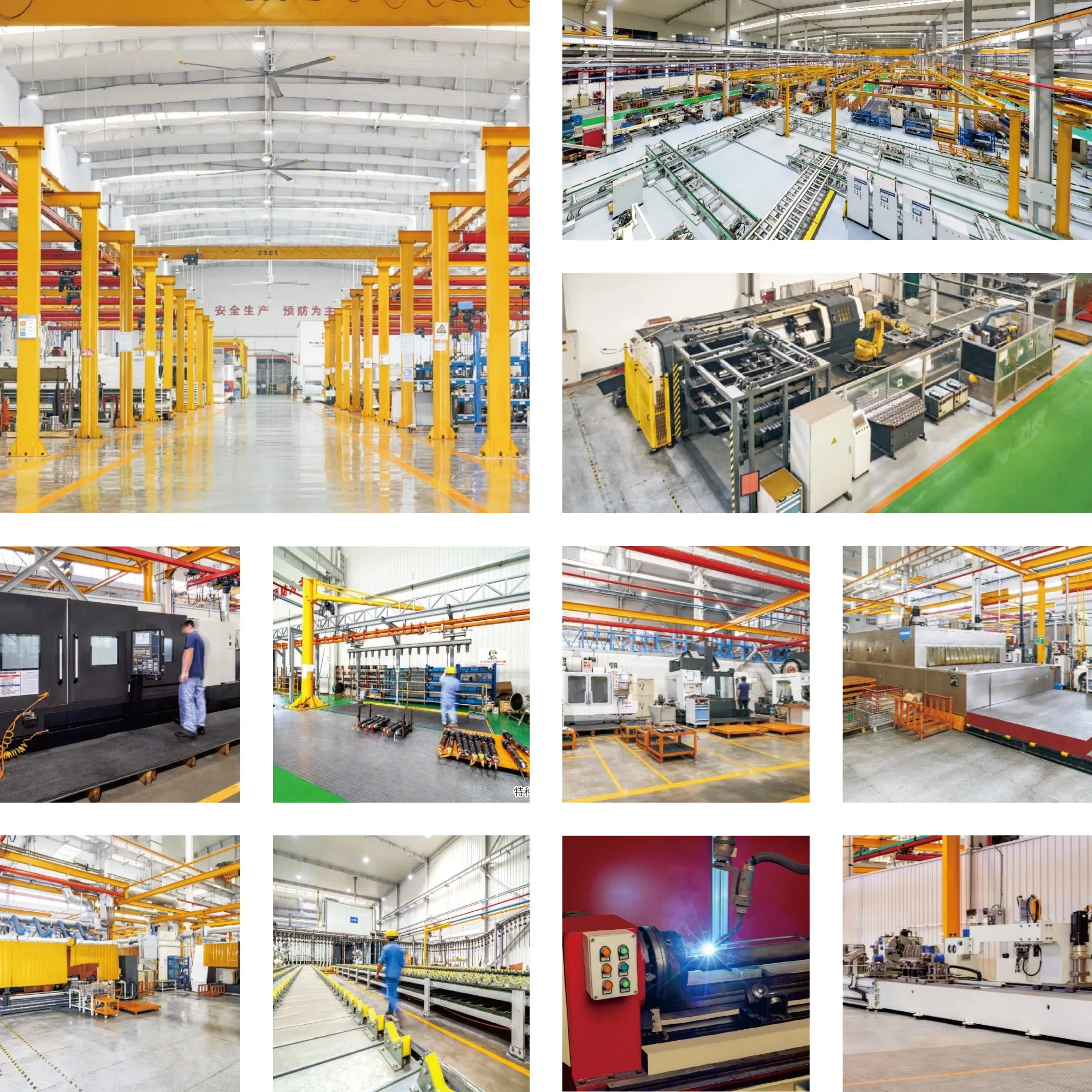
We are one of the leading manufacturers and wholesalers of hydraulic cylinders in the domestic and international markets. Our products are designed to meet the highest quality standards and are available in a wide range of sizes and specifications to meet the needs of our customers. We offer customized services, international certifications, high-quality equipment, and exceptional after-sales services.
Author: lyl
Address
Luotuo Industrial Area, Zhenhai District, Ningbo City, China
Tel

 Raydafon