
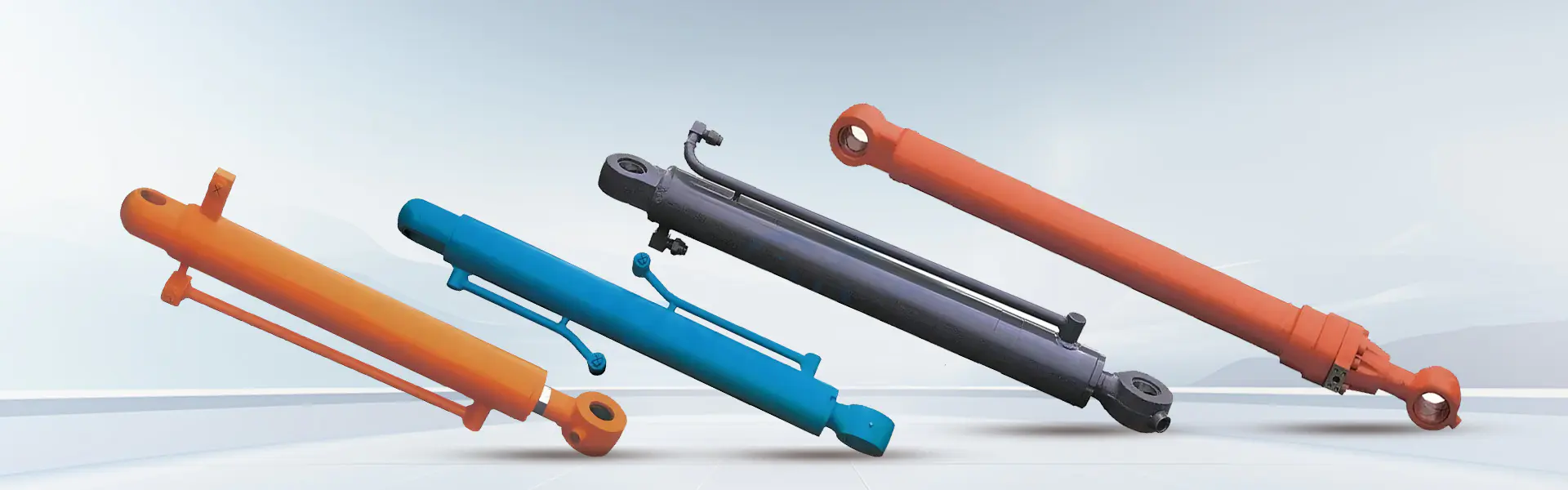
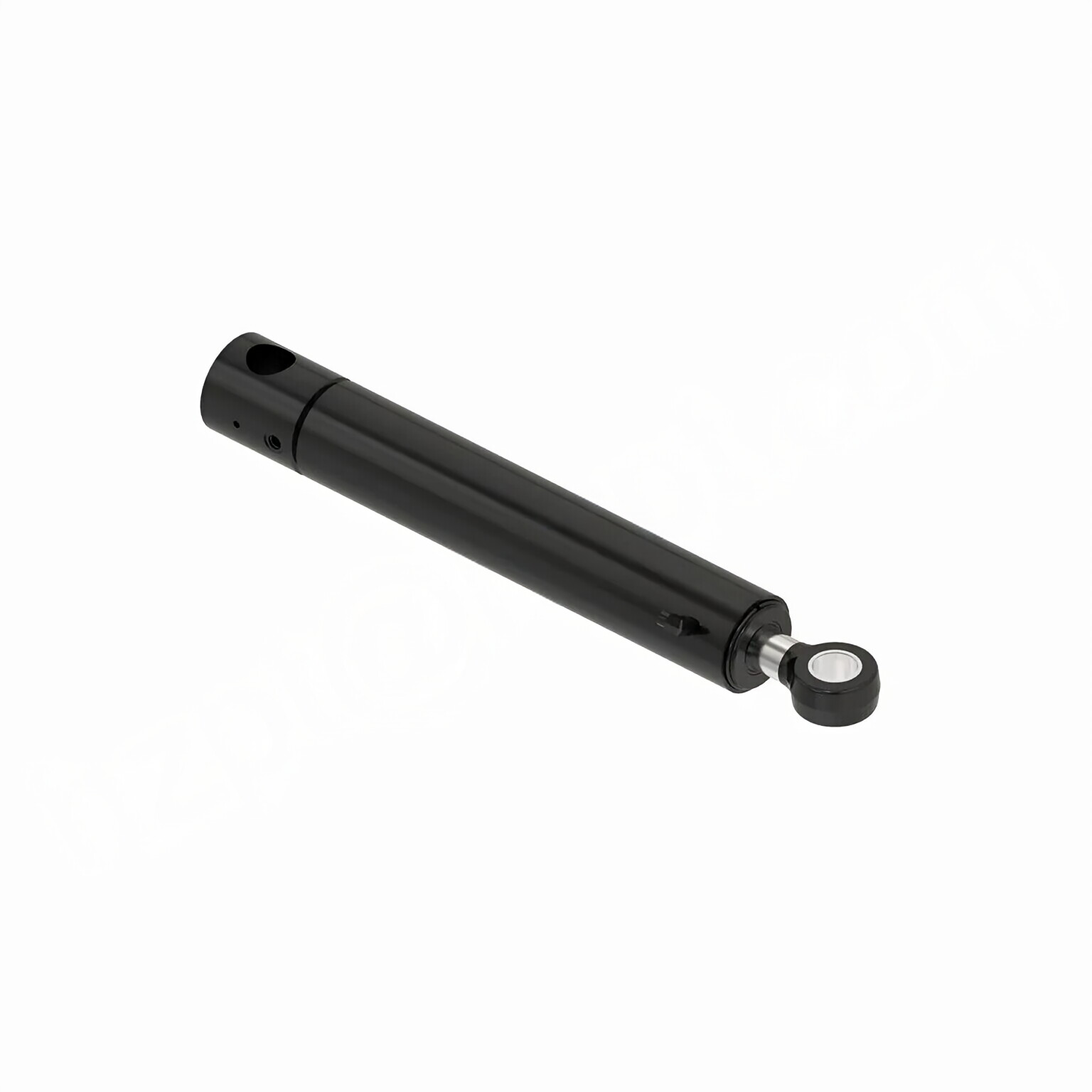
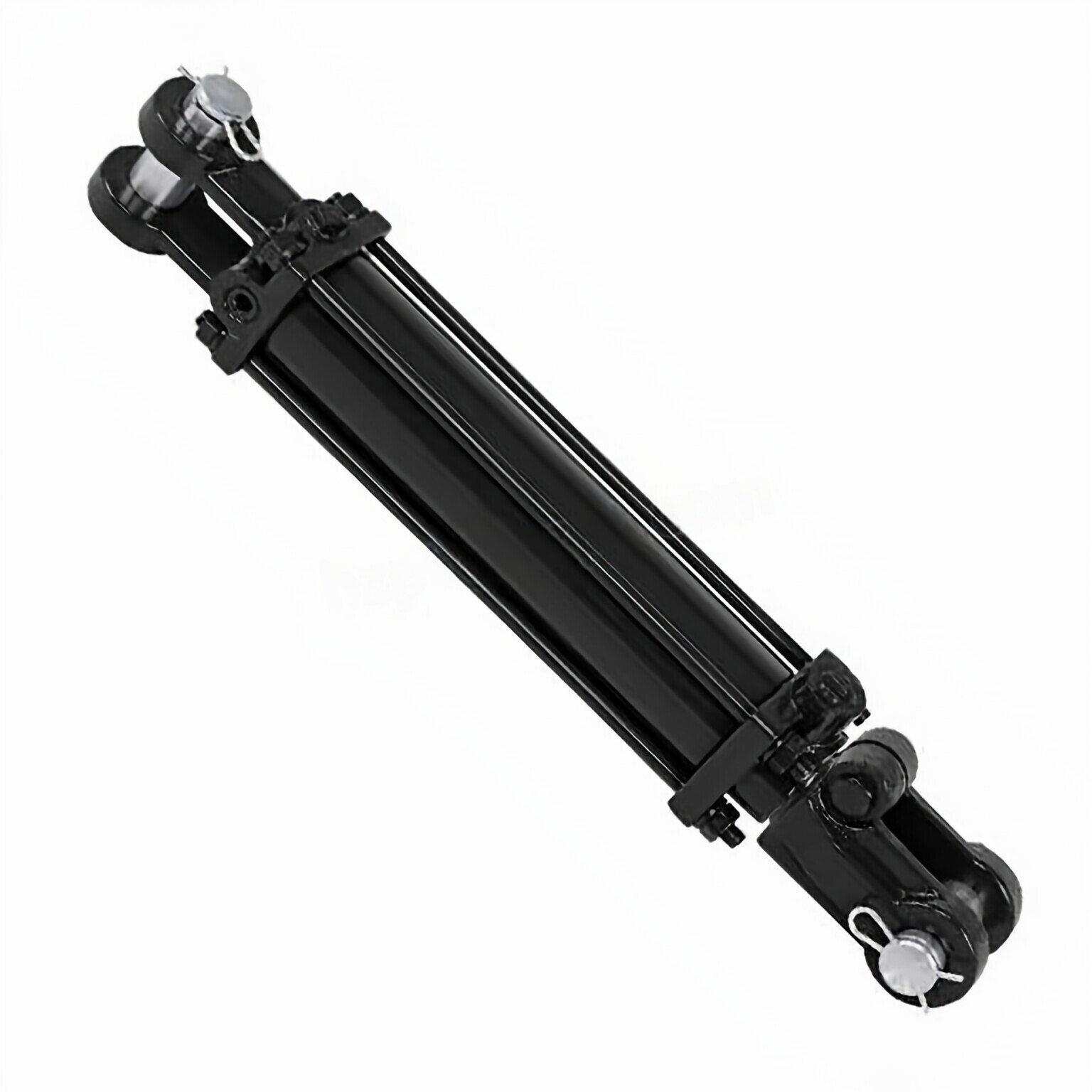
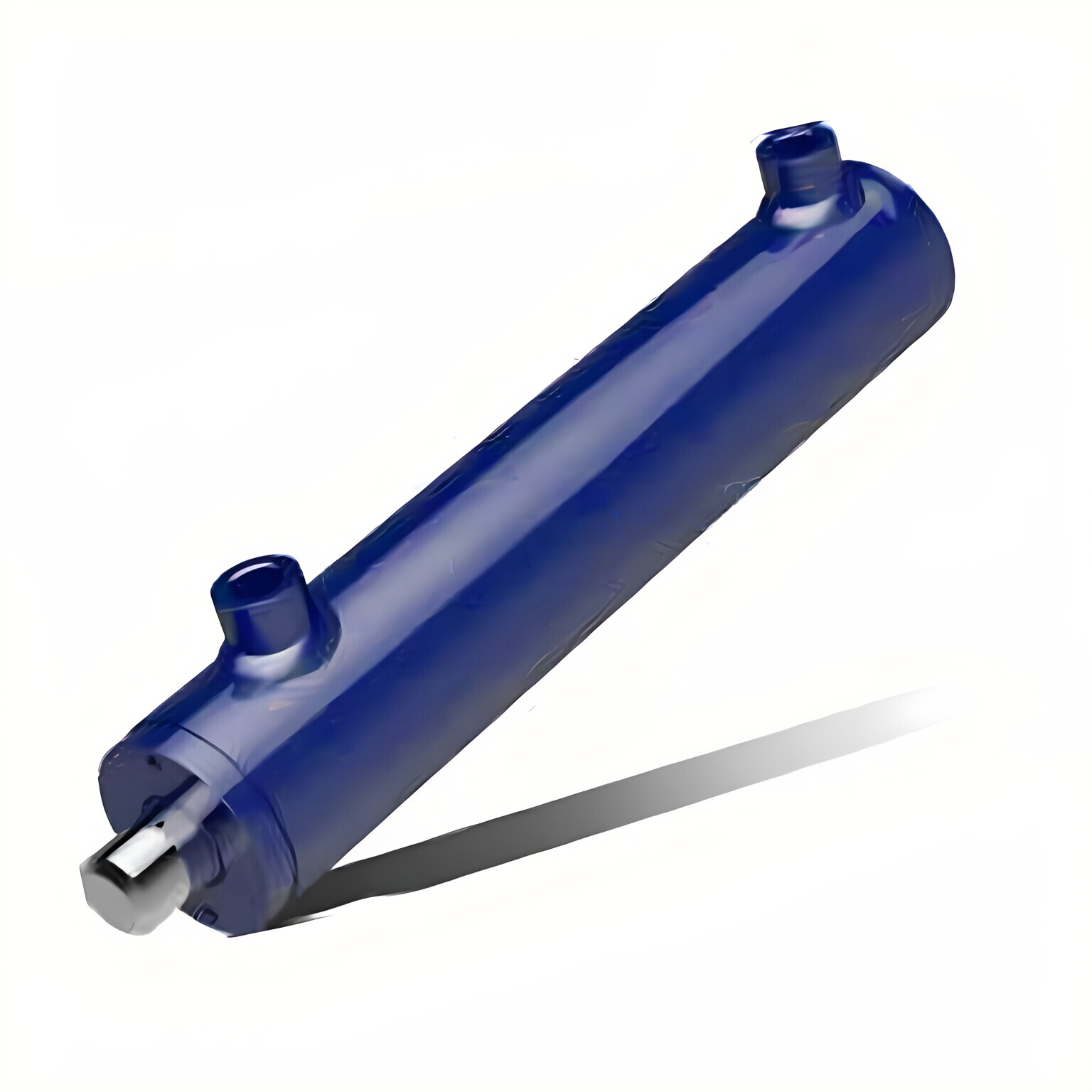
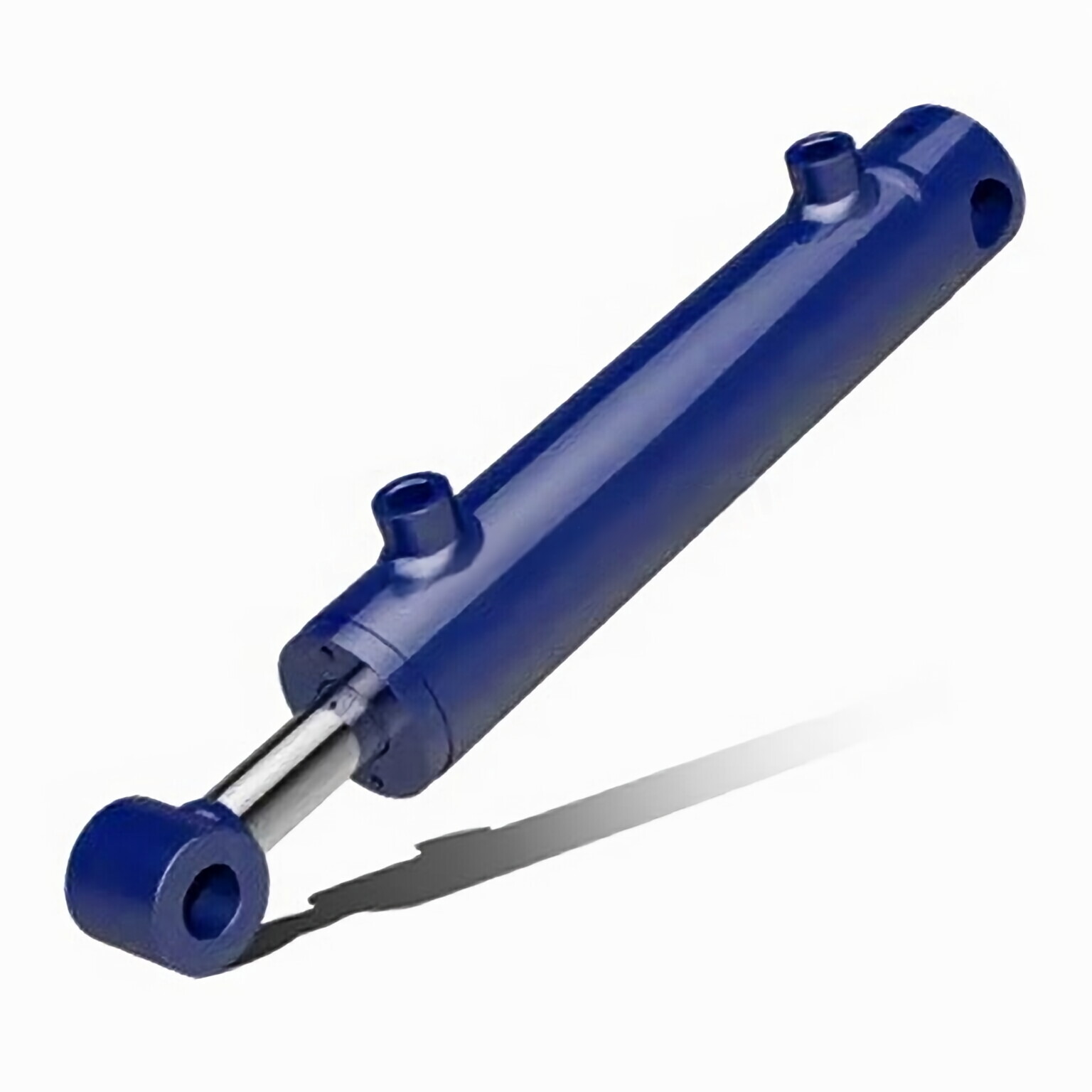
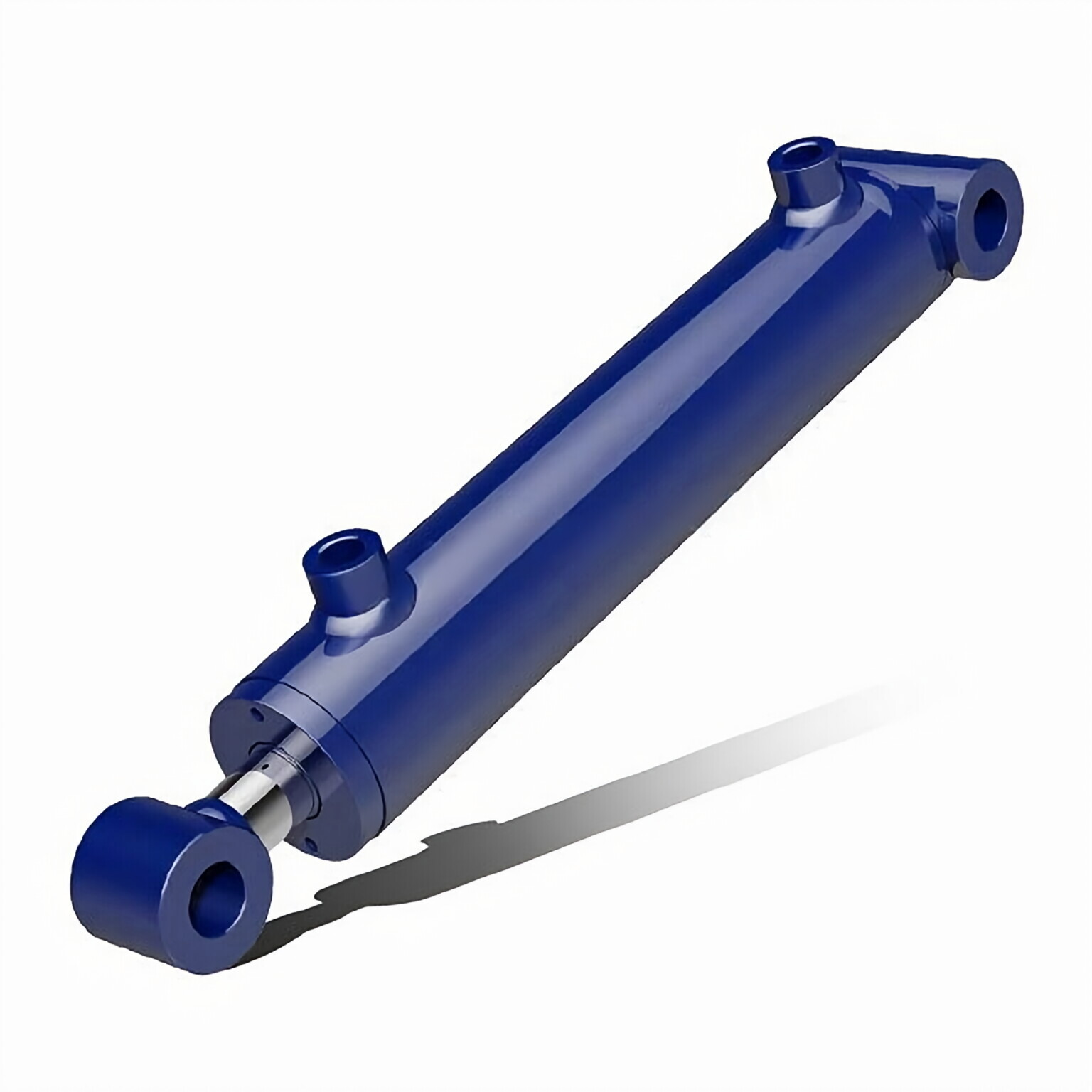
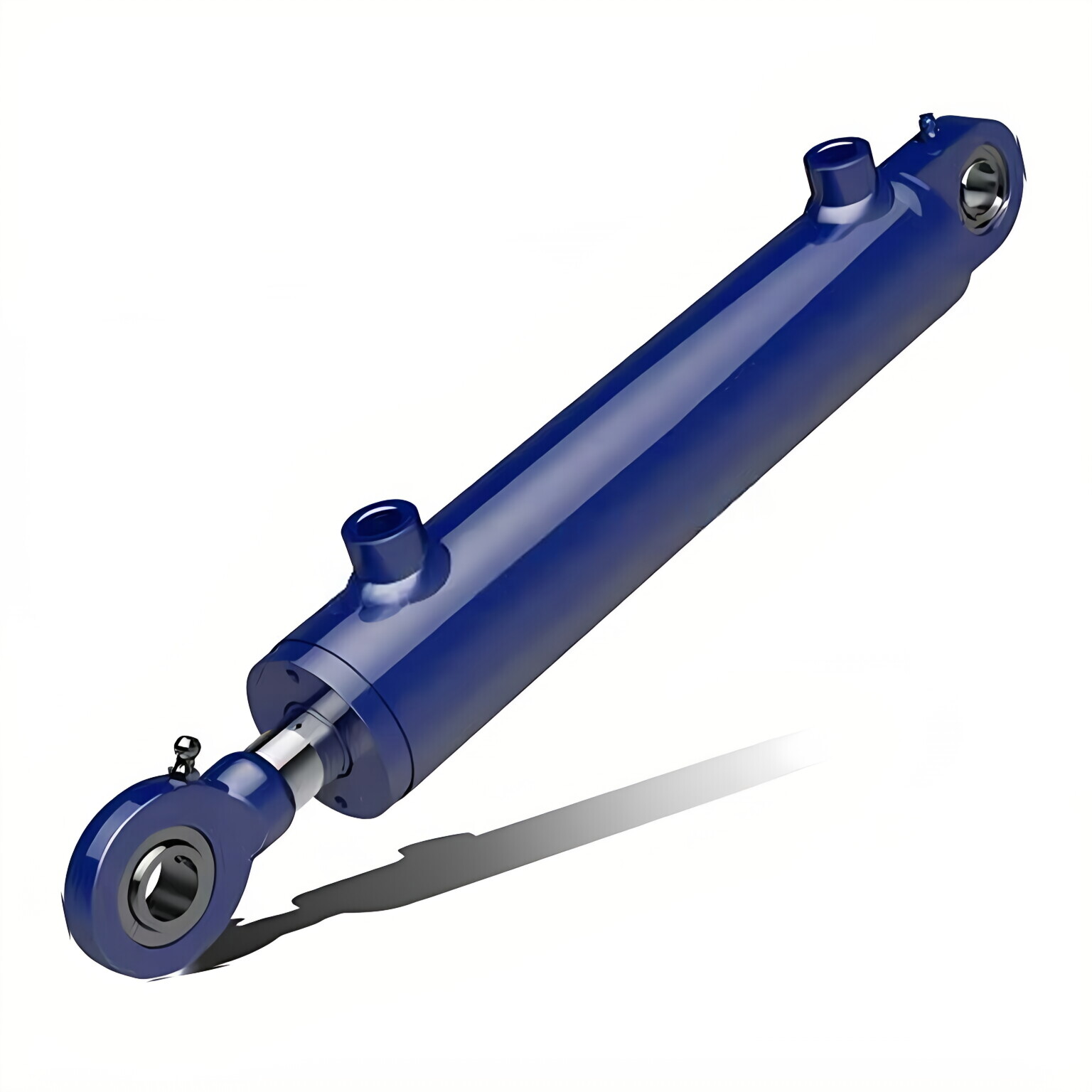
The Replacement Hydraulic Cylinder is compatible with the following models:
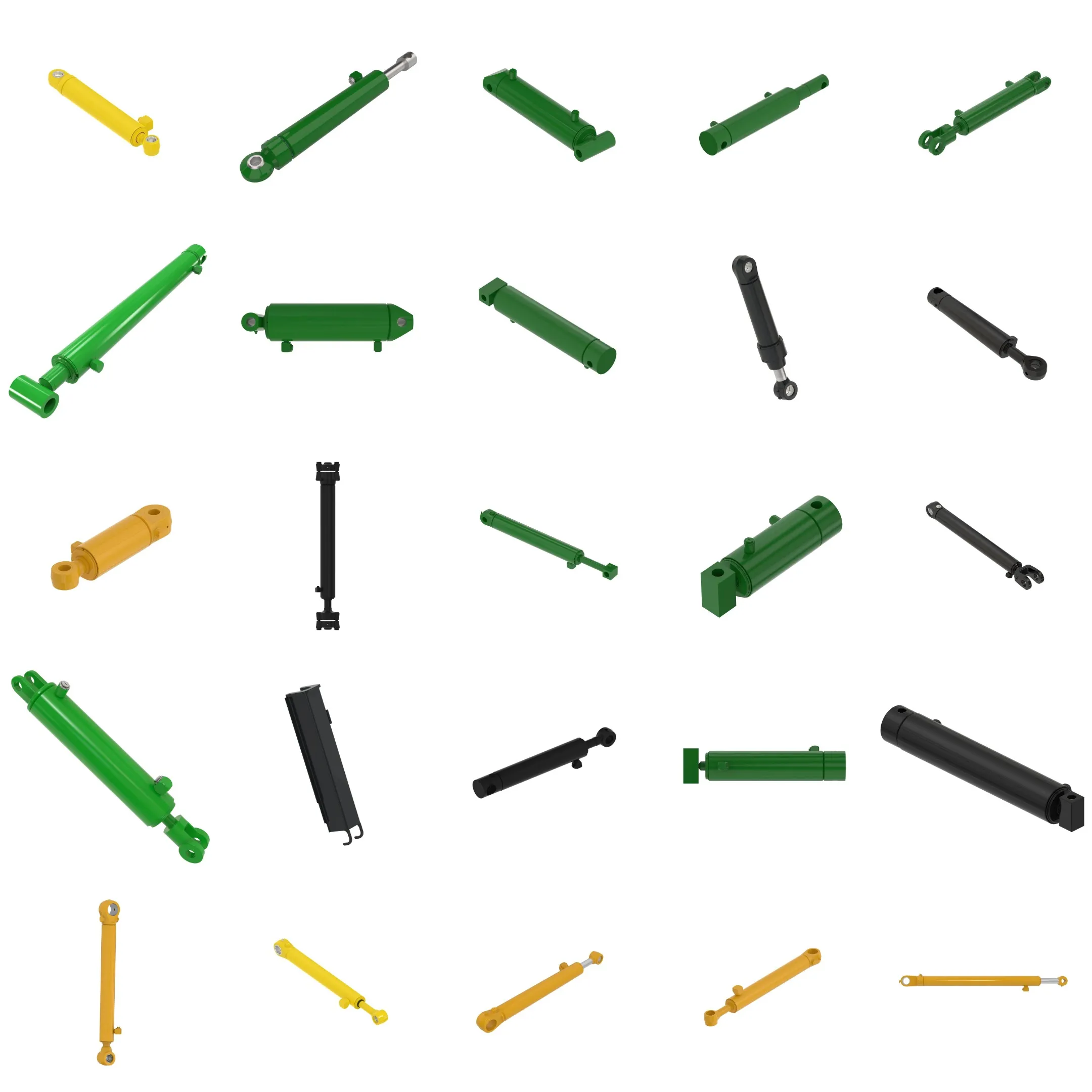
Proper maintenance is crucial to ensure the longevity of your hydraulic cylinder. Here are three common maintenance tasks:
Regularly inspect the hydraulic cylinder for any wear and tear, leaks and damage to the seals, rods, and hoses. This will help to identify any issues early and prevent further damage.
Ensure the hydraulic cylinder is properly lubricated to reduce friction and wear. Use the manufacturer's recommended lubricant and follow their recommended lubrication schedule.
Periodically replace the seals and perform calibration checks to ensure the hydraulic cylinder is functioning as intended.
During installation, it's essential to provide proper guidance on aligning the cylinder and to recommend the use of appropriate installation brackets to secure it. We also recommend following the manufacturer's recommended inspection, repair, and replacement procedures, including the replacement of parts and rebuilding services to increase the lifespan of the hydraulic cylinder.
When using the hydraulic cylinder, safety measures should be followed at all times. This includes wearing personal protective equipment, following the manufacturer's instructions, and ensuring the equipment is maintained and inspected regularly.
It's also vital to consider the environmental impact of hydraulic cylinders. Proper disposal and recycling of hydraulic cylinders are necessary to prevent environmental damage. Ensure you follow the manufacturer's recommended disposal procedures or contact a waste disposal specialist.
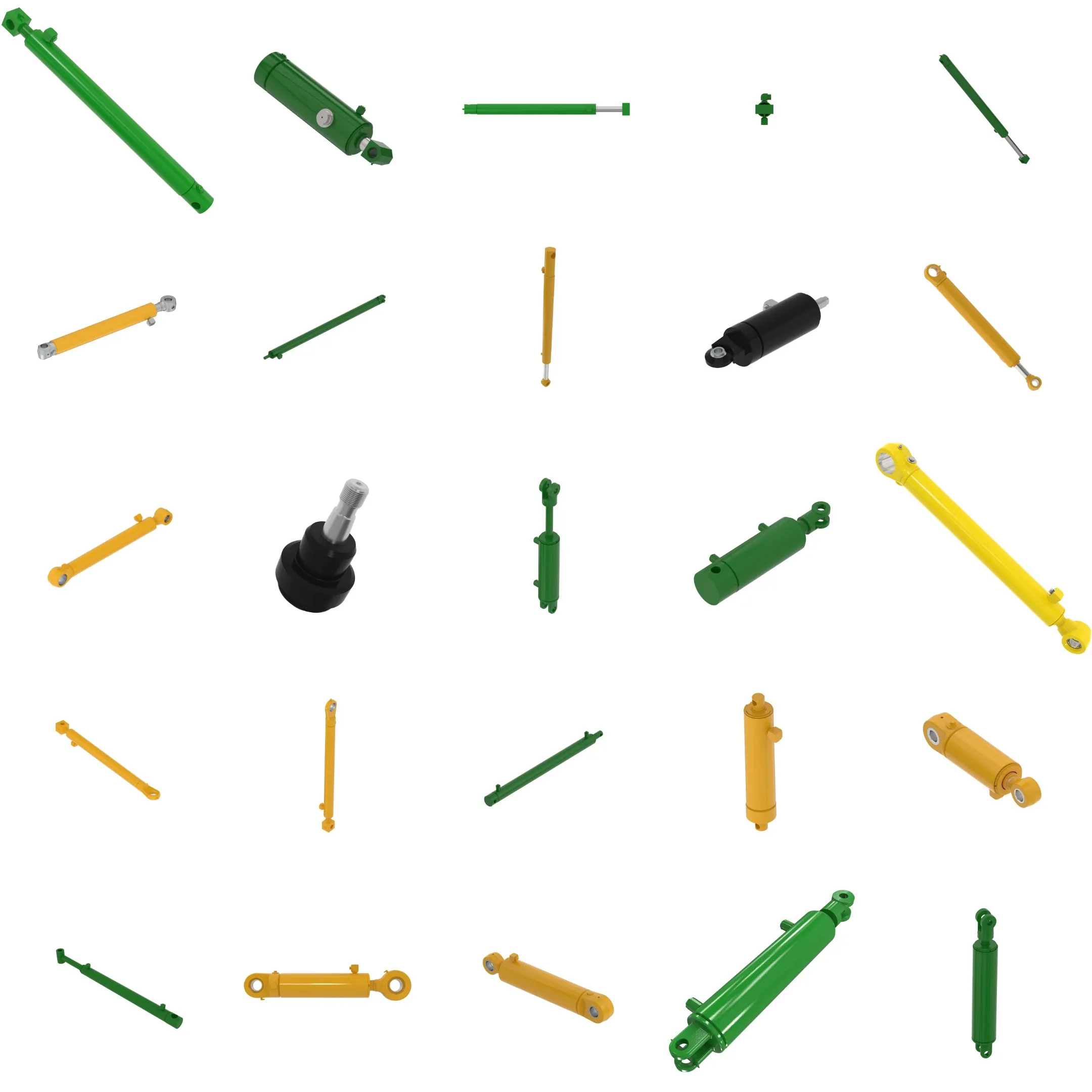
Here are some common issues that may arise when using the hydraulic cylinder:
If there is internal leakage, it may indicate that the seals are worn or damaged. Replace the seals as soon as possible to prevent further damage.
If there is external leakage, it may indicate that the cylinder is damaged or the bolts are loose. Tighten the bolts or replace the cylinder as needed.
If there is excessive noise, it may indicate that the cylinder is worn or damaged. Perform a visual inspection and replace the cylinder or parts as needed.
If you encounter any issues, it's essential to diagnose and resolve the problem as soon as possible. We recommend following the manufacturer's recommended troubleshooting steps and seeking professional assistance if needed.
To prevent potential problems, consider using protective equipment, inspecting the hydraulic cylinder regularly, and following the manufacturer's recommended maintenance schedule.
We are a leading manufacturer and wholesale distributor of replacement hydraulic cylinders. Our company offers a wide range of products and is one of the leading manufacturers and wholesalers in the domestic and international markets.
Our company is committed to providing professional and reliable services to our customers. We have a team of experienced professionals who are dedicated to ensuring customer satisfaction.
Our company has obtained various international certifications, including ISO 9001, CE, and RoHS, ensuring that our products meet international quality standards.
We provide customization services for our products to meet our customer's specific requirements.
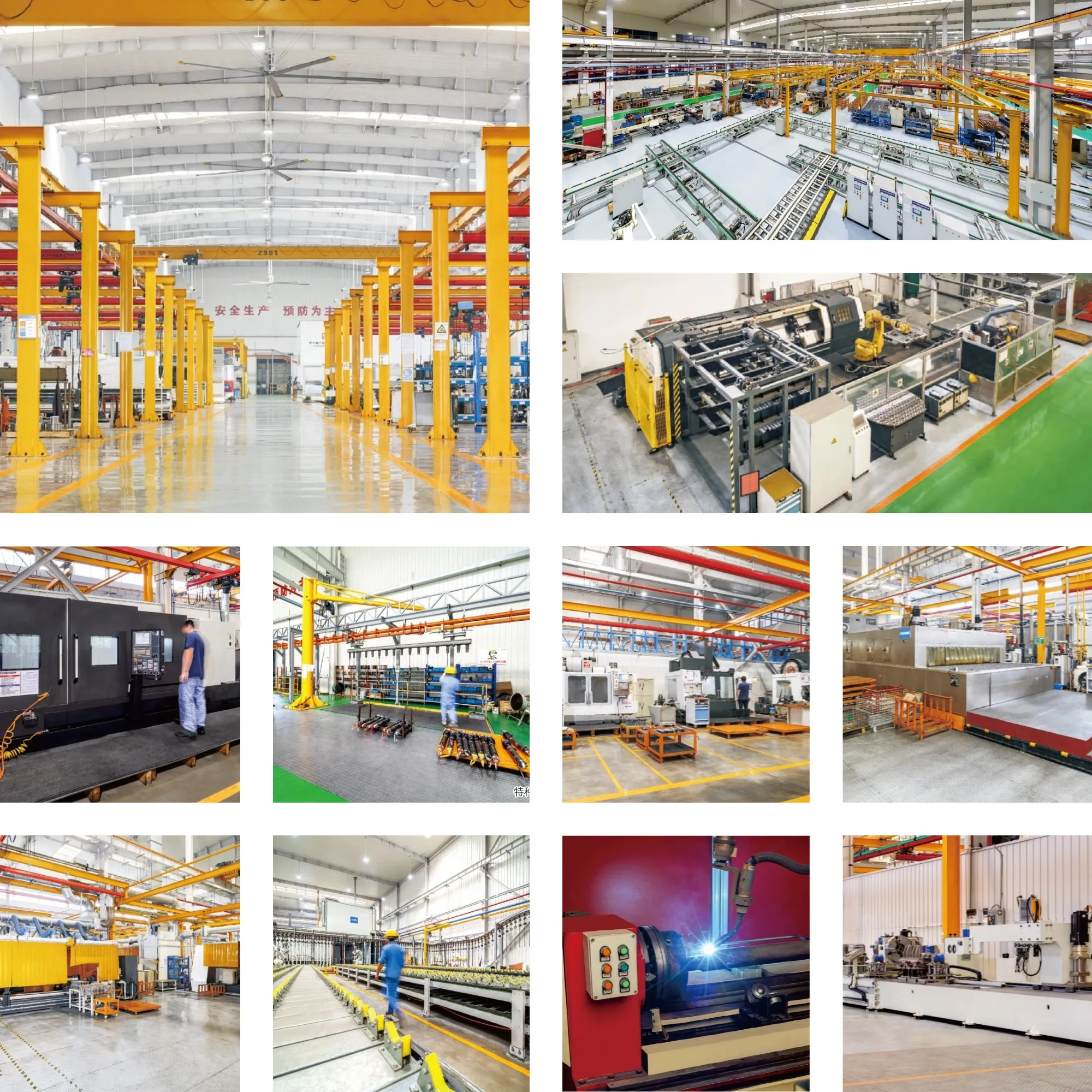
We use advanced production equipment and technology to ensure the quality and reliability of our products.
Our company provides excellent after-sales service, including technical support, repair services, and replacement services, ensuring our customers' satisfaction.
Author: lyl
Finally, it's important to follow the rules and guidelines for the Replacement of Hydraulic Cylinder and Replacement of John Deere Hydraulic Cylinder to ensure optimal performance.
Address
Luotuo Industrial Area, Zhenhai District, Ningbo City, China
Tel

 Raydafon