
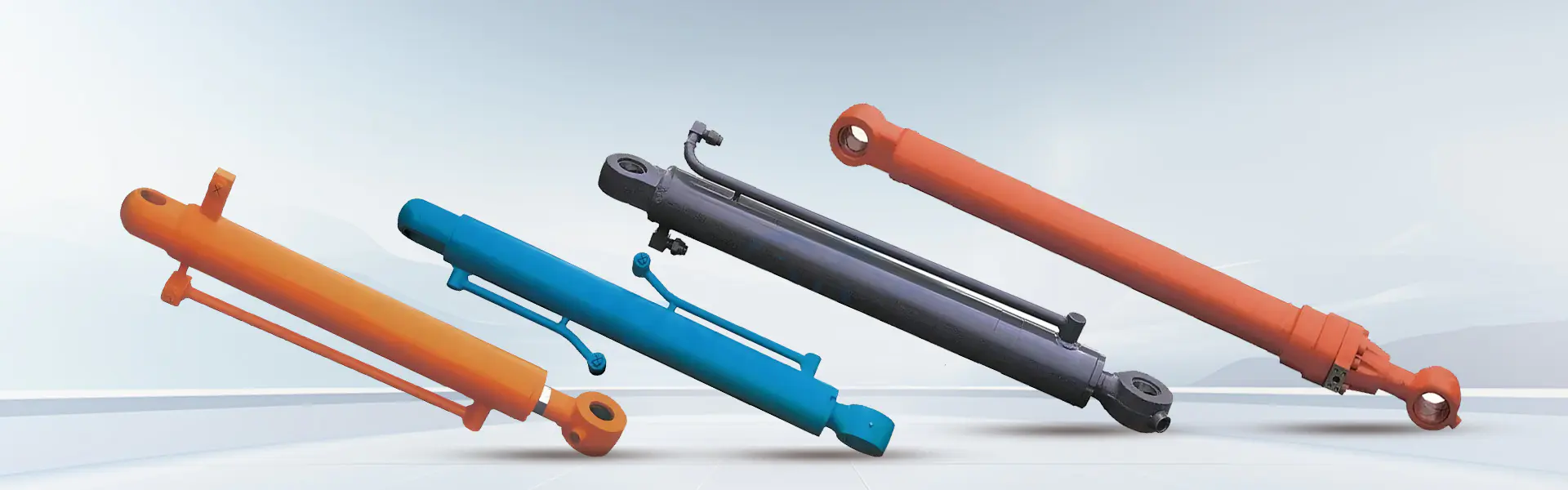
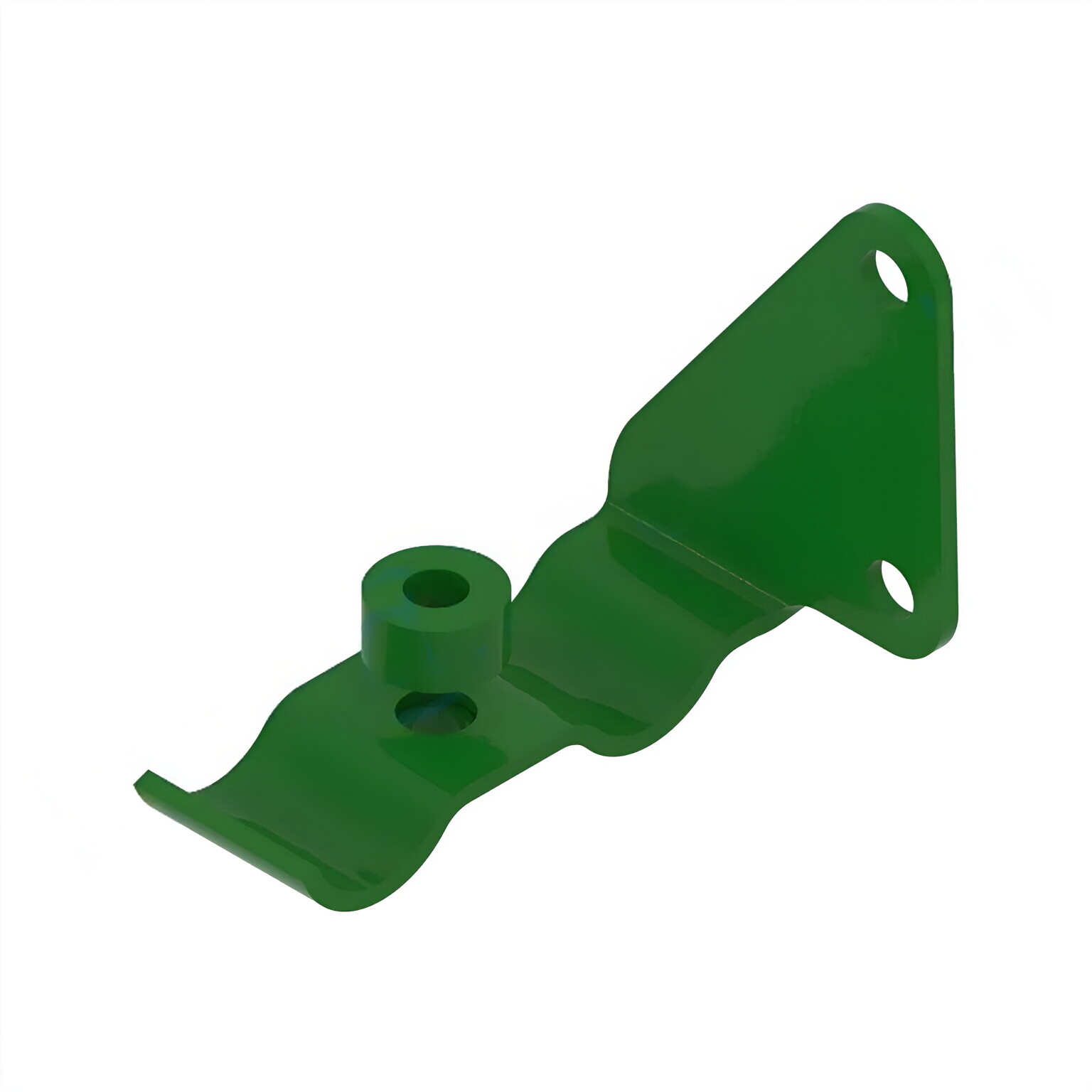
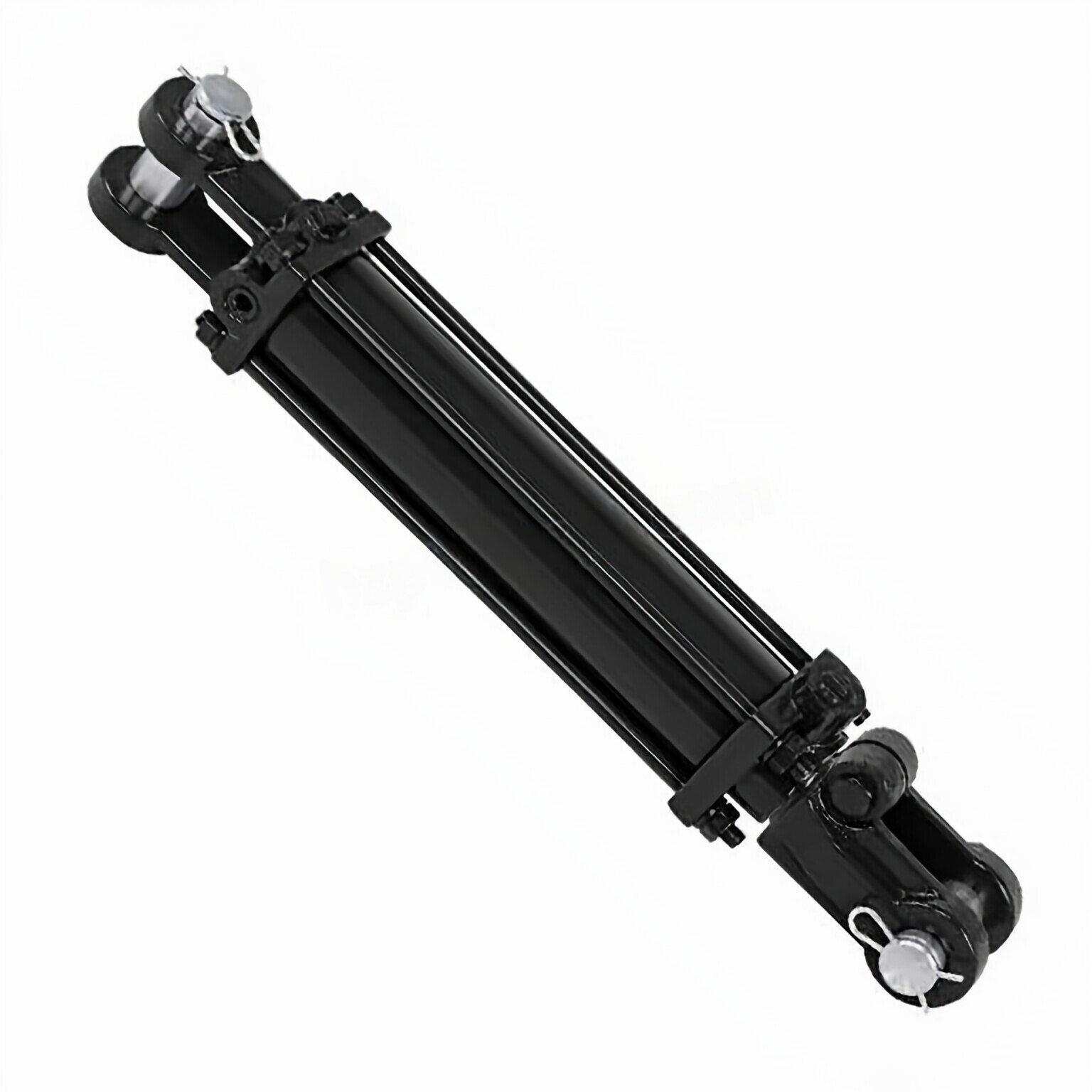
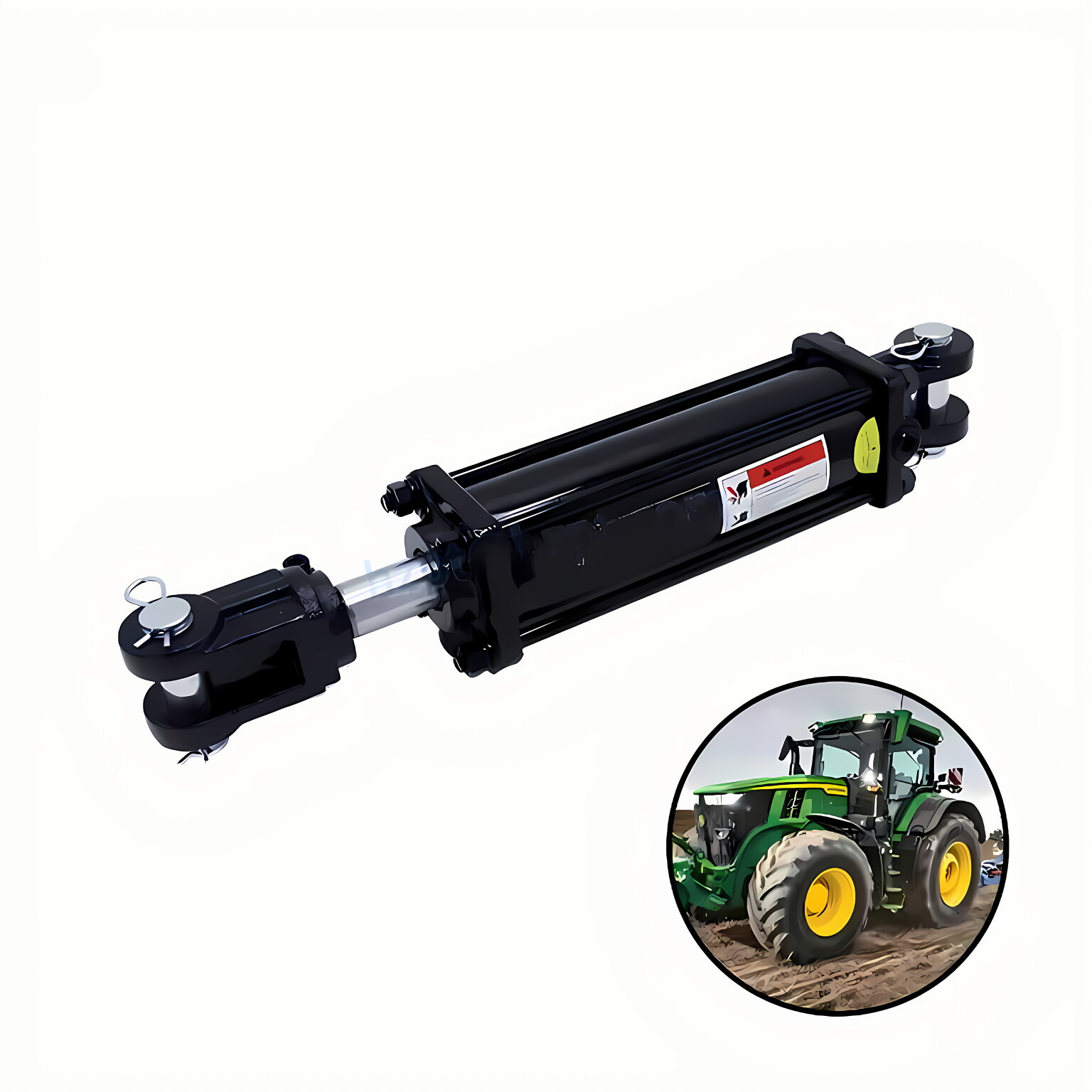
Replacement Of RE19217 Hydraulic Cylinder Repair Kit is a hydraulic cylinder replacement kit used in the 1775NT model. The kit has a weight of 13.859 lb, a height of 3 in, a width of 6.5 in and a length of 12.1 in.
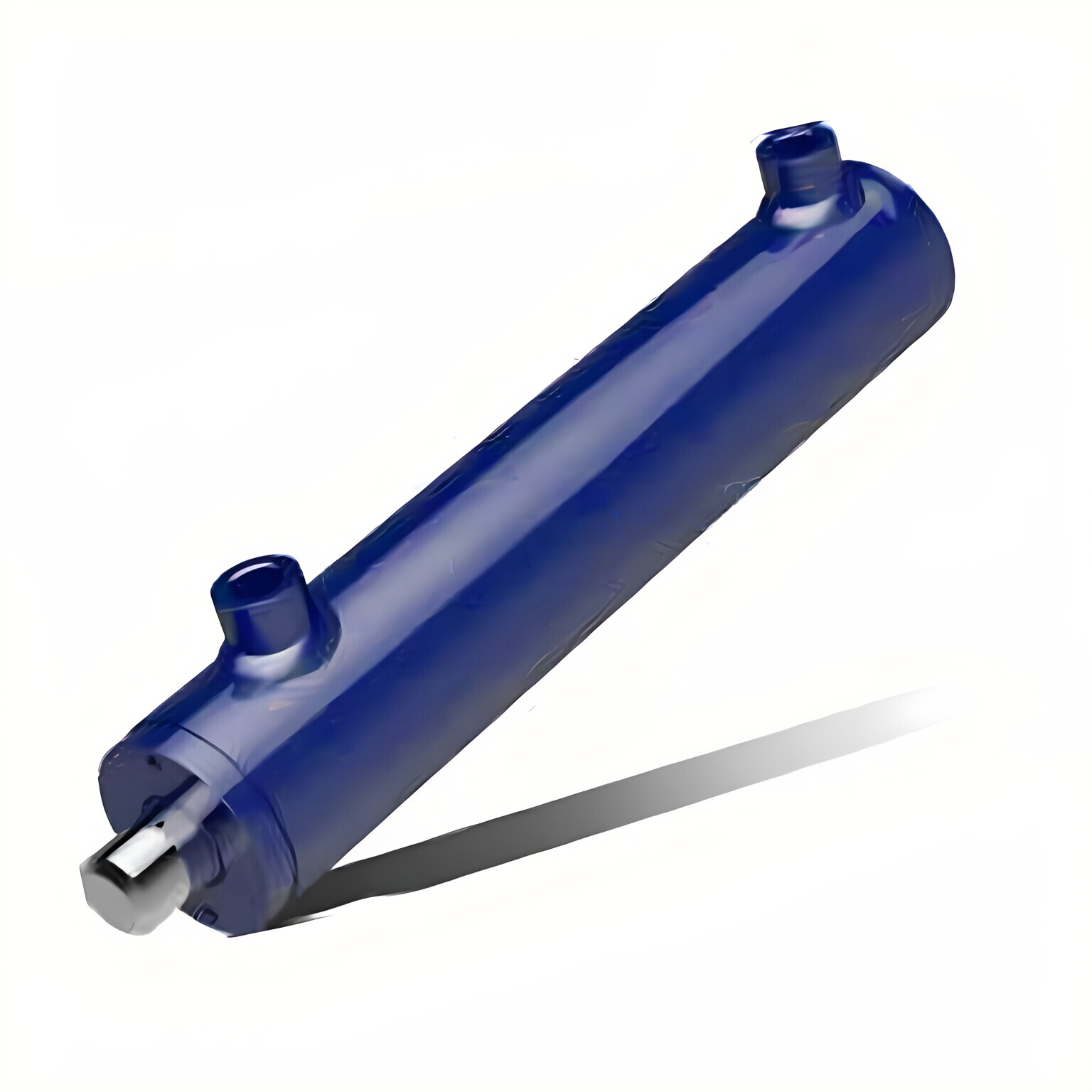
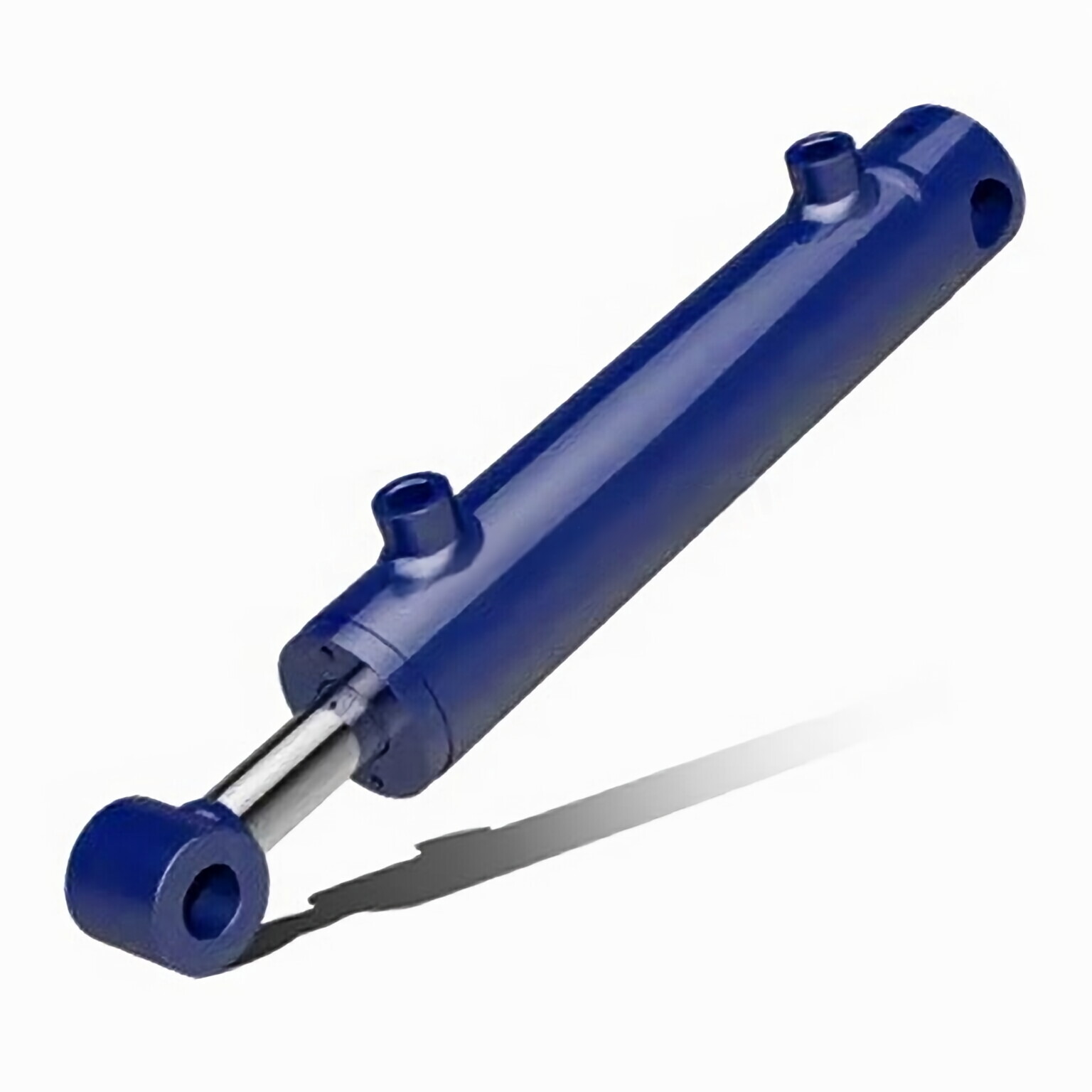
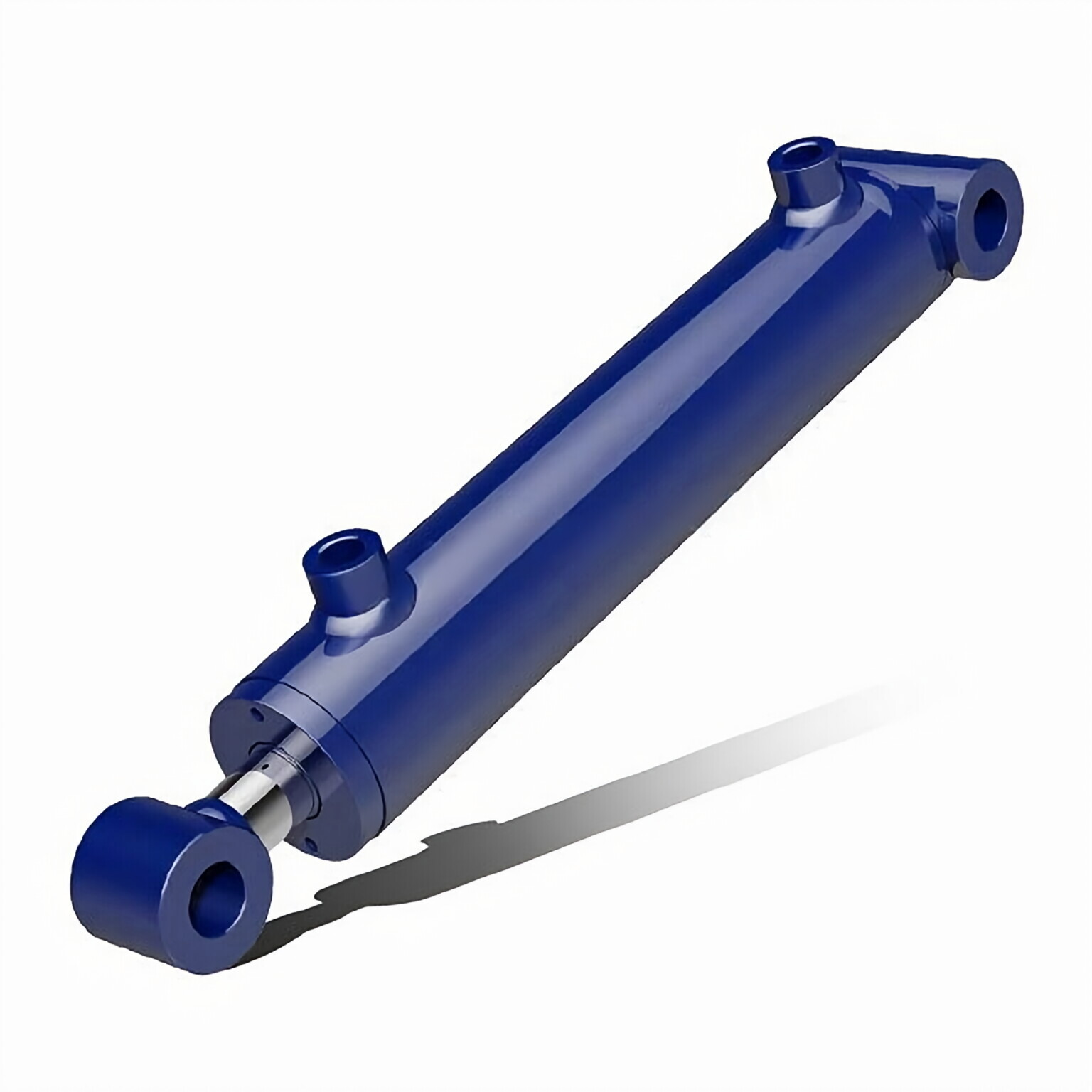
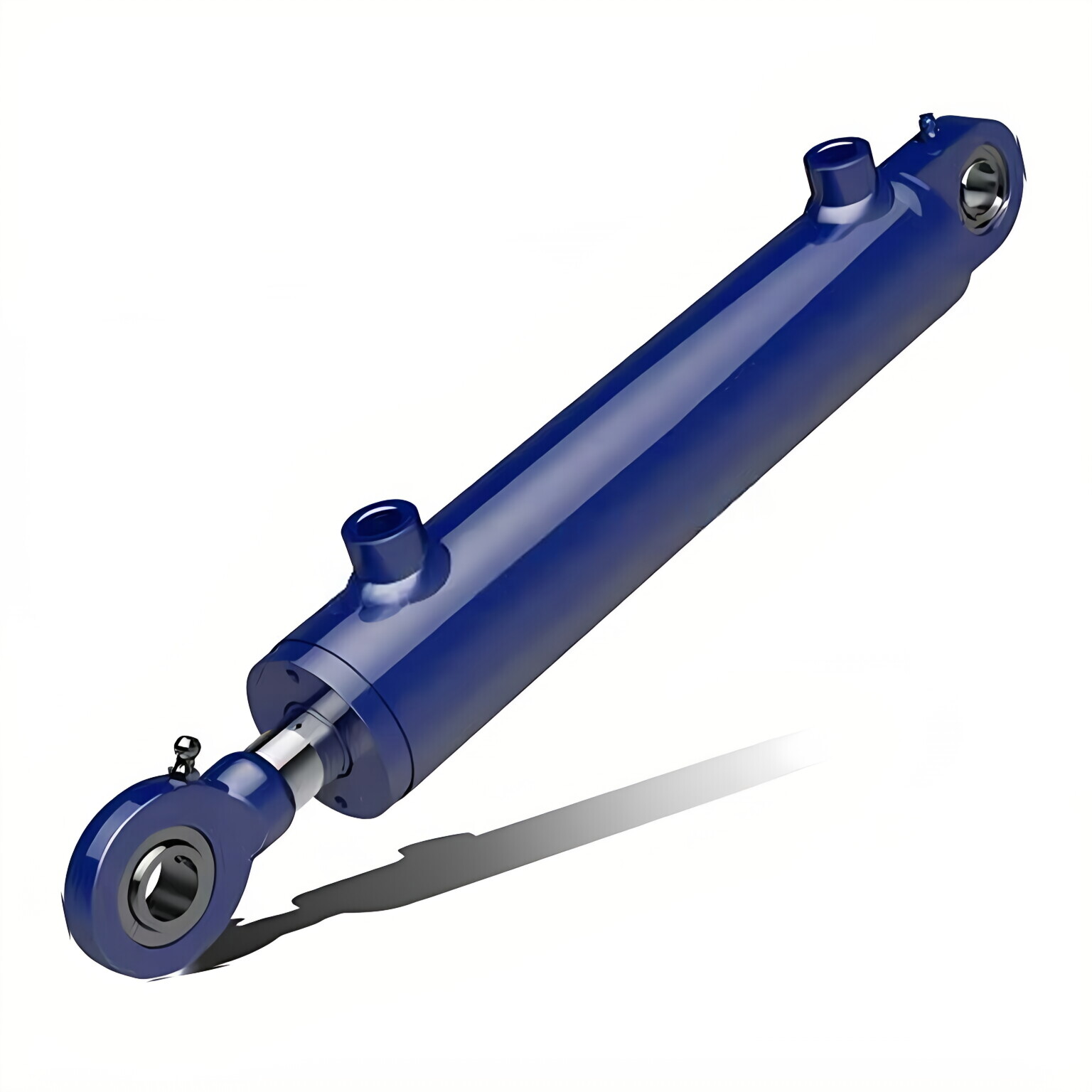
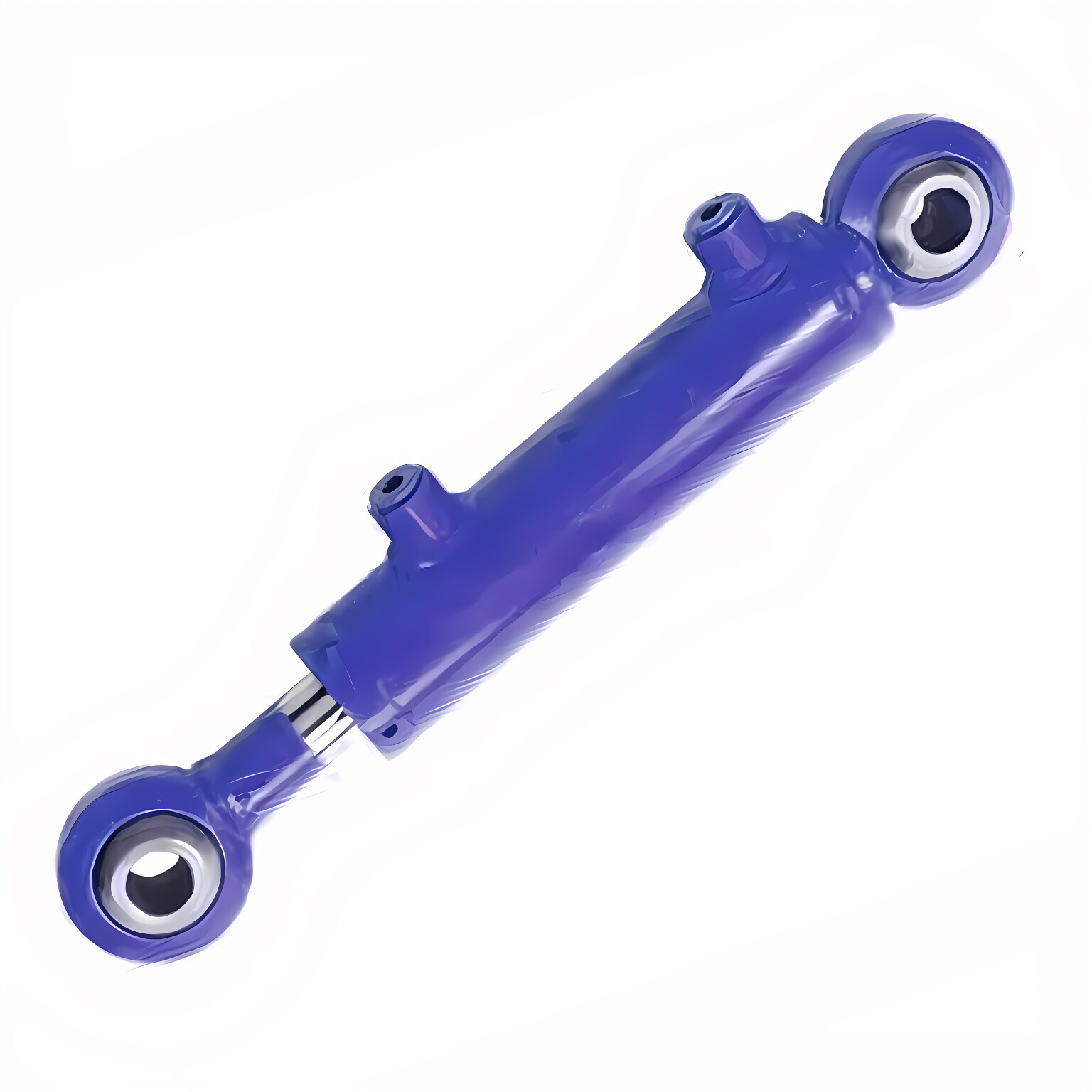
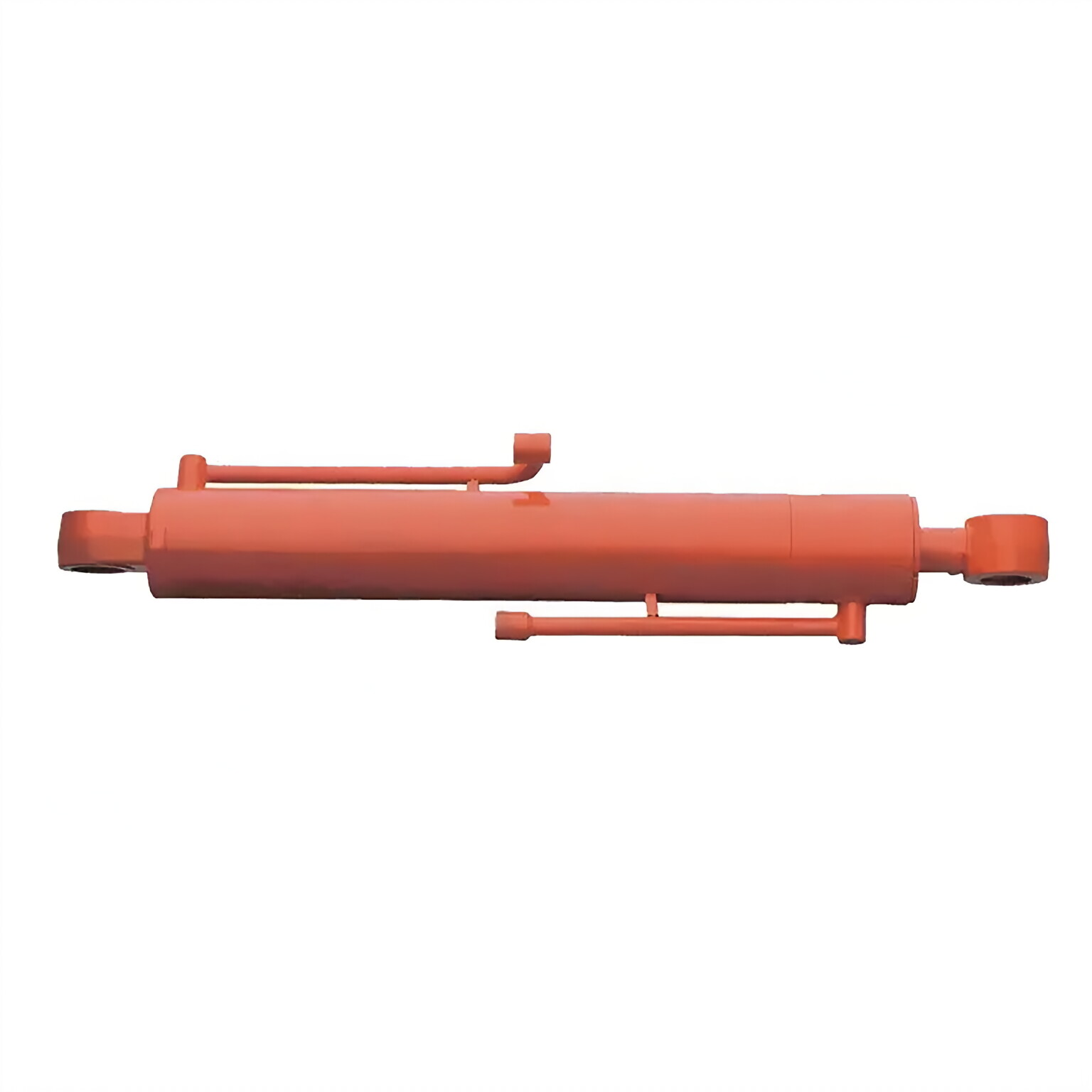
The Replacement Of RE19217 Hydraulic Cylinder Repair Kit is an essential hydraulic cylinder repair kit used to replace faulty hydraulic cylinders. Hydraulic cylinders are important components of many heavy-duty machinery, including industrial equipment, construction machinery, and agricultural machinery. They are responsible for converting hydraulic energy into mechanical energy, which can be used to move heavy loads, lift equipment, and perform other functions required by these machines.
The Replacement Of RE19217 Hydraulic Cylinder Repair Kit is designed to fit the 1775NT model. The kit weighs 13.859 lb, with a height of 3 in, width of 6.5 in, and length of 12.1 in.
The Replacement Of RE19217 Hydraulic Cylinder Repair Kit has several features, including:
Our product can perfectly replace the original hydraulic cylinder, and it is made from high-quality materials, ensuring durability and reliability. It offers easy installation and is designed to meet or exceed OEM specifications, providing a cost-effective replacement option for your hydraulic cylinder needs.
The Replacement Of RE19217 Hydraulic Cylinder Repair Kit is widely used in various applications, including:
Construction equipment typically uses hydraulic cylinders in cranes, hoists, and elevators that require securing heavy loads.
Hydraulic cylinders are used in press machines to form materials under high pressure, requiring secure fixing during the machining process.
Hydraulic cylinders are used in vehicle stabilizers and jacks to ensure safety during maintenance or transportation.
Hydraulic cylinders are used in landing gear systems to secure landing gear in the proper position during takeoff and landing.
When selecting a hydraulic cylinder, several factors should be considered, including its load-bearing capacity, sealing, durability, safety, and maintenance requirements.
The hydraulic cylinder should be selected based on the load it will bear. The size and strength of the cylinder should be chosen to match the load requirements of the application.
The hydraulic cylinder should be equipped with high-quality seals, including piston seals and rod seals, made from materials such as polyurethane or nitrile rubber, to ensure excellent wear resistance and sealing performance.
The hydraulic cylinder should be made from high-quality materials, designed for durability, and undergoes fine surface treatment to improve wear resistance.
The hydraulic cylinder should be designed to meet relevant safety standards and equipped with safety features such as locking mechanisms to prevent accidents.
The hydraulic cylinder should require minimal maintenance, with periodic lubrication and seal replacement. Easy access to internal parts should be provided to facilitate maintenance.
The hydraulic cylinder is equipped with various seals, including piston seals and rod seals made from wear-resistant materials such as polyurethane or nitrile rubber. The cylinder's body and thread end surface undergo fine surface treatment to improve wear resistance. The hydraulic cylinder requires periodic lubrication with the appropriate hydraulic oil to maintain its performance and extend its service life.
Preventative maintenance measures, such as regular inspection, lubrication, seal replacement, and calibration checks, should be performed periodically to ensure the hydraulic cylinder's optimal performance and extend its service life.
The hydraulic cylinder should be installed according to the manufacturer's guidelines, ensuring proper alignment with the equipment. We recommend using appropriate installation brackets to secure the hydraulic cylinder in place. The cylinder should be properly lubricated and tested for proper operation after installation.
The following are some common maintenance tasks for hydraulic cylinders:
Regular inspections are necessary to detect any wear or damage to the cylinder's components, such as seals, rods, and pistons.
Lubrication helps to prevent wear and prolong the cylinder's life. Lubrication should be performed according to the manufacturer's recommendations.
Seals wear out over time and require replacement. When replacing seals, it is important to use high-quality materials such as polyurethane or nitrile rubber.
When using the hydraulic cylinder, it is important to observe all relevant safety precautions, including wearing appropriate safety gear and following proper operating procedures. The hydraulic cylinder should be disposed of properly, in accordance with environmental regulations.
The most common problems with hydraulic cylinders include leaks, noise, and slow operation. These problems can often be resolved through simple maintenance tasks such as checking for leaks, replacing seals, and lubrication. If problems persist, it may be necessary to seek professional assistance.
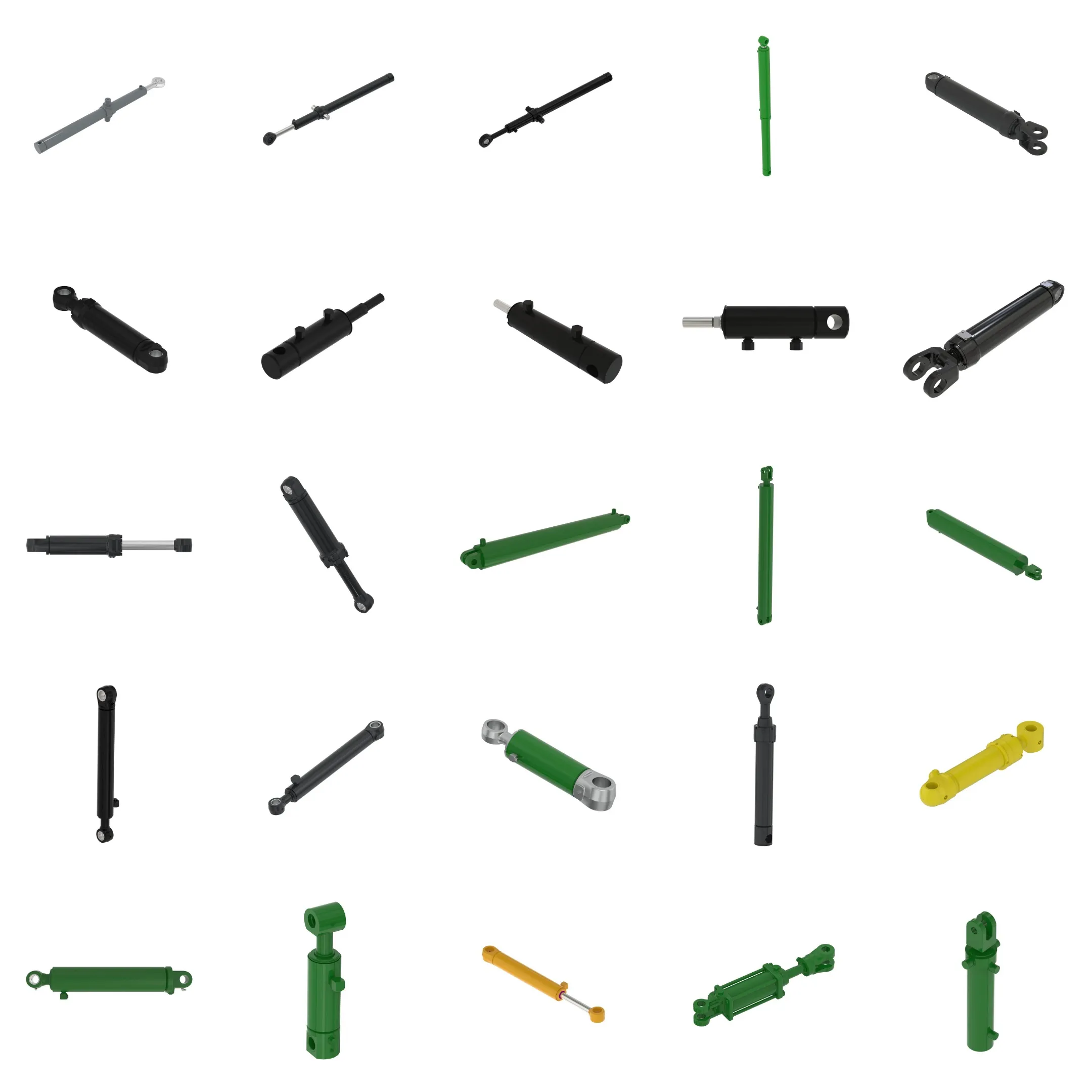
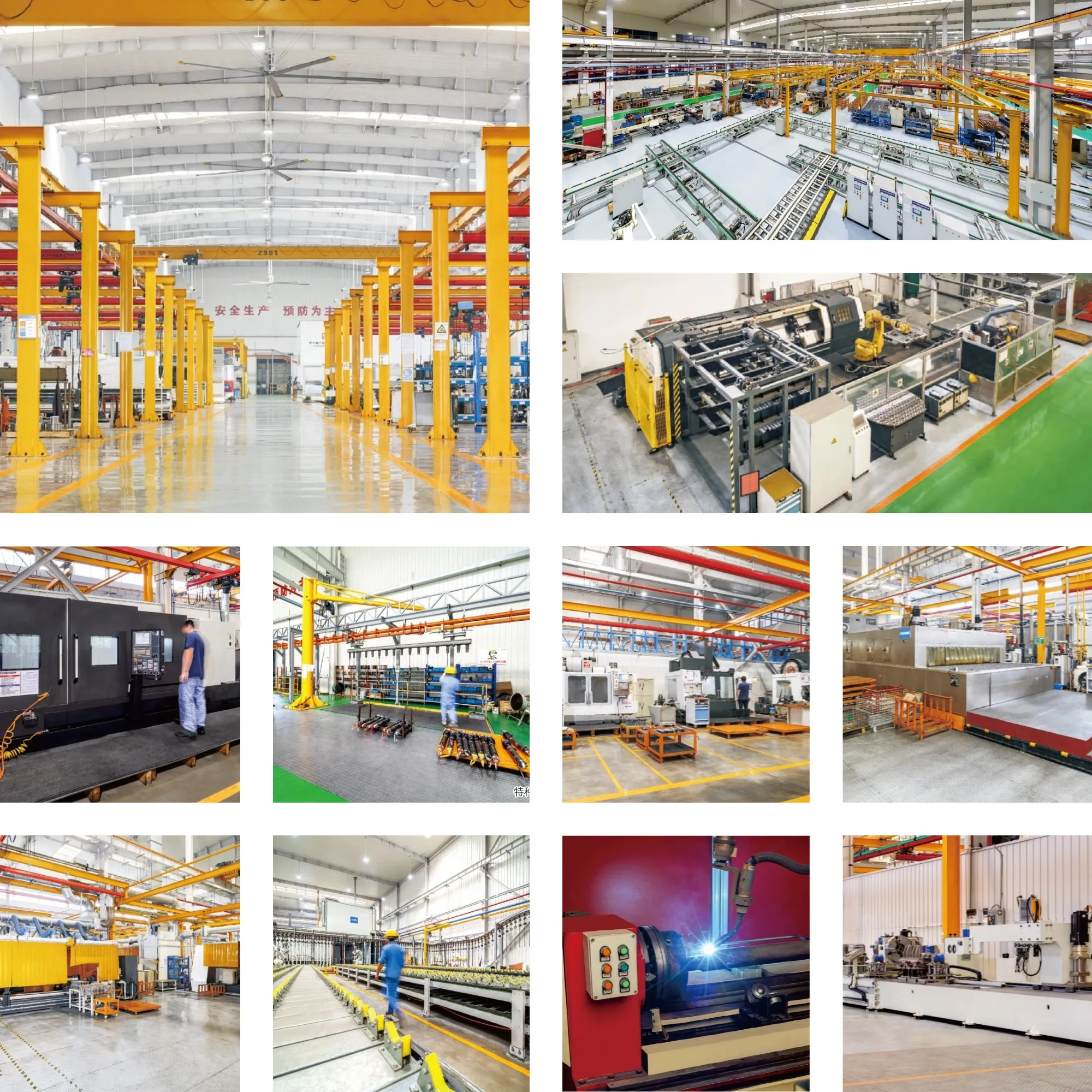
We are a leading manufacturer and wholesale distributor of hydraulic cylinders, offering a wide range of products to meet the needs of our customers. Our company is committed to providing high-quality products, professional expertise, and excellent customer service. We are internationally certified and offer custom services to meet our customers' unique needs. Our production equipment is state-of-the-art, and our after-sales service is second to none.
Author: lyl
Address
Luotuo Industrial Area, Zhenhai District, Ningbo City, China
Tel

 Raydafon