
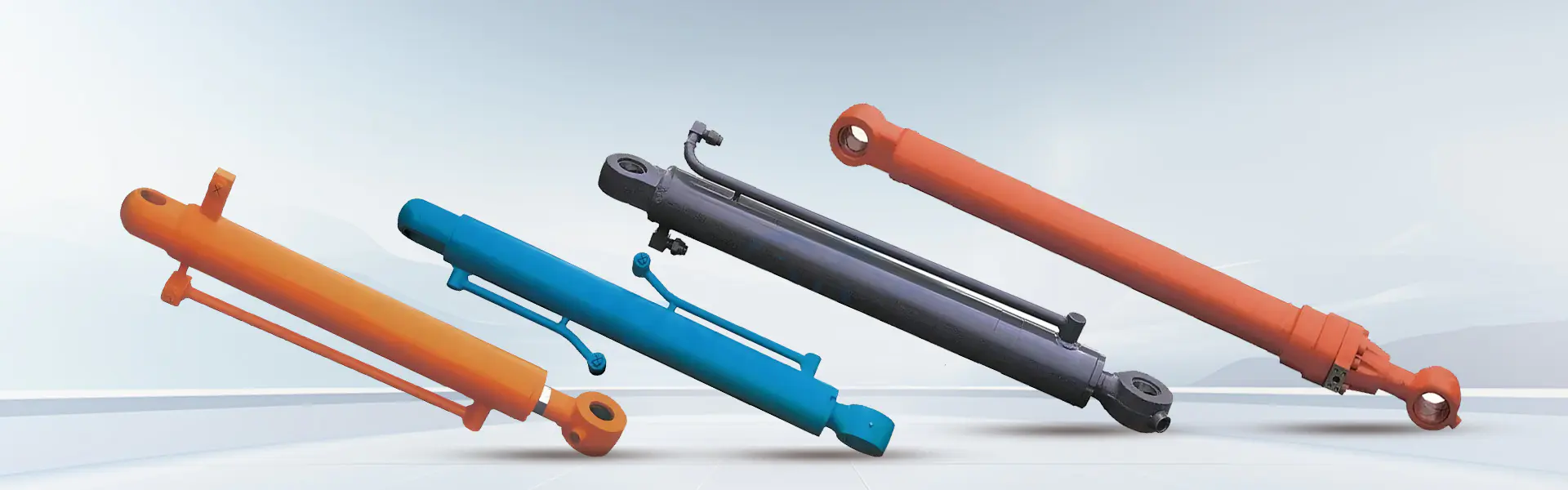
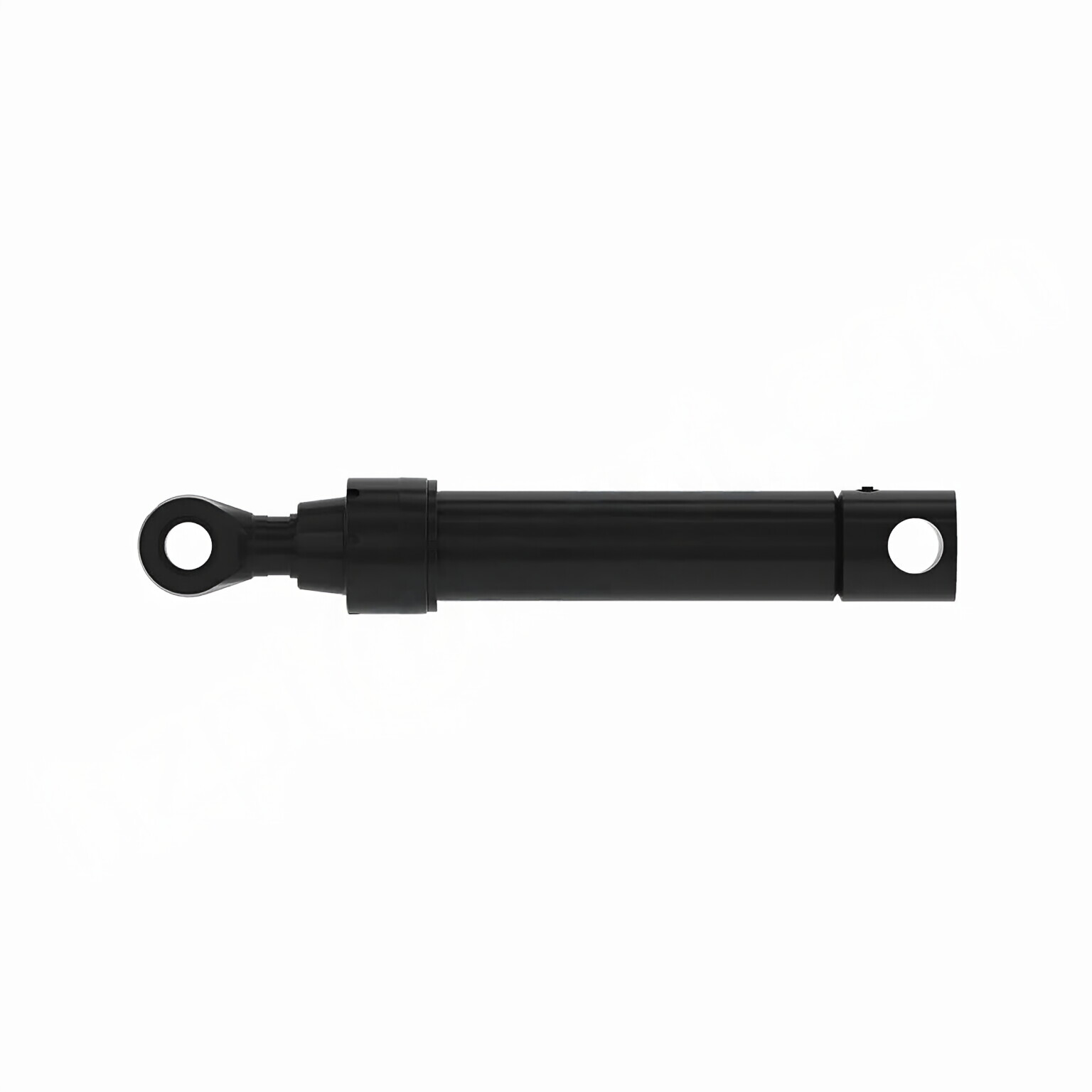
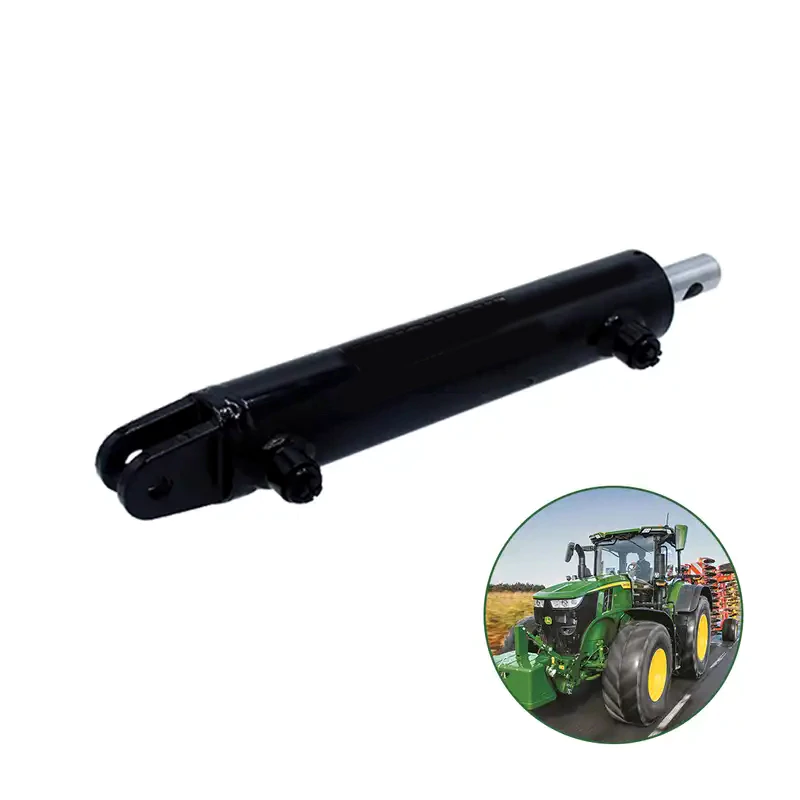
First, let's introduce the product and define what this hydraulic cylinder is and its purpose.
Next, let's explore the applications of this hydraulic cylinder:
Commonly used in construction equipment such as cranes, hoists, and elevators where sturdy fixation of heavy objects is required.
Used in presses where materials are formed under high pressure and require secure fixation during the manufacturing process.
Utilized in stabilizers and jacks for vehicles to ensure safety during maintenance or transportation.
Applied in landing gear systems to securely fix the landing gear in the appropriate position during takeoff and landing.
Now, let's discuss the design considerations and selection criteria for this product:
1. Load-bearing capacity: The hydraulic cylinder should be designed to withstand the specified load requirements.
2. Sealing: Various sealing components, such as piston seals and rod seals, should be used to ensure proper sealing and prevent leakage.
3. Durability: The cylinder body and threaded ends should undergo precise treatment to enhance wear resistance and extend the product's lifespan.
4. Safety: The design should prioritize safety features to prevent accidents during operation.
5. Serviceability: The hydraulic cylinder should be designed for easy maintenance and repair.
Now, let's discuss the sealing and lubrication of the product:
The hydraulic cylinder utilizes various sealing components such as piston seals and rod seals, which are made of durable materials like polyurethane and nitrile rubber to ensure resistance to wear. The cylinder body and threaded ends undergo precise treatment to enhance wear resistance. Regular lubrication with the appropriate amount of hydraulic oil is necessary to ensure smooth operation.
Next, let's outline the recommended inspection and preventive maintenance measures:
Now, let's discuss the safety considerations and environmental factors:
When using the hydraulic cylinder, it is crucial to follow safety measures to prevent accidents and ensure the well-being of personnel. Adhering to proper safety protocols during operation is of utmost importance.
Now, let's address potential troubleshooting and common issues:
1. Issue: Leakage
Solution: Inspect the seals and replace them if necessary. Ensure proper tightening of connections.
2. Issue: Cylinder not extending or retracting properly
Solution: Check for any obstructions or damage to the cylinder. Lubricate the moving parts if needed.
3. Issue: Excessive noise during operation
Solution: Verify that all connections are secure and properly tightened. Check for any loose or damaged components.
For more detailed troubleshooting guidance and solutions, refer to the product manual.
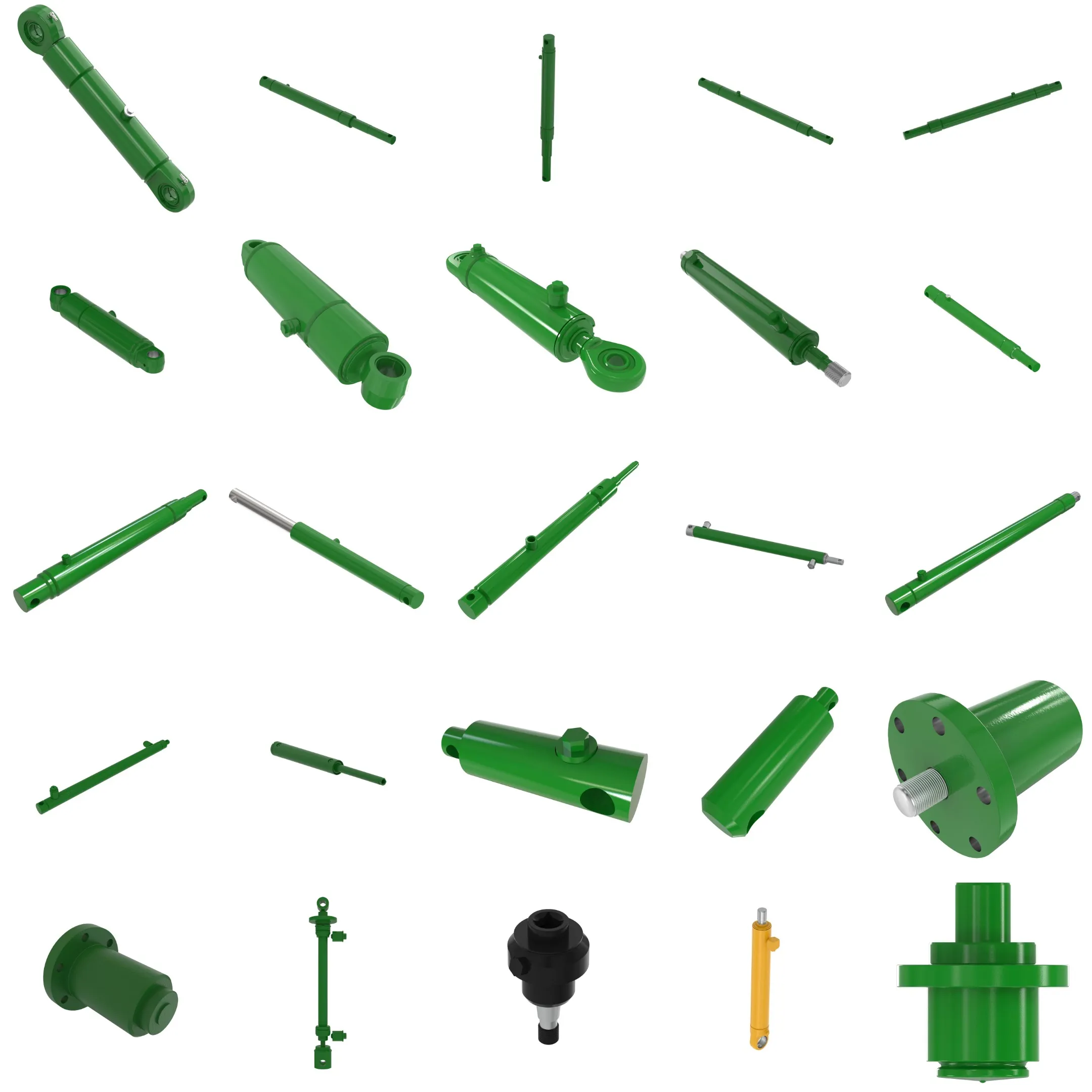
Let's provide a correct installation guide for the product:
1. Ensure the mounting surface is clean and free of any debris.
2. Align the hydraulic cylinder with the mounting holes.
3. Insert the appropriate fasteners and tighten them securely.
4. Check for proper alignment and smooth operation before putting the cylinder into use.
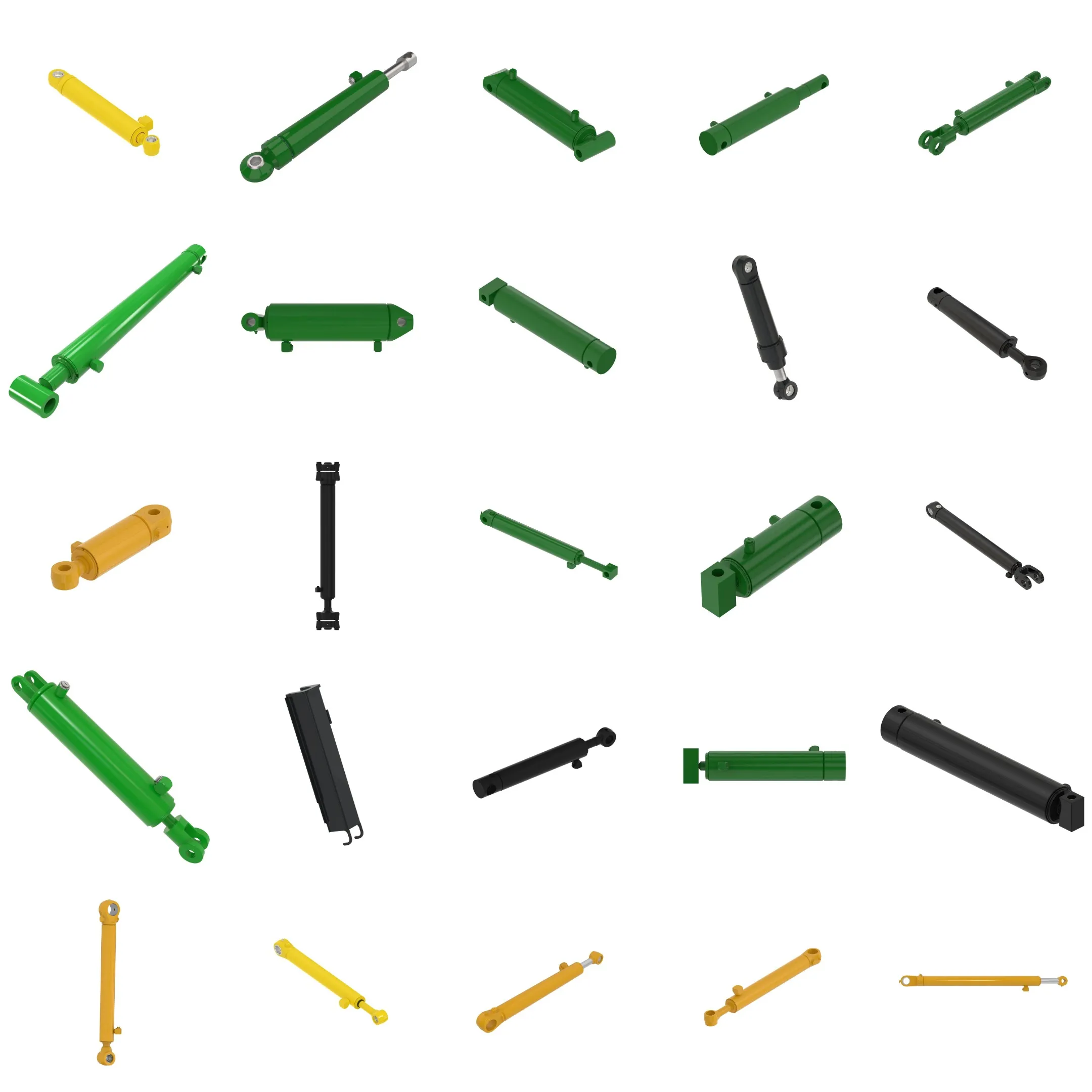
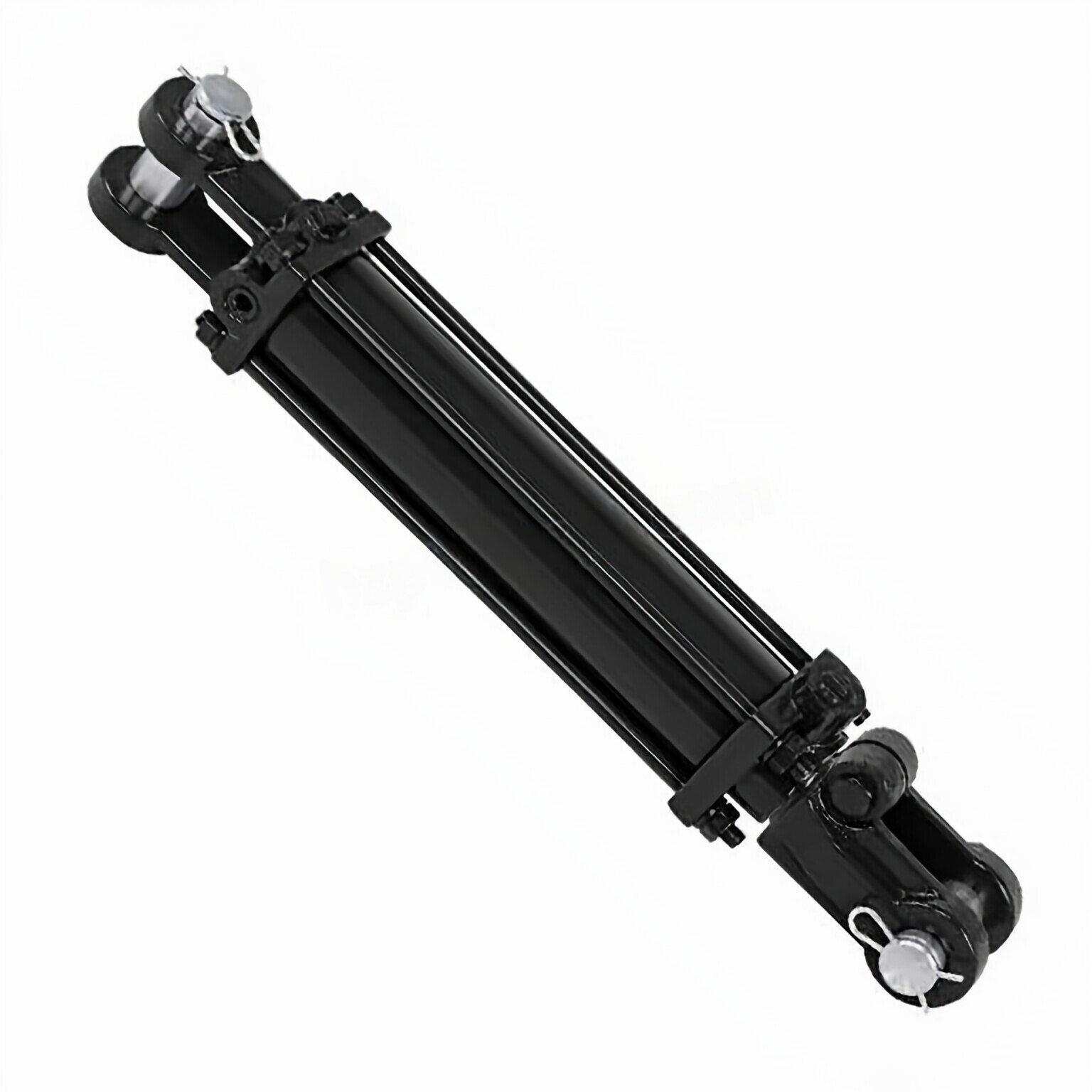
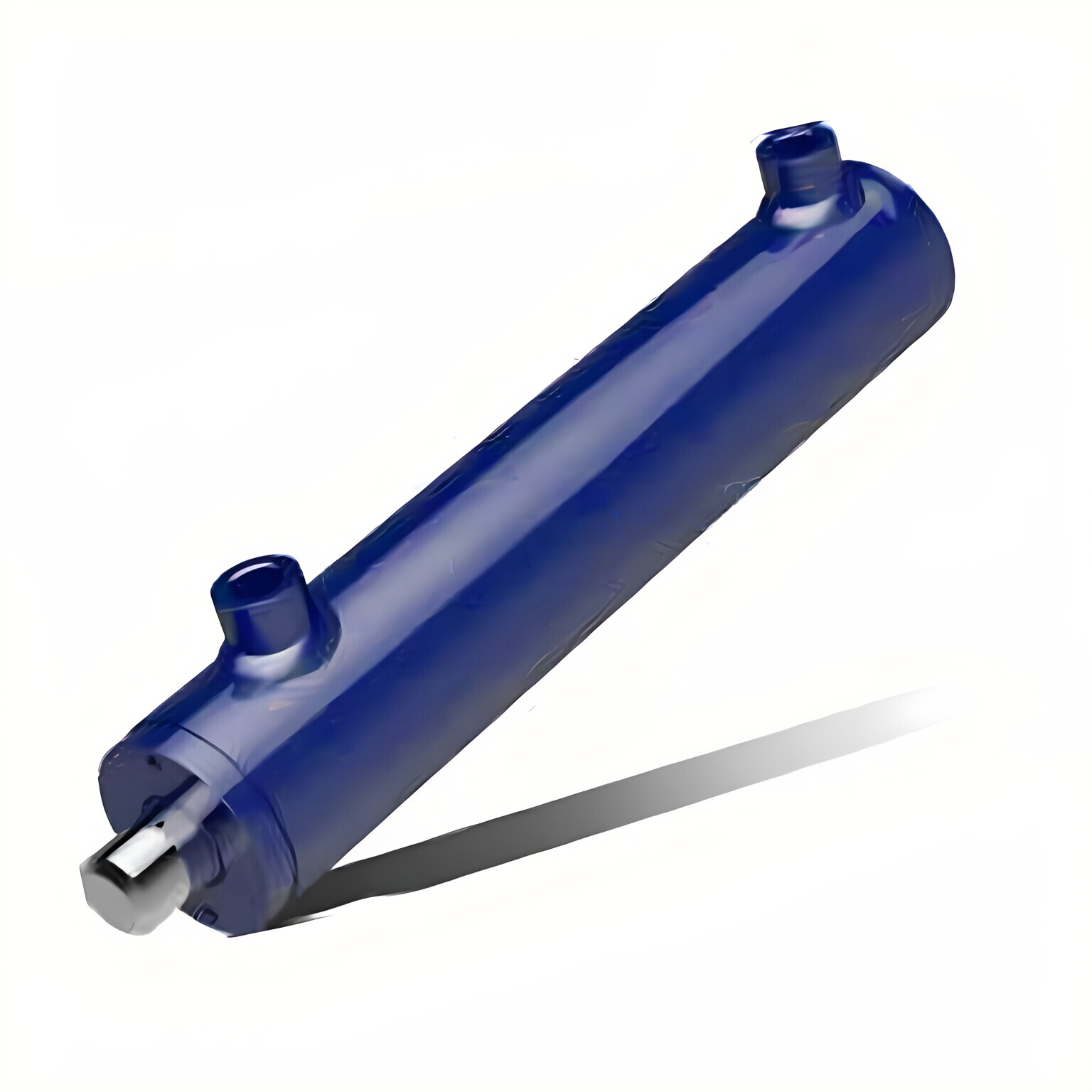
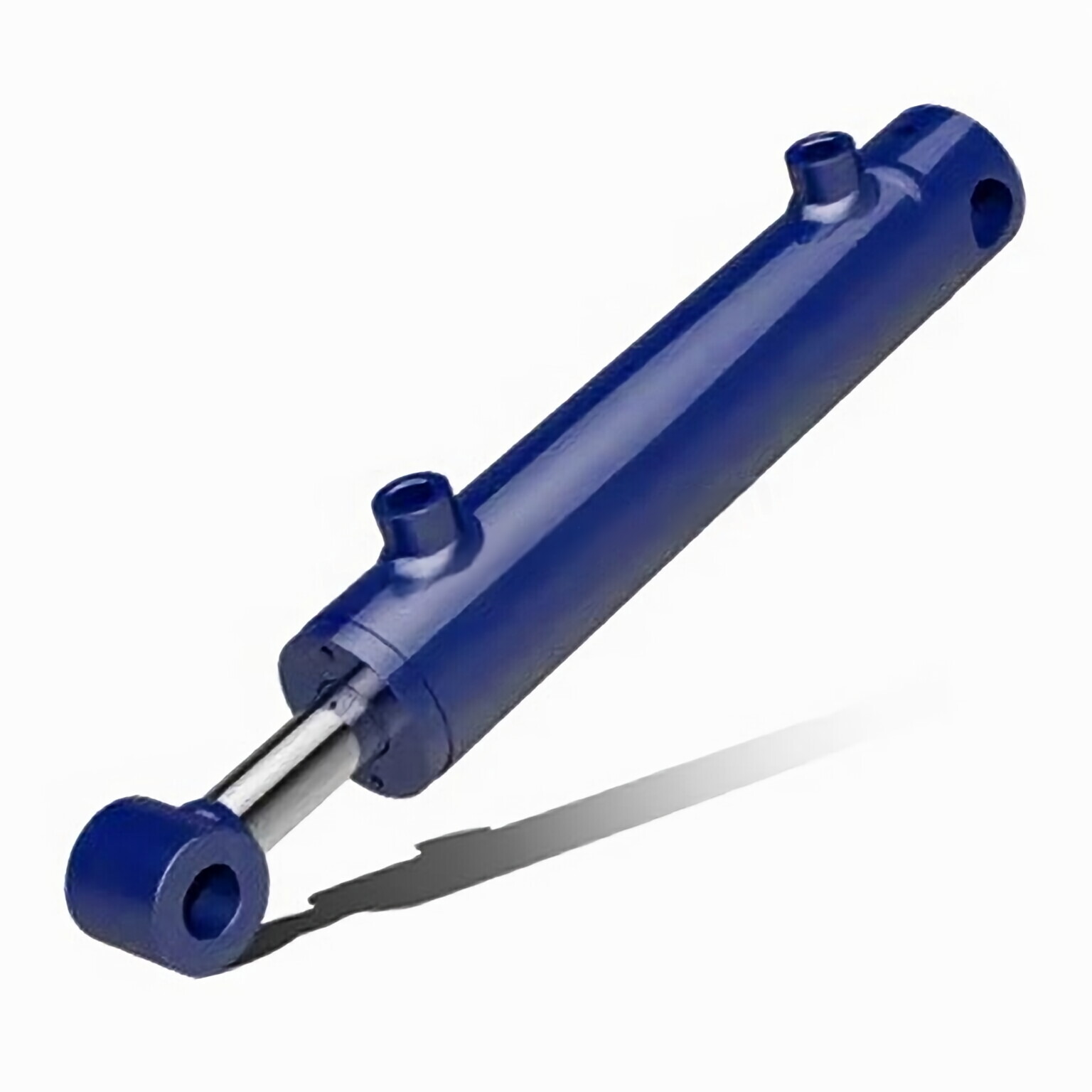
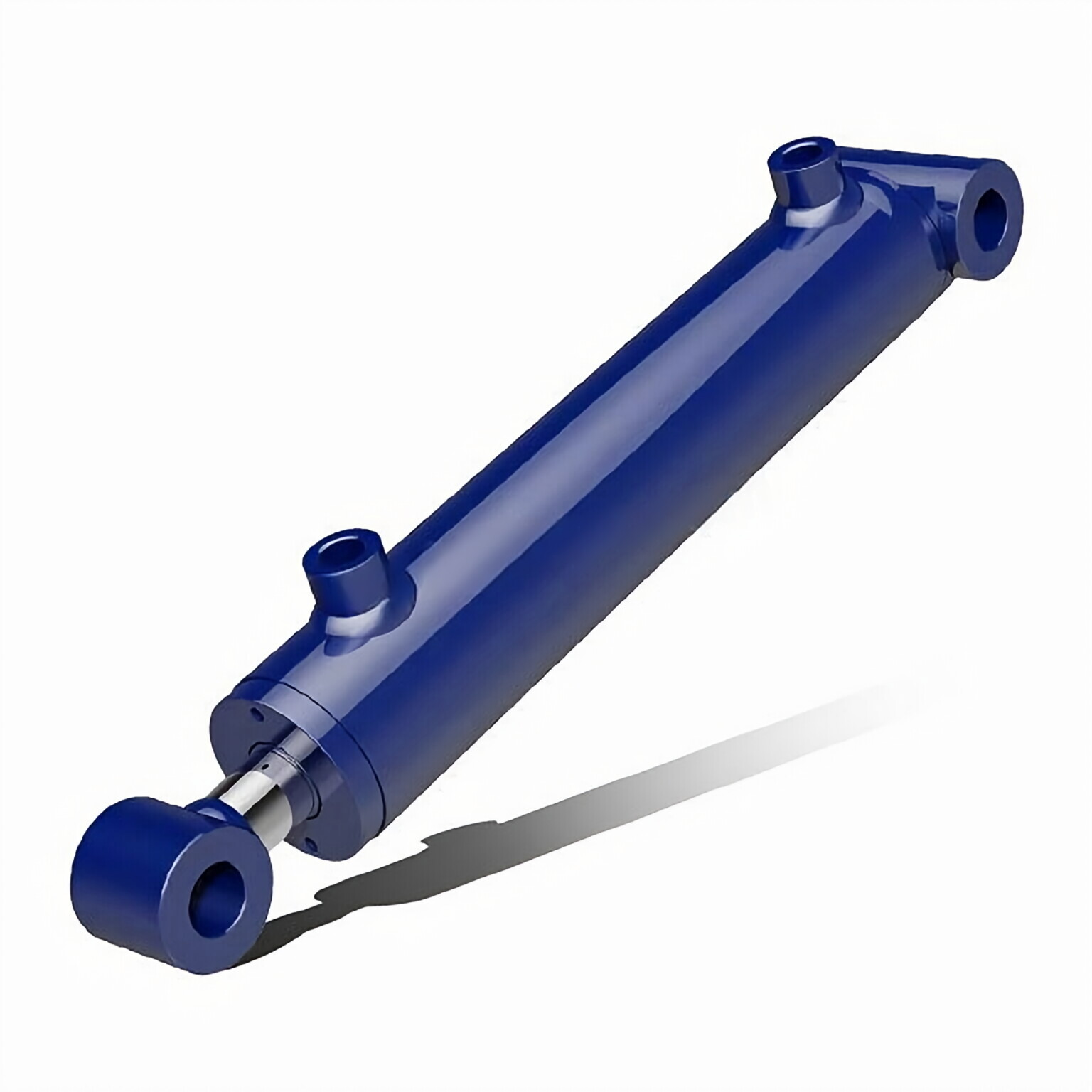
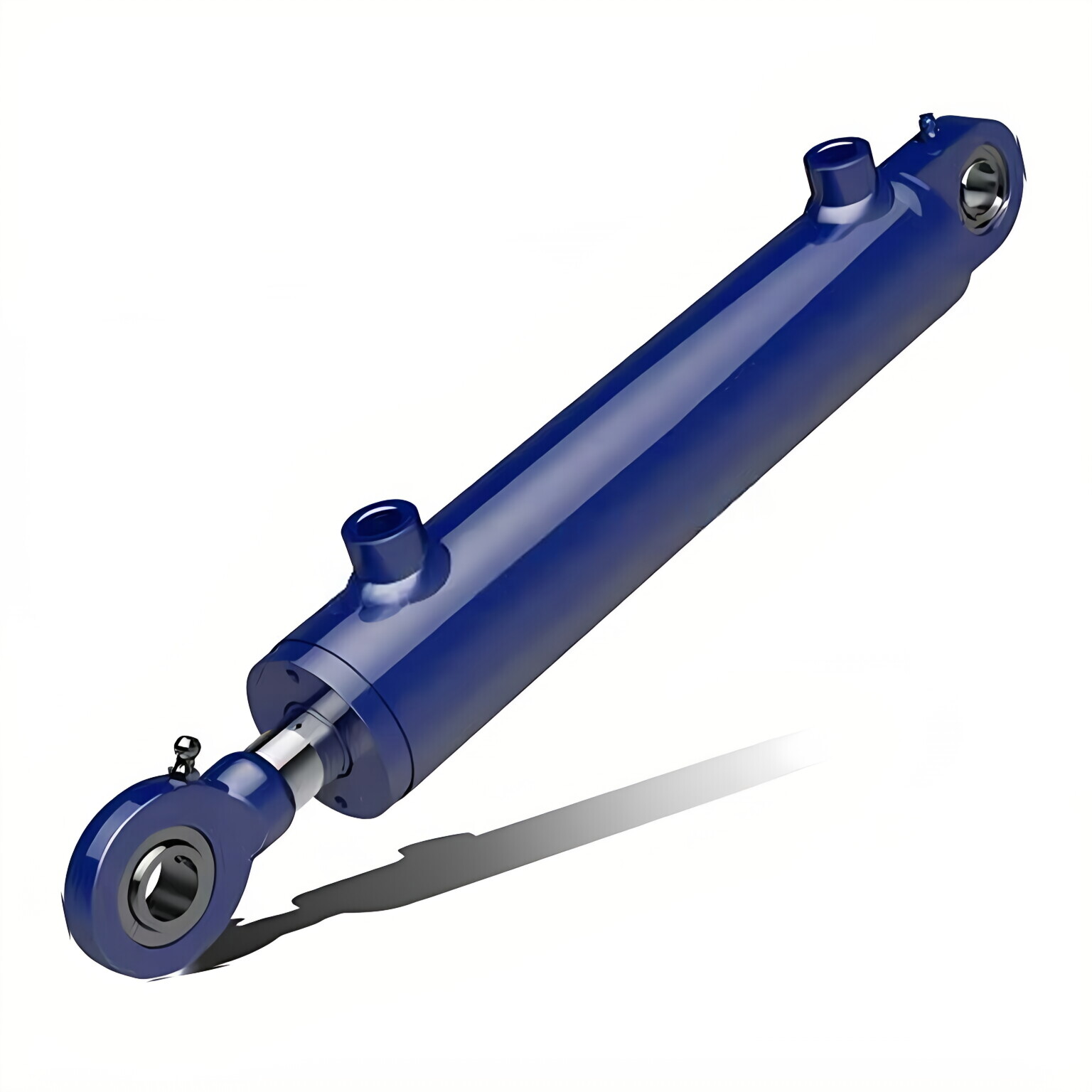
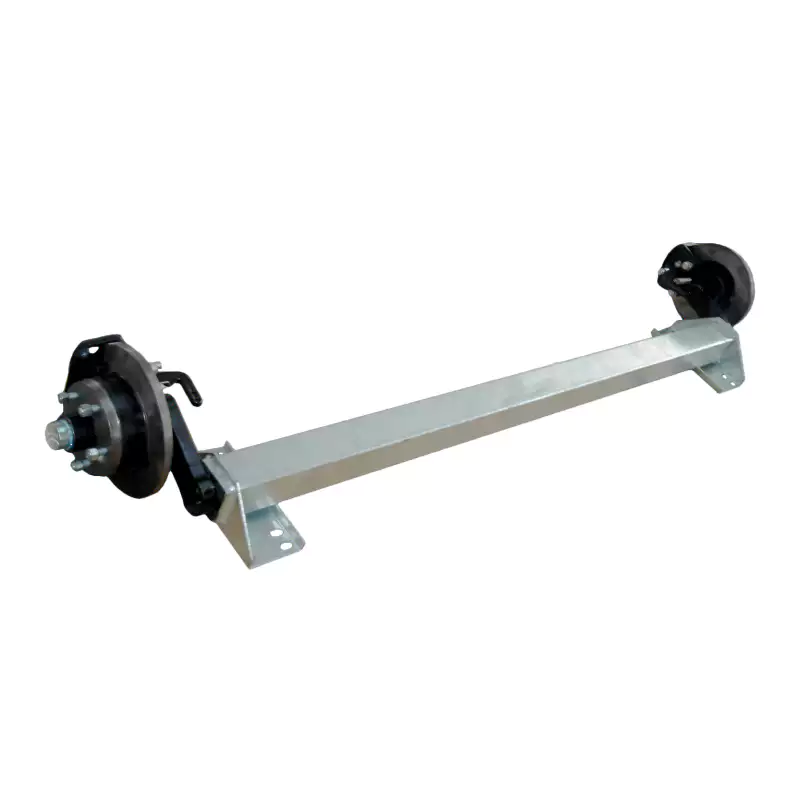
For a visual representation of the product, refer to the image below:
Finally, let's highlight our company:
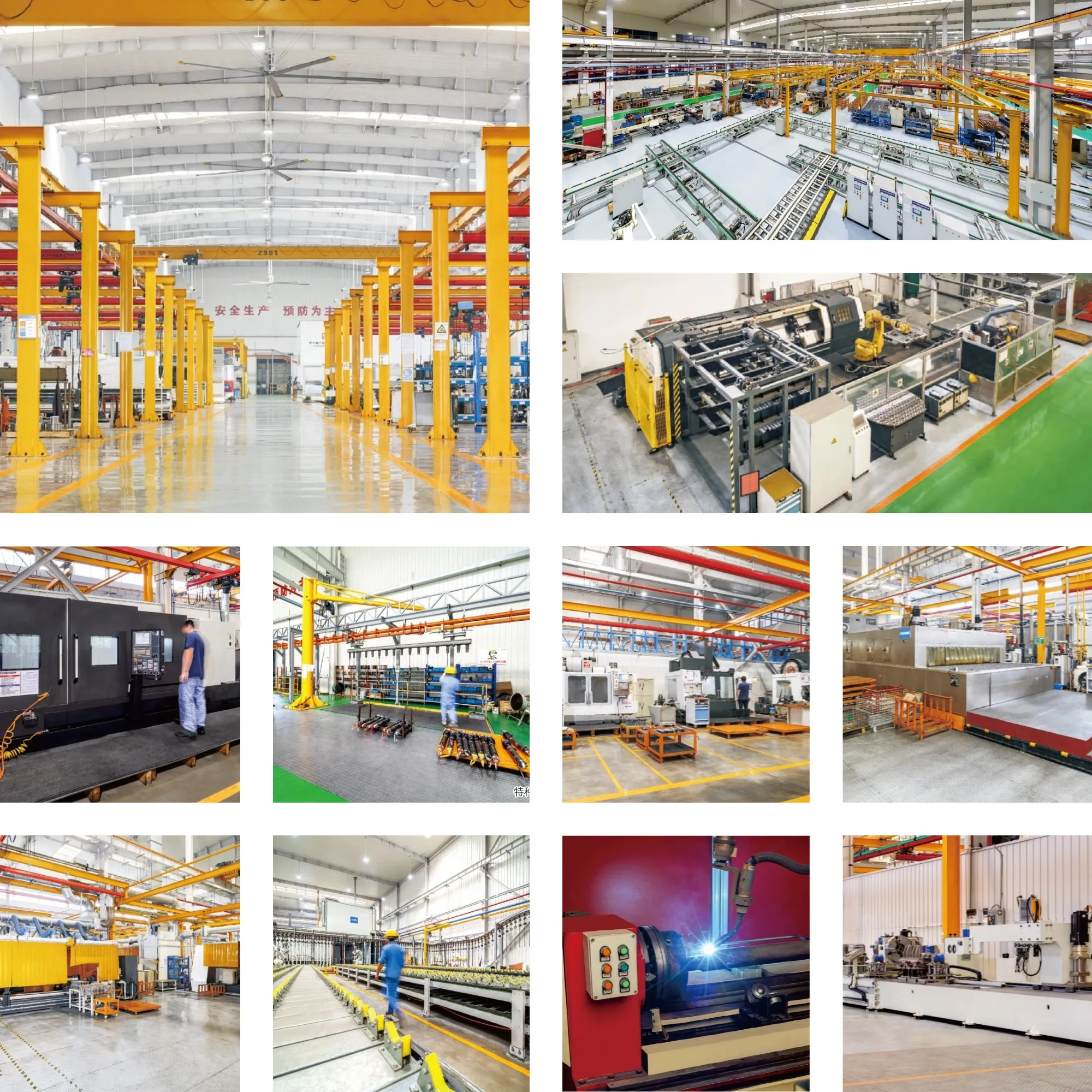
We are a leading manufacturer and wholesale distributor of replacement hydraulic cylinders. Our company offers a wide range of products and has become a prominent player in both domestic and international markets.
Key points about our company:
Author: lyl
Address
Luotuo Industrial Area, Zhenhai District, Ningbo City, China
Tel

 Raydafon