
Introduction:
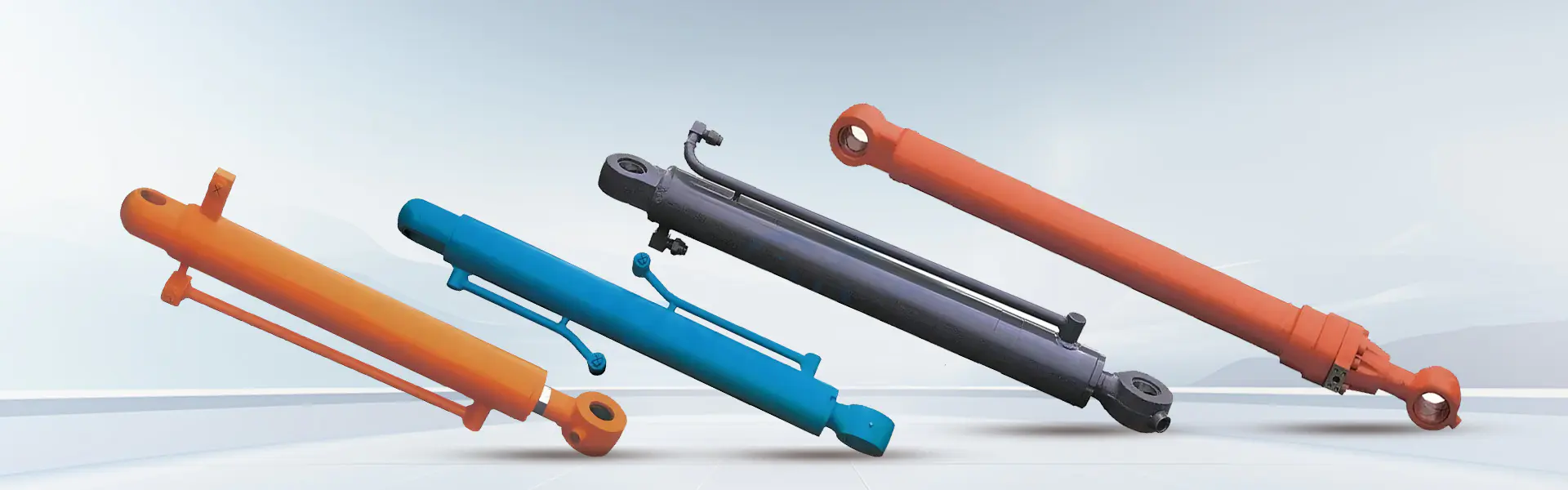
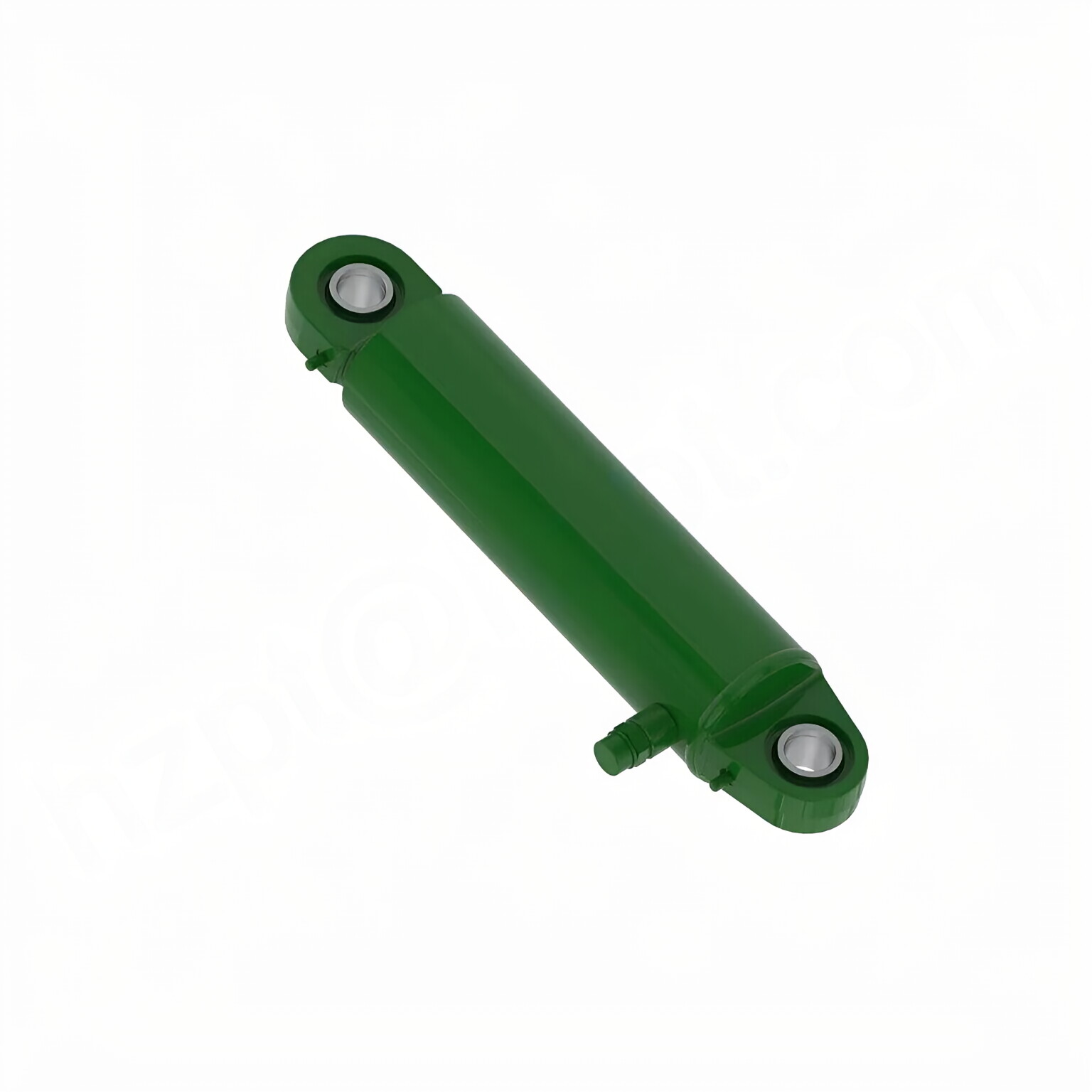
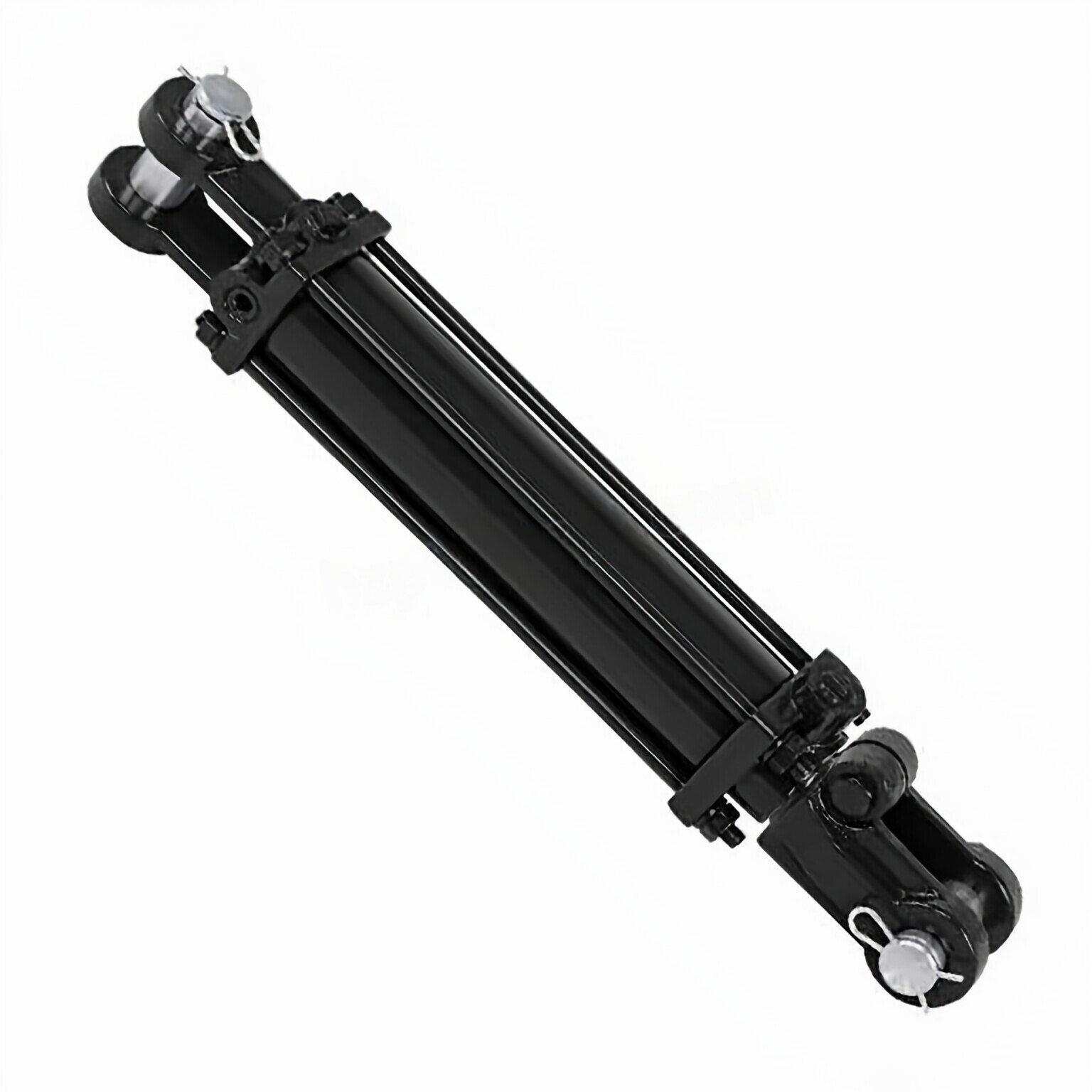
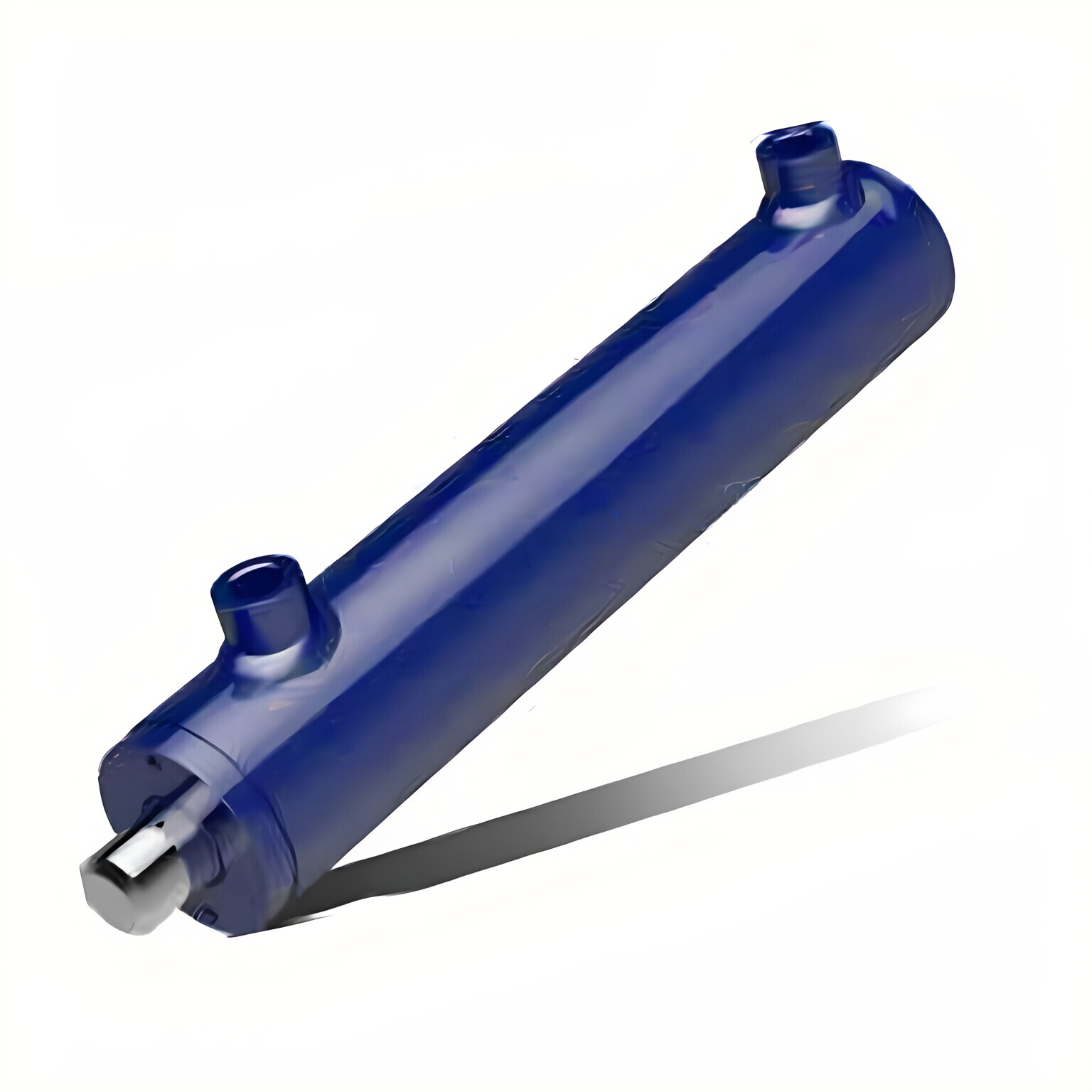
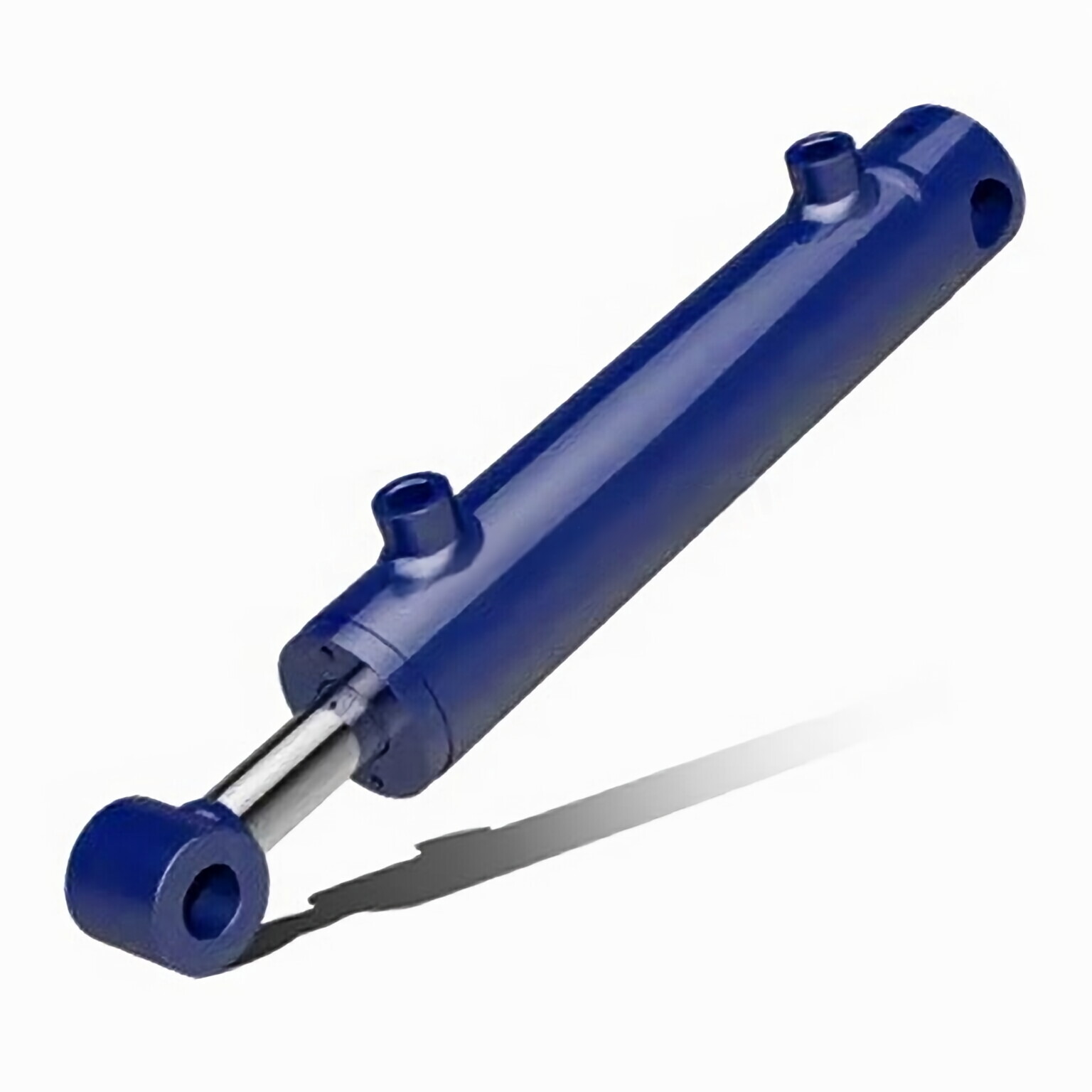
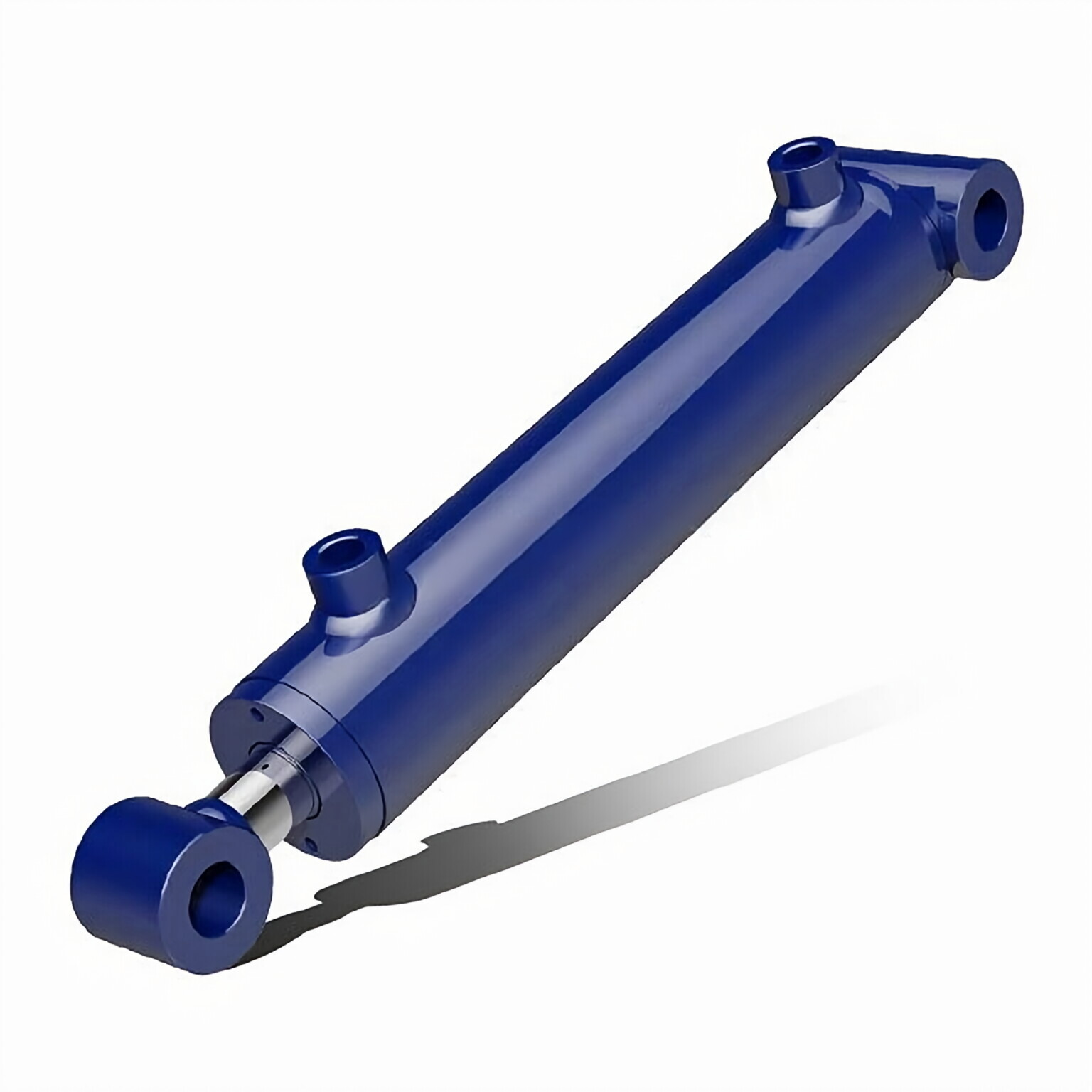
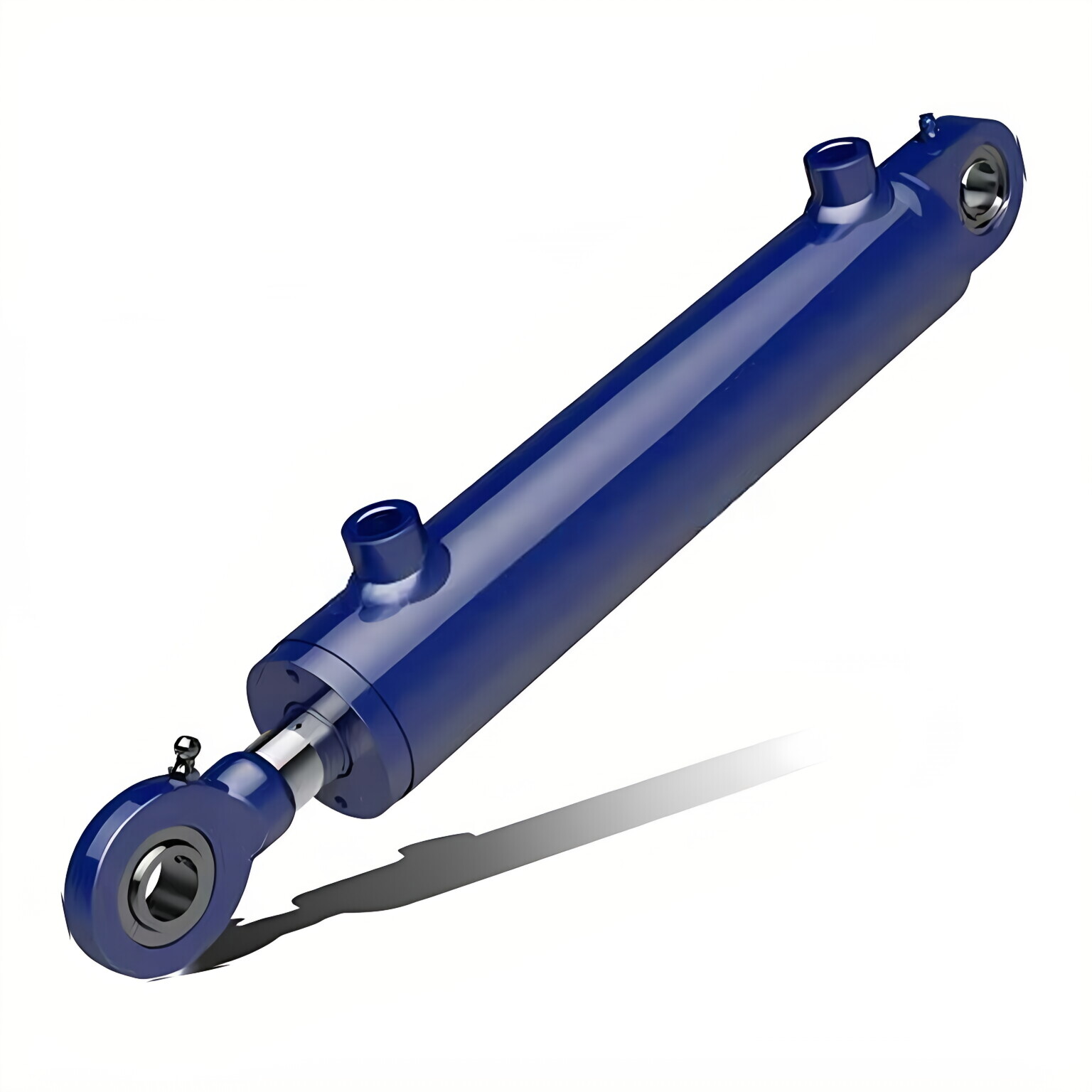
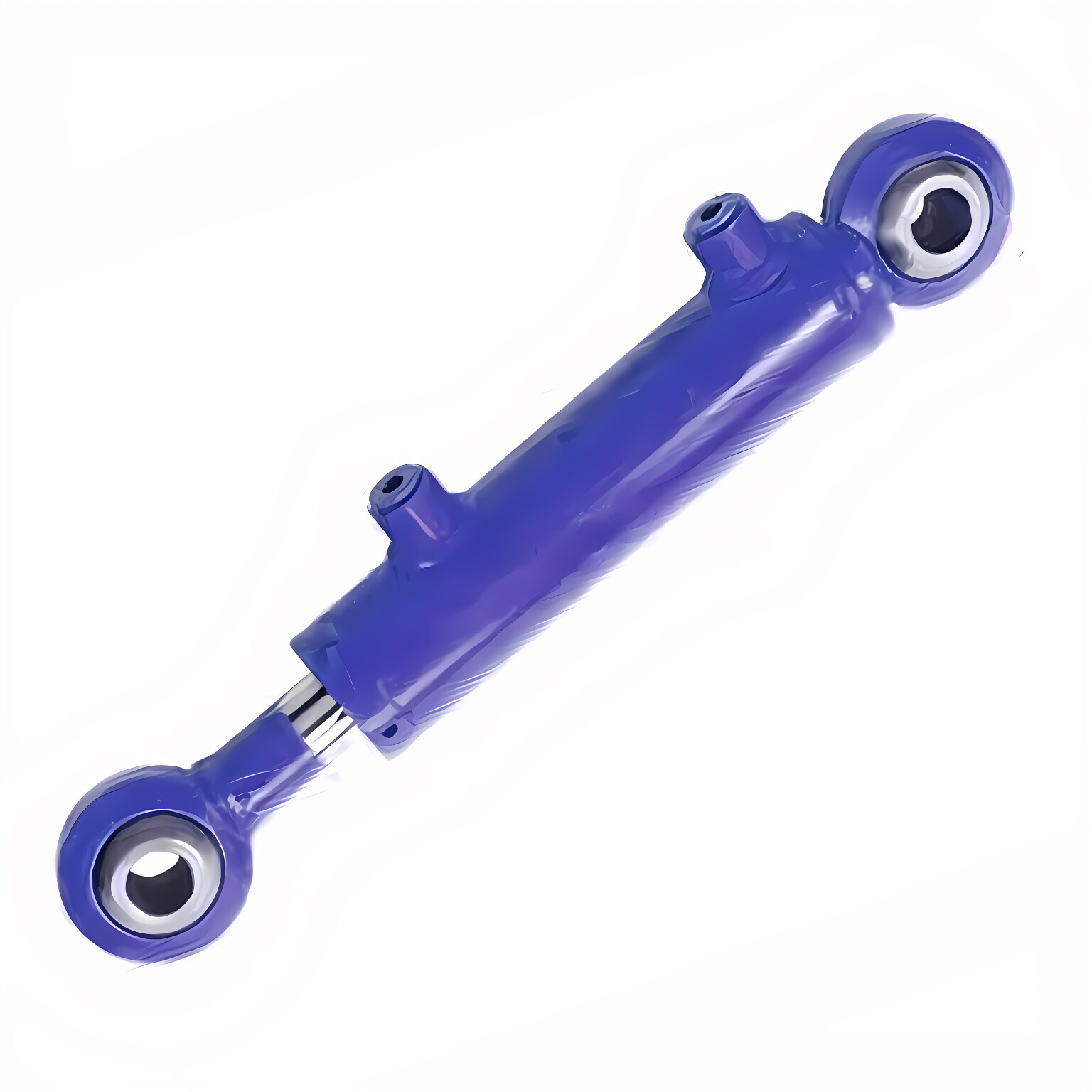
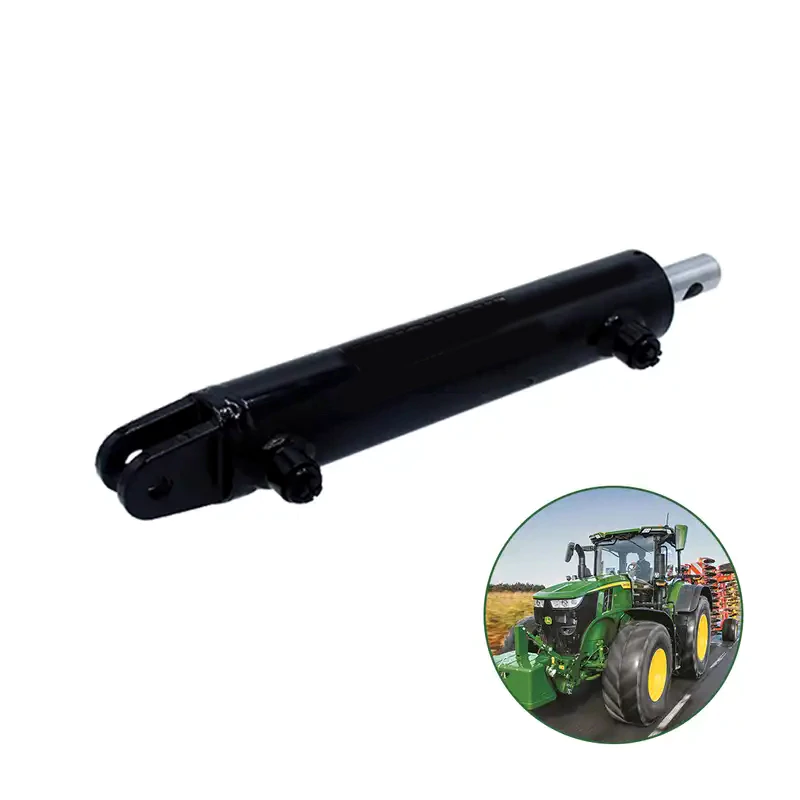
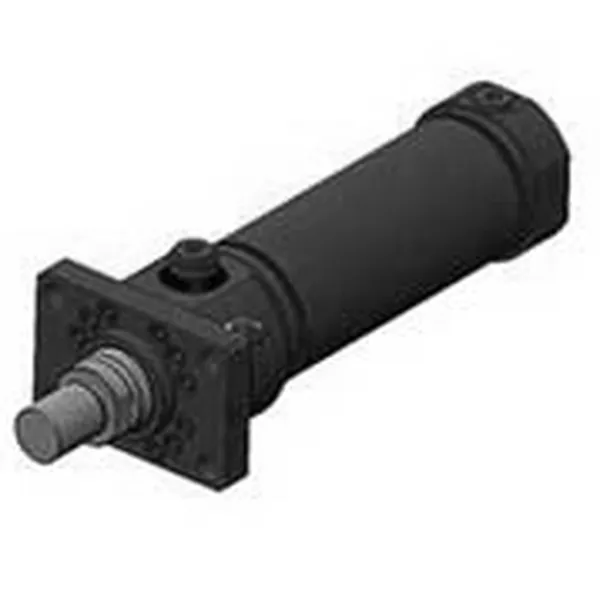
The Replacement Of John Deere AL213025 Hydraulic Cylinder is a crucial component in various machinery and equipment. It is designed to provide reliable and efficient hydraulic power, ensuring the smooth operation of heavy-duty applications. This hydraulic cylinder plays a significant role in lifting, securing, and stabilizing heavy loads in construction, manufacturing, transportation, and aviation industries.
Our hydraulic cylinders are manufactured to the highest standards, ensuring they are a perfect replacement for the mentioned models. With our expertise and commitment to quality, we can provide reliable hydraulic cylinders that meet and exceed your expectations.
1. Construction: These hydraulic cylinders are commonly used in cranes, hoists, and elevators, where secure and stable fixation of heavy objects is required.
2. Manufacturing: Used in hydraulic presses, these cylinders provide the necessary pressure for shaping materials under high pressure, requiring a secure fix during the process.
3. Transportation: These cylinders are utilized in stabilizers and jacks for vehicles, ensuring safety during maintenance or transportation.
4. Aviation: Used in landing gear systems, these cylinders securely fix the landing gear in the appropriate position during takeoff and landing.
When designing and selecting hydraulic cylinders, several factors are crucial:
The hydraulic cylinders are designed to withstand heavy loads and provide reliable lifting capabilities. The load-bearing capacity is carefully calculated to ensure safe and efficient operation.
Our hydraulic cylinders incorporate various sealing components, such as piston seals and rod seals, made from durable materials like polyurethane and nitrile rubber. These seals ensure proper containment of hydraulic fluids and prevent leakage.
The cylinder body and threaded ends are precisely engineered and undergo meticulous surface treatment to enhance wear resistance. This ensures the hydraulic cylinders are highly durable and can withstand harsh operating conditions.
Our hydraulic cylinders are designed with safety in mind. They undergo rigorous testing to comply with international safety standards, ensuring reliable and secure operation.
Proper lubrication is crucial for the smooth operation of hydraulic cylinders. Regularly replenishing the hydraulic oil and using appropriate lubricants helps to extend the lifespan of the cylinders. Additionally, periodic inspections and preventive maintenance measures are essential to detect potential issues before they escalate.
1. Before installation, ensure that the hydraulic cylinder matches the specifications of the original cylinder.
2. Align the cylinder properly with the mounting brackets or supports, following the manufacturer's instructions.
3. Securely fasten the cylinder using appropriate mounting brackets or supports to ensure stability during operation.
4. Connect the hydraulic hoses or fittings according to the hydraulic system's layout. Ensure proper sealing to prevent leaks.
5. Test the hydraulic cylinder for proper operation and make any necessary adjustments.
Regular maintenance tasks for hydraulic cylinders include:
1. Regular inspections to detect any signs of wear, leaks, or damage.
2. Proper lubrication of all moving parts to ensure smooth operation.
3. Replacement of worn-out seals or other components as needed.
It is important to emphasize the significance of correct installation, lubrication, and adjustment procedures. Providing alignment guidance during installation, recommending the use of appropriate mounting brackets for securing the cylinder, and suggesting inspection, repair, and replacement procedures all contribute to maximizing the lifespan of the hydraulic cylinder.
When working with hydraulic cylinders, it is crucial to prioritize safety measures to prevent accidents and ensure operator well-being. Adhering to safety protocols, such as using protective gear and following proper procedures, is of utmost importance to avoid injuries and maintain a safe working environment.
1. Problem: Hydraulic cylinder fails to extend or retract.
Solution: Check for any blockages or restrictions in the hydraulic lines or valves. Ensure that the hydraulic fluid levels are sufficient and the system is properly pressurized.
2. Problem: Excessive leakage from the hydraulic cylinder.
Solution: Inspect the seals and replace any damaged or worn-out seals. Verify that all connections are properly tightened.
3. Problem: Irregular movement or jerking motion of the hydraulic cylinder.
Solution: Check for any obstructions or misalignments in the mechanical components. Lubricate all moving parts and ensure that they are operating smoothly.
By following these troubleshooting tips, readers can effectively diagnose and resolve common issues related to hydraulic cylinders. It is also advisable to implement preventive measures to minimize potential problems.
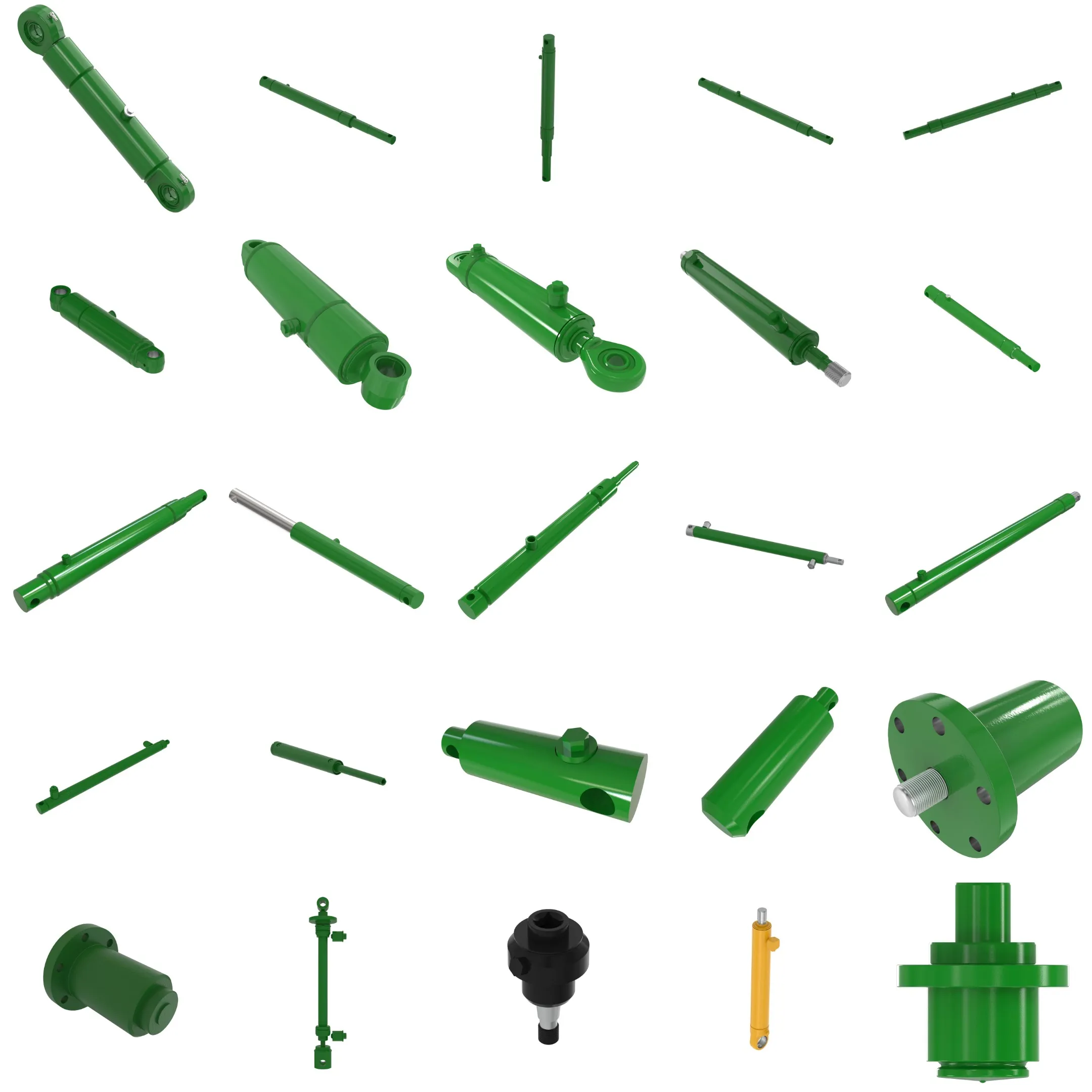
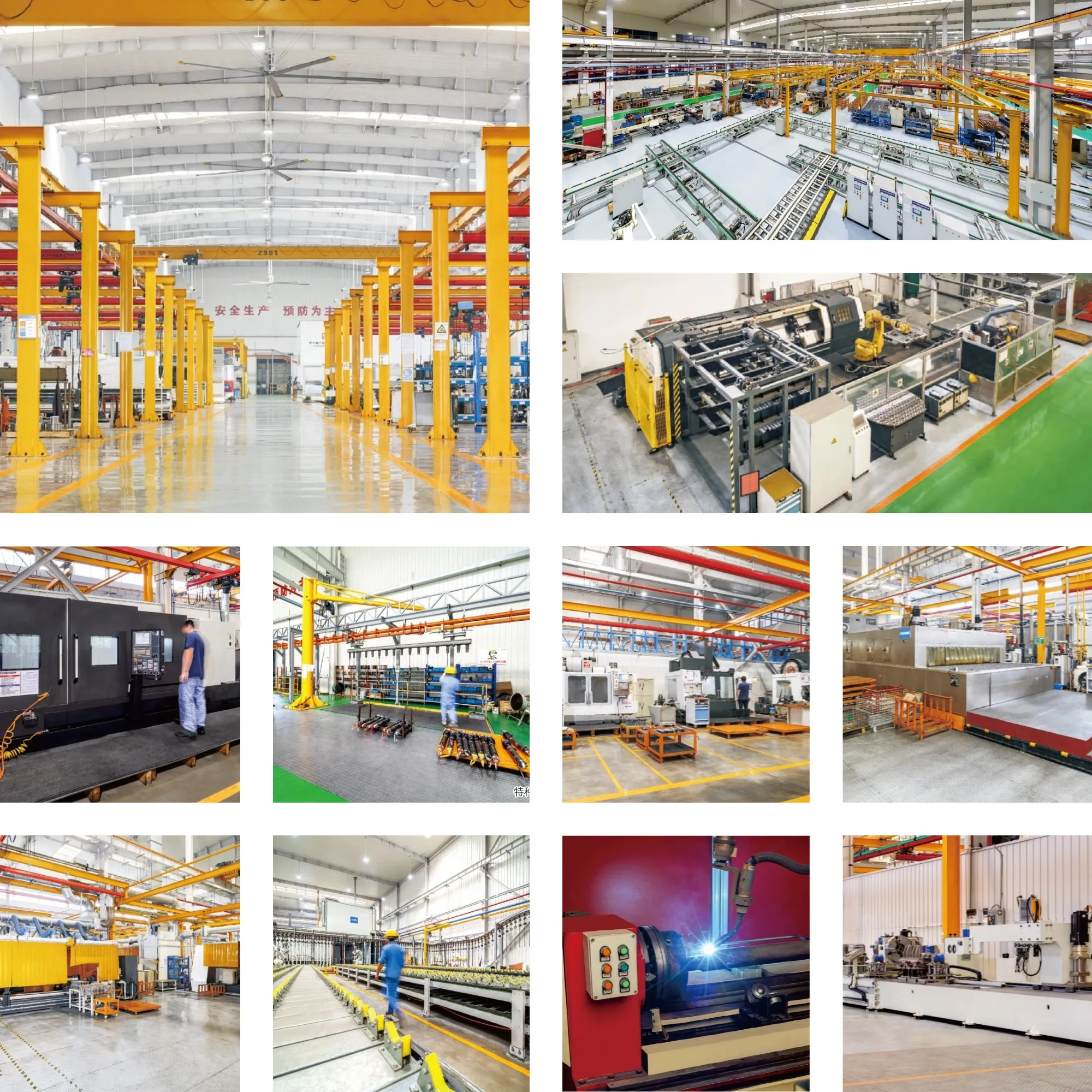
We are a leading manufacturer and wholesale distributor of hydraulic cylinders, offering a wide range of high-quality products. With our comprehensive product selection, we have become a trusted supplier in both domestic and international markets. We pride ourselves on our professionalism, international certifications, customized services, advanced production equipment, and exceptional customer support.
Author: lyl
Address
Luotuo Industrial Area, Zhenhai District, Ningbo City, China
Tel

 Raydafon