
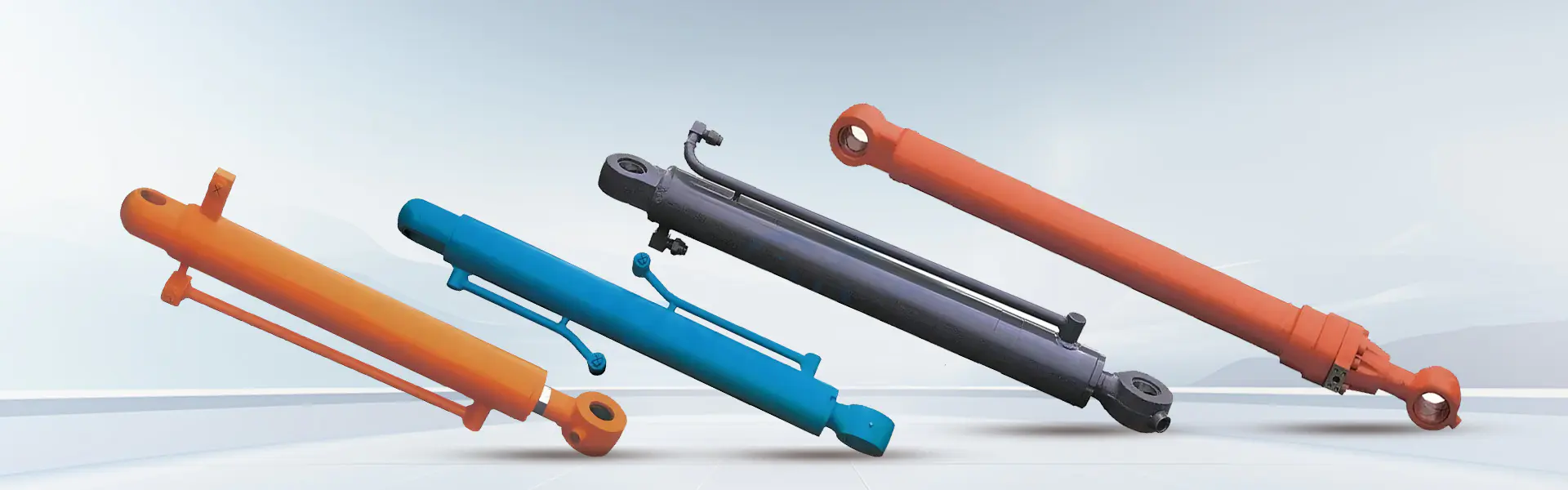
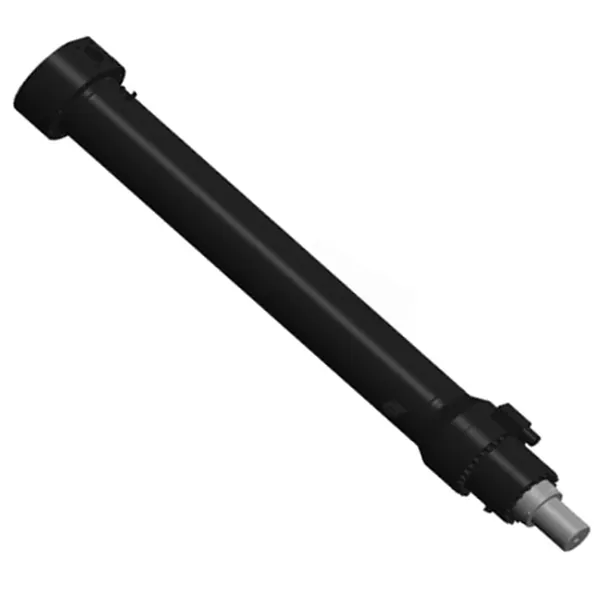
Trailing Suction Dredger Heave Compensation Cylinder
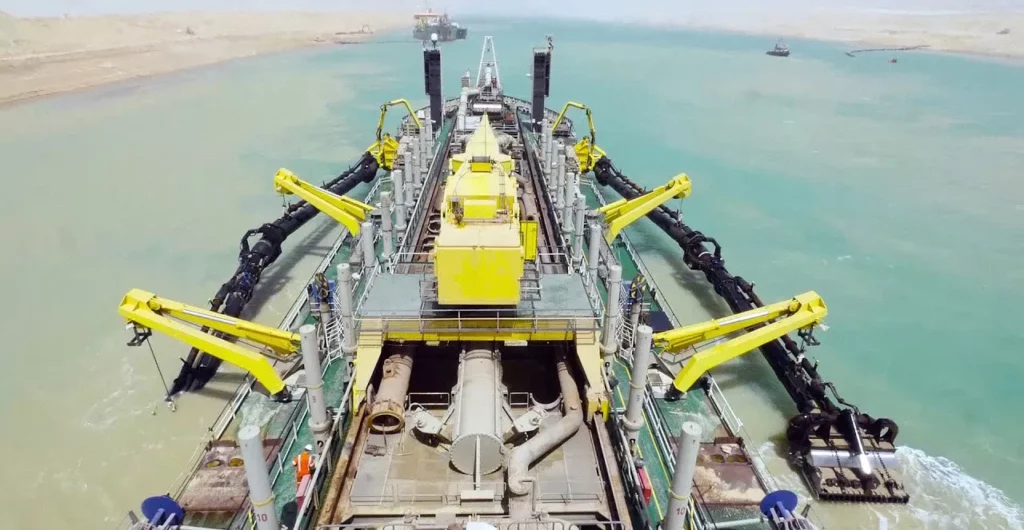
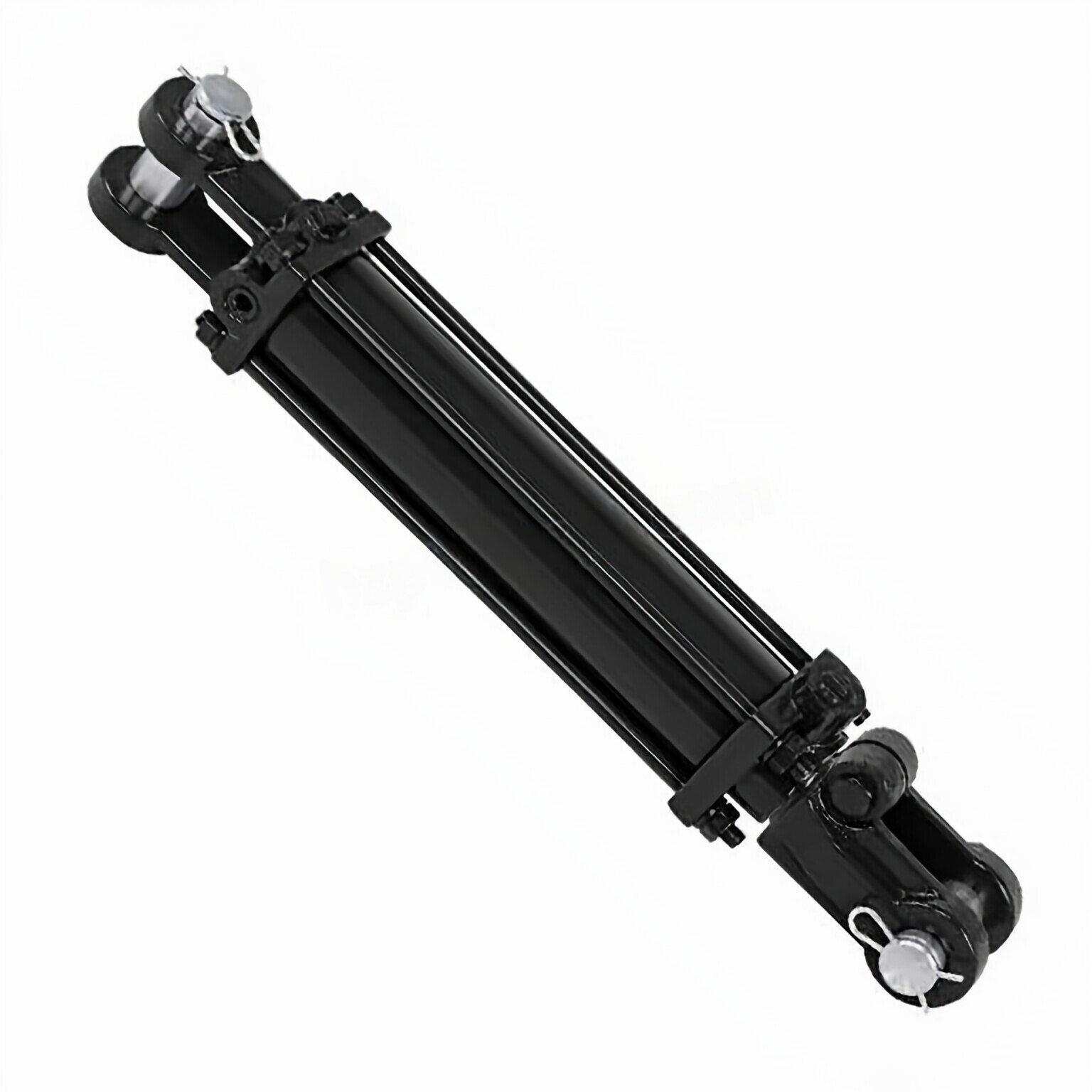
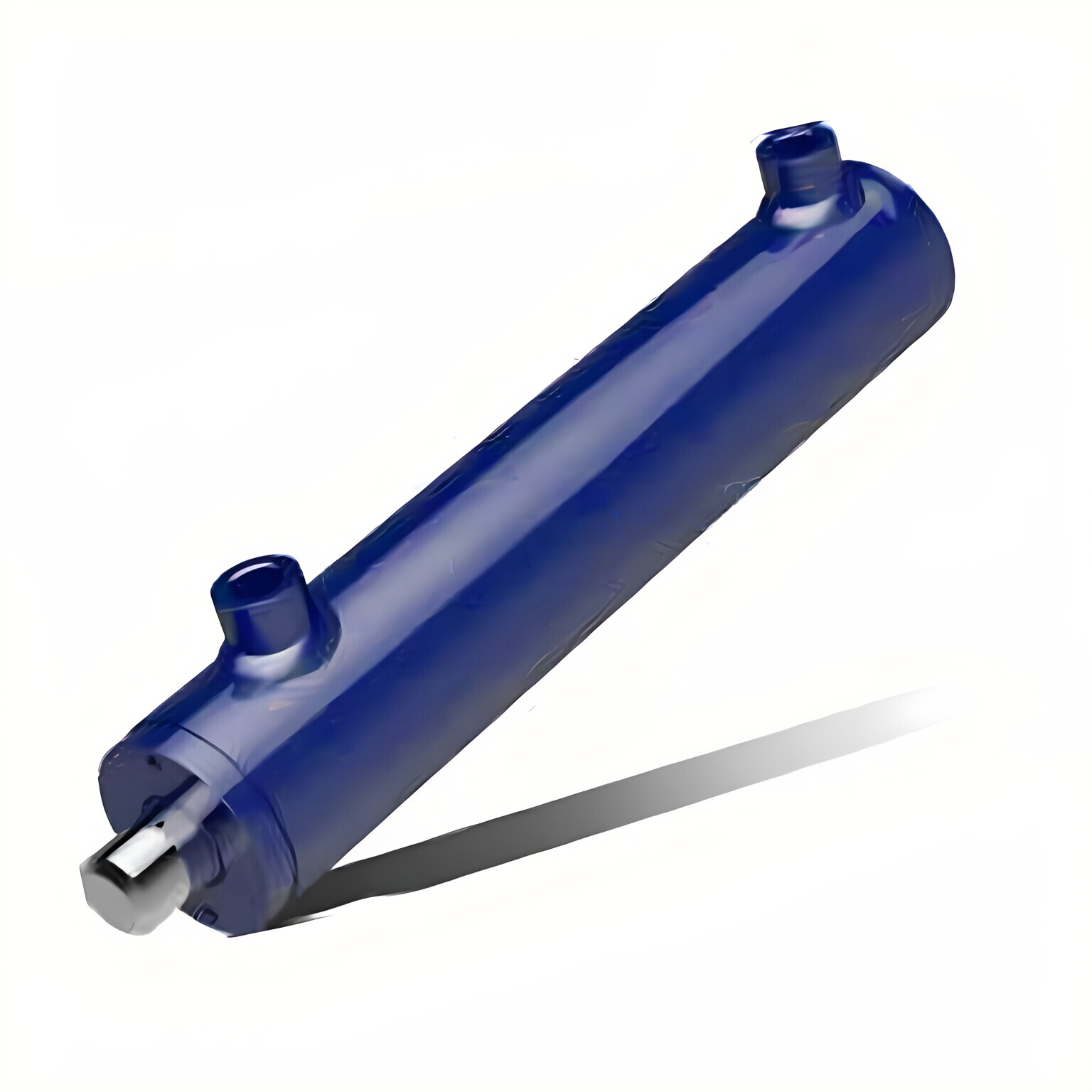
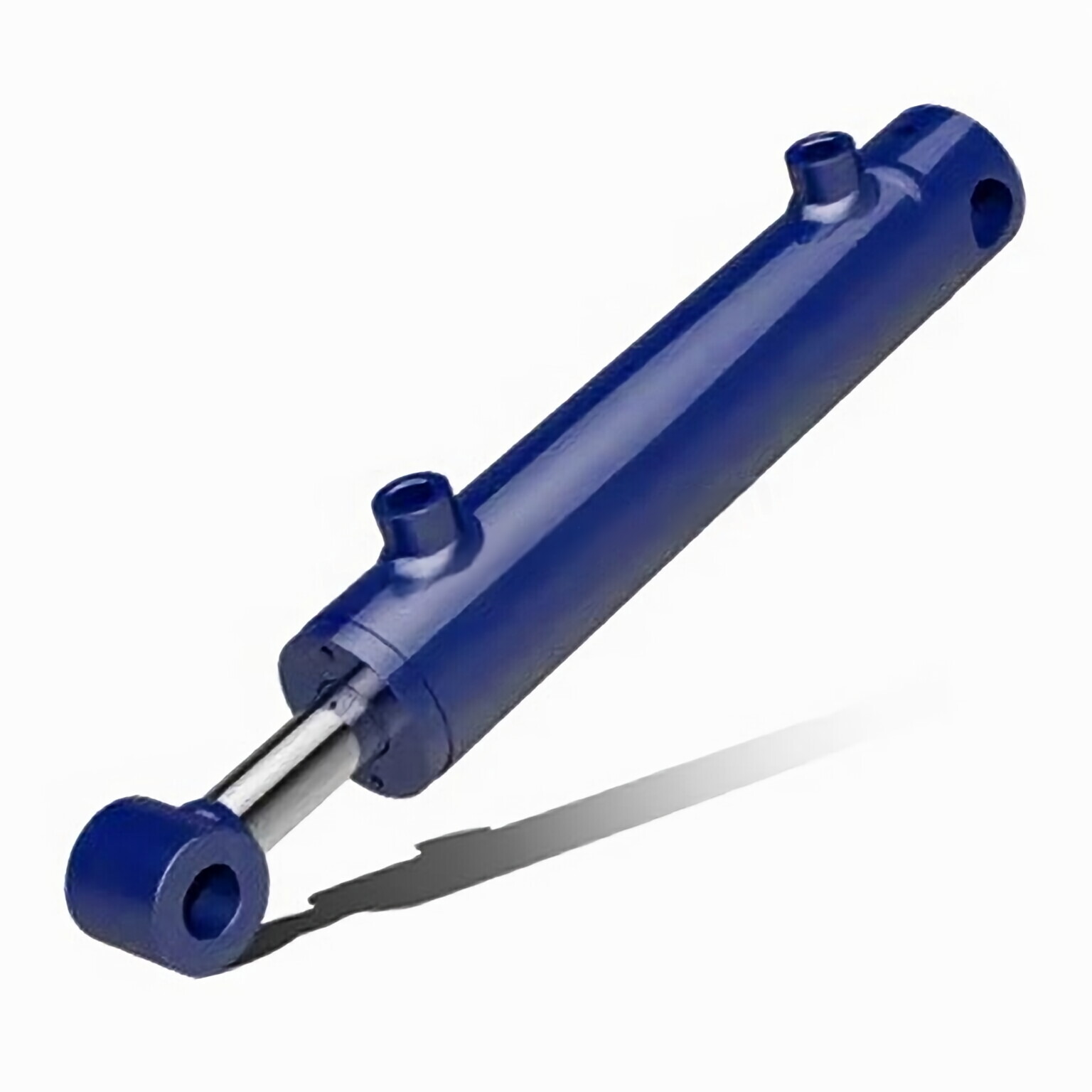
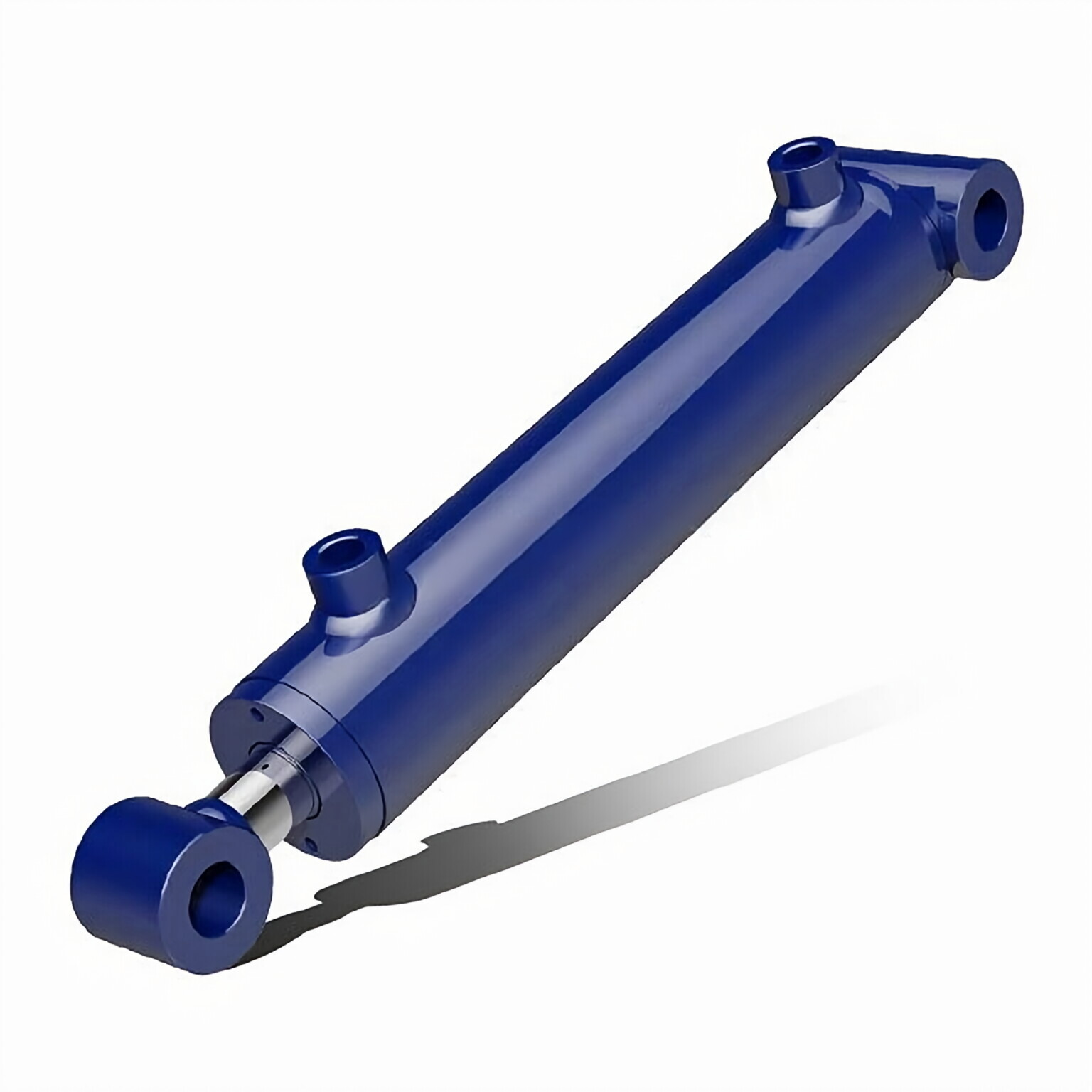
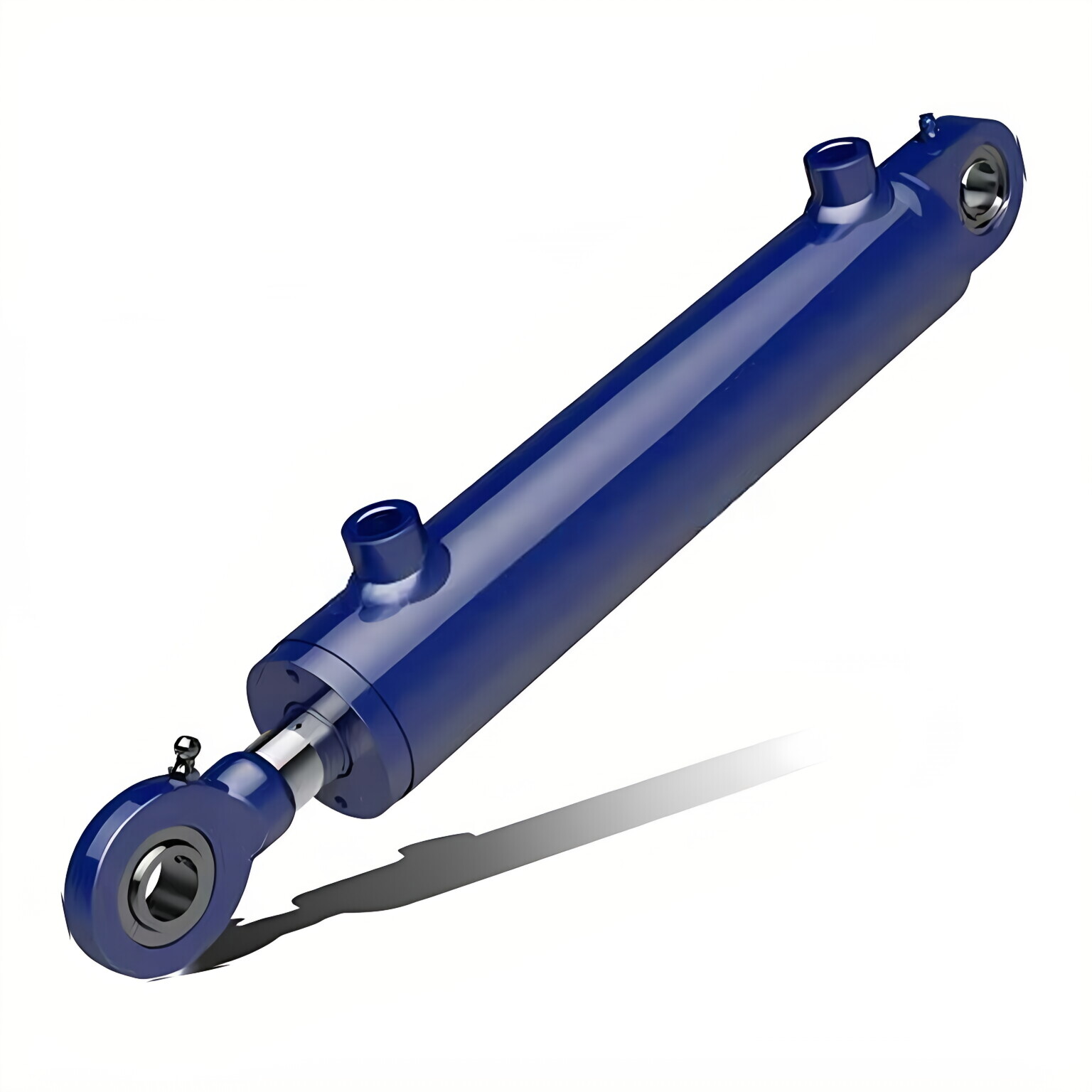
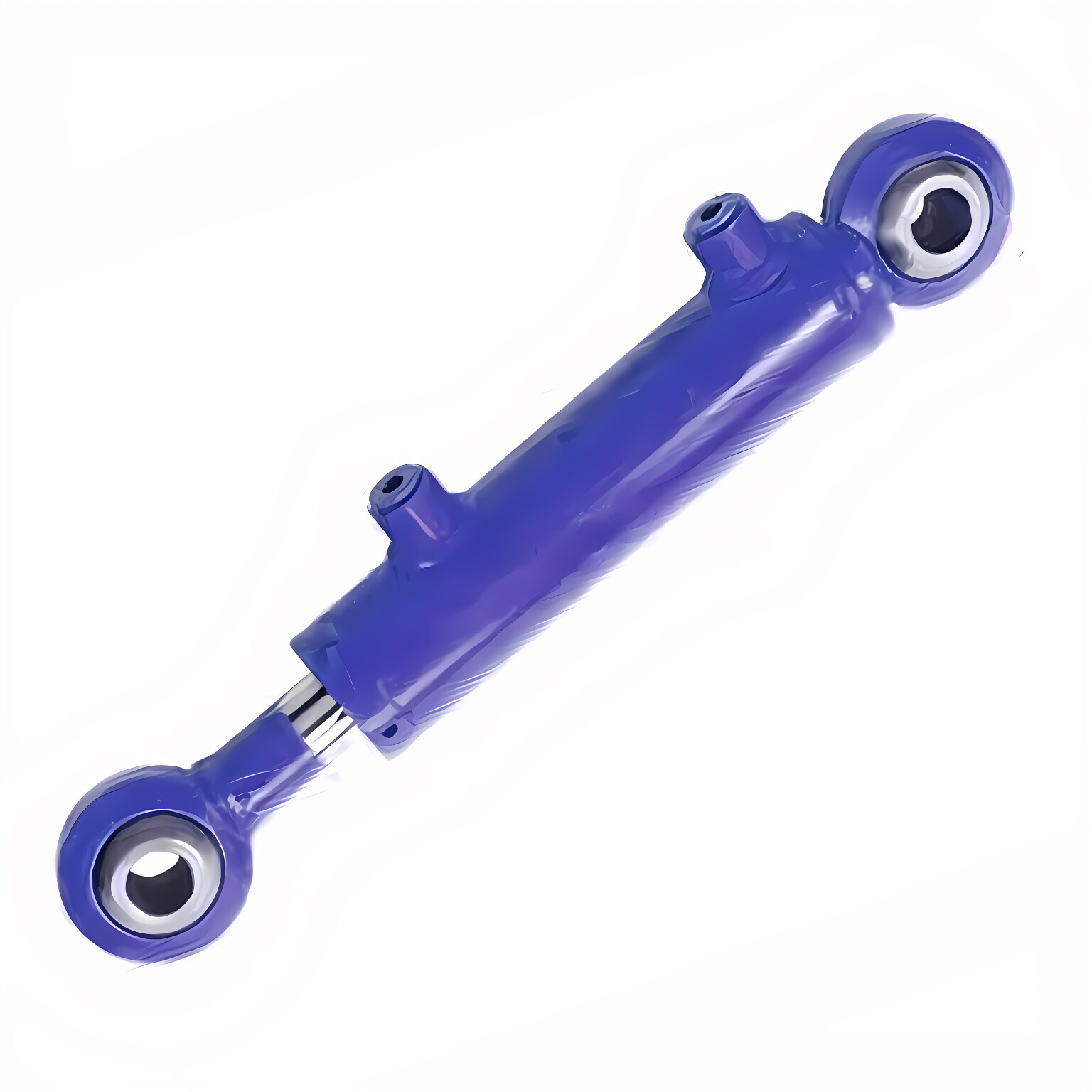
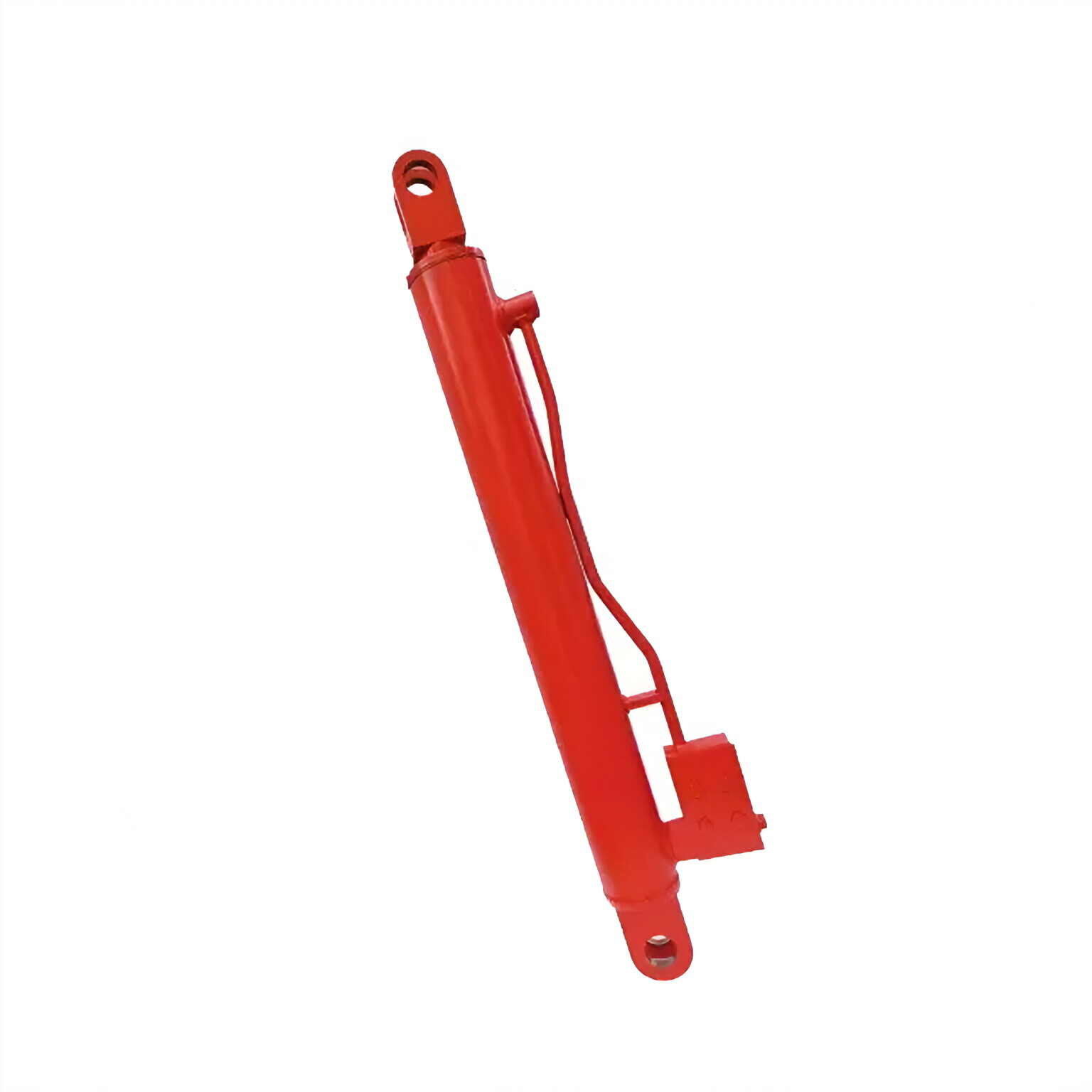
A trailing suction dredger heave compensation cylinder is a hydraulic cylinder that is used to compensate for the vertical movement of the dredger hull caused by waves. This allows the dredger to maintain a constant position over the seabed, even in rough conditions.
The heave compensation cylinder is typically mounted on the hull of the dredger and is connected to the draghead by a cable or wire rope. When the hull moves up, the cylinder extends, and when the hull moves down, the cylinder retracts. This movement of the cylinder keeps the cable or wire rope taut and helps to keep the draghead in a fixed position.
The heave compensation cylinder is a critical component of a trailing suction dredger, as it allows the dredger to operate effectively in a variety of sea conditions. Without a heave compensation cylinder, the dredger would be unable to maintain a constant position over the seabed and would be less productive.
Here are some of the features of a trailing suction dredger heave compensation cylinder:
The heave compensation cylinder is a complex and essential component of a trailing suction dredger. It is designed to withstand the harsh conditions of the marine environment, and to provide reliable operation for many years.

| Product Name | Trailing Suction Dredger Heave Compensation Cylinder |
| Features: | Compensate the relative displacement of the drag head and the hull when working |
| Bore diameter: | Up to 400mm |
| Rod diameter: | Up to 360mmStroke up to 4000mm |
| Pressure: | up to 32MPa |
| Thrust force: | Maximum 1600KN |
| Applications: | Trailing Suction Dredger |
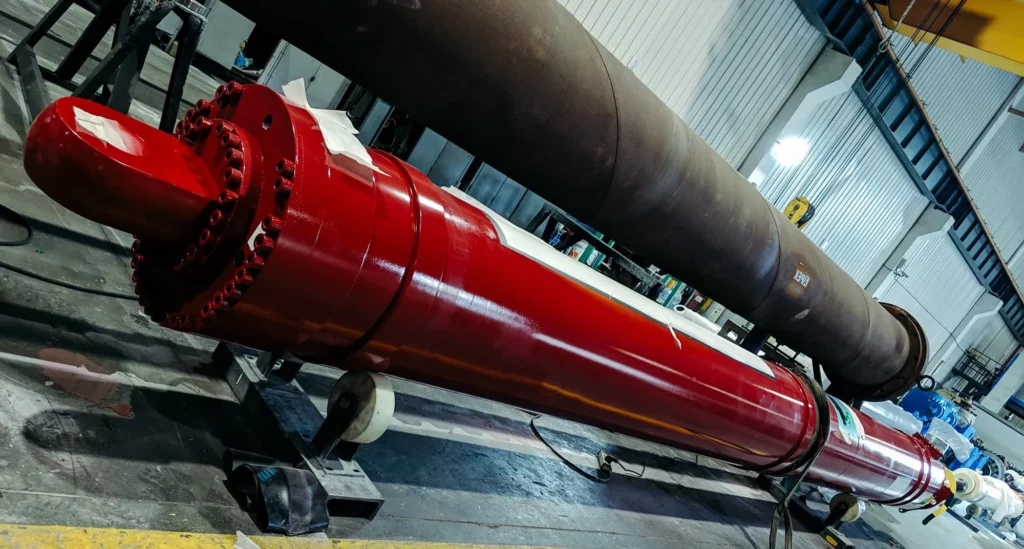
The heave compensation cylinder on a trailing suction hopper dredger is a critical component that helps to keep the dredge pipe stable in the water, even when the vessel is pitching and rolling. Proper maintenance of this hydraulic cylinder is essential to ensure the safety and efficiency of the dredge operation.
The following are some of the key elements of heave compensation cylinder maintenance:
In addition to these regular maintenance tasks, it is also important to perform more thorough inspections and maintenance at regular intervals, such as every 1,000 hours of operation or every year. This more in-depth maintenance should include the following:
By following these maintenance procedures, you can help to ensure the long-term reliability and performance of your trailing suction hopper dredger's heave compensation cylinder.
Here are some additional tips for maintaining the heave compensation cylinder on your trailing suction hopper dredger:
 |  |
 |  |
Address
Luotuo Industrial Area, Zhenhai District, Ningbo City, China
Tel

 Raydafon