
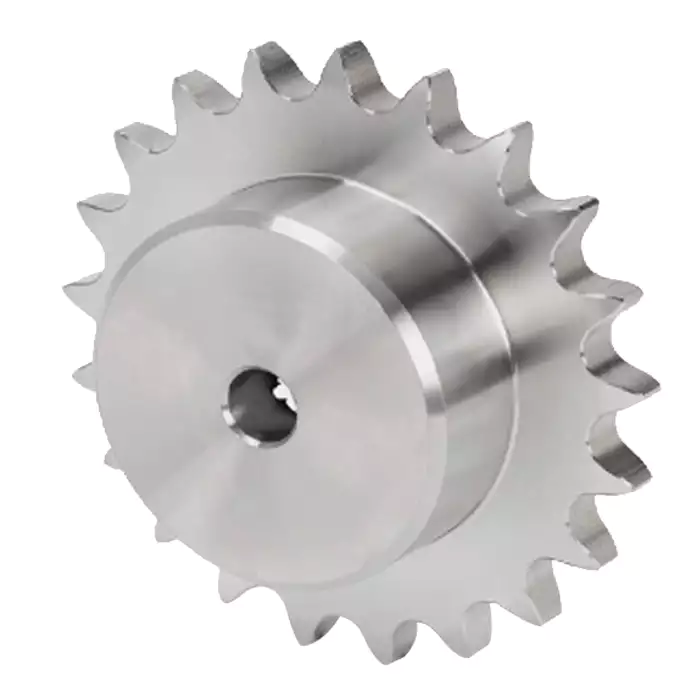
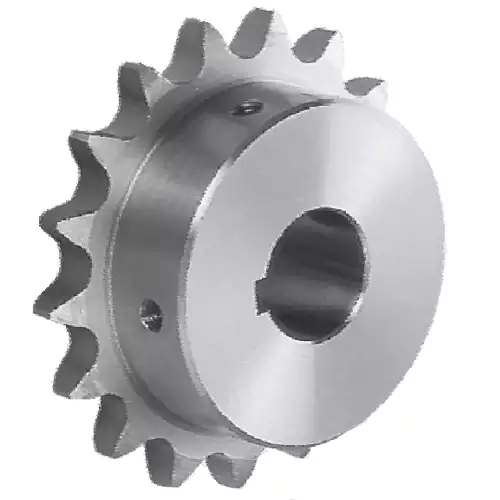
The 10B-1-17 stainless steel sprocket is a type of sprocket made from stainless steel and is commonly used in industrial power transmission systems. Stainless steel sprockets are widely used in many industries because of their high durability, corrosion resistance, and hygiene properties.
Stainless steel sprockets have superior corrosion resistance and wear resistance compared to other materials. Additionally, their hygienic properties make them ideal for use in the food and pharmaceutical industries.
Stainless steel sprockets are precisely manufactured and come in various sizes. They can also be customized to fit specific needs.
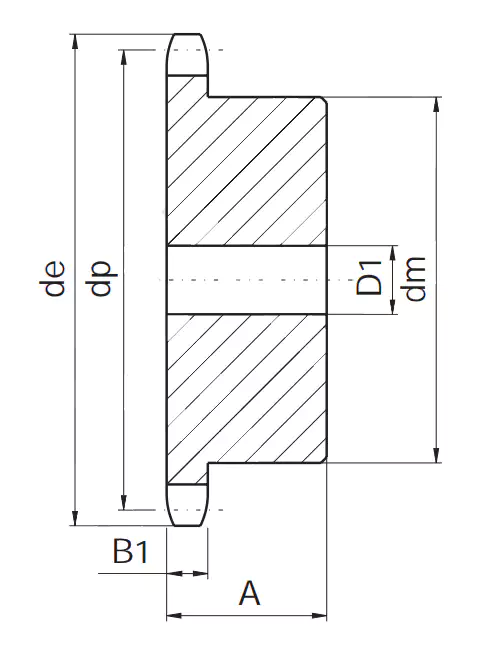
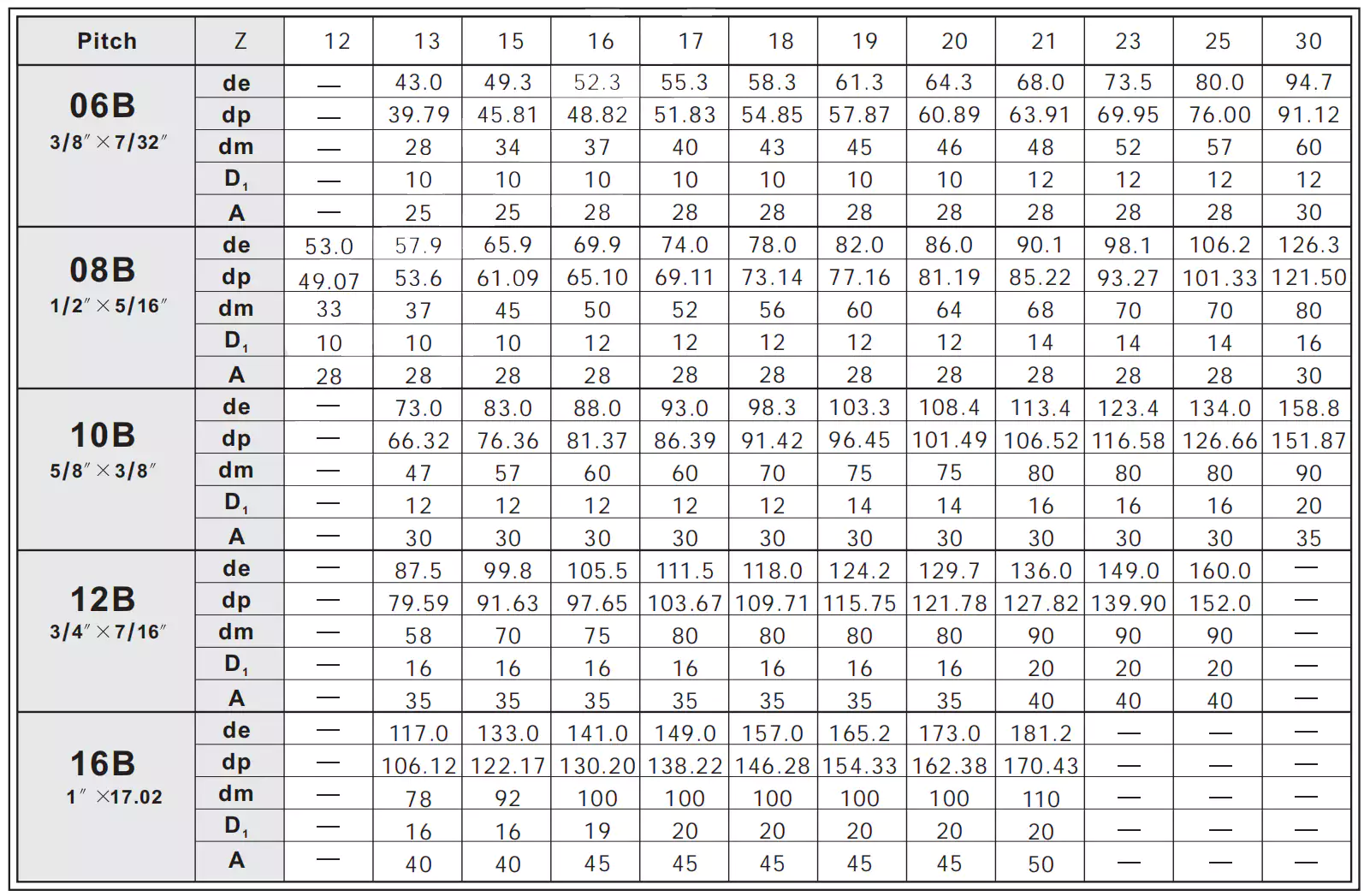
The size of a stainless steel sprocket is determined by its pitch diameter and number of teeth. A wide range of sizes is available to accommodate various applications.
The pitch of a sprocket refers to the distance between the centers of two adjacent teeth. This measurement is critical for ensuring proper engagement between the sprocket and the chain.
The bore diameter of a sprocket is the size of the hole in the center of the sprocket that fits onto the shaft.
The load capacity of a sprocket depends on its size and material. Stainless steel sprockets have a high load capacity due to their strength and durability.
Stainless steel sprockets can be treated with a variety of coatings and finishes to improve their performance and longevity.
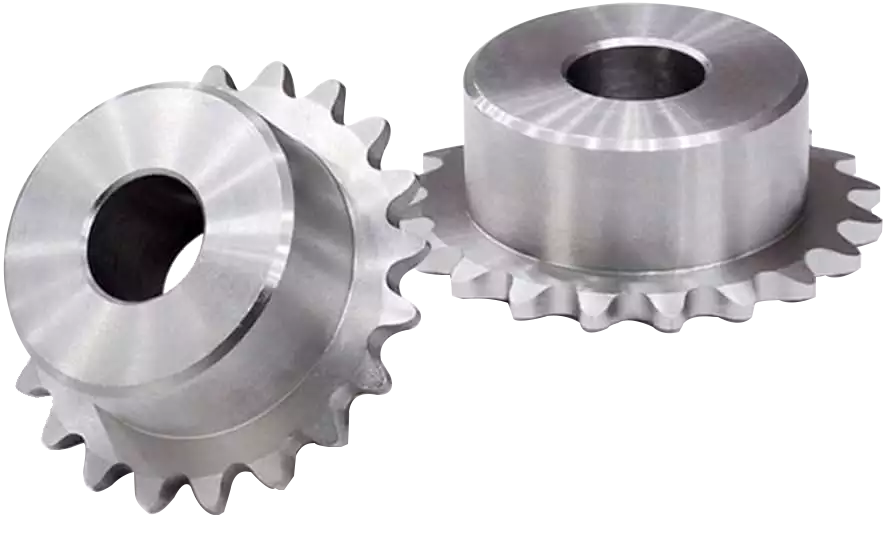
Stainless steel sprockets are commonly used in the food processing and packaging industry due to their hygienic properties and corrosion resistance.

Stainless steel sprockets are also widely used in the pharmaceutical industry because they are easy to clean and do not contaminate the products they come in contact with.
In the chemical industry, stainless steel sprockets are used because they are resistant to corrosion from harsh chemicals and environmental conditions.
Stainless steel sprockets are used in medical equipment because of their hygienic properties and resistance to corrosion.
Regularly inspect stainless steel sprockets for wear, damage, and other signs of deterioration. Replace any damaged or worn parts immediately.
Stainless steel sprockets should be cleaned regularly to remove dirt and debris that can cause damage or corrosion. Use a mild detergent and warm water to clean the sprockets, and dry thoroughly.
Proper lubrication is essential for maintaining the performance and longevity of stainless steel sprockets. Use a high-quality lubricant that is compatible with stainless steel.
If a sprocket is damaged or worn beyond repair, it should be replaced immediately to prevent further damage to the machinery and ensure safety.
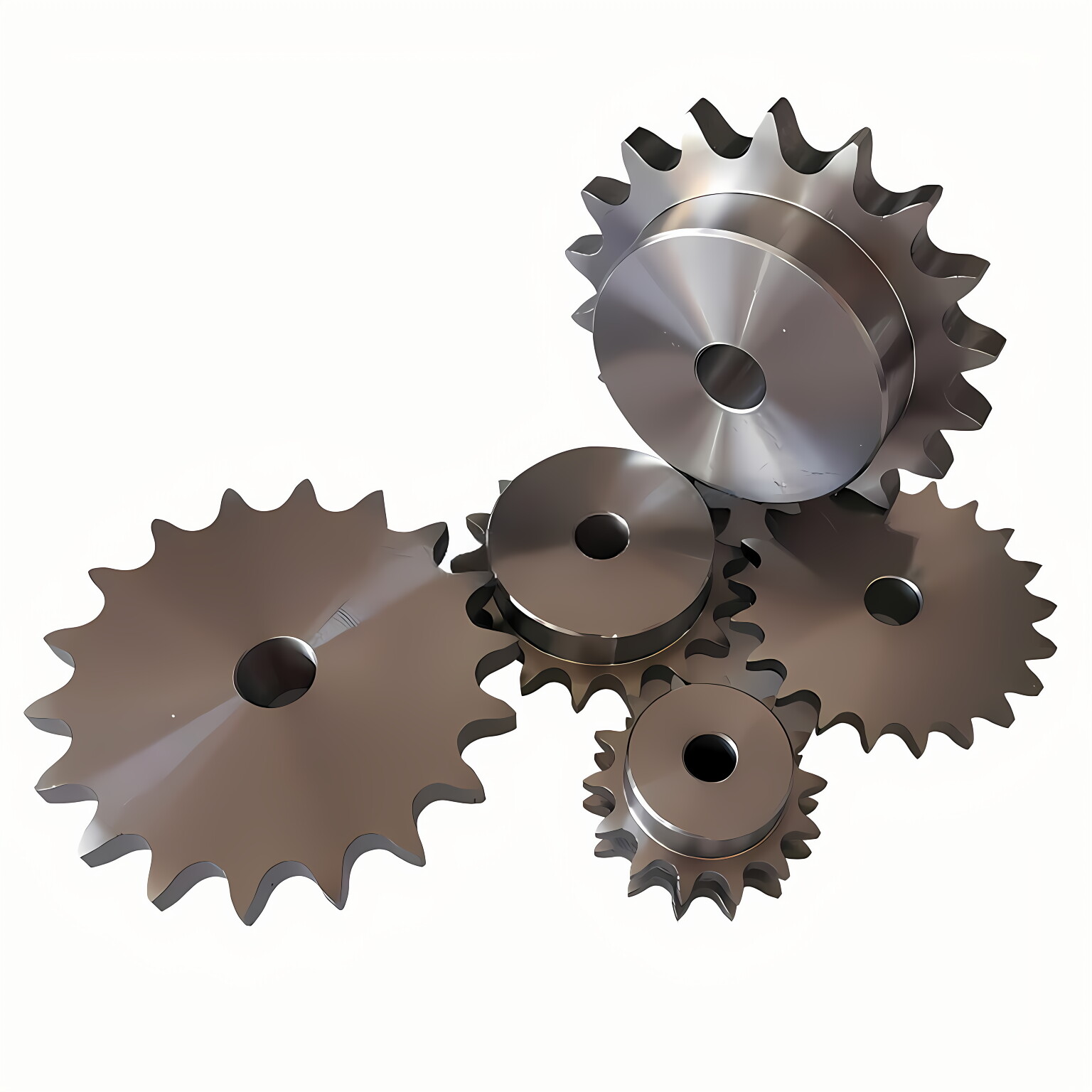
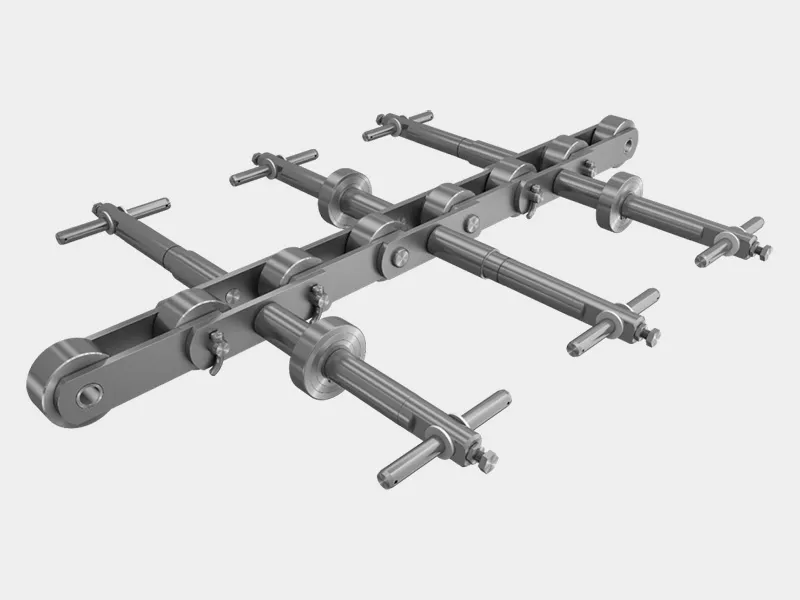
Our factory specializes in the production of various types of sprockets and chains. We pride ourselves on our high-quality products and excellent customer service. We offer customization options to meet the unique needs of our customers and can provide fast delivery times for urgent orders.
Q: What is the load capacity of a stainless steel sprocket?
A: The load capacity of a stainless steel sprocket depends on its size and material. Stainless steel sprockets have a high load capacity due to their strength and durability.
Q: Can stainless steel sprockets be customized?
A: Yes, stainless steel sprockets can be customized in terms of size, pitch, bore diameter, and surface treatment to fit specific needs.
Q: What industries commonly use stainless steel sprockets?
A: Stainless steel sprockets are widely used in the food processing and packaging, pharmaceutical, chemical, and medical equipment industries.
Q: How often should stainless steel sprockets be inspected?
A: Stainless steel sprockets should be inspected daily for signs of wear, damage, or other deterioration.
Q: How should stainless steel sprockets be cleaned?
A: Stainless steel sprockets should be cleaned with a mild detergent and warm water and dried thoroughly to prevent corrosion.
Author: MiyaAddress
Luotuo Industrial Area, Zhenhai District, Ningbo City, China
Tel

 Raydafon