Raydafon Technology Group Co.,Limited
Products
Products
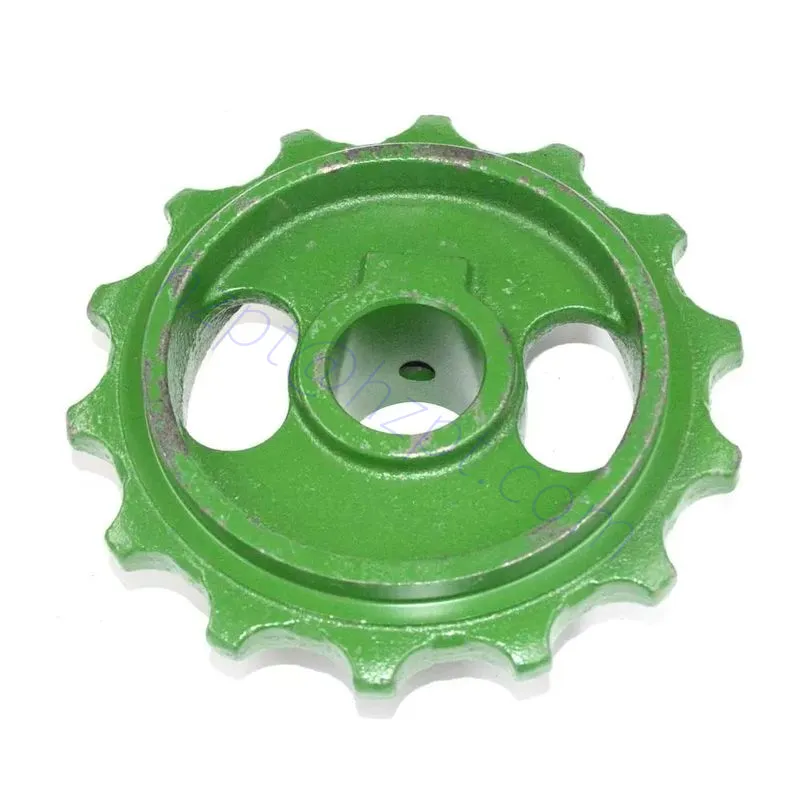
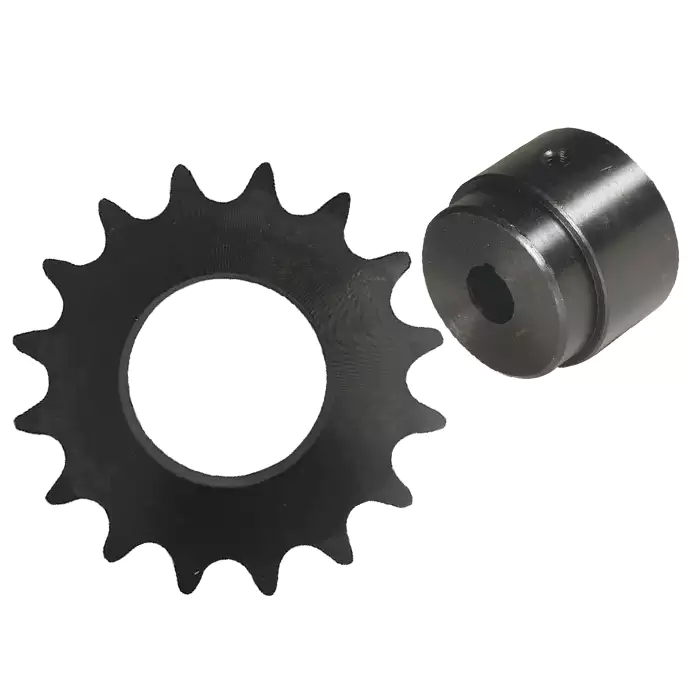
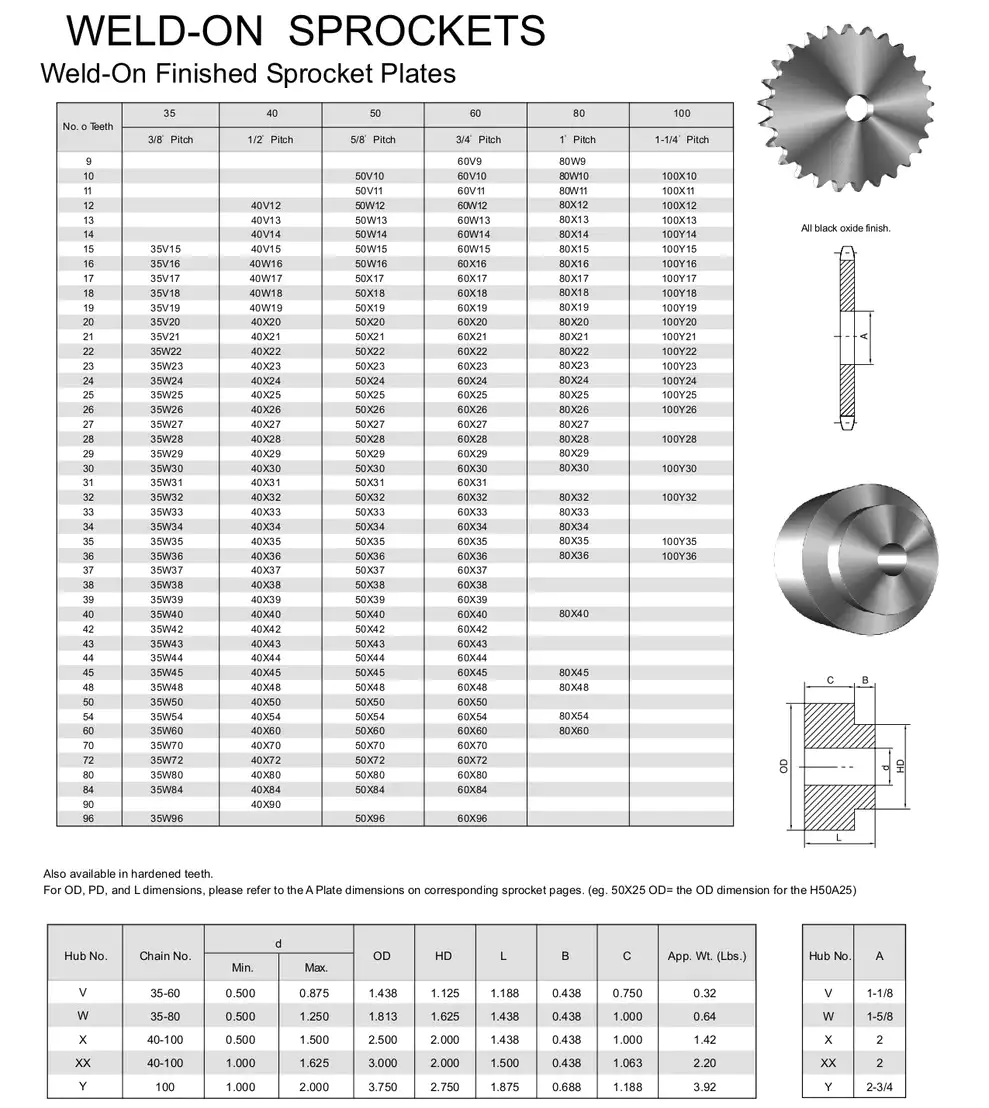
35W34 Weld-on Sprocket with Hub
  • 35W34 Weld-on Sprocket with Hub35W34 Weld-on Sprocket with Hub

35W34 Weld-on Sprocket with Hub

Raydafon Group introduces the 35W34 Weld-on Sprocket with Hub, a heavy-duty sprocket designed for seamless welding onto drive systems in industrial machinery. Crafted from high-grade steel for durability and precision, it ensures reliable performance and prolonged equipment lifespan. Ideal for engineers and maintenance professionals in manufacturing, this product enhances operational efficiency and reduces downtime. Experience the confidence of a secure, high-torque connection that solves alignment issues. Its weld-on design offers a unique, custom-fit advantage over standard sprockets. Trust Raydafon Group for quality that drives your industry forward.

35W34 Weld-on Sprocket with Hub

A weld-on sprocket is a type of sprocket that is designed to be welded directly onto a shaft, rather than being secured with bolts or set screws. At Raydafon, we offer a variety of weld-on sprockets, including the 35W34 Weld-on Sprocket with Hub, which is designed to be used with roller chain.

What is a Weld-on Sprocket?

A weld-on sprocket is a sprocket that is designed to be welded directly onto a shaft. This type of sprocket is typically used in applications where a standard sprocket cannot be used, either because of space limitations or because of the need for a custom design. Weld-on sprockets are available in a variety of sizes and configurations, and can be made from a variety of materials, including high-carbon steel, alloy steel, and stainless steel.
35W34 Weld-on Sprocket with Hub

Materials and Processes Used in our Weld-on Sprockets

Our weld-on sprockets are made from high-carbon steel, alloy steel, or stainless steel, depending on the specific application. The sprockets are manufactured using a variety of processes, including material selection and cutting, stamping and forging, machining, heat treatment, surface hardening, surface treatment and rust prevention, and quality inspection.

  • Material selection and cutting: We carefully select the appropriate type and grade of steel for each sprocket, and then use precision cutting tools to shape the raw material into the correct size and shape for the sprocket.
  • Stamping and forging: We use stamping and forging processes to create the teeth and other features of the sprocket.
  • Machining: We use CNC machining to create the bore and other critical features of the sprocket.
  • Heat treatment: We use heat treatment to harden the teeth and other critical areas of the sprocket, which increases its durability and resistance to wear and tear.
  • Surface hardening: We use a variety of surface hardening techniques to further increase the durability and wear resistance of the sprocket.
  • Surface treatment and rust prevention: We apply a variety of coatings and treatments to the surface of the sprocket to protect it from corrosion and other types of damage.
  • Quality inspection: We use a variety of quality inspection techniques to ensure that each sprocket meets our rigorous standards for quality and performance.

When to Use a Weld-on Sprocket

Weld-on sprockets are typically used in applications where a standard sprocket cannot be used, either because of space limitations or because of the need for a custom design. They are often used in conveyor systems, agricultural equipment, and other types of machinery. For applications that require special designs or sizes, we allow users to choose from a range of hubs to weld onto the sprocket to ensure compatibility with their specific shaft size and welding needs.

Advantages of Weld-on Sprockets

Compared to standard sprockets, weld-on sprockets offer several advantages:
35W34 Weld-on Sprocket with Hub
  • Customizable design: Because weld-on sprockets are designed to be welded directly onto a shaft, they can be customized to fit a wide range of shaft sizes and configurations.
  • Greater durability: Weld-on sprockets tend to be more durable than standard sprockets because they are welded directly onto the shaft, which provides a stronger, more secure connection.
  • Reduced maintenance: Because weld-on sprockets are welded directly onto the shaft, there are no bolts or set screws to come loose, which reduces the need for maintenance and tightening.
  • Increased safety: Weld-on sprockets are less likely to come loose or fall off during operation, which reduces the risk of accidents and injuries.

Hub Options for Weld-on Sprockets

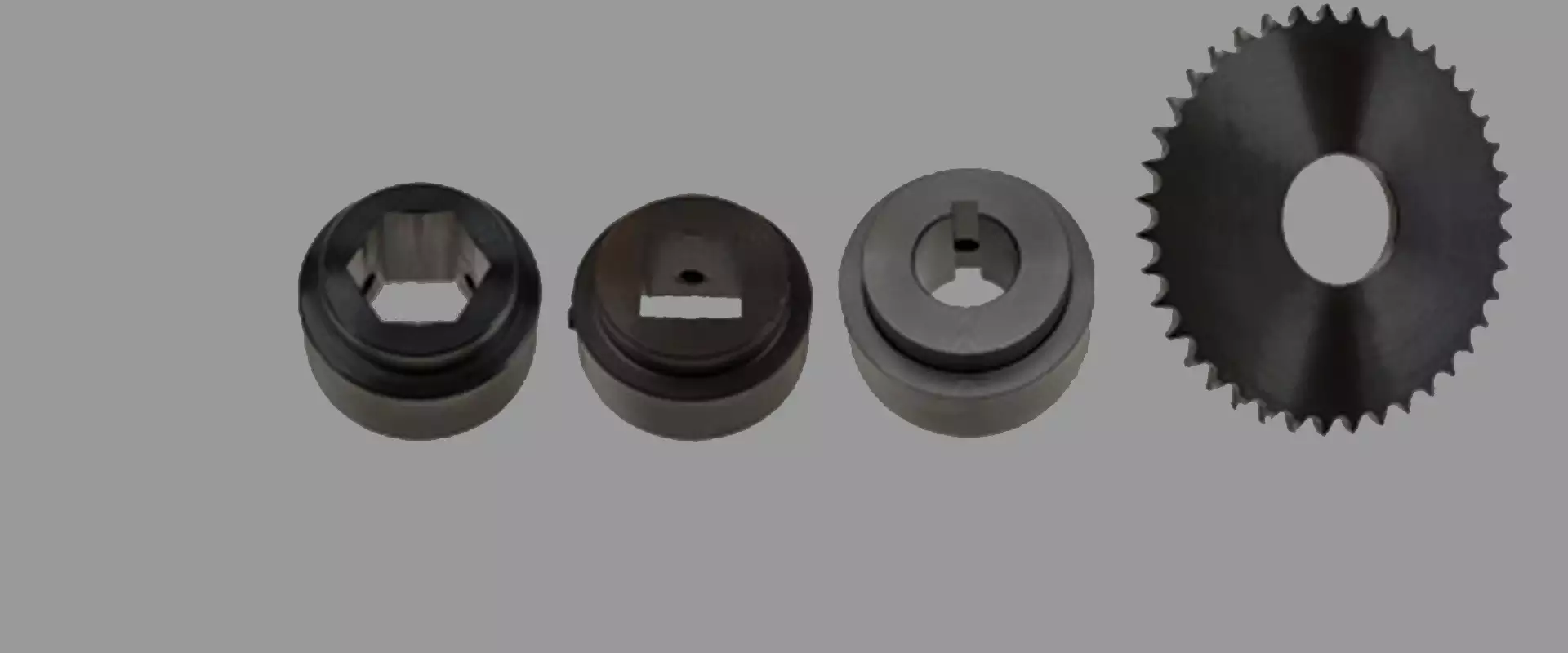
At Raydafon, we offer a variety of hubs for our weld-on sprockets, including round bore, square bore, hex bore, and spline bore hubs. These hubs are designed to be welded directly onto the sprocket, and can be customized to fit a wide range of shaft sizes and configurations.

Maintenance and Care of Chain Sprockets

Proper maintenance and care of chain sprockets is essential for ensuring optimal performance and longevity. Here are some tips for maintaining and caring for your chain sprockets:

  • Daily inspection: Inspect your sprockets daily for signs of wear, damage, or misalignment.
  • Cleaning: Clean your sprockets regularly to remove dirt, debris, and other contaminants that can cause premature wear and tear.
  • Lubrication: Use a high-quality lubricant to keep your sprockets well-oiled and running smoothly.
  • Adjustment and calibration: Regularly check and adjust the tension and alignment of your chain to ensure optimal performance and reduce the risk of wear and tear on your sprockets.

Common Issues and Solutions for Chain Sprockets

Even with proper maintenance and care, chain sprockets can still experience issues. Here are some common issues and solutions:

  • Skipping teeth: This can be caused by worn or damaged sprocket teeth, or by a loose or worn chain. The solution is to replace the worn or damaged components.
  • Breaking: This can be caused by excessive wear or damage to the sprocket, or by overloading the chain. The solution is to replace the worn or damaged components, or to reduce the load on the chain.
  • Excessive wear: This can be caused by insufficient lubrication, misalignment, or excessive loads. The solution is to increase lubrication, adjust the alignment, or reduce the load on the chain.
  • Noisy operation: This can be caused by worn or damaged sprocket teeth, or by a loose or worn chain. The solution is to replace the worn or damaged components.
  • Chain coming off: This can be caused by misaligned sprockets, or by a loose or worn chain. The solution is to adjust the alignment, or to replace the worn or damaged components.

Other Types of Chain Sprockets

In addition to weld-on sprockets, we also offer a variety of other types of chain sprockets, including platewheel sprockets, QD sprockets, taper lock sprockets, and more. We also offer a range of chain types to ensure compatibility with your specific application.

35W34 Weld-on Sprocket with Hub

Author: Miya

Hot Tags: 35W34 Weld-on Sprocket with Hub Manufacturer, Weld-on Sprocket Hub Supplier, Industrial Sprocket Hub Wholesale
Send Inquiry
Contact Info
Get customized quotes for transmission components, gearboxes, and machinery. Our engineers will respond within 24 hours.
Online
X
We use cookies to offer you a better browsing experience, analyze site traffic and personalize content. By using this site, you agree to our use of cookies. Privacy Policy
Reject Accept