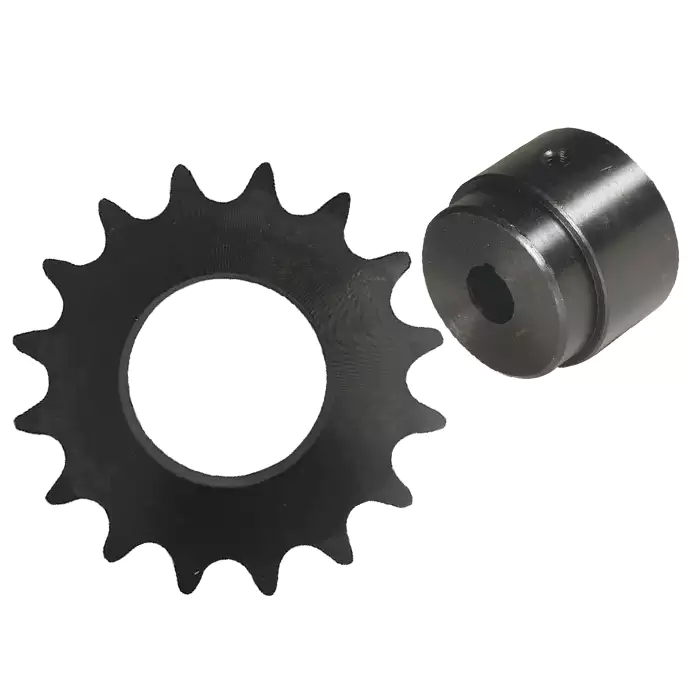
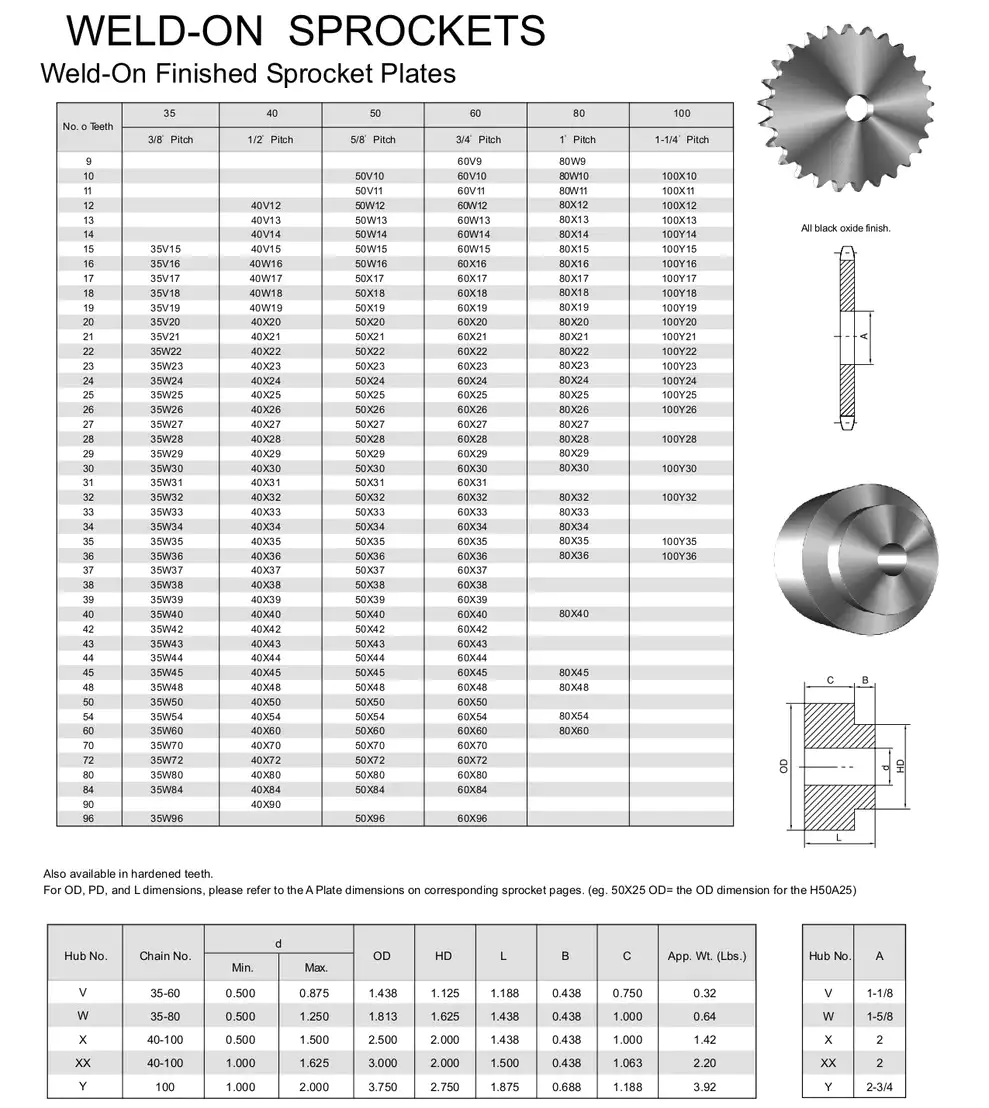
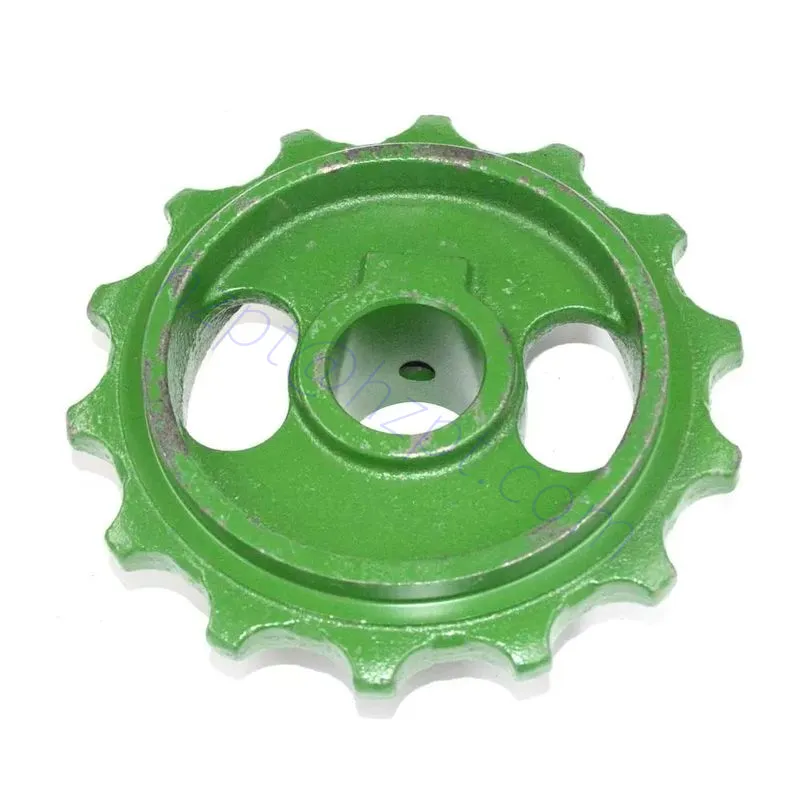
Discover Raydafon Guoup's 35W50 Weld-on Sprocket with Hub, engineered for seamless power transmission in heavy-duty applications. Its precision-welded design offers superior durability and ease of installation, perfect for industrial professionals seeking reliable performance. Stand out with unmatched quality and reduced downtime—upgrade your machinery with confidence.
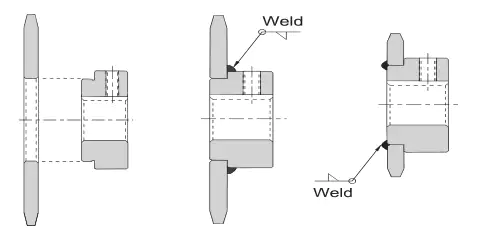
A weld-on sprocket is a type of sprocket used in power transmission applications. Unlike bolt-on sprockets, which are mounted on a shaft using bolts or screws, weld-on sprockets are welded directly onto a shaft or hub. This makes them a popular choice for applications that require a secure and long-lasting connection.
Materials and Manufacturing Process
Our weld-on sprockets are made from high-carbon steel, alloy steel, or stainless steel, depending on the application requirements. The manufacturing process involves material selection, cutting, stamping, forging, machining (turning, milling, drilling), heat treatment (quenching, tempering, surface hardening), surface treatment (rust prevention), and quality inspection. Each step is carefully executed to ensure the highest quality and durability of the finished product.
Applications of Weld-on Sprockets
Weld-on sprockets are commonly used in heavy-duty applications such as mining, agriculture, construction, and forestry. They are also used in conveyor systems, power transmission equipment, and industrial machinery. For applications that require special design or dimensions, users can choose a suitable hub for welding based on the actual shaft diameter.
Advantages over Bolt-on Sprockets
Compared to bolt-on sprockets, weld-on sprockets offer several advantages:
High torque transmission capability
Better concentricity and balance
Less chance of loosening or detachment
Lower maintenance and replacement costs
Hub Options
We offer a range of hubs with circular bores to match our weld-on sprockets. These hubs are available in different materials, sizes, and configurations to suit various application needs. Some of the options include:
Standard hub with keyway
Weld-on hub with set screws
Quick detachable hub with taper lock bushing
Custom hub with special bores or keyways
Maintenance and Troubleshooting
Proper maintenance and inspection can help extend the life of your weld-on sprocket and prevent issues such as tooth skipping, breakage, wear, noise, and chain disengagement. Regular tasks include:
Visual inspection for cracks, distortion, or wear
Cleaning and lubrication with appropriate oil or grease
Checking tension and alignment of the chain
Replacing worn or damaged components
If you encounter any problems with your weld-on sprocket, here are some common causes and solutions:
Tooth skipping: Check chain tension and alignment, replace worn chain or sprocket
Breakage: Check for overload or fatigue, replace with stronger or better-quality sprocket
Wear: Check for lubrication, replace worn components
Noise: Check for misalignment, worn parts, or inadequate lubrication
Chain disengagement: Check for loose set screws, worn keyway, or damaged hub
Other Types of Sprockets
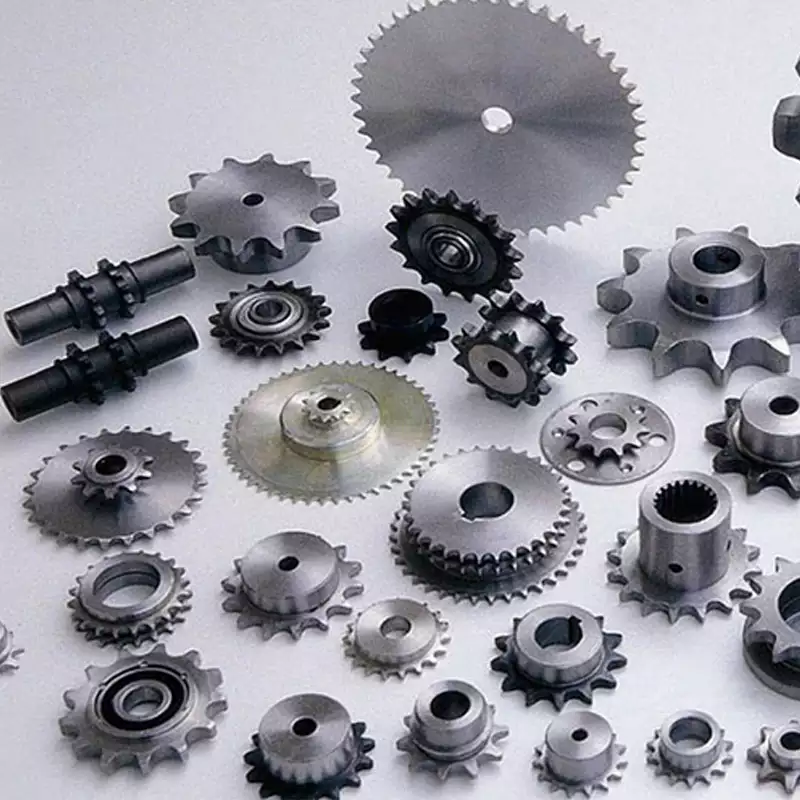
In addition to weld-on sprockets, we also offer other types of sprockets such as platewheel sprocket, qd sprocket, taper lock sprocket, and more. These sprockets are available in different sizes, materials, and configurations to meet diverse industrial needs. We also provide compatible chains for each type of sprocket.Author: Miya.
We use cookies to offer you a better browsing experience, analyze site traffic and personalize content. By using this site, you agree to our use of cookies. Privacy Policy

 Author: Miya.
 Raydafon