
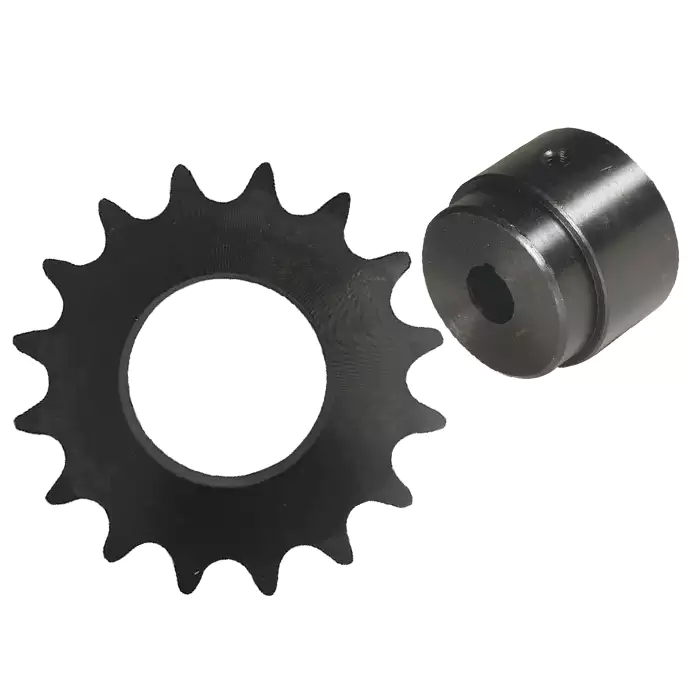
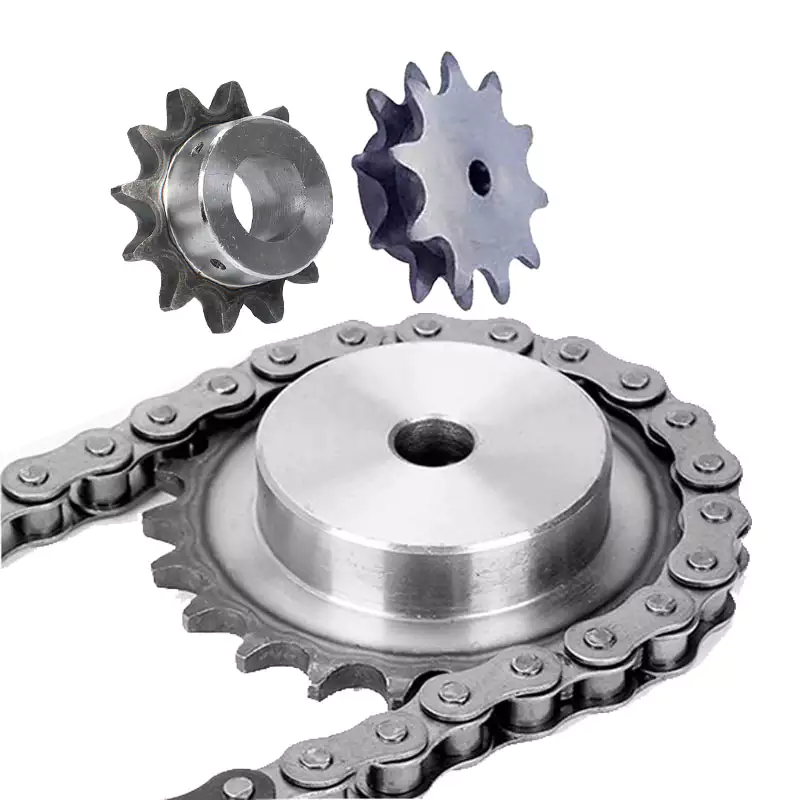
A weld-on sprocket is a type of machine part that is widely used in various industrial applications. It is a sprocket that is designed to be welded onto a machine shaft or hub. The 40X33 Weld-on Sprocket with Hub is an excellent example of this type of machine part.
A weld-on sprocket is a type of machine part that is used in various industrial applications. It is a sprocket that is designed to be welded onto a machine shaft or hub. This type of sprocket is used in many different types of machines, including conveyor systems, material handling equipment, and other types of machinery.
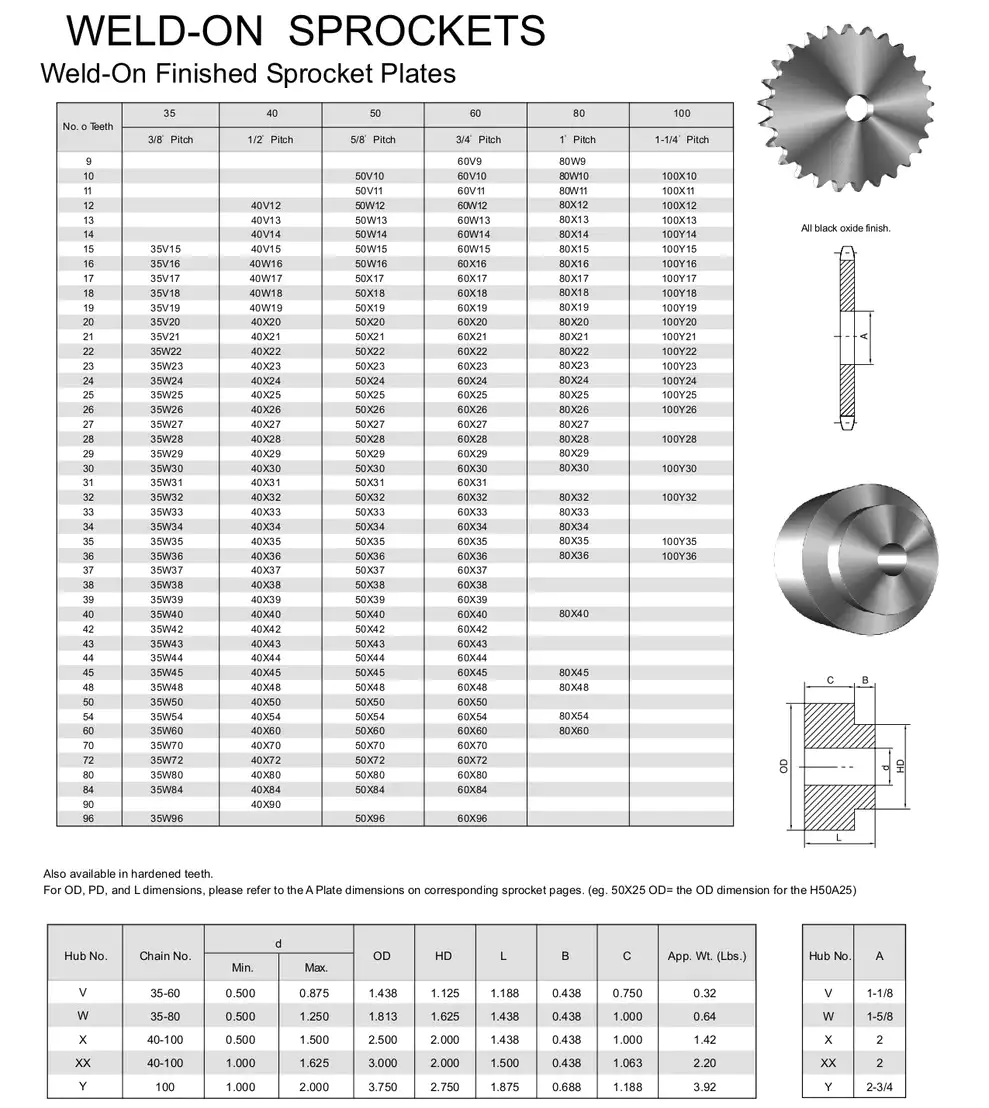
The 40X33 Weld-on Sprocket with Hub is made from high carbon steel, alloy steel, or stainless steel. The material used depends on the specific application requirements. The production process involves material selection, cutting, stamping, forging, machining, heat treatment, surface hardening, surface treatment, quality control, and inspection.
The material used for the sprocket depends on the specific application requirements. High carbon steel, alloy steel, and stainless steel are commonly used for sprockets.
The material is cut into the required shape using various cutting tools.
The material is stamped or forged to create the sprocket shape.
The sprocket is machined to give it the required dimensions and finish.
The sprocket is heat-treated to improve its hardness, strength, and wear resistance.
The surface of the sprocket is hardened to improve its durability and wear resistance.
The surface of the sprocket is treated to prevent rust and corrosion.
The sprocket undergoes quality control and inspection to ensure that it meets the required specifications and standards.
A weld-on sprocket is used in various industrial applications, including conveyor systems, material handling equipment, and other types of machinery. It is used when a sprocket needs to be welded onto a machine shaft or hub. For applications that require special design or size, users can select the appropriate hub for welding based on the actual shaft diameter.
The 40X33 Weld-on Sprocket with Hub has several advantages over traditional sprockets:
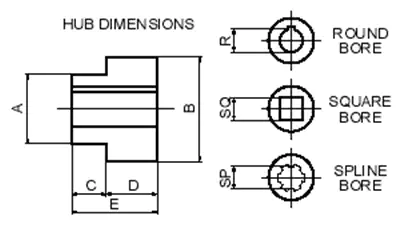
We provide various types of hubs, including round bore, square bore, hex bore, and spline bore.
Proper maintenance of the sprocket is essential to ensure its longevity and optimal performance. The following are some maintenance tips:
Inspect the sprocket daily for any signs of wear, damage, or misalignment. Check the teeth for wear and the hub for cracks.
Clean the sprocket regularly to remove any dirt, debris, or grease. Use a brush or compressed air to clean the teeth and the hub.
Lubricate the sprocket regularly to reduce friction and wear. Use a lubricant that is appropriate for the application.
Adjust and calibrate the sprocket periodically to ensure that it is operating at the optimal level.
The following are some common problems that may occur with a sprocket:
If the sprocket is skipping teeth, check for wear or damage to the teeth. Replace the sprocket if necessary.
If the sprocket is breaking, check for overloading or damage to the hub. Replace the sprocket if necessary.
If the sprocket is wearing excessively, check for misalignment or insufficient lubrication. Adjust the alignment and lubricate the sprocket.
If the sprocket is making noise, check for wear or damage to the teeth. Replace the sprocket if necessary.
If the chain is falling off the sprocket, check for misalignment or worn chain. Adjust the alignment and replace the chain if necessary.
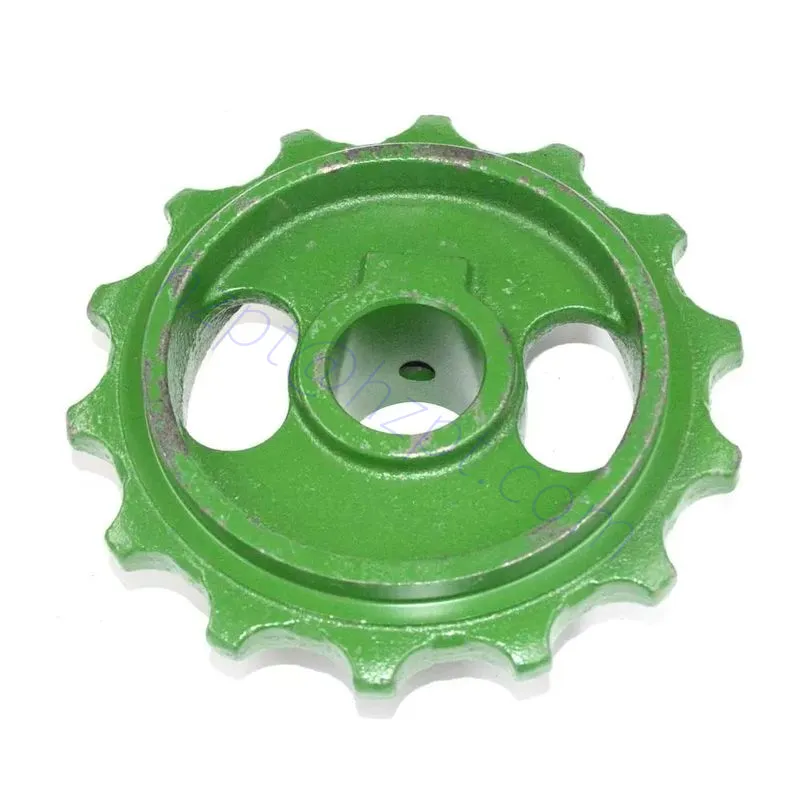
In addition to weld-on sprockets, we also provide other types of sprockets, such as platewheel sprockets, QD sprockets, taper lock sprockets, etc. We also provide matching chains for these sprockets.
Author: Miya
Address
Luotuo Industrial Area, Zhenhai District, Ningbo City, China
Tel

 Raydafon