
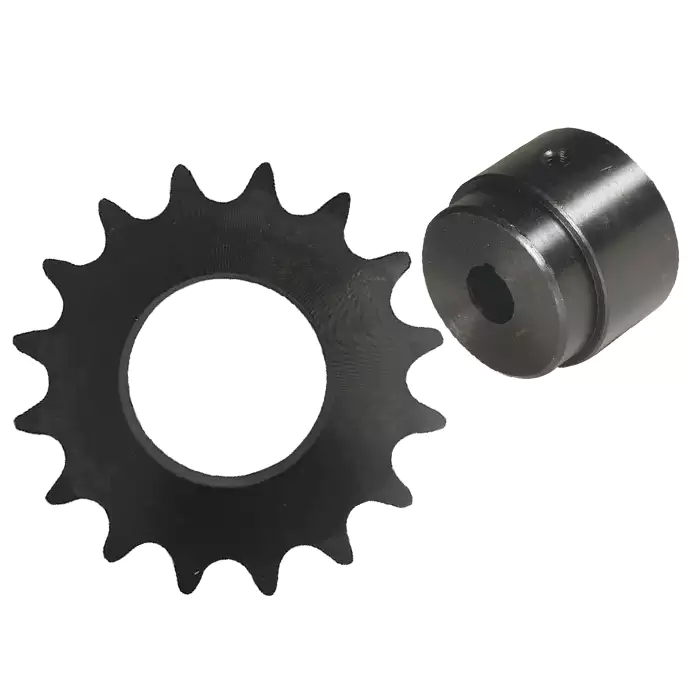
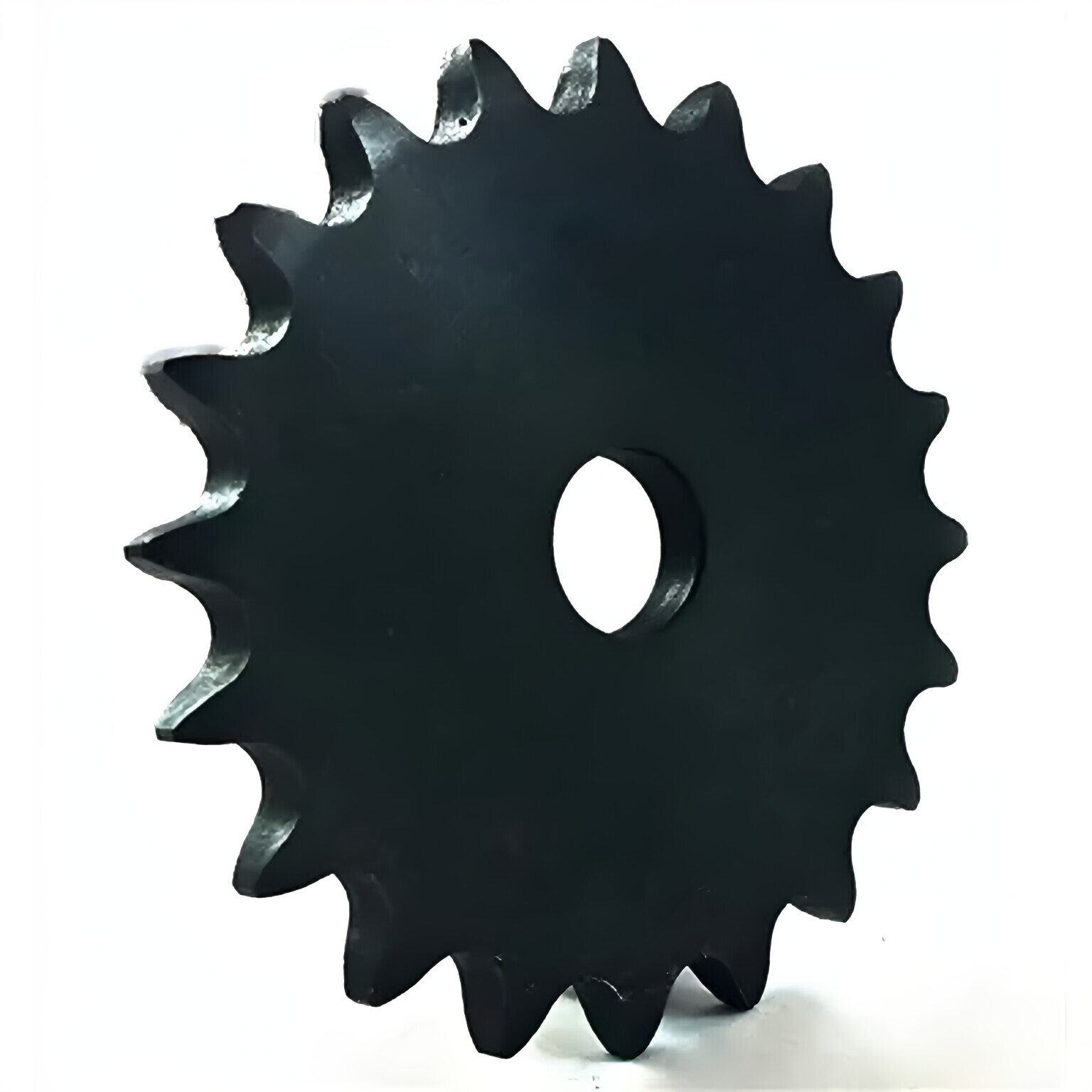
Weld-on sprocket is a type of sprocket that needs to be welded onto a shaft or hub. It is widely used in various industries, such as agriculture, mining, and construction. Below is a selection table for our weld-on sprocket:
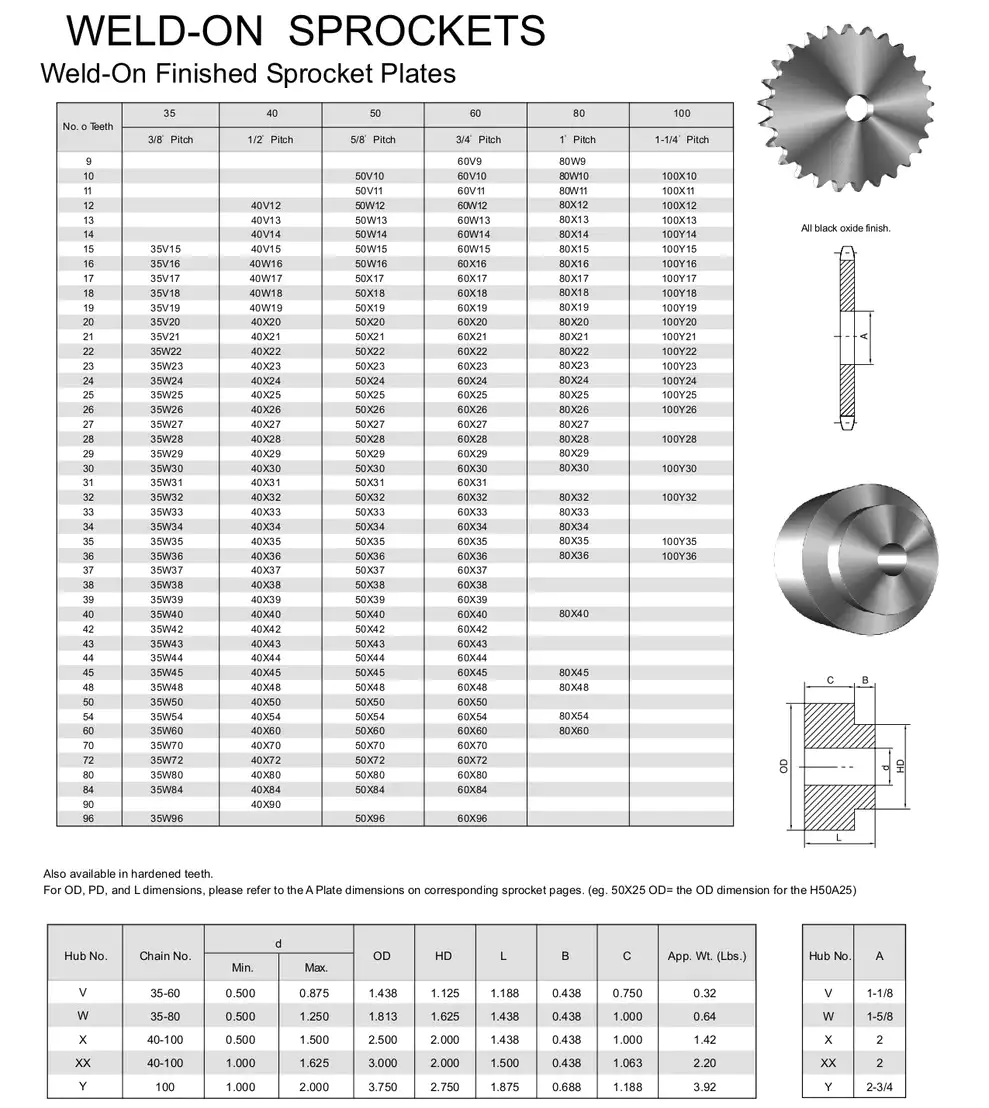
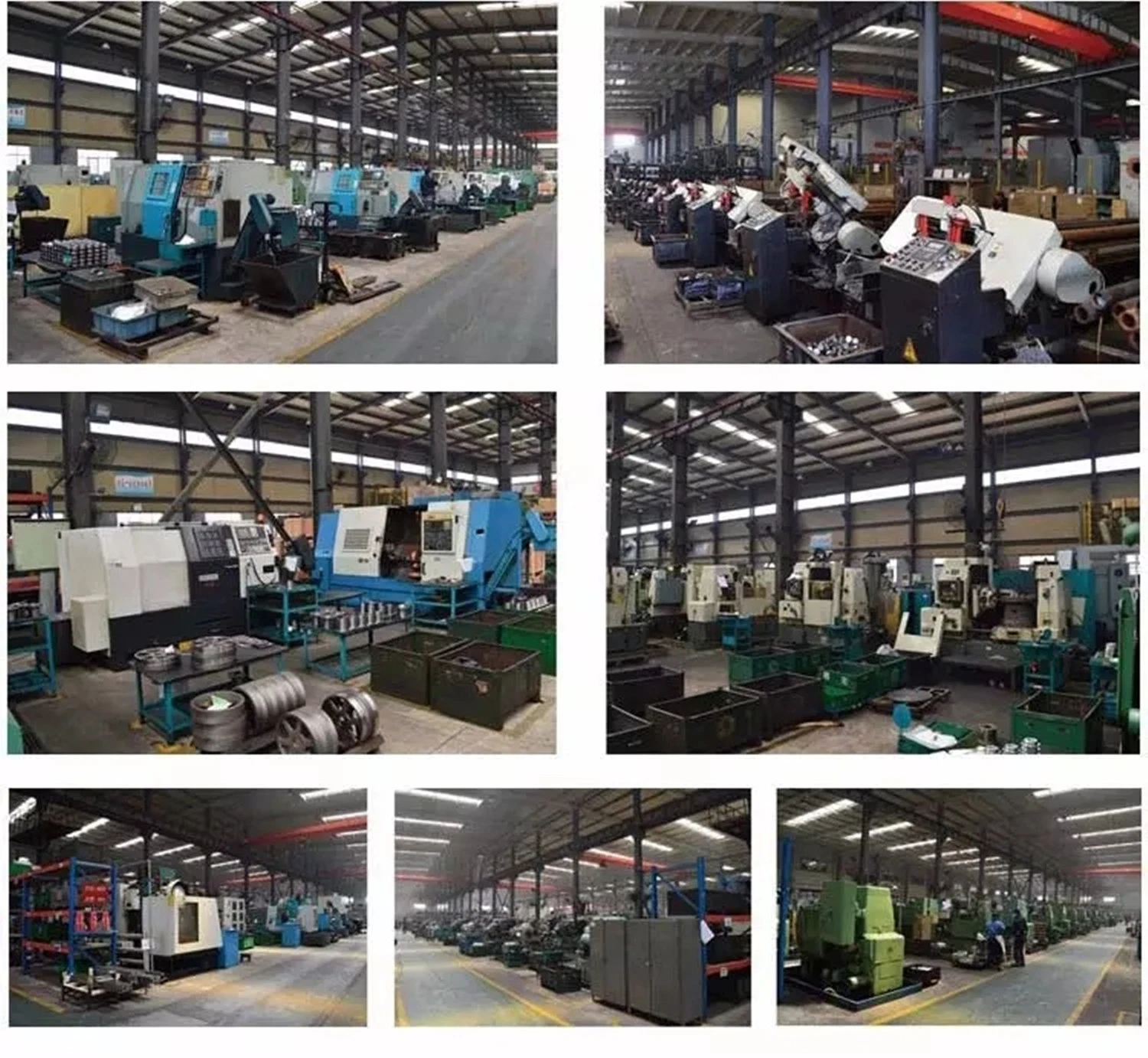
Our weld-on sprocket can be made of high carbon steel, alloy steel or stainless steel, depending on the application requirements. The manufacturing process includes material selection, cutting, stamping, forging, machining, heat treatment, surface hardening, surface treatment, and quality inspection. Each step is carried out with precision to ensure the quality and reliability of the finished product.
Depending on the application requirements, we select the appropriate material for the weld-on sprocket. High carbon steel is used for high-stress applications, alloy steel is used for heavy-duty applications, and stainless steel is used for corrosive environments.
The selected material is cut into the required shape and size, and then stamped to form the teeth and the sprocket body.
The stamped sprocket is then forged and machined to achieve the desired shape, size and finish.
The sprocket is then heat treated to improve its mechanical properties, such as strength and toughness. The heat treatment process includes quenching, tempering, and surface hardening.
The sprocket is then treated to prevent rust and corrosion. The surface treatment includes painting, plating, or coating the sprocket with a protective layer.
Each sprocket undergoes a series of quality inspections to ensure that it meets the customer's requirements. This includes visual inspection, hardness testing, and dimensional measurement.
Weld-on sprockets are used in various applications, such as conveyor systems, agricultural machinery, mining equipment, and construction machinery. For applications that require special designs or sizes, customers can select the appropriate hub to weld onto the sprocket to match the actual shaft diameter.
Easy installation: Weld-on sprockets are easy to install and remove, making maintenance and replacement simple.
High strength: Our weld-on sprockets are made of high-quality materials and are heat treated for maximum strength and durability.
Customizable: We offer a wide range of sizes and designs to meet the specific needs of our customers.
Cost-effective: Weld-on sprockets are an affordable solution for many industrial applications.
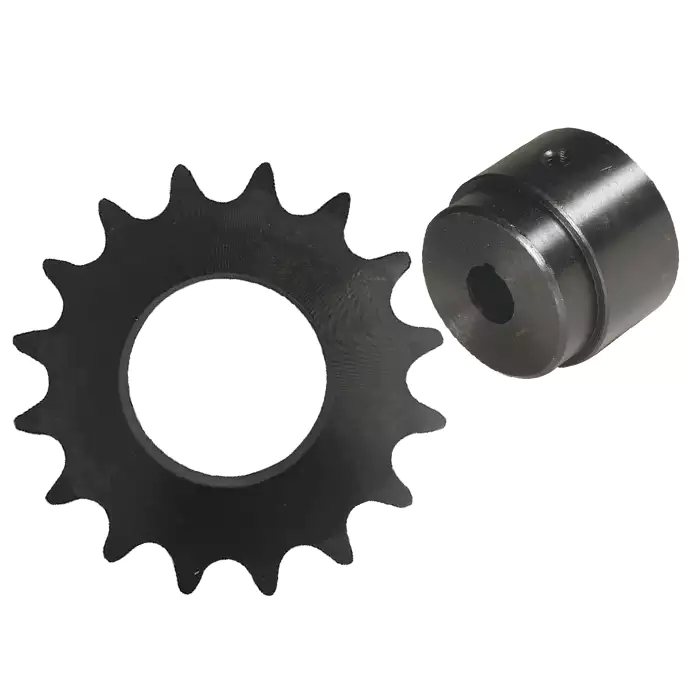
Our weld-on sprockets are designed to be welded onto a hub. We offer a variety of hub options, including circular hubs with different shaft bore sizes, square hubs, and hexagonal hubs, to meet the needs of different applications.
To ensure the smooth and efficient operation of the chain drive system, regular maintenance is required. The following are some maintenance tips:
Daily inspection: Check for any signs of wear, damage or misalignment.
Cleaning: Remove any dirt or debris from the sprocket and chain.
Lubrication: Apply lubricant to the sprocket and chain to reduce friction and wear.
Adjustment and Calibration: Check the tension, alignment, and calibration of the chain drive system regularly.
Some common problems that may occur during the operation of the chain drive system include jumping teeth, breakage, wear, excessive noise, and chain derailment. Here are some troubleshooting tips:
Jumped Teeth: Check for misalignment, excessive wear or damage to the sprocket teeth.
Breakage: Check for improper installation, overloading, or material defects.
Wear: Check for excessive wear or elongation of the chain, and replace the chain or sprocket as necessary.
Excessive Noise: Check for wear or damage to the sprocket teeth or chain.
Chain Derailment: Check for misalignment, tension, or damage to the chain or sprocket.
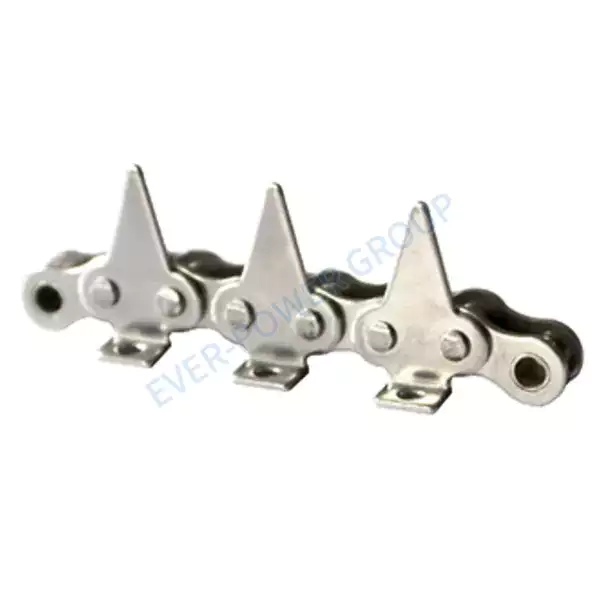
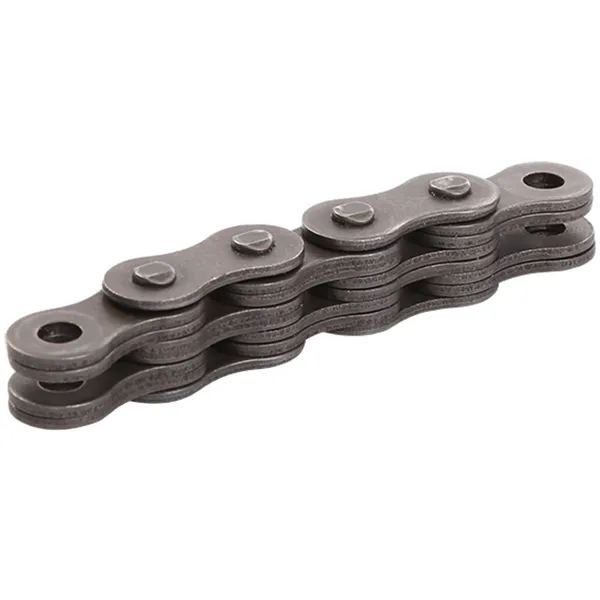
In addition to weld-on sprockets, we also offer other types of sprockets, such as platewheel sprockets, QD sprockets, taper lock sprockets, and more. We also offer matching chains for each type of sprocket, such as hunting tooth sprocket chains.
Author: Miya
Address
Luotuo Industrial Area, Zhenhai District, Ningbo City, China
Tel

 Raydafon