Raydafon Technology Group Co.,Limited
Products
Products
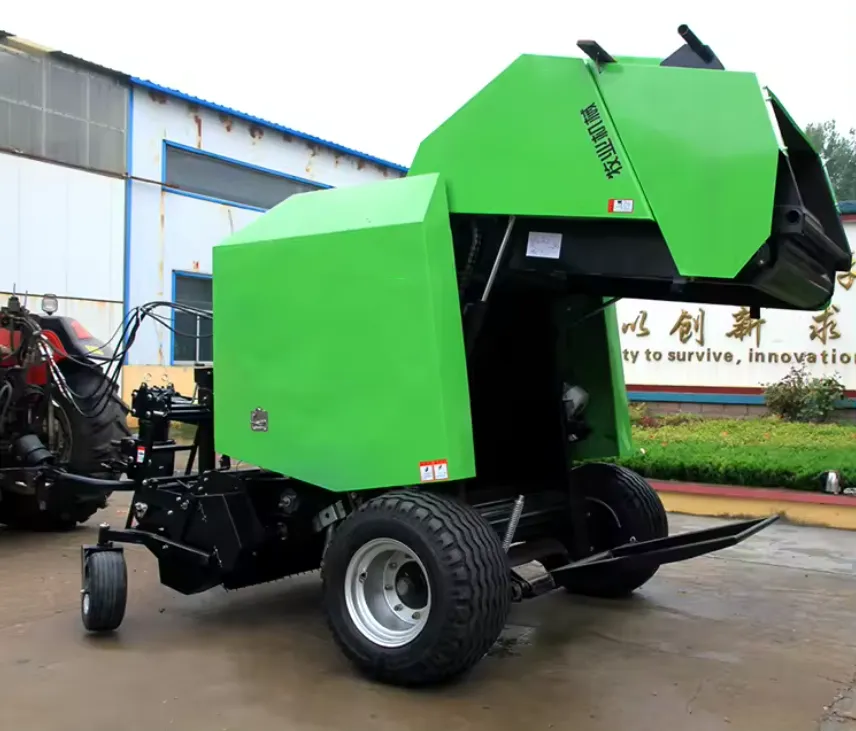
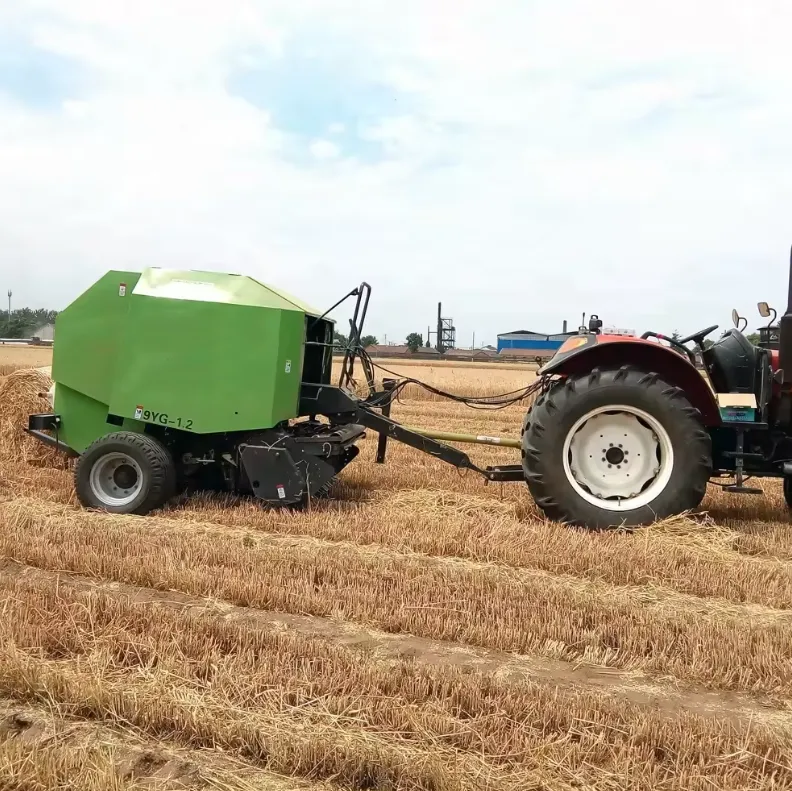
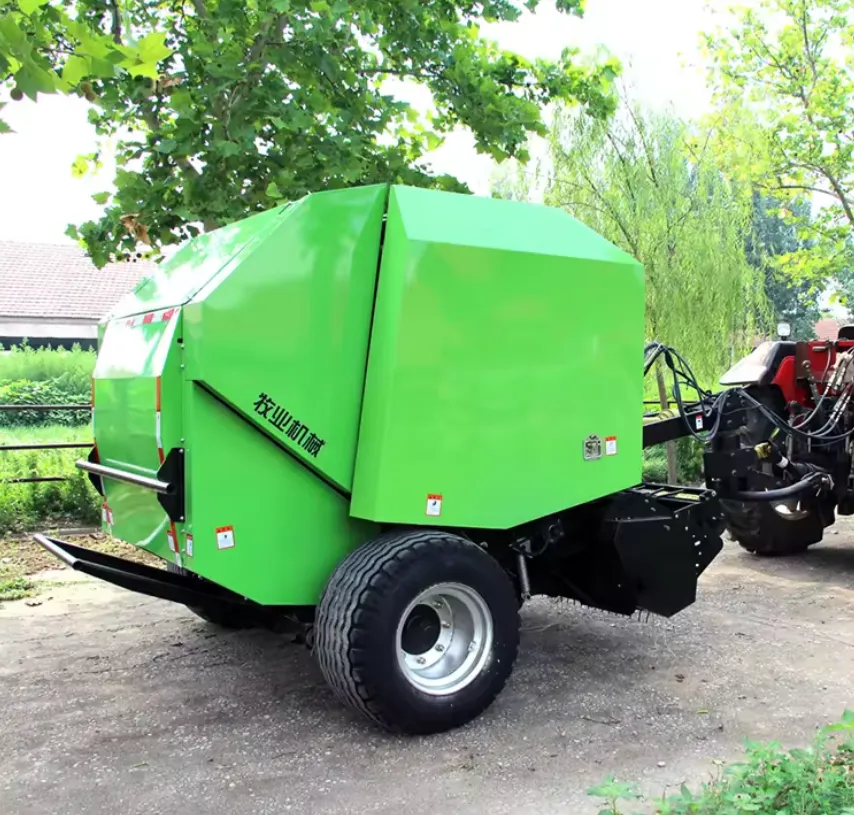
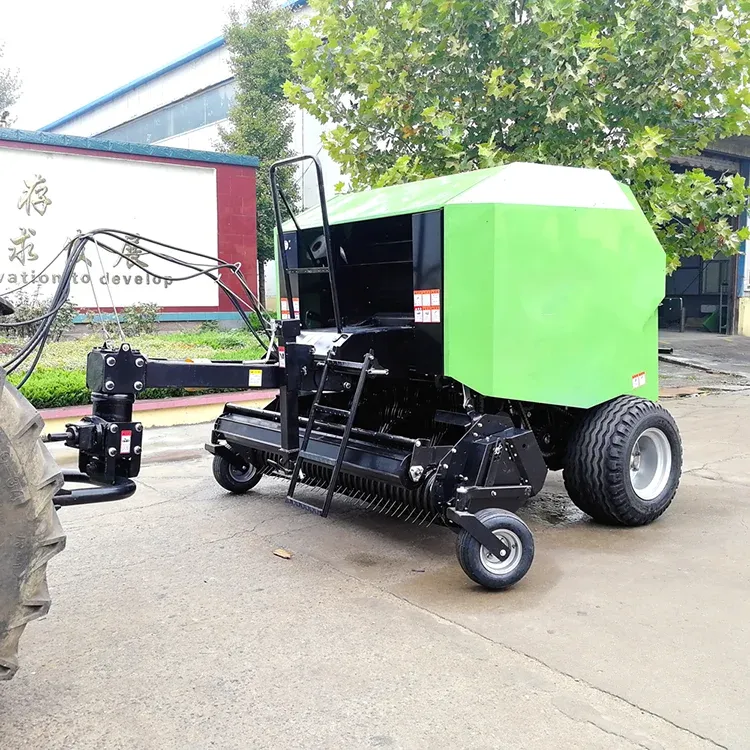
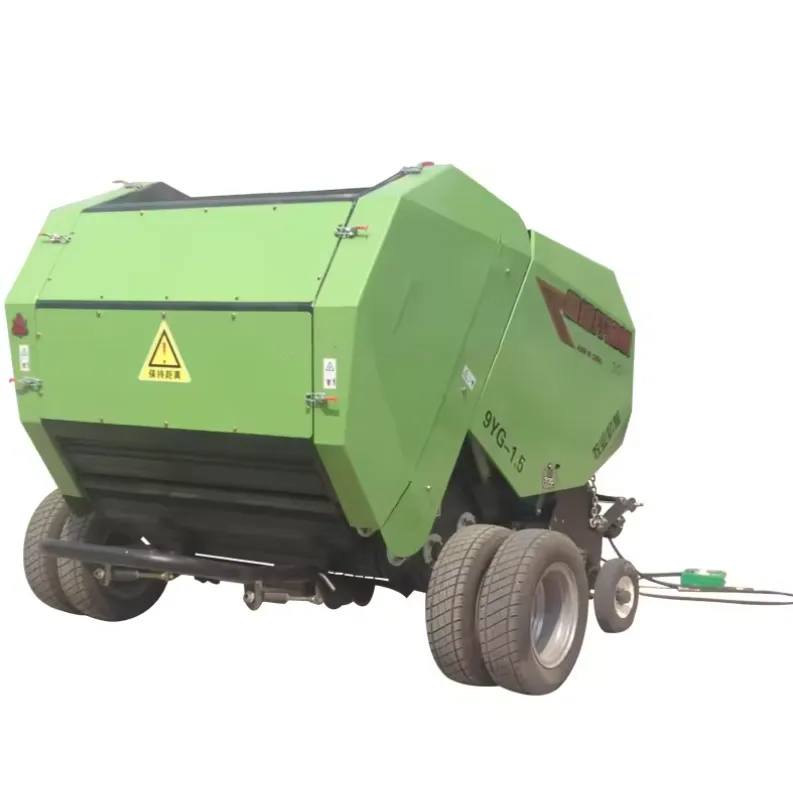
9YYQ-2.1 Large Round Balers for Farm Hay Baling
  • 9YYQ-2.1 Large Round Balers for Farm Hay Baling9YYQ-2.1 Large Round Balers for Farm Hay Baling

9YYQ-2.1 Large Round Balers for Farm Hay Baling

Raydafon Group's 9YYQ-2.1 Large Round Baler excels in farm hay baling, offering durable construction and efficient design for seamless operation. Ideal for farmers seeking reliable harvesting solutions, it minimizes labor while delivering consistent, high-quality bales that enhance productivity and peace of mind. This baler stands out with superior durability and ease of use, ensuring a smart investment for modern agriculture.
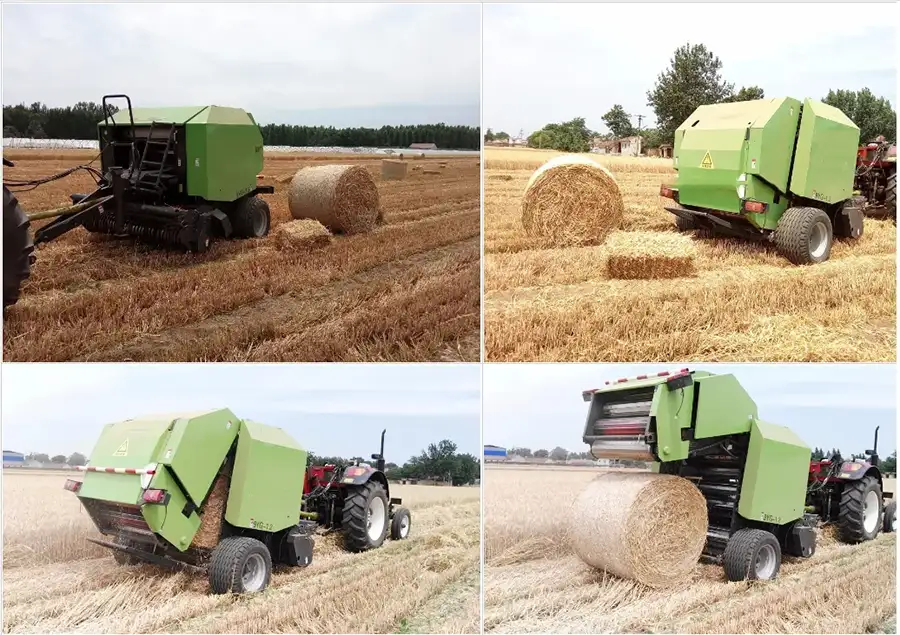
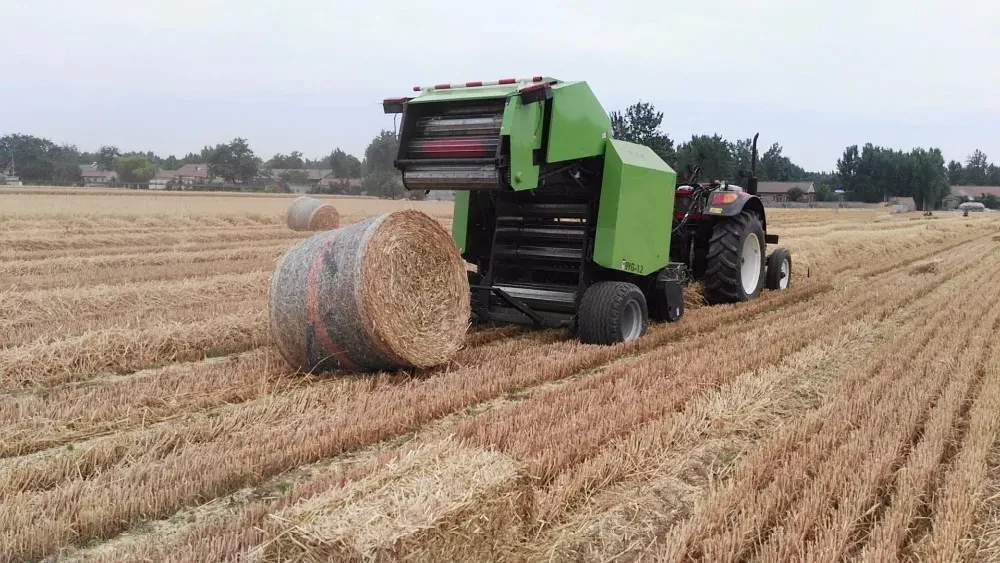
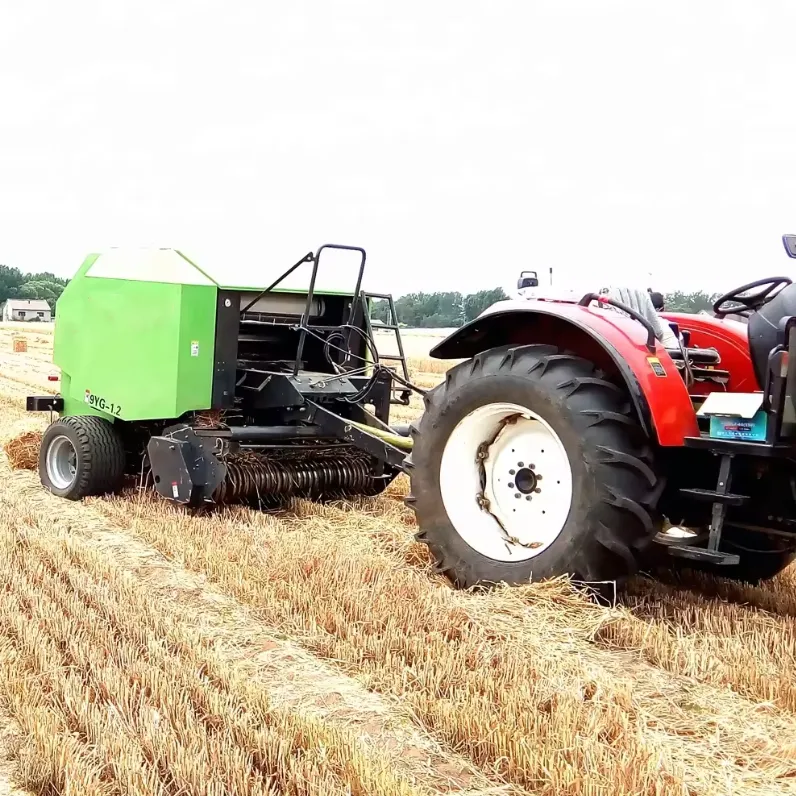
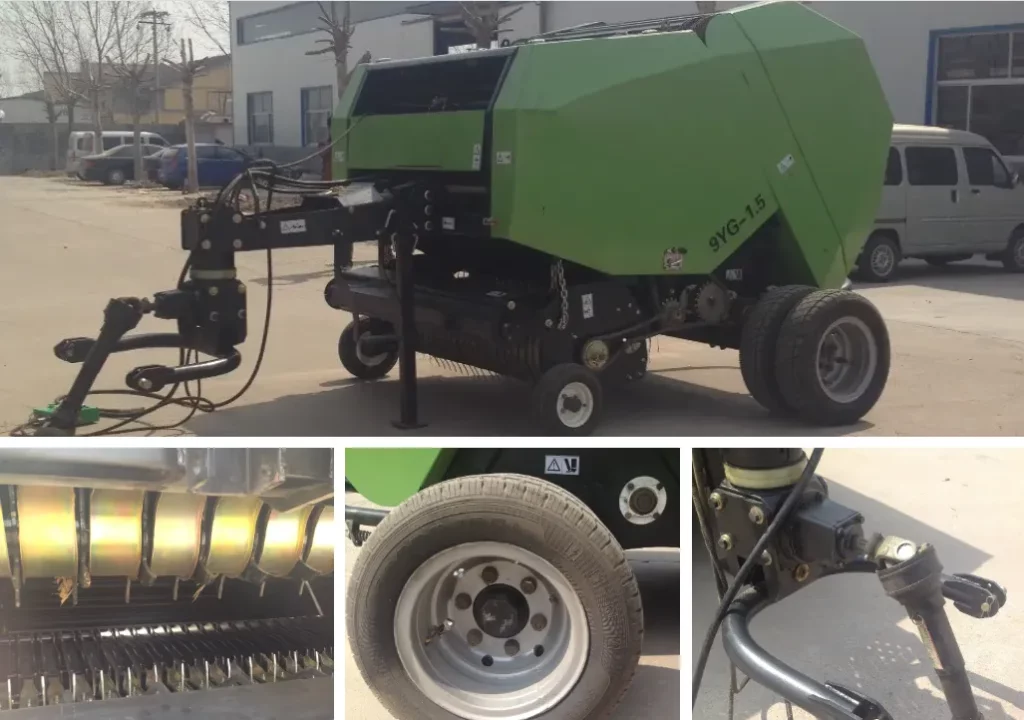
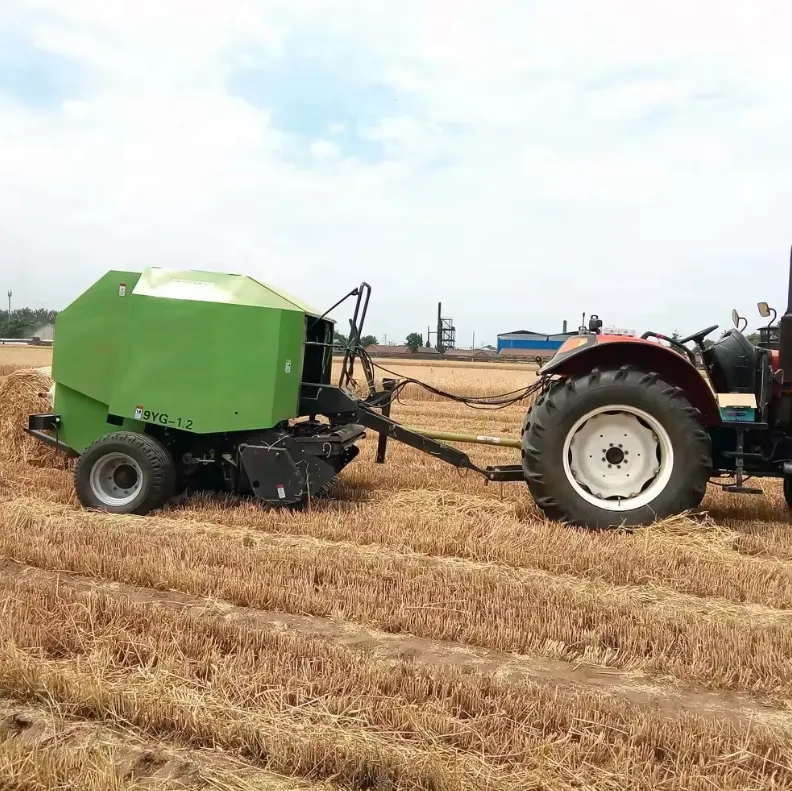
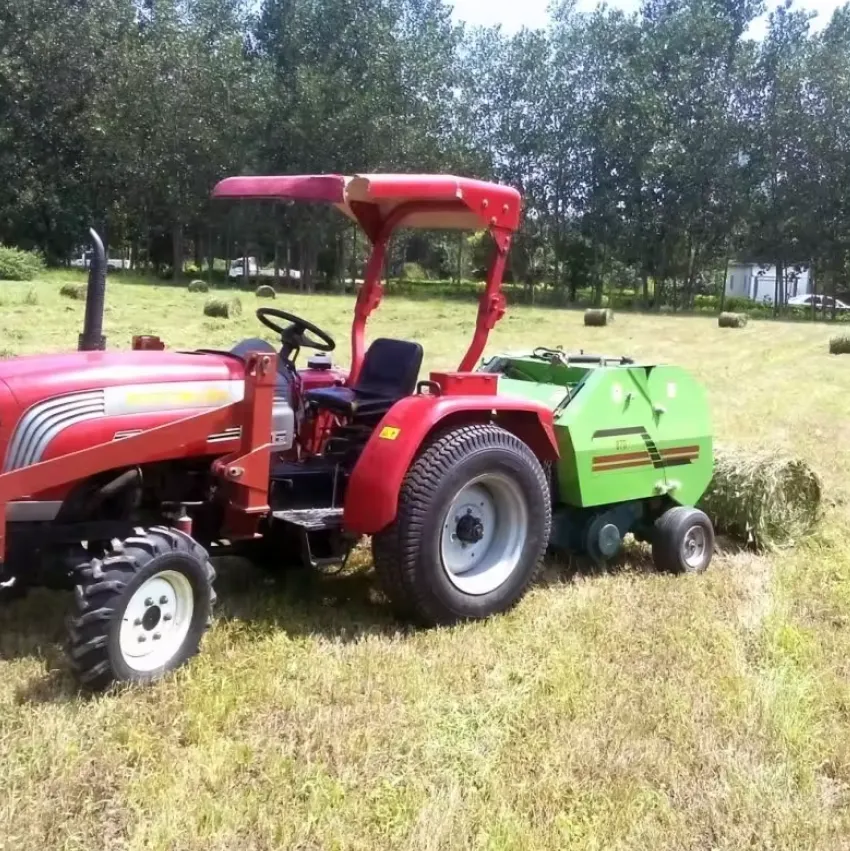
[embed]https://youtu.be/XPTUMj6cOqw[/embed] The 9YYQ-2.1 large Round Balers are an exceptional piece of farming equipment, designed to meet the diverse needs of various agricultural sectors. This product offers unique features that set it apart from other balers in the market. With a one-year warranty on core components, including bearings, gears, and pumps, this round baler guarantees durability and high performance. The key selling points of this baler are its high accuracy and remarkable operating speed of 5-15km/h. It has a capacity of 12-30 bales per hour, with each bale weighing 200-400kgs. The baler is also equipped with an input RPM of 540. This equipment is certified by CE and ISO, assuring quality and reliability. The 9YYQ-2.1 Large Round Baler is capable of handling large quantities of crop material, allowing farmers to efficiently bale their harvest. It can produce large, round bales that are easy to transport and store. The 9YYQ-2.1 Large Round Baler is versatile and can be used for a wide range of crops, including hay, straw, corn stalks, and more. It can adapt to different crop conditions and produce well-formed bales in varying densities. Built with robust materials and components, the baler is designed to withstand the rigors of heavy-duty use. It is built to last, ensuring long-term reliability and minimal maintenance requirements. Depending on the model and configuration, the 9YYQ-2.1 Large Round Baler may offer different bale wrapping options, such as net wrapping or twine tying. This allows farmers to choose the most suitable method for their specific needs. 9YYQ-2.1 Large Round Balers for Farm Hay Baling

9YYQ-2.1 Large Round Baler Specifications

Model 9YG-1.2
Pickup width 2100mm
Feeding open 1200mm
Roller speed 124r/min
Roller number 16
Cutting device 16 blades
Bale method net
Bale weight 200-400kgs
Bale size Φ1300x1200
Overall size 4290x2830x2400
weight 3000kgs

Advantages of Tractor Mounted PTO Driven Large Round Baler

Choosing the 9YYQ-2.1 large round baler brings numerous benefits to your farming operations. Here are some of the key advantages:
  1. Efficiency in Baling Operations: A PTO-driven baler significantly boosts efficiency by allowing continuous and rapid baling. The power take-off (PTO) mechanism directly transfers the tractor’s engine power to the baler, ensuring consistent performance. This reduces downtime and enables farmers to cover large fields quickly, maximizing productivity during the crucial hay harvesting season.
  2. Versatility in Baling Various Crops: Large round balers are versatile and can handle different types of crops, including hay, straw, and silage. This adaptability makes them suitable for diverse farming needs. Farmers can easily switch between crops without needing multiple machines, saving space and resources while ensuring that all baling requirements are efficiently met.
  3. Labor Savings: The automation inherent in these balers reduces the need for manual labor. With features like automatic tying and bale ejection, fewer workers are required to operate the machinery. This not only cuts labor costs but also allows farmworkers to focus on other important tasks, improving overall farm management and productivity.
  4. Improved Bale Quality: Tractor-mounted PTO-driven balers produce consistently shaped and dense bales, which are easier to handle, transport, and store. The compact nature of these bales helps in preserving the nutritional quality of the hay by minimizing exposure to environmental elements, thus ensuring higher-quality feed for livestock over extended periods.
  5. Ease of Transport and Storage: The round shape of the bales facilitates easy rolling and movement. These bales stack efficiently in storage areas, optimizing space utilization. Additionally, their uniform size simplifies loading and unloading processes, making transportation to storage facilities or market destinations more straightforward and less time-consuming.
  6. Enhanced Durability and Longevity: Designed to withstand the rigors of extensive fieldwork, these balers are built with robust materials and components. This durability ensures they can endure harsh working conditions and heavy usage over many seasons, providing farmers with a reliable piece of equipment that supports sustained agricultural productivity without frequent breakdowns.
9YYQ-2.1 Large Round Balers for Farm Hay Baling

Common Applications:

Large round balers are primarily used in agriculture for hay and forage conservation. However, their applications extend beyond these primary uses. Here are some common applications:
  • Baling Hay: Large round balers are primarily used for baling hay, efficiently compressing cut and dried grasses into dense, uniform bales. This process preserves the nutritional content of the hay, making it easier to handle and store. The compact bales protect against moisture, maintaining a quality feed for livestock throughout the year.
  • Baling Silage: These balers can also handle silage, which involves baling partially fermented green fodder. Silage bales are often wrapped in plastic to create an anaerobic environment, preserving the feed's nutritional value. This method is crucial for providing high-energy forage during winter months or periods of pasture shortage, ensuring livestock health.
  • Baling Rice Straw: In regions where rice is a staple crop, large round balers are used to gather and compress rice straw post-harvest. This not only helps in managing agricultural waste but also transforms it into a useful resource. Rice straw bales can be utilized as animal bedding, feed, or even as a biofuel source.
  • Baling Wheat Straw: After wheat harvesting, the residual straw is effectively baled using these machines. Wheat straw bales serve multiple purposes, including animal bedding, mulch, and erosion control. By baling wheat straw, farmers can efficiently clear their fields, prepare for the next planting season, and create additional revenue streams.
  • Baling Corn Stalks: Corn stalks left after harvest can be efficiently baled, turning what might be waste into valuable material. These bales can be used for livestock bedding, feed supplements, or biomass fuel. Baling corn stalks helps in maintaining field cleanliness and contributes to sustainable farming practices by recycling crop residues.
  • Baling Alfalfa: Alfalfa, a high-protein forage crop, is commonly baled using large round balers. Proper baling preserves its nutritional quality, making it an excellent feed option for dairy and beef cattle. The dense bales facilitate easy transport and storage, ensuring a steady supply of nutritious feed throughout the year.
9YYQ-2.1 Large Round Balers for Farm Hay Baling

Working Principle of Tractor Mounted PTO Driven Large Round Baler for Baling Hay

The working principle of a tractor mounted PTO driven large round baler for baling hay involves several key steps and components that work together to efficiently compress hay into dense, round bales. Here's a detailed explanation:
  1. Power Transfer via PTO: The Power Take-Off (PTO) shaft transfers energy from the tractor’s engine directly to the baler. This efficient power transfer mechanism ensures the baler's components operate smoothly. The consistent power supply is crucial for driving the rollers, belts, and other moving parts, enabling continuous and reliable baling operations in the field.
  2. Pickup Mechanism: The baler features a pickup mechanism that gathers cut hay from the field as the tractor moves forward. Tines on a rotating drum lift the hay from the ground and feed it into the baler’s chamber. This system ensures minimal hay loss while efficiently collecting even unevenly spread or windrowed hay.
  3. Baling Chamber Compression: Inside the baling chamber, the hay is rolled into a compact, cylindrical shape. Rollers and belts work together to compress the hay tightly. This compression is essential for forming dense bales that maintain their shape, optimize storage space, and resist moisture penetration, preserving the hay’s nutritional quality.
  4. Wrapping and Tying: Once the bale reaches the desired size, the baler automatically wraps it with twine or netting. This wrapping process secures the bale, preventing it from unraveling during handling and storage. The choice of wrapping material can influence the bale’s durability and protection against environmental conditions.
  5. Bale Ejection: After wrapping, the completed bale is ejected from the rear of the baler. A hydraulic mechanism often assists this process, ensuring smooth and safe release onto the field. The operator can then continue baling without interruption, maintaining efficient workflow and maximizing productivity across large areas.
9YYQ-2.1 Large Round Balers for Farm Hay Baling

Installation Operation:

Installing a large round baler to a tractor involves several steps to ensure a secure and proper attachment. Here's a general guide on how to install a large round baler on a tractor:
  • Position the Tractor and Align the Baler: Park the tractor on a level surface and engage the parking brake. Ensure the tractor is turned off and the PTO is disengaged for safety. Position the large round baler behind the tractor, ensuring it is aligned with the hitch. The baler should be centered and directly behind the tractor for proper balance and stability.
  • Attach the Baler to the Tractor: For a three-point hitch connection, align the tractor's three-point hitch with the baler's hitch points. Lift the hitch and secure the baler using the locking pins. For balers that connect via a drawbar, align the drawbar of the tractor with the hitch on the baler. Insert the hitch pin and secure it with a linchpin or locking device.
  • Connect the PTO Shaft: Align the PTO shaft from the baler with the PTO stub on the tractor. Ensure that the shaft splines are aligned correctly and slide the shaft onto the stub until it locks into place. Ensure that the PTO shaft is the correct length. The shaft should have enough slack to accommodate turns but not so much that it could become entangled or disengage.
  • Check the Attachment: Ensure that all hitch connections are secure and properly locked in place. Shake the baler gently to check for any excessive movement or looseness. If everything is properly attached, there should be minimal play between the tractor and the baler.
  • Verify Clearance: Check the clearance between the tractor and the baler, ensuring that there is enough space for the baler to operate smoothly without interference from the tractor's components.
  • Test the Connection: Once the baler is attached, start the tractor and engage the PTO. Verify that the PTO shaft on the tractor aligns with the PTO input on the baler. Make sure there is a smooth and proper rotation between the two. After the test run, conduct a final inspection to check for any issues or unusual wear. Ensure that all safety features of the baler are operational.
9YYQ-2.1 Large Round Balers for Farm Hay Baling

Common Troubleshooting of Large Round Balers

Troubleshooting common issues with a tractor-mounted large round baler is essential for maintaining its efficiency and prolonging its operational life. Here's a guide to identifying and resolving some frequent problems:
  1. Bale Formation Issues: If bales are uneven or misshapen, check the pickup mechanism for obstructions or uneven feeding. Ensure the hay is properly windrowed to facilitate even distribution in the baling chamber. Adjust the baler’s tension settings and make sure the belts or rollers are functioning correctly to form consistent bales.
  2. Twine or Netting Problems: If twine or netting fails to wrap the bales properly, inspect the wrapping mechanism for blockages or wear. Ensure the twine or netting is threaded correctly and the tension settings are appropriate. Replacing worn components or adjusting the tension can resolve wrapping issues and ensure secure bales.
  3. PTO Shaft Issues: If the PTO shaft isn’t transmitting power effectively, check for alignment and ensure it’s securely connected. Inspect the shaft for damage or wear and confirm that the shielding is intact. Proper lubrication and regular maintenance can prevent PTO problems and ensure smooth power transfer from the tractor.
  4. Bale Ejection Problems: If bales aren’t ejecting smoothly, examine the ejector mechanism for obstructions or mechanical issues. Ensure the hydraulic system controlling the ejector is functioning correctly. Adjusting the bale density settings and keeping the chamber clean can facilitate smooth ejection and prevent operational delays.
  5. Pickup Mechanism Jams: Jamming in the pickup mechanism often results from debris accumulation. Regularly clean the tines and check for bent or broken parts. Ensure the pickup height is set correctly for the crop type and field conditions. Proper maintenance and adjustment can prevent jams and improve efficiency.
  6. Roller and Belt Slippage: If rollers or belts slip during operation, inspect them for wear or damage. Ensure they are properly tensioned and aligned. Clean the rollers and belts to remove any debris or buildup. Regular maintenance and timely replacement of worn parts can prevent slippage and maintain optimal baling performance.
9YYQ-2.1 Large Round Balers for Farm Hay Baling

Agricultural PTO Shaft for Large Round Baler

The agricultural PTO shaft is a crucial component that facilitates the connection between a tractor and a large round baler, playing a vital role in hay baling operations. The PTO shaft transfers mechanical power from the tractor’s engine directly to the baler, enabling it to perform its functions efficiently. This power transfer mechanism is essential for driving the baler’s internal components, such as rollers, belts, and the pickup mechanism, which are responsible for gathering, compressing, and forming the hay into dense, round bales. The PTO shaft ensures that the baler receives a consistent and reliable source of power, which is critical for maintaining operational efficiency and productivity in the field. The compatibility and correct alignment of the PTO shaft with both the tractor and the baler are crucial for optimal performance. It is designed to accommodate the specific power requirements of the baler, ensuring that the machine operates within safe and effective limits. Safety is a primary concern when using a PTO shaft, as it involves rotating components that can pose risks if not handled properly. Ensuring that the PTO shaft is properly shielded and that all connections are secure helps prevent accidents and equipment damage. Regular maintenance, such as lubrication and inspection for wear or damage, is necessary to keep the PTO shaft in good working condition. The PTO shaft is indispensable in the operation of a large round baler, providing the necessary power to perform hay baling efficiently. Its role in connecting the tractor and baler highlights its importance in agricultural practices, ensuring that the baling process is both effective and safe. Proper handling and maintenance of the PTO shaft contribute significantly to the longevity and reliability of the baler, ultimately supporting successful farming operations. 9YYQ-2.1 Large Round Balers for Farm Hay Baling

Why Choose Raydafon's Large Round Balers?

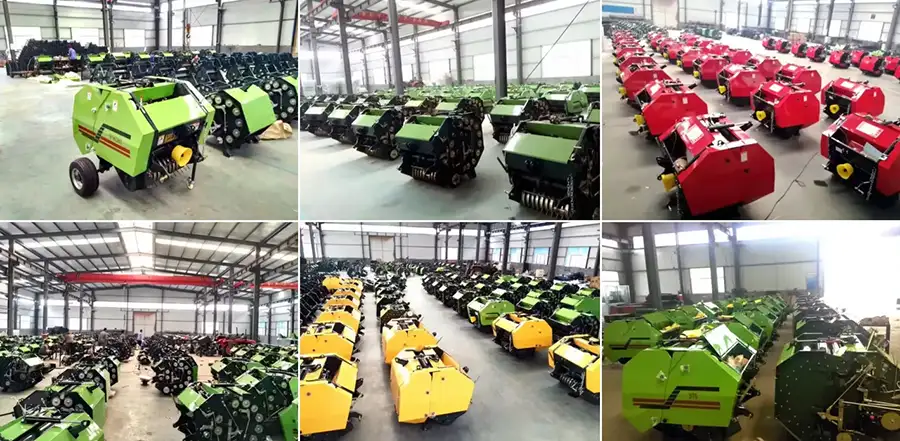
Raydafon Agricultural Machinery Co., Ltd. has been engaged in the research and development of agricultural machinery, such as PTO shafts, agricultural gearboxes, agricultural chains, agricultural pulleys, and agricultural sprockets. Our company has more than 100 employees, among which there are 20 technical technical staff and five senior R&D personnel. Besides, we have abundant financial resources and two advanced casting, forging, machining, heat treatment, and lacquering production lines, and we use CAD computer-aided design system. Our production technology is strong and the equipment is advanced, including lathing, milling, planing, stamping, cutting plate, and electric welding. We have accumulated more than ten years of experience in production, and mainly produce farming machinery, planting machinery, harvesting machinery and its accessories, and matching machines, which are set up by the main tractor manufacturers in China. Our main products are PTO shafts, agricultural gearboxes, rotary hay rakes, corn seeder, drum mowers, flail mowers, lawn mowers, sickle bar mowers, rotary mowers, rotary tillers, land levelers, fertilizer spreaders, furrow ploughs, disc harrows, disc blades, disc ridgers, disc ploughs, potato planters, potato harvester, wheat seeder, vegetable seeder, post hole diggers, boom sprayers, agricultural subsoiler, agricultural trailers, disc mower, finger wheel rake, large round baler, mini round baler, PTO wood chipper, diesel wood chipper, log splitter, front end loader, backhoe, snow blower, road sweeper, etc. The above series of products are complete in specifications, excellent in performance, and reliable in quality. 9YYQ-2.1 Large Round Balers for Farm Hay Baling Our products are sold all over the country and are exported to many countries and regions in Europe, America, Africa, the Middle East, and Southeast Asia all year round. We offer professional services, international certifications, customized services, advanced production facilities, and comprehensive after-sales services to all our customers. Choose Raydafon for all your agricultural machinery needs and experience unmatched quality and performance. Author: Yjx
Hot Tags: Large Round Balers for Hay, Farm Round Baler Manufacturer, Custom Hay Baling Equipment
Send Inquiry
Contact Info
Get customized quotes for transmission components, gearboxes, and machinery. Our engineers will respond within 24 hours.
Online
X
We use cookies to offer you a better browsing experience, analyze site traffic and personalize content. By using this site, you agree to our use of cookies. Privacy Policy
Reject Accept