
Raydafon Technology Group Co.,Limited
Products
Products
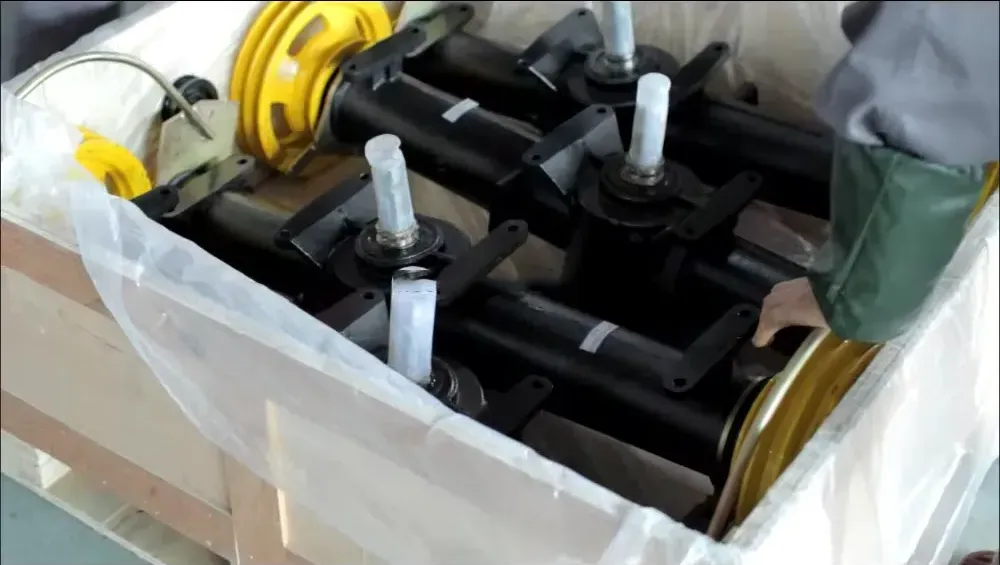
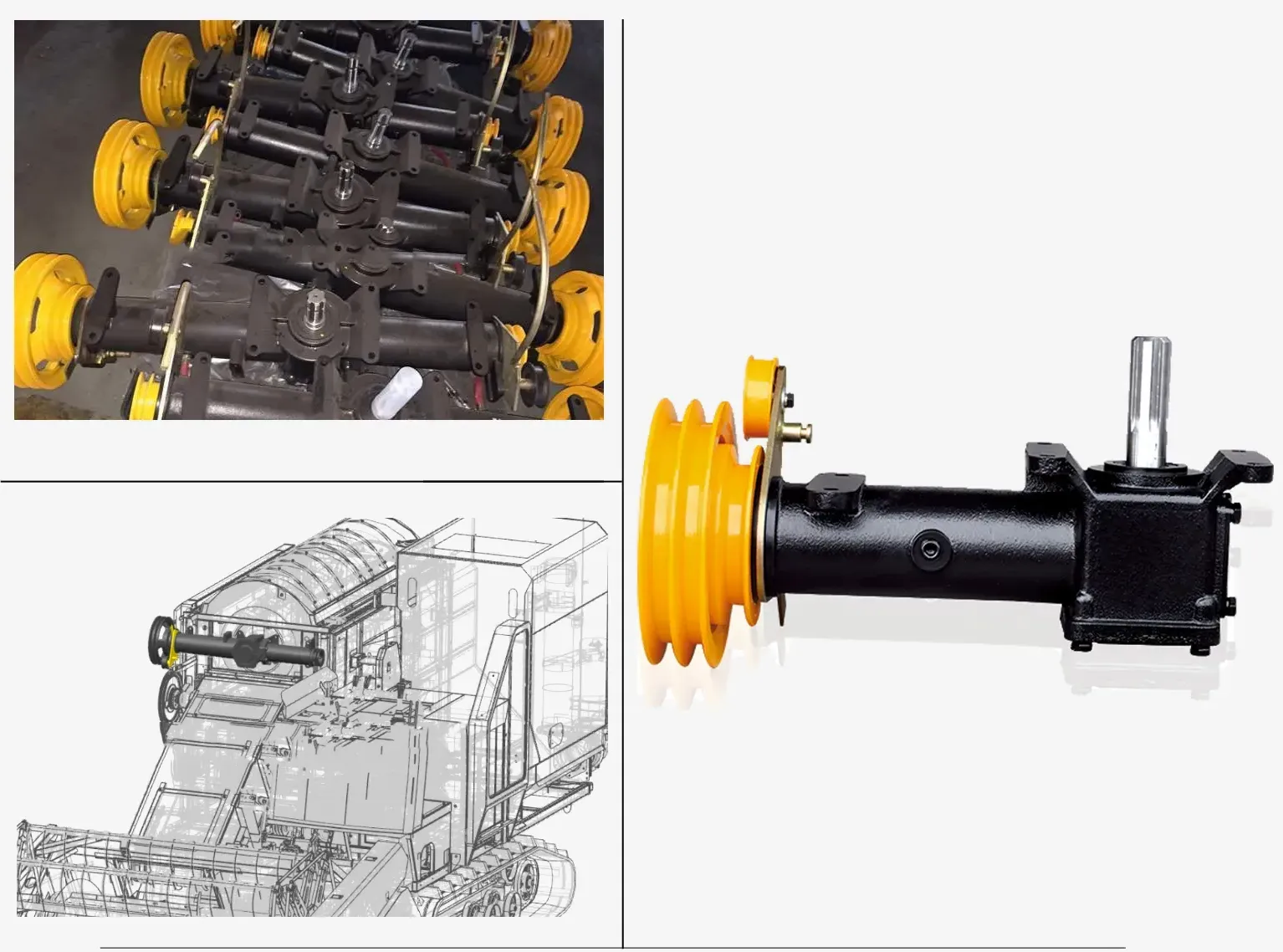
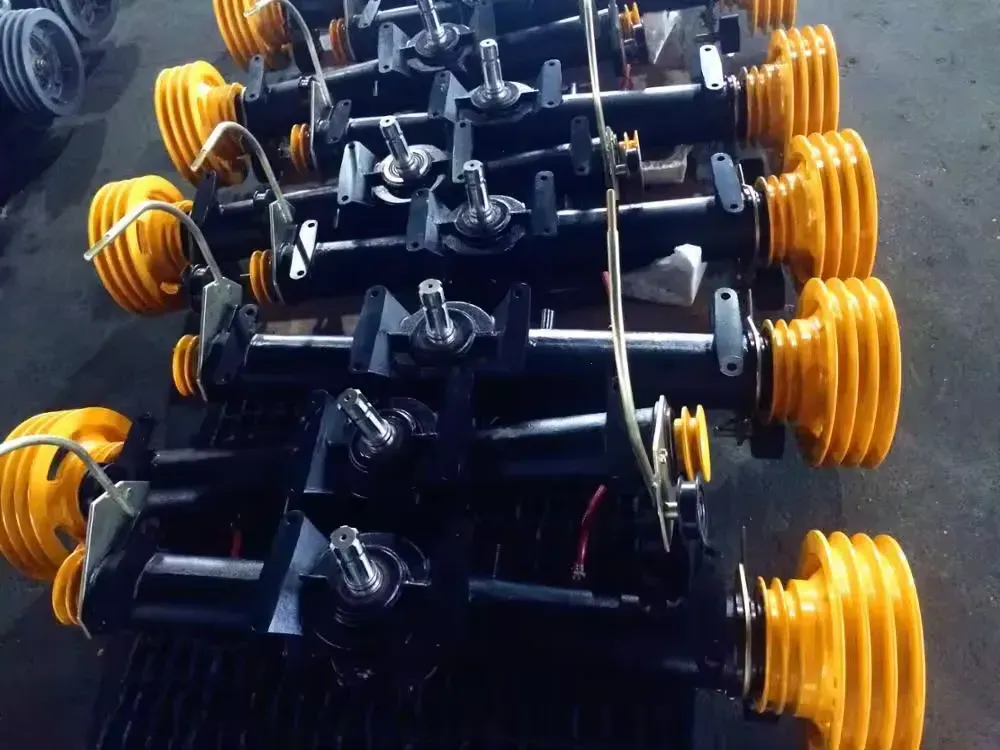
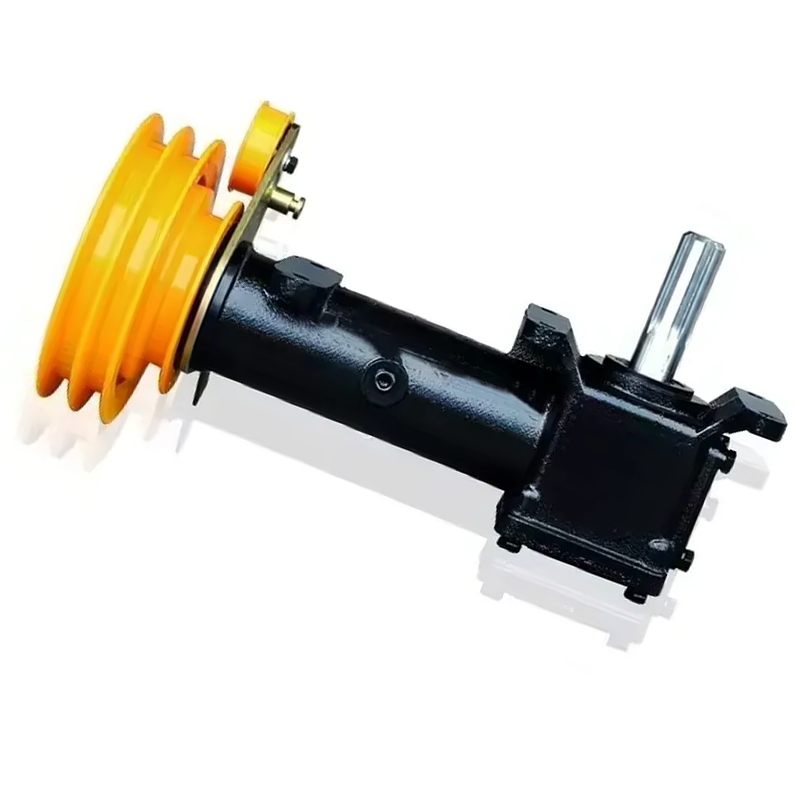
Agricultural Combine Harvester Reversing Gearbox for Rice Harvesting
  • Agricultural Combine Harvester Reversing Gearbox for Rice HarvestingAgricultural Combine Harvester Reversing Gearbox for Rice Harvesting

Agricultural Combine Harvester Reversing Gearbox for Rice Harvesting

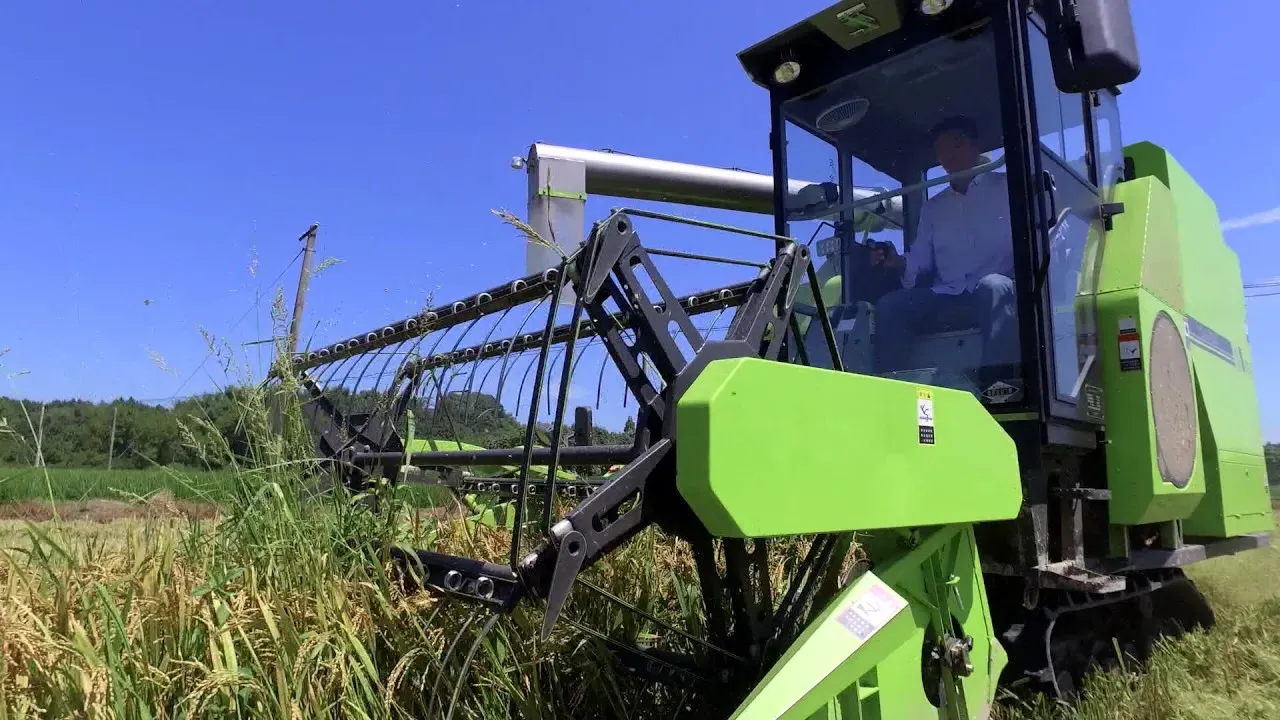
Raydafon Group's Agricultural Combine Harvester Reversing Gearbox for Rice Harvesting is a robust, precision-engineered solution designed to enhance efficiency in rice fields. Its durable construction and smooth operation ensure reliable performance, saving time and reducing downtime during critical harvest seasons. Ideal for farmers and agricultural professionals, this gearbox delivers seamless control and improved maneuverability, boosting productivity and peace of mind. Stand out with our innovative technology and trusted quality—choose Raydafon Group for a smarter harvest today.
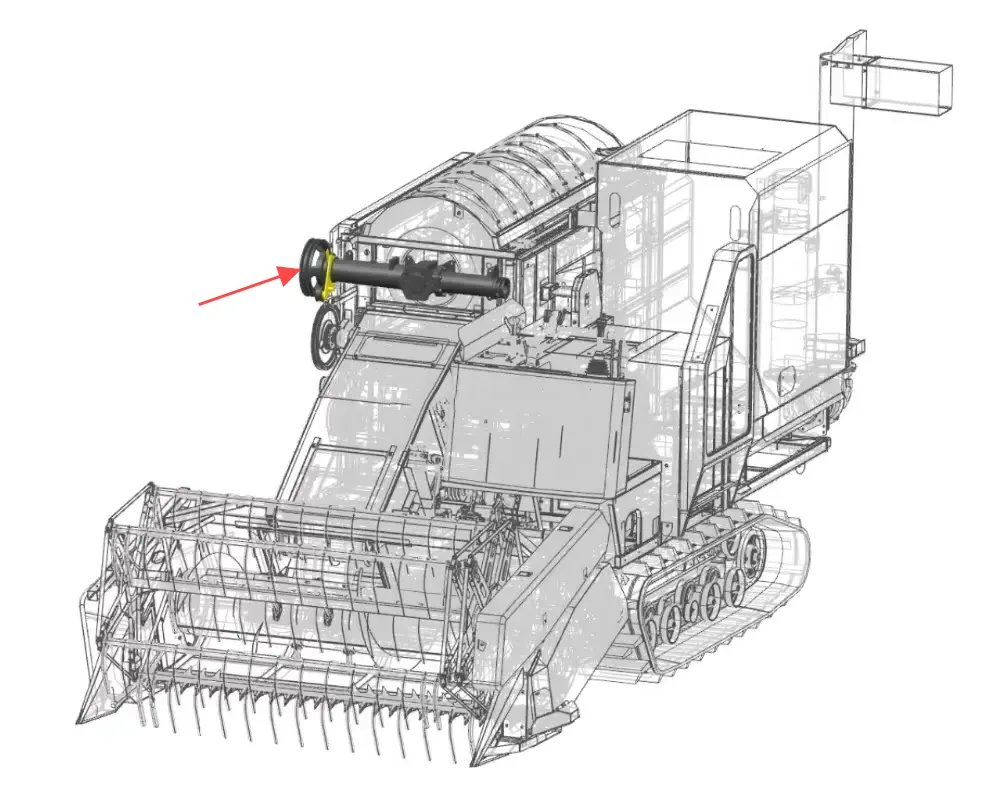
The agricultural combine harvester reversing gearbox is a crucial component designed for large-scale farming machinery, specifically combine harvesters. This specialized gearbox enables the harvester's cutting mechanisms to reverse direction, which is essential for clearing jams or blockages caused by accumulated plant material. Typically constructed from high-strength steel and engineered to withstand heavy loads and continuous operation, the reversing gearbox features robust gears and bearings that facilitate the smooth transition of rotational direction.It is strategically integrated into the harvester's drivetrain system to ensure efficient power transfer from the engine to the cutting and threshing components. By allowing the machinery to operate in reverse, this gearbox significantly enhances the operational flexibility and safety of combine harvesters, reducing downtime and improving field efficiency.Agricultural Combine Harvester Reversing Gearbox for Rice Harvesting

Product Specifications:

Product NameShort harvester reversing for rice harvester
MaterialQT450 for housing, 20CrMnTi for gear shaft.
ColorCustomization
Model RDF-1.6Z.03-05
UsedRice harvester

Advantages of Using the Combine Harvester Reversing Gearbox

The use of a reversing gearbox in combine harvesters brings several key advantages that enhance agricultural productivity and efficiency:
  1. Efficient Jam Clearing: One of the primary benefits of the reversing gearbox is its ability to swiftly and effectively clear jams within the harvesting machinery. By allowing the cutter bar and other components to reverse, it helps in dislodging and removing any plant material that has caused blockages, without the need for manual intervention.
  2. Reduced Downtime: With the capability to quickly address and rectify jams through a simple gear shift, this gearbox reduces downtime significantly. Farmers can maintain a steady workflow and minimize the time spent on maintenance and manual clearing of the harvester.
  3. Increased Durability of Machinery: Frequent jams can lead to wear and tear on the mechanical parts of a harvester. The reversing gearbox minimizes this risk by allowing for an easier clearance of materials, thus prolonging the lifespan of the machine’s components.
  4. Enhanced Safety: Manual clearing of jams typically involves significant risk, especially with the intricate and heavy components of combine harvesters. The reversing feature eliminates the need for operators to physically interact with the cutting mechanisms, thereby enhancing safety.
  5. Improved Field Efficiency: The ability to reverse the harvesting mechanisms allows for better maneuverability in the field, especially in tight spaces or when navigating around obstacles. This leads to more efficient harvesting with fewer missed patches of crops.
Agricultural Combine Harvester Reversing Gearbox for Rice Harvesting

Common Applications:

The combine harvester gearbox plays a pivotal role in various agricultural applications, particularly in the harvesting and processing of different crops. Here’s how it benefits the operations across various common crops:
  • Harvesting Wheat: The gearbox facilitates the adjustment of speeds necessary for cutting and threshing wheat, which requires precision to avoid crushing or losing grains. It helps in maintaining optimal efficiency during the harvest, adjusting to various stalk densities and conditions.
  • Harvesting Corn: For corn, the gearbox allows for the adjustment of the harvester's mechanisms to accommodate the larger, tougher stalks of corn. It ensures that the cutting is efficient and the kernels are separated cleanly from the cob.
  • Harvesting Soybeans: Soybeans require delicate handling to prevent damage to the beans. The gearbox adjusts the operation of the combine to operate at a speed that minimizes loss, handling the plants gently and ensuring maximum yield.
  • Harvesting Rice: Rice harvesting benefits from a gearbox that can manage wet conditions often found in paddy fields. The gearbox helps the combine to maintain a consistent speed that is suitable for cutting stalks submerged in water and handling the muddy terrain.
  • Harvesting Barley: Barley, with its fine grains, needs precise threshing to avoid shattering the grain. The gearbox controls the speed of the threshing mechanism to ensure that the grains are separated from the husk without damage.
  • General Crop Harvesting: Beyond specific crops, the gearbox is crucial for general harvesting operations. It allows for speed adjustments based on the crop type, field condition, and desired harvesting speed, enhancing the versatility of the combine harvester.
Agricultural Combine Harvester Reversing Gearbox for Rice Harvesting

Key Components of Combine Harvester Reversing Gearbox

The combine harvester reversing gearbox is composed of several key components, each critical for its operation and efficiency. Here's a detailed look at these components:
  1. Gear Sets: At the heart of the reversing gearbox are the gear sets, which include multiple gears of varying sizes that interlock. These are responsible for changing the direction of the drive transmitted from the engine to the harvesting mechanisms. The configuration typically includes both forward and reverse gears, allowing for easy switching between the two modes.
  2. Shift Mechanism: This component enables the operator to switch between forward and reverse operations. It typically consists of a lever or an electronic switch that engages different gears within the gearbox. The shift mechanism is designed for quick and effortless transitions to reduce downtime during operations.
  3. Bearings: Bearings are crucial for the smooth operation of the gears. They reduce friction and wear by providing a smooth surface for the gears to rotate on. High-quality bearings ensure the longevity and reliability of the gearbox under the stress of heavy agricultural work.
  4. Clutch: The clutch in the reversing gearbox plays a pivotal role in controlling the power transfer from the engine to the gearbox. It allows the gearbox to temporarily disengage from the engine while shifting gears, preventing damage to the gear sets and ensuring a smoother transition.
  5. Input and Output Shafts: These shafts are key for transferring power into and out of the gearbox. The input shaft is connected to the engine and brings power into the gearbox, which is then altered by the gear sets and sent out through the output shaft to the harvesting components.
  6. Housing: The housing encloses all the internal components of the gearbox, protecting them from dirt, debris, and the elements. It is typically made from durable materials like cast iron or aluminum to withstand the harsh conditions of farming environments.
  7. Oil Seals and Gaskets: These components are essential for maintaining the integrity of the gearbox. Oil seals prevent the leakage of lubricating oils, while gaskets ensure that the housing remains sealed and impervious to external contaminants.
Agricultural Combine Harvester Reversing Gearbox for Rice Harvesting

Working Principle:

The working principle of a reversing gearbox in a rice harvester revolves around enabling the machinery to alternate between forward and reverse motion efficiently, which is essential for navigating the challenging wet conditions of rice paddies and managing plant material blockages. Here’s how the reversing gearbox functions within a rice harvester:
  • Power Input: The process begins with the engine transmitting mechanical power to the gearbox. This power enters through the input shaft, which is directly connected to the engine.
  • Gear Engagement: Inside the gearbox, a series of gears with different sizes and ratios are arranged. The gear selection is controlled by the shift mechanism, which the operator manipulates, typically via a lever or an electronic control system. When the operator selects reverse, the shift mechanism engages the gears that are configured to reverse the rotation direction of the output shaft.
  • Clutch Operation: Integral to the shifting process is the clutch, which temporarily disengages the engine’s power from the gearbox during gear changes. This disengagement is crucial to prevent grinding or damage to the gears as they shift from forward to reverse. The clutch then re-engages once the correct gear is in place.
  • Reversing the Motion: In the reverse gear setting, the configuration of the gears alters the direction of the torque coming from the engine. This reversal is achieved by the arrangement of the gears which changes the rotation direction of the output shaft connected to the harvesting mechanisms.
  • Transmission of Power: Once the gears are engaged in the reverse configuration, power is transmitted through the output shaft to the harvesting components of the rice harvester. This includes the cutting blades, threshing mechanisms, and any other moving parts required in the harvesting process.
  • Operational Flexibility: With the reversing gearbox, the harvester can move backward, allowing it to maneuver out of tight spots or areas where it might have become stuck. Additionally, reversing can help in expelling any debris or blockages in the cutting equipment, which is particularly useful in the often-muddy conditions of rice harvesting.
Agricultural Combine Harvester Reversing Gearbox for Rice Harvesting

Common Troubleshooting of Combine Harvester Reversing Gearbox

Troubleshooting a combine harvester's reversing gearbox involves identifying and resolving common issues that can affect its performance and reliability. Here are some typical problems and troubleshooting steps:
  1. Difficulty in Shifting Gears:
    • Cause: This issue can be due to low lubricant levels, incorrect lubricant type, or internal wear and damage to gears or bearings.
    • Solution: Check and refill the gearbox oil to the recommended level with the correct type of lubricant. Inspect gears and bearings for wear or damage and replace them if necessary.
  2. Gear Slippage:
    • Cause: Gear slippage often results from a worn clutch, inadequate tension in the clutch springs, or glazed clutch plates.
    • Solution: Adjust the clutch linkage to ensure proper engagement. If the clutch plates are worn or glazed, they should be replaced. Also, check the clutch springs for proper tension and replace if needed.
  3. Unusual Noises (Grinding, Whining):
    • Cause: These sounds typically indicate misaligned gears, insufficient lubrication, or bearings that are failing.
    • Solution: Check the gearbox’s alignment and the condition of the gears. Ensure that the gearbox is adequately lubricated. Replace any worn or damaged bearings.
  4. Gearbox Overheating:
    • Cause: Overheating can occur due to overloading, excessive friction from poorly lubricated or misaligned gears, or a failure in the cooling system.
    • Solution: Ensure the gearbox is not being overloaded beyond its capacity. Check and replace the lubricant if it is dirty or insufficient. Also, make sure that any cooling systems are functioning correctly.
  5. Leaking Gearbox Oil:
    • Cause: Leaks can be caused by damaged seals, loose fittings, or cracks in the gearbox housing.
    • Solution: Inspect seals and fittings for damage and tighten or replace as necessary. If there is a crack in the housing, it may need to be welded or replaced.
  6. Jammed Gears:
    • Cause: Gears can become jammed due to the accumulation of debris or the failure of internal components.
    • Solution: Clean the gearbox thoroughly to remove any debris. Check for broken gears or other internal components and replace them as needed.
Agricultural Combine Harvester Reversing Gearbox for Rice Harvesting

Combine Harvester Gearbox Manufacturers

Raydafon is a prominent manufacturer of high-performance combine harvester gearboxes for a variety of applications. Our combine harvester gearboxes are a powerful replacement option for John Deere, Case IH, CLAAS, New Holland, Kubota, Lovol, Zoomlion, Krone, Shibaura, Kioti, Challenger, Versatile, Valtra and other brands. Our technical staff can reconfigure an existing design or assist you in designing a custom combine harvester gearbox if a standard or existing design does not fit your application. Shaft rotation, speed ratio, input speed, output speed, input torque, output torque, mounting position, and the application’s environment are all considerations when choosing a combine harvester gearbox.

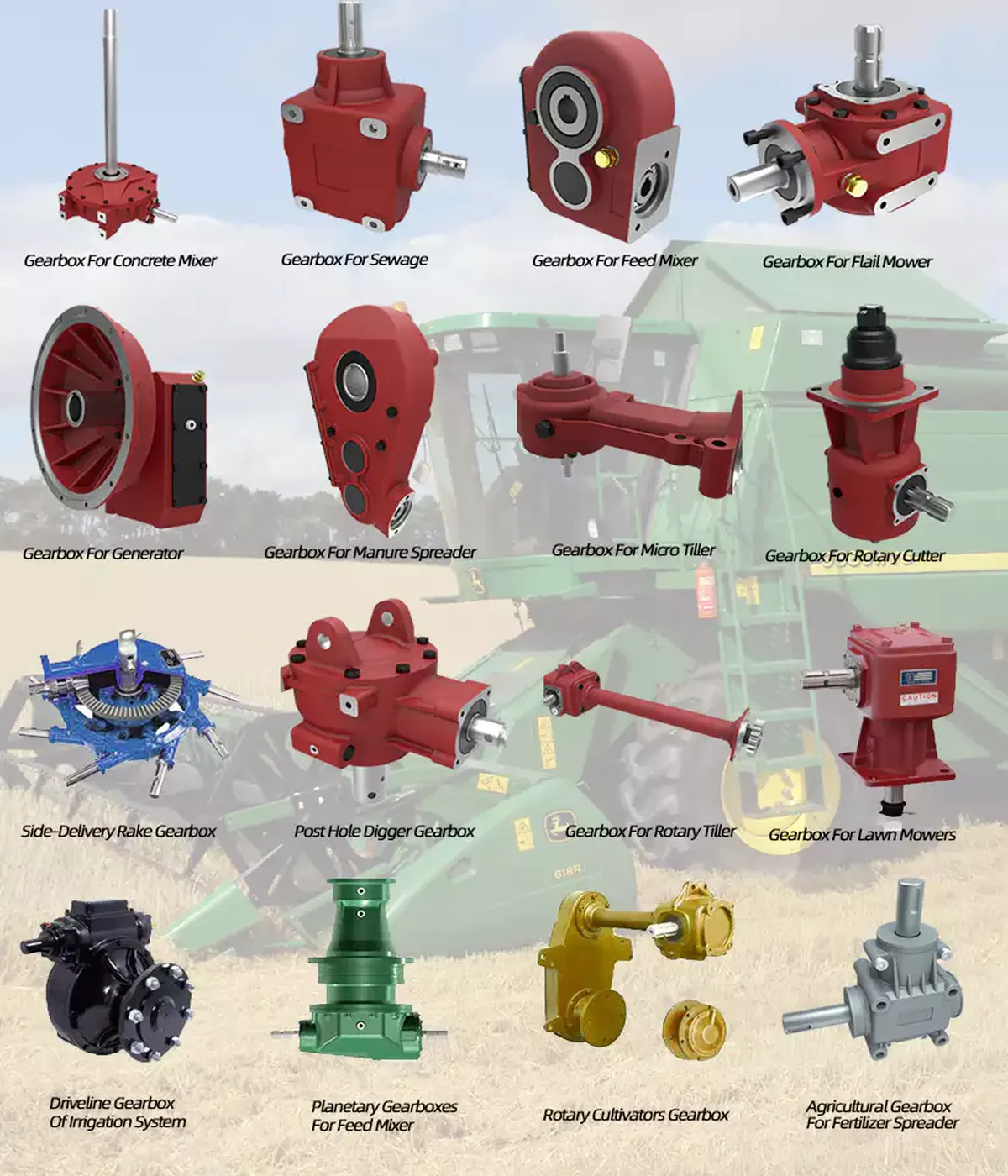
We can also offer many types of agricultural gearboxes and PTO shafts, such as rotary cutter gearboxes, rotary tiller gearboxes, feed mixer gearboxes, lawn mower gearboxes, fertilizer spreader gearboxes, flail mower gearboxes, post hole digger gearboxes, corn headers gearboxes, fertilizer mixer gearboxes, round baler gearboxes, square baler gearboxes, irrigation reels gearboxes, manure spreader gearboxes, fertilizer seeder gearboxes, rotary rake gearboxes, cutting bar gearboxes, gearbox for hay tedders, etc. If you want to buy a combine harvester gearbox, please get in touch with us.Agricultural Combine Harvester Reversing Gearbox for Rice Harvesting
Hot Tags: Combine Harvester Gearbox Supplier, Rice Harvesting Gearbox Replacement, Agricultural Gearbox Customization
Send Inquiry
Contact Info
Get customized quotes for transmission components, gearboxes, and machinery. Our engineers will respond within 24 hours.
Online
X
We use cookies to offer you a better browsing experience, analyze site traffic and personalize content. By using this site, you agree to our use of cookies. Privacy Policy
Reject Accept