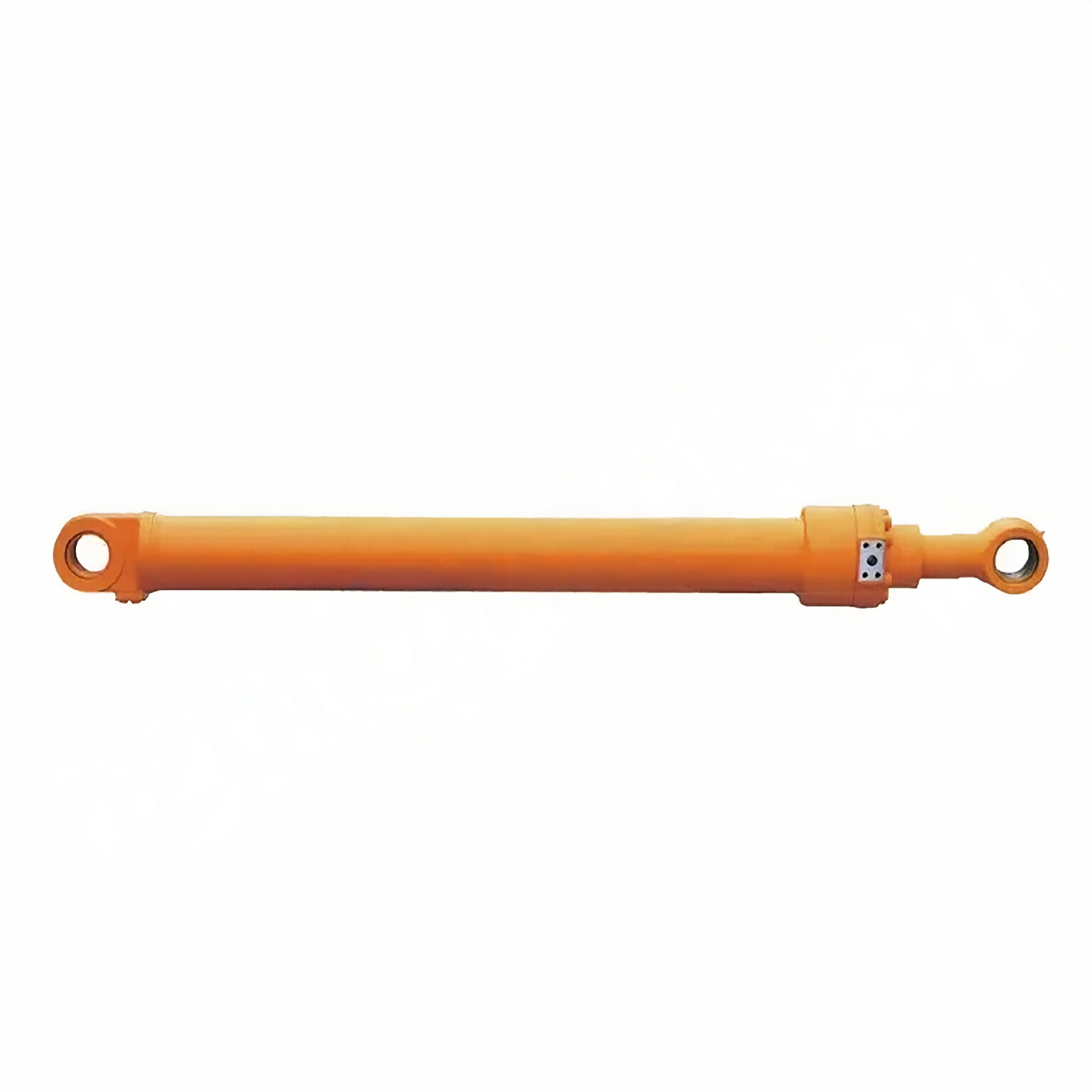
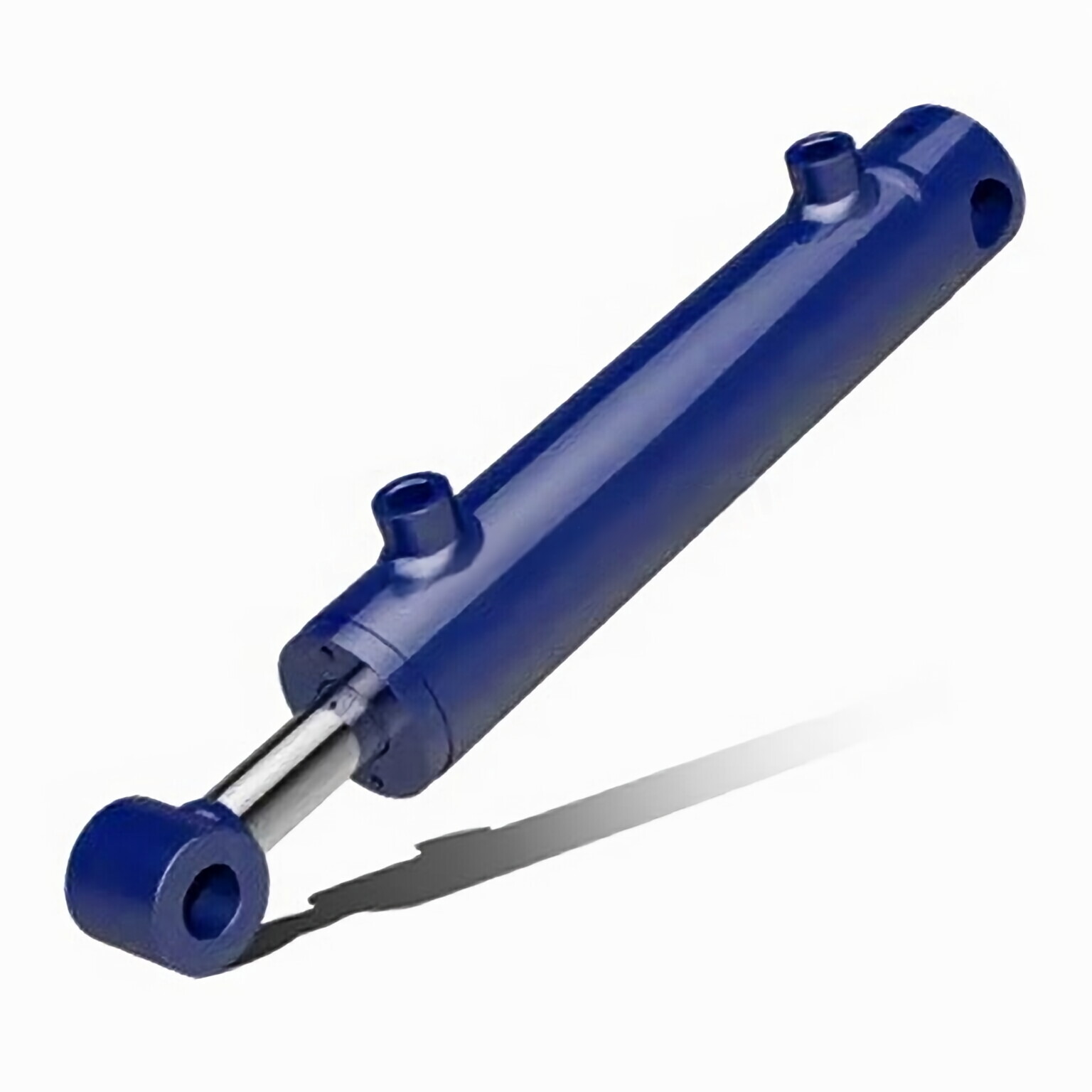
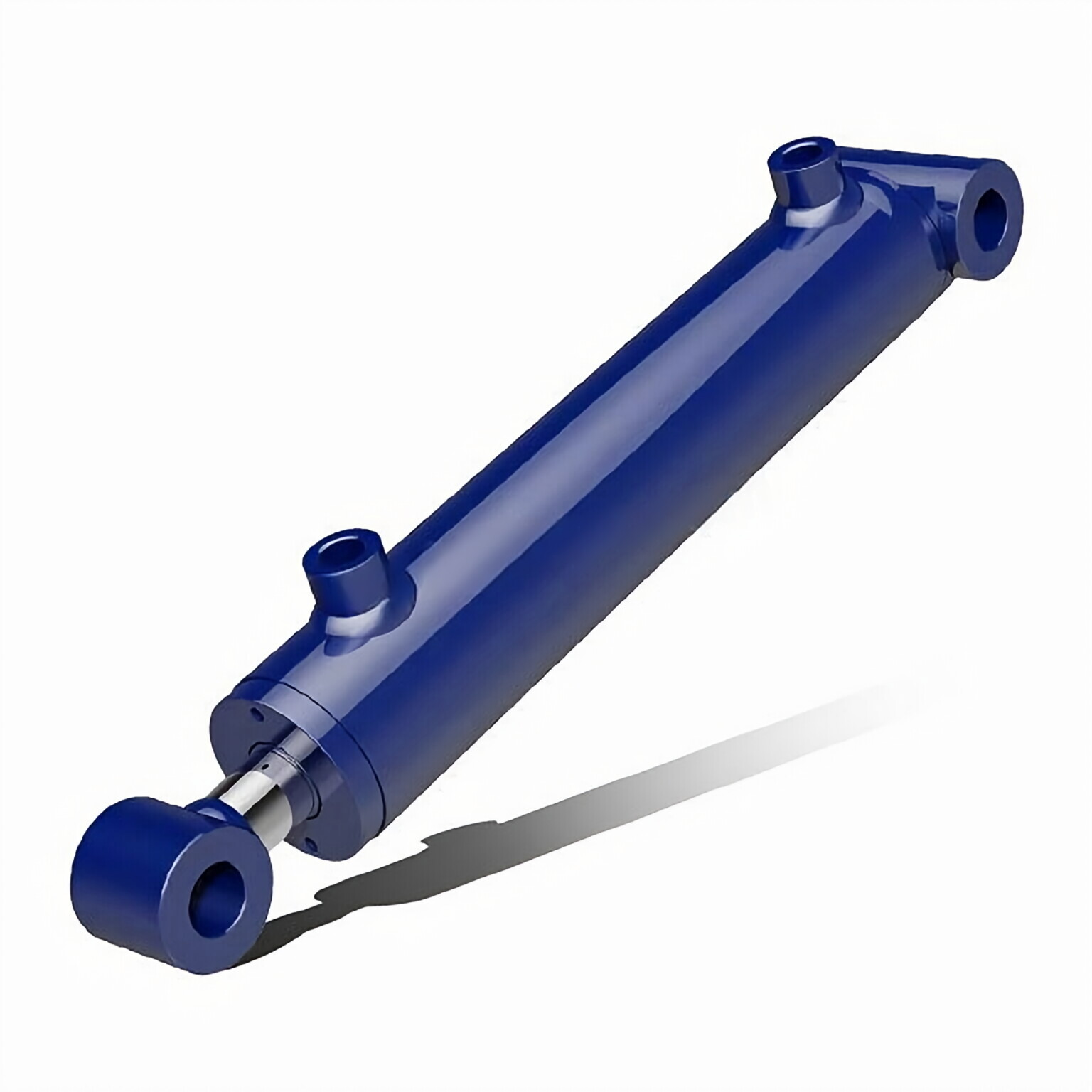
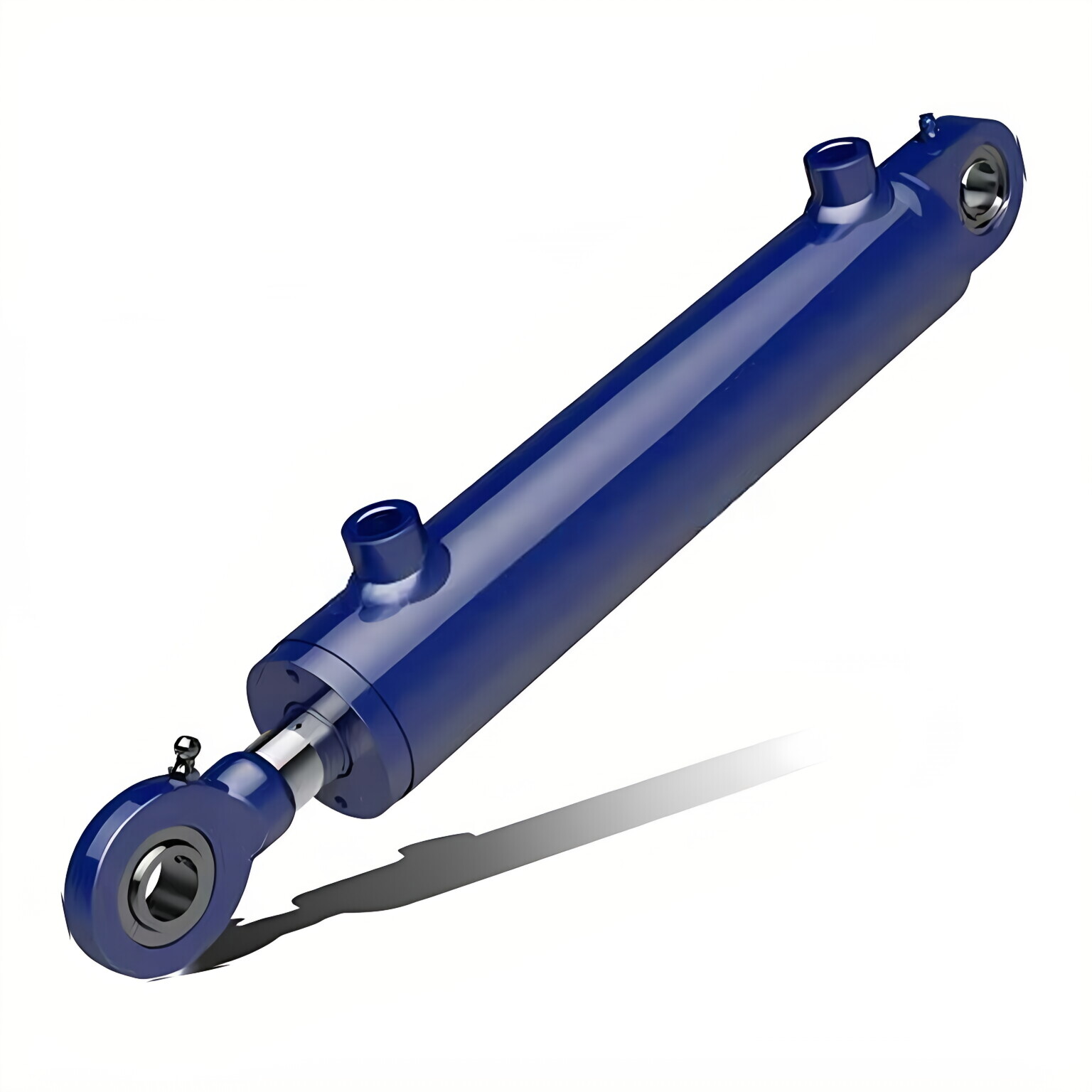
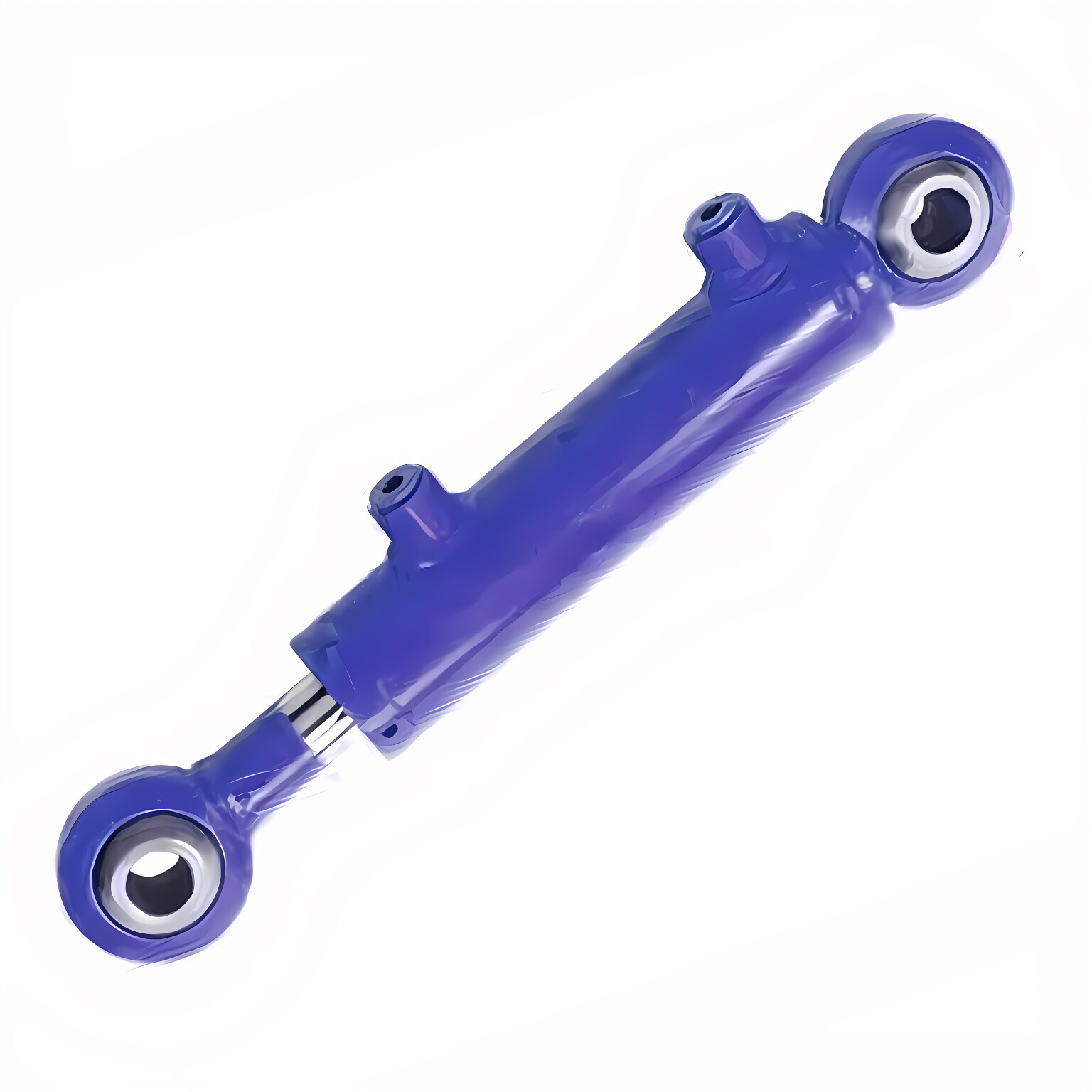
Upgrade your Hyundai R80-7 small excavator with the premium Arm Cylinder from Raydafon Group, engineered for precision and durability in demanding construction tasks. Its high-strength steel build and advanced sealing technology ensure smooth, reliable operation, reducing downtime for operators and contractors. Experience unmatched performance and longevity, making it the trusted choice for professionals seeking efficiency and peace of mind. Elevate your equipment's capabilities with this essential component today!
Arm Cylinder For Hyundai Small Excavator R80-7IntroductionArm cylinder is a type of hydraulic cylinder that is designed to provide linear motion and force for the arms of various types of machines such as excavators, cranes, and mechanical arms. These cylinders are crucial for enabling the movement and control of additional tools or implements. OverviewArm cylinders are hydraulic cylinders that are used for linear arm movement. They are essential components of hydraulic systems, providing the necessary force for lifting, lowering, and moving heavy loads. They are used in a variety of applications, including construction, agriculture, and industrial equipment. The arm cylinder is a crucial component in the hydraulic system of a machine, and it is responsible for providing the force necessary for the arm to move.FeaturesArm cylinders have several features that make them ideal for use in a wide range of applications. Some of these features include:1. High strength and durability: Arm cylinders are typically made from high-strength steel or aluminum, which can withstand high pressure and heavy loads. They are designed to be durable and to withstand harsh working conditions, with consideration given to wear resistance and corrosion resistance to extend their lifespan.2. Efficient hydraulic operation: Arm cylinders use the pressure of hydraulic oil to achieve smooth extension and retraction, respond quickly to control commands, and provide powerful pushing and pulling force, making them suitable for handling heavy objects and complex tasks.3. Various types: Depending on the requirements, single-acting (hydraulic force used in one direction) or double-acting (hydraulic force used in both directions) cylinders can be selected to meet different operating needs. Some models are telescopic, allowing for greater extension without increasing the external size, making them suitable for applications where space is limited.4. Precise control: Arm cylinders provide precise control over the angle and height of the arm, suitable for different working requirements, and can be combined with hydraulic control systems to achieve complex movements and higher operating flexibility.5. Replacement for hydraulic cylinders: Our company produces arm cylinders that can perfectly replace existing hydraulic cylinders, with a wide range of options for different applications.ApplicationsArm cylinders are used in a variety of applications, including:1. Construction equipment: In excavators, arm cylinders are essential for digging and lifting materials. In cranes, they can be used to precisely position loads.2. Agricultural machinery: Used in loaders and harvesters, arm cylinders are used to manipulate tools and effectively collect crops.3. Industrial equipment: In assembly line robotic arms, arm cylinders can execute precise, repetitive tasks.Design ConsiderationsWhen designing arm cylinders, several considerations must be taken into account, including:1. Load-bearing capacity: Arm cylinders must be designed to withstand the force generated by the loads they will be moving.2. Sealing: Various types of seals, such as piston seals and rod seals, are used to prevent oil leakage and maintain hydraulic pressure.3. Durability: Arm cylinders are designed to withstand harsh working conditions and should be made from materials that are resistant to wear and corrosion.4. Safety: Arm cylinders must be designed to minimize the risk of leaks or other safety hazards.5. Maintainability: Arm cylinders should be designed to be easily maintained and repaired.Sealing and LubricationArm cylinders use various types of seals, such as piston seals and rod seals, to maintain hydraulic pressure and prevent oil leakage. Materials such as polyurethane and nitrile rubber are commonly used for seals due to their wear resistance. The surface of the cylinder body and thread end are finely processed to improve wear resistance. Regularly adding the appropriate amount of hydraulic oil to lubricate the arm cylinder can extend its lifespan.Preventive MaintenanceRegular inspection and preventive maintenance are essential for ensuring the long-term performance of arm cylinders. Some preventive maintenance measures include:1. Regular inspection of seals and other components for signs of wear or damage.2. Regular cleaning of the cylinder to prevent contamination.3. Regular replacement of worn or damaged seals.4. Regular inspection of hydraulic hoses and connections for signs of wear or damage.5. Regular inspection of the hydraulic system for signs of leaks or other problems.Installation GuideCorrect installation of arm cylinders is crucial for ensuring their proper operation. Some key steps to follow during installation include:1. Ensure that the cylinder mounting bracket is properly aligned with the arm and the hydraulic system.2. Ensure that the cylinder rod is properly attached to the arm.3. Ensure that all hydraulic connections are properly tightened.4. Ensure that the cylinder is properly lubricated before use.Safety ConsiderationsWhen working with arm cylinders, safety should always be the top priority. Some safety considerations when working with arm cylinders include:1. Always wear protective gear when working with hydraulic systems.2. Never exceed the recommended load capacity of the cylinder.3. Regularly inspect the hydraulic system for signs of leaks or other safety hazards.4. Never attempt to repair or modify the cylinder without proper training and equipment.Troubleshooting and Common ProblemsSome common problems that can occur with arm cylinders include:1. Leaks: Caused by damaged or worn seals or faulty hydraulic connections.2. Failure to extend or retract: Caused by a lack of hydraulic pressure, a damaged cylinder body or piston, or a problem with the control valve.3. Noisy operation: Caused by a lack of lubrication or a damaged piston.4. Overheating: Caused by excessive pressure or insufficient lubrication.5. Slow operation: Caused by a lack of hydraulic pressure, a damaged cylinder body or piston, or a problem with the control valve.To troubleshoot these problems, it is recommended to inspect the cylinder and hydraulic system for signs of damage or wear. Our company provides tips and solutions for handling these problems effectively.ConclusionOur company is a leading manufacturer and wholesaler of hydraulic cylinders, offering a complete range of products for a wide range of applications. Our focus on excellent quality, fine manufacturing, and advanced production management strategies has allowed us to continuously improve our manufacturing platform and product quality. Our products are designed to meet the diverse needs of our customers with high efficiency, precision, and quality. Our company is dedicated to providing customized services, international certification, and comprehensive after-sales service. Our manufacturing equipment is based on advanced technology, and our professional technical personnel ensure that all products meet the highest standards of quality and precision. Author: lyl.
Hot Tags: Hyundai R80-7 Arm Cylinder, Small Excavator Hydraulic Cylinder, Custom Excavator Cylinder Parts
We use cookies to offer you a better browsing experience, analyze site traffic and personalize content. By using this site, you agree to our use of cookies.Privacy Policy


 Raydafon