
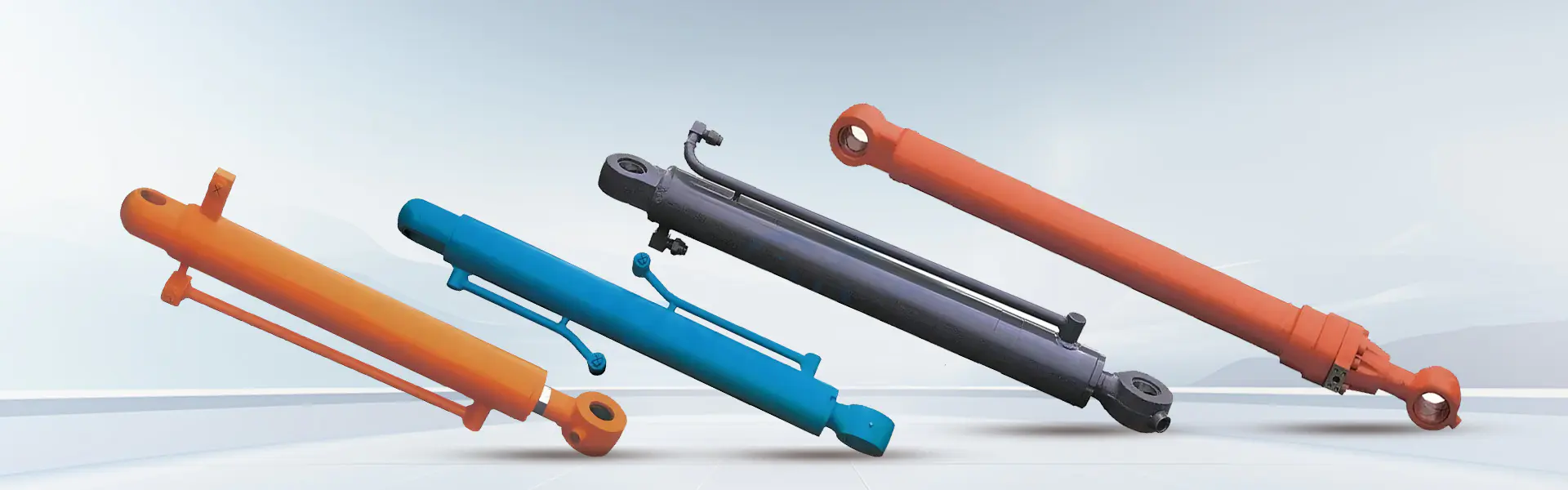
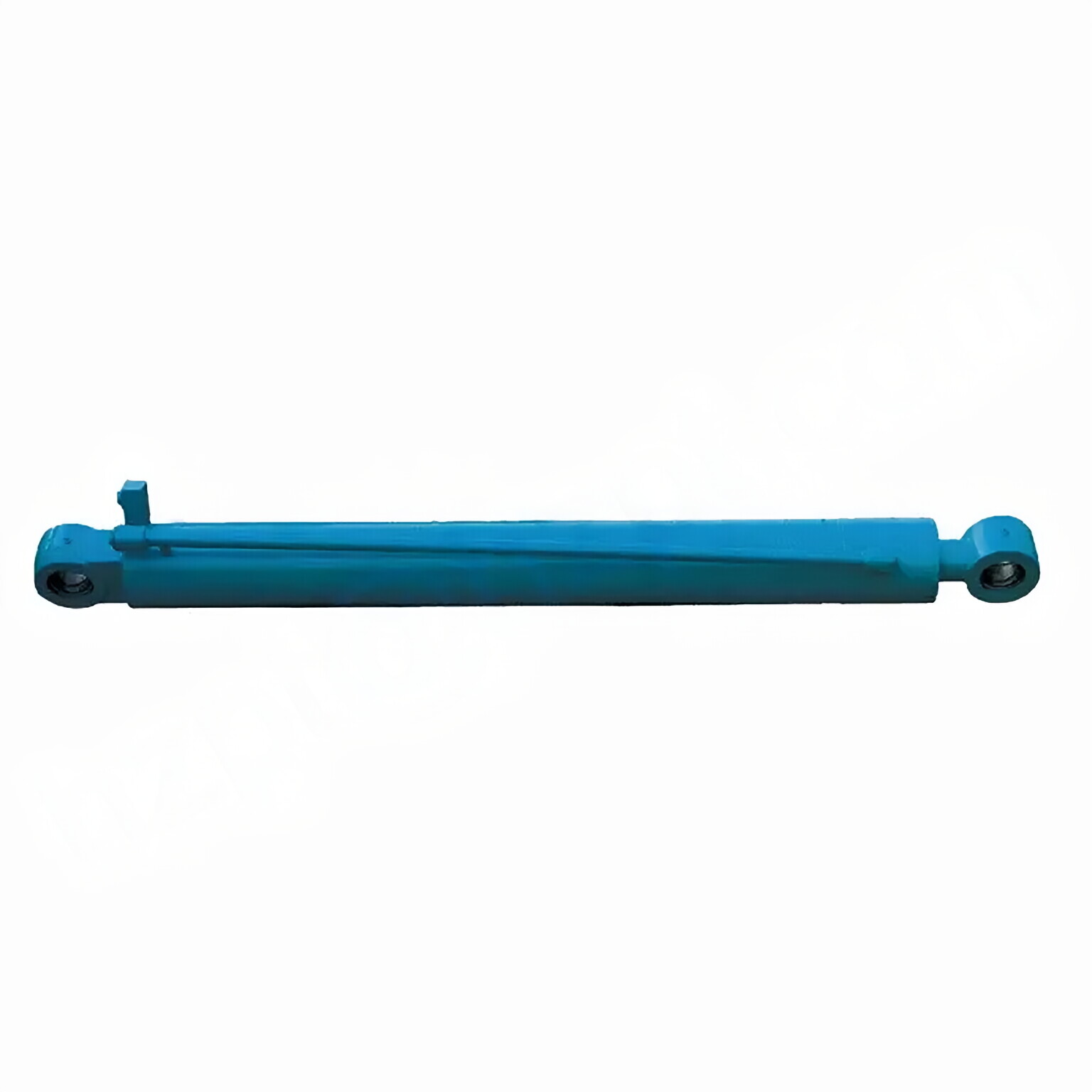
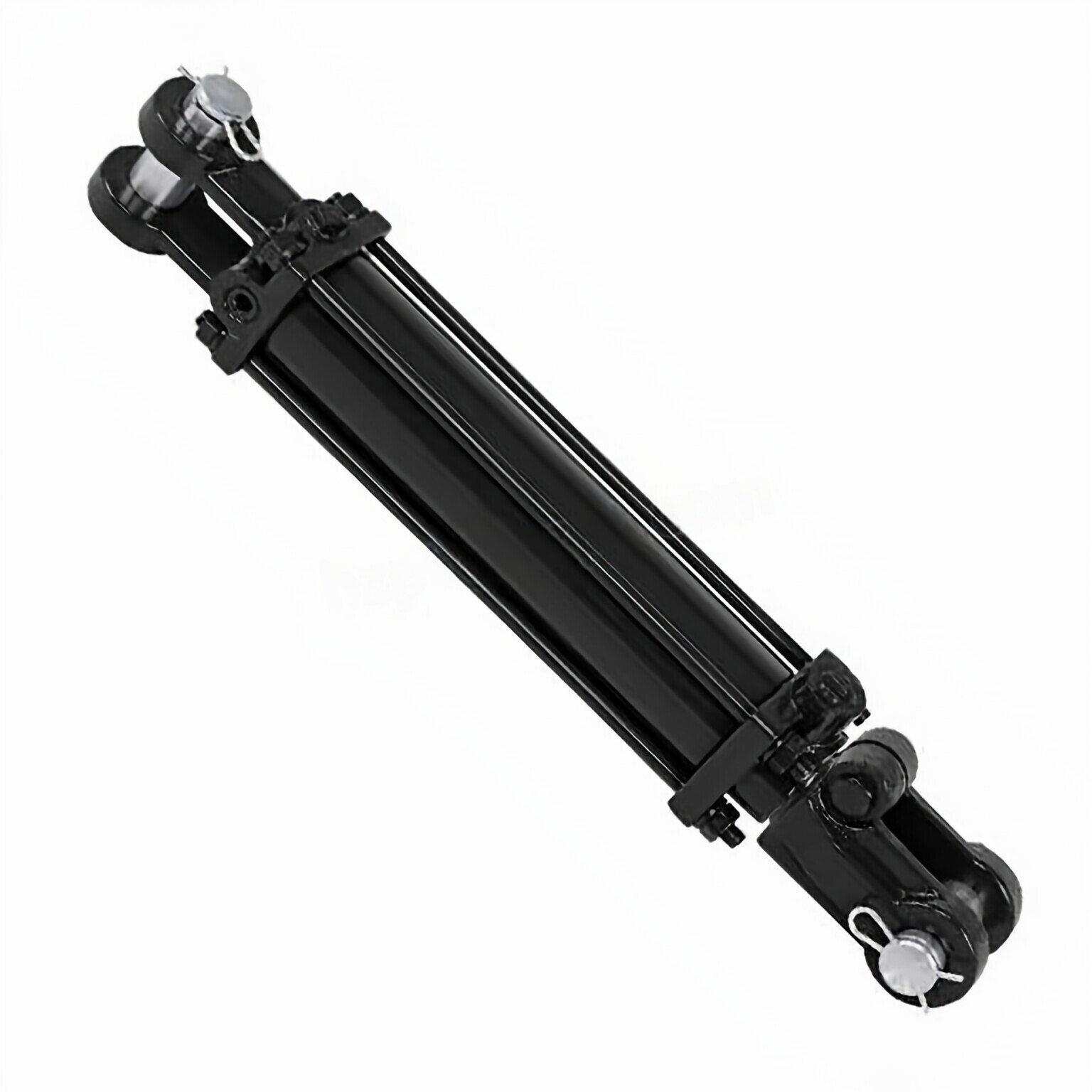
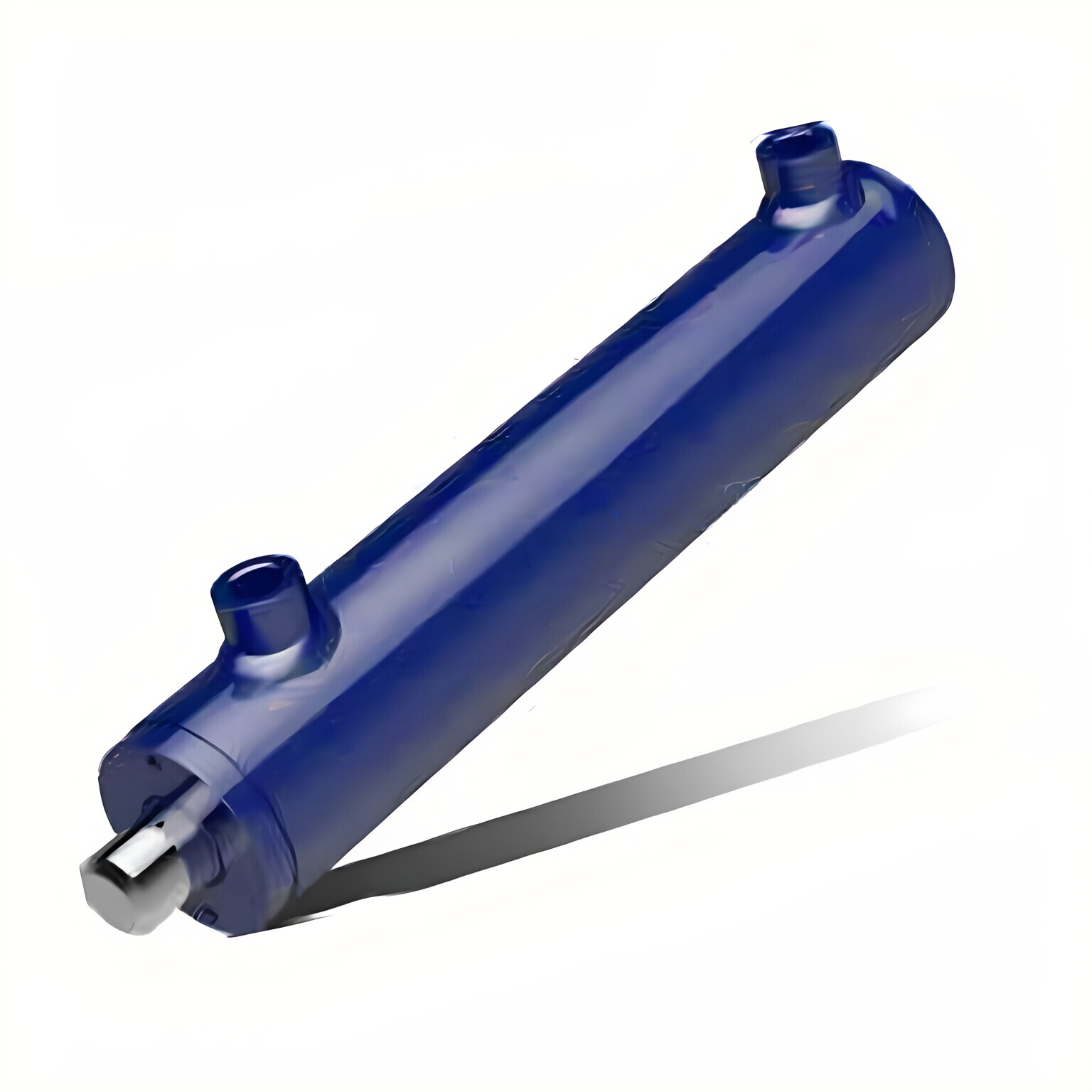
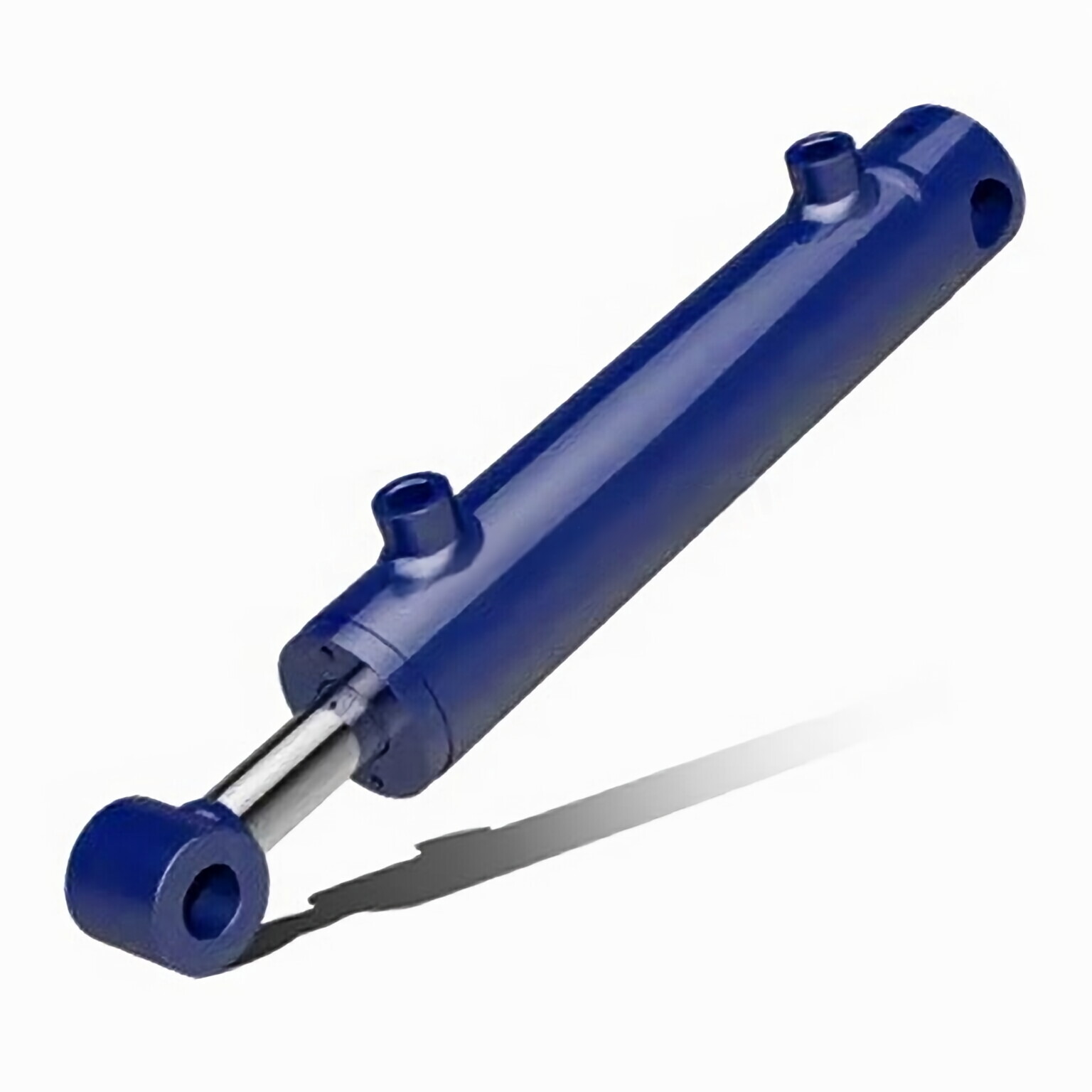
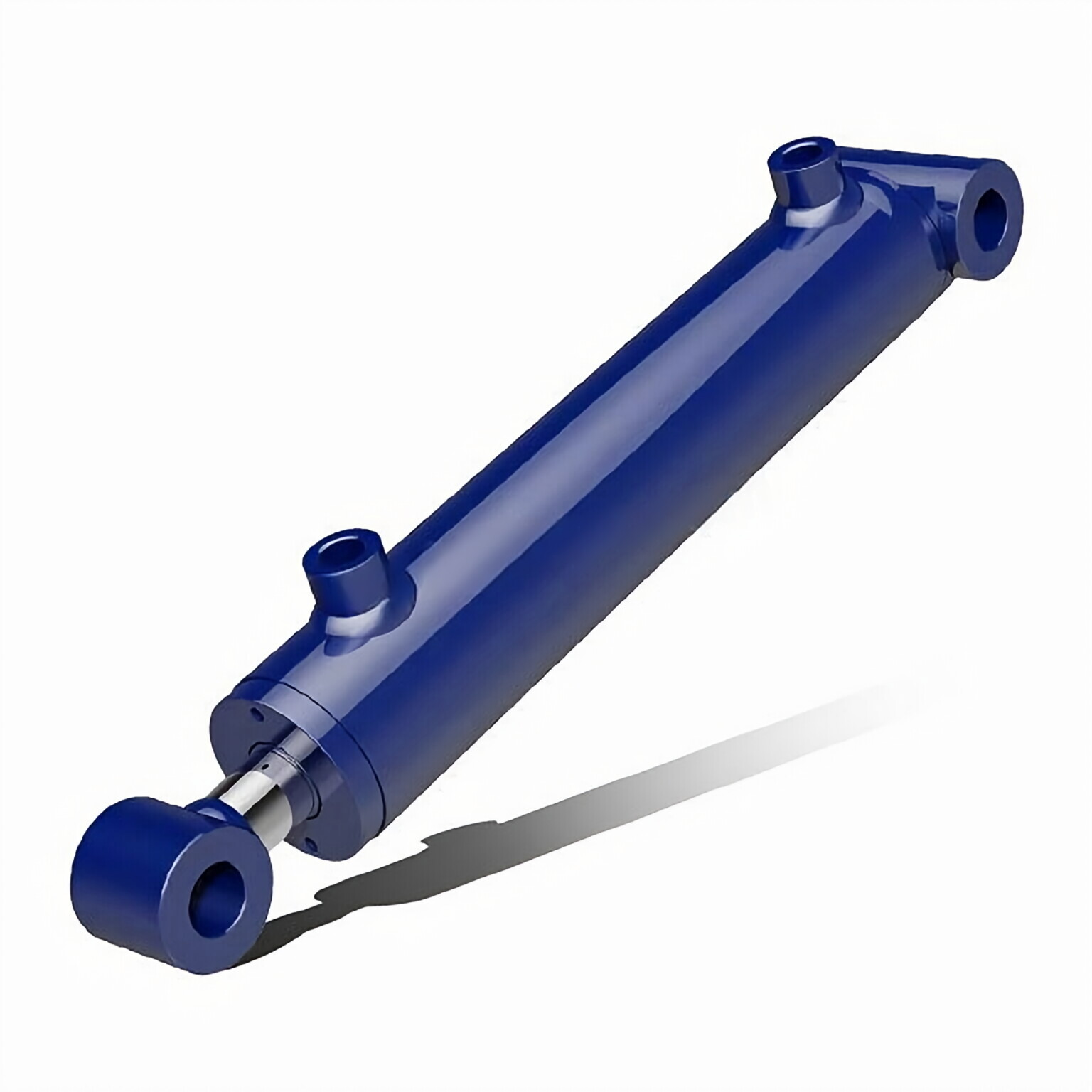
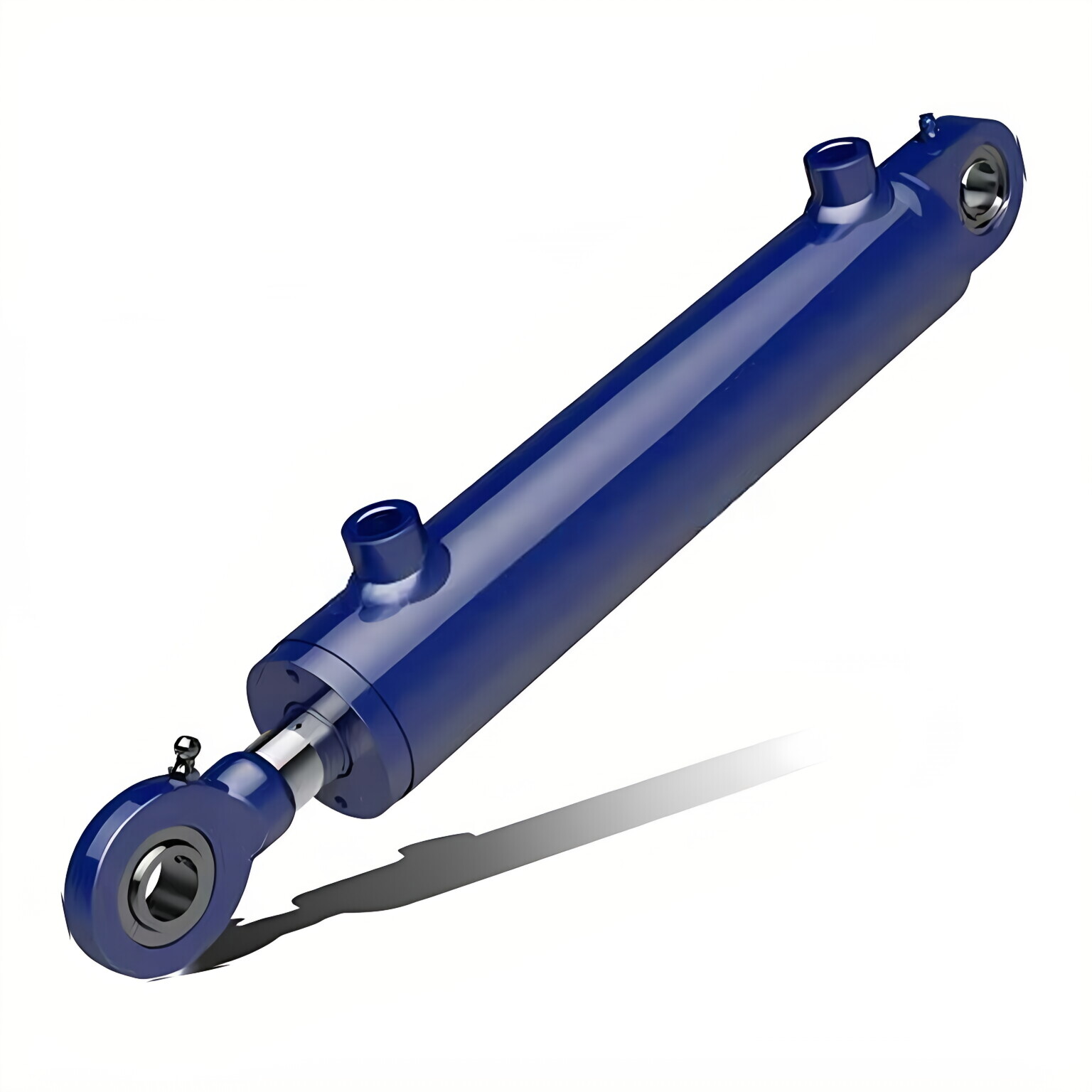
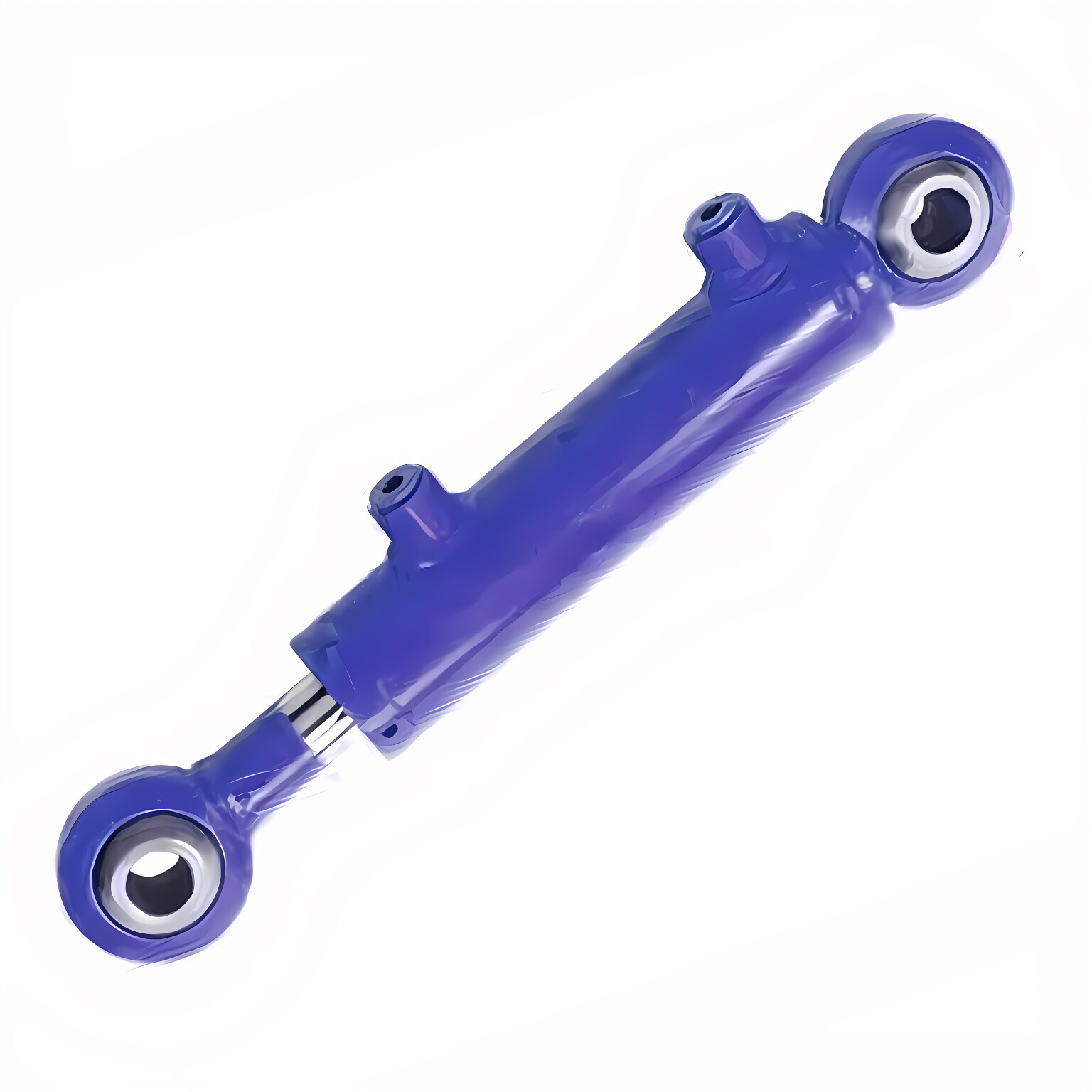
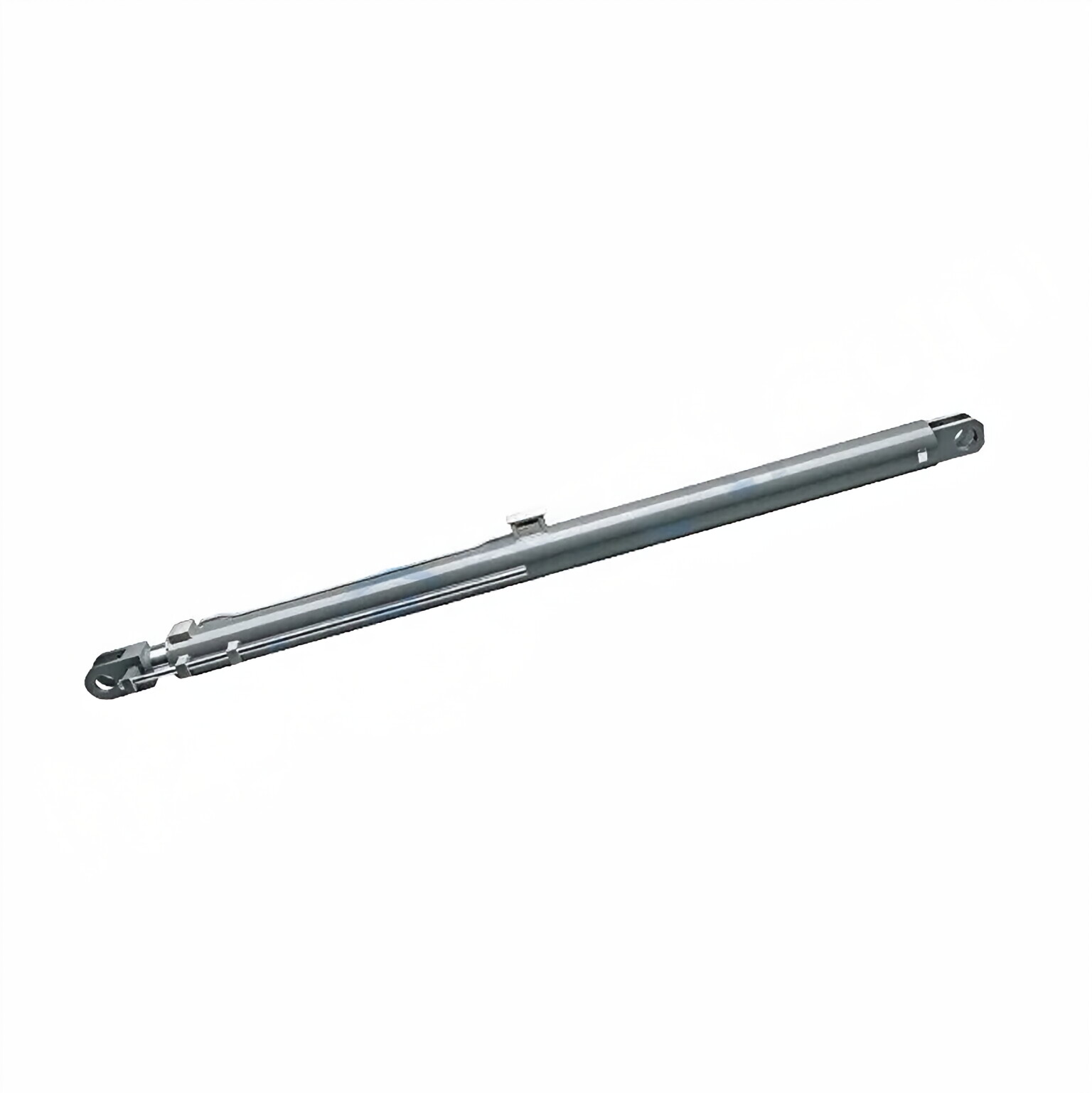
 Subheading: Features of Arm Cylinder- High strength and durability: Arm cylinders are typically made of high-strength steel or aluminum, which enables them to withstand high pressure and heavy loads, making them suitable for harsh working environments. Their design also considers wear resistance and corrosion resistance to prolong their service life.- Efficient hydraulic operation: They use the pressure of the hydraulic oil to achieve smooth extension and retraction, respond quickly to control commands, and provide powerful pushing and pulling forces, making them ideal for handling heavy objects and complex tasks.- Various types: They come in single-acting (hydraulic fluid is used in only one direction) or double-acting (hydraulic fluid is used in both directions) cylinders, to meet different operational needs. Some models are telescopic, allowing for greater extension without increasing the external dimensions, making them suitable for limited space applications.- Precise control: They provide precise control over the arm's angle and height to adapt to different working requirements. When combined with a hydraulic control system, they can achieve complex movements and higher operational flexibility.- Can be customized: Our company can produce this product, and our products can be used as perfect substitutes for these hydraulic cylinders.
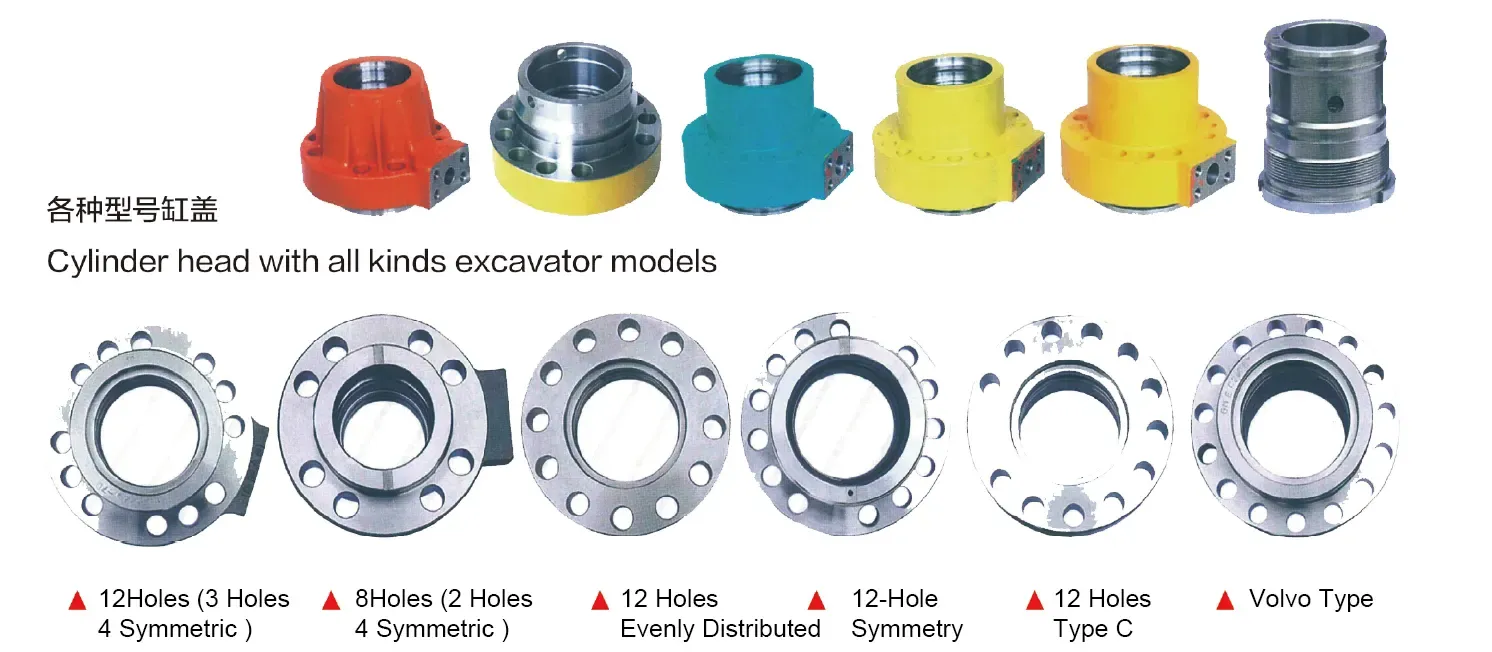 Subheading: Applications of Arm CylinderArm cylinders have a wide range of applications, including:- Construction equipment: In excavators, arm cylinders are crucial for digging and lifting materials. In cranes, they can precisely position loads.- Agricultural machinery: They are used in loaders and harvesters to manipulate tools and effectively collect crops.- Industrial equipment: They are used in the robotic arms of assembly lines to perform precise and repetitive tasks.Subheading: Design Considerations and Selection Standards for Arm CylinderArm cylinders have to be carefully designed and selected to ensure their performance. The following are some key design considerations:- Load-bearing capacity: Arm cylinders must be able to withstand the force exerted during operation and the weight of the load it is carrying.- Sealing: The cylinder must be properly sealed to prevent leakage of hydraulic fluid.- Durability: Arm cylinders must be able to withstand wear and tear and exposure to harsh environments.- Safety: The design should consider safety features such as pressure relief valves to prevent overloading and accidents.- Maintenance: The design should allow for easy replacement of seals and other components.
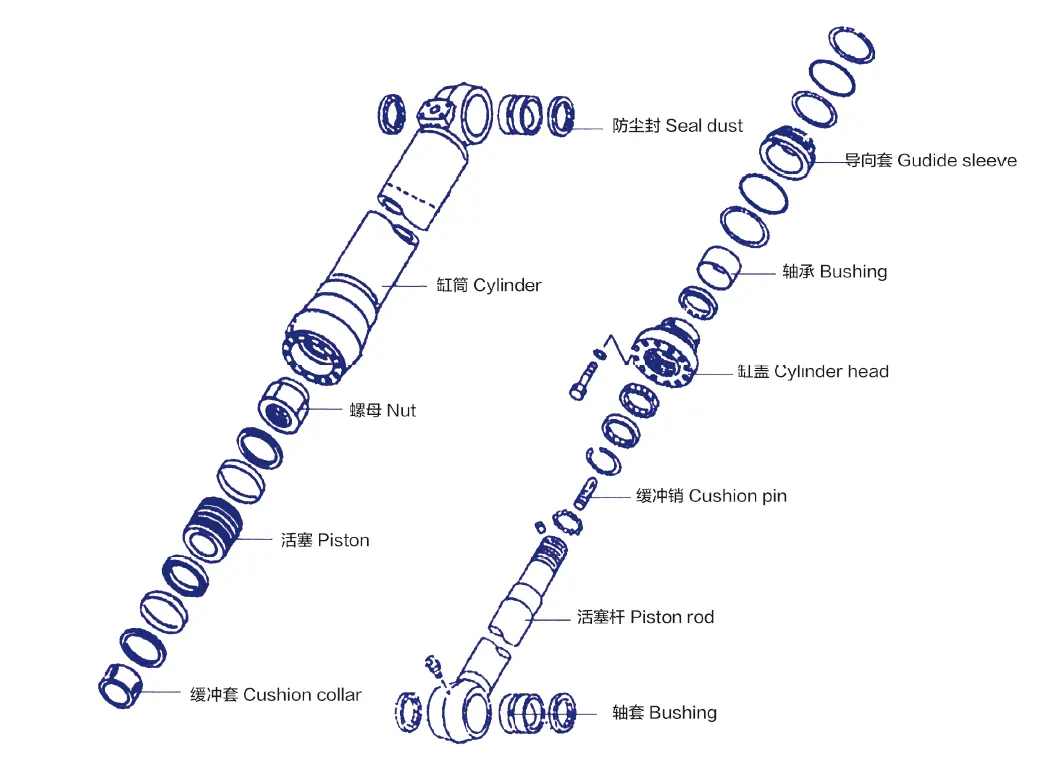
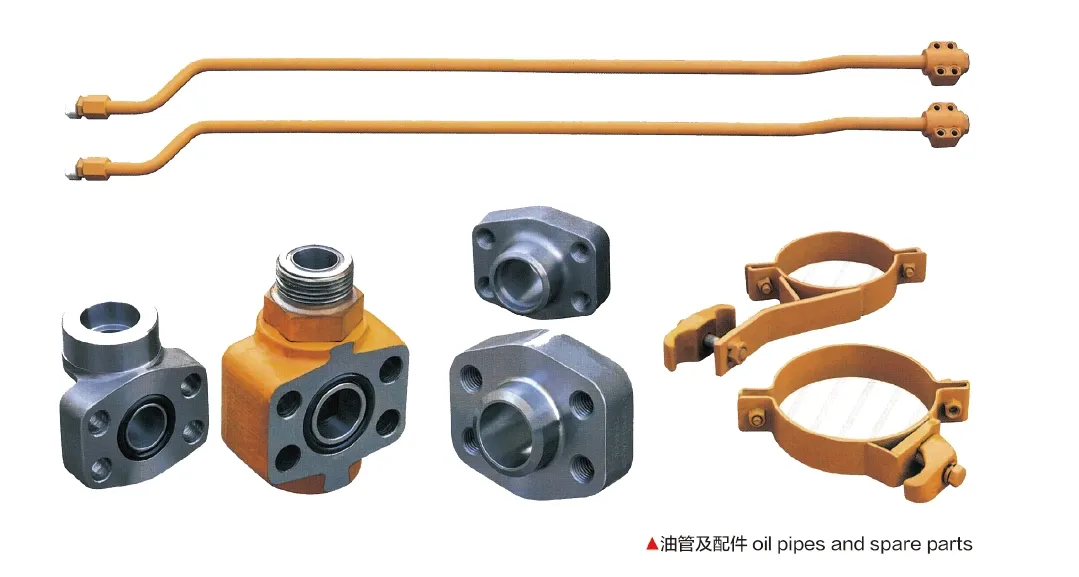 Subheading: Sealing and LubricationArm cylinders use various sealing components such as piston seals, rod seals, and wiper seals to prevent leakage of hydraulic fluid. These seals are made of wear-resistant materials like polyurethane and nitrile rubber. The cylinder body and rod surface undergo precise processing to improve wear resistance. Regular lubrication with an appropriate amount of hydraulic oil is necessary to ensure smooth operation and prolong the service life of the arm cylinder.Subheading: Regular Inspection and Preventive Maintenance MeasuresRegular inspection and maintenance of arm cylinders are crucial to maintaining their performance and preventing unexpected breakdowns. The following measures should be implemented:- Regular inspection of cylinder rod surfaces and seals for wear and damage.- Regular cleaning of the cylinder body and rod surface to prevent contamination.- Regular replacement of worn or damaged seals and other components.- Regular repainting of the cylinder body to prevent corrosion.Subheading: Product Installation GuideTo ensure proper installation and operation of the arm cylinder, the following steps should be taken:- Clean the installation site and ensure that it is level and stable.- Check that the cylinder and its mounting bracket are compatible and ensure that all bolts are tightened to the specified torque.- Install the hydraulic hoses and fittings, ensuring that they are not twisted or kinked.- Connect the hoses to the hydraulic system, ensuring that the correct hydraulic fluid is used.- Test the cylinder for proper operation before use.Subheading: Safety Considerations and Environmental FactorsWhen operating machinery that uses arm cylinders, the following safety measures should be observed:- Always wear appropriate personal protective equipment.- Follow all safety instructions and warning signs.- Do not exceed the load-bearing capacity of the cylinder.- Regularly check the hydraulic system for leaks or damage.- Properly dispose of used hydraulic fluid and other waste.Subheading: Troubleshooting and Common ProblemsSome common problems that may occur with arm cylinders include:- Leaking hydraulic fluid- Slow or uneven movement of the arm- Strange noises during operationThe following troubleshooting tips can help diagnose and resolve these issues:- Check for damaged or worn seals and replace them if necessary.- Check for contamination or damage to the cylinder body or rod surface.- Check for clogged or damaged hydraulic hoses.- Check for air or moisture in the hydraulic system.Preventive measures such as regular inspection and maintenance can also help minimize the occurrence of these problems.
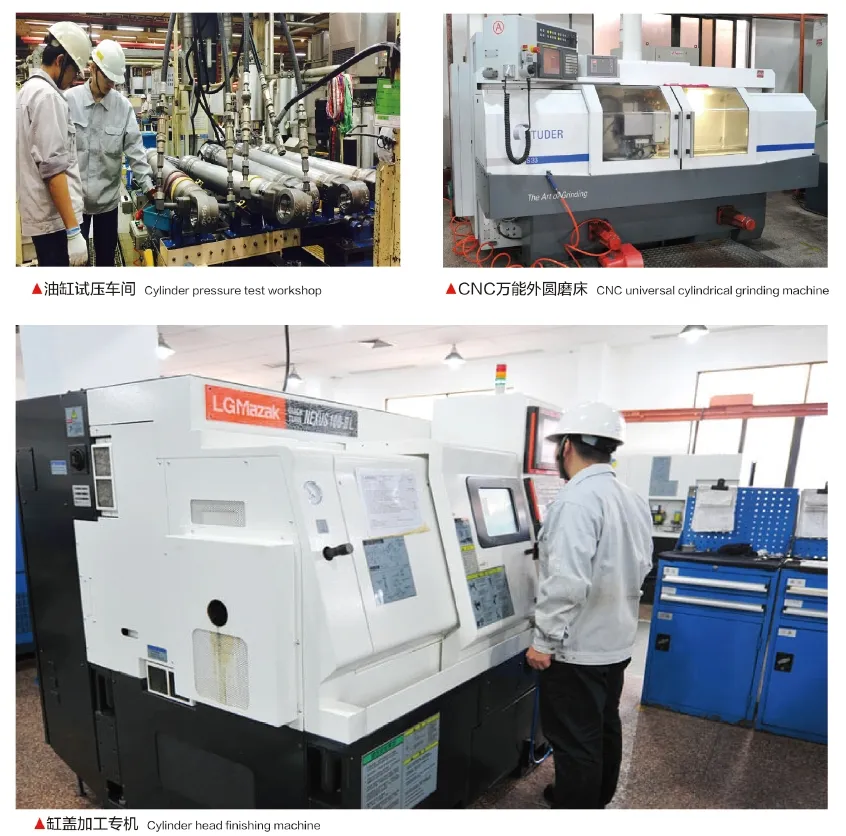
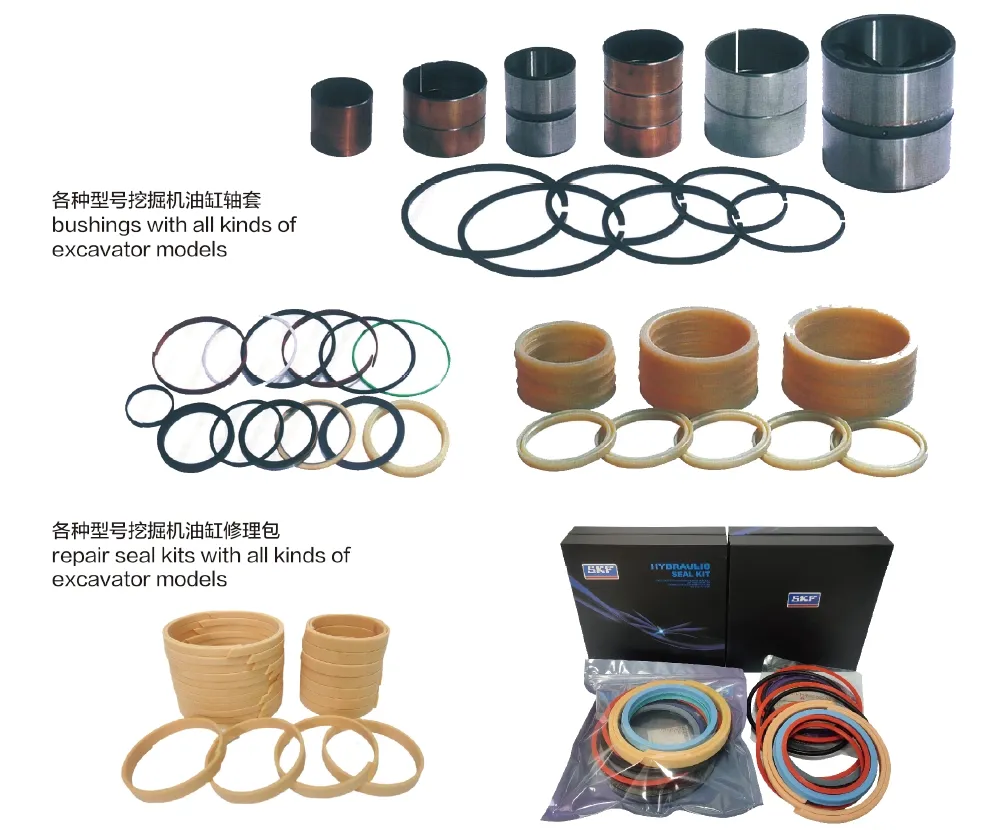 Subheading: About Our CompanyWe are a manufacturer of hydraulic cylinders that can replace the original products. Our company offers a wide range of products and has become one of the leading manufacturers and wholesalers of hydraulic cylinders in the domestic and international markets. We strictly adhere to the principle of excellent quality and rely on the industrial production management strategy of fine manufacturing workshops. Our company has continuously improved the manufacturing platform of the workshop, improved the production quality of the product, and has a strong innovative ability. We meet the diverse needs of customers with high efficiency, high precision, and high-quality principles.We provide professional services, international certification, customized services, production equipment, and after-sales services.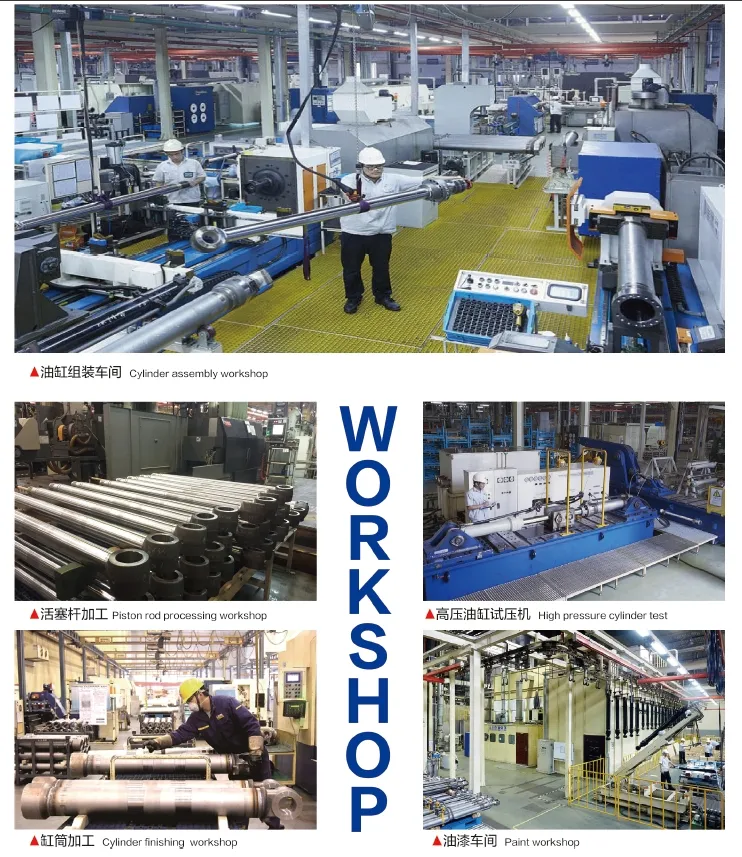
 Author: lyl.
Address
Luotuo Industrial Area, Zhenhai District, Ningbo City, China
Tel

 Raydafon