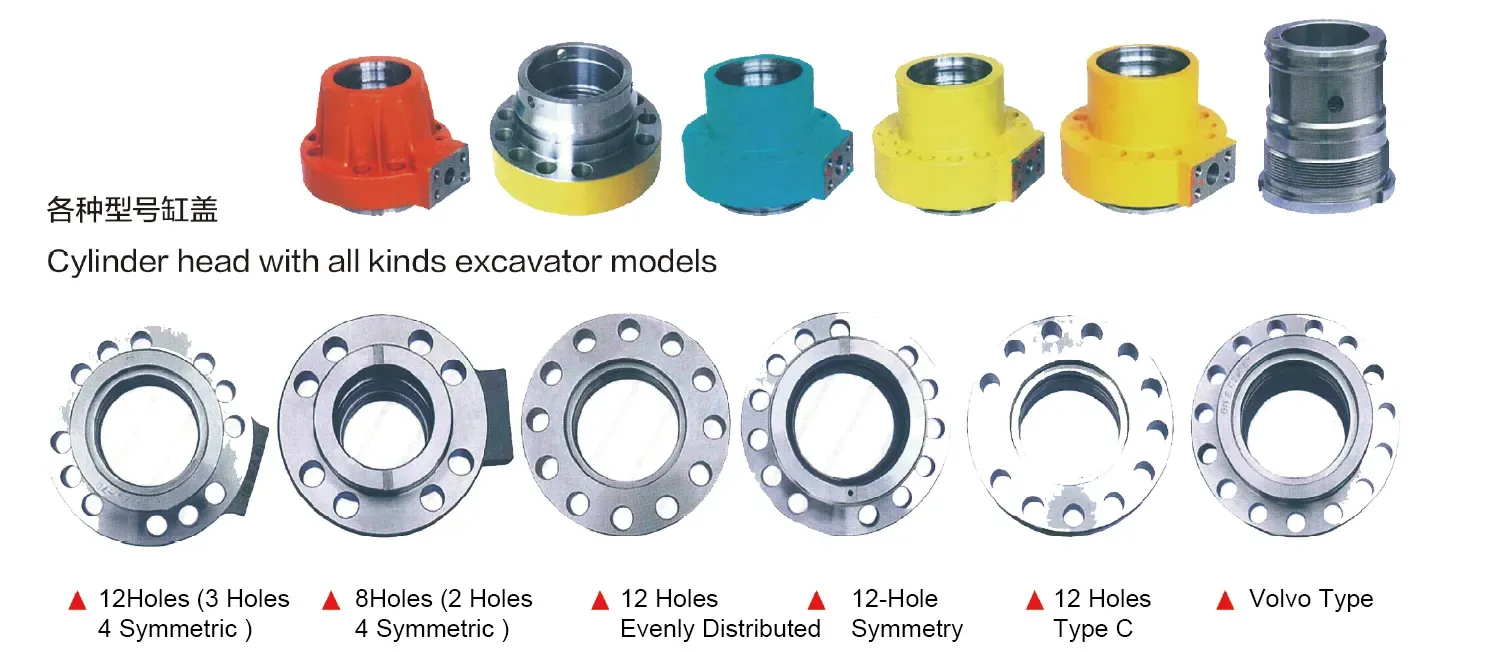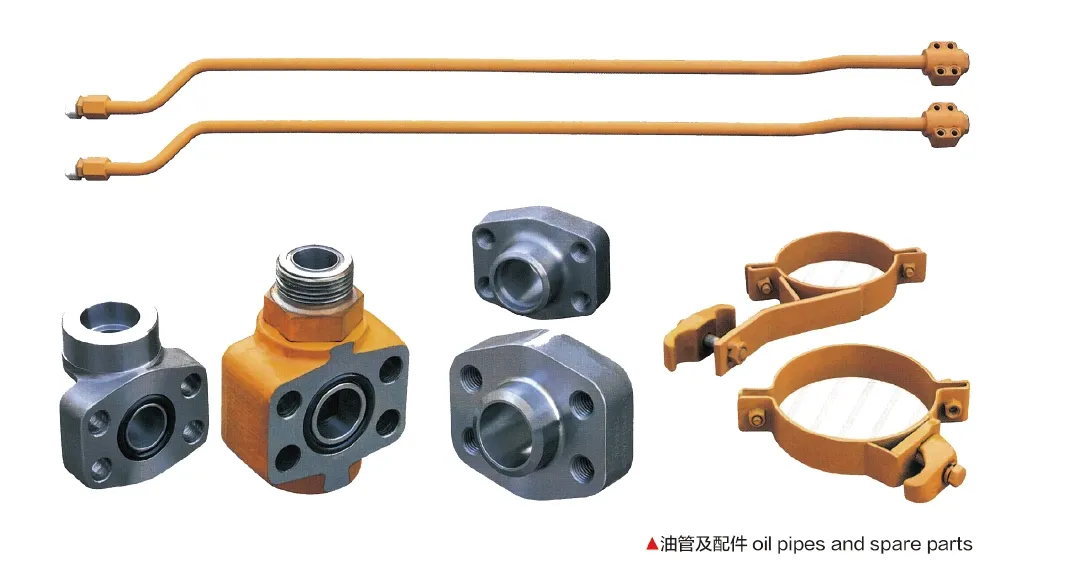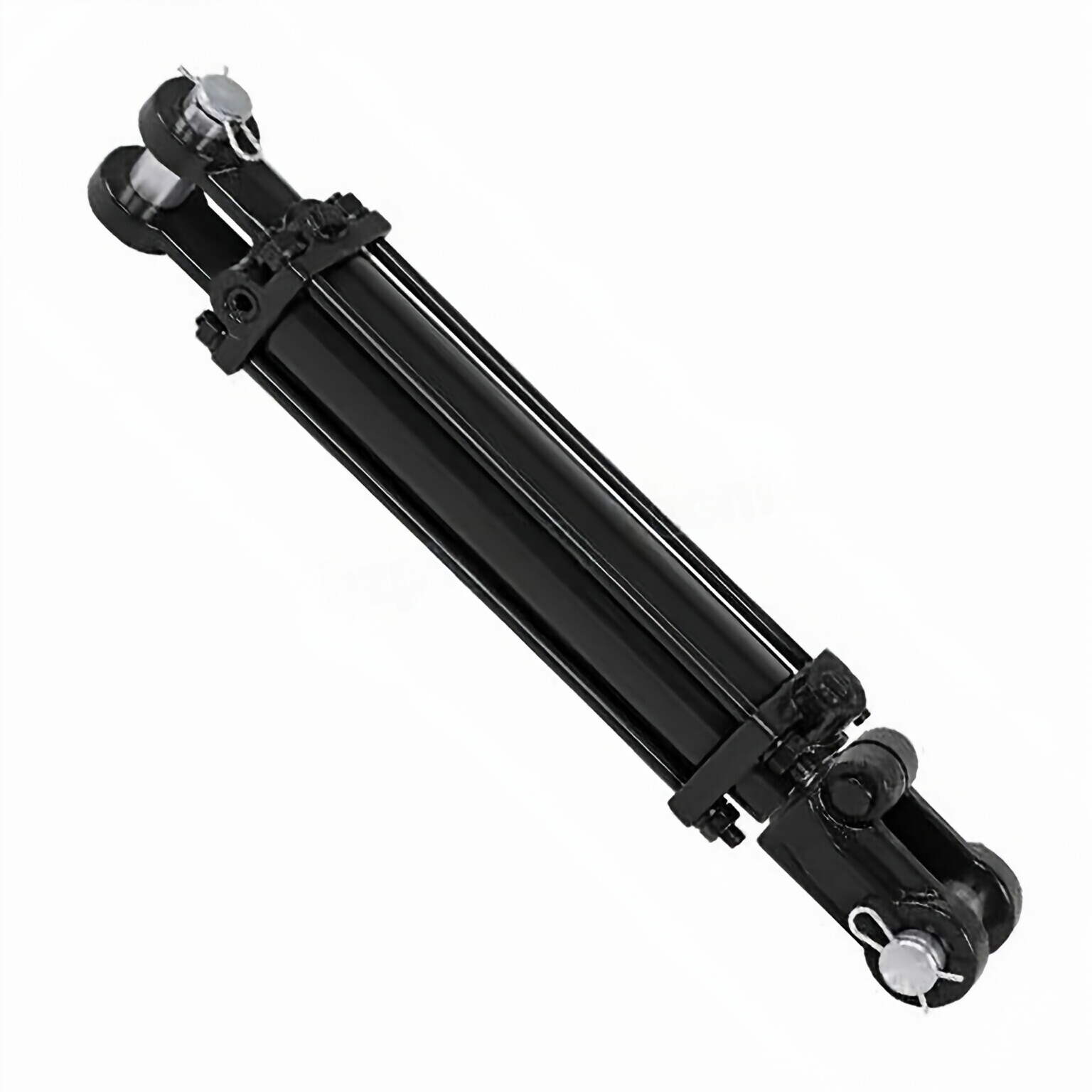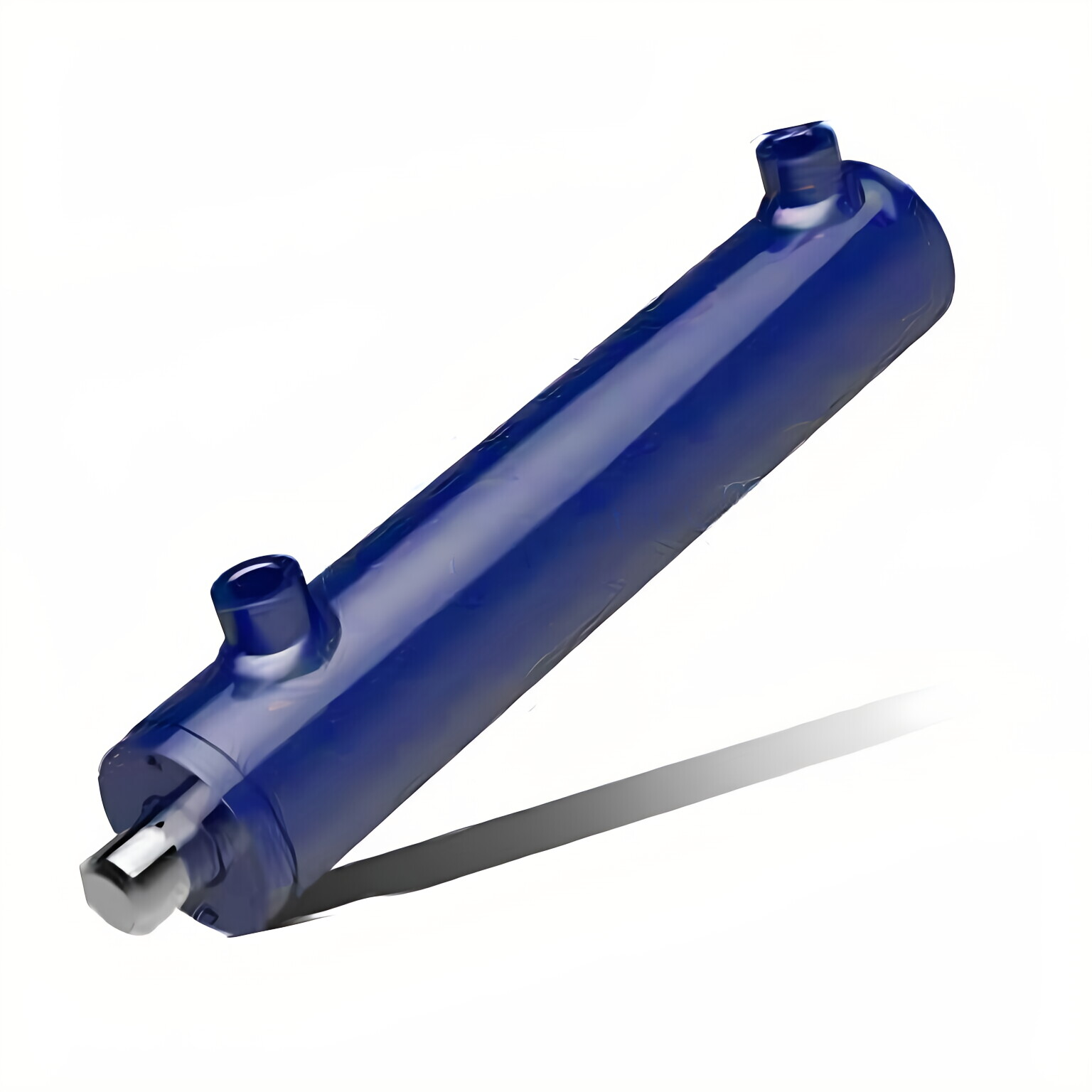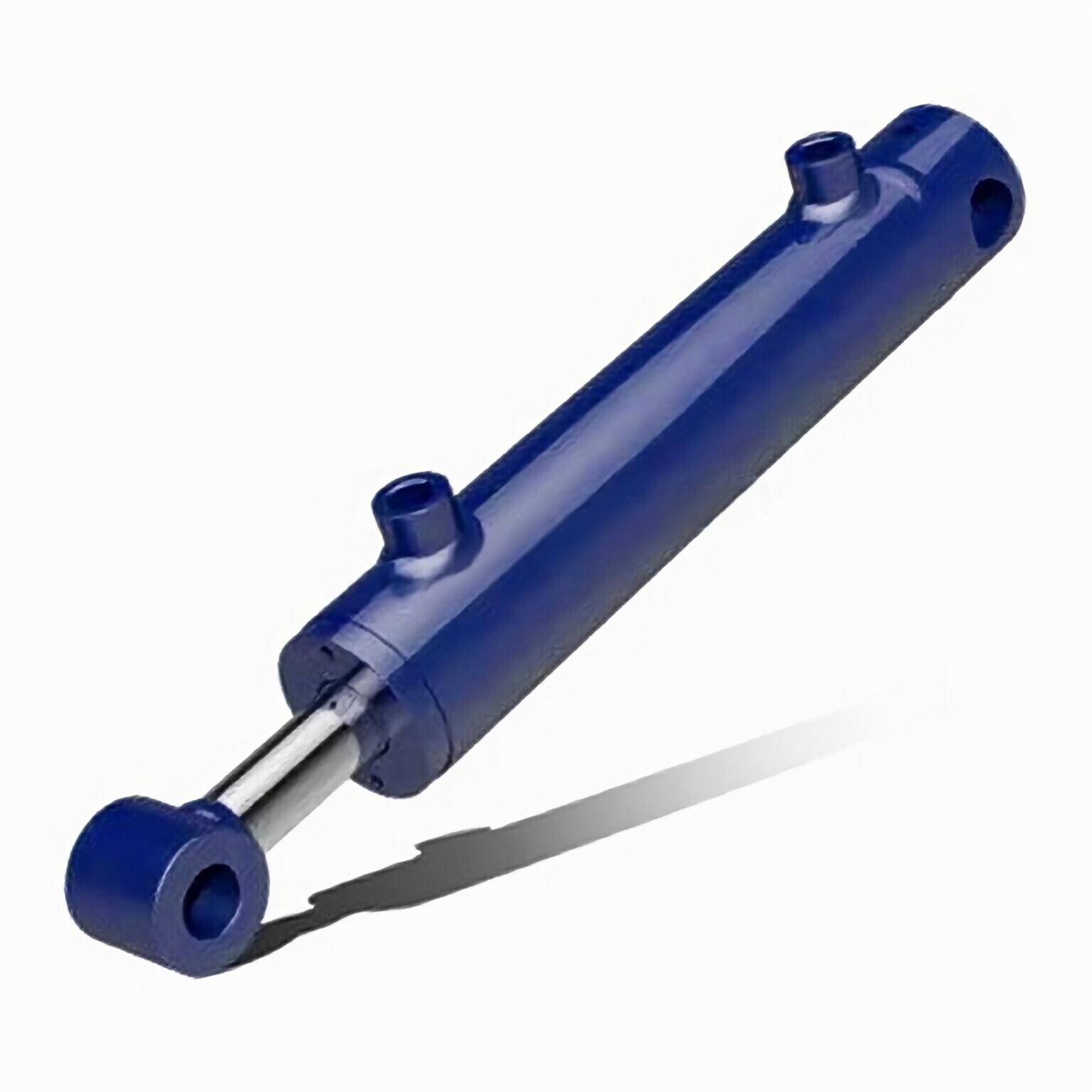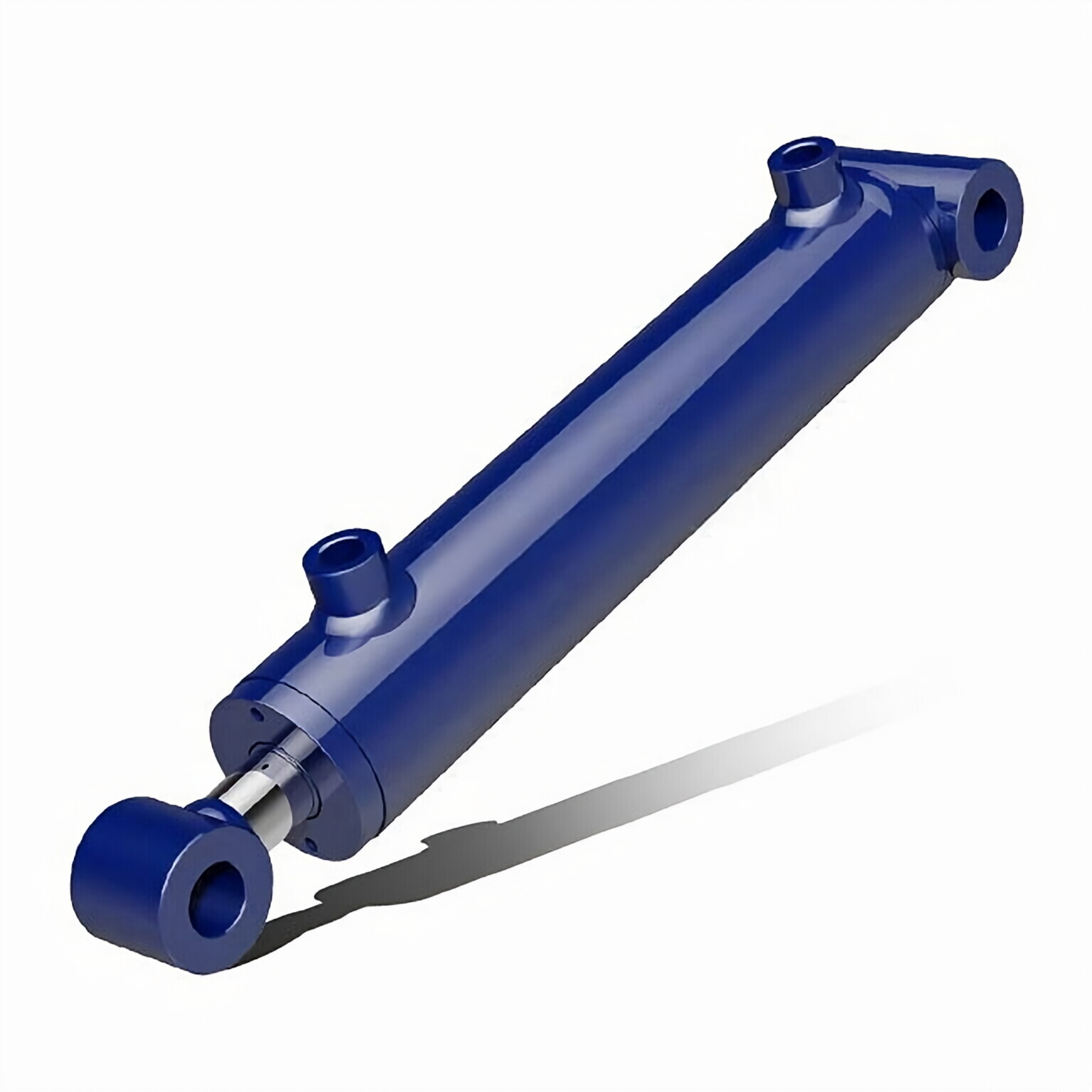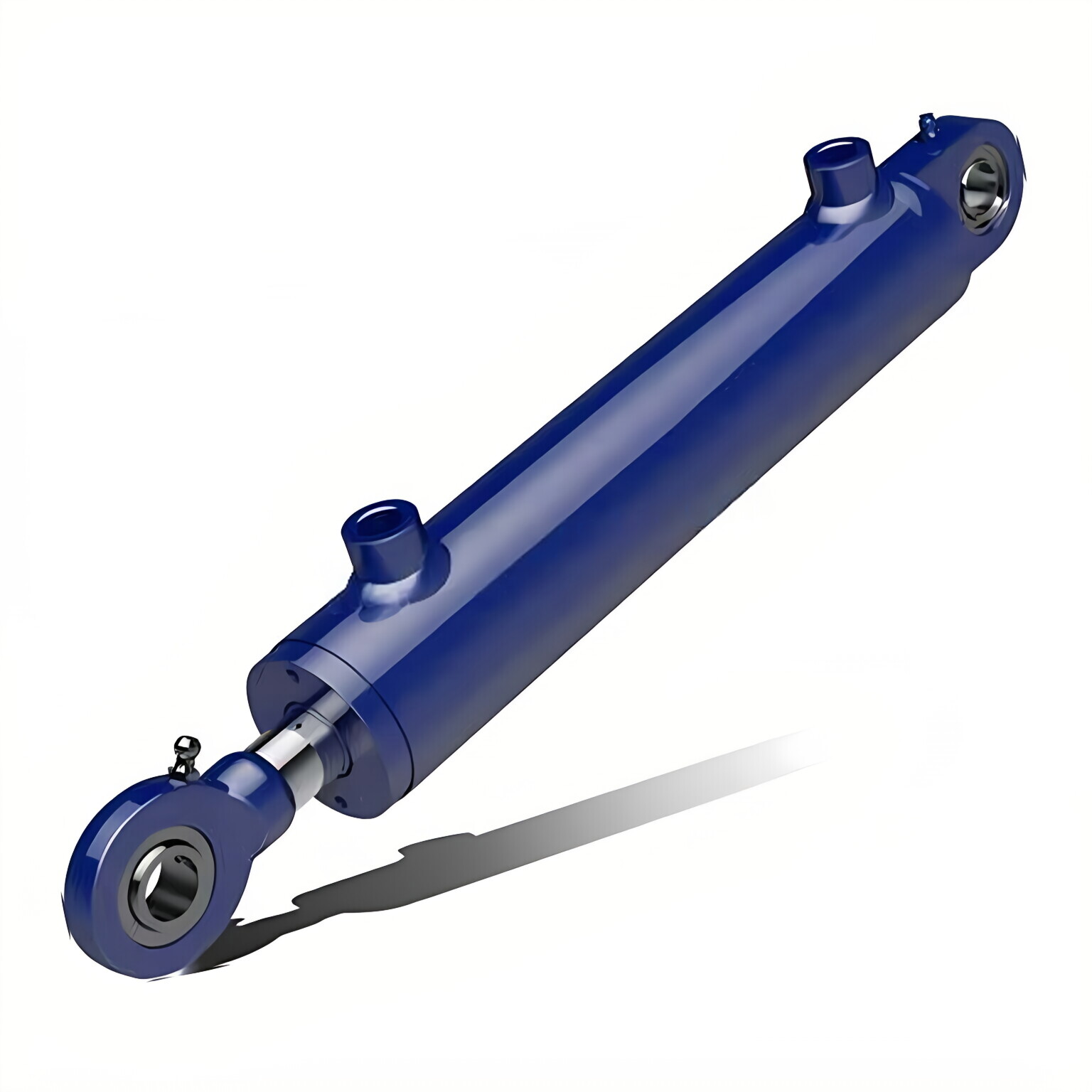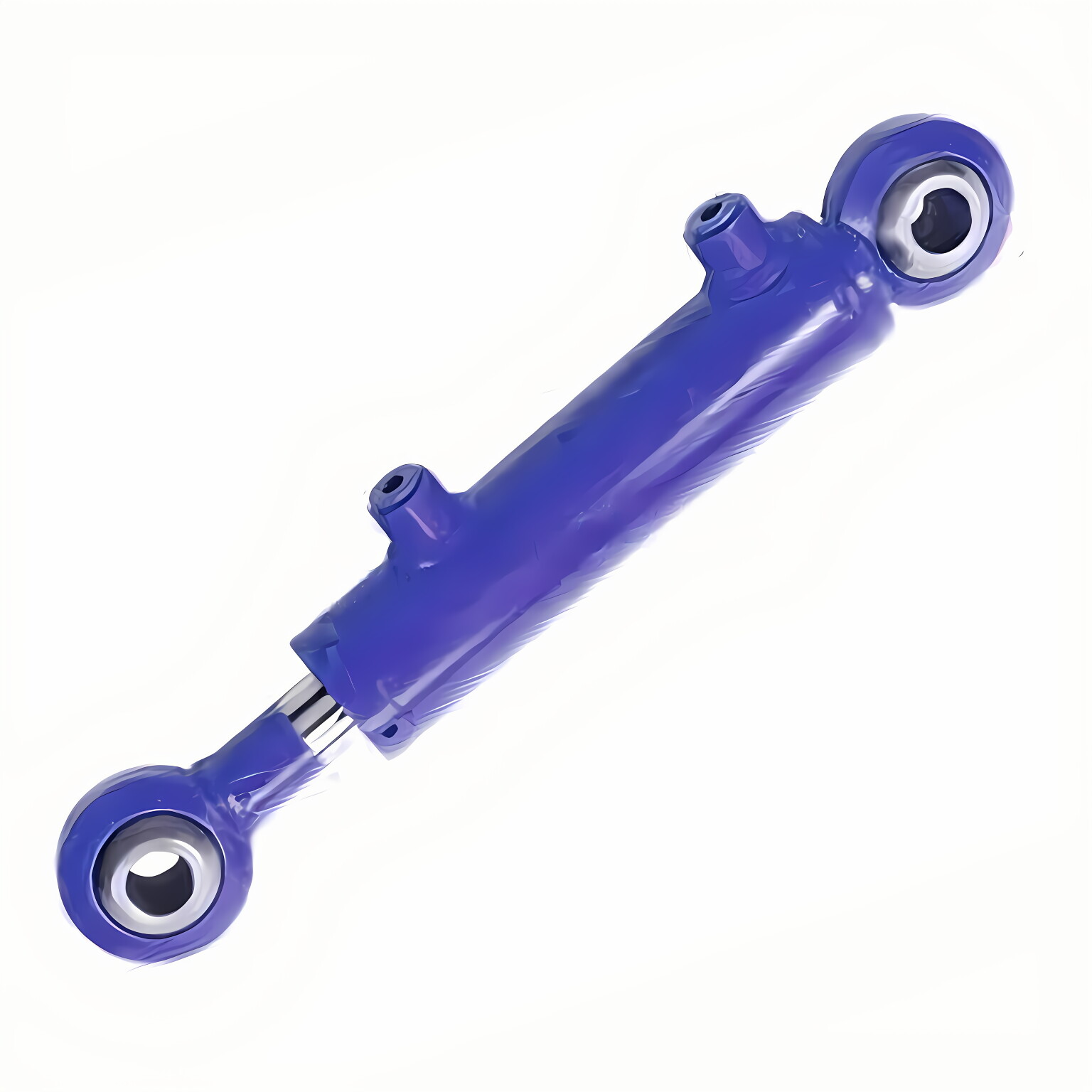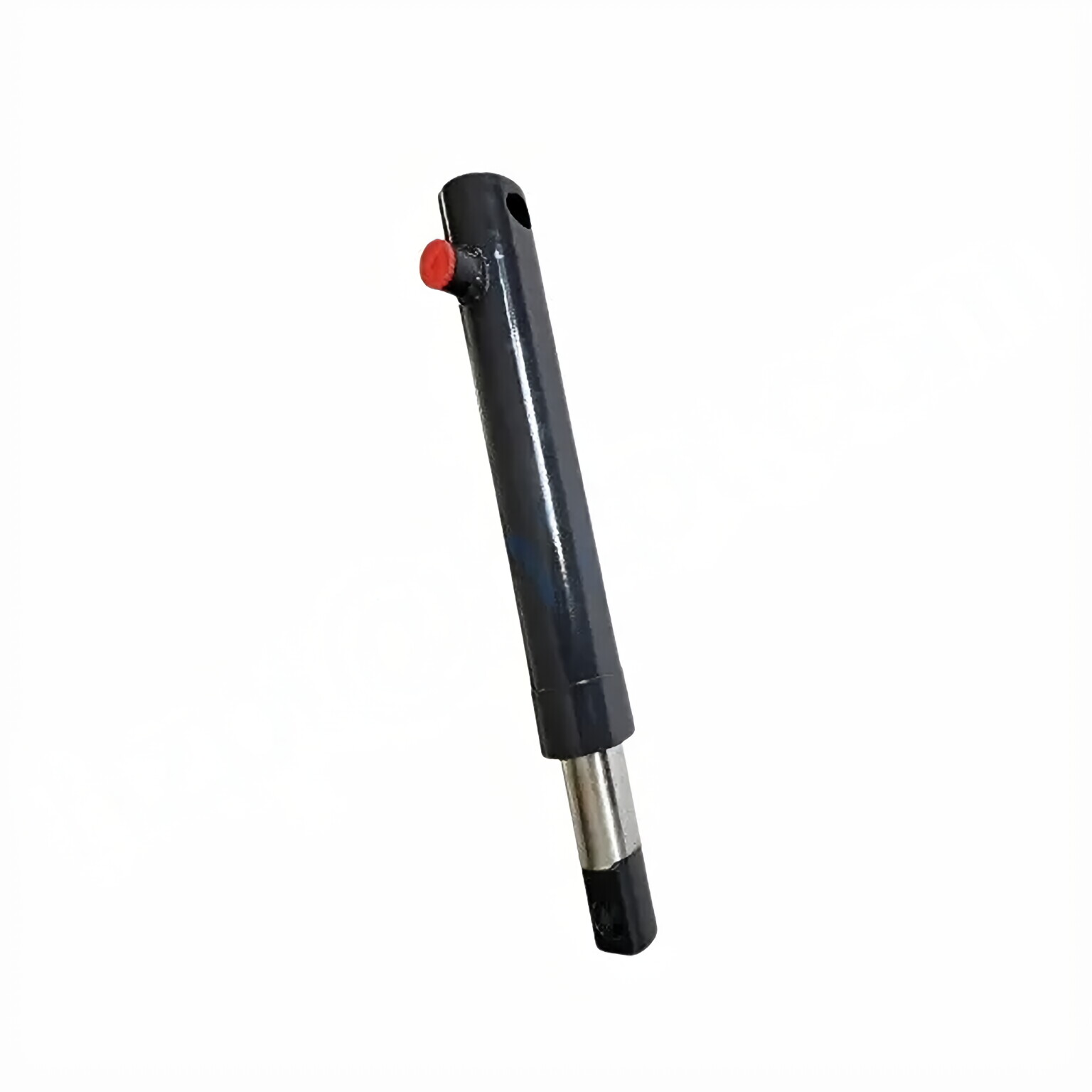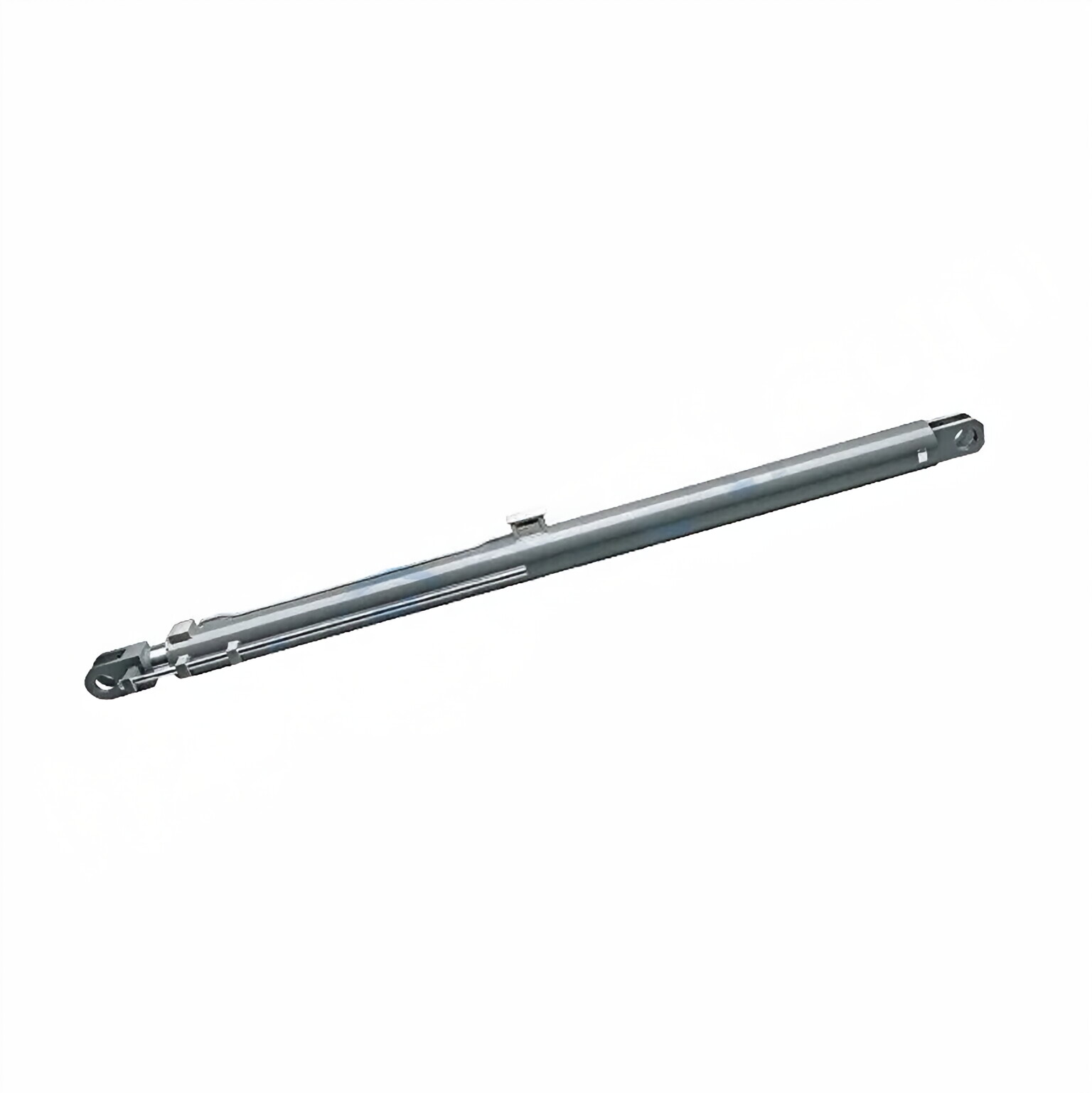
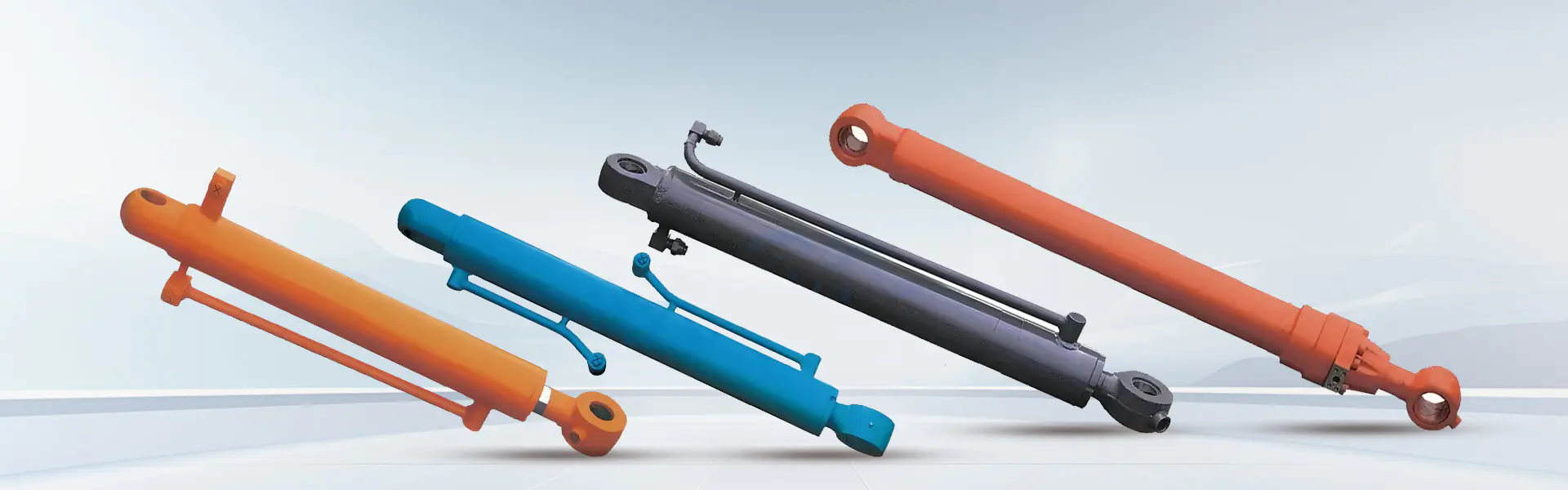
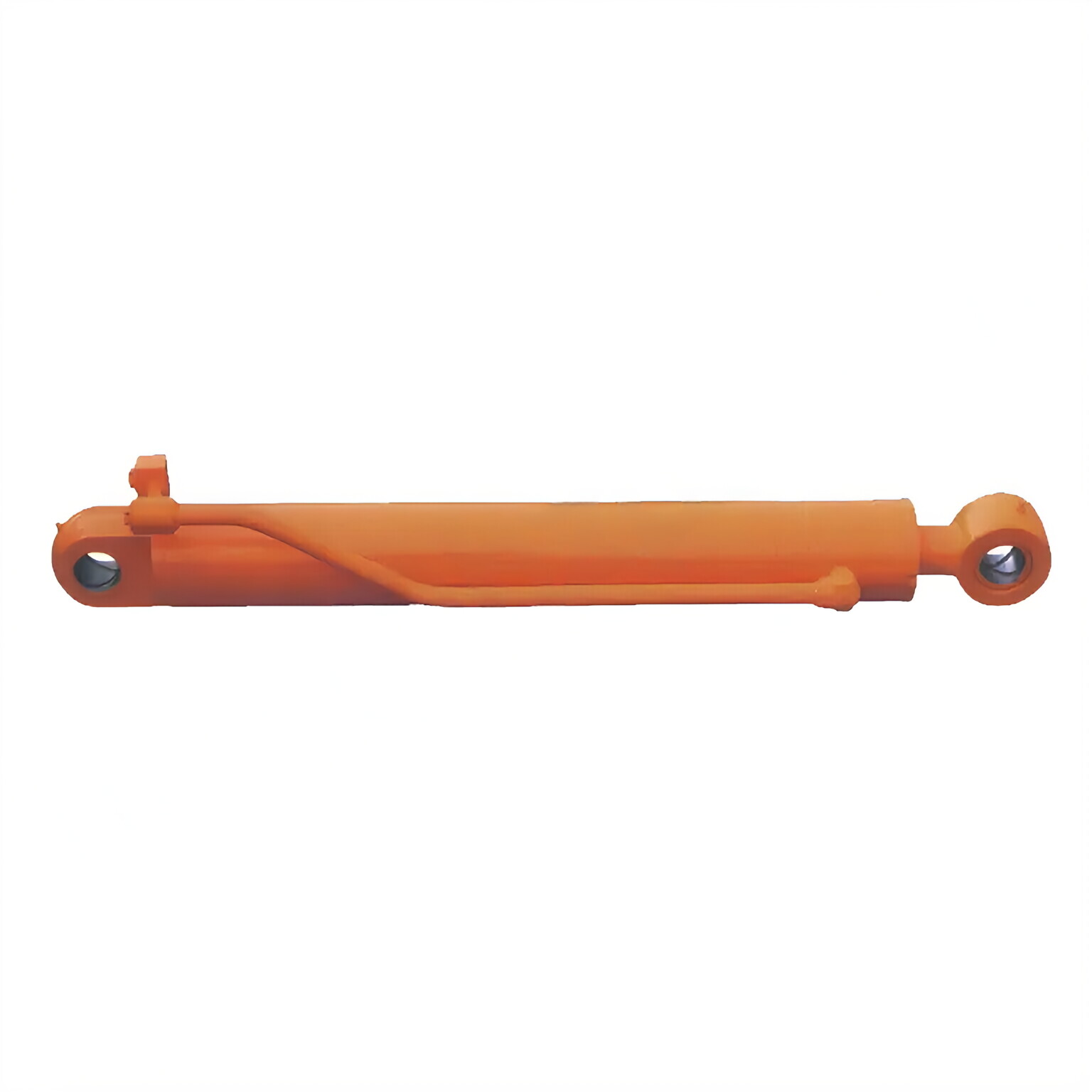
Raydafon Group's Arm Cylinder for the Lishide Middle Excavator SC210.8 ensures optimal performance and durability in construction and mining operations. Crafted with high-grade materials and advanced engineering, it enhances efficiency and reliability, reducing downtime for operators. Designed for robust equipment handling, it delivers precision and strength, solving common hydraulic issues. Our product stands out with superior compatibility and extended lifespan, backed by quality assurance. Experience seamless operation and boost productivity today!
The arm cylinder is a hydraulic cylinder specifically designed to provide linear motion and force for the arm of various machinery such as excavators, cranes, and robotic arms. These cylinders are essential for the movement and control of additional tools or attachments.
Definition and Overview
An arm cylinder, also known as an arm oil cylinder or arm hydraulic cylinder, is a type of hydraulic cylinder that is responsible for extending and retracting the arm of a machine. It plays a crucial role in the hydraulic system by providing the necessary force and motion for the arm's operation.
Application and Function
The arm cylinder is primarily used in hydraulic systems to control the movement of the arm in various machines. It enables the arm to perform tasks such as digging, lifting, and manipulating objects. These cylinders are vital for achieving precise control over the arm's angle and height, allowing for versatile and efficient operation.
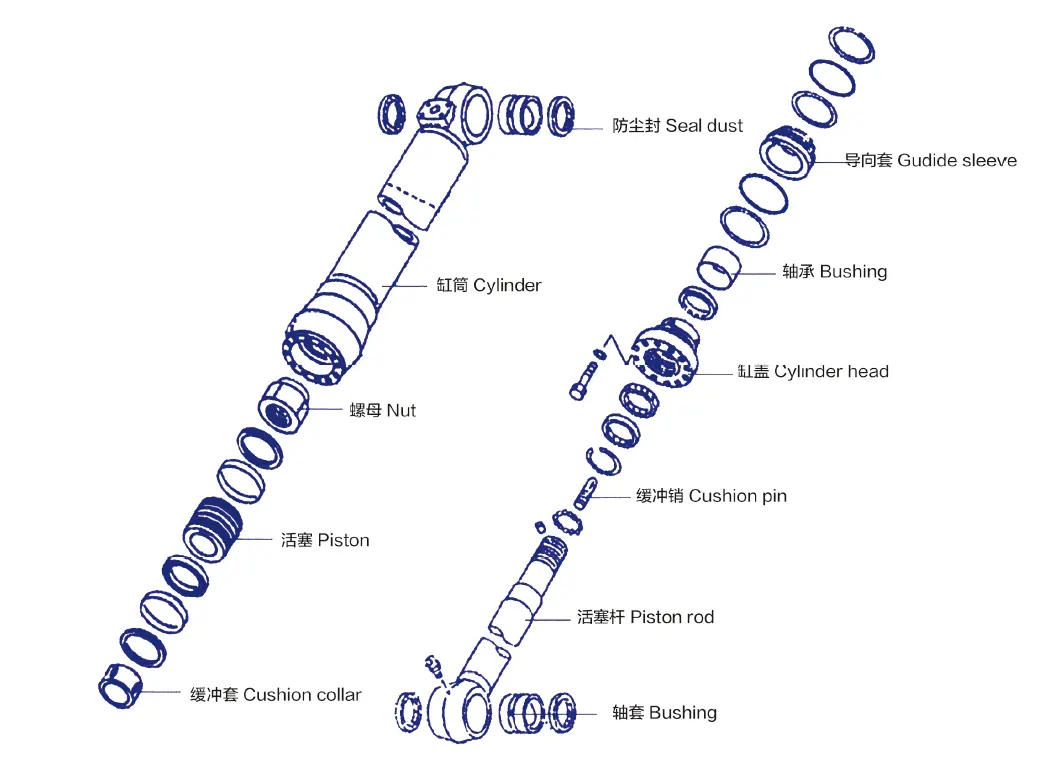
Features of Arm Cylinder
High Strength and Durability: Constructed from high-strength steel or aluminum, the arm cylinder can withstand high pressures and heavy loads, making it suitable for harsh working conditions. The design considerations include wear resistance and corrosion resistance, ensuring an extended lifespan.
Efficient Hydraulic Operation: By utilizing hydraulic pressure, the arm cylinder achieves smooth extension and retraction actions. It provides quick response to control commands and delivers powerful pushing and pulling forces, making it suitable for handling heavy loads and complex operations.
Versatility in Types: The arm cylinders are available in different types to meet specific operational requirements. Options include single-acting cylinders (hydraulic pressure applied in one direction) and double-acting cylinders (hydraulic pressure applied in both directions). Some models feature telescopic designs, allowing for greater extension without increasing external dimensions, making them suitable for applications with limited space.
Precise Control: The arm cylinder enables precise control over the angle and height of the arm, adapting to different job requirements. When integrated with a hydraulic control system, it can perform complex movements and provide higher operational flexibility.
Replacement Capability: Our company produces arm cylinders that can perfectly replace existing hydraulic cylinders. They are designed to match the specifications and performance of the original cylinders, ensuring seamless integration and reliable operation.
Applications of Arm Cylinder
The arm cylinders find applications in various industries and equipment:
Construction Equipment
In excavators, the arm cylinder is crucial for excavating and lifting materials. It enables precise positioning of the load.
Agricultural Machinery
Used in loaders and harvesters, the arm cylinder allows for the manipulation of tools and efficient collection of crops.
Industrial Equipment
The arm cylinders are employed in mechanical arms for assembly lines, enabling precise execution of repetitive tasks.
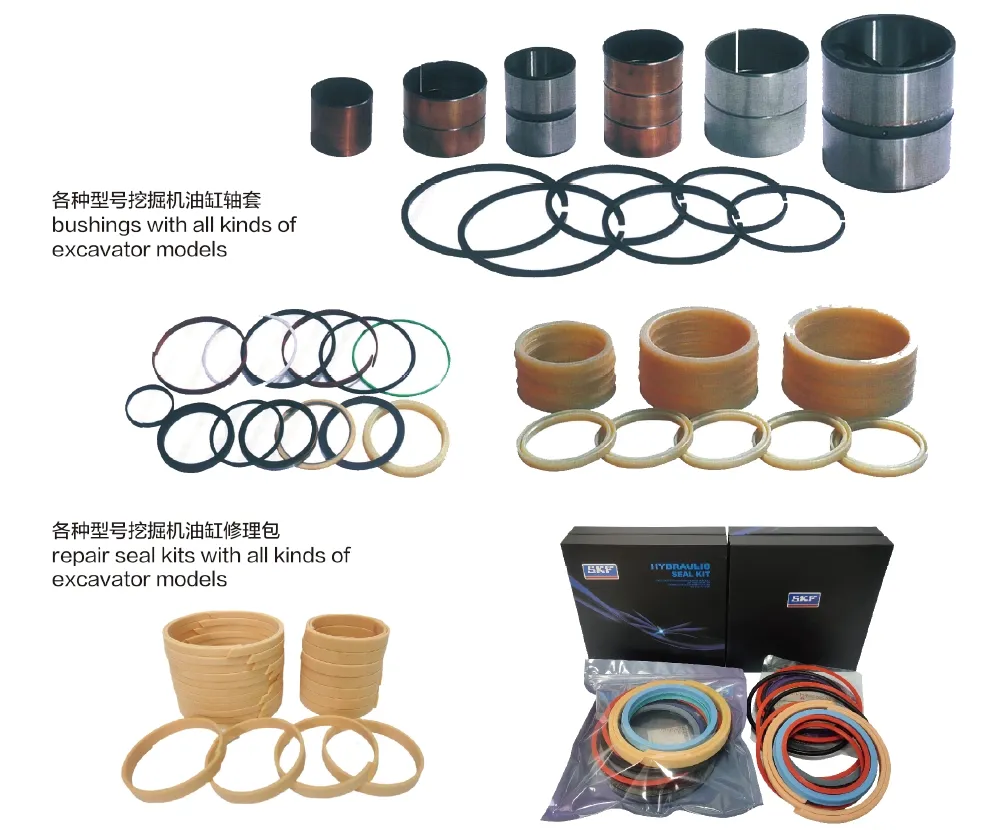
Design Considerations and Selection Criteria
Bearing Capacity: The arm cylinder's design must consider its ability to bear the expected loads and pressures.
Sealing and Durability: Various sealing elements such as piston seals and rod seals are used to ensure proper sealing. Durable materials such as polyurethane and nitrile rubber are selected for the sealing components. The cylinder body and threaded ends undergo meticulous surface treatment to enhance wear resistance.
Safety and Maintenance: The design should prioritize safety features such as pressure relief valves and overload protection. Ease of maintenance should also be considered, ensuring convenient access for inspection and repair.
Sealing and Lubrication
The arm cylinder utilizes various sealing components and requires regular lubrication for optimal performance. Some considerations include:
Usage of different sealing elements such as piston seals and rod seals
Selection of wear-resistant materials like polyurethane and nitrile rubber for the seals
Surface treatment of the cylinder body and threaded ends to improve wear resistance
Regular addition of the appropriate amount of hydraulic oil for lubrication
Regular Inspection and Preventive Maintenance
To ensure the longevity and reliability of the arm cylinder, regular inspection and preventive maintenance are essential. Some measures include:
Periodic visual inspection for any signs of oil leakage or damage
Checking the hydraulic fluid level and quality
Tightening any loose connections
Replacing worn-out seals or components
Product Installation Guide
Proper installation of the arm cylinder is crucial for its performance and safety. Follow these steps:
Prepare the mounting surface and ensure it is clean and free from any debris.
Position the arm cylinder in the desired location and align it with the mounting holes.
Insert the mounting bolts and tighten them securely.
Connect the hydraulic lines to the cylinder, ensuring correct routing and secure fittings.
Test the cylinder's operation to ensure smooth and accurate movement.
Safety Considerations and Environmental Factors
When using arm cylinders, safety precautions are of utmost importance. Key safety measures include:
Providing proper training to operators on the correct usage and handling of the equipment
Adhering to safety regulations and guidelines for the specific industry
Regular maintenance and inspection to identify and address potential safety hazards
Fault Diagnosis and Common Issues
Common issues that can occur with arm cylinders include:
Oil leakage from seals
Loss of hydraulic pressure
Slow or jerky movement of the arm
Unusual noises during operation
Inconsistent or unresponsive control
To address these problems, consider the following troubleshooting tips and solutions:
Inspect and replace worn-out or damaged seals
Check for any hydraulic fluid leaks and repair accordingly
Examine the hydraulic system for any blockages or malfunctions
Ensure proper lubrication and maintenance of the cylinder
Consult the manufacturer or a qualified technician for further assistance
Preventive measures can help minimize potential issues:
Regularly inspect and maintain the arm cylinder
Follow proper usage guidelines and avoid overloading the cylinder
Ensure correct installation and alignment with other components
Monitor the hydraulic system for any abnormal signs or changes
About Our Company
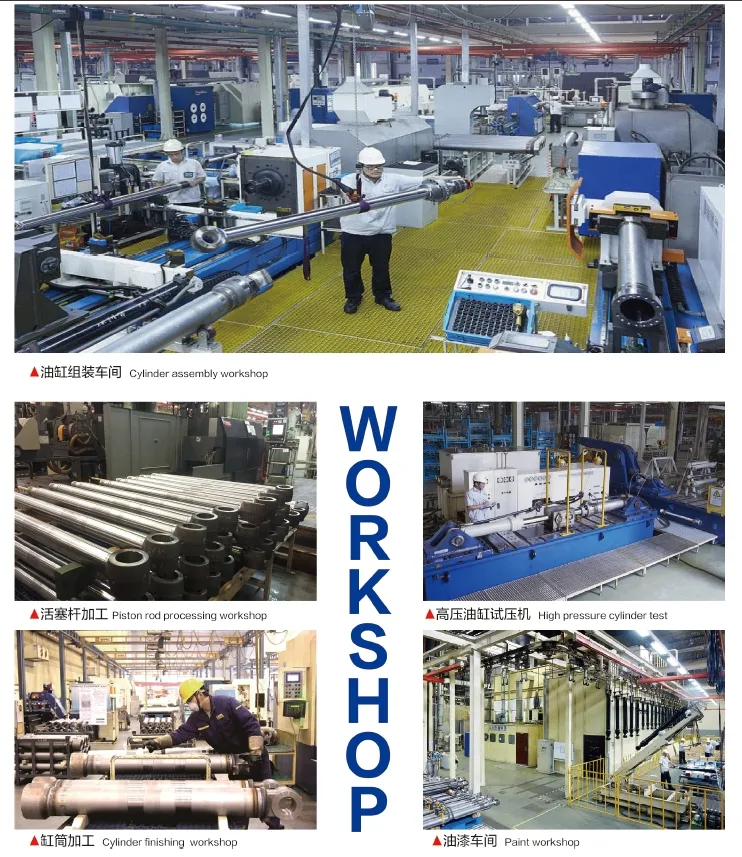
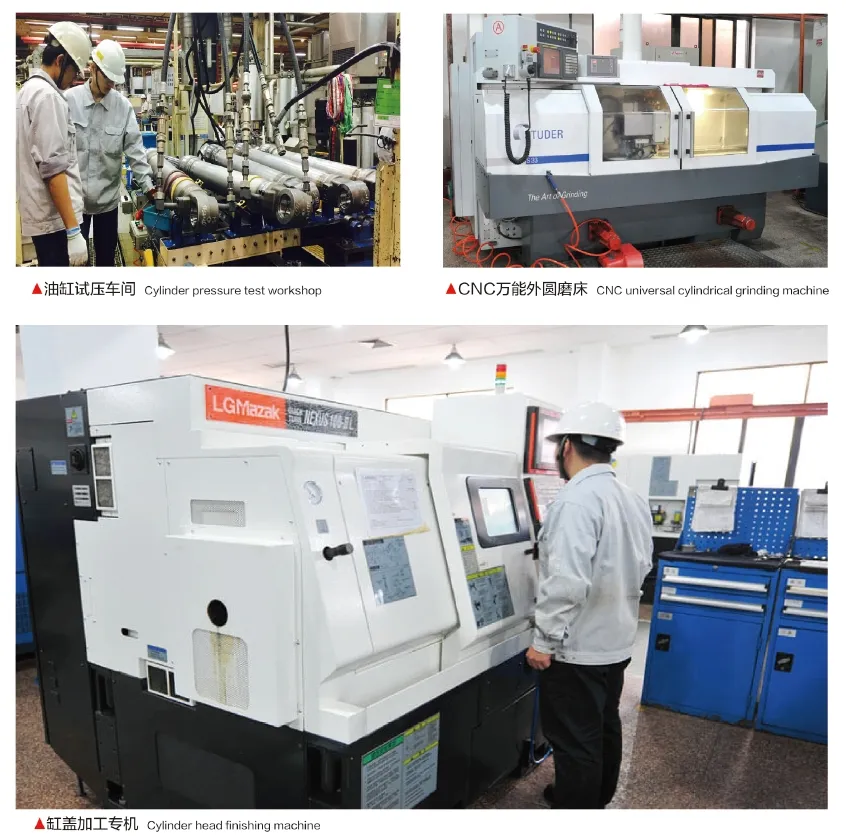
We are a leading manufacturer and wholesale distributor of replacement hydraulic cylinders. With a comprehensive range of products, we have become a prominent player in both domestic and international markets. Our company is committed to delivering excellence in quality and utilizes advanced manufacturing facilities and professional testing systems. We strive to meet diverse customer requirements with high efficiency, precision, and quality.
We use cookies to offer you a better browsing experience, analyze site traffic and personalize content. By using this site, you agree to our use of cookies. Privacy Policy