
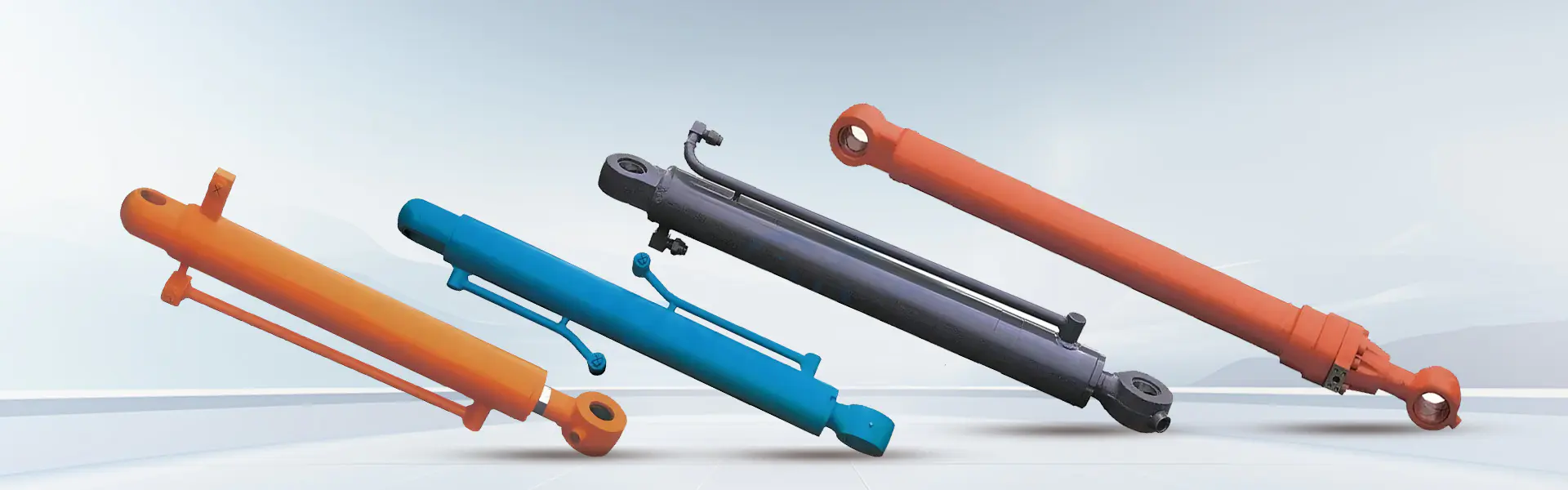
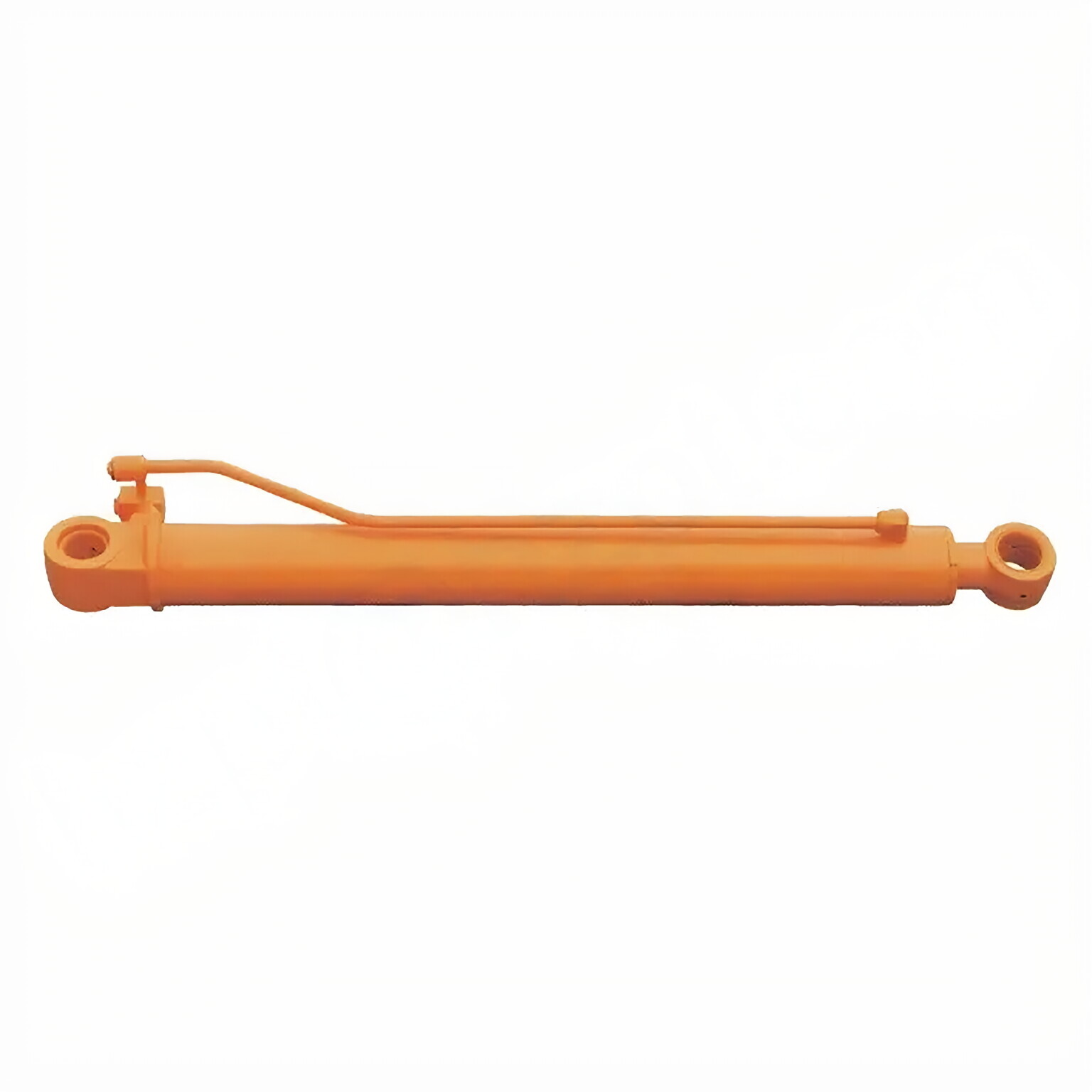
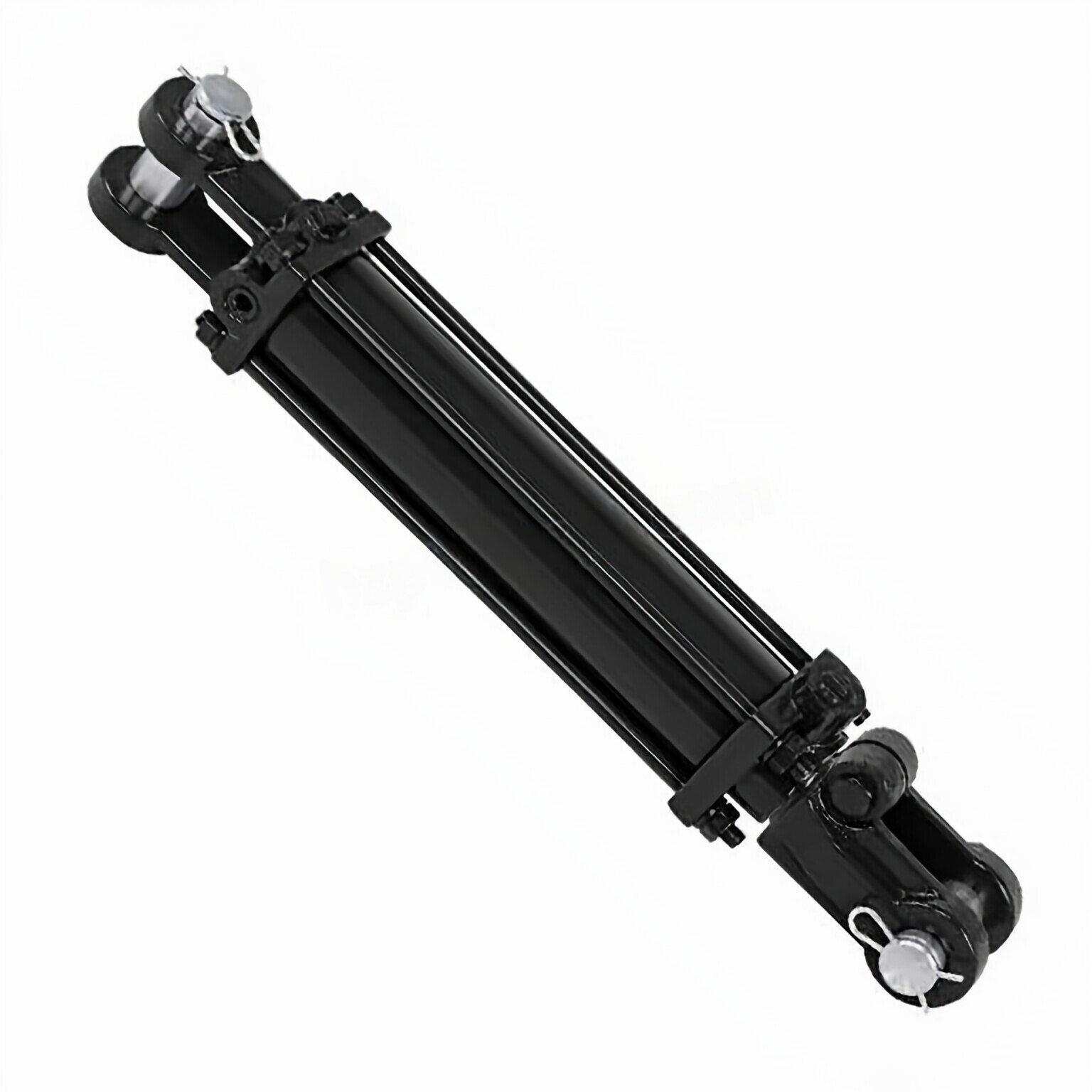
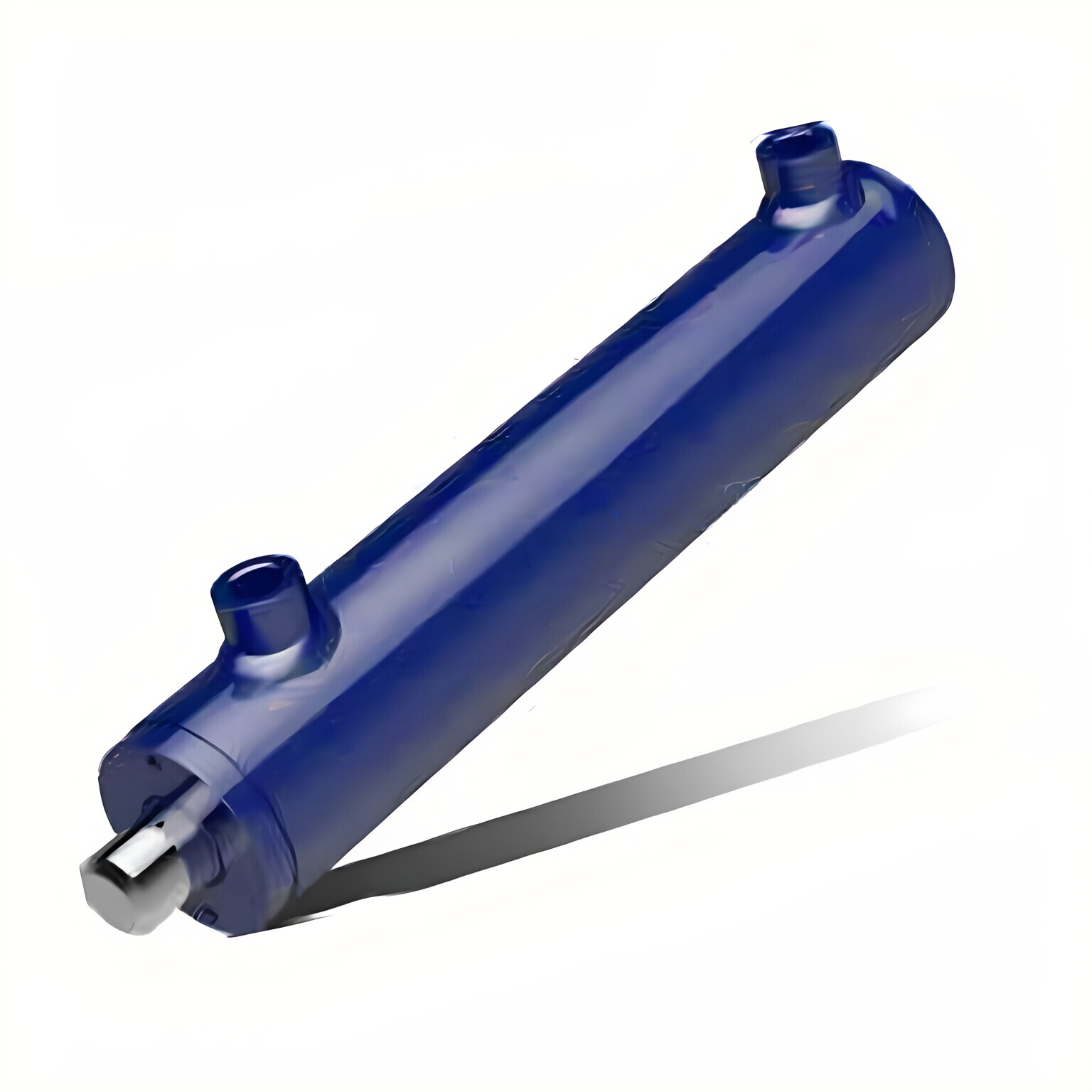
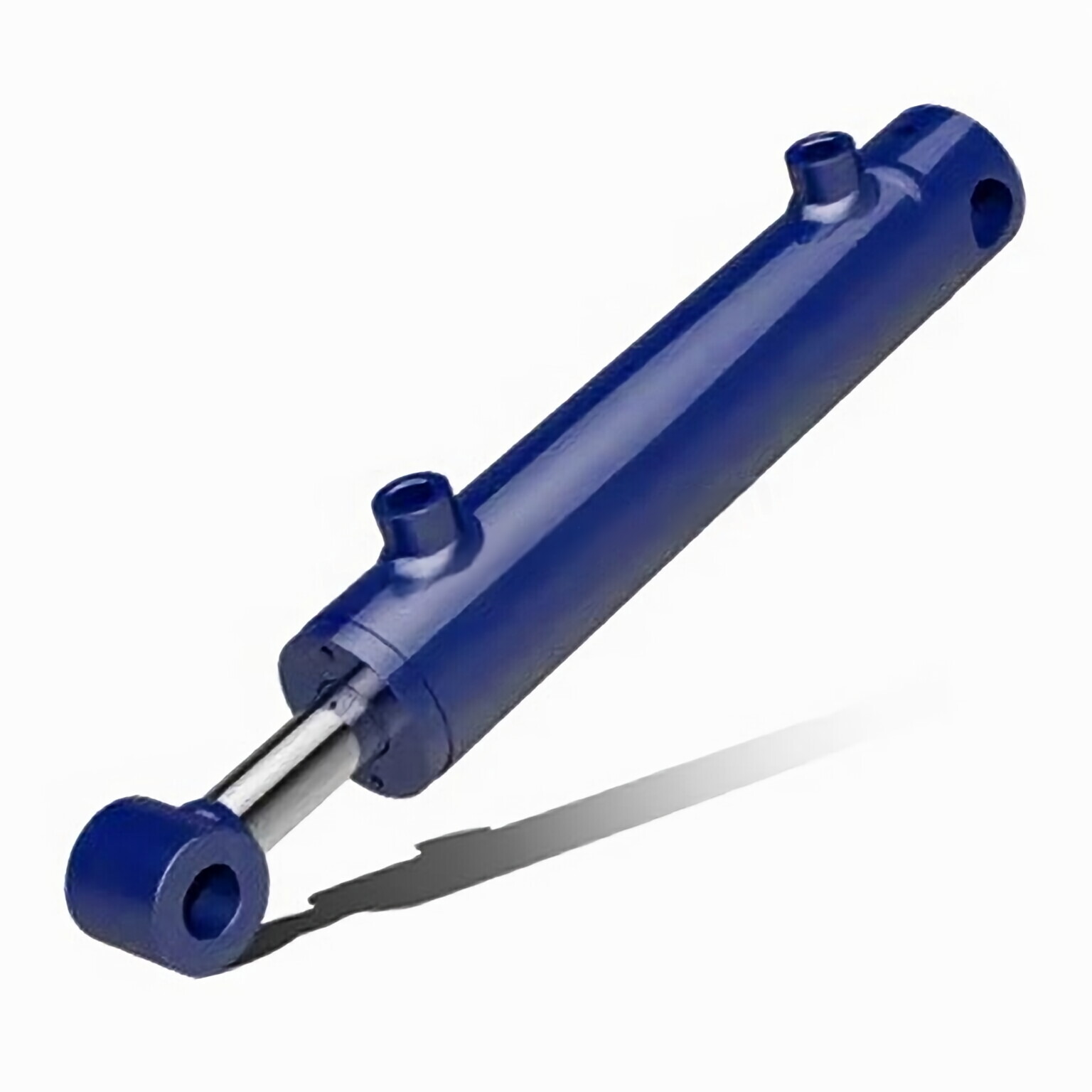
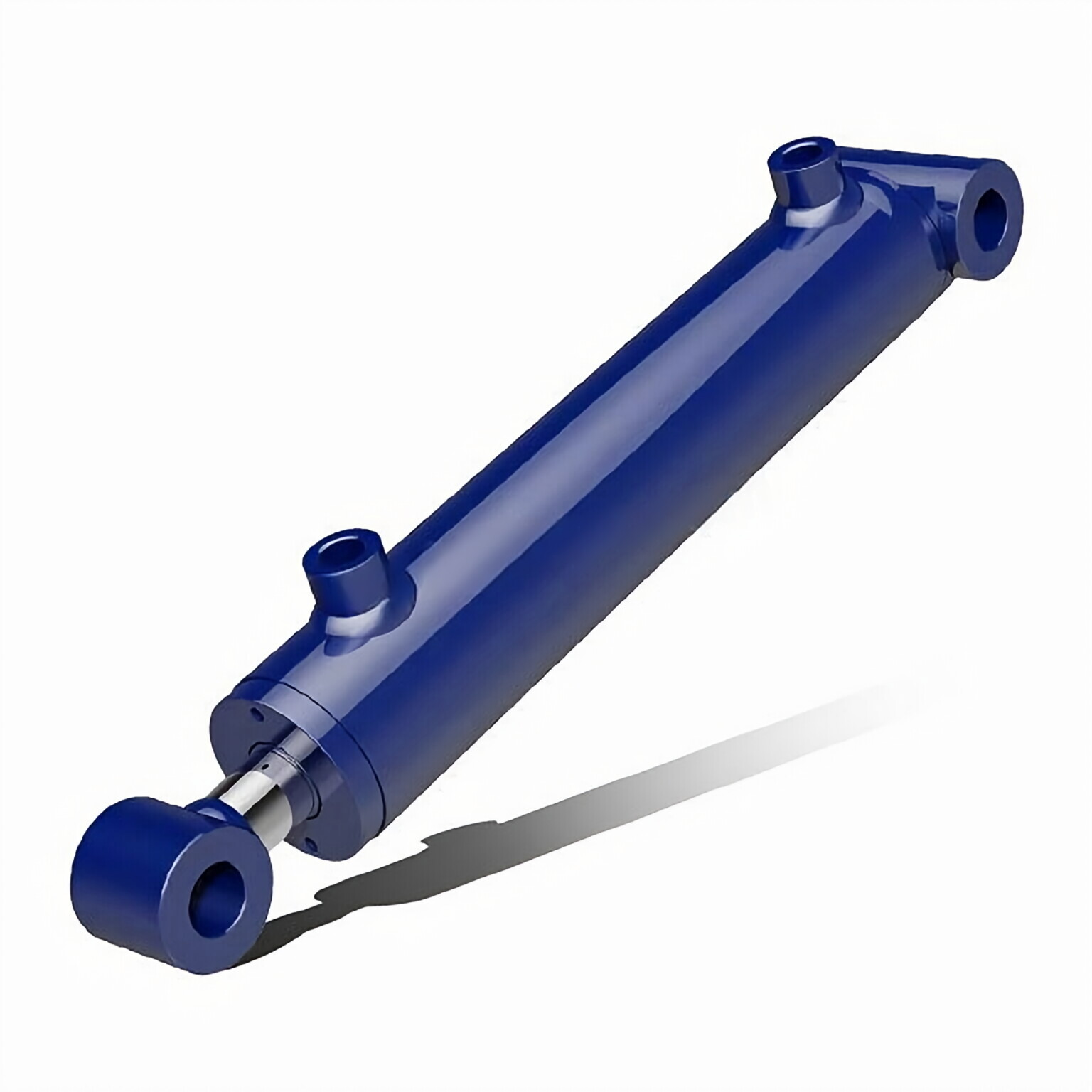
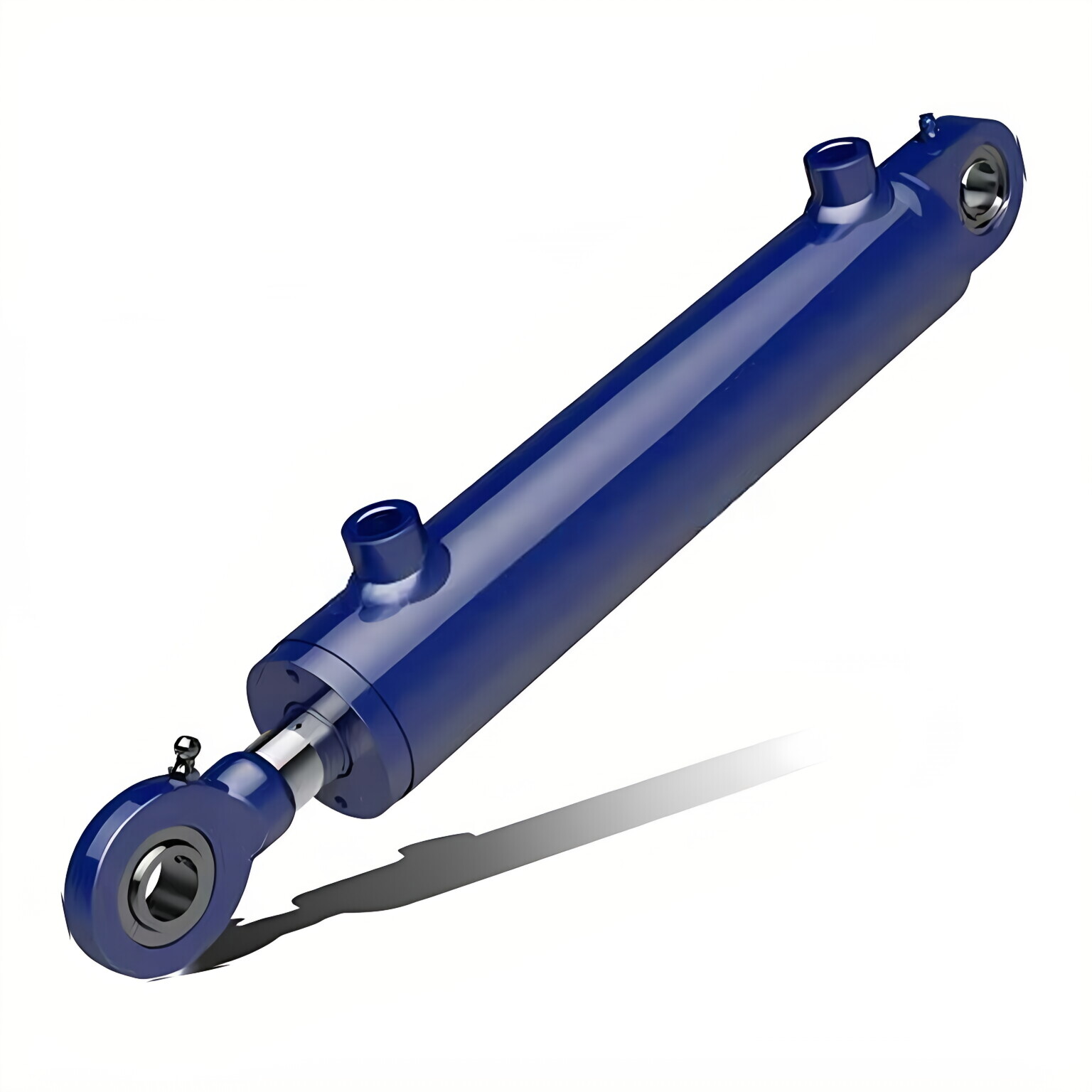
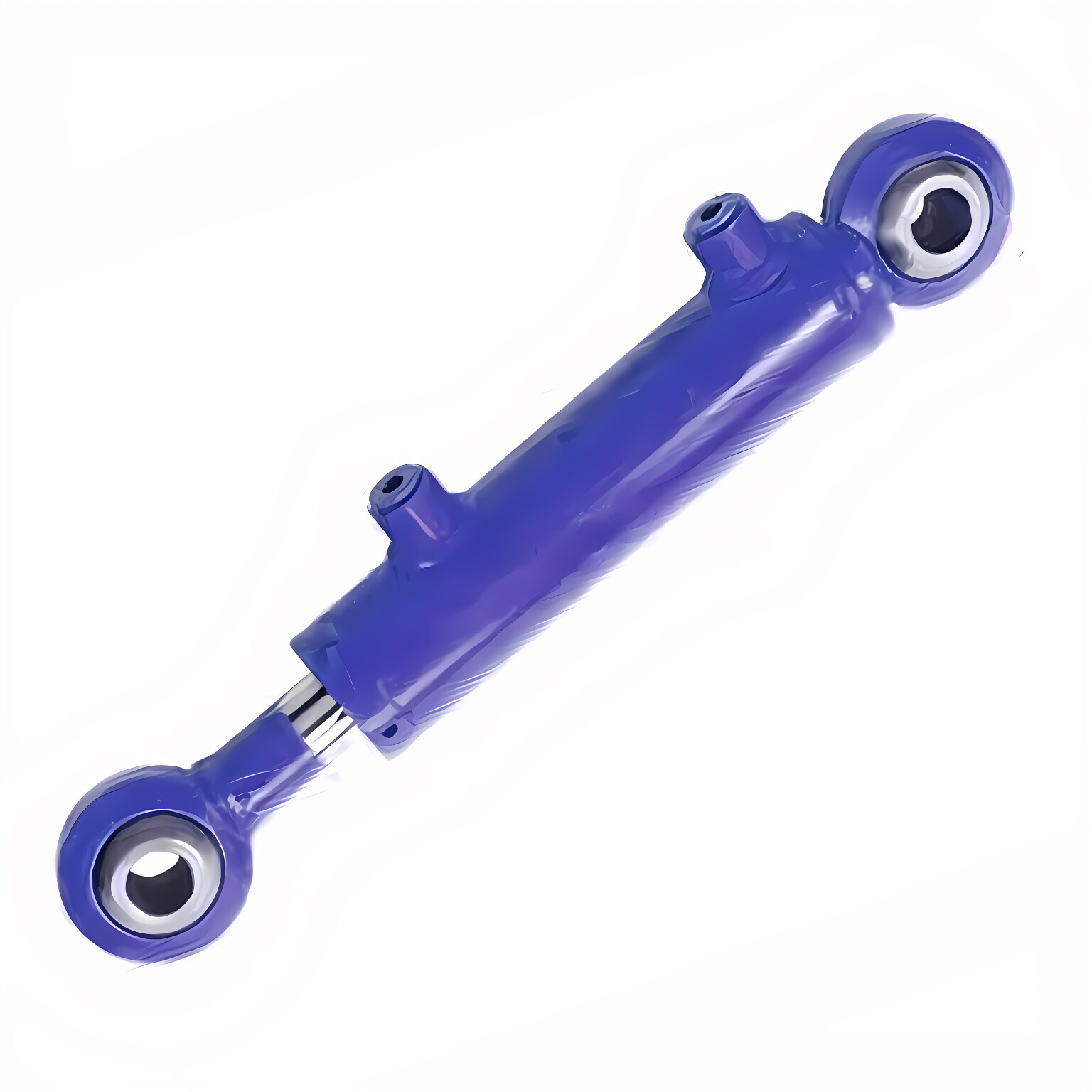
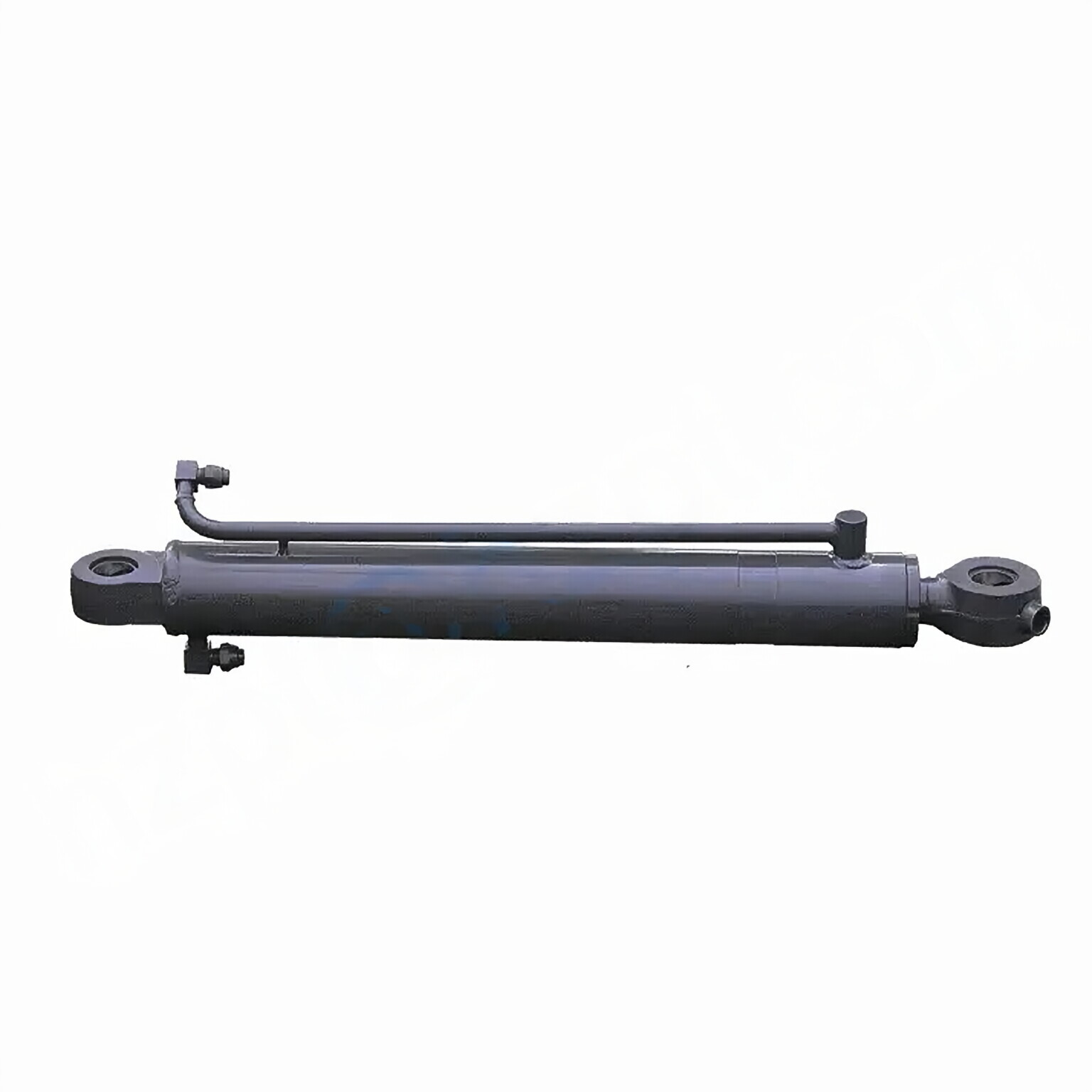
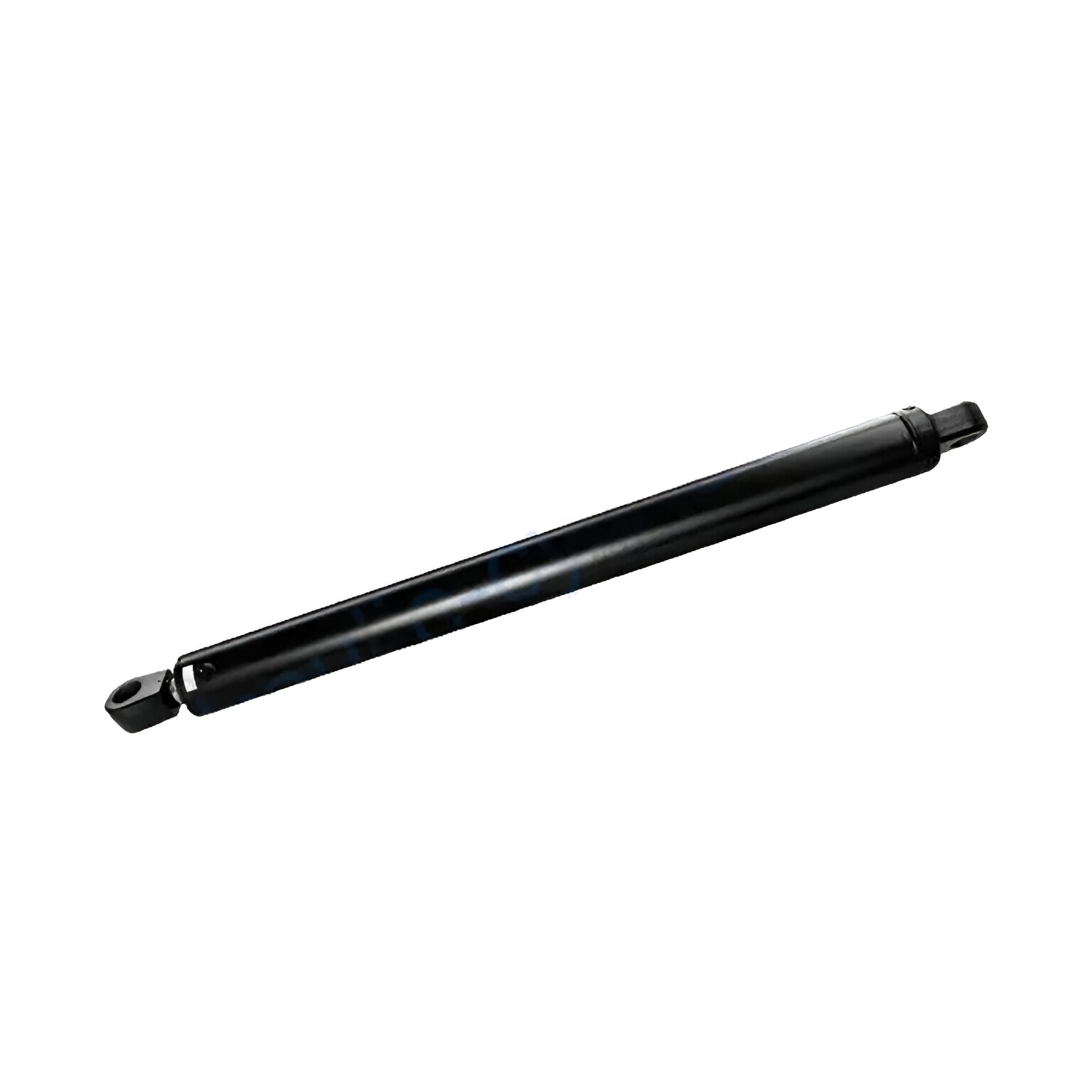
The arm cylinder is a hydraulic cylinder designed specifically to provide linear motion and force for the arm of various machinery, such as excavators, cranes, and robotic arms. These cylinders are crucial for the movement and control of additional tools or attachments.
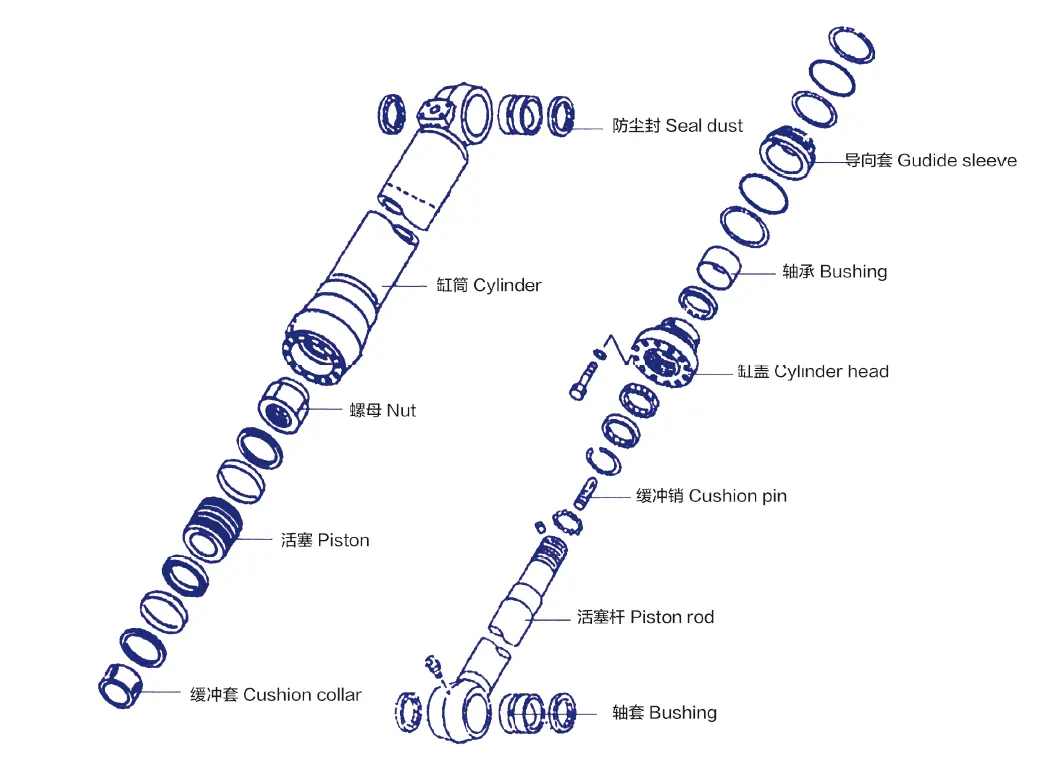
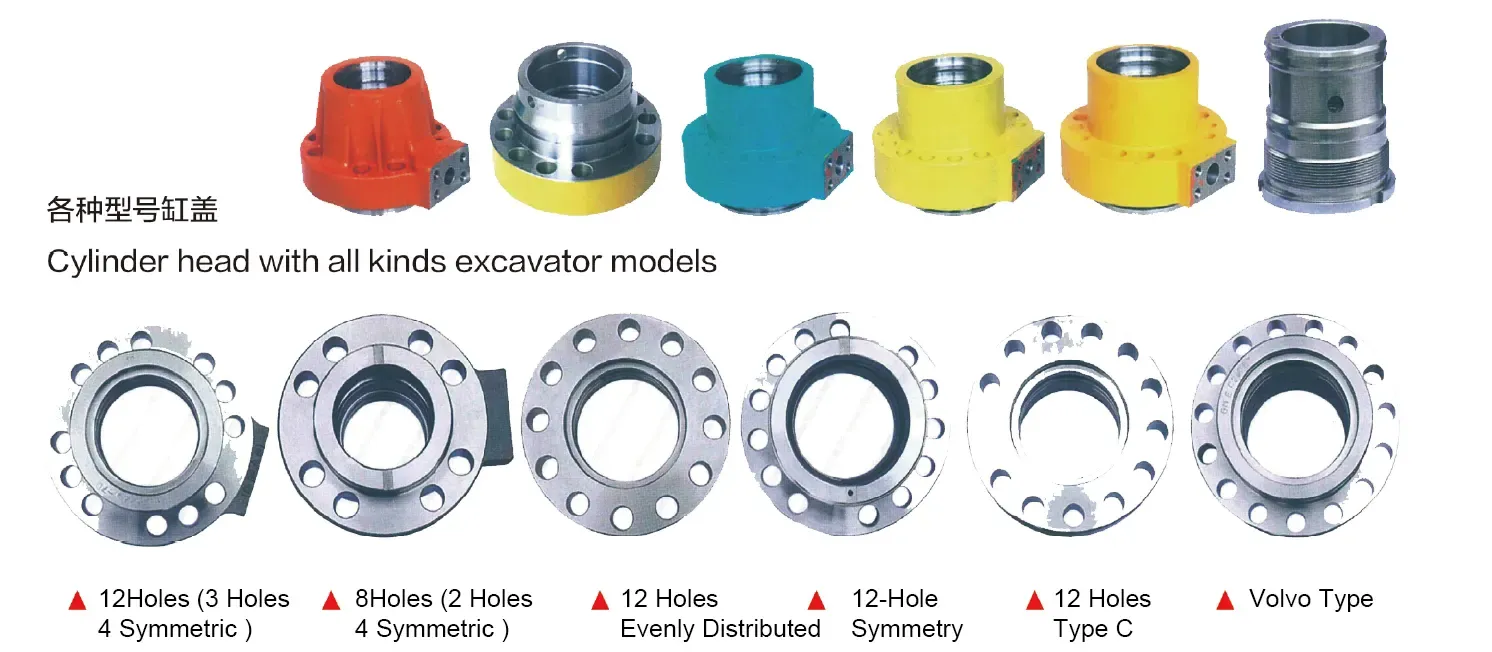
In excavators, the arm cylinders are essential for digging and lifting materials. In cranes, they enable precise positioning of loads.
Used in loaders and harvesters to manipulate tools and efficiently collect crops.
Applied in mechanical arms for assembly lines, they can execute repetitive tasks with precision.
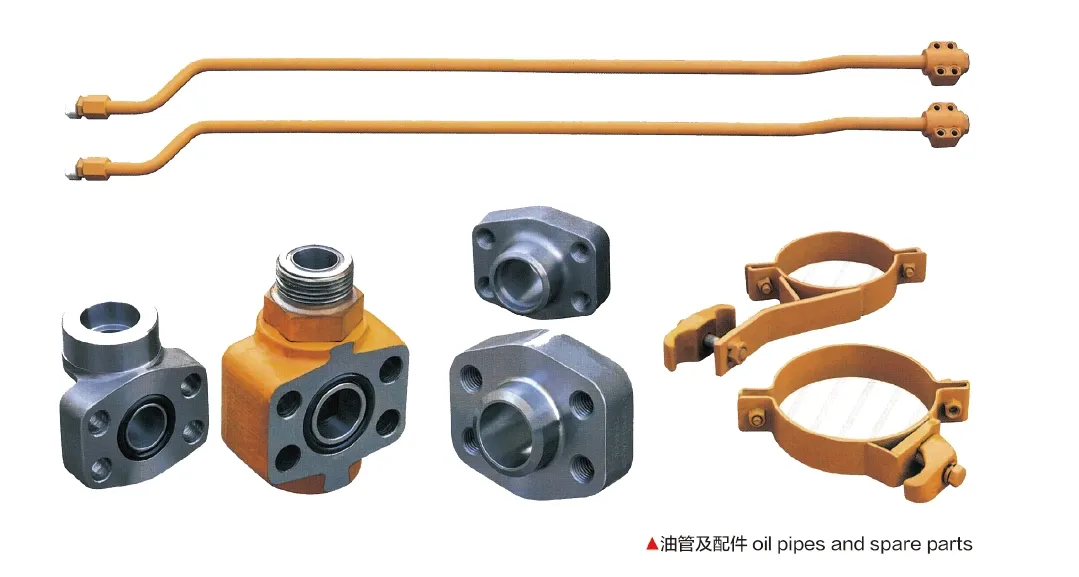
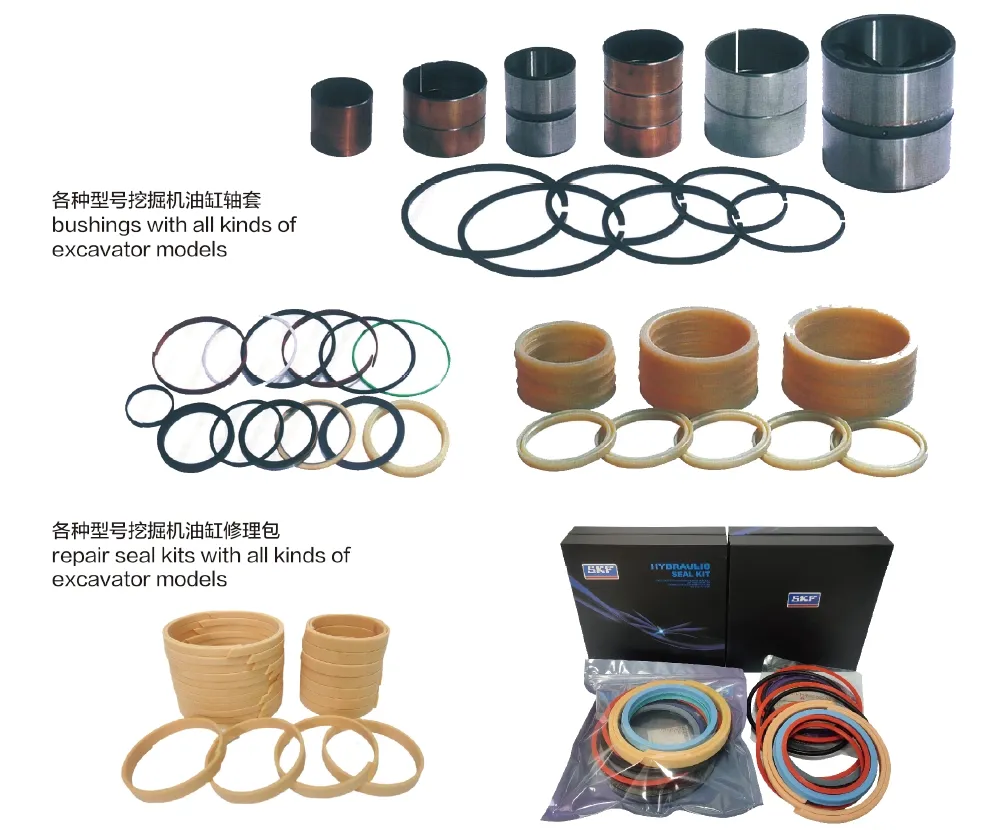
The arm cylinder utilizes various seals to prevent leakage and maintain proper lubrication. These seals, such as piston seals and rod seals, are made from durable materials like polyurethane and nitrile rubber. The cylinder body and threaded ends undergo fine surface treatment to enhance wear resistance. Regular lubrication with appropriate hydraulic oil is necessary to ensure smooth operation.
1. Prepare the excavator by ensuring it is properly secured and powered off.
2. Remove any existing arm cylinder by following the manufacturer's instructions.
3. Install the new arm cylinder, ensuring proper alignment and connection with the hydraulic system.
4. Secure all fittings and connections, ensuring they are tight and leak-free.
5. Test the arm cylinder's functionality by operating the hydraulic controls.

When using the arm cylinder, it is essential to follow proper safety measures to prevent accidents and ensure a safe working environment. This includes wearing appropriate protective gear, adhering to equipment operating guidelines, and conducting regular maintenance and inspections.
1. Hydraulic fluid leakage: Inspect seals and connections for damage or wear. Replace any faulty components.
2. Inconsistent or jerky arm movement: Check hydraulic fluid levels and quality. Inspect and clean control valves and cylinders.
3. Excessive noise or vibration: Examine the cylinder for loose fittings or damaged components. Tighten or replace as necessary.
4. Inadequate extension or retraction: Check hydraulic pressure and fluid levels. Inspect seals and rods for damage or contamination.
5. Cylinder failure to hold position: Verify hydraulic pressure and inspect control valves for malfunctions. Replace faulty components.
Proper troubleshooting and regular maintenance can help diagnose and resolve these issues effectively. Implementing preventive measures can minimize potential problems.
We are a leading manufacturer and wholesale distributor of replacement hydraulic cylinders in the domestic and international markets. Our company offers a wide range of products and follows a strategy of industrial production management based on excellent quality. With a focus on technological talent, advanced manufacturing equipment, and professional testing systems, we continuously improve our manufacturing platform and product quality production routes. We have a strong ability to create high efficiency, precision, and high-quality products to meet diverse customer demands.
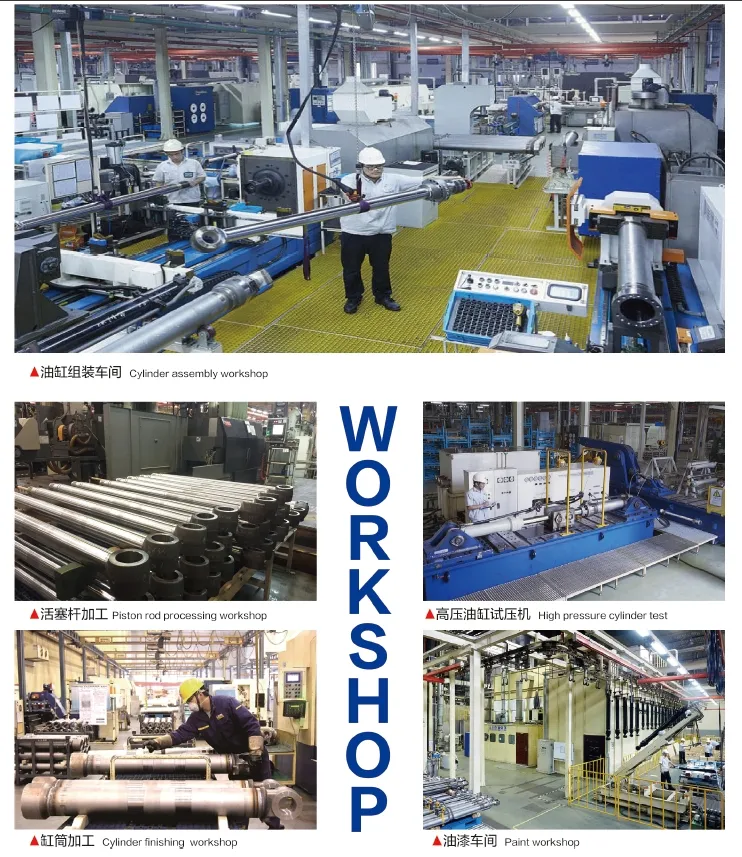
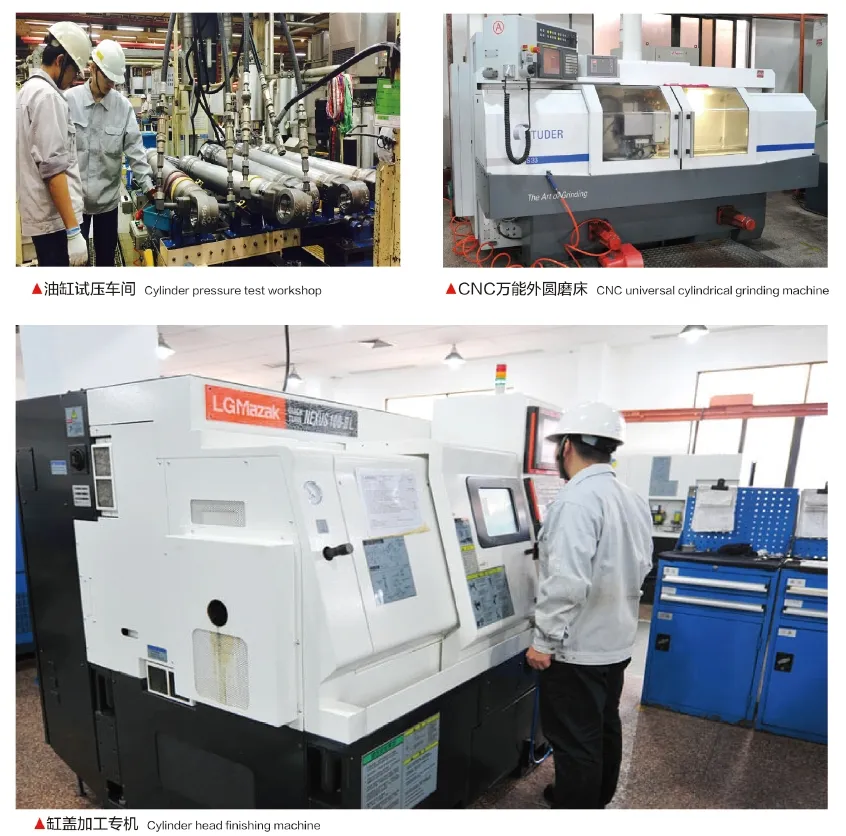
Our company is known for its professionalism, international certifications, custom services, production equipment, and excellent after-sales service.
Author: lyl
Address
Luotuo Industrial Area, Zhenhai District, Ningbo City, China
Tel

 Raydafon