
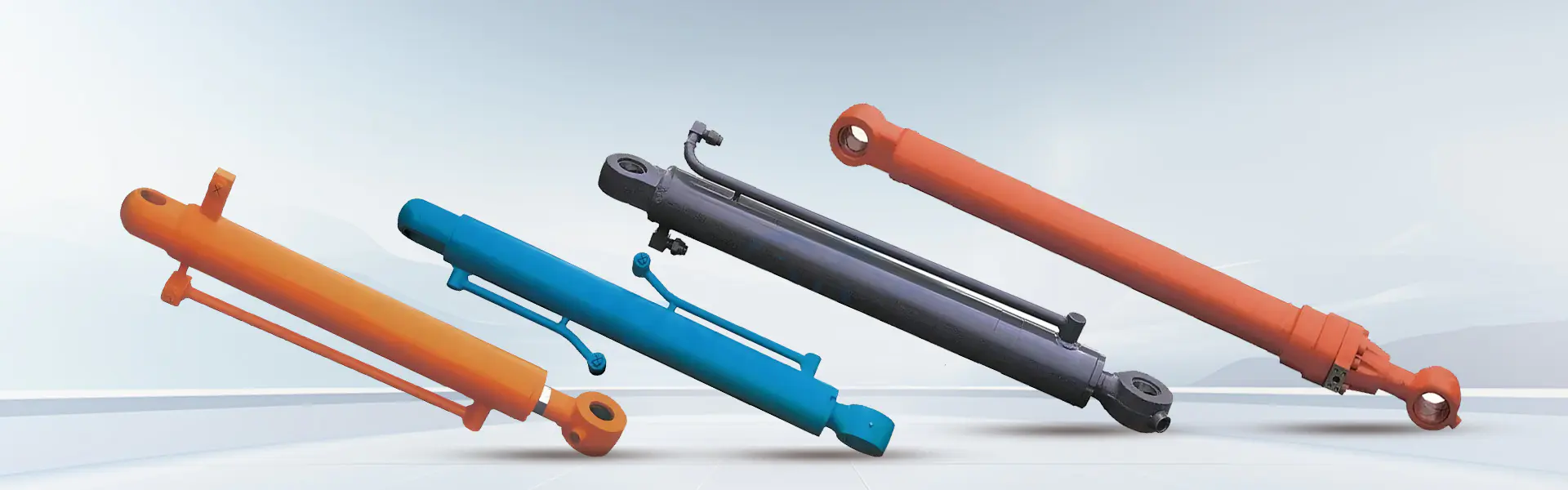
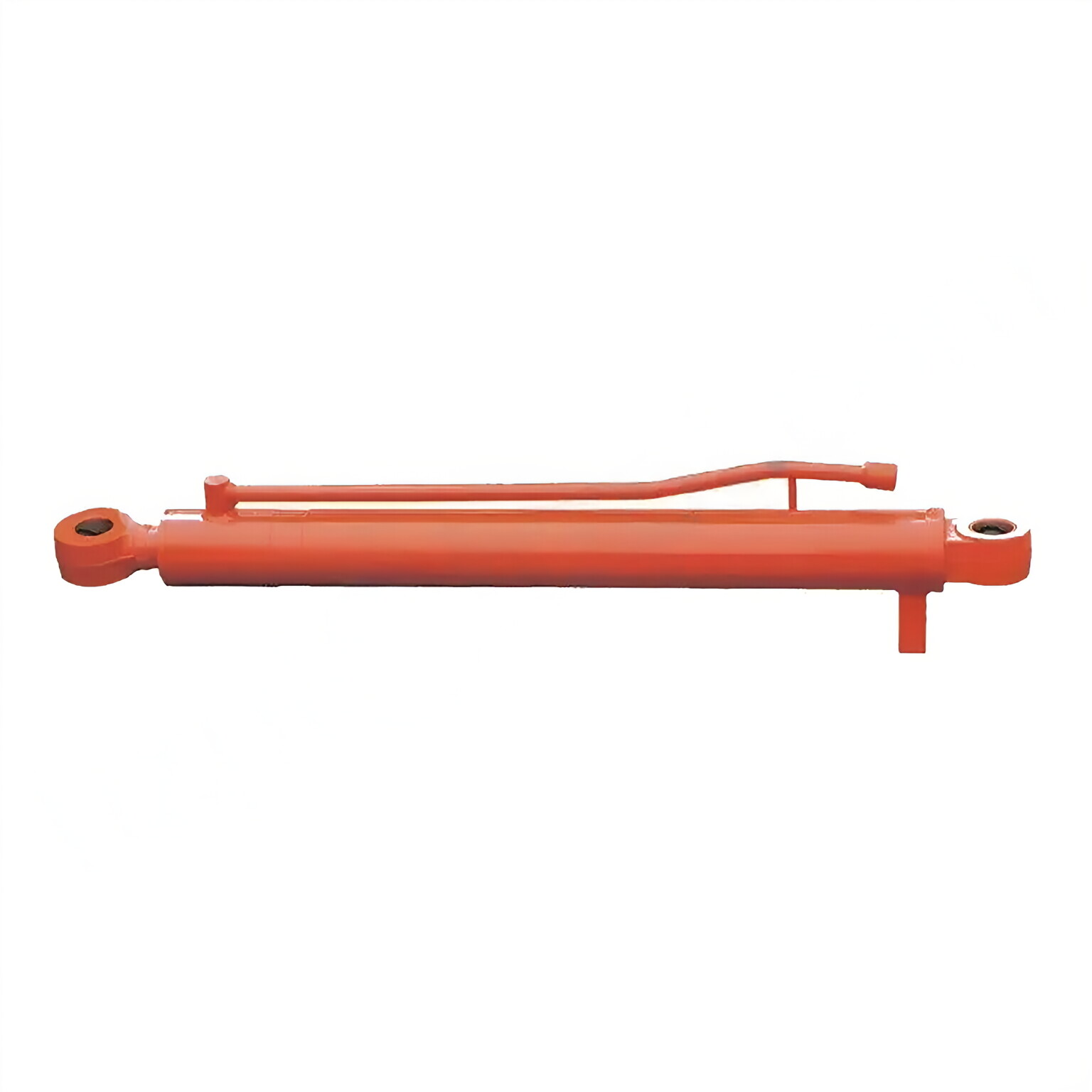
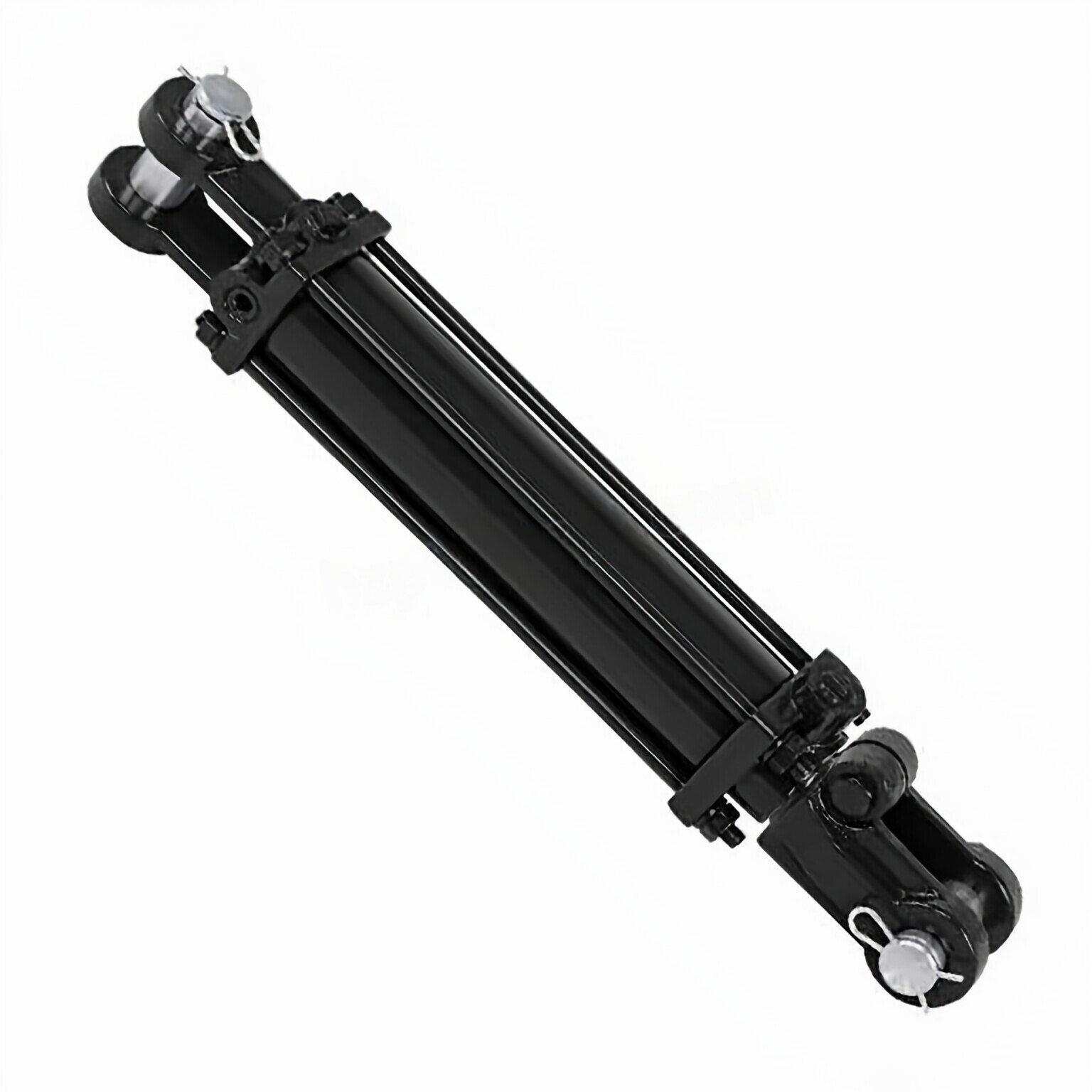
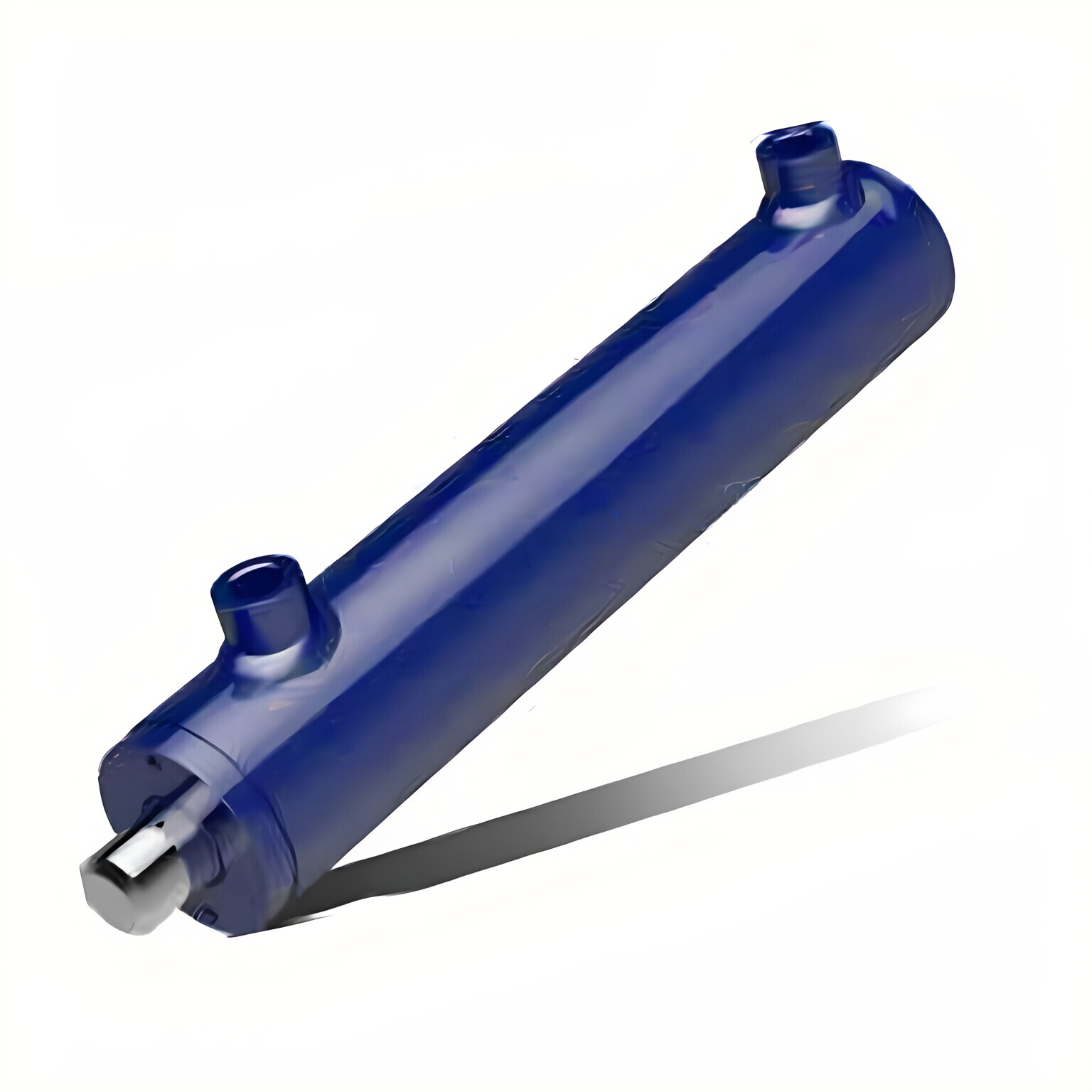
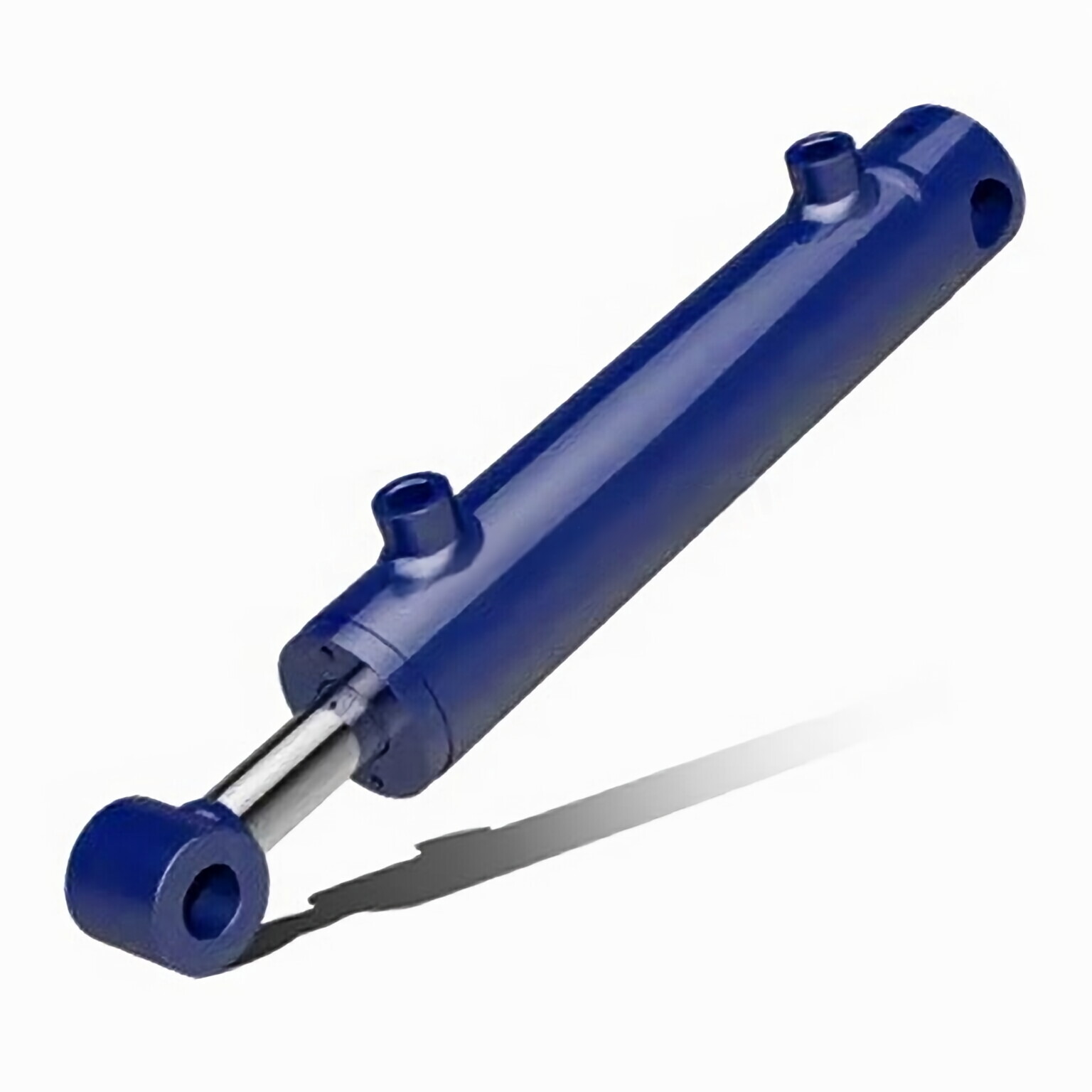
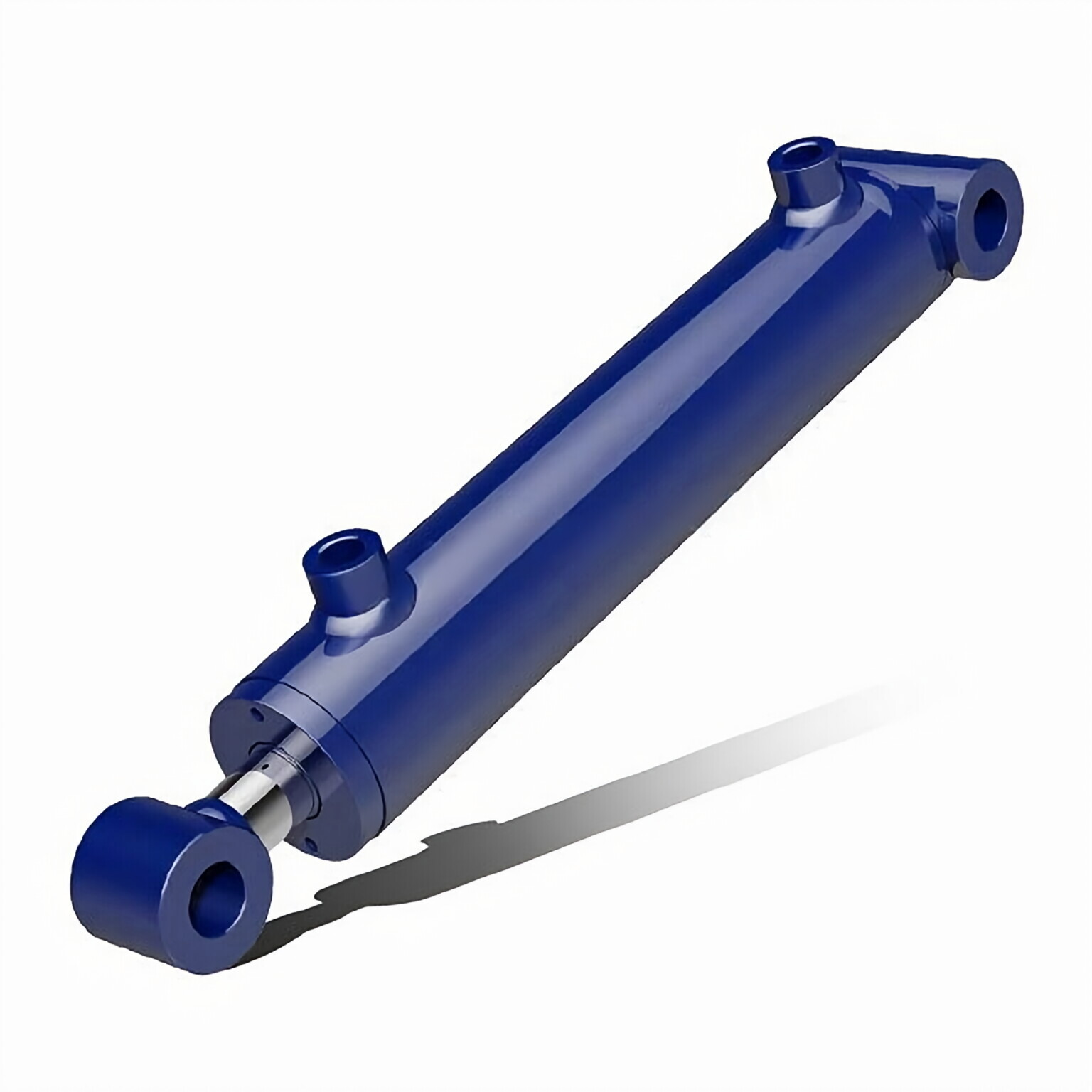
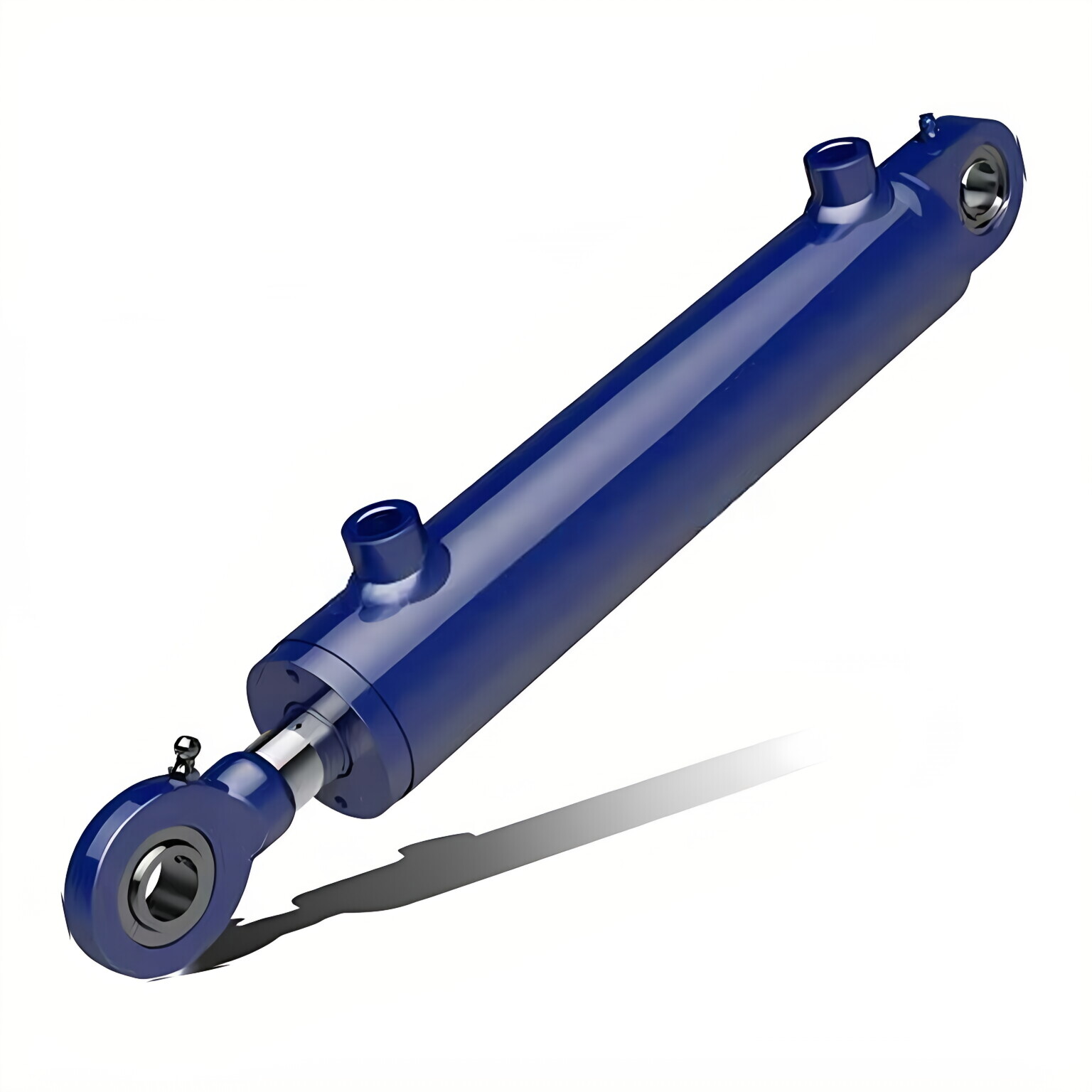
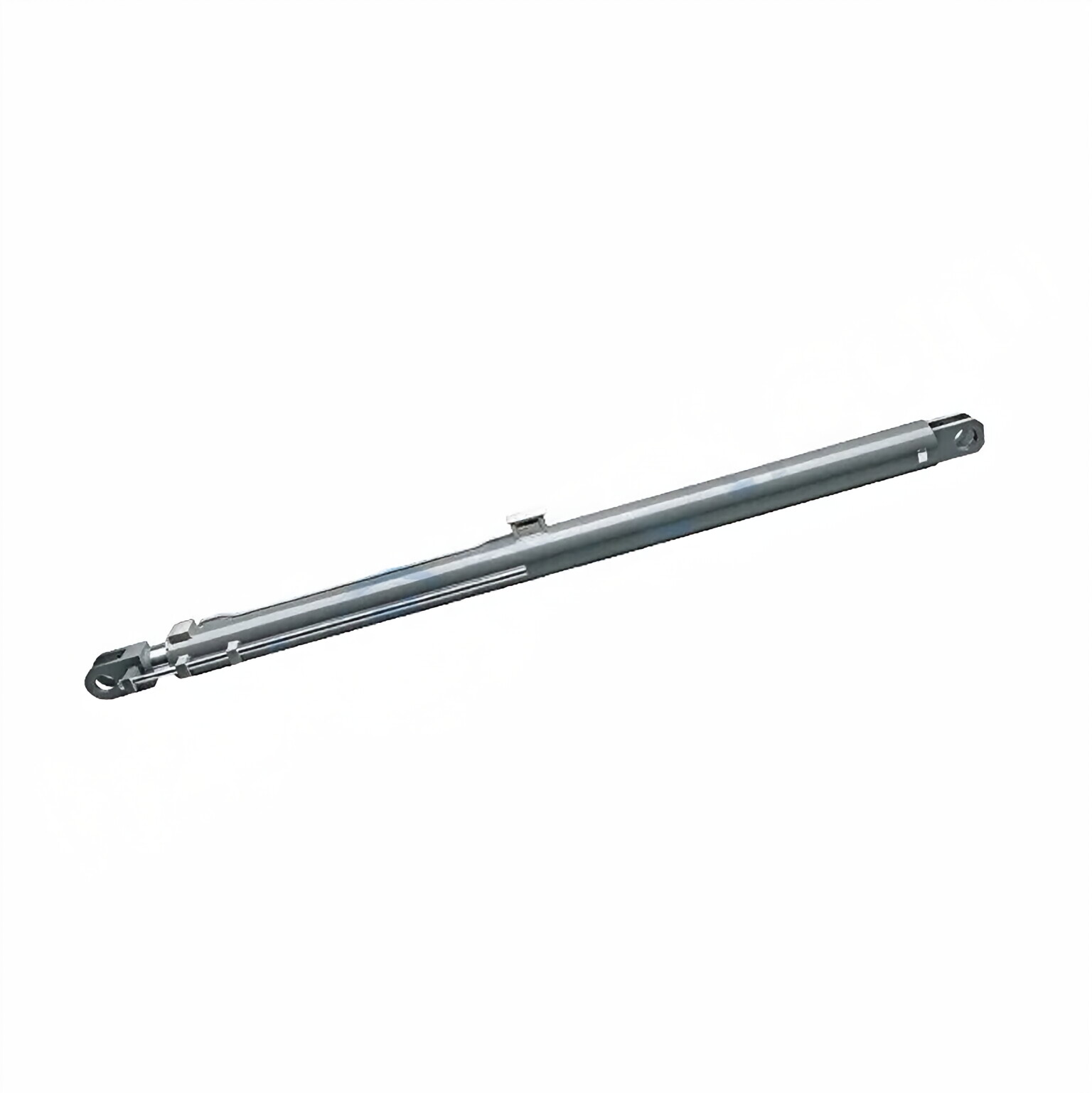
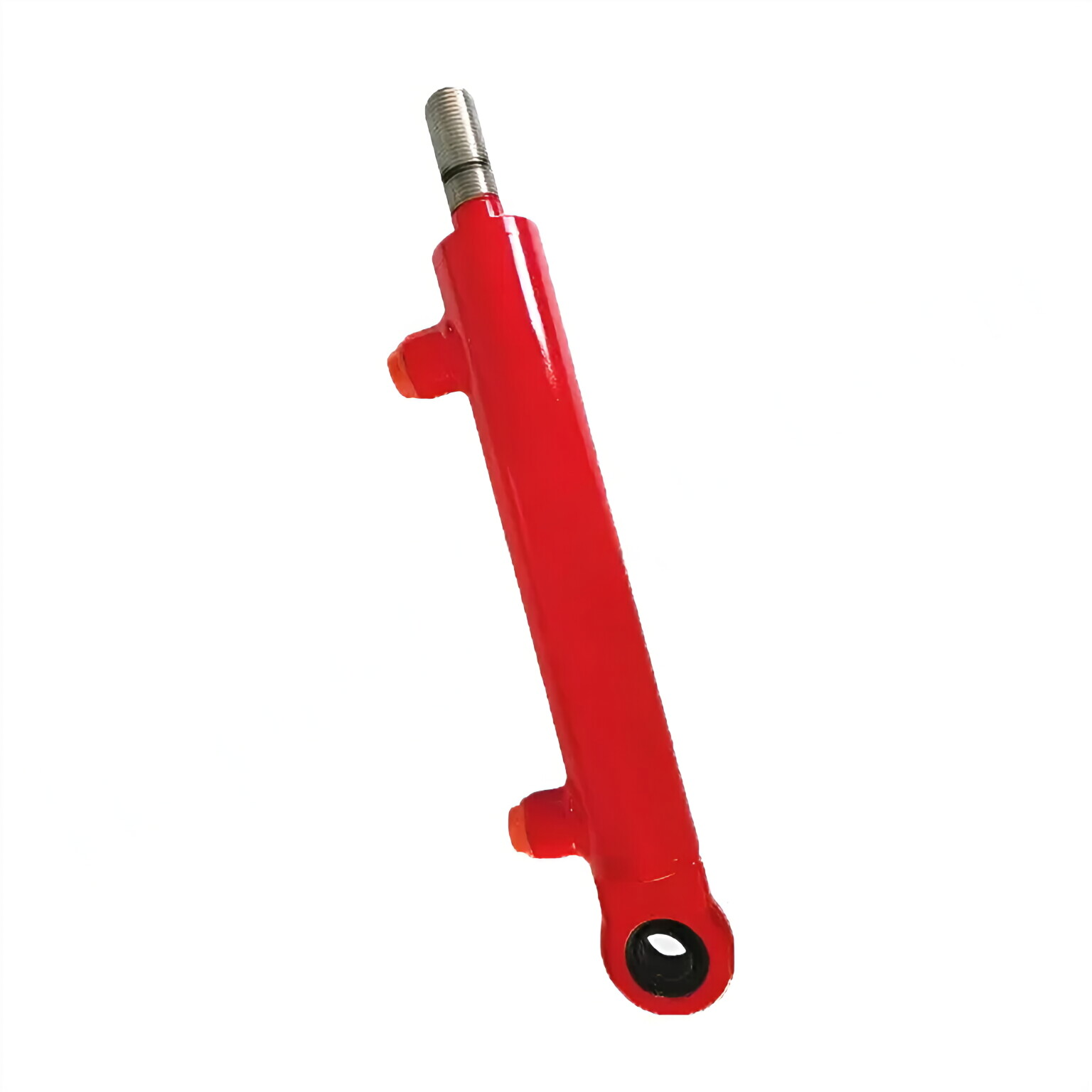
The arm cylinder is a hydraulic cylinder specially designed to provide linear motion and force to the arm of various machinery, such as excavators, cranes, and robotic arms. These cylinders are crucial for achieving the movement and control of additional tools or attachments.
The arm cylinders, also known as boom cylinders or hydraulic rams, are hydraulic actuators responsible for extending and retracting the arm of the machinery. They play a vital role in the hydraulic system by converting hydraulic energy into linear motion, enabling the machinery to perform various tasks efficiently and effectively.
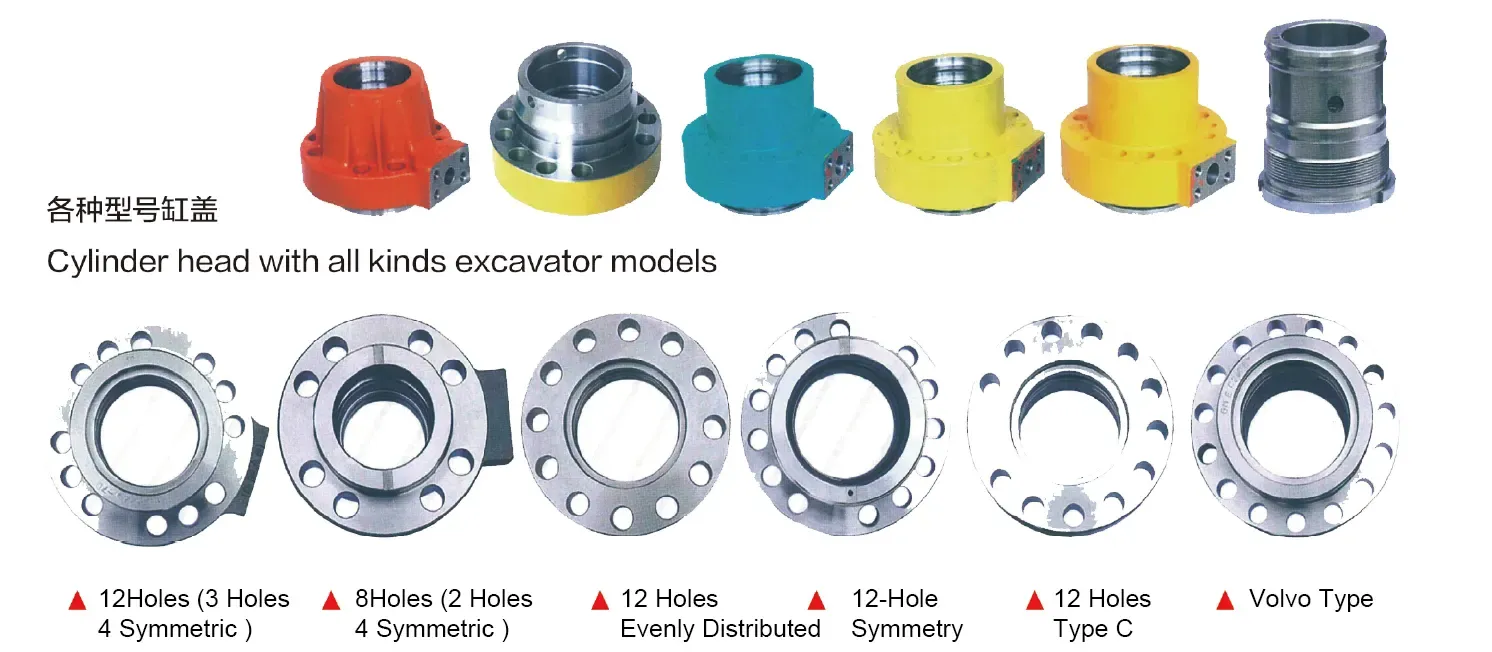
In excavators, the arm cylinders are essential for excavation and material lifting. In cranes, they enable precise positioning of loads.
Used in loaders and harvesters, arm cylinders manipulate tools and effectively collect crops.
Arm cylinders are employed in robotic arms for assembly lines, allowing precise execution of repetitive tasks.

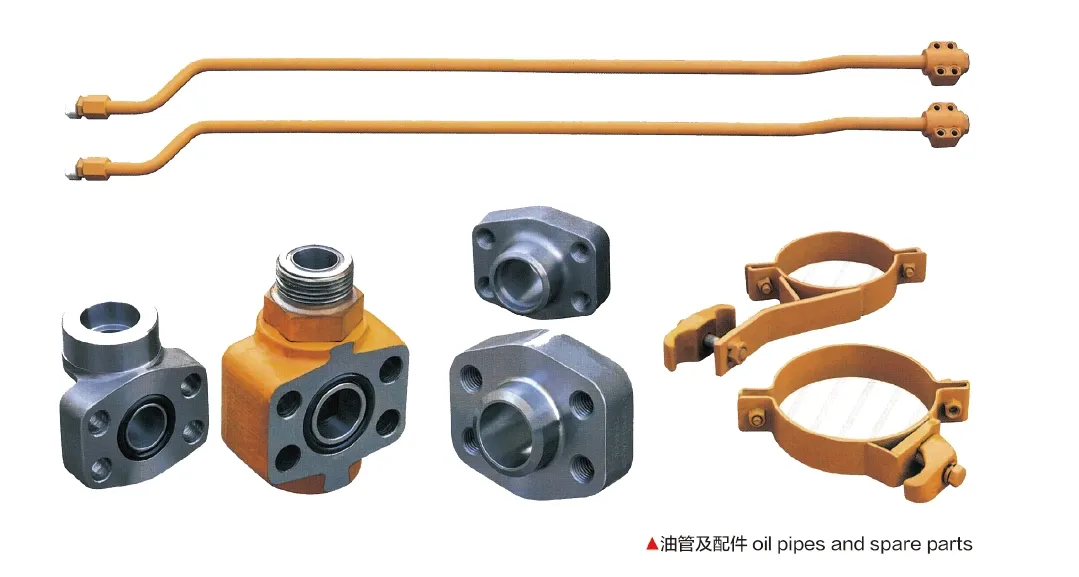
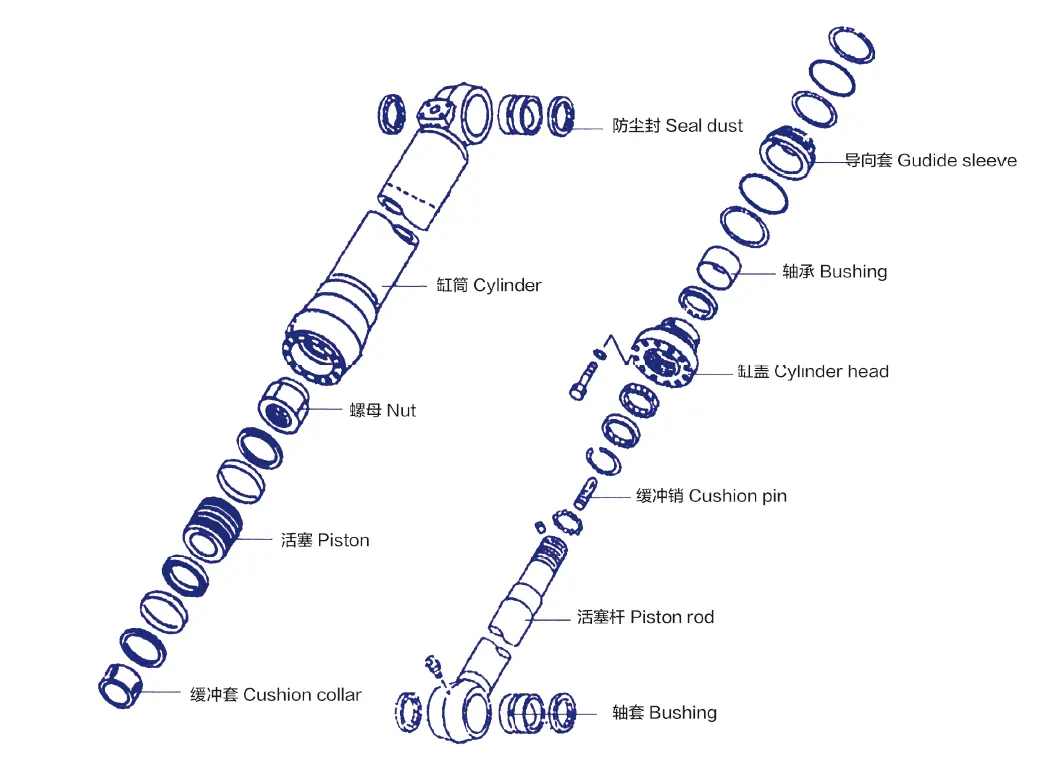
The arm cylinders use various sealing elements, such as piston seals and rod seals, made of wear-resistant materials like polyurethane and nitrile rubber. The cylinder body and threaded ends undergo fine surface treatment to improve wear resistance. Regular lubrication with the appropriate amount of hydraulic oil is necessary to ensure smooth operation.
1. Prepare the necessary tools and equipment for installation.
2. Secure the machinery to prevent any movement during installation.
3. Follow the manufacturer's instructions for removing the old arm cylinder, if applicable.
4. Install the new arm cylinder, ensuring proper alignment and attachment.
5. Tighten all connections and fittings according to the recommended torque specifications.
6. Test the arm cylinder's functionality before resuming normal operation.
When working with arm cylinders, it is crucial to follow safety measures to prevent accidents and injuries. Proper training, adherence to safety guidelines, and the use of personal protective equipment are essential. Additionally, considering environmental factors helps minimize the impact of hydraulic fluids and prevent pollution.
Possible Solution: Check and replace any worn-out seals or damaged components.
Possible Solution: Inspect the hydraulic system for any blockages or insufficient hydraulic pressure.
Possible Solution: Check for loose connections or damaged components, and tighten or replace as necessary.
1. If you encounter a leakage issue, inspect all seals and replace any damaged ones. Ensure proper installation and alignment of the seals.
2. In case of inconsistent or jerky movement of the arm, check the hydraulic system for any blockages or insufficient hydraulic pressure. Clean the system and ensure proper fluid levels.
3. Excessive noise during arm operation may be due to loose connections or damaged components. Tighten all connections and replace any worn-out parts.
4. To prevent potential issues, regularly inspect and maintain the arm cylinders as per the manufacturer's recommendations.
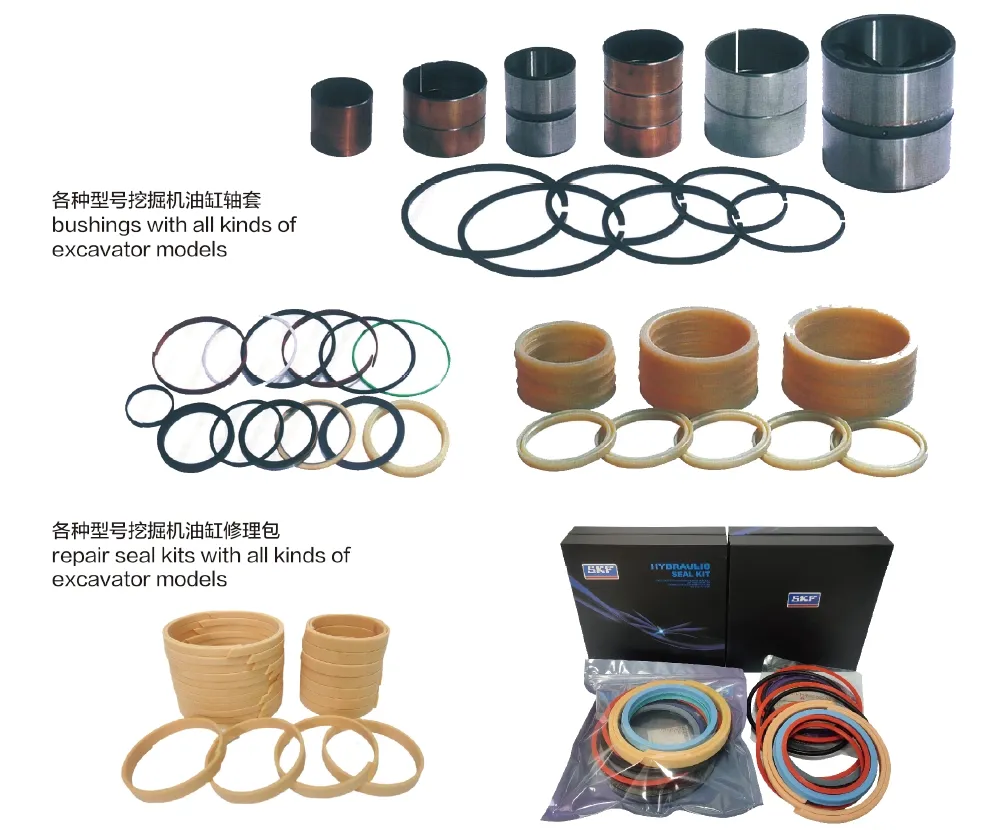
We are a manufacturer of replacement hydraulic cylinders and one of the leading manufacturers and wholesale distributors in the domestic and international markets. With a focus on excellent quality, we employ industrial production management strategies in our finely equipped manufacturing workshops. Our company continuously improves the manufacturing platform, perfects the production quality route, and possesses substantial creative capabilities. We aim to meet diverse customer needs with high efficiency, precision, and quality.
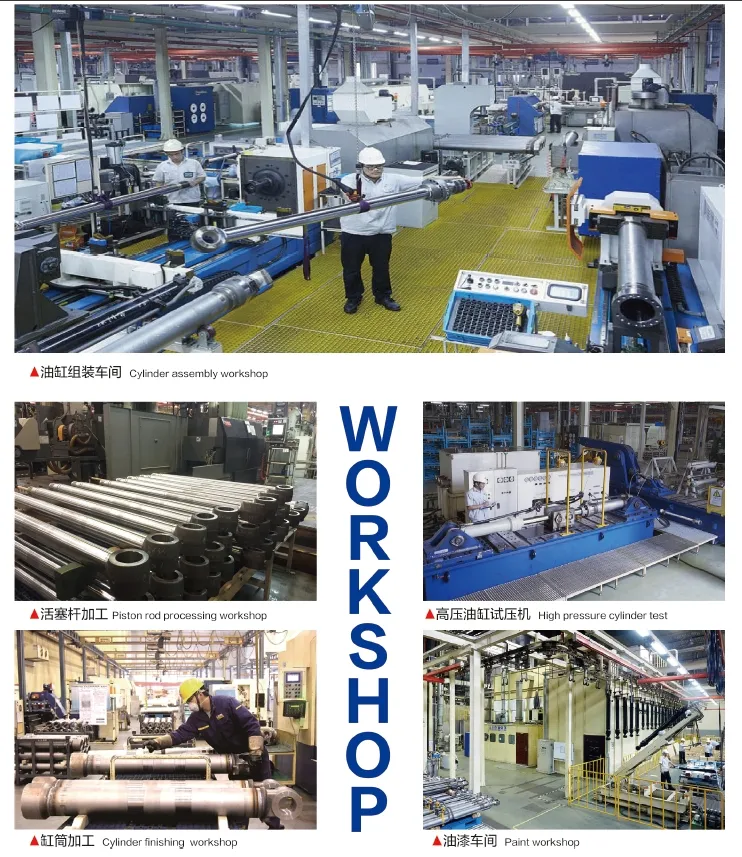
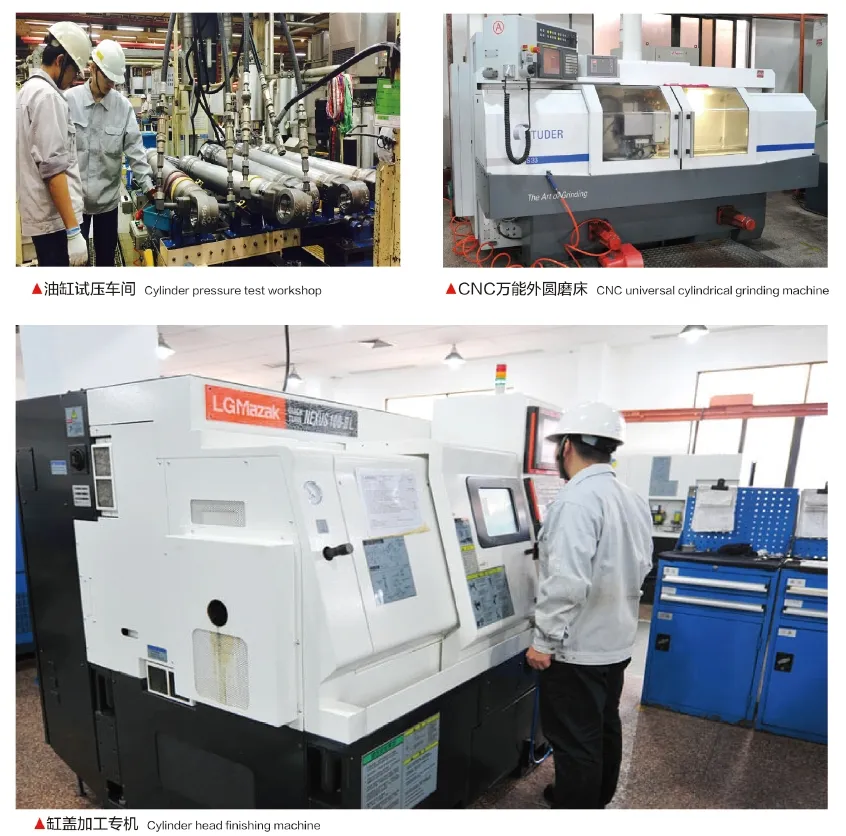
Our company stands out in the industry due to the following aspects:
Author: lyl
Address
Luotuo Industrial Area, Zhenhai District, Ningbo City, China
Tel

 Raydafon