
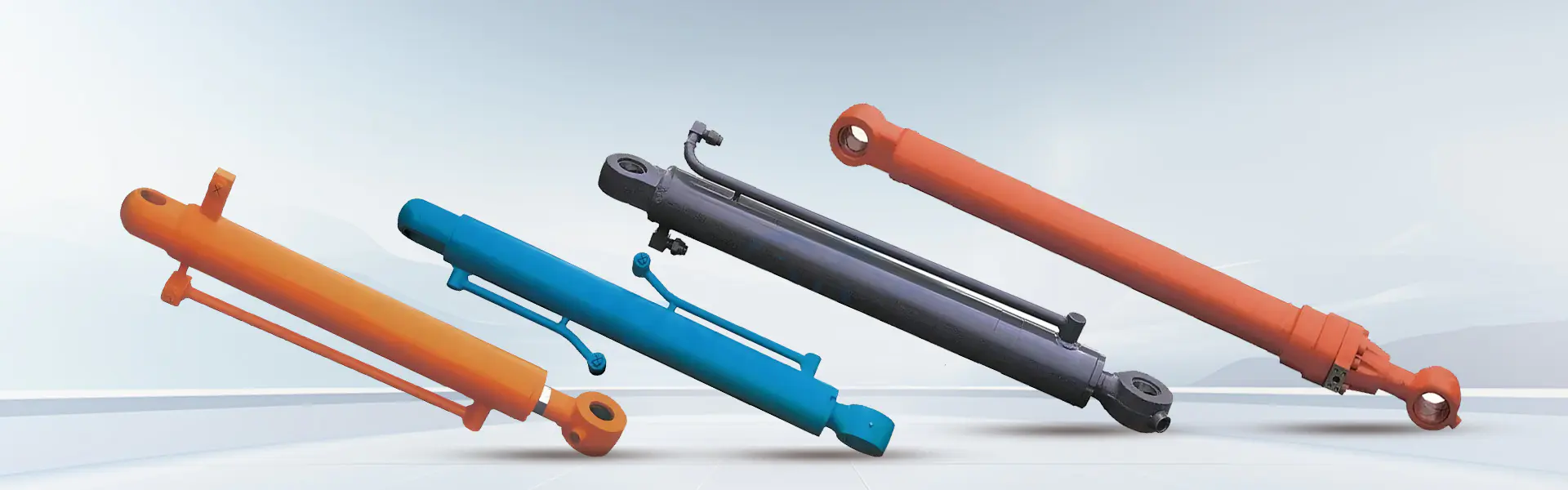
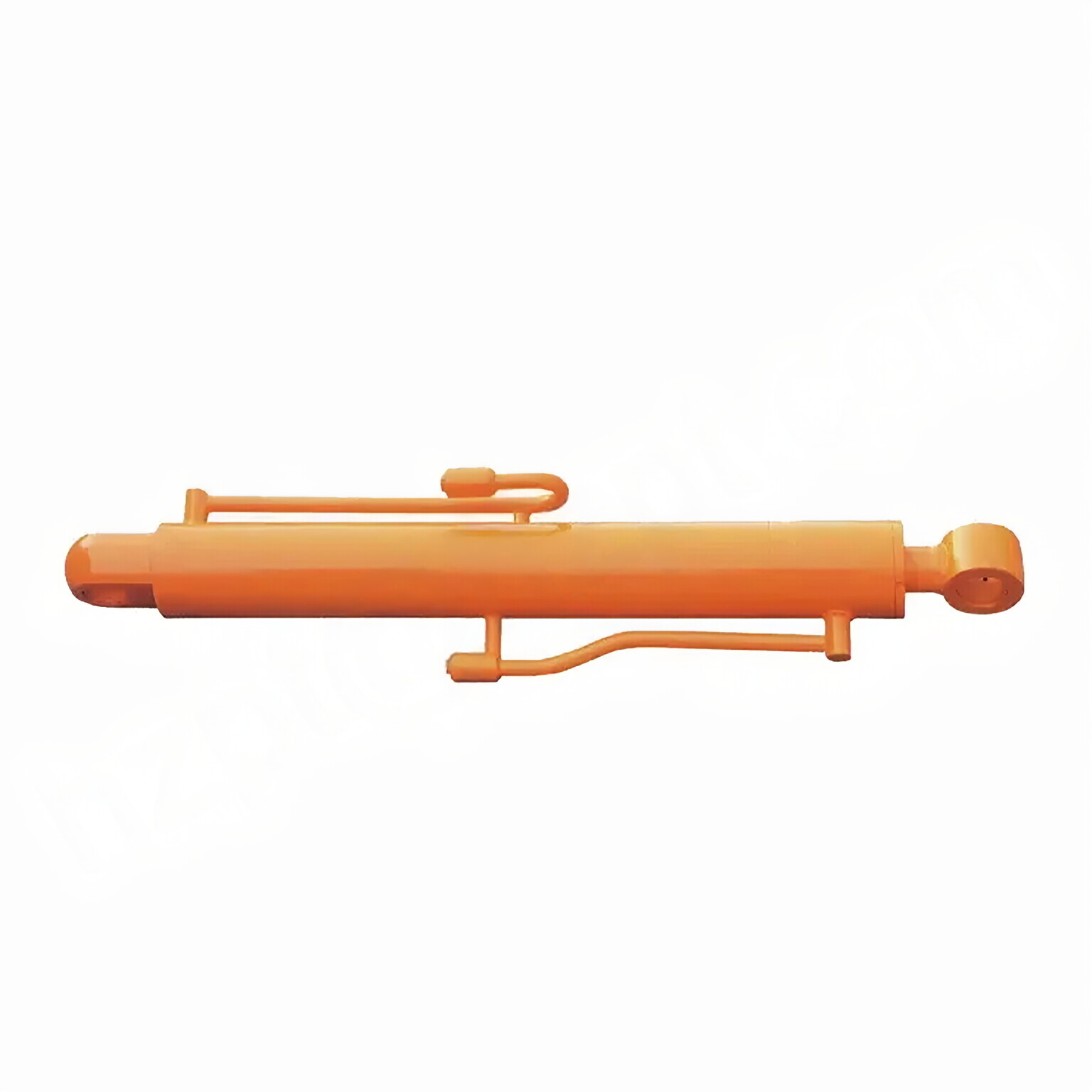
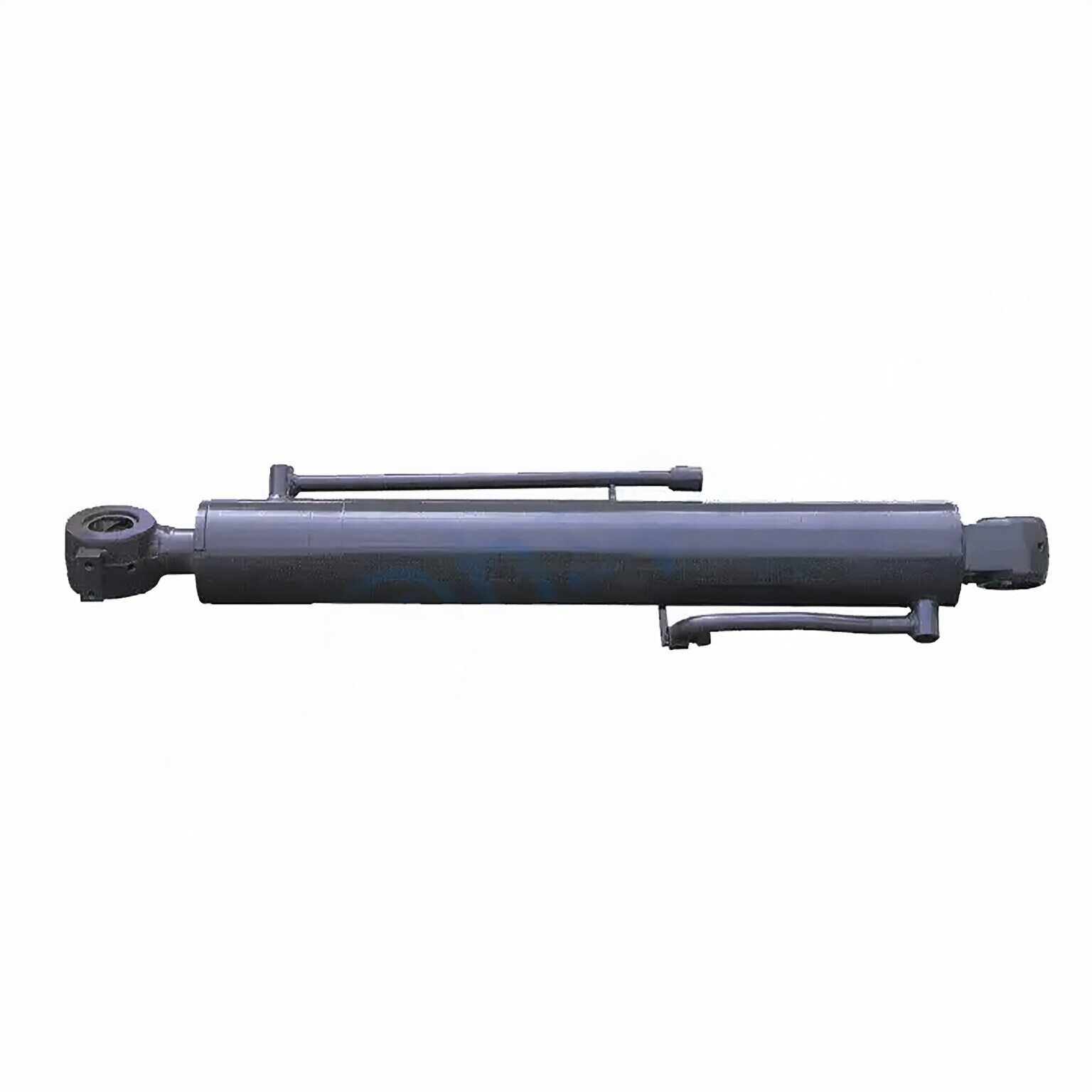
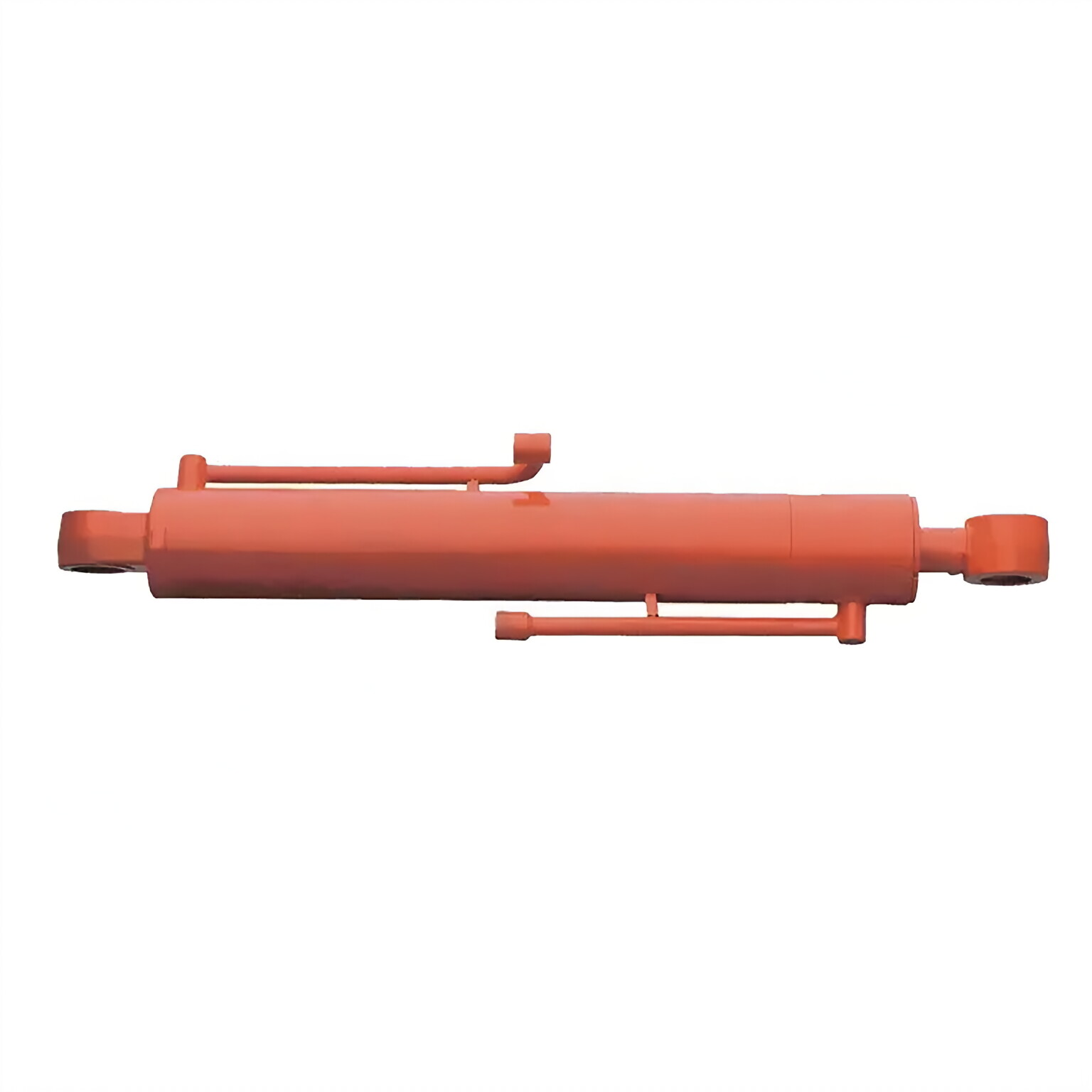
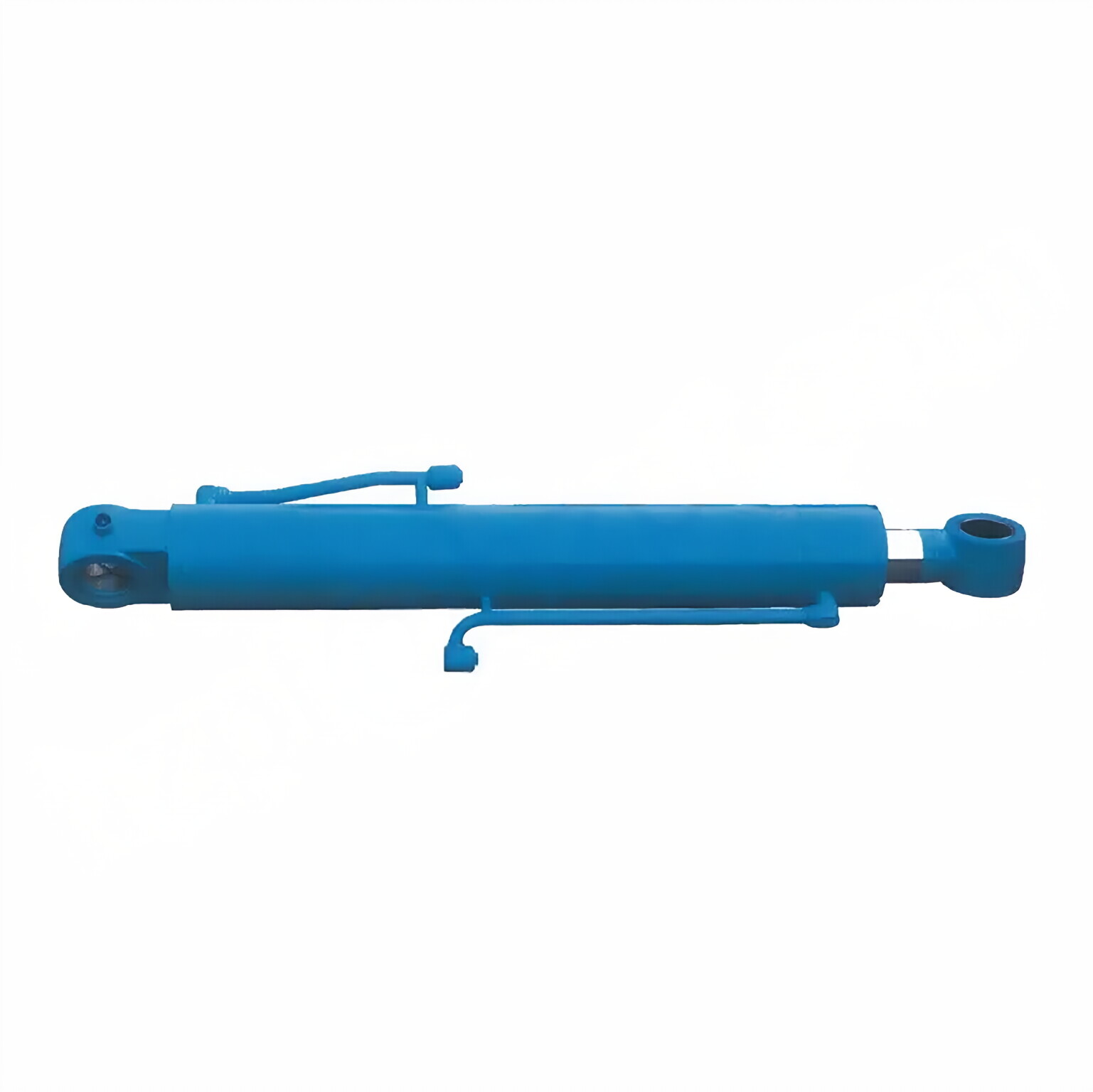
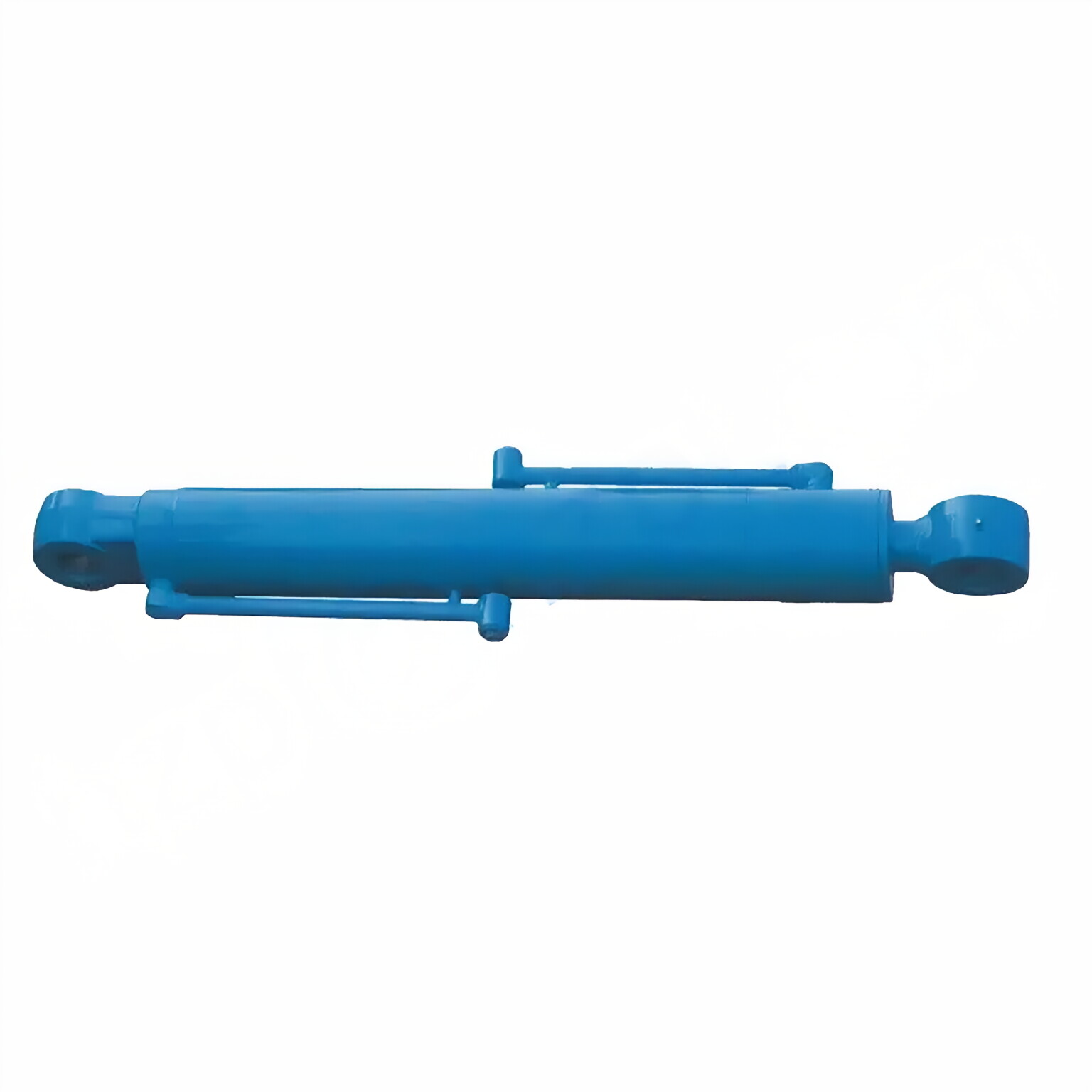
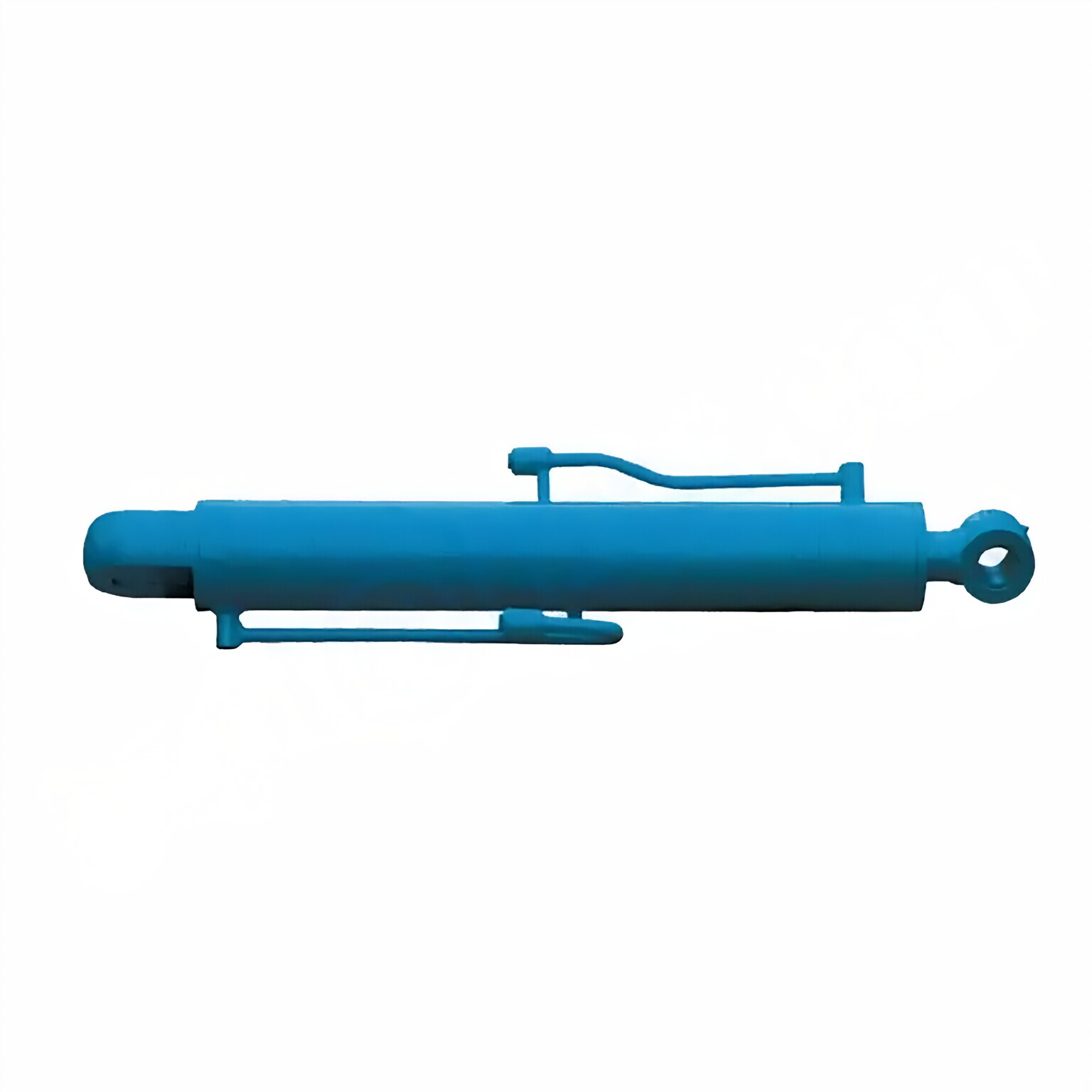
The boom cylinder plays a crucial role in the hydraulic system of the Kato Small Excavator HD550-1-7. It is responsible for extending and retracting the boom arm, allowing the excavator to perform various tasks efficiently. In this article, we will explore the features, applications, design considerations, and maintenance tips for this boom cylinder.
The boom cylinder finds its application in various industries:
Commonly used in cranes, excavators, and backhoe loaders for lifting and positioning materials.
Used in log loaders to extend the reach of the grapple for picking up and moving logs.
In forklifts, the boom cylinder is used for raising and lowering forks or attachments, improving efficiency in warehouses and loading docks.
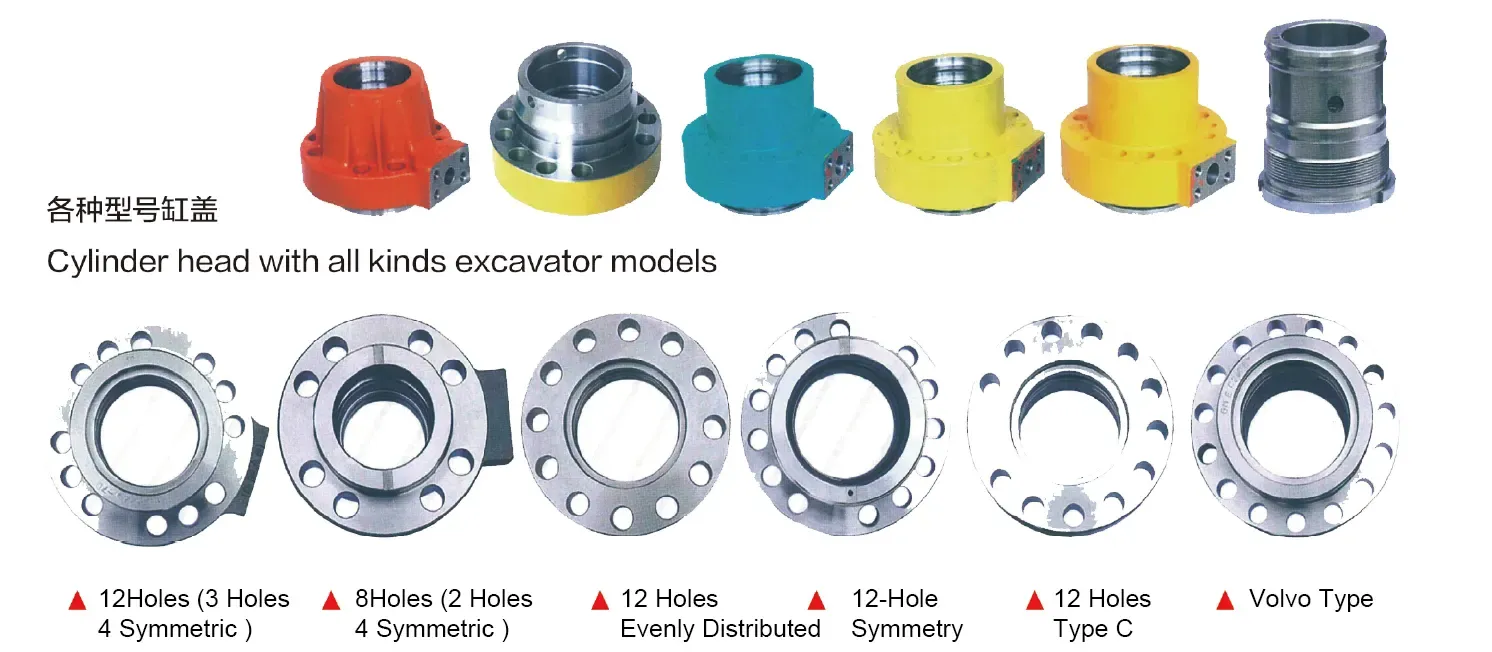
When designing a boom cylinder, several factors are considered:
The cylinder must be capable of withstanding the expected loads and provide reliable performance.
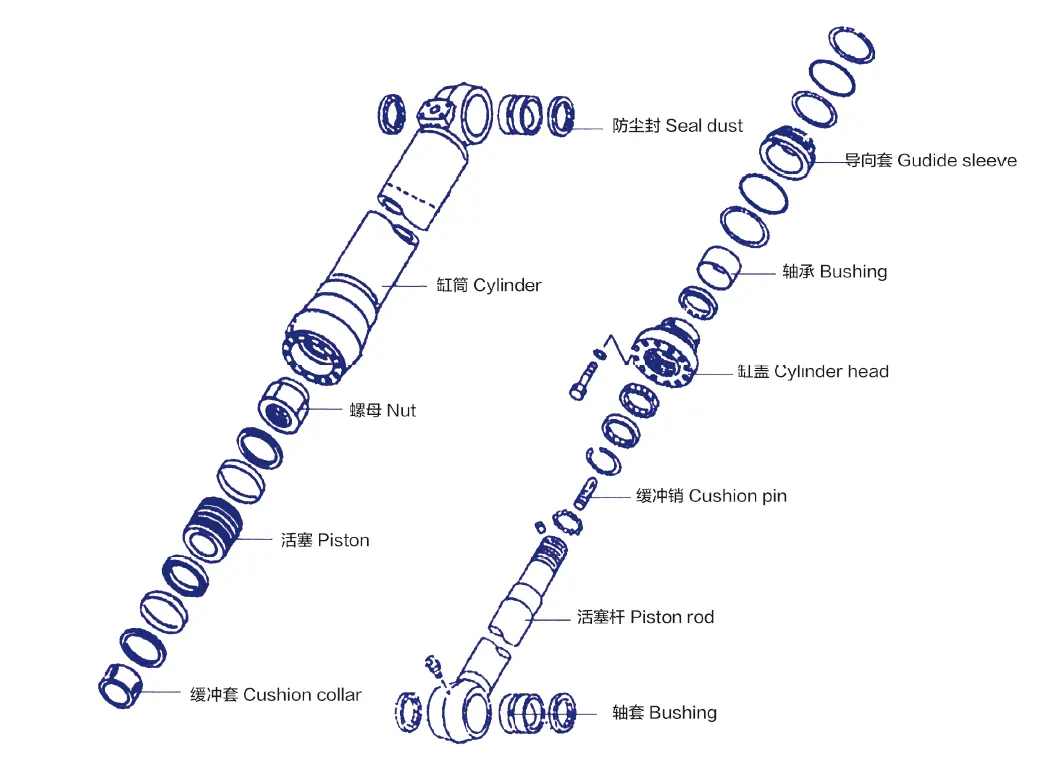
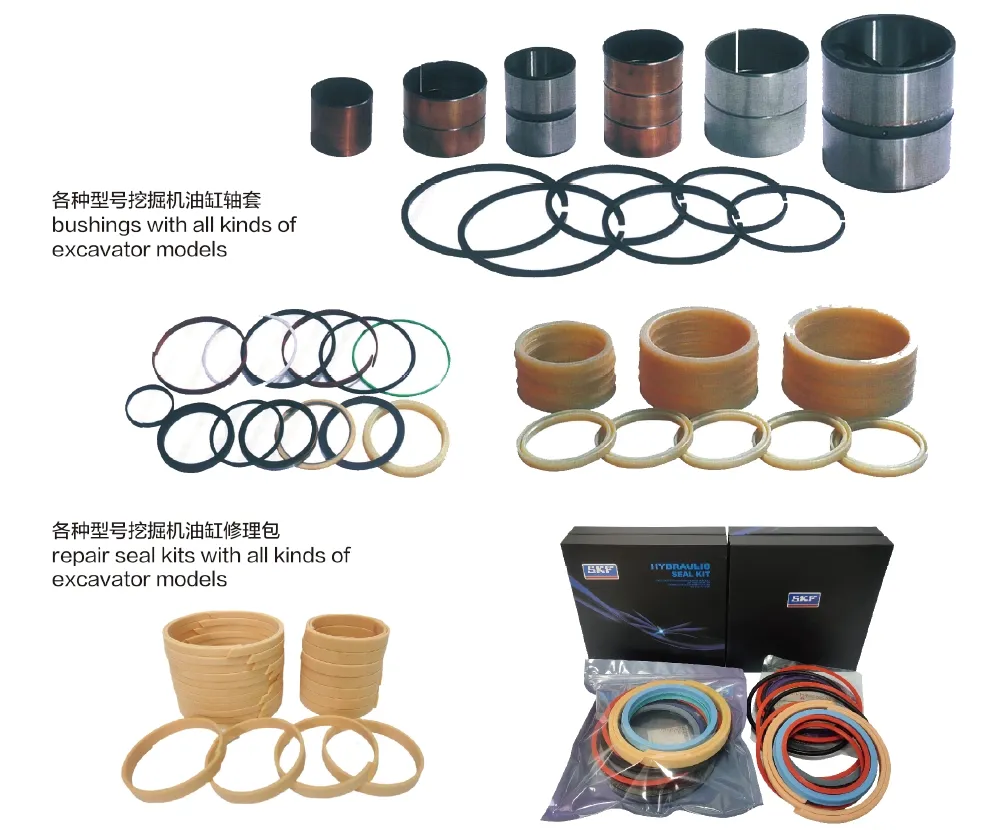
Proper sealing is crucial to prevent hydraulic fluid leaks and ensure the cylinder's smooth operation. High-quality seals such as piston seals and rod seals made of durable materials like polyurethane and nitrile rubber are used.
The cylinder body and threaded ends undergo precision processing to enhance wear resistance. This ensures a longer service life, even in demanding working conditions.
Design considerations include safety features such as pressure relief valves and safety locks to prevent accidents and ensure operator protection.
The boom cylinder should be designed for easy maintenance, with accessible components and clear instructions for disassembly, repair, and replacement.
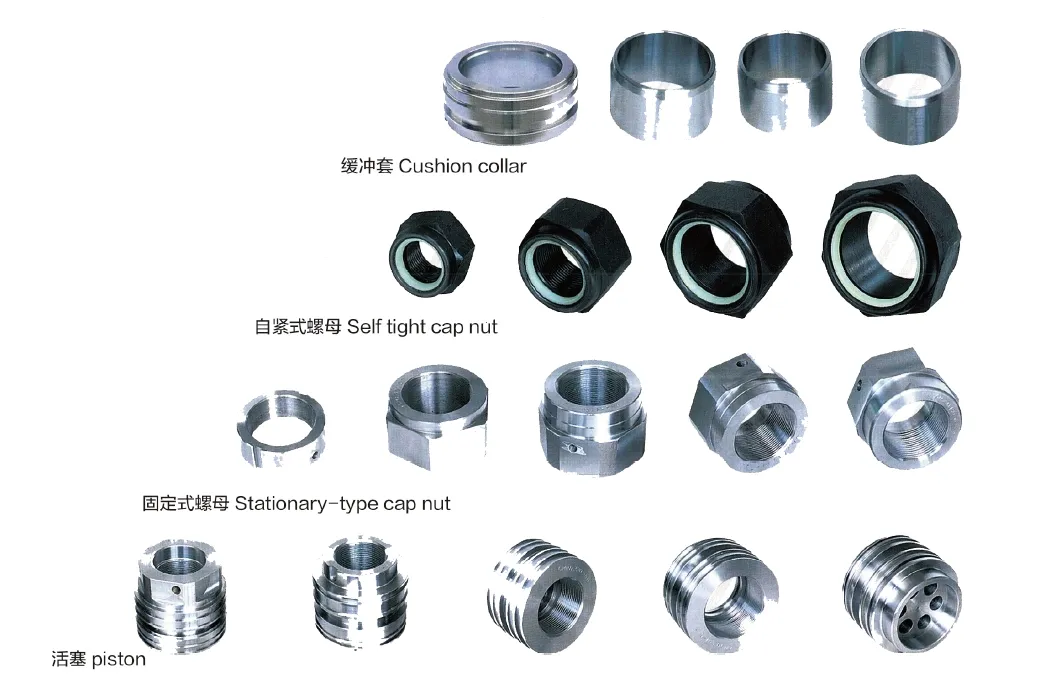
The boom cylinder utilizes various sealing elements such as piston seals and rod seals. These seals are made from wear-resistant materials like polyurethane and nitrile rubber. The cylinder body and threaded ends undergo precision processing to improve wear resistance.
Regular lubrication is essential for smooth operation. It is recommended to use the appropriate amount of hydraulic oil to ensure proper lubrication.
Proper installation is crucial for the boom cylinder's performance and longevity. Follow these steps:

Common maintenance tasks for the boom cylinder include:
Proper installation, lubrication, and adjustment are vital for ensuring the longevity of the boom cylinder. Correctly aligning the cylinder during installation is crucial. It is recommended to use suitable installation brackets to secure the cylinder. Additionally, provide guidelines for inspection, repair, and replacement procedures to enhance the lifespan of the boom cylinder.
When using the boom cylinder, it is essential to follow safety measures to prevent accidents and ensure operator safety. Safety measures may include:
Occasionally, issues may arise with the boom cylinder. Some common problems include leaks, insufficient pressure, and erratic movements. To address these issues:
Preventive measures, such as regular inspection and maintenance, can help minimize potential problems.
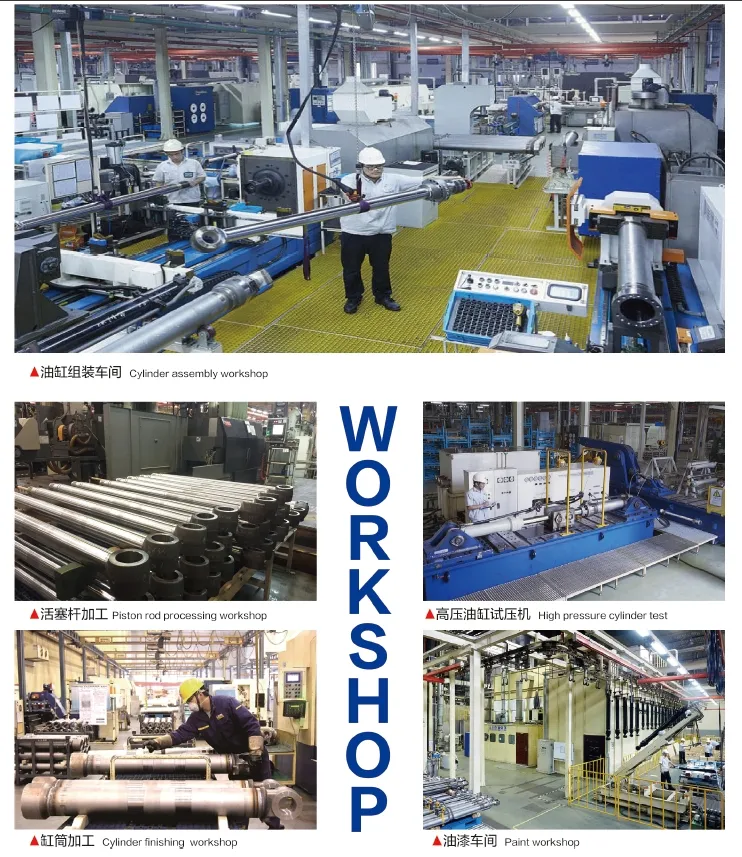
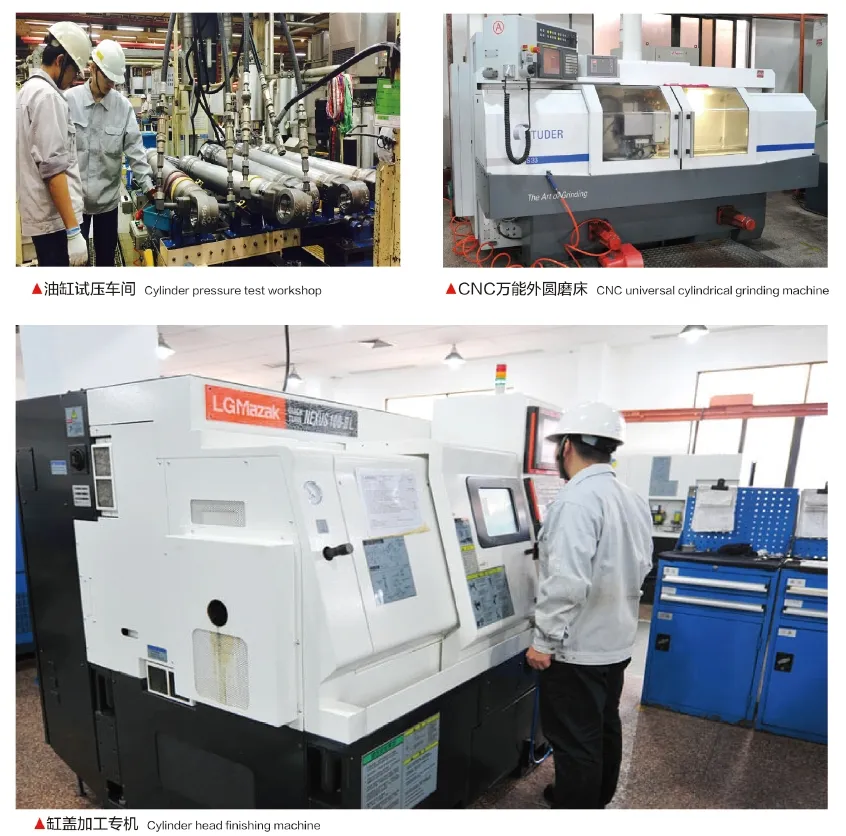
We are a leading manufacturer and wholesale distributor of hydraulic cylinders, specializing in the production of replacement cylinders. With a wide range of products, we have established ourselves as a trusted provider in both domestic and international markets.
Our company is committed to delivering excellence in quality. We strive to continuously improve our manufacturing processes in terms of technology, equipment, and testing systems. With a team of skilled professionals and advanced manufacturing facilities, we can meet diverse customer demands with high efficiency, precision, and quality.
We take pride in our professionalism, international certifications, custom services, state-of-the-art production equipment, and comprehensive after-sales support.
Author: lyl
Address
Luotuo Industrial Area, Zhenhai District, Ningbo City, China
Tel

 Raydafon