
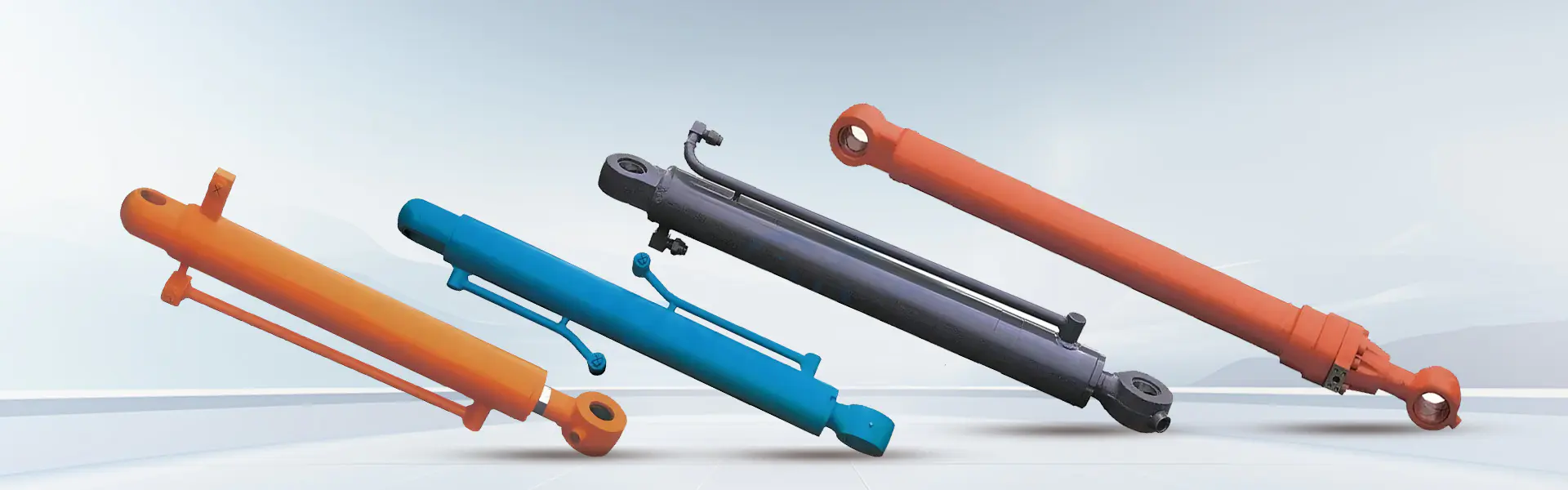
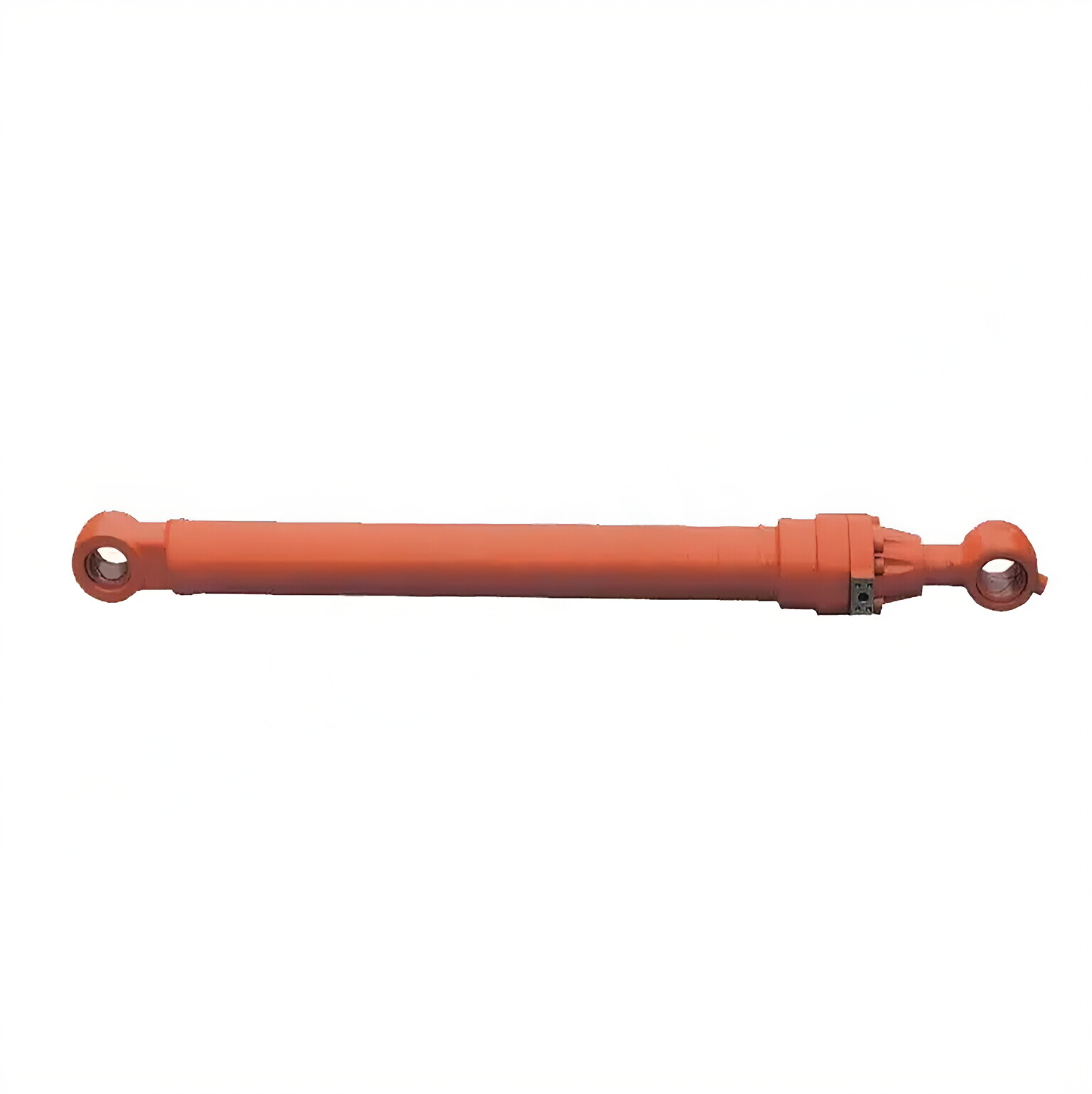
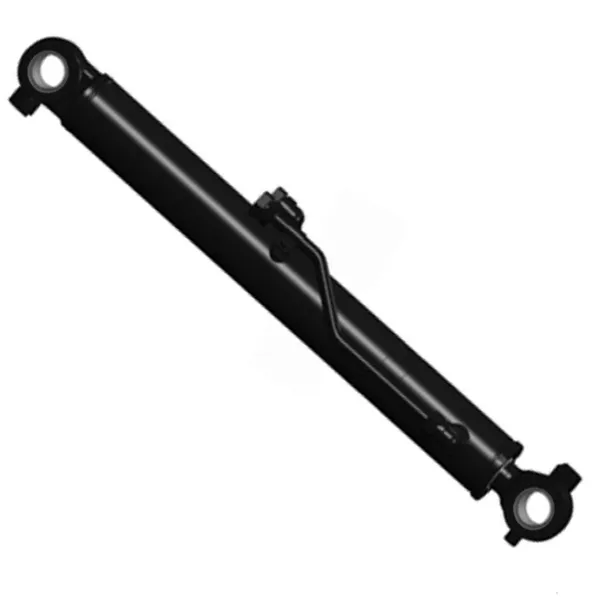
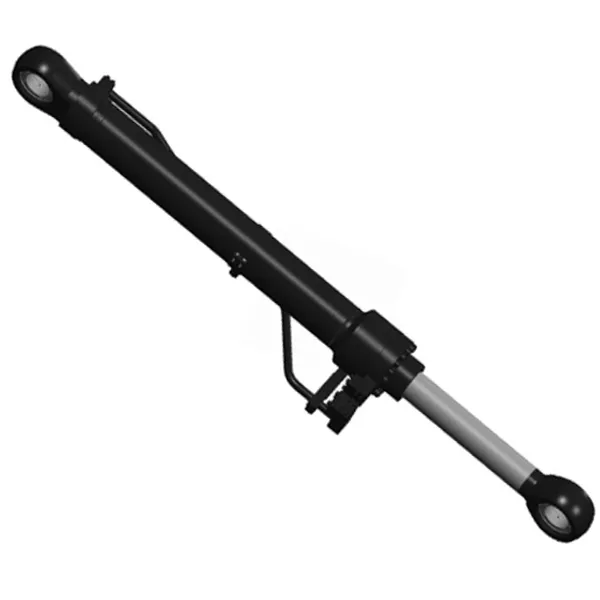
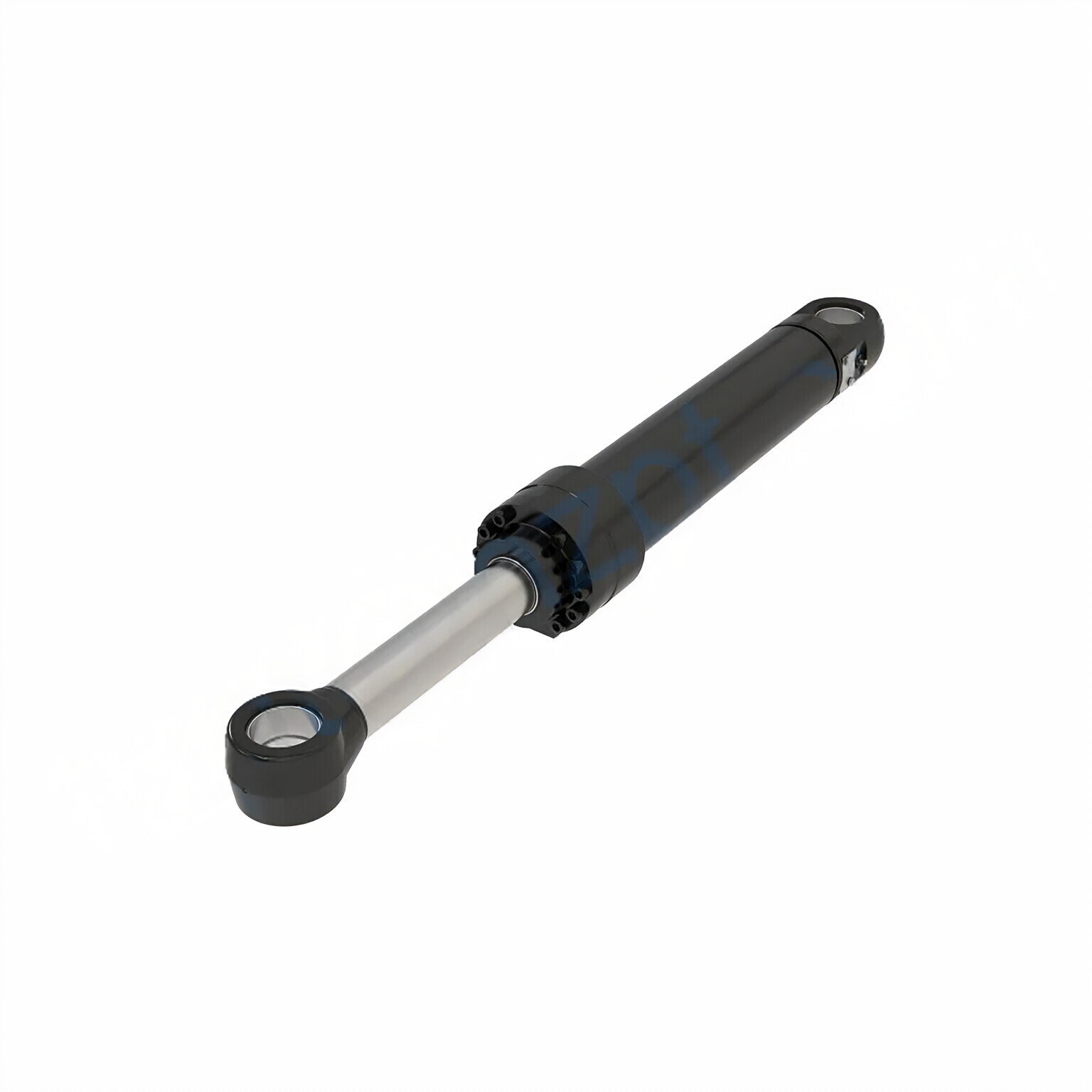
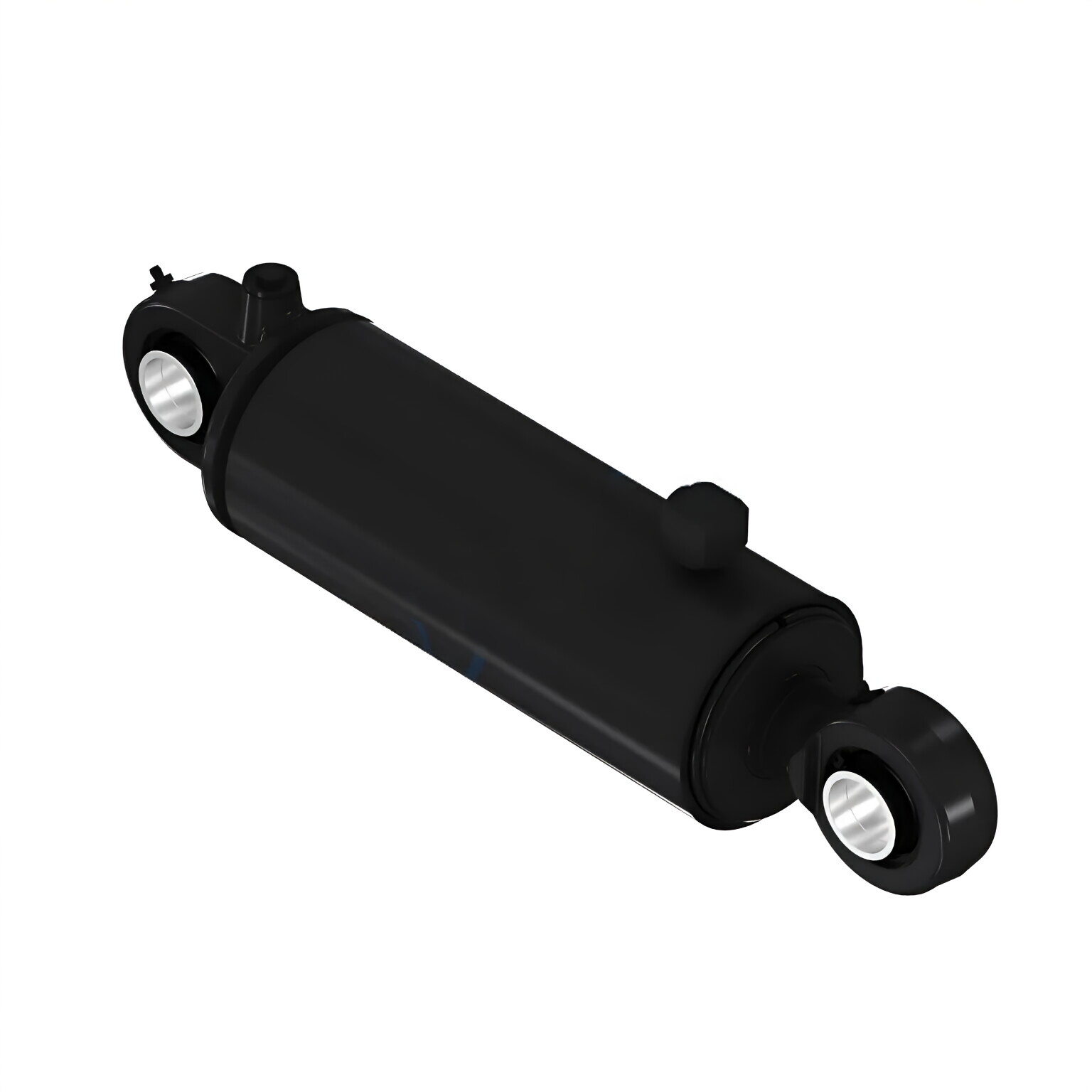
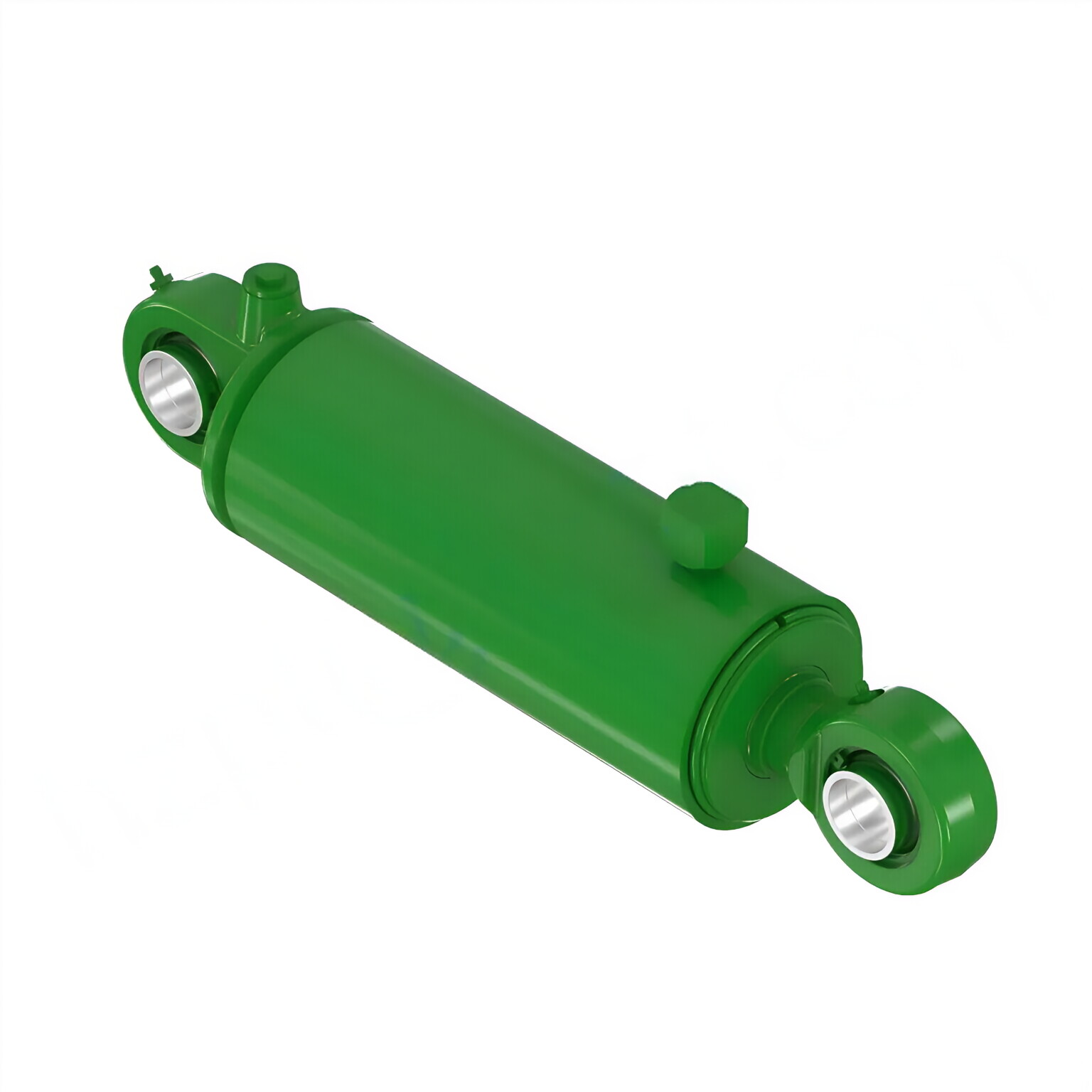
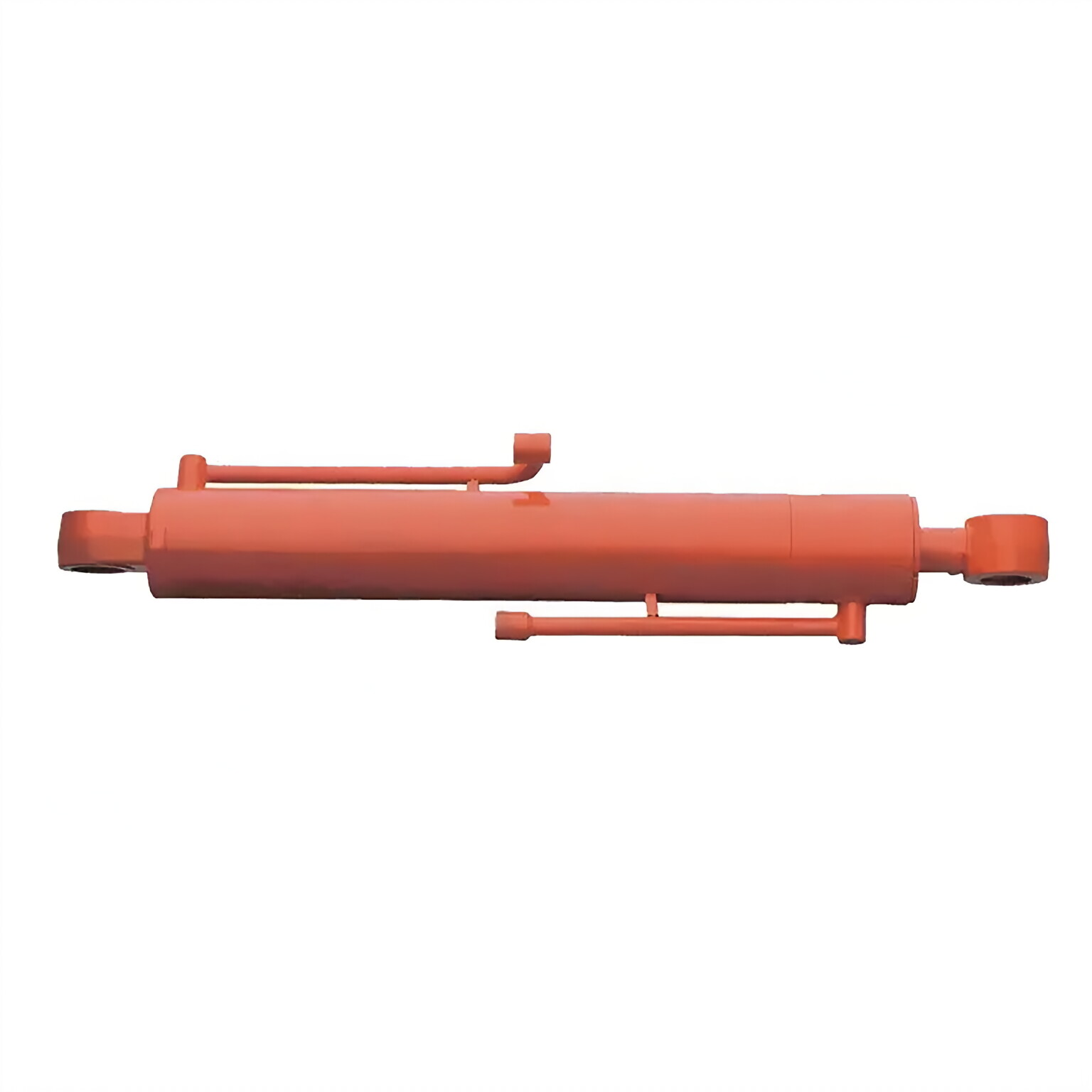
A bucket cylinder is a type of hydraulic cylinder that is specially designed to control the movement of a bucket in heavy machinery such as excavators, backhoes, and front loaders. It allows the bucket to lift, lower, and tilt, making it easier to carry out material handling tasks.
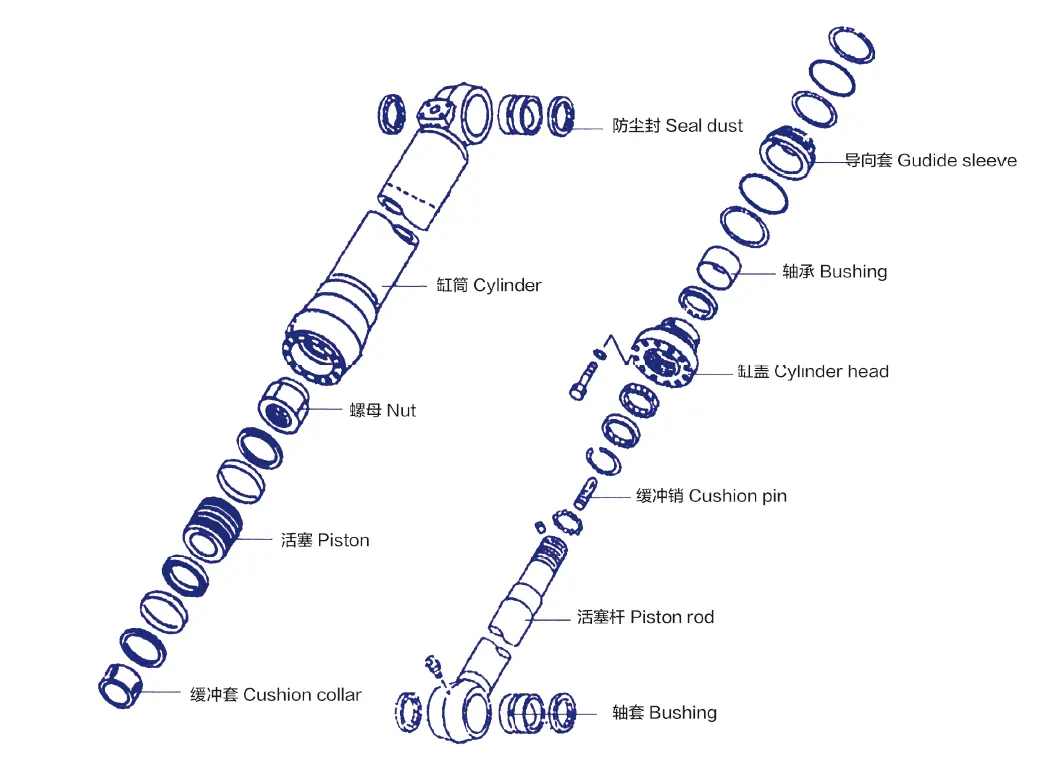
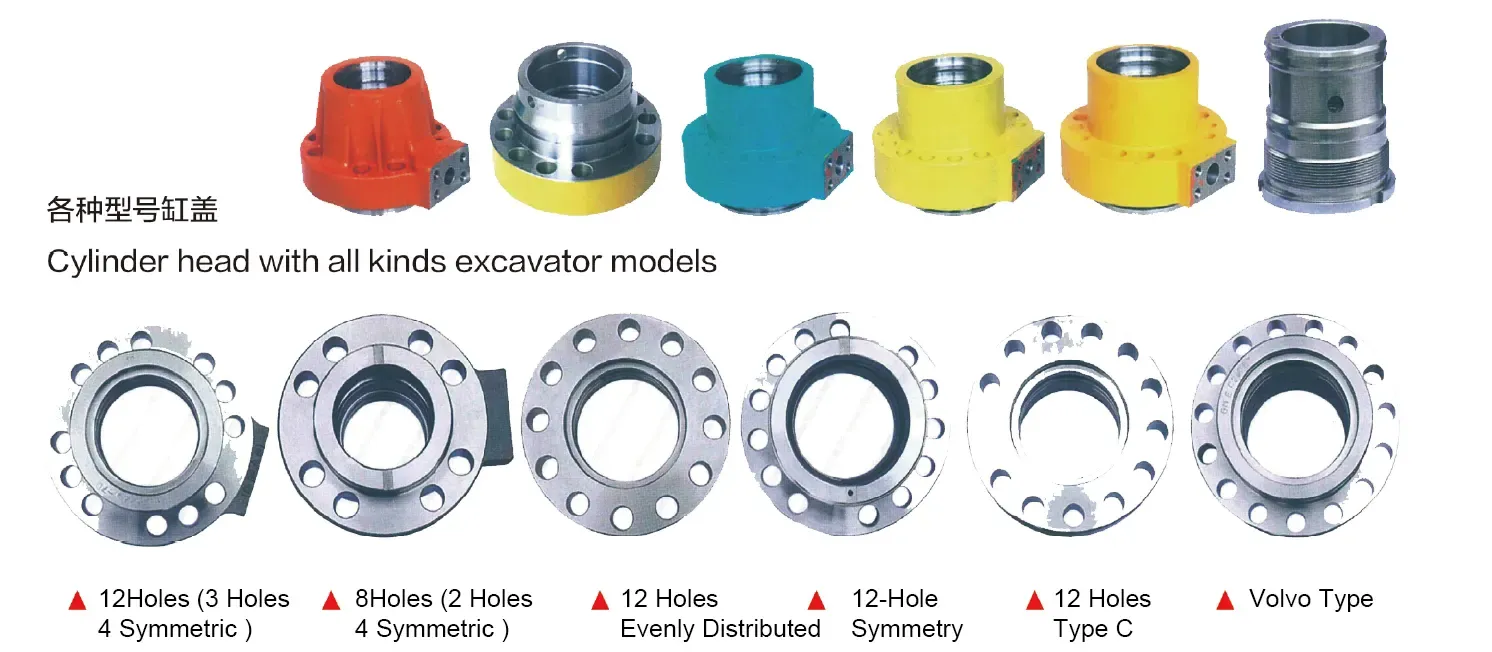
Bucket cylinders are commonly found in construction equipment such as excavators, backhoes, and front loaders, where they play a critical role in excavating, loading, and moving soil or debris. In backhoe loaders, bucket cylinders help with excavation and lifting, while in front loaders, they aid in lifting and dumping of materials.
Bucket cylinders are also used in agricultural machinery such as front-end loaders, which are used for scooping, lifting, and transporting soil, hay, and other materials. In excavators, bucket cylinders enable digging action by allowing the bucket to penetrate the soil. In loaders, they help in efficient lifting and dumping of goods.
Bucket cylinders must be designed with several considerations in mind, including load-bearing capacity, sealing, durability, safety, and maintainability. This ensures that the cylinder can withstand the demands of its intended applications and operate safely and reliably.
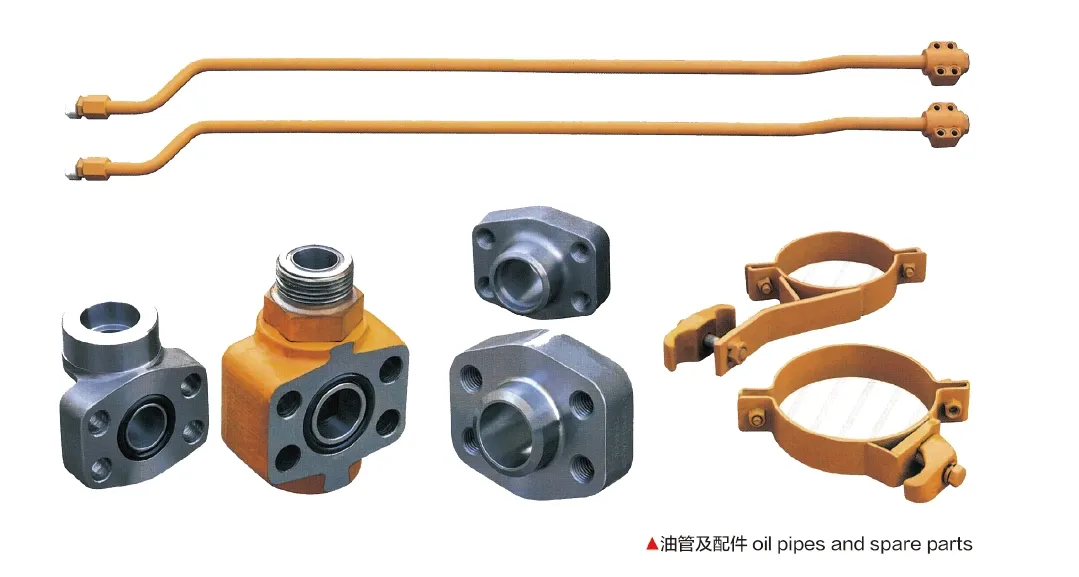
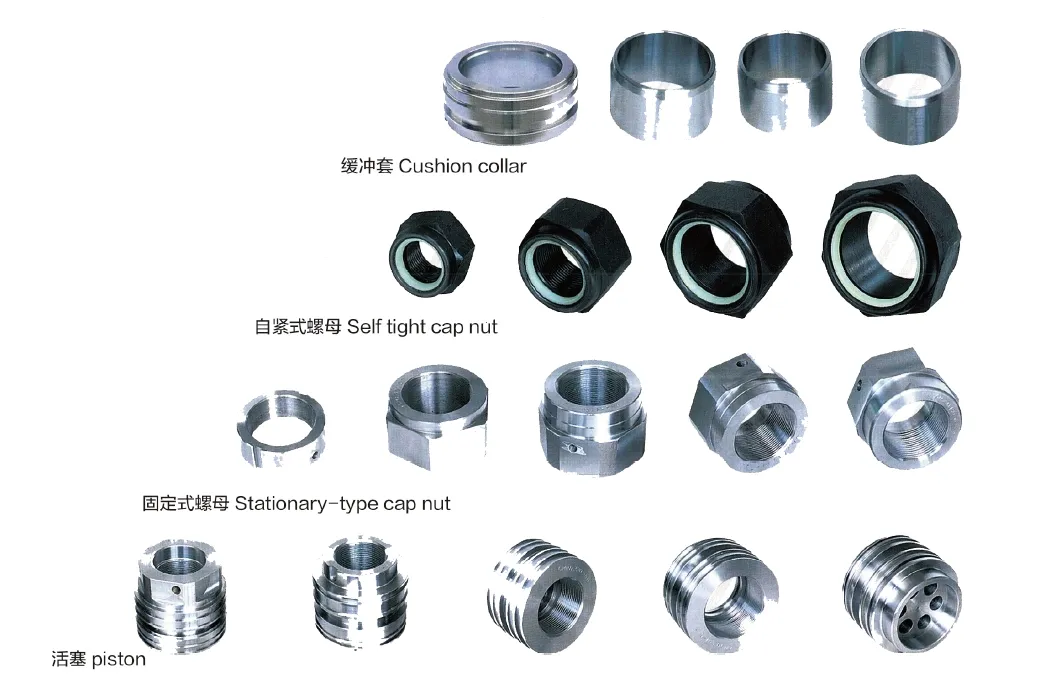
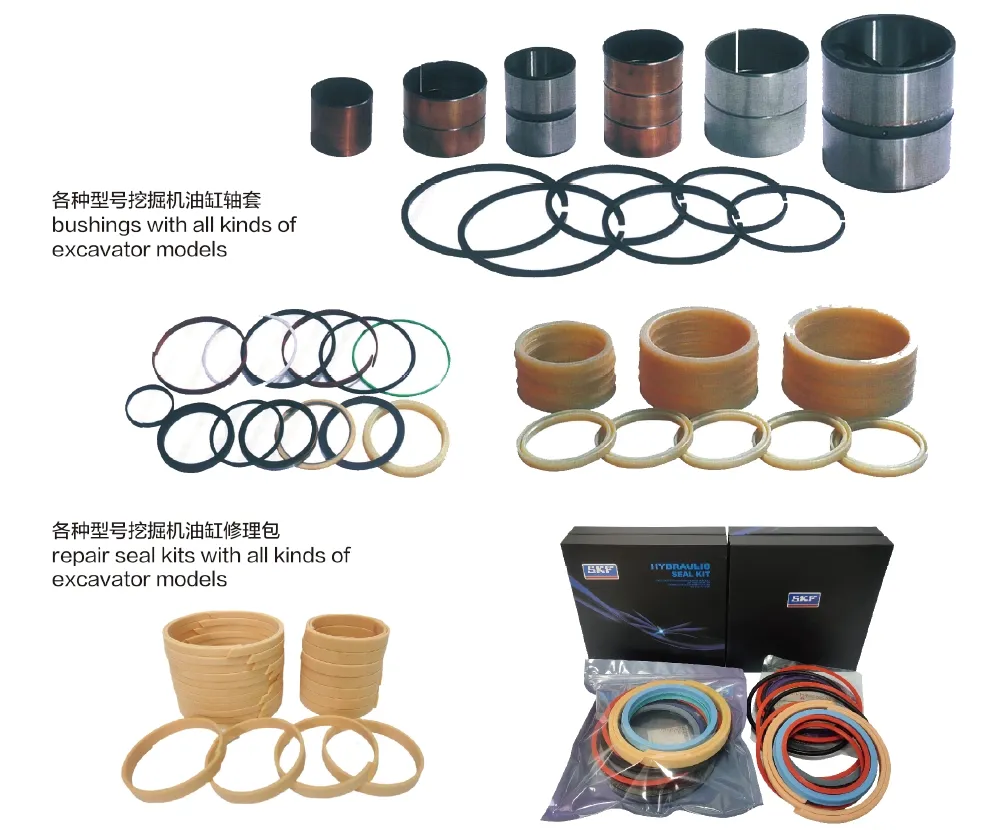
Various sealing components such as piston seals and rod seals are used to ensure that the hydraulic fluid remains inside the cylinder and does not leak. Sealing components are made of wear-resistant materials such as polyurethane and nitrile rubber. The cylinder body and threaded end surfaces are finely processed to improve wear resistance. Regular lubrication with hydraulic oil is also essential for the cylinder's efficient operation.
Regular inspection and preventive maintenance are critical to ensuring the longevity and optimal performance of bucket cylinders. Maintenance tasks include lubrication, seal replacement, and calibration checks. Proper installation, lubrication, and adjustment are essential to ensure the cylinder's long-term performance. It is recommended to use appropriate mounting brackets to secure the cylinder and to follow recommended inspection, repair, and replacement procedures to extend the cylinder's service life.
When using bucket cylinders, safety measures such as wearing protective gear and adhering to proper operating procedures are essential to prevent accidents. Environmental factors such as temperature, humidity, and corrosive agents can also affect the cylinder's performance and lifespan.
Common issues with bucket cylinders include leakage, excessive wear, and reduced performance. Troubleshooting can involve identifying the root cause of the problem and taking appropriate corrective action, such as replacing faulty parts.
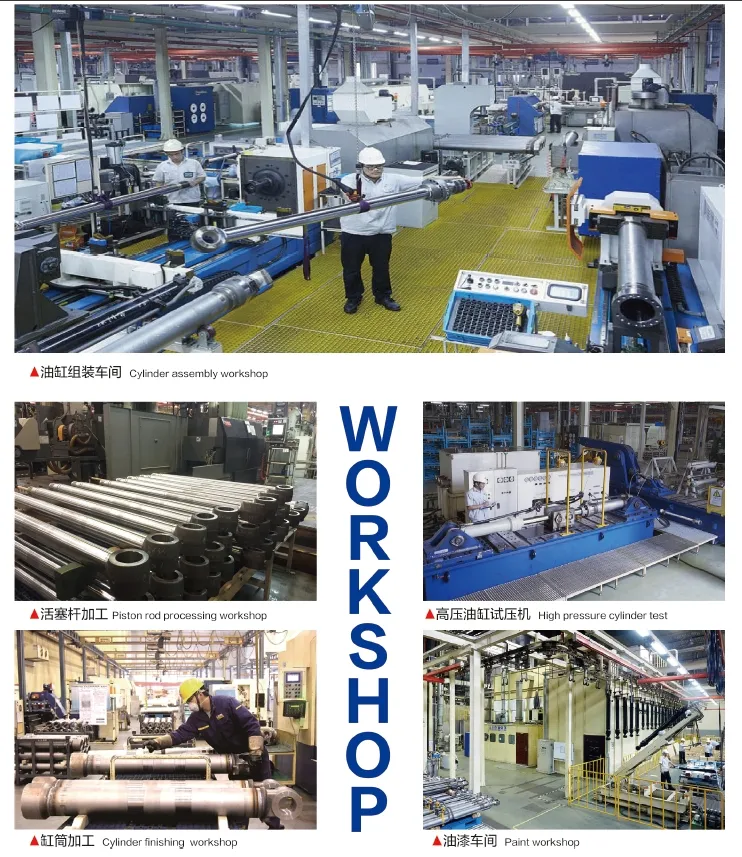
We are a manufacturer of replacement hydraulic cylinders and one of the leading manufacturers and wholesalers of hydraulic cylinders in domestic and foreign markets. We follow the principles of excellence in quality and rely on industrialized production management strategies in our sophisticated manufacturing workshops to continually improve our manufacturing platform and product quality production lines. We have a strong creation ability, and we satisfy customer diversity needs with high efficiency, high precision, and high quality.
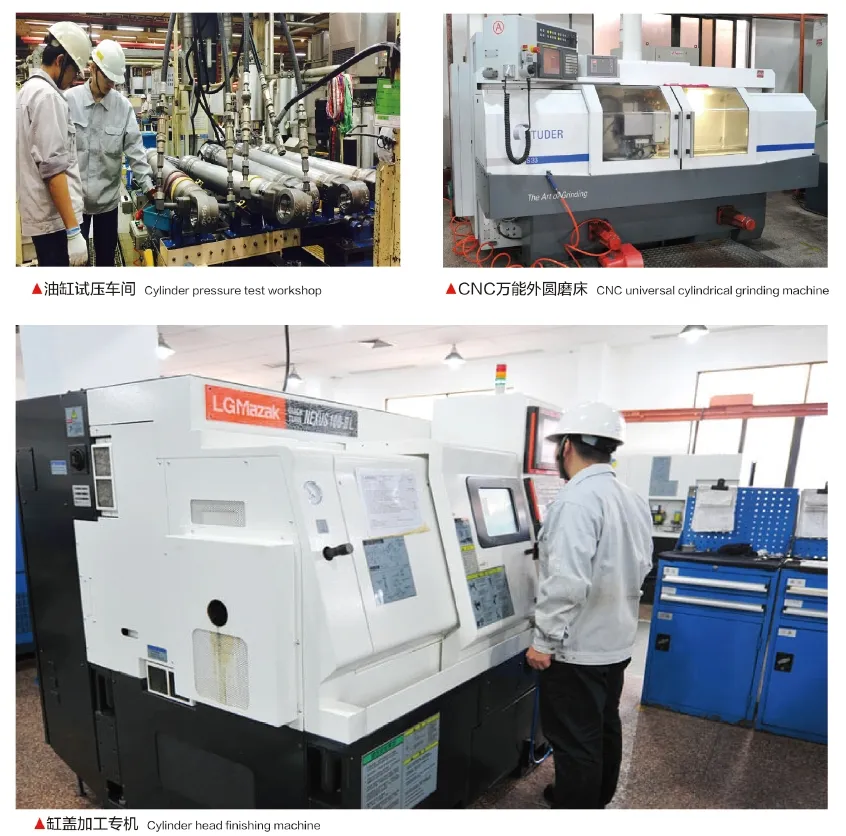
We offer specialized services, international certifications, custom services, production equipment, and after-sales services to expand our company's introduction further.
Maintenance tasks such as regular inspection, appropriate lubrication, seal replacement, and calibration checks are essential to ensure the longevity and optimal performance of hydraulic cylinders. Proper installation, lubrication, and adjustment are also critical to ensure the cylinder's long-term performance.
Author: lyl
Address
Luotuo Industrial Area, Zhenhai District, Ningbo City, China
Tel

 Raydafon