
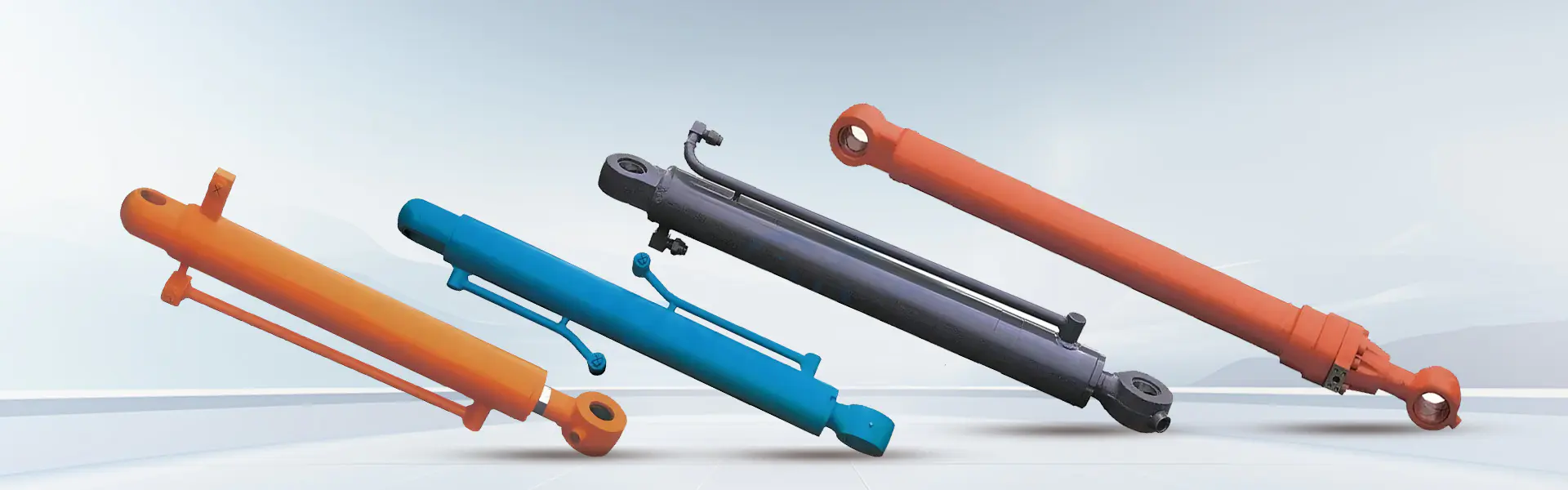
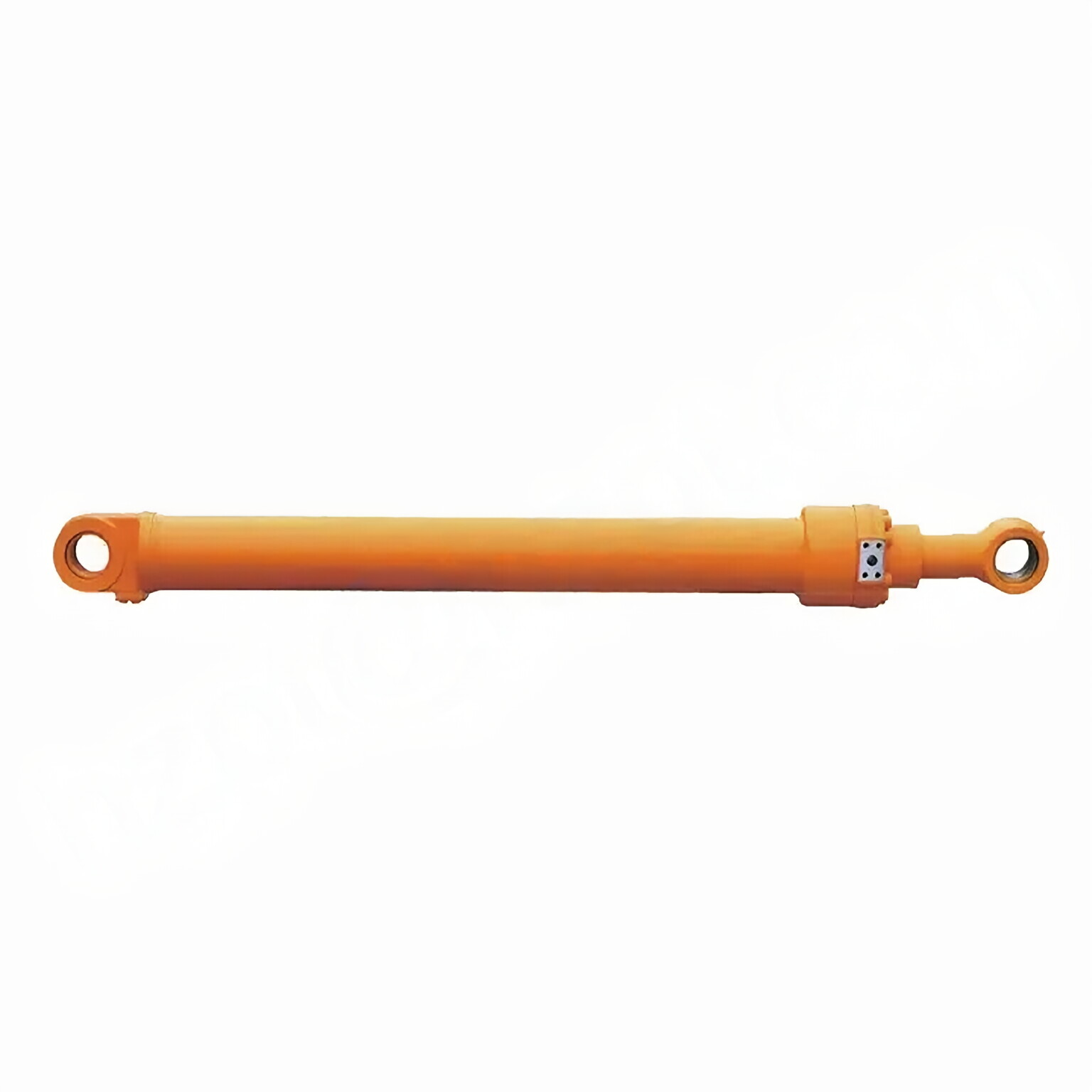
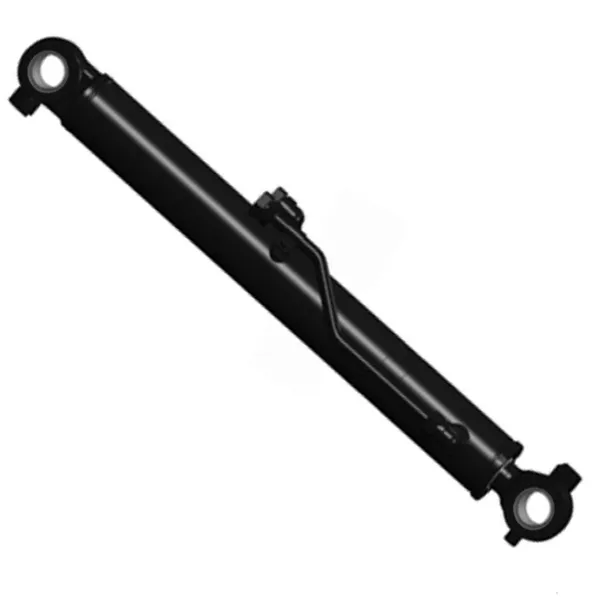
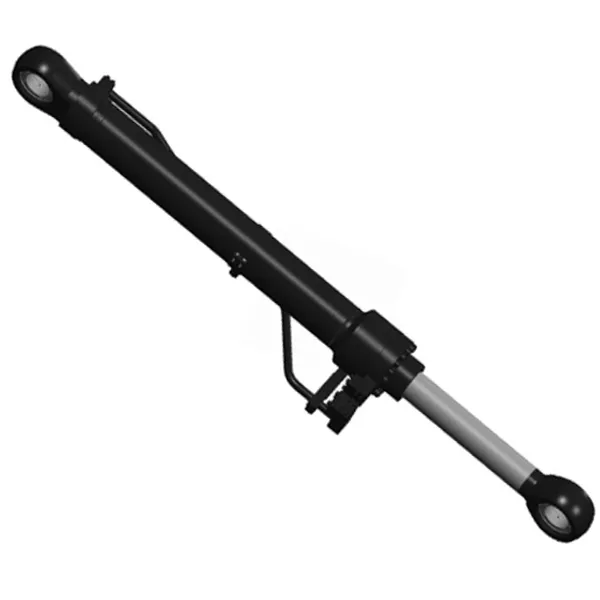
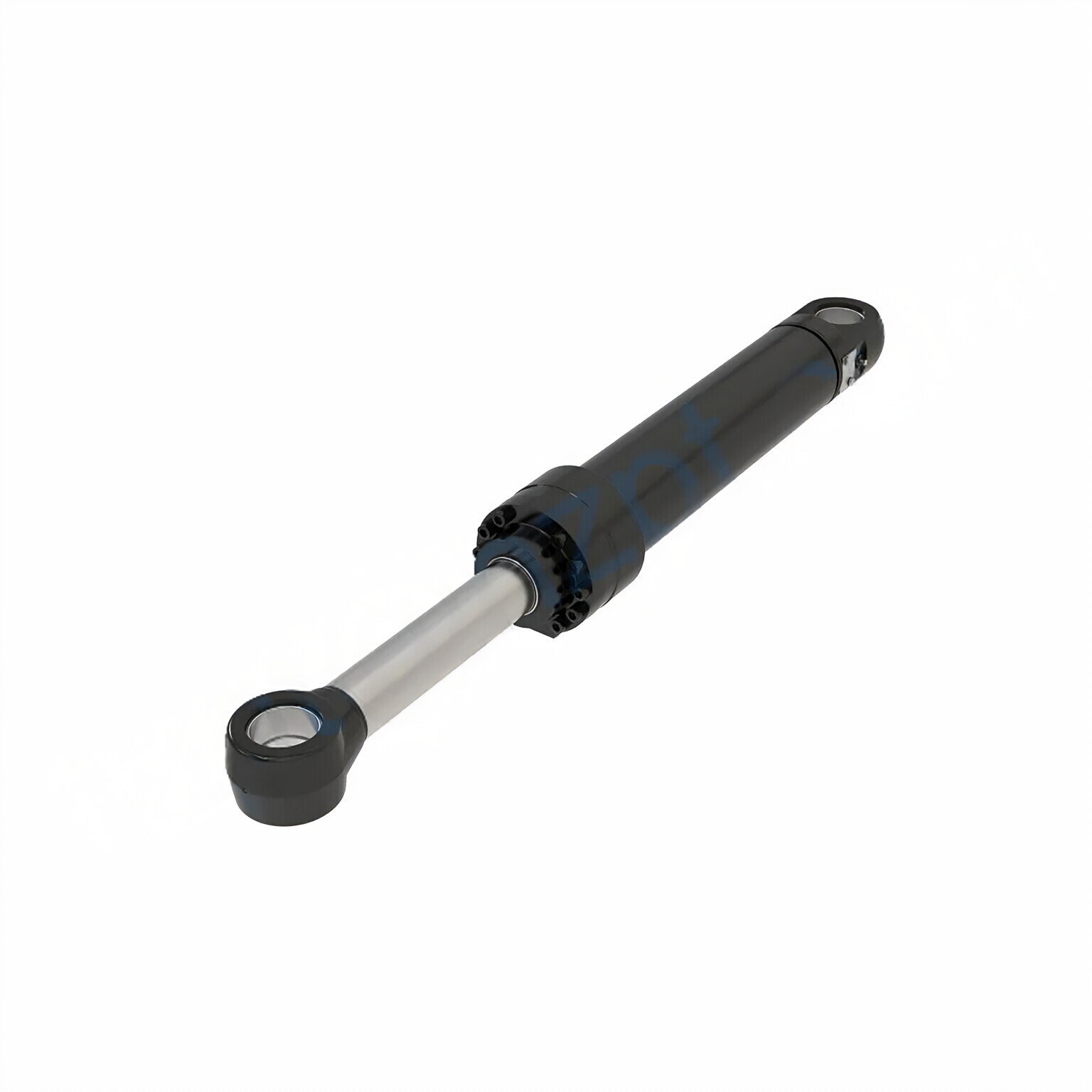
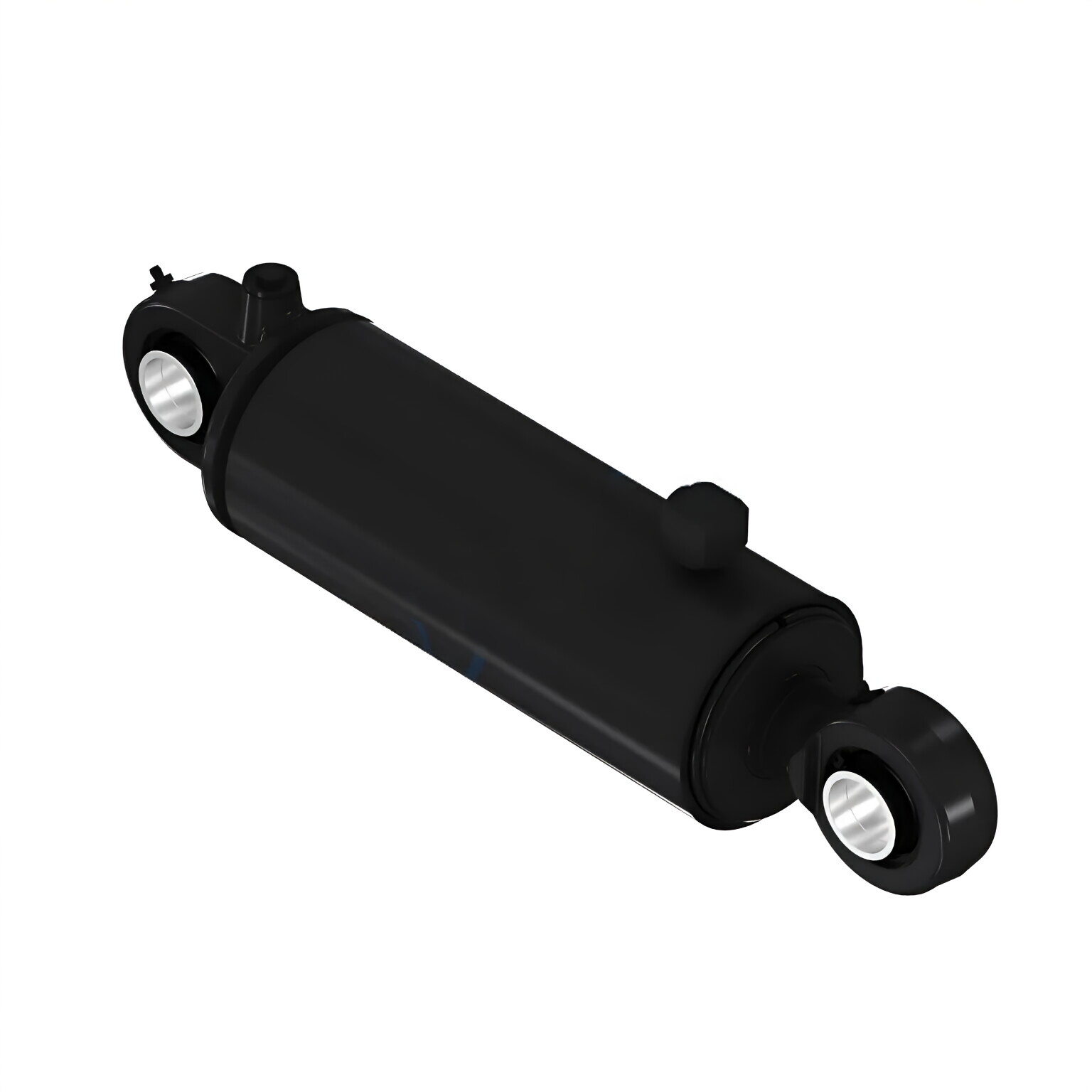
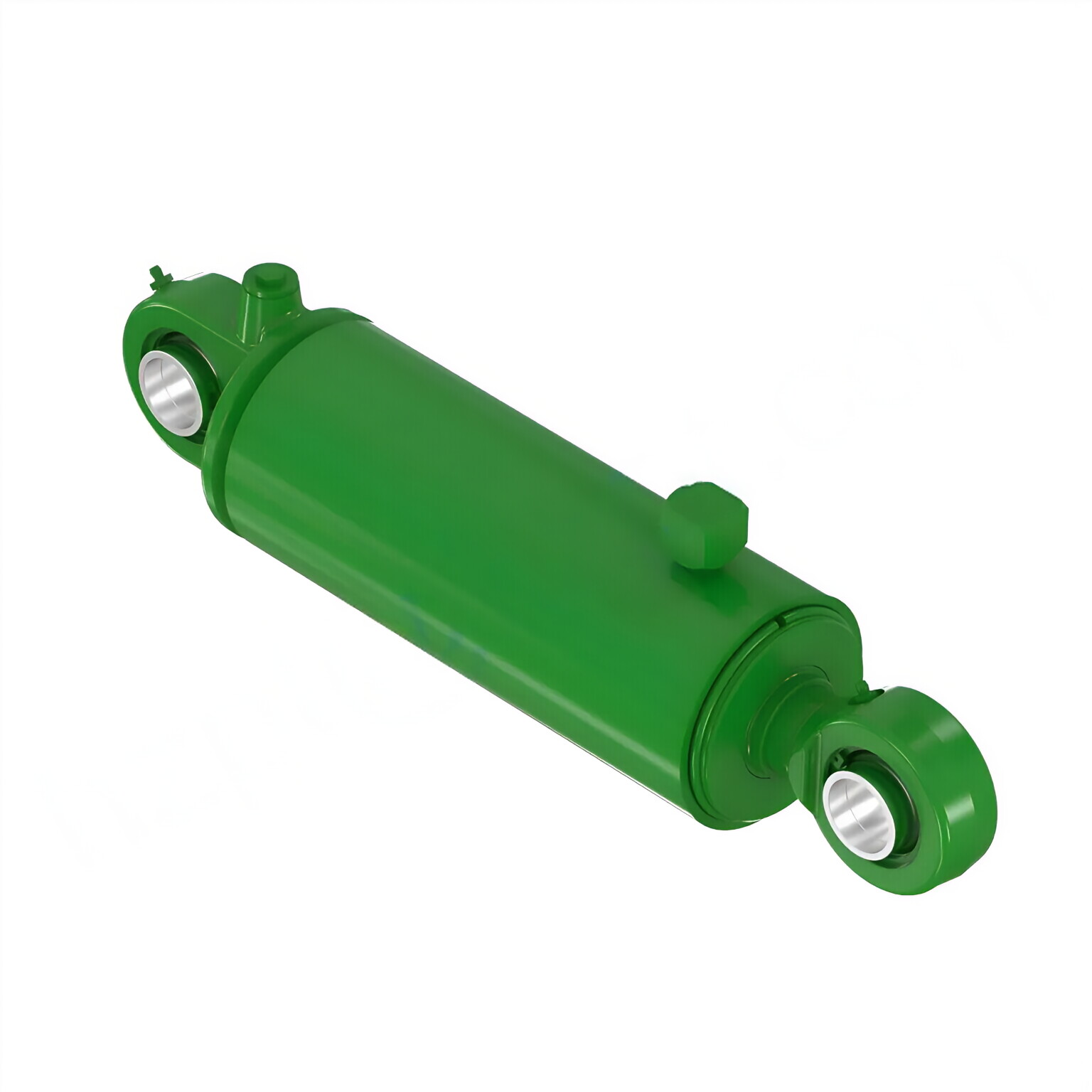
A bucket cylinder is a type of hydraulic cylinder that is specifically used to control the movement of the bucket in various heavy machinery such as excavators, backhoe excavators, and front-end loaders. It allows the bucket to lift, lower, and tilt, making material handling tasks more efficient.
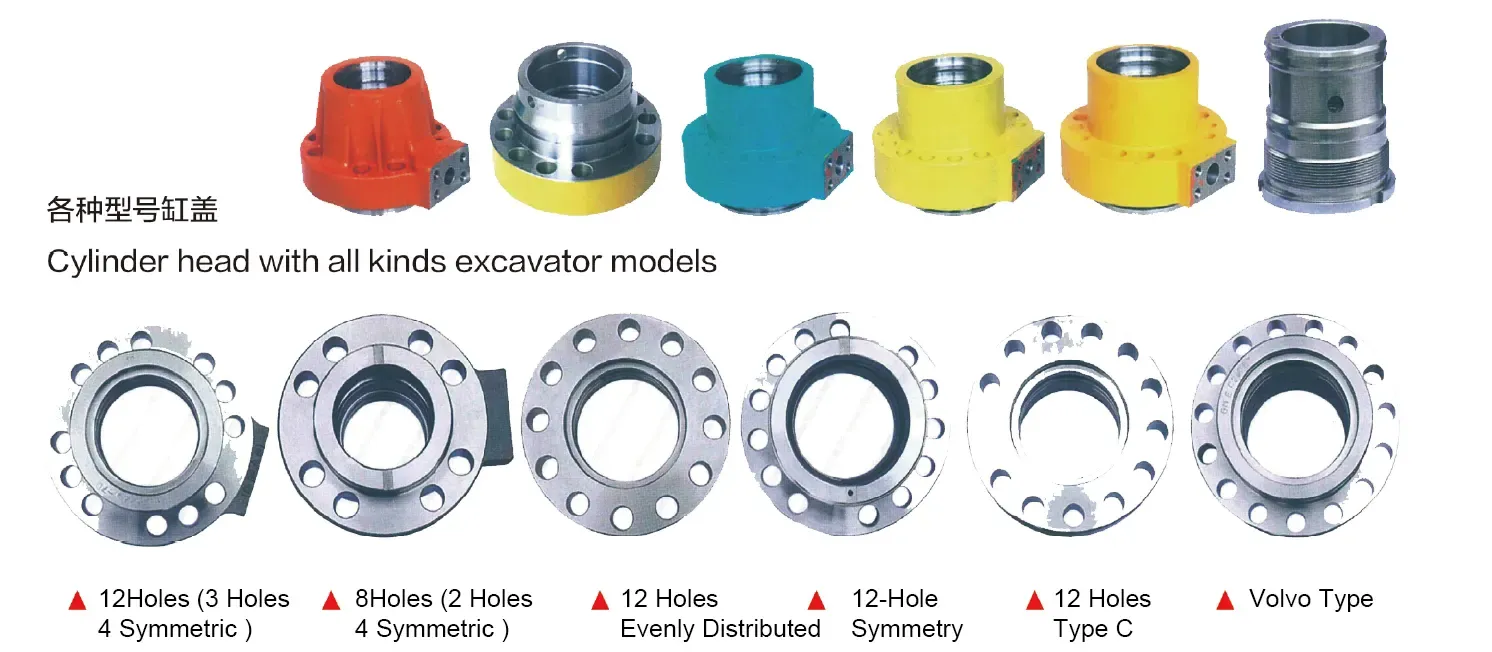
The bucket cylinder is used in various heavy machinery such as:
In excavators, they are critical for digging, loading, and moving soil or debris. In backhoe excavators, the bucket cylinder helps with both digging and lifting.
Used in front-end loaders for scooping, lifting, and transporting soil, hay, and other materials.
The bucket cylinder enables digging action by allowing the bucket to penetrate the soil.
In front-end loaders, they help with lifting and dumping goods efficiently.
When designing and selecting bucket cylinders, key considerations include their load-bearing capacity, sealing, durability, safety, and maintainability.
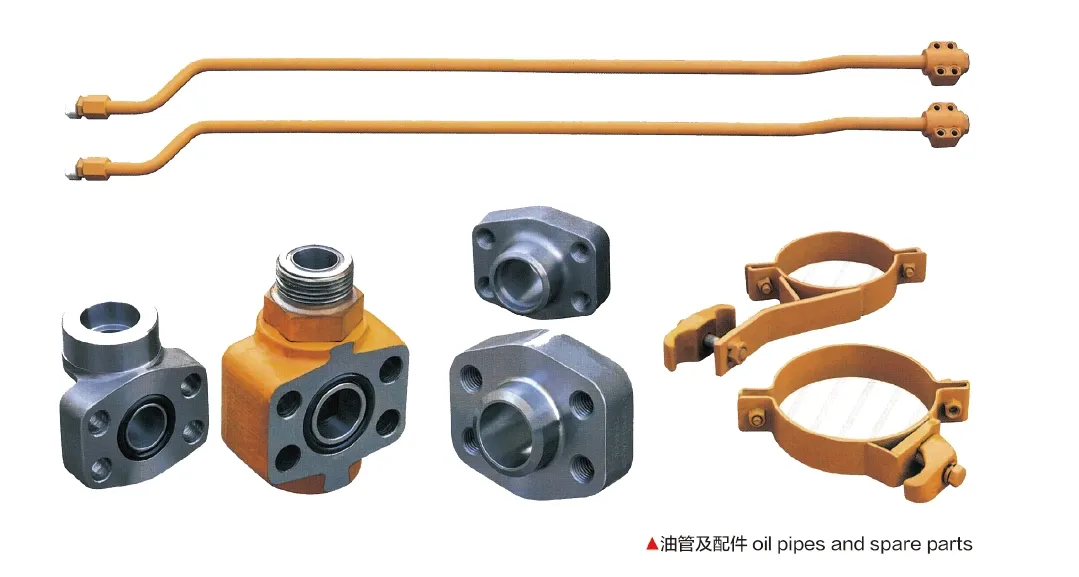
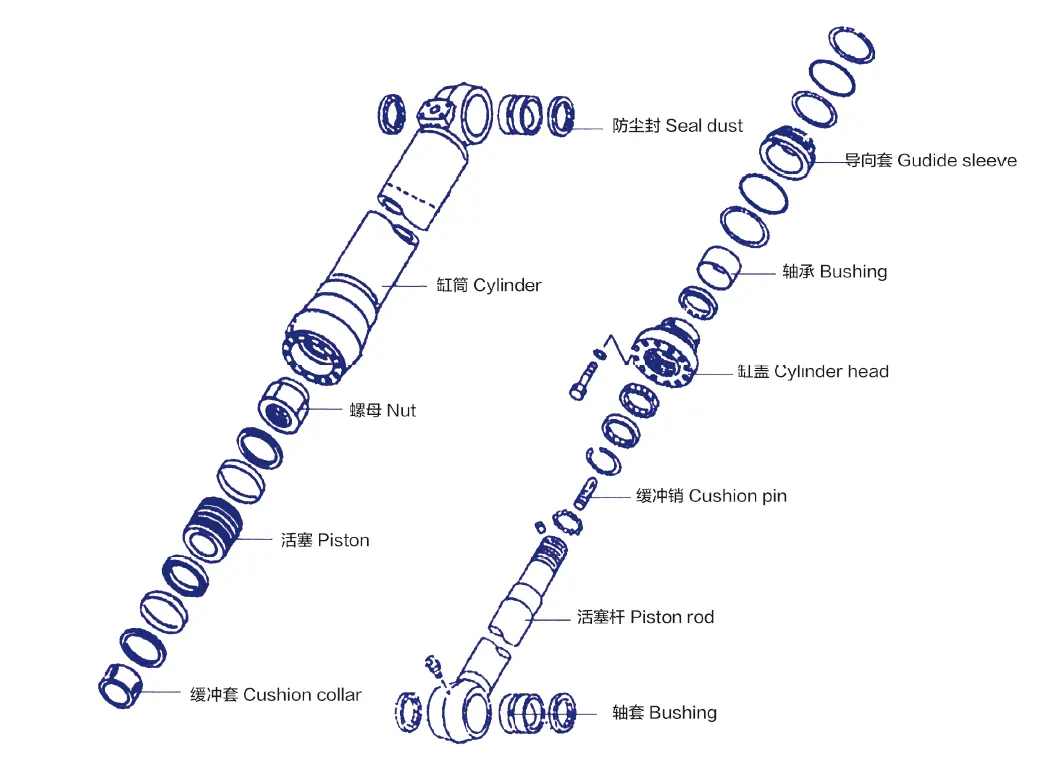
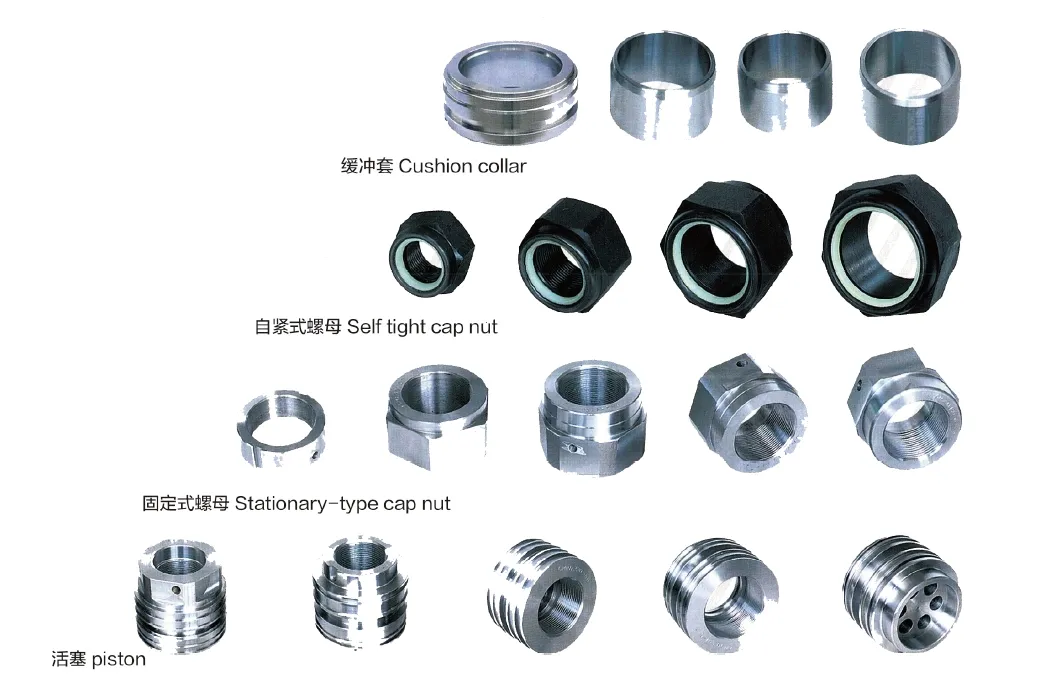
Bucket cylinders use various seals to prevent leaks around the cylinder. Piston rings and rod seals made of wear-resistant materials like polyurethane or nitrile rubber are common. The cylinder body and threaded ends are finely processed to improve wear resistance. Regular lubrication with hydraulic oil is essential to ensure smooth operation and extend the cylinder's service life.
Regular inspections and preventative maintenance are crucial for the long-term performance of bucket cylinders. Three common maintenance tasks are:
Inspections should be carried out periodically to identify wear, damage, and leaks.
Proper lubrication with hydraulic oil keeps the cylinder operating smoothly.
Seals should be replaced when they show signs of wear or damage, and calibration checks should be performed to ensure that the cylinder is functioning correctly.
Proper installation, lubrication, and adjustment are critical to ensuring the bucket cylinder's correct operation. During the installation process, align the cylinder correctly, and use appropriate installation brackets to secure the cylinder. The recommended inspection, repair, and replacement procedures should be followed to ensure proper functioning and extend the cylinder's service life.
Safety measures should be taken to prevent accidents caused by the sudden release of hydraulic pressure during maintenance or replacement. The hydraulic oil used in bucket cylinders has the potential to harm the environment, so it should be disposed of properly.
If a bucket cylinder has a problem, it can cause reduced performance or failure in the equipment. Some common problems include leaks, insufficient power, and noisy operation. To diagnose and troubleshoot problems, consult the user manual or contact a qualified technician.
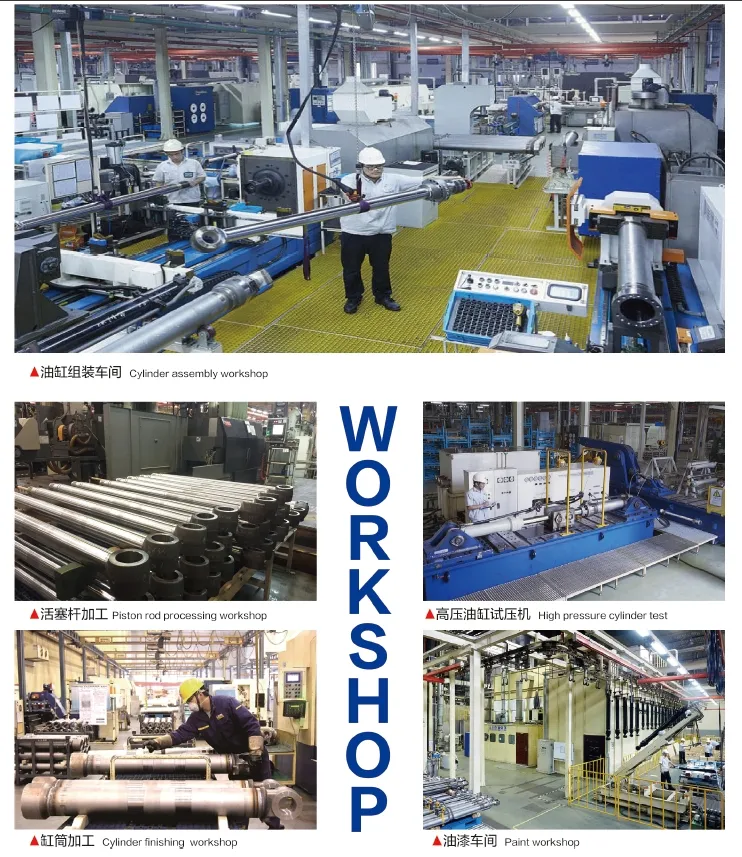
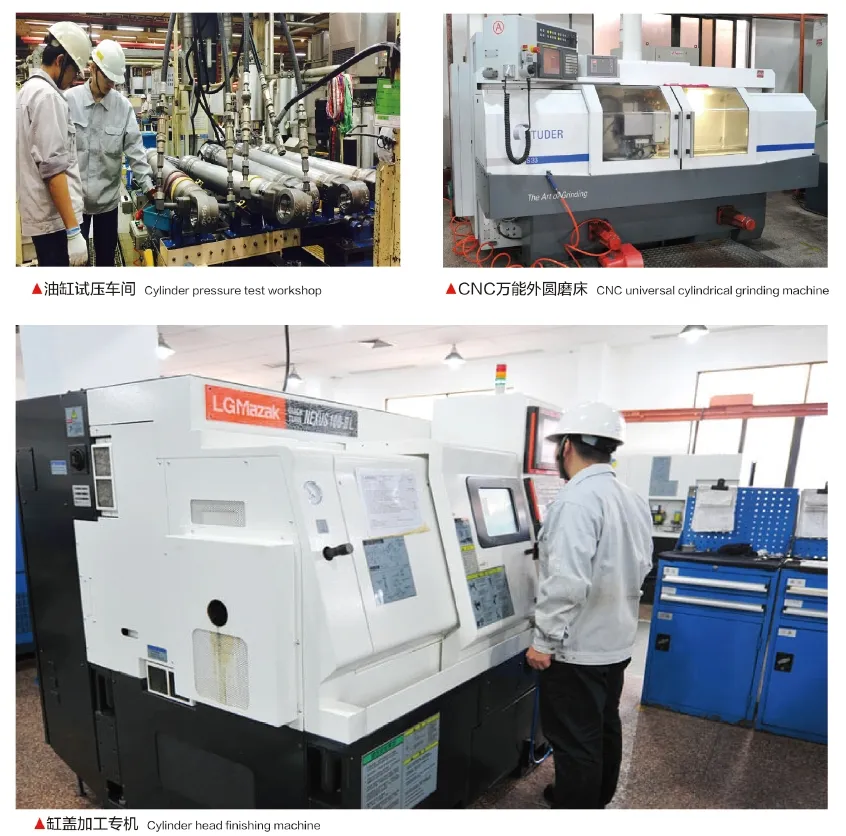
We are a manufacturer of hydraulic cylinder replacement products and have become one of the leading manufacturers and wholesalers of hydraulic cylinders in domestic and international markets. We adhere to the principle of excellent quality, rely on industrialized production management strategies in fine manufacturing workshops, and continuously improve the manufacturing platform of our workshop from technical talents, digital high-end manufacturing equipment, and professional testing systems. We have strong creativity and can meet customer's diverse needs with high efficiency, high precision, and high quality.
We offer customized services and have international certifications, and our products have a wide range of applications. We also offer a variety of after-sales services such as part replacement and rebuilding services to help improve the lifespan of the hydraulic cylinders.
Author: lyl.

Address
Luotuo Industrial Area, Zhenhai District, Ningbo City, China
Tel

 Raydafon