
 Choosing Suitable Sickle Guards
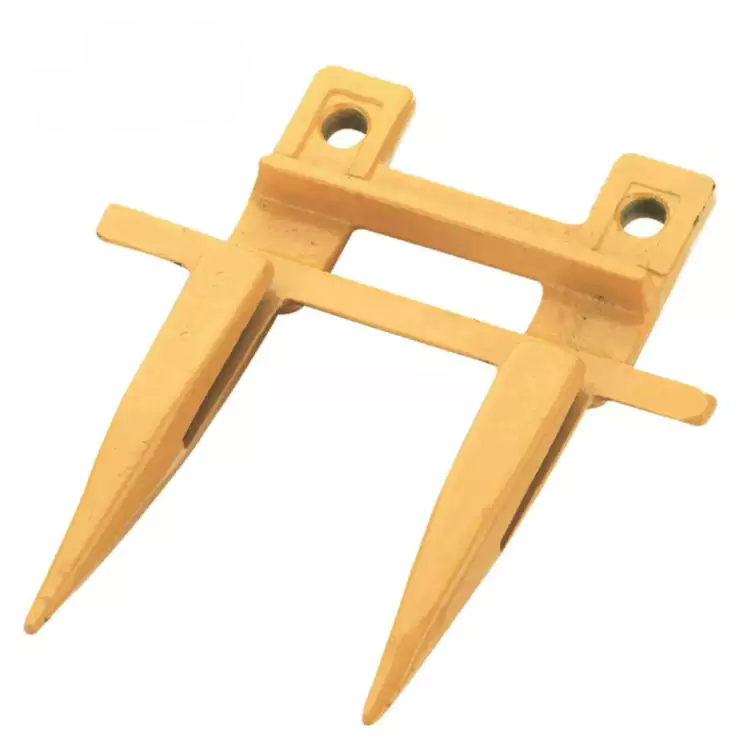
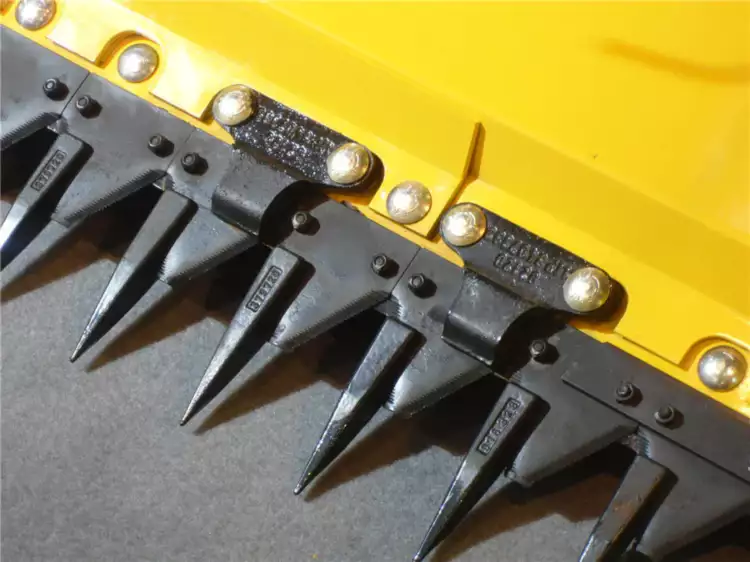
Choosing the right sickle guard is essential for the safe and efficient operation of a combine harvester. Here are some factors to consider when selecting sickle guards:
1. Size match: First, confirm whether the sickle guard's size matches the cutter bar or sickle component on the harvester, including the sickle guard's length, width, and thickness, as well as the installation hole's position and size.
2. Material: The sickle guard's material has a significant impact on its durability. Common materials include steel, cast iron, and wear-resistant plastics. Users should choose wear-resistant and impact-resistant materials based on factors such as working environment and cutting object hardness.
3. Shape design: The sickle guard's design must match the protected tool type. For example, sickle guards used for disc tools and reciprocating cutter sickle guards will have different designs. Additionally, the sickle guard's shape should help reduce crop entanglement and improve cutting efficiency.
4. Installation method: Understand how to fix the sickle guard on the harvester, such as whether it has a buckle, bolt fixing, welding, or other installation methods, and ensure that the new sickle guard matches the original harvester's installation method.
5. Protection level: Evaluate the sickle guard's protection level against the tool, such as the size of the protective margin, whether it has anti-entanglement design, and whether it can effectively prevent direct impact on the tool by hard objects.
6. Compatibility: Confirm the sickle guard's compatibility with the harvester brand and model, ensuring seamless integration with your combine harvester, mower, or other agricultural machinery.
7. Regulatory standards: Certain regions may have specific standards and certification requirements for agricultural machinery components. Ensure that the selected sickle guard complies with local laws, regulations, and safety standards.
Author: Miya
Choosing Suitable Sickle Guards
Choosing the right sickle guard is essential for the safe and efficient operation of a combine harvester. Here are some factors to consider when selecting sickle guards:
1. Size match: First, confirm whether the sickle guard's size matches the cutter bar or sickle component on the harvester, including the sickle guard's length, width, and thickness, as well as the installation hole's position and size.
2. Material: The sickle guard's material has a significant impact on its durability. Common materials include steel, cast iron, and wear-resistant plastics. Users should choose wear-resistant and impact-resistant materials based on factors such as working environment and cutting object hardness.
3. Shape design: The sickle guard's design must match the protected tool type. For example, sickle guards used for disc tools and reciprocating cutter sickle guards will have different designs. Additionally, the sickle guard's shape should help reduce crop entanglement and improve cutting efficiency.
4. Installation method: Understand how to fix the sickle guard on the harvester, such as whether it has a buckle, bolt fixing, welding, or other installation methods, and ensure that the new sickle guard matches the original harvester's installation method.
5. Protection level: Evaluate the sickle guard's protection level against the tool, such as the size of the protective margin, whether it has anti-entanglement design, and whether it can effectively prevent direct impact on the tool by hard objects.
6. Compatibility: Confirm the sickle guard's compatibility with the harvester brand and model, ensuring seamless integration with your combine harvester, mower, or other agricultural machinery.
7. Regulatory standards: Certain regions may have specific standards and certification requirements for agricultural machinery components. Ensure that the selected sickle guard complies with local laws, regulations, and safety standards.
Author: MiyaAddress
Luotuo Industrial Area, Zhenhai District, Ningbo City, China
Tel

 Raydafon