Raydafon Technology Group Co.,Limited
Products
Products
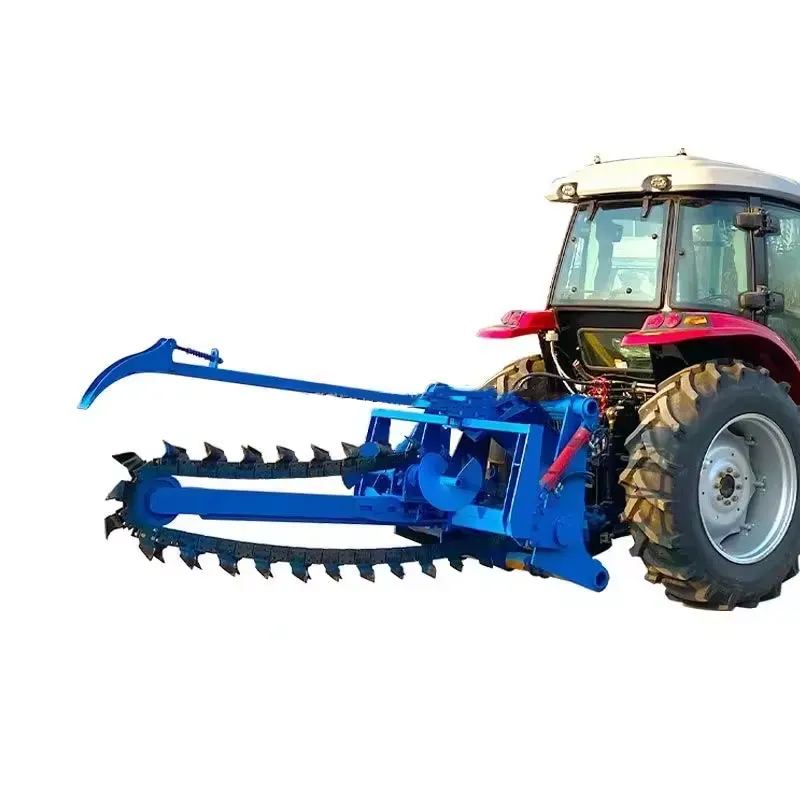
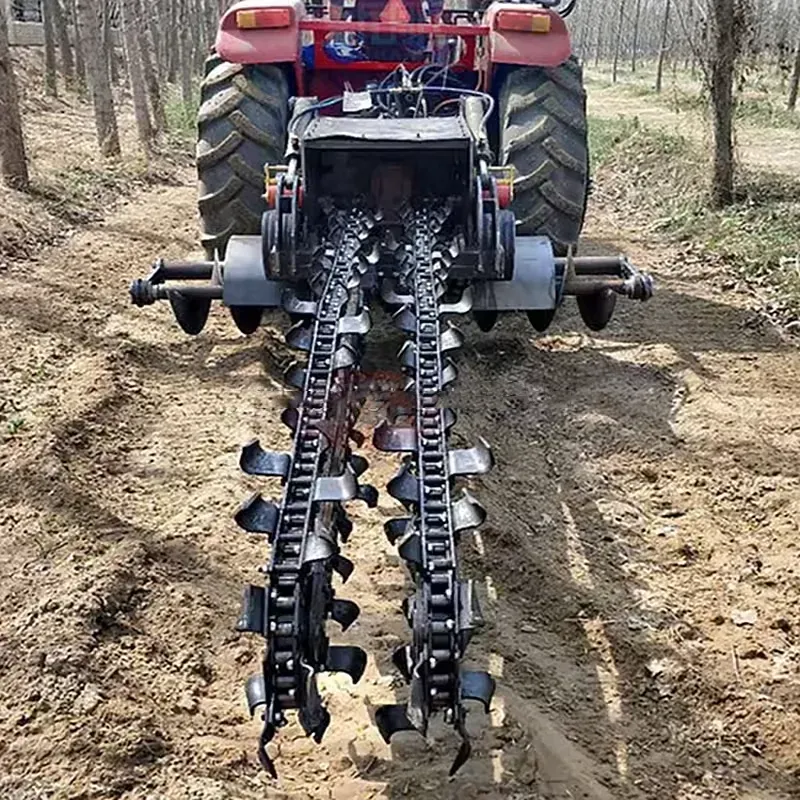
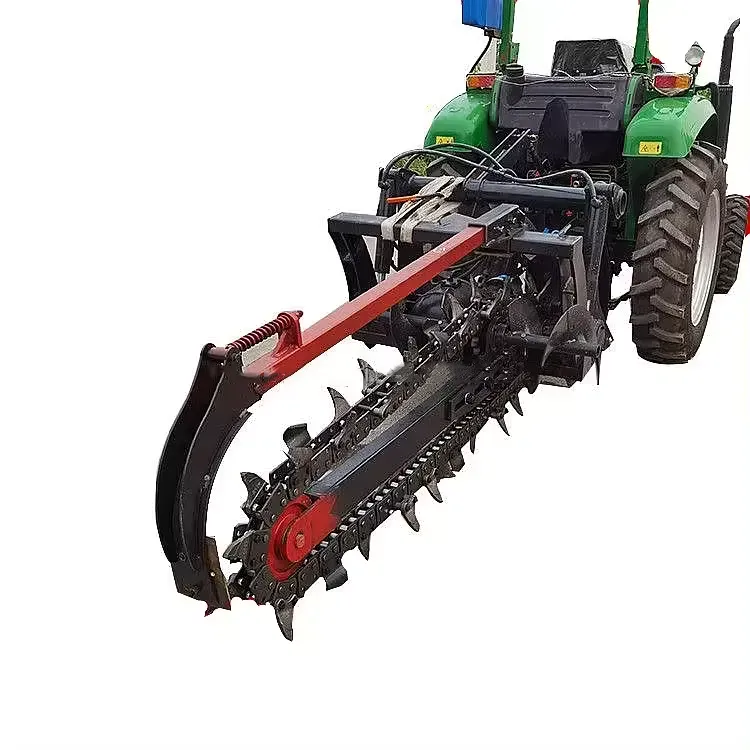
New Design Chain Trenchers for Digging Ditch
  • New Design Chain Trenchers for Digging DitchNew Design Chain Trenchers for Digging Ditch

New Design Chain Trenchers for Digging Ditch

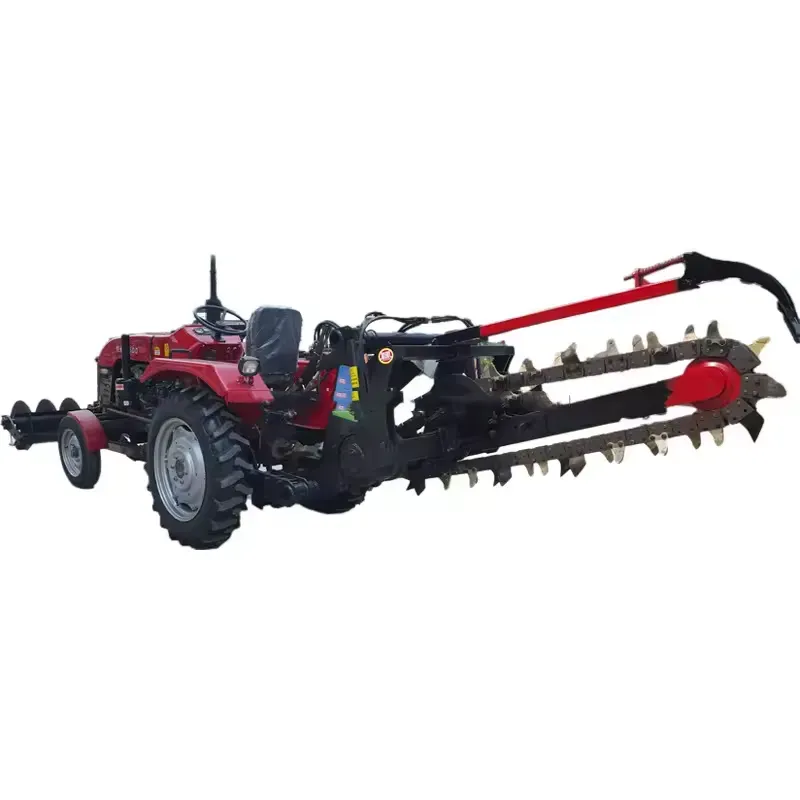
Raydafon Group introduces the New Design Chain Trenchers for Digging Ditch, a professional-grade tool engineered for efficient, precise trench digging in construction and landscaping. Its innovative chain design enhances durability and reduces manual effort, offering superior performance on tough terrains. Ideal for contractors and DIY enthusiasts alike, this trencher streamlines projects, saving time and boosting productivity. Experience the difference with advanced technology that outshines competitors—upgrade your digging equipment today!
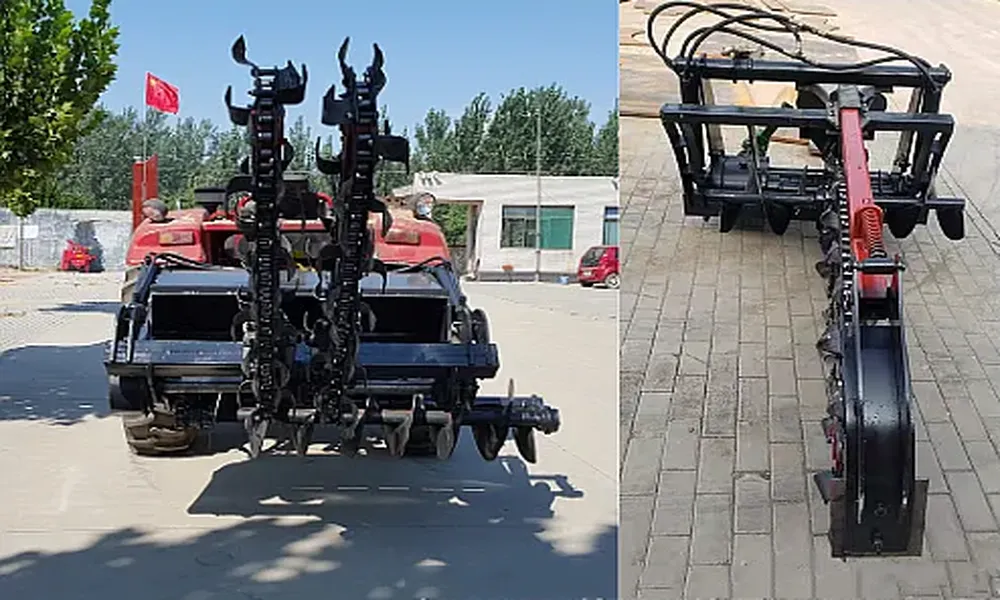
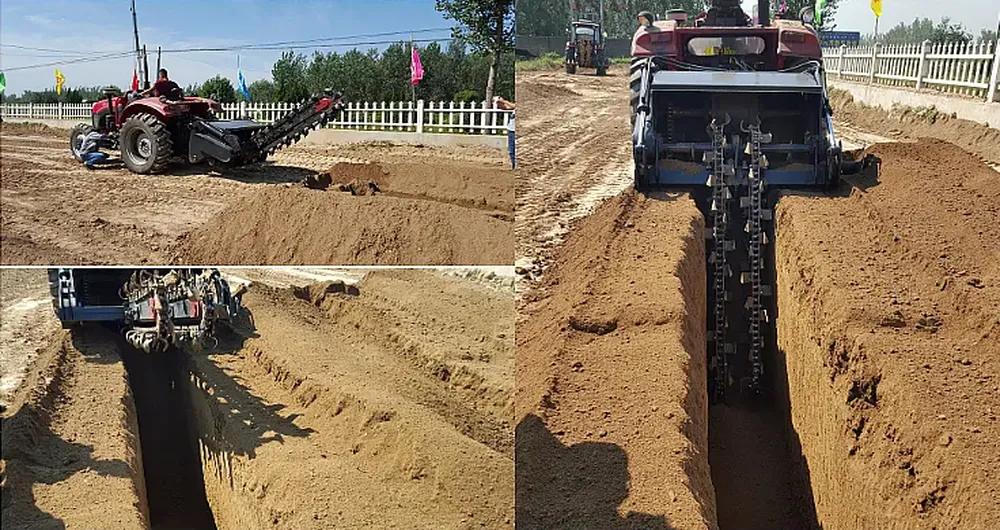
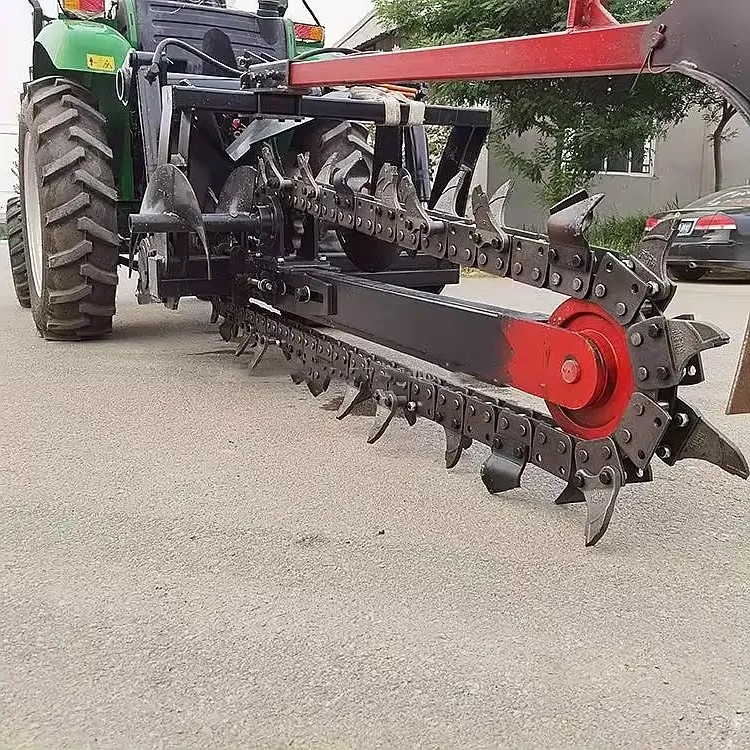
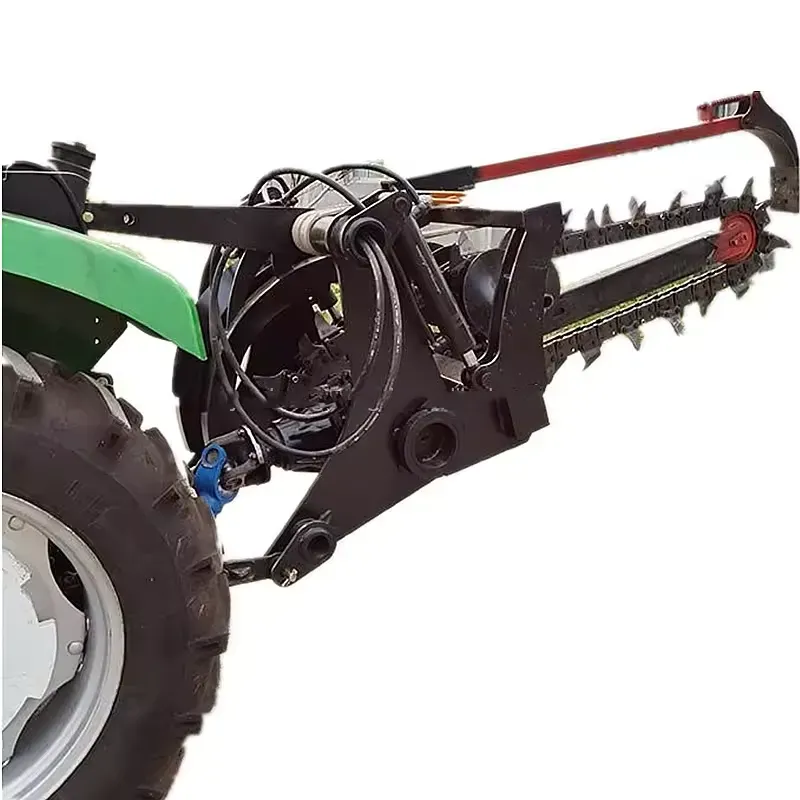
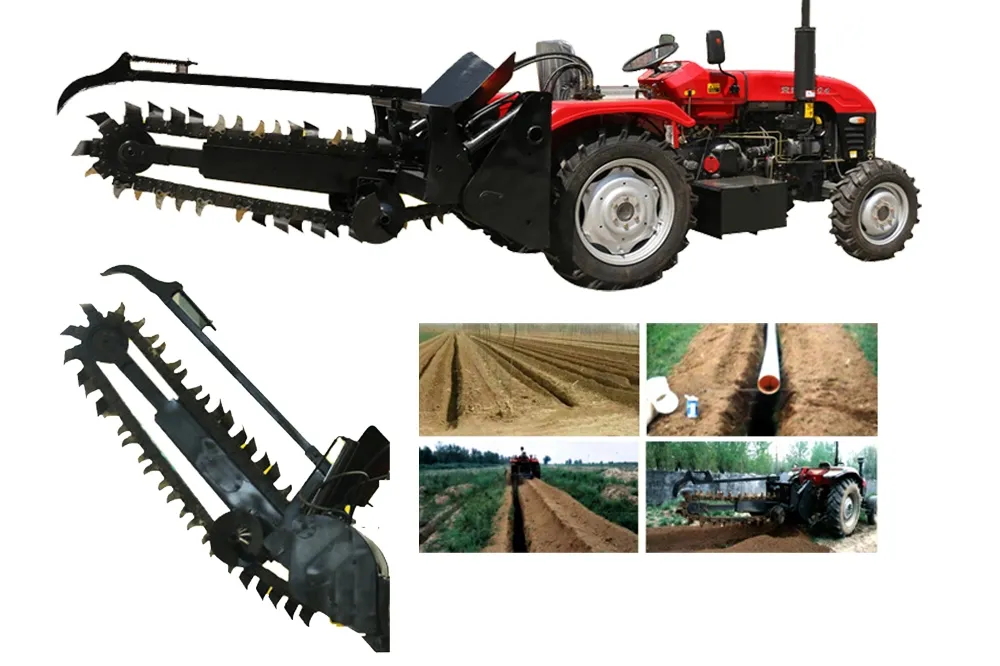
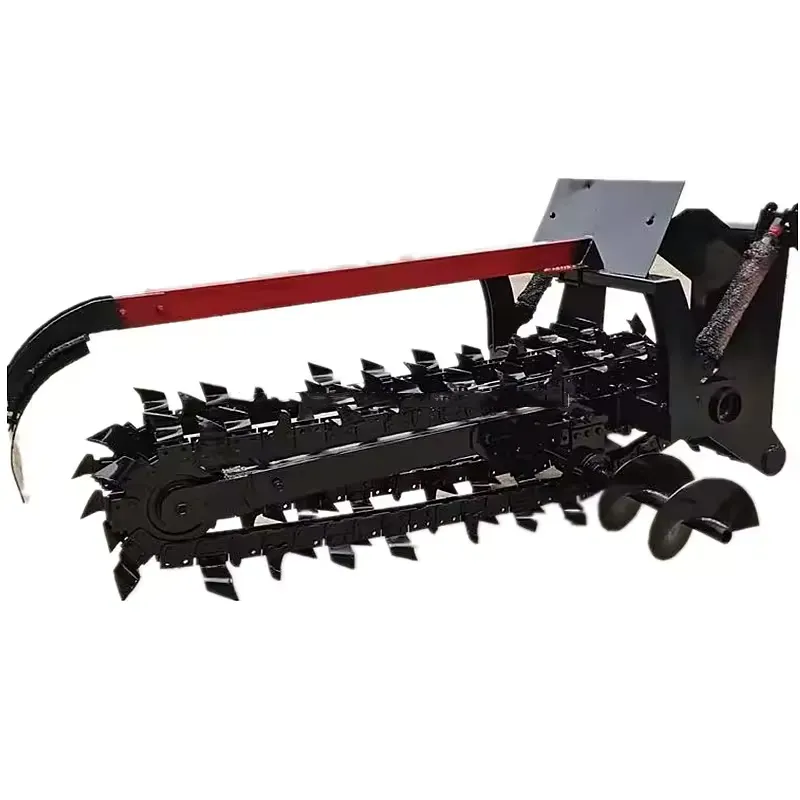
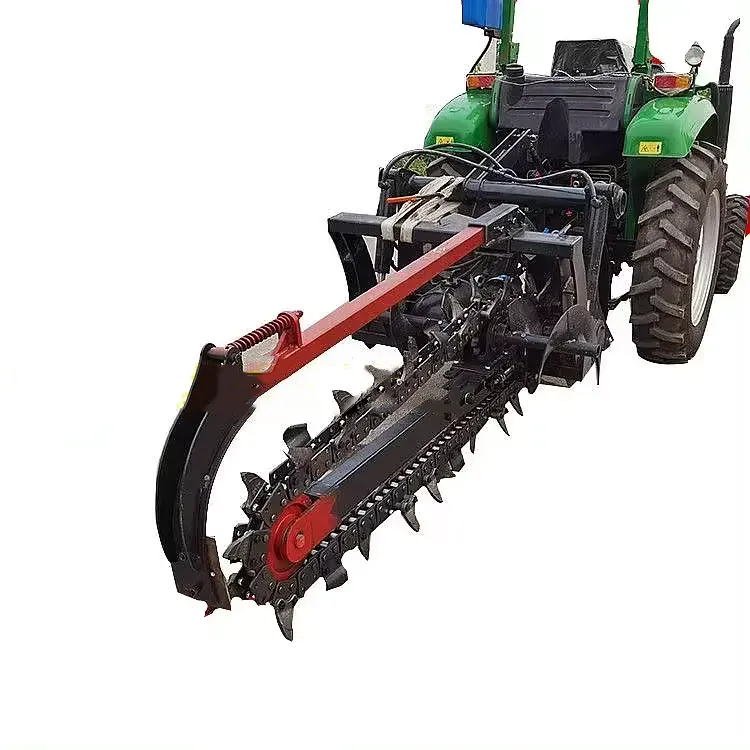
A chain trencher is a powerful excavation machine used primarily for digging trenches, typically in construction and agricultural applications. It consists of a conveyor system with a series of digging teeth or blades mounted on a chain that rotates around an elongated boom. The chain trencher is designed to cut through various types of soil and ground surfaces efficiently. The operation of a chain trencher involves the teeth or blades on the chain digging into the ground as the machine moves forward. These teeth can vary in size and shape depending on the specific trenching needs, such as depth and width requirements. As the chain rotates, it excavates soil and debris, which are then conveyed away from the trench via the conveyor system to maintain a clean trench bottom. Chain trenchers are versatile and can be used for different purposes including laying pipes, cables, or drainage systems, creating foundations for buildings, and preparing agricultural fields. They are available in various sizes and configurations to accommodate different trenching tasks, from small residential projects to large-scale industrial operations. This equipment plays a crucial role in streamlining the trenching process, enhancing productivity, and ensuring precise excavation according to project specifications. New Design Chain Trenchers for Digging Ditch [embed]https://youtu.be/f6nv2ByPjb8[/embed]

Specifications of Chain Trenchers

Product name
New design chain trenchers
Trenching width
15-20cm
Trenching height
1.5m
Linkage
Three pointed mounted
No. of chain
single
Material of knife
65Mn Spring steel or carbide blade
Weight
about 800kg
Matched power
50-80hp
Working Environment
Soft Soil/Normal Land
Working Speed
100-400m/h
Use
Agricultural trenching operations

Advantages of Using a Chain Trencher for Digging Ditch

Using a chain trencher for digging ditches offers several advantages, making it a preferred choice in construction and agricultural sectors:
  • Efficiency: Chain trenchers are highly efficient, capable of rapidly excavating trenches with consistent quality. Their mechanized operation drastically accelerates the trenching process compared to manual methods, resulting in significant time and labor savings.
  • Precision: These trenchers excel in creating trenches with precise dimensions, ensuring uniform depth and width as required by construction or agricultural specifications. This precision minimizes the need for manual adjustments, enhancing overall project accuracy and efficiency.
  • Versatility: Chain trenchers are adaptable machines suitable for various soil types and ground conditions. They can tackle diverse terrain, including rocky or uneven surfaces, making them versatile for a wide array of trenching projects across different environments.
  • Depth Control: Many modern chain trenchers feature adjustable depth control mechanisms. Operators can precisely set and maintain trench depth throughout the project, crucial for laying pipes, cables, or drainage systems at specified depths without the need for additional manual leveling.
  • Productivity: By automating trenching tasks, chain trenchers significantly boost overall productivity on construction sites or agricultural fields. Their high operational speed allows operators to complete more trenching work in less time compared to manual methods, thereby improving project timelines and efficiency.
  • Safety: Chain trenchers enhance safety on job sites by reducing reliance on manual labor-intensive trenching methods. Operators are shielded from physical strain and exposure to potential hazards associated with manual excavation, promoting a safer working environment.
  • Cost-Effectiveness: Despite higher initial investment costs, the efficiency and productivity gains of chain trenchers lead to substantial long-term cost savings. Reduced labor expenses, faster project completion times, and lower maintenance costs contribute to their overall cost-effectiveness over the lifespan of the equipment.
  • Environmental Impact: Chain trenchers can help minimize environmental impact compared to traditional trenching methods. They disturb less ground area, emit fewer pollutants (especially with diesel-electric models), and cause less soil compaction, thereby preserving the natural landscape and reducing ecological disturbance.
New Design Chain Trenchers for Digging Ditch

Common Applications:

Chain trenchers find widespread application across various industries due to their versatility and efficiency in trenching. Some common applications include:
  1. Utility Installation: Chain trenchers are extensively used for installing underground utilities such as water pipes, sewer lines, and telecommunications cables. They can quickly and accurately dig trenches of varying depths and widths required for laying these essential infrastructures.
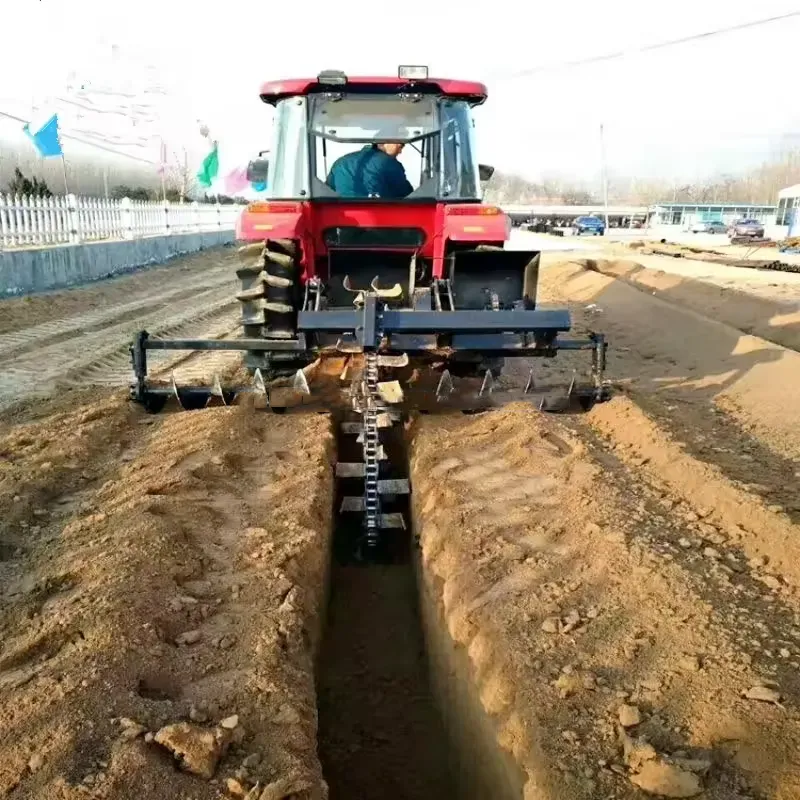
  2. Drainage Systems: In agricultural and construction settings, chain trenchers are employed to create drainage systems. They can efficiently excavate trenches to improve soil drainage, prevent waterlogging, and manage runoff, thereby enhancing agricultural productivity and ensuring proper site drainage in construction projects.
  3. Irrigation Projects: For agricultural irrigation systems, chain trenchers are instrumental in digging trenches for laying irrigation pipes. They enable precise trenching that ensures optimal water distribution across fields, orchards, and gardens, promoting efficient water use and crop growth.
  4. Cable Installation: In urban and suburban environments, chain trenchers are used for installing underground cables for electricity, internet, and telecommunications networks. They facilitate the safe and efficient burial of cables, minimizing disruption to existing infrastructure and reducing visual impact compared to overhead lines.
  5. Landscaping and Groundwork: Chain trenchers are valuable tools in landscaping projects for creating trenches for edging, planting beds, or burying landscape lighting cables. They help landscapers achieve precise trenching results while minimizing disturbance to the surrounding terrain.
  6. Pipeline Construction: In oil and gas industries, chain trenchers play a critical role in pipeline construction projects. They can excavate trenches for laying pipelines with consistent depth and alignment, ensuring the integrity and efficiency of the pipeline network.
  7. Road Construction and Maintenance: Chain trenchers are used in road construction and maintenance to dig trenches for roadside drainage systems, culverts, and utility lines. They contribute to the infrastructure development by facilitating efficient trenching operations alongside roadways.
New Design Chain Trenchers for Digging Ditch

Key Components of the Chain Trencher

A chain trencher is a complex machine designed for the efficient excavation of trenches in various applications. Key components of a typical chain trencher include:
  1. Boom: The boom serves as the backbone of the chain trencher, supporting the digging chain and conveyor system. It extends from the machine's main frame and can be adjusted hydraulically to control the depth and angle of trenching. This structural element must be robust to withstand the stresses of excavation while maintaining precise positioning for accurate trenching operations.
  2. Digging Chain: Composed of interconnected digging teeth or blades, the digging chain is the primary tool for excavating soil, rock, or other materials along the trenching path. These teeth are strategically designed to penetrate various ground conditions efficiently, ensuring continuous and effective trenching without excessive wear.
  3. Conveyor System: Integral to the trenching process, the conveyor system moves excavated material away from the trenching area to maintain a clear workspace. It typically consists of conveyors or augers that transfer soil and debris to a spoil pile or collection point, ensuring uninterrupted trenching operations and efficient site management.
  4. Power Source: The power source, usually a diesel engine or electric motor, provides the necessary energy to drive the trencher's operations. It powers the digging chain, conveyor system, and hydraulic components, ensuring consistent performance and operational efficiency across various working conditions.
  5. Hydraulic System: Essential for controlling and powering the trencher's functions, the hydraulic system utilizes hydraulic fluid to transmit force and movement to different parts of the machine. It enables precise control of boom movements, depth adjustments, and conveyor operations, contributing to the trencher's versatility and effectiveness in diverse trenching applications.
  6. Cutting Teeth or Blades: Mounted on the digging chain, cutting teeth or blades come in various configurations tailored to different soil types and trenching requirements. These components are designed to withstand abrasive conditions while efficiently excavating trenches to precise dimensions required for laying utilities or other infrastructure.
  7. Frame and Undercarriage: The frame forms the machine's structural framework, supporting key components such as the boom, power source, and hydraulic systems. It must be durable and well-engineered to withstand the rigors of trenching operations. The undercarriage, equipped with tracks or wheels, provides stability and mobility across various terrains, ensuring traction and maneuverability essential for efficient trenching in diverse work environments.
New Design Chain Trenchers for Digging Ditch

Working Principle:

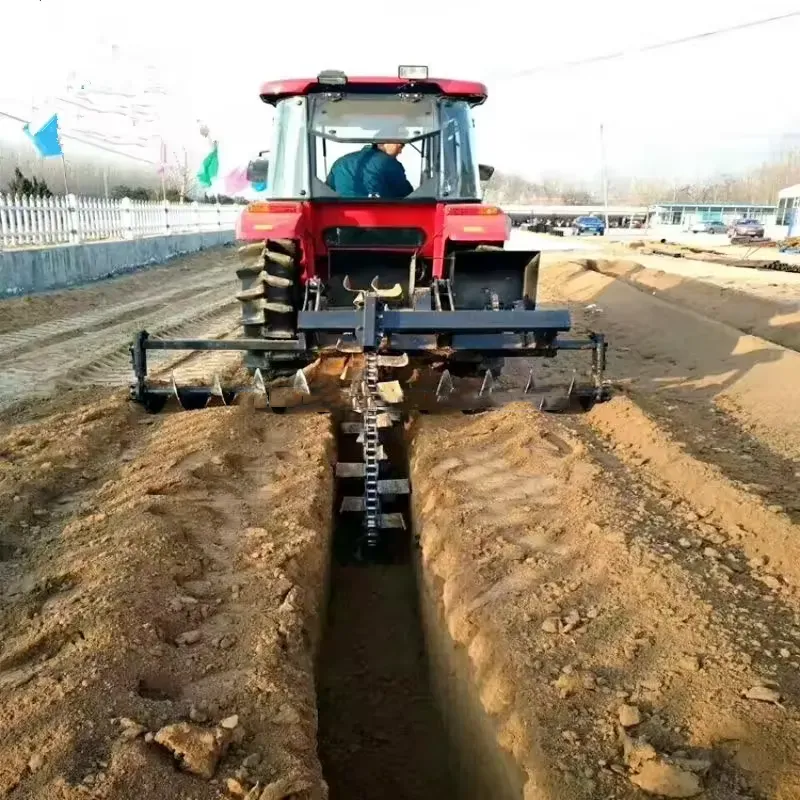
The tractor 3-point mounted chain trencher operates by harnessing the power and mobility of a tractor to drive its trenching mechanism. Here's how it typically works:
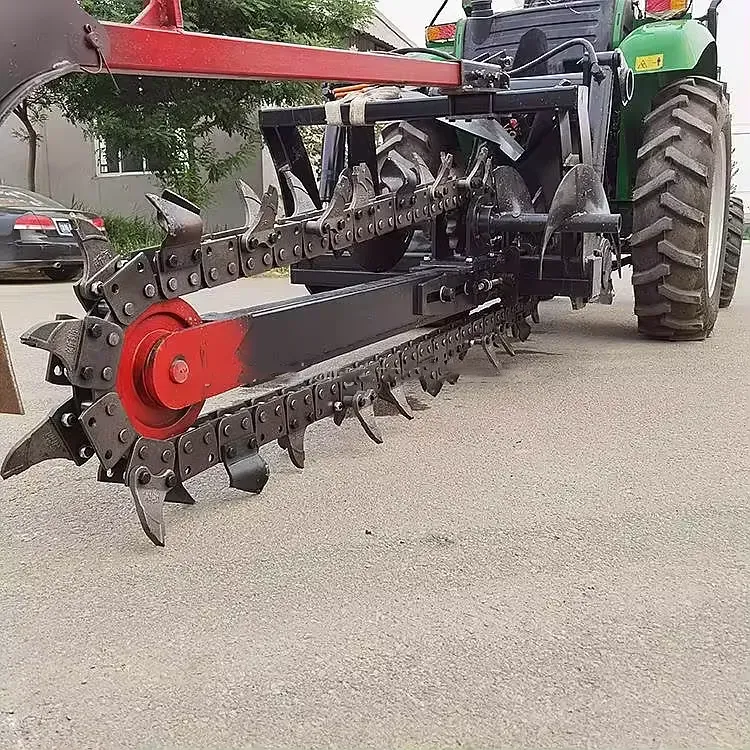
  • Attachment to Tractor: The chain trencher is securely mounted onto the tractor's rear 3-point hitch. This attachment ensures stability and alignment, allowing the trencher to operate in conjunction with the tractor's movements without compromising efficiency or safety.
  • Power Source: Powered by the tractor's power take-off (PTO) system, the trencher utilizes the mechanical power transmitted from the tractor's engine. The PTO drives a gearbox connected to the trencher's digging chain and other operational components, enabling efficient trenching without requiring an independent power source.
  • Boom and Digging Chain: Extending from the rear of the tractor, the trencher's boom supports the digging chain. This chain comprises interconnected digging teeth or blades that rotate around the boom, effectively excavating soil and creating trenches as the tractor moves forward.
  • Depth Adjustment: Operators can adjust the trencher's depth settings to meet specific project requirements. This adjustment is typically controlled hydraulically or manually, allowing precise trenching depths suitable for laying pipes, cables, or drainage systems at consistent levels across the entire trenching path.
  • Trenching Process: During operation, as the tractor advances, the PTO-driven digging chain penetrates the ground surface. The rotating teeth or blades cut through soil, rock, or other materials, excavating a trench of uniform width and depth. The excavated material is conveyed away from the trenching area through a conveyor system or auger, maintaining a clear workspace and efficient trenching progress.
New Design Chain Trenchers for Digging Ditch

Installation Steps of 3-Point Mounted Chain Trencher to Tractor

Installing a 3-point mounted chain trencher to a tractor involves several steps to ensure proper alignment, stability, and functionality. Here's a detailed guide on how to install it:
  1. Prepare the Tractor: Begin by parking the tractor on a level surface and engaging the parking brake. Ensure the tractor is turned off and remove the key to prevent accidental starting, prioritizing safety during installation.
  2. Align the Trencher: Position the chain trencher directly behind the tractor, ensuring that the mounting points on the trencher align with the tractor's 3-point hitch arms. Proper alignment is crucial for balanced weight distribution and effective operation.
  3. Attach the Lower Hitch Pins: Lower the tractor's 3-point hitch arms and insert the lower hitch pins into the designated mounting holes on the trencher. Securely fasten the hitch pins with safety clips or locks to prevent disengagement during use, ensuring a stable connection.
  4. Connect the Top Link: Adjust the tractor's top link to match the height and angle of the trencher's mounting bracket or hitch point. Connect the top link to provide additional stability and maintain alignment between the tractor and trencher during operation.
  5. Secure Hydraulic Connections: If the trencher requires hydraulic power for functions such as depth adjustment or conveyor operation, connect the hydraulic hoses from the trencher to the appropriate hydraulic outlets on the tractor. Ensure fittings are tight and leak-free to maintain hydraulic integrity.
  6. Check Connections and Clearances: Conduct a thorough inspection of all connections, including hitch pins, top link, and hydraulic hoses. Verify there are no obstructions or interferences that could hinder the trencher's operation or the tractor's maneuverability.
  7. Test Functionality: Start the tractor and engage the power take-off (PTO) to activate the trencher's digging chain. Verify that the chain rotates smoothly and without irregularities. Test hydraulic functions, adjusting depth or operating conveyors as needed, to ensure proper response to controls from the tractor's cab.
  8. Adjust as Necessary: Based on initial tests, make any required adjustments to the hitch settings, hydraulic connections, or overall alignment. Fine-tune the setup to optimize performance and ensure safe and efficient operation according to manual specifications.
  9. Safety Checks: Perform a final inspection of safety features, including guards around moving parts, emergency shutdown mechanisms, and operator controls. Confirm that all safety precautions are in place and functional before proceeding with trenching operations to ensure operator safety and equipment protection.
New Design Chain Trenchers for Digging Ditch

Common Troubleshooting of Tractor Chain Trenchers

Common issues may arise with chain trenchers during operation, requiring troubleshooting to maintain efficiency and functionality:
  • Chain Tension Problems: Insufficient or excessive chain tension can lead to improper trenching performance. Check and adjust the chain tension according to manual specifications. Ensure the chain is properly lubricated to prevent premature wear and reduce friction.
  • Hydraulic System Leaks: Hydraulic leaks can occur at hose connections or hydraulic cylinders, affecting trencher operation and efficiency. Inspect hydraulic lines, fittings, and seals for signs of leakage. Tighten fittings or replace damaged components as necessary. Use compatible hydraulic fluids and maintain proper fluid levels to prevent leaks.
  • Digging Chain Wear: The digging chain teeth or blades may wear out over time, affecting trenching performance and depth consistency. Regularly inspect the digging chain for signs of wear and replace worn teeth promptly. Ensure the chain is clean and free of debris to maintain optimal cutting efficiency.
  • Engine Performance Issues: Engine-related problems, such as rough idling, loss of power, or overheating, can impact trencher operation. Check engine oil levels, fuel filters, and air filters regularly. Clean or replace filters and perform routine maintenance as recommended by the engine manual to ensure reliable performance.
  • Electrical System Malfunctions: Electrical issues, such as faulty switches, wiring problems, or blown fuses, can disrupt trencher operation. Inspect electrical components, connections, and wiring harnesses for damage or corrosion. Replace defective components and ensure electrical connections are secure and properly insulated to prevent short circuits or failures.
  • Depth Control Challenges: Inaccurate depth control settings can result in trenches that are too shallow or too deep. Calibrate depth control mechanisms according to project requirements. Verify hydraulic or mechanical adjustments for depth settings are functioning correctly. Adjust controls as needed to achieve consistent trench depths across the work area.
  • Conveyor System Blockages: Debris buildup or mechanical issues can cause blockages in the conveyor system, hindering material removal from the trenching area. Clear debris from conveyor belts or augers regularly. Check for worn conveyor components and replace damaged parts to maintain smooth material flow and prevent downtime.
New Design Chain Trenchers for Digging Ditch

Why Choose Raydafon's Chain Trenchers?

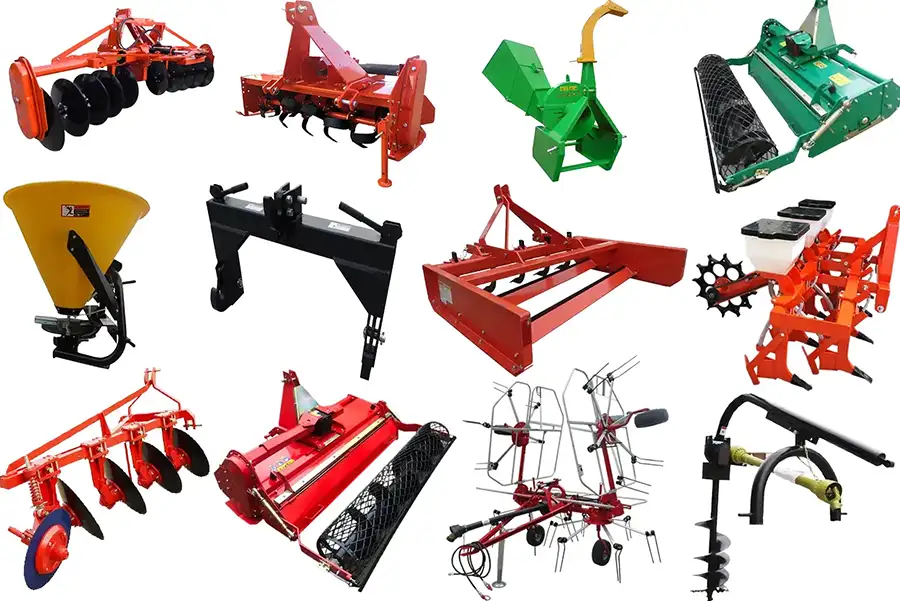
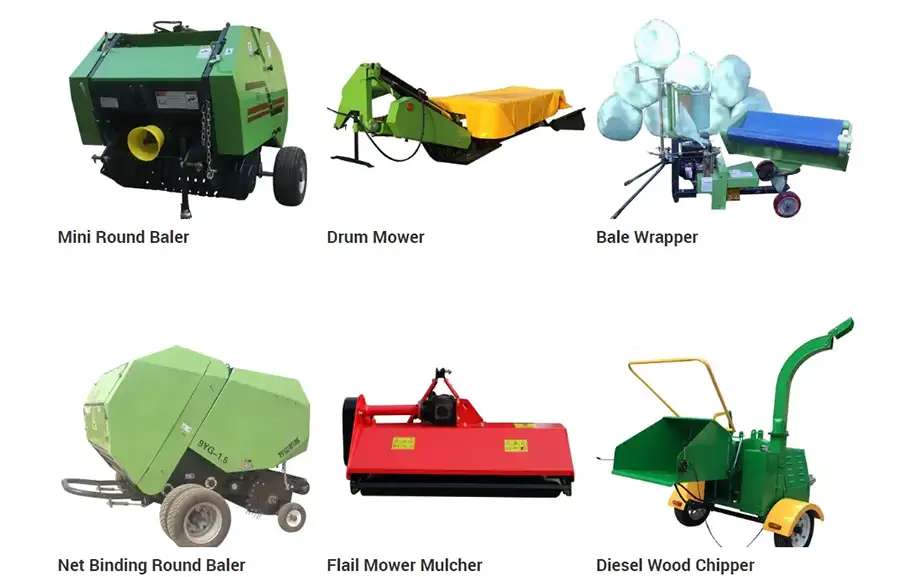
Raydafon is a leading manufacturer specializing in the production and sales of chain trenchers. With a state-of-the-art manufacturing facility spanning [insert size, e.g., 10,000 square meters] and cutting-edge technology, we are committed to delivering high-quality trenching solutions to global markets. Our dedicated team of engineers and technicians ensures that each product meets stringent quality standards, making us a trusted name in the industry. Our chain trenchers stand out as perfect replacements for renowned brands such as Vermeer, Ditch Witch, Barreto, Tesmec, Trencor, Toro, Case, Bobcat, Caterpillar, John Deere, Astec, Marais, Mastenbroek, Bradco, DIGGA, BaumaLight, TrenchTech, Kubota, Ground Hog, Komatsu, and others. We offer a wide range of models that cater to diverse trenching needs in the construction, agriculture, and utility installation sectors. These trenchers are renowned for their robust construction, high efficiency, and reliability in various challenging environments. Designed for versatility and durability, our chain trenchers excel in applications such as pipeline installation, cable laying, drainage projects, and landscaping. They are equipped with advanced features like adjustable depth control, hydraulic systems for precise operation, and ergonomic design for operator comfort and safety. At Raydafon, our expertise in the chain trencher field is bolstered by years of experience and a strong commitment to innovation. We have earned international certifications for quality and environmental management, ensuring compliance with global standards. Our custom-tailored solutions meet specific customer requirements and are backed by comprehensive after-sales support and maintenance services. In addition to chain trenchers, we offer a wide array of agricultural machinery and equipment, including PTO shafts, agricultural gearboxes, large round balers, mini round balers, hay square balers, PTO wood chippers, corn seeders, drum mowers, disc mowers, rotary hay rakes, flail mowers, lawn mowers, sickle bar mowers, rotary mowers, rotary tillers, land levelers, fertilizer spreaders, furrow ploughs, disc harrows, disc blades, disc ridgers, disc ploughs, potato planters, potato harvesters, wheat seeders, vegetable seeders, post hole diggers, boom sprayers, agricultural subsoiler, agricultural trailers, finger wheel rake, snow blower, road sweeper, and more. Our extensive product range and dedication to customer satisfaction make us a preferred choice among discerning professionals worldwide. New Design Chain Trenchers for Digging Ditch New Design Chain Trenchers for Digging Ditch   Author: Yjx
Hot Tags: Chain Trenchers for Ditch Digging, New Design Chain Trenchers Manufacturer, Customizable Trenching Equipment
Send Inquiry
Contact Info
Get customized quotes for transmission components, gearboxes, and machinery. Our engineers will respond within 24 hours.
Online
X
We use cookies to offer you a better browsing experience, analyze site traffic and personalize content. By using this site, you agree to our use of cookies. Privacy Policy
Reject Accept