Raydafon Technology Group Co.,Limited
Products
Products
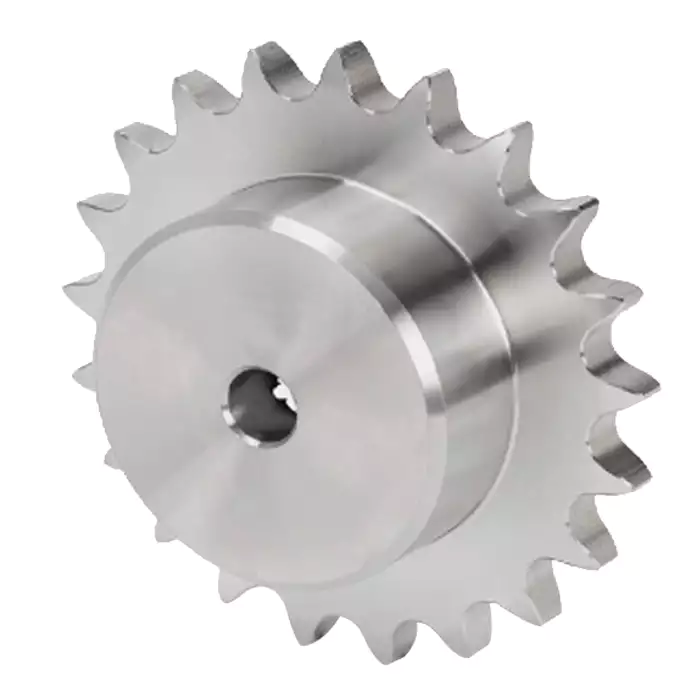
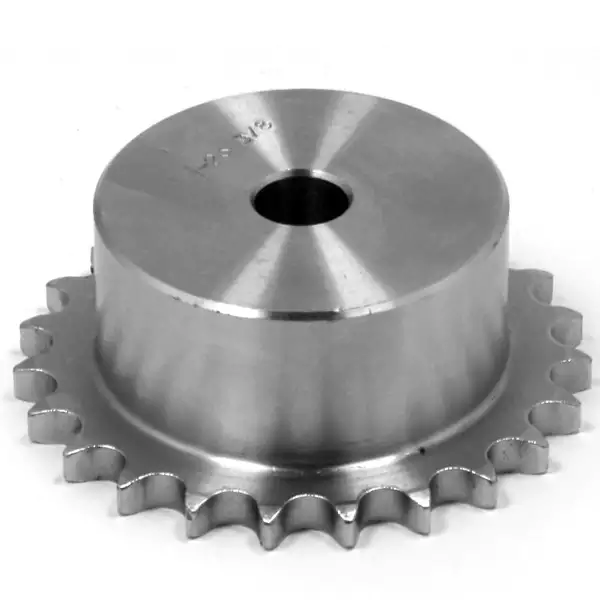
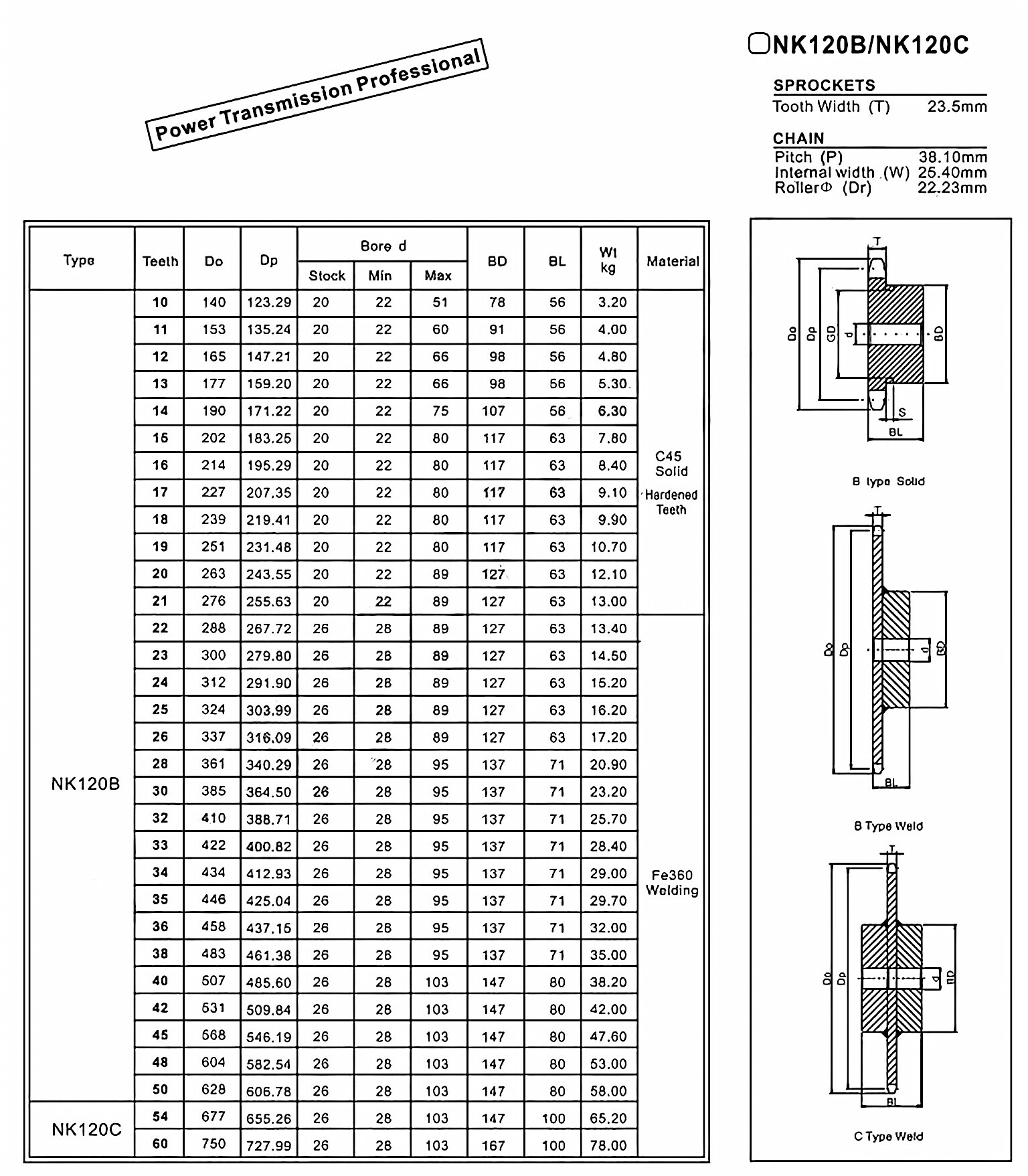
NK120B Standard Bore Sprocket
  • NK120B Standard Bore SprocketNK120B Standard Bore Sprocket

NK120B Standard Bore Sprocket

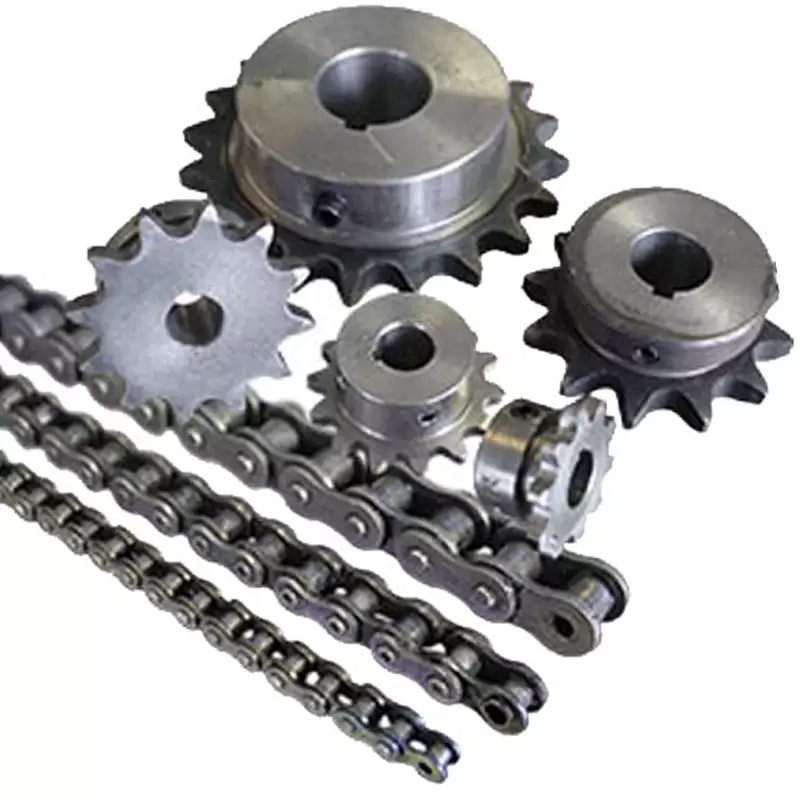
Raydafon Group's NK120B Standard Bore Sprocket is a durable power transmission component designed for seamless machinery integration. Its precision engineering ensures reliable performance, reducing wear and downtime. Ideal for industrial operators, it enhances productivity with smooth operation. Experience effortless reliability and boost efficiency in demanding applications.
NK120B Standard Bore Sprocket

NK120B Standard Bore Sprocket

A standard bore sprocket is a type of sprocket that has a fixed center hole size. It is commonly used in power transmission systems to transfer power between rotating shafts and chains. The standard bore sprocket is designed to fit a specific shaft size without the need for additional modifications or adaptations.
NK120B Standard Bore Sprocket

Basic Structure of a Sprocket

A sprocket consists of several key components:

  1. Material: The material used for the sprocket determines its strength, durability, and resistance to wear and tear.
  2. Tooth Profile: The shape of the teeth on the sprocket determines how the chain engages and interacts with the sprocket.
  3. Number of Teeth: The number of teeth on the sprocket affects the speed ratio and torque transmission between the driving and driven shafts.
  4. Size: The overall dimensions of the sprocket, including its diameter and width, determine its compatibility and fit within the system.
  5. Center Bore: The center bore is the hole in the center of the sprocket that fits onto the shaft.
  6. Keyway: The keyway is a groove on the bore surface that allows a key to be inserted to prevent the sprocket from rotating on the shaft.
  7. Surface Treatment: The surface of the sprocket can be treated to provide resistance against rust, corrosion, and wear.

Materials and Manufacturing Process

Our sprockets are made from high-quality materials such as high-carbon steel, alloy steel, or stainless steel. The choice of material depends on the specific application requirements and the desired properties of the sprocket.

The manufacturing process involves several steps:

  1. Material Selection: The appropriate material is selected based on the desired properties and specifications.
  2. Cutting and Stamping: The material is cut and stamped to create the initial shape of the sprocket.
  3. Machining: The sprocket undergoes various machining processes such as turning, milling, drilling, and tapping to achieve the final dimensions and tooth profile.
  4. Heat Treatment: The sprocket is heat-treated to enhance its hardness, strength, and durability.
  5. Surface Hardening: The surface of the sprocket is hardened to resist wear and extend its lifespan.
  6. Surface Treatment: The sprocket's surface is treated to prevent rust and corrosion.
  7. Quality Inspection: The sprocket undergoes rigorous quality testing to ensure it meets the required standards and specifications.

Applications

The NK120B Standard Bore Sprocket is suitable for various applications including:

  • Heavy Machinery and Equipment
  • Food Processing and Packaging
  • Chemical and Pharmaceutical Industries
  • Assembly Lines
  • Logistics and Warehousing
NK120B Standard Bore Sprocket

Maintenance and Care

To ensure the optimal performance and longevity of the sprocket, regular maintenance and care are essential. The following steps should be taken:

  1. Daily Inspection: Check the sprocket for any signs of damage or wear.
  2. Cleaning: Remove any dirt, debris, or lubricant residues from the sprocket.
  3. Lubrication: Apply an appropriate lubricant to reduce friction and prevent wear between the chain and sprocket.
  4. Adjustment and Calibration: Ensure the sprocket is properly aligned and adjusted to maintain the correct tension and engagement with the chain.

Common problems that may arise with sprockets include tooth skipping, breakage, wear, excessive noise, and chain disengagement. To address these issues, the following solutions can be implemented:

  1. Tooth Skipping: Check the chain tension and alignment, replace any worn-out components, and ensure proper lubrication.
  2. Breakage: Inspect for any signs of cracks or damage, replace the broken sprocket, and check for any underlying issues.
  3. Wear: Regularly monitor the wear of the sprocket teeth and replace if necessary.
  4. Excessive Noise: Ensure proper lubrication, check for misalignment or damaged components, and make any necessary adjustments.
  5. Chain Disengagement: Check for proper tension, alignment, and engagement between the chain and sprocket. Replace any damaged or worn-out components.

Furthermore, besides the NK120B Standard Bore Sprocket, we also offer other types of sprockets such as platewheel sprocket, idler sprocket, qd sprocket, taper lock sprocket, etc. These sprockets are designed to cater to different power transmission needs. We also provide complementary chains to ensure a complete and efficient system.
NK120B Standard Bore Sprocket

Author: Miya

Hot Tags: NK120B Sprocket Supplier, Standard Bore Sprocket Manufacturer, Industrial Sprocket Wholesale
Send Inquiry
Contact Info
Get customized quotes for transmission components, gearboxes, and machinery. Our engineers will respond within 24 hours.
Online
X
We use cookies to offer you a better browsing experience, analyze site traffic and personalize content. By using this site, you agree to our use of cookies. Privacy Policy
Reject Accept