
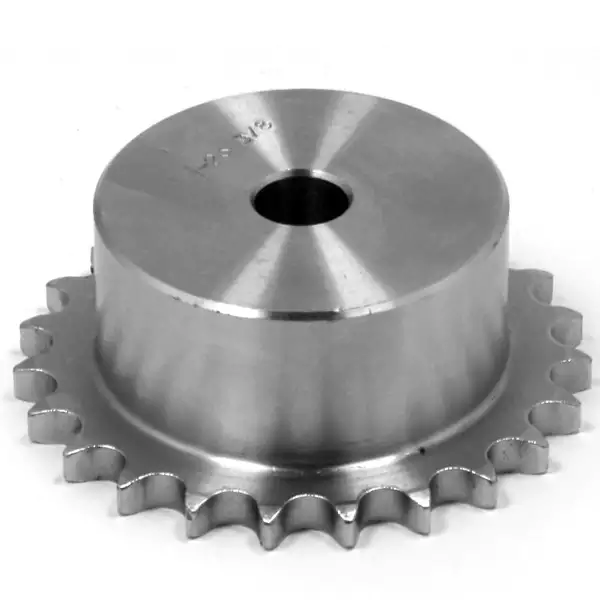
A standard bore sprocket is a key component used in various mechanical systems and equipment. It is designed to transmit rotational motion between shafts and chains. The No.100 Standard Bore Sprocket, represented by the image below, is a widely used and versatile sprocket type.
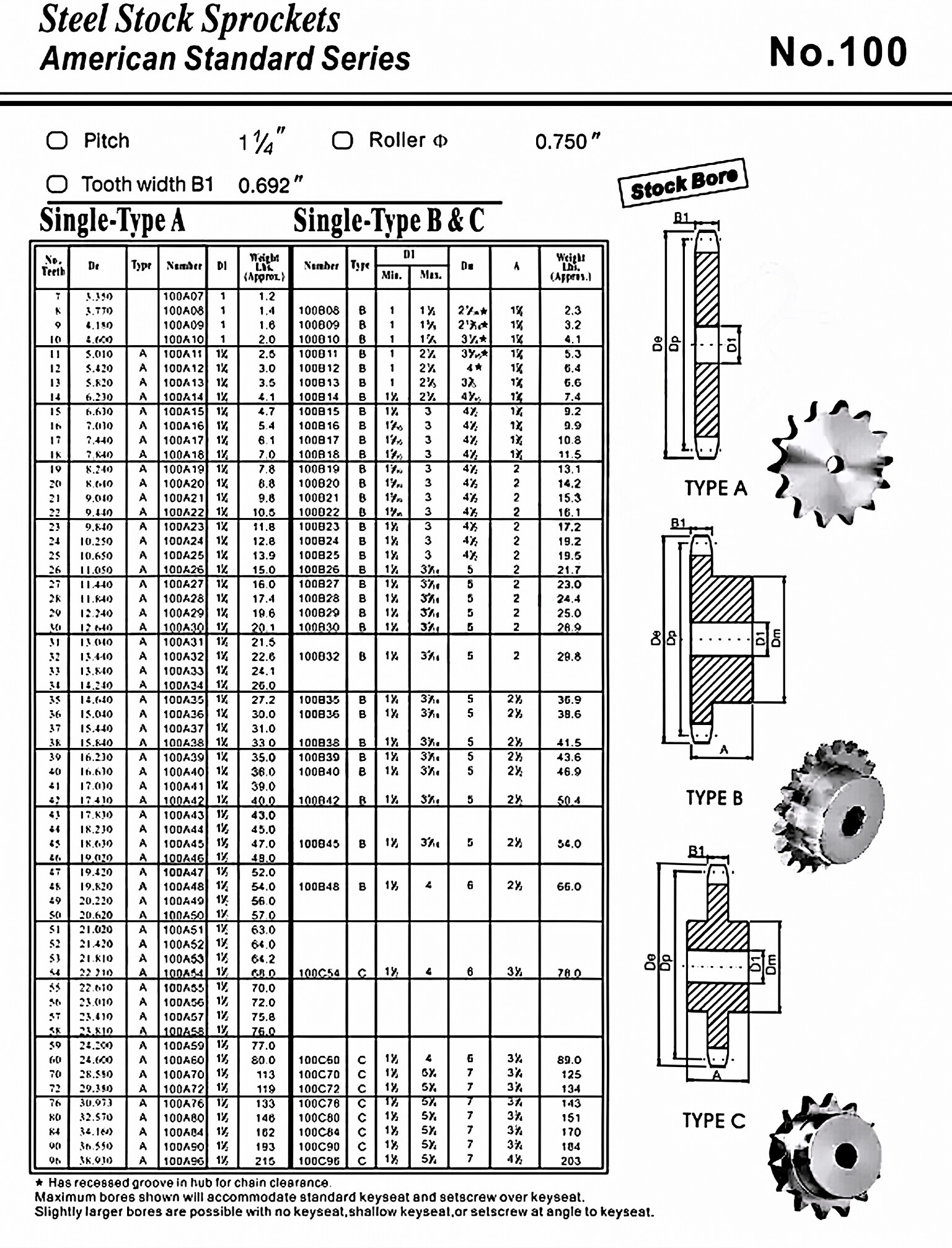
A standard bore sprocket consists of teeth, a bore, and a hub. When customizing a sprocket, several factors need to be determined: material, tooth profile, number of teeth, dimensions, bore size, keyway, and surface treatment. Let's explore each of these factors in detail:
The material used for our sprockets can be high carbon steel, alloy steel, or stainless steel. Each material has its own characteristics, such as strength, corrosion resistance, and durability. The appropriate material selection depends on the specific application requirements.
The tooth profile refers to the shape of the sprocket teeth. It is crucial for smooth chain engagement and efficient power transmission. Common tooth profiles include standard, double pitch, and specialty profiles tailored to specific applications.
The number of teeth on a sprocket determines the speed ratio and torque transmission. It is essential to select the appropriate number of teeth based on the desired system performance and operational requirements.
The dimensions of a sprocket, such as diameter and width, are determined based on the specific application and space constraints. Accurate dimensional specifications ensure proper fit and alignment within the system.
The bore size of a sprocket refers to the diameter of the central hole where the sprocket mounts onto a shaft. It is crucial to select the correct bore size to achieve a secure and precise connection.
A keyway is a groove on the bore that allows for the attachment of a key, which prevents the sprocket from rotating on the shaft. The size and position of the keyway should be specified to ensure proper alignment and security.
To enhance durability and resistance to wear and corrosion, sprockets undergo surface treatments such as rust prevention coatings or heat treatment processes like quenching and tempering. These treatments improve the overall performance and lifespan of the sprocket.
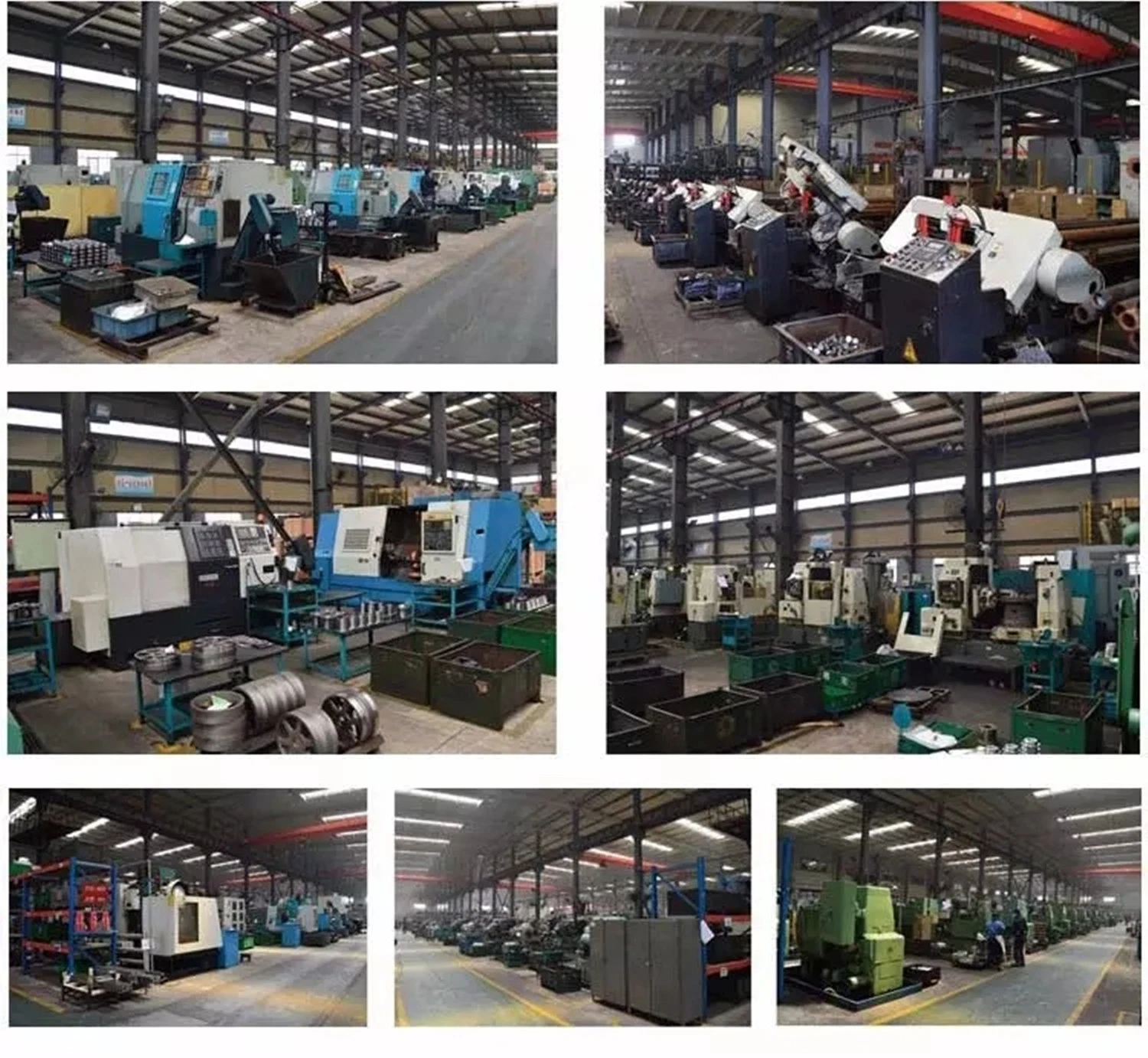
Our sprockets are made from high carbon steel or alloy steel. The manufacturing process involves material selection, cutting, punching, forging, machining (turning, milling, drilling), heat treatment (quenching, tempering), surface hardening, surface treatment to prevent rust, and quality testing to ensure product reliability.
Standard bore sprockets find applications in various industries and settings:
Proper maintenance and care are essential for prolonged sprocket lifespan and optimal performance. Here are some key maintenance practices:
Regularly inspect the sprocket for any signs of damage, wear, or misalignment. Address any issues promptly to prevent further damage.
Keep the sprocket clean from dirt, debris, and other contaminants. Regular cleaning helps maintain smooth chain engagement and prevents premature wear.
Apply appropriate lubrication to ensure smooth rotation and reduce friction between the sprocket and chain. Follow the manufacturer's recommendations for lubricant type and frequency of application.
Periodically check and adjust the tension of the chain to ensure proper engagement with the sprocket. Calibration of the sprocket and chain alignment may also be necessary to maintain optimal performance.
Several common problems can occur with sprockets:
Addressing these issues often involves proper maintenance and adjustment. Consult a professional if problems persist.
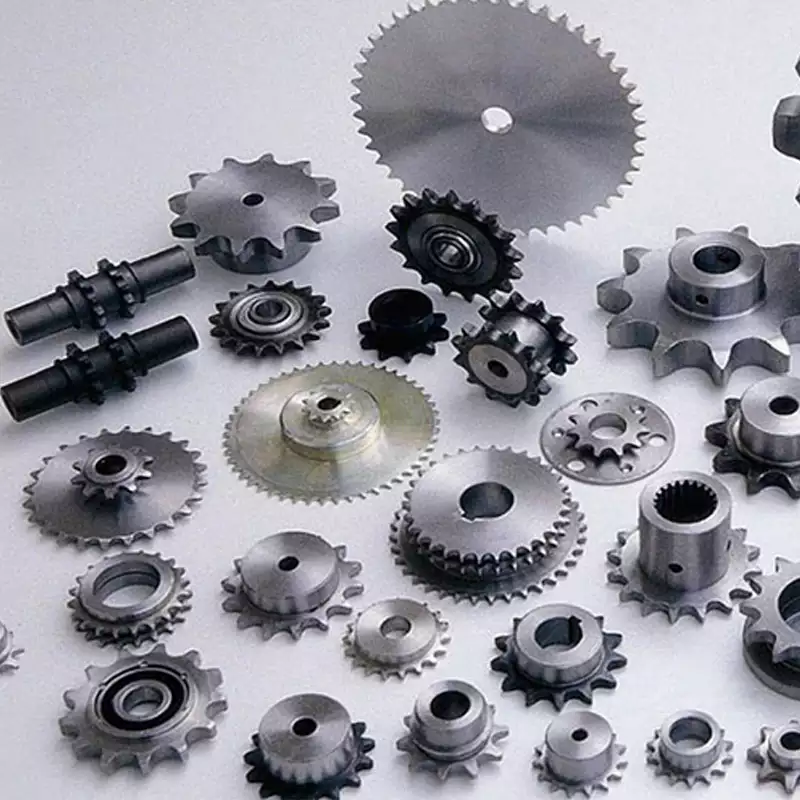
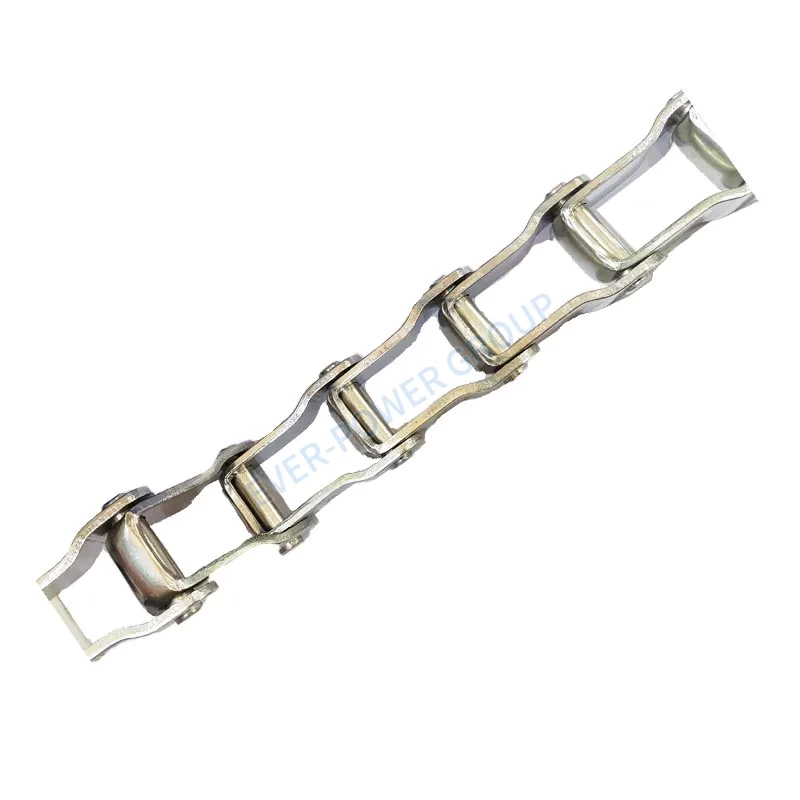
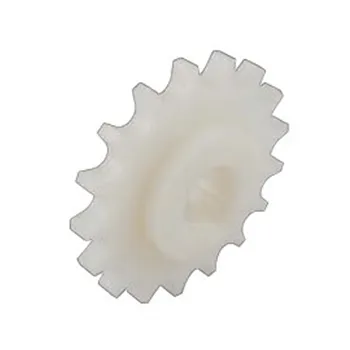
In addition to the No.100 Standard Bore Sprocket, we offer a variety of sprocket types to meet different needs:
Author: Miya
Address
Luotuo Industrial Area, Zhenhai District, Ningbo City, China
Tel

 Raydafon