Raydafon Technology Group Co.,Limited
Products
Products
No.160 Standard Bore Sprocket
  • No.160 Standard Bore SprocketNo.160 Standard Bore Sprocket

No.160 Standard Bore Sprocket

Discover the Raydafon Group No.160 Standard Bore Sprocket: a durable, high-precision component engineered for smooth power transmission in industrial machinery. Crafted from premium materials for longevity and enhanced performance, it’s the ideal choice for engineers and manufacturers seeking reliability in demanding applications. Experience seamless operation and reduced downtime—elevate your equipment with this standout sprocket that combines quality and innovation.
No.160 Standard Bore Sprocket

No.160 Standard Bore Sprocket

Introduction to Standard Bore Sprocket

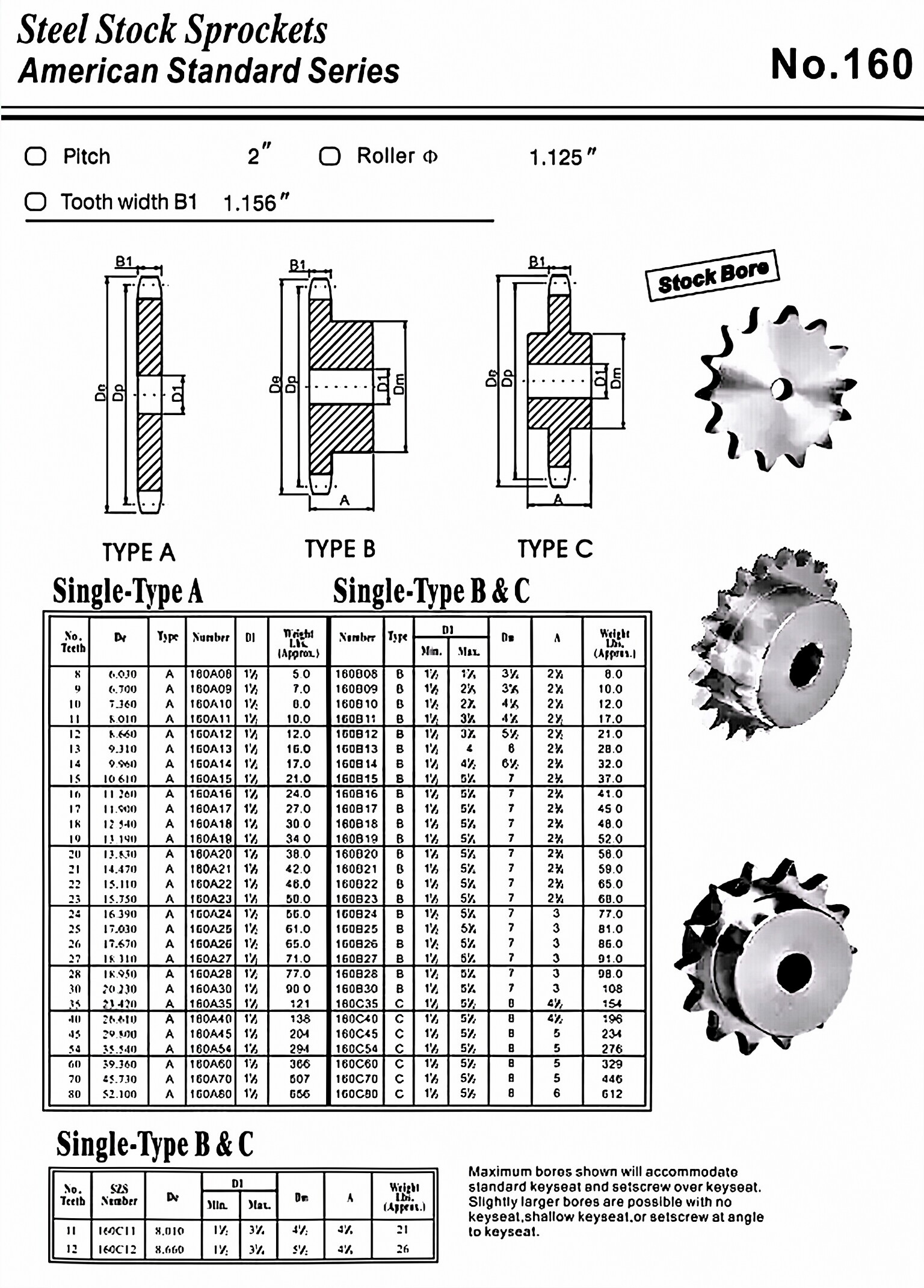
A standard bore sprocket is a mechanical device used in various industries to transmit motion between two shafts using a roller chain. It consists of a circular disc with evenly spaced teeth, which engage with the links of the roller chain. This allows for efficient power transmission and smooth operation.
No.160 Standard Bore Sprocket

Key Factors for Customizing Sprockets

  1. Material: Sprockets can be made from high carbon steel, alloy steel, or stainless steel, depending on the application requirements.
  2. Tooth Profile: The shape of the teeth on the sprocket determines the engagement and smooth operation of the roller chain.
  3. Number of Teeth: The number of teeth on the sprocket affects the speed ratio and torque transmission.
  4. Dimensions: Sprockets come in various sizes, and the dimensions need to be carefully chosen based on the intended application.
  5. Bore Size: The central hole of the sprocket needs to match the shaft diameter for proper installation and alignment.
  6. Keyway: The keyway allows for secure attachment to the shaft and prevents rotation.
  7. Surface Treatment: Sprockets are often subjected to surface treatments such as rust prevention to enhance durability and performance.

Materials and Manufacturing Processes

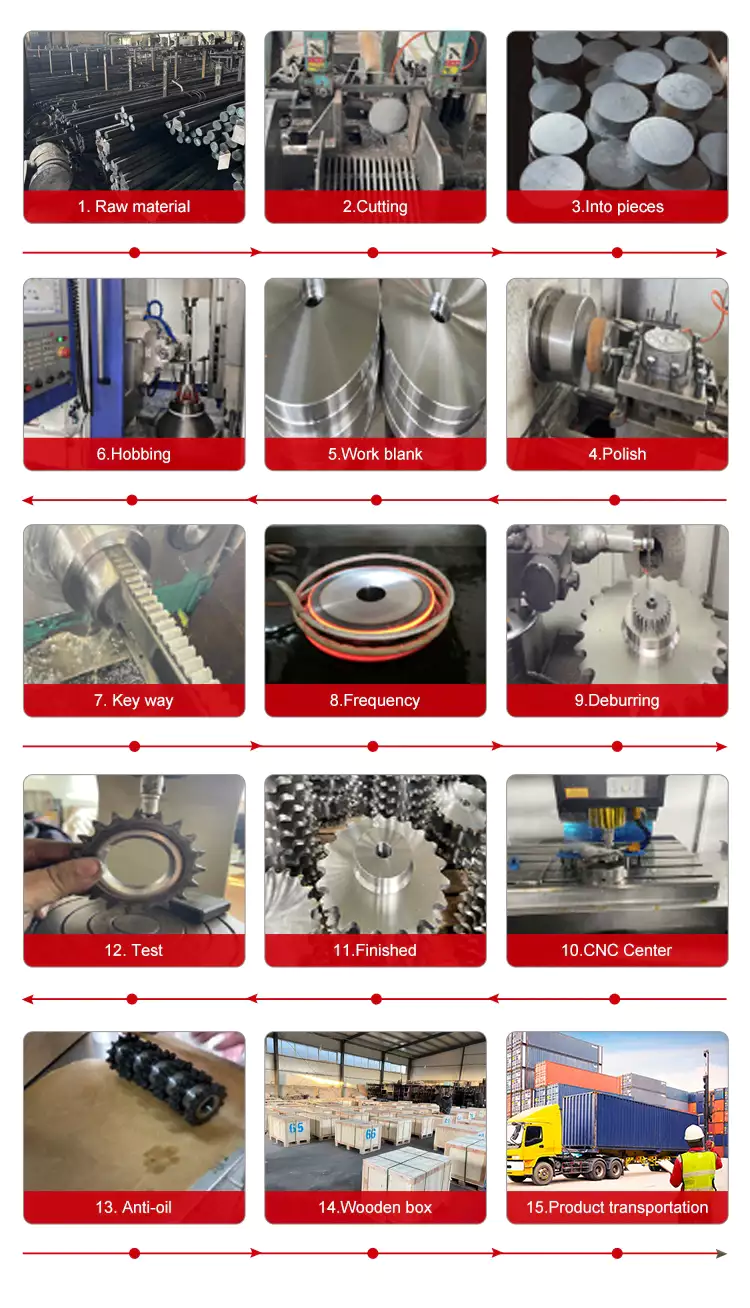
  1. Materials: Our sprockets are made from high carbon steel, alloy steel, or stainless steel, chosen based on the specific application requirements.
  2. Manufacturing Process: The production process involves material selection, cutting, stamping or forging, machining operations such as turning, milling, and drilling, heat treatment for hardening and tempering, surface treatment for rust prevention, and quality inspection to ensure product reliability.

Applications

  • Heavy Machinery and Equipment: Sprockets are widely used in industries such as construction, mining, and agriculture for power transmission in heavy-duty applications.
  • Food Processing and Packaging: Sprockets play a crucial role in conveying systems in the food industry to ensure efficient production and packaging processes.
  • Chemical and Pharmaceutical: The chemical and pharmaceutical industries utilize sprockets in various equipment for smooth and reliable operation.
  • Assembly Lines: Sprockets are essential components in assembly line systems, enabling the movement of products along the production process.
  • Logistics and Warehousing: Sprockets are used in material handling equipment, conveyor systems, and storage systems for efficient transportation and storage of goods.
No.160 Standard Bore Sprocket

Maintenance and Troubleshooting

  1. Daily Inspection: Regularly check the sprocket for wear, damage, or misalignment.
  2. Cleaning: Keep the sprocket clean from debris and lubricant residue to maintain optimal functioning.
  3. Lubrication: Apply appropriate lubrication to reduce friction and extend the sprocket's lifespan.
  4. Adjustment and Calibration: Periodically adjust the tension of the roller chain and ensure proper alignment with the sprocket.

Common Problems and Solutions

  • Skipping Teeth: Check for worn-out teeth on the sprocket or insufficient tension in the roller chain. Replace the sprocket or adjust the tension accordingly.
  • Breakage: Examine the sprocket for signs of fatigue or overload. Replace the sprocket with a suitable one for the application.
  • Wear: If the sprocket shows signs of significant wear, it may affect the chain's engagement. Replace the sprocket if necessary.
  • Excessive Noise: Abnormal noise may indicate misalignment or improper lubrication. Inspect and correct the issue accordingly.
  • Chain Slack: If the chain keeps slipping off the sprocket, it might be due to inadequate tension. Adjust the tension or replace the chain if needed.

Other Types of Sprockets

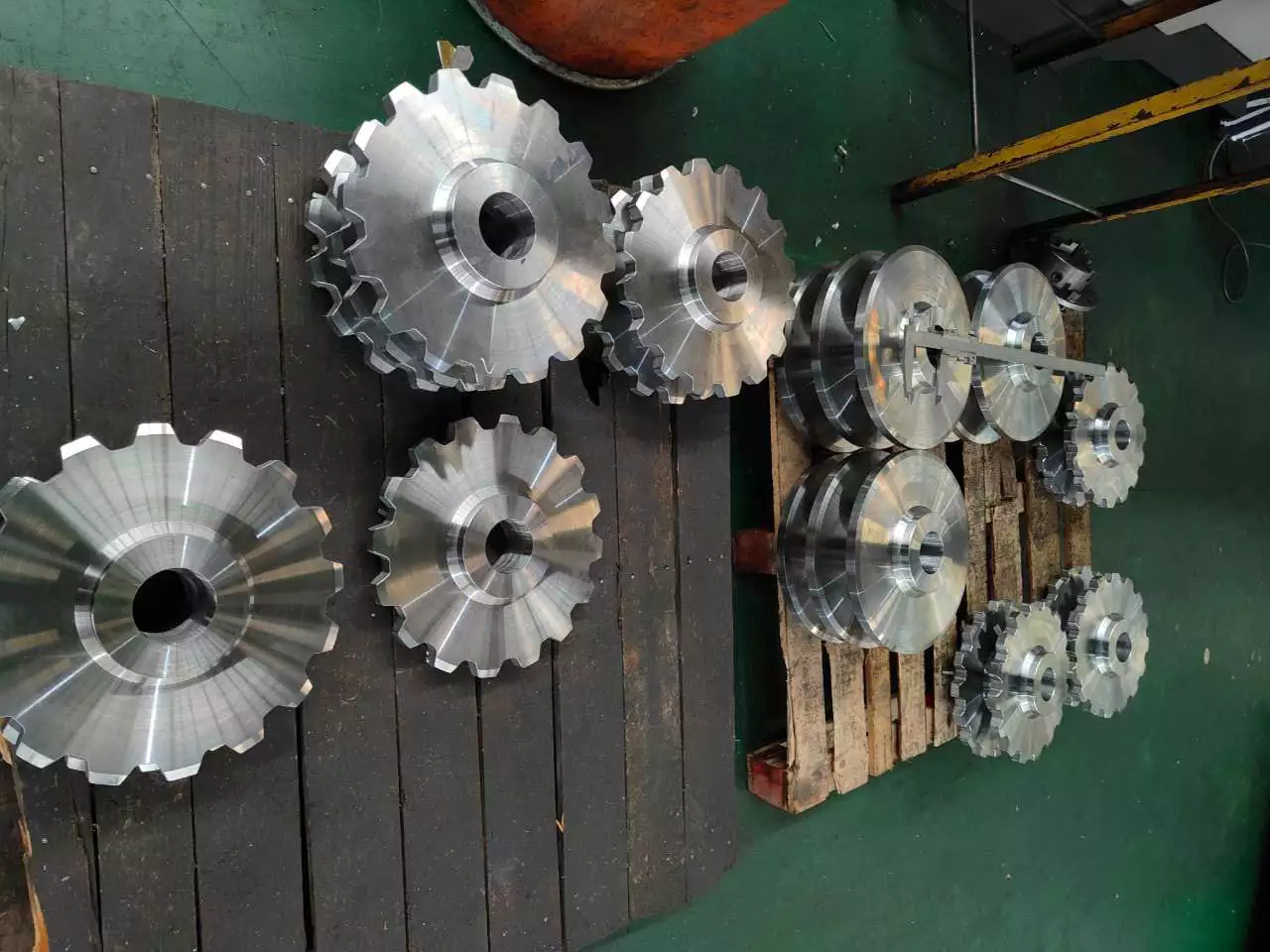
In addition to the No.160 Standard Bore Sprocket, we also offer various other types of sprockets, including platewheel sprockets, idler sprockets, QD sprockets, and taper lock sprockets. These sprockets are designed to meet different application requirements and can be paired with compatible roller chains.
No.160 Standard Bore Sprocket

Author: Miya

Hot Tags: Standard Bore Sprocket, No.160 Sprocket Manufacturer, Custom Sprocket Wholesale
Send Inquiry
Contact Info
Get customized quotes for transmission components, gearboxes, and machinery. Our engineers will respond within 24 hours.
Online
X
We use cookies to offer you a better browsing experience, analyze site traffic and personalize content. By using this site, you agree to our use of cookies. Privacy Policy
Reject Accept