Raydafon Technology Group Co.,Limited
Products
Products
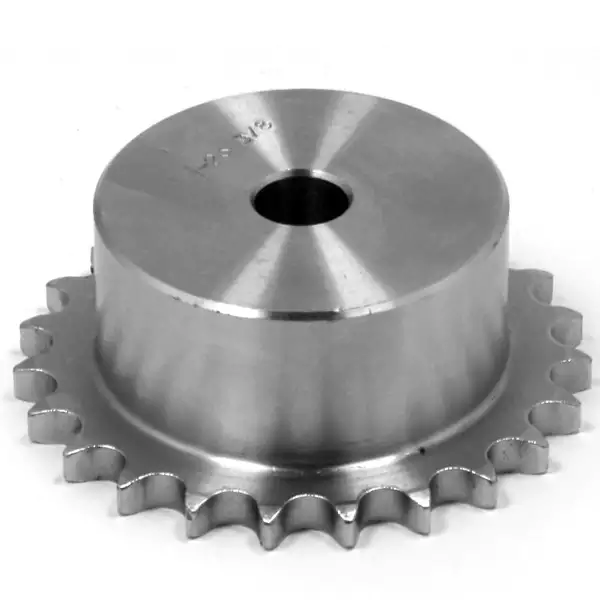
No.35-2 Standard Bore Sprocket
  • No.35-2 Standard Bore SprocketNo.35-2 Standard Bore Sprocket

No.35-2 Standard Bore Sprocket

Enhance your machinery performance with Raydafon Group's No.35-2 Standard Bore Sprocket, designed for smooth power transmission and durability. Ideal for industrial applications, its precision engineering ensures reliability and efficiency, solving alignment issues to deliver seamless operation. Experience superior quality and a perfect fit for your needs.

No.35-2 Standard Bore Sprocket

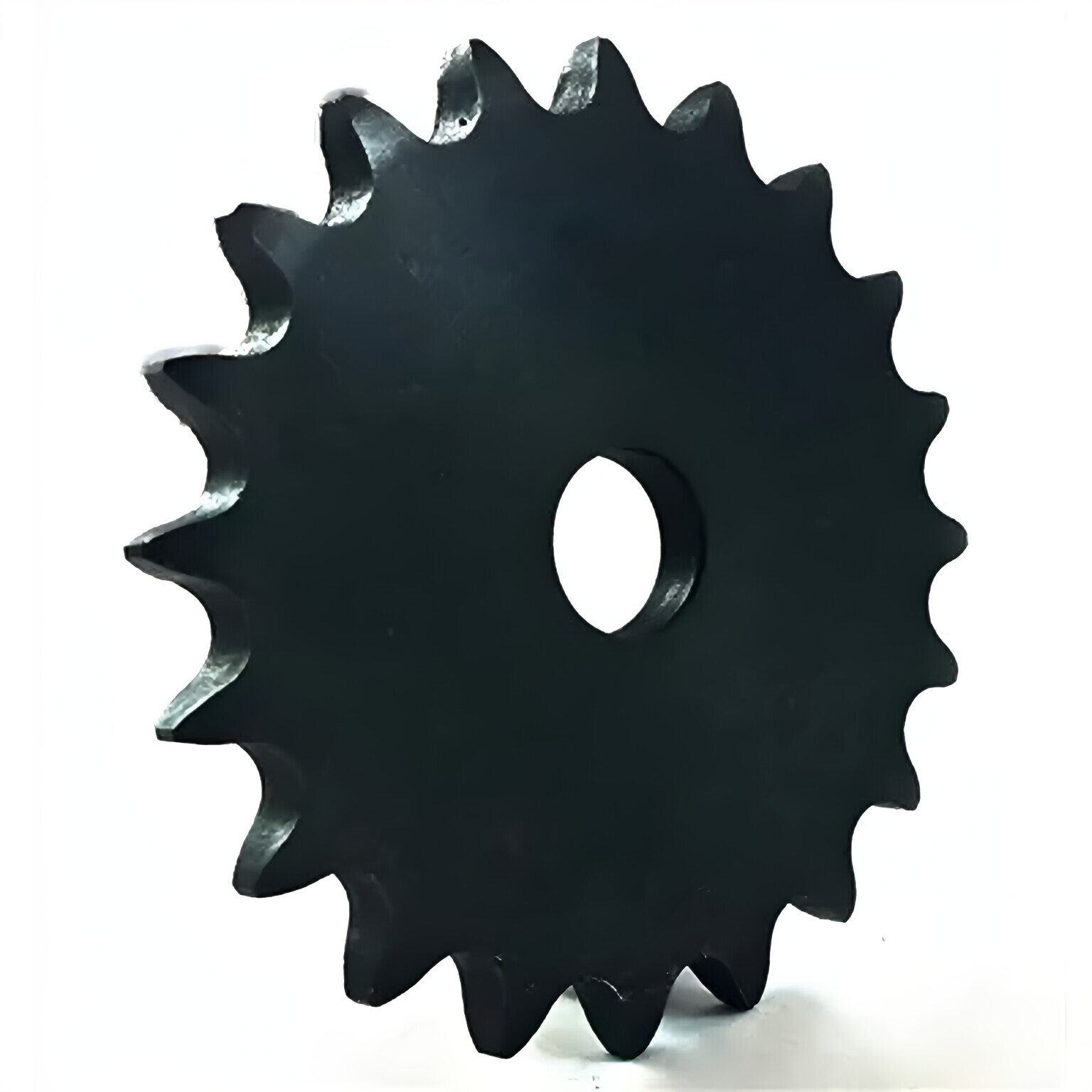
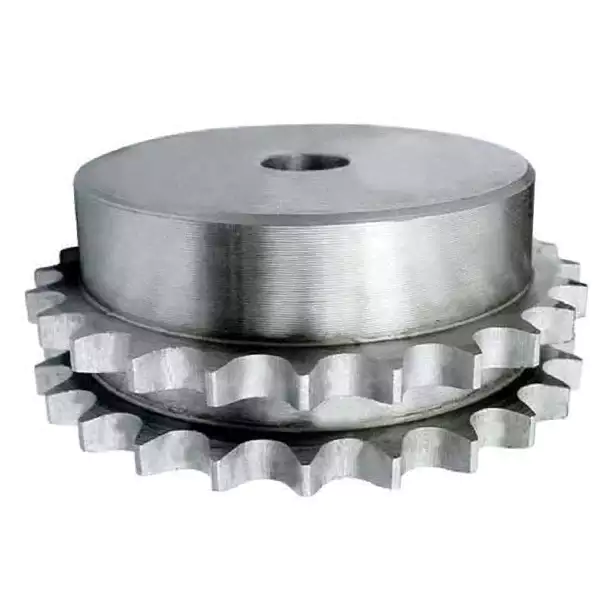
A standard bore sprocket is a type of sprocket that is used for transmitting rotary motion between two shafts where the center distance is fixed. The No.35-2 Standard Bore Sprocket is a specific type of standard bore sprocket that is commonly used in industrial machinery and equipment. It has a pitch diameter of 1.11 inches and is designed to work with No.35 roller chain.

Basic Structure of a Sprocket

A sprocket consists of two main parts: the hub and the teeth. The hub is the central part of the sprocket that fits onto the shaft. The teeth are the protrusions on the outer circumference of the sprocket that engage with the rollers on a roller chain. When power is transmitted through the chain, the sprocket rotates, causing the driven shaft to rotate as well.

Customizing a Sprocket

When customizing a sprocket, several factors need to be considered:

  • Material: Sprockets can be made from various materials such as high carbon steel, alloy steel, or stainless steel. The material chosen will depend on the application and environment in which the sprocket will be used.
  • Tooth Profile: The tooth profile is the shape of the teeth on the sprocket. The correct tooth profile will depend on the type of chain being used.
  • Number of Teeth: The number of teeth on the sprocket will depend on the desired speed ratio between the driving and driven shafts.
  • Size: The size of the sprocket will depend on the size of the chain being used and the required center distance between the driving and driven shafts.
  • Bore Size: The bore size is the diameter of the hole in the center of the sprocket that fits onto the shaft.
  • Keyway: The keyway is a slot in the bore of the sprocket that allows a key to be inserted to prevent the sprocket from slipping on the shaft.
  • Surface Treatment: The surface of the sprocket can be treated to improve its durability and resistance to corrosion. Examples of surface treatments include black oxide coating and zinc plating.

Materials and Manufacturing Processes Used in Our Sprockets

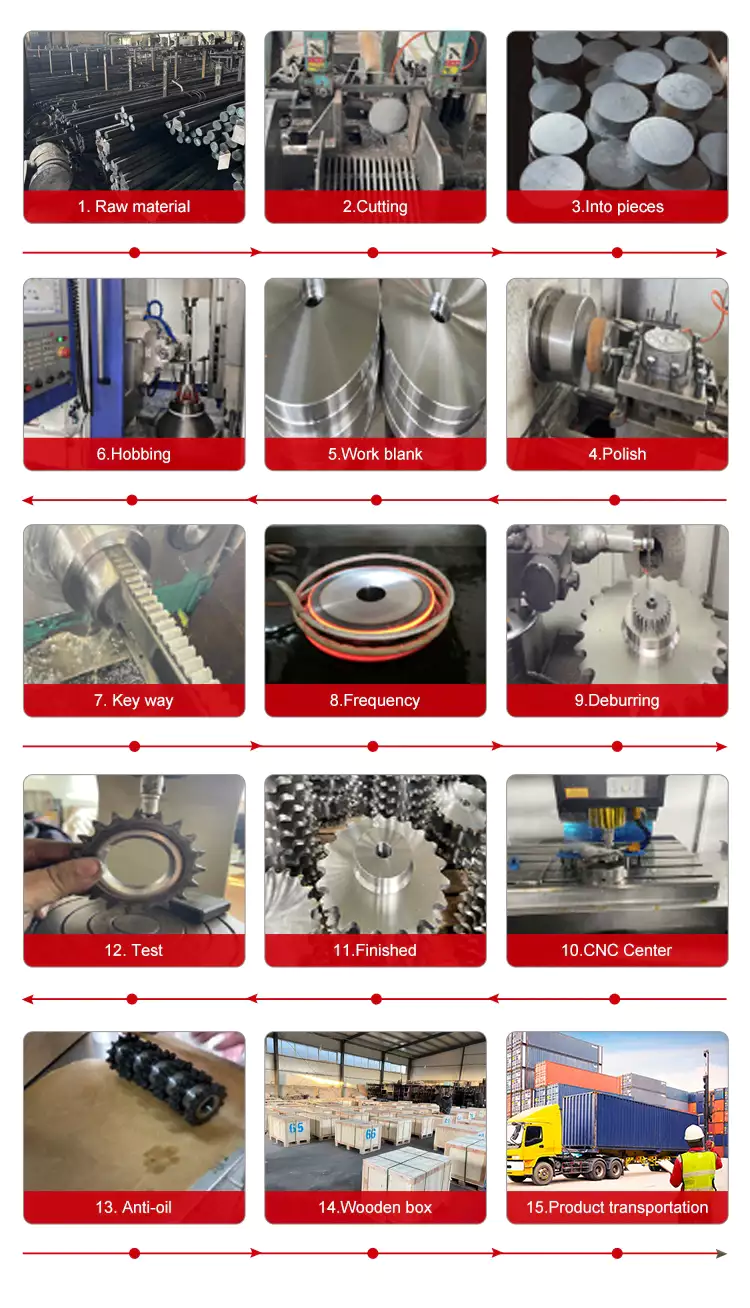
Our sprockets are made from either high carbon steel, alloy steel, or stainless steel, depending on the application. The manufacturing process involves selecting the appropriate material and then cutting, stamping, forging, or machining it into the desired shape. The sprocket is then heat-treated to improve its strength and durability before undergoing surface treatment to protect it from corrosion. Finally, the sprocket undergoes rigorous quality testing to ensure that it meets our high standards.

Applications

Our sprockets are widely used in various industries, including:
  • Heavy Machinery and Equipment: Sprockets are commonly used in construction equipment, mining machinery, and agricultural machinery.
  • Food Processing and Packaging: Sprockets are used in conveyor systems for processing and packaging food products.
  • Chemical and Pharmaceutical: Sprockets are used in pumps, mixers, and other equipment used in the chemical and pharmaceutical industries.
  • Assembly Lines: Sprockets are used in assembly lines for manufacturing various products.
  • Logistics and Warehousing: Sprockets are used in conveyor systems for moving products in warehouses and distribution centers.

No.35-2 Standard Bore Sprocket

Maintenance and Troubleshooting

Maintaining and troubleshooting a sprocket is essential to ensure its long-term performance and reliability. Here are some tips:

  • Daily Inspection: Regularly inspect the sprocket for any signs of wear or damage.
  • Cleaning: Clean the sprocket regularly to remove any dirt or debris that could cause it to wear more quickly.
  • Lubrication: Apply lubrication to the sprocket to reduce friction and prevent wear.
  • Adjustment and Calibration: Ensure that the sprocket is correctly aligned and calibrated to prevent premature wear.
  • Common Problems and Solutions: Some common problems with sprockets include jumping teeth, cracking, excessive wear, noise, and chain slipping. The solutions to these problems will depend on the specific cause, but may include adjusting the alignment, replacing the sprocket, or replacing the chain.

Other Types of Sprockets

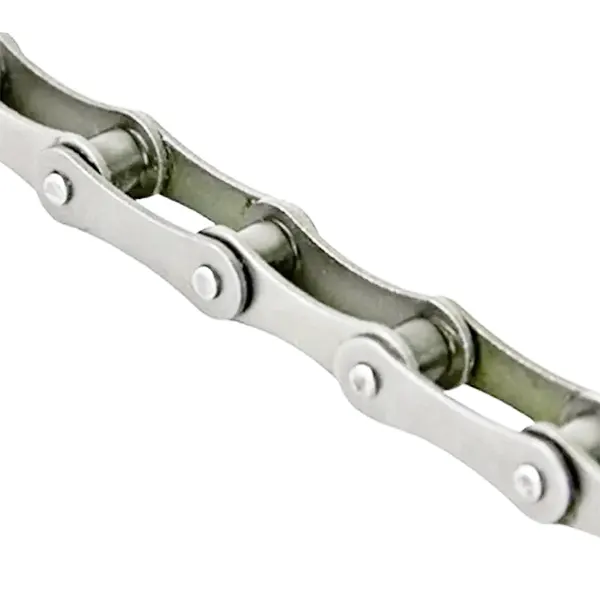
In addition to the No.35-2 Standard Bore Sprocket, we also offer other types of sprockets, including platewheel sprockets, idler sprockets, QD sprockets, and taper lock sprockets. We also offer a wide range of chains that are designed to work with our sprockets.

No.35-2 Standard Bore Sprocket

Author: Miya

Hot Tags: Standard Bore Sprocket Manufacturer, No.35-2 Sprocket Supplier, Industrial Sprocket Wholesale
Send Inquiry
Contact Info
Get customized quotes for transmission components, gearboxes, and machinery. Our engineers will respond within 24 hours.
Online
X
We use cookies to offer you a better browsing experience, analyze site traffic and personalize content. By using this site, you agree to our use of cookies. Privacy Policy
Reject Accept