
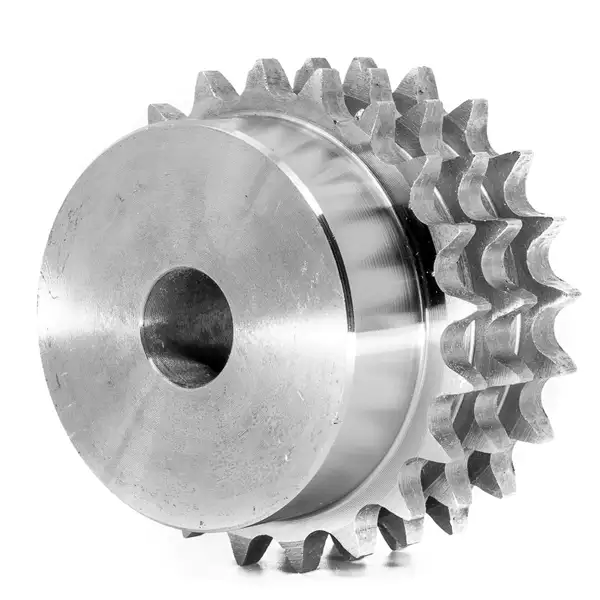
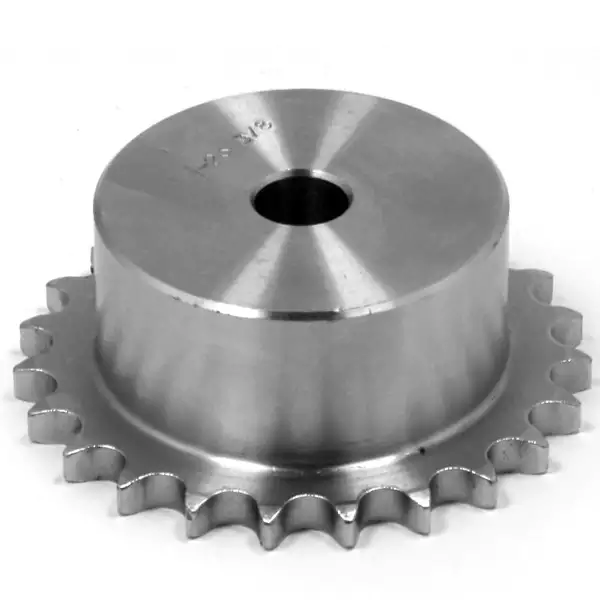
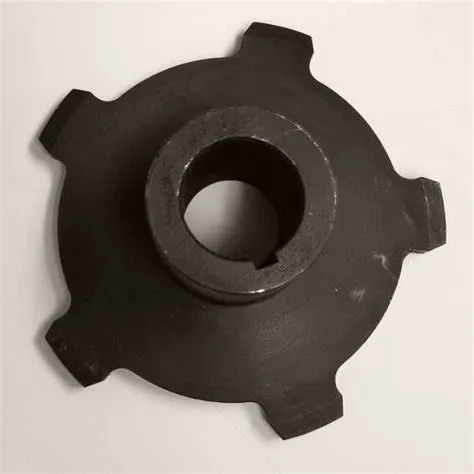
A standard bore sprocket is a type of sprocket that has a pre-drilled hole to fit onto a specific shaft size. No.50-3 Standard Bore Sprocket is a specific type of standard bore sprocket that is 50 chain size and has 3 teeth. This sprocket is commonly used in industrial machinery and equipment.
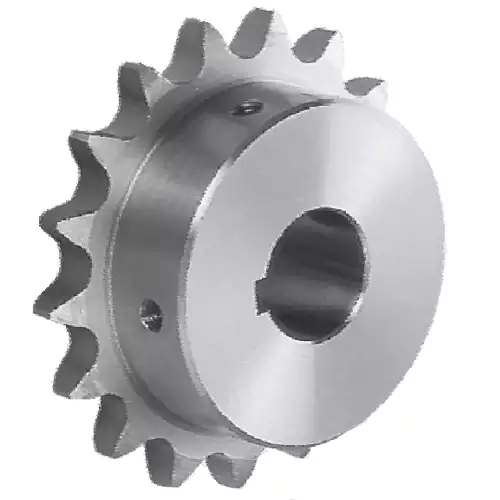
A sprocket is a wheel with teeth that mesh with a chain or track. The basic structure of a sprocket consists of a hub, teeth, and a bore. The bore is the center hole of the sprocket and is used to mount the sprocket onto a shaft. The teeth are the protruding parts of the sprocket and are used to engage with a chain. The hub is the central part of the sprocket that connects the bore and the teeth.
When ordering a customized sprocket, there are several factors that need to be considered, including material, tooth shape, number of teeth, dimensions, bore size, keyway, and surface treatment. Each of these factors will affect the performance and durability of the sprocket.
The material used for sprockets can vary depending on the application and environment. Common materials include high carbon steel, alloy steel, and stainless steel. High carbon steel is a strong and durable material that is suitable for heavy-duty applications. Alloy steel is a material that has been mixed with other elements to improve its strength and durability. Stainless steel is a corrosion-resistant material that is suitable for applications where hygiene is important.
The manufacturing process for sprockets typically involves material selection, cutting, stamping or forging, machining, heat treatment, surface hardening, surface treatment, and quality inspection. The process of material selection involves choosing the appropriate material based on the application and environment. Cutting involves cutting the raw material into the desired shape. Stamping or forging is used to create the teeth and hub of the sprocket. Machining is used to refine the dimensions of the sprocket. Heat treatment is used to improve the strength and durability of the sprocket. Surface hardening is used to increase the wear resistance of the sprocket. Surface treatment is used to improve the appearance and corrosion resistance of the sprocket. Quality inspection is used to ensure that the sprocket meets the required specifications.
No.50-3 Standard Bore Sprocket is commonly used in heavy machinery and equipment, food processing and packaging, chemical and pharmaceutical industries, assembly lines, logistics, and warehousing. It is suitable for applications that require high shock resistance and heavy loads.
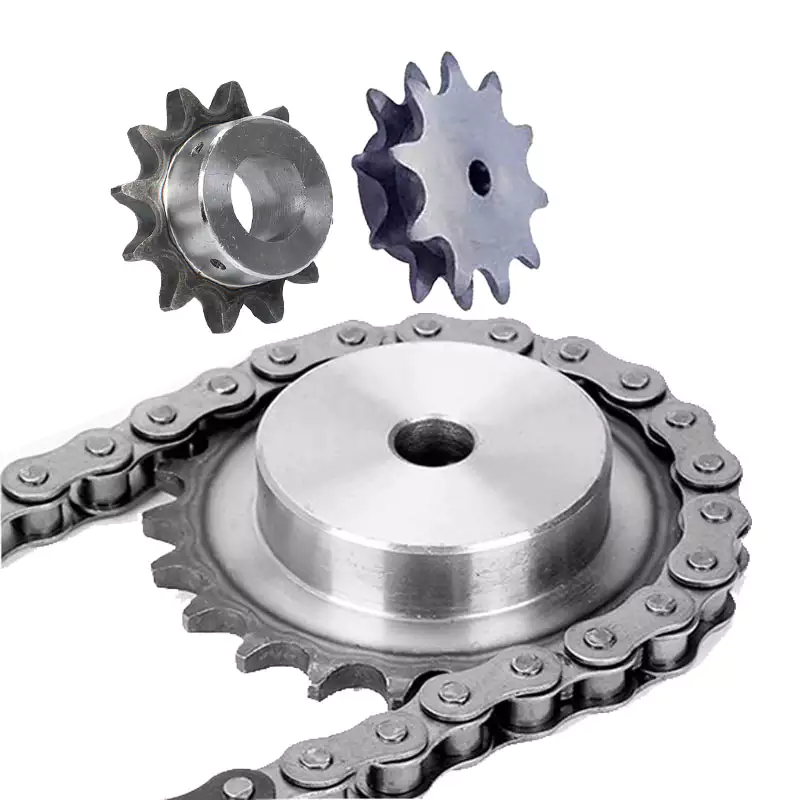
To ensure the longevity and performance of a sprocket, regular maintenance is required. The maintenance process includes daily inspection, cleaning, lubrication, adjustment, and calibration. Daily inspection involves checking the teeth and hub for signs of wear and damage. Cleaning involves removing dirt, debris, and other contaminants from the sprocket. Lubrication involves applying a suitable lubricant to the sprocket to reduce friction and wear. Adjustment involves ensuring that the sprocket is properly aligned and tensioned. Calibration involves measuring and adjusting the sprocket's dimensions to ensure that it is within the required specifications.
Common problems that can occur with sprockets include skipped teeth, breakage, wear, excessive noise, and chain detachment. Solutions to these problems include adjusting the tension and alignment of the sprocket, replacing damaged or worn parts, and cleaning and lubricating the sprocket and chain.
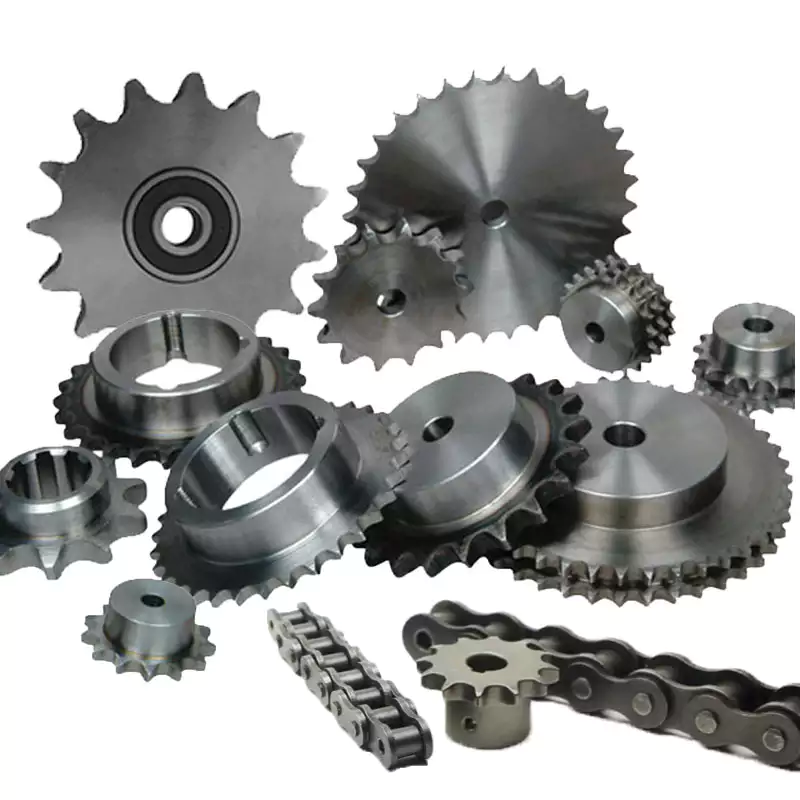
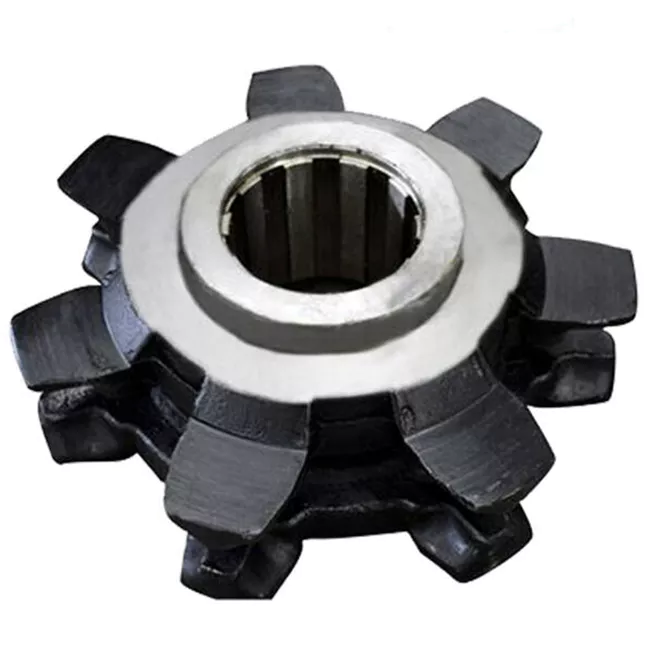
In addition to No.50-3 Standard Bore Sprocket, we also provide other types of sprockets, including platewheel sprocket, idler sprocket, QD sprocket, taper lock sprocket, and others. These sprockets are designed for specific applications and environments. We also provide matching chains for our sprockets.
Author: Miya
Address
Luotuo Industrial Area, Zhenhai District, Ningbo City, China
Tel

 Raydafon