Raydafon Technology Group Co.,Limited
Products
Products
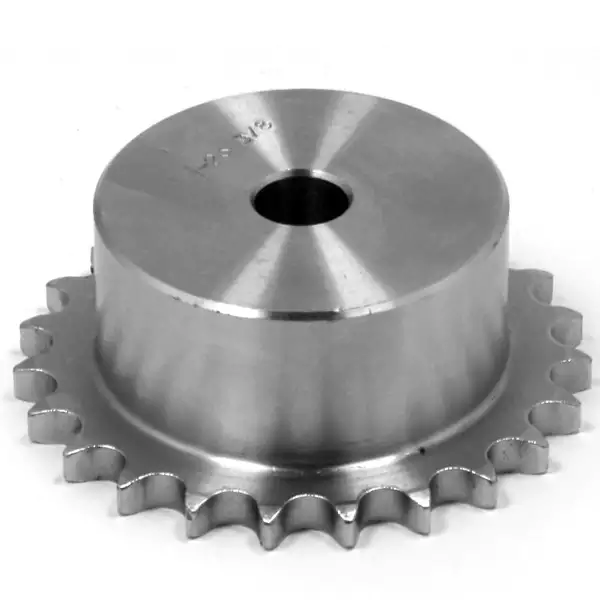
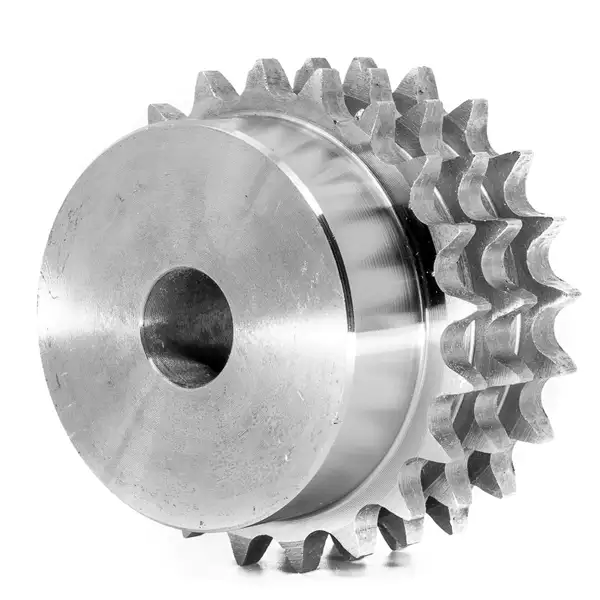
No.80-3 Standard Bore Sprocket
  • No.80-3 Standard Bore SprocketNo.80-3 Standard Bore Sprocket

No.80-3 Standard Bore Sprocket

Upgrade your machinery with the Raydafon Group No.80-3 Standard Bore Sprocket, a durable, precision-engineered component designed for efficient power transmission. Its robust steel construction ensures long-lasting performance, ideal for industrial applications requiring reliable motion control. Solve common wear and alignment issues, boosting productivity and reducing downtime for a smoother operational experience. Compared to alternatives, its superior quality and compatibility make it the smart choice. Invest in excellence and enhance your system's reliability with Raydafon Group.

No.80-3 Standard Bore Sprocket

A standard bore sprocket is a key component in power transmission systems. It is designed to mesh with a roller chain, which transfers power and motion between two points. The No.80-3 Standard Bore Sprocket is a popular choice due to its durable design and ability to handle high loads. Below is a selection table for the No.80-3 Standard Bore Sprocket.
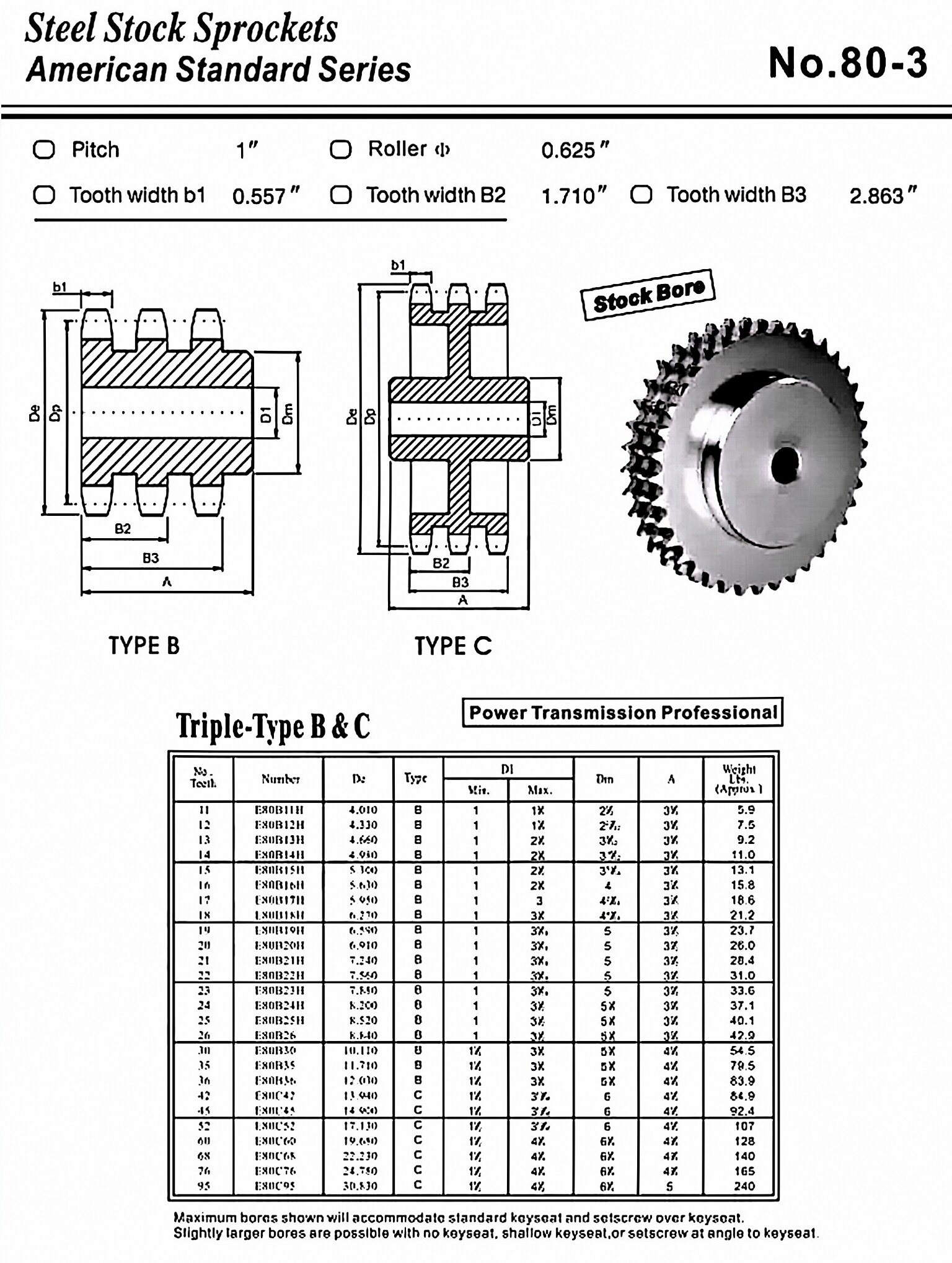
No.80-3 Standard Bore Sprocket

Basic Structure of Sprockets

A sprocket is made up of teeth, a bore, and a hub. The teeth are designed to mesh with the chain, while the bore is used to mount the sprocket on a shaft. The hub connects the teeth and the bore together. When selecting a custom sprocket, the following factors need to be considered:

  • Material: Typically made from high carbon steel, alloy steel or stainless steel.
  • Tooth Profile: The shape of the teeth, which is determined by the chain type.
  • Number of Teeth: The number of teeth on the sprocket, which determines the gear ratio.
  • Size: The diameter of the sprocket, which is determined by the chain pitch.
  • Bore: The size and shape of the hole in the center of the sprocket.
  • Keyway: The slot used to secure the sprocket to a shaft.
  • Surface Treatment: The surface treatment applied to the sprocket for protection against corrosion.

Materials and Processes

Our sprockets are made from high carbon steel, alloy steel, or stainless steel. Various processes are used in the production of our sprockets:

  • Material Selection: We use only high-quality materials for our sprockets to ensure durability and reliability.
  • Cutting: We cut the raw material to the desired shape and size.
  • Stamping and Forging: We use stamping and forging processes to form the teeth and hub of the sprocket.
  • Machining: We use various machines to finish the sprocket, including lathes, mills, drills, and grinders.
  • Heat Treatment: We use heat treatment processes such as quenching and tempering to improve the hardness and strength of the sprocket.
  • Surface Treatment: We apply various surface treatments such as black oxide, zinc plating, and chrome plating to protect the sprocket from corrosion.
  • Quality Control: We conduct strict quality control measures to ensure that the sprocket meets or exceeds industry standards.

Applications

The No.80-3 Standard Bore Sprocket can be used in a variety of applications, including but not limited to:
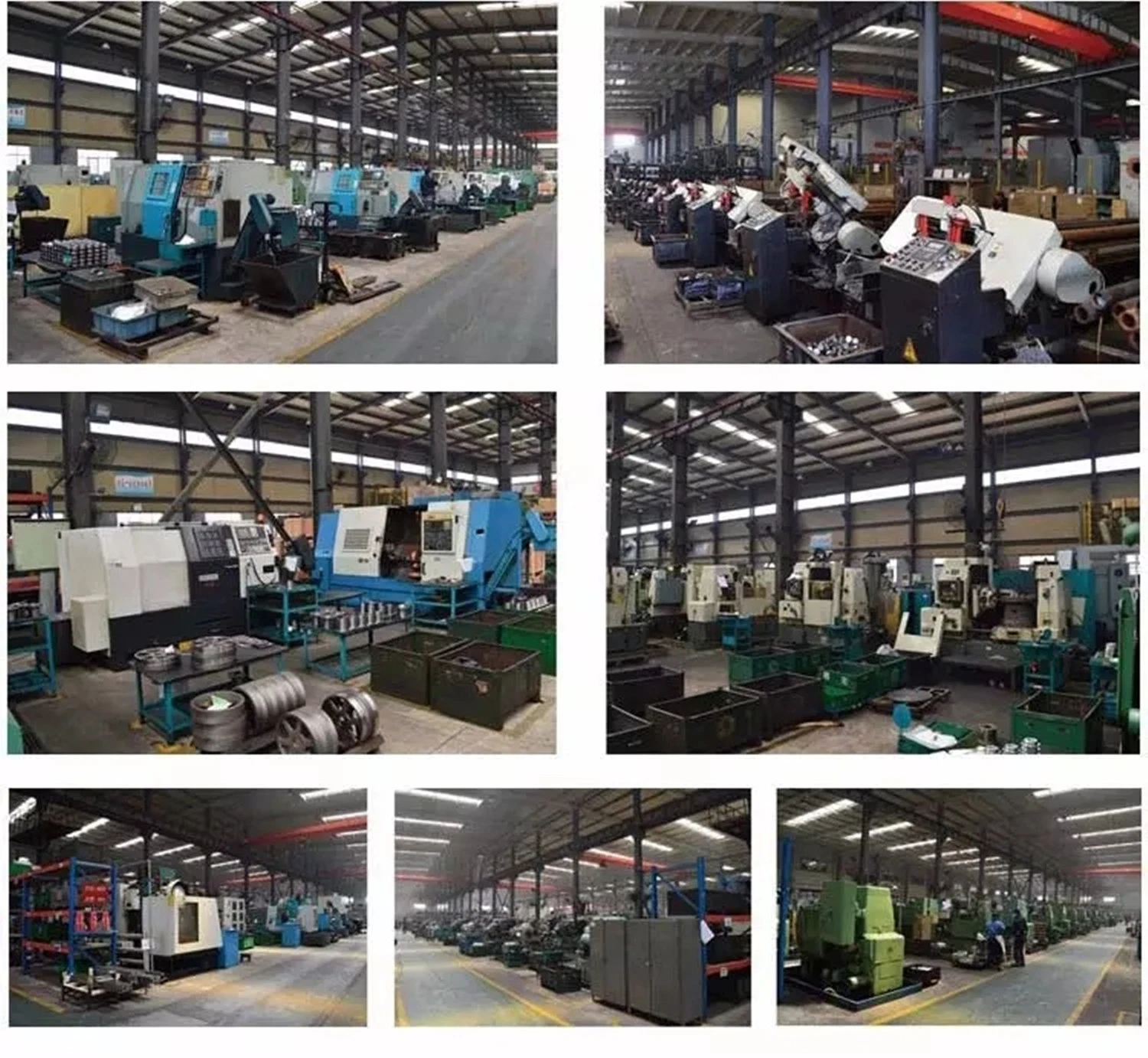
  • Heavy Machinery and Equipment: Our sprockets are designed to handle high loads and are commonly used in heavy machinery such as excavators, cranes, and bulldozers.
  • Food Processing and Packaging: Our stainless steel sprockets are ideal for use in the food processing and packaging industry due to their resistance to corrosion and ability to withstand high temperatures.
  • Chemical and Pharmaceutical: Our sprockets are commonly used in chemical and pharmaceutical manufacturing equipment due to their durability and corrosion resistance.
  • Assembly Lines: Our sprockets are used in assembly line machines to transfer power and motion between components.
  • Logistics and Warehousing: Our sprockets are used in conveyor systems to transport goods in warehouses and distribution centers.
No.80-3 Standard Bore Sprocket

Maintenance and Troubleshooting

To ensure the longevity and reliability of your sprocket, it is important to conduct regular maintenance. Here are some tips:

  • Daily Inspection: Check the sprocket for any damage, wear, or misalignment.
  • Cleaning: Remove any dirt or debris from the sprocket using a brush or compressed air.
  • Lubrication: Apply a suitable lubricant to the sprocket to reduce friction and wear.
  • Adjustment and Calibration: Check the tension of the chain and adjust it if necessary. Also, ensure that the sprocket is properly aligned.

Common problems with sprockets include:

  • Skipping Teeth: This can be caused by worn or misaligned teeth or a loose chain.
  • Breakage: This can be caused by fatigue or overload.
  • Wear: This is a natural process due to the friction between the sprocket and the chain.
  • Noise: This can be caused by misalignment or worn teeth.
  • Chain Slippage: This can be caused by a loose or worn chain.

If you encounter any of these problems, it is important to address them promptly to prevent further damage. Solutions may include replacing the sprocket or chain, adjusting the tension, or realigning the sprocket.

Other Types of Sprockets

In addition to the No.80-3 Standard Bore Sprocket, we also offer other types of sprockets, including:
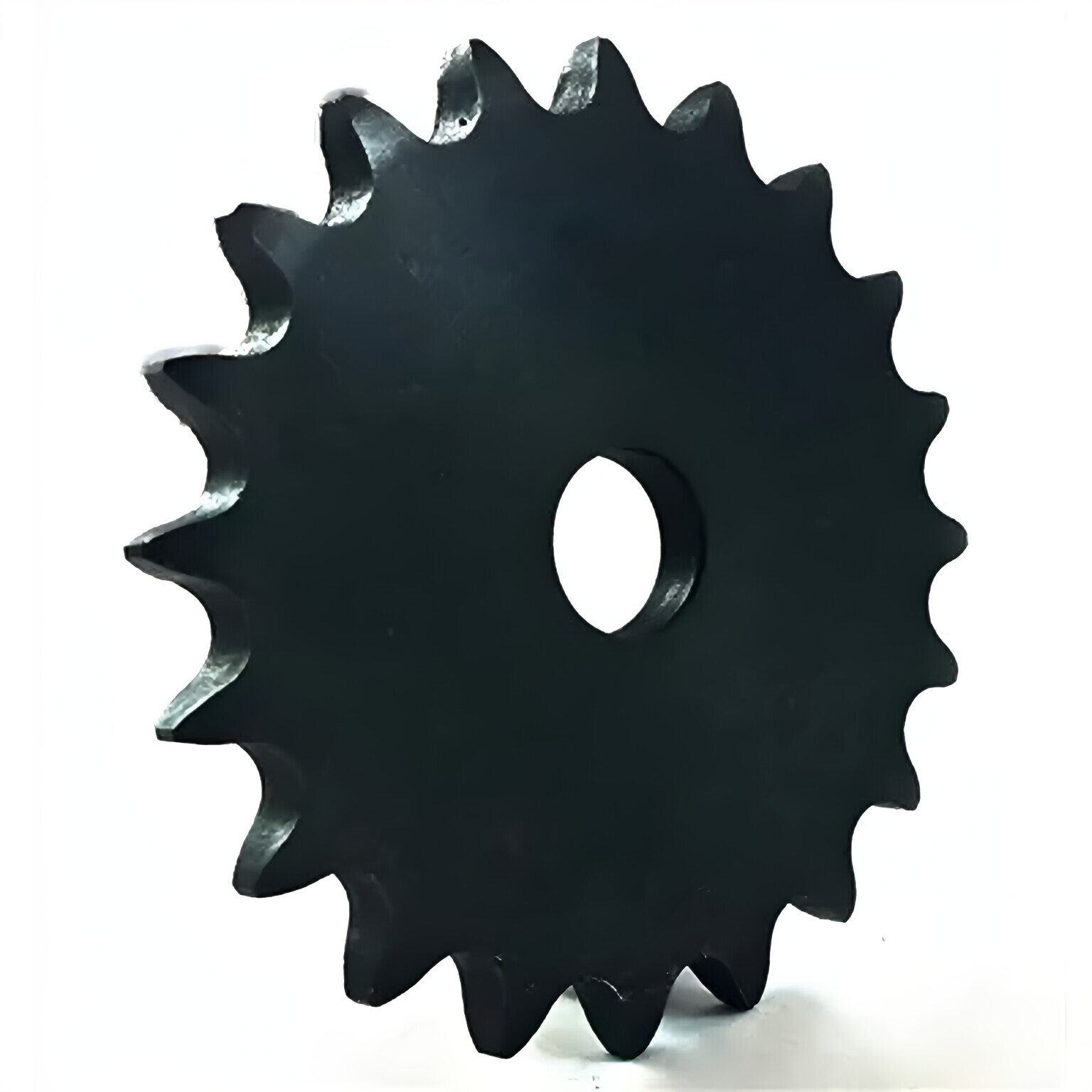
  • Platewheel Sprocket: Designed to be used in conveyor systems, these sprockets have a flat plate instead of a hub.
  • Idler Sprocket: Used to maintain tension in the chain and reduce wear on the sprocket teeth.
  • QD Sprocket: Designed to be quickly and easily mounted on a shaft using a bushing.
  • Taper Lock Sprocket: Designed to be mounted on a tapered shaft using a locking mechanism.
No.80-3 Standard Bore Sprocket

Thank you for reading!

Author: Miya

Hot Tags: No.80-3 Standard Bore Sprocket, Sprocket Bore Manufacturer, Standard Sprocket Supplier
Send Inquiry
Contact Info
Get customized quotes for transmission components, gearboxes, and machinery. Our engineers will respond within 24 hours.
Online
X
We use cookies to offer you a better browsing experience, analyze site traffic and personalize content. By using this site, you agree to our use of cookies. Privacy Policy
Reject Accept