
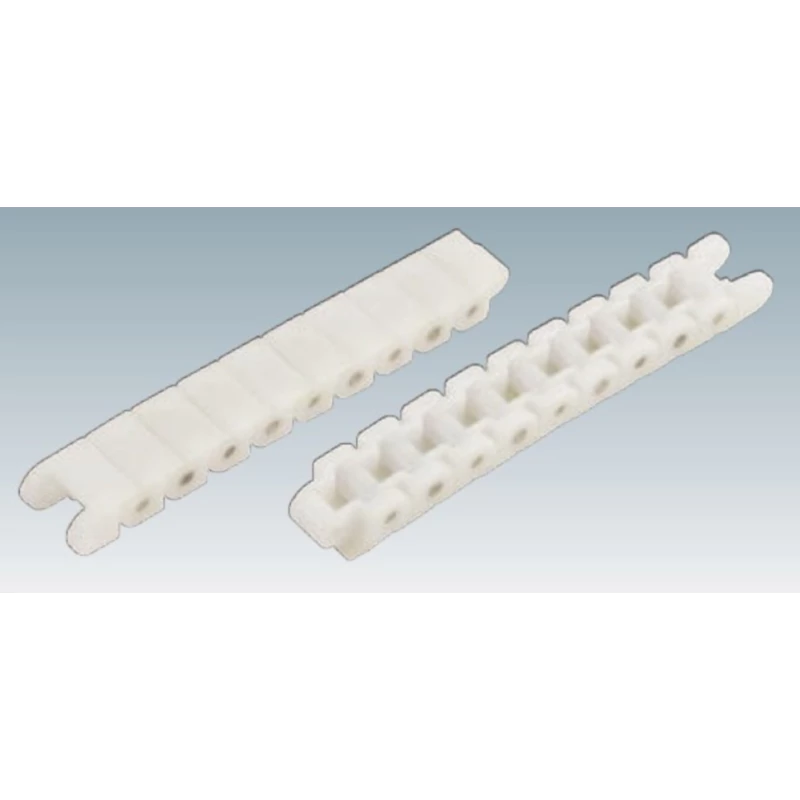
Plastic conveyor chains are specialized chains made from engineering plastics such as polyethylene (PE), polypropylene (PP), acetal (POM), or polyamide (PA). They are designed specifically for use in conveyor systems, where they facilitate the movement of materials or products along a production line.
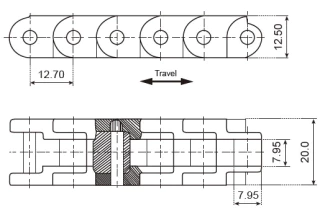
Plastic conveyor chains offer several advantages over traditional metal chains. They are lightweight, corrosion-resistant, and have low friction characteristics, resulting in smoother operation, reduced energy consumption, and less wear on components. They are also resistant to chemicals and can withstand wet or humid environments.
These chains have a flat surface with raised edges, allowing them to transport products on a flat or inclined conveyor surface. They are commonly used in industries such as food and beverage, packaging, and pharmaceuticals.
Modular chains consist of individual modules or links that can be easily replaced, reconfigured, or extended. They offer flexibility in design and maintenance, making them suitable for applications where frequent modifications or repairs are required.
Side-flexing chains are designed to navigate curved conveyor paths, allowing for smooth product flow around corners or bends. They are commonly used in industries such as bottling, packaging, and automotive assembly.
Magnetic chains incorporate magnets into their design, enabling them to be used in applications where magnetic properties are required. They are used in magnetic conveyors or separation systems for handling ferrous materials.

Plastic conveyor chains have found wide applications in industries such as food and beverage, packaging, automotive, electronics, pharmaceuticals, and more. Their lightweight, corrosion-resistant, and low-friction characteristics make them a popular choice for efficient and reliable material handling in conveyor systems.
Food and Beverage: Used in various stages of production, from raw materials handling to packaging and distribution.
Packaging: Used in packaging lines for handling products such as bottles, cans, and boxes.
Automotive: Used in assembly lines for handling components such as engines and transmissions.
Electronics: Used in clean room environments to transport delicate electronic components.
Pharmaceuticals: Used in production and packaging processes for drugs and medical devices.
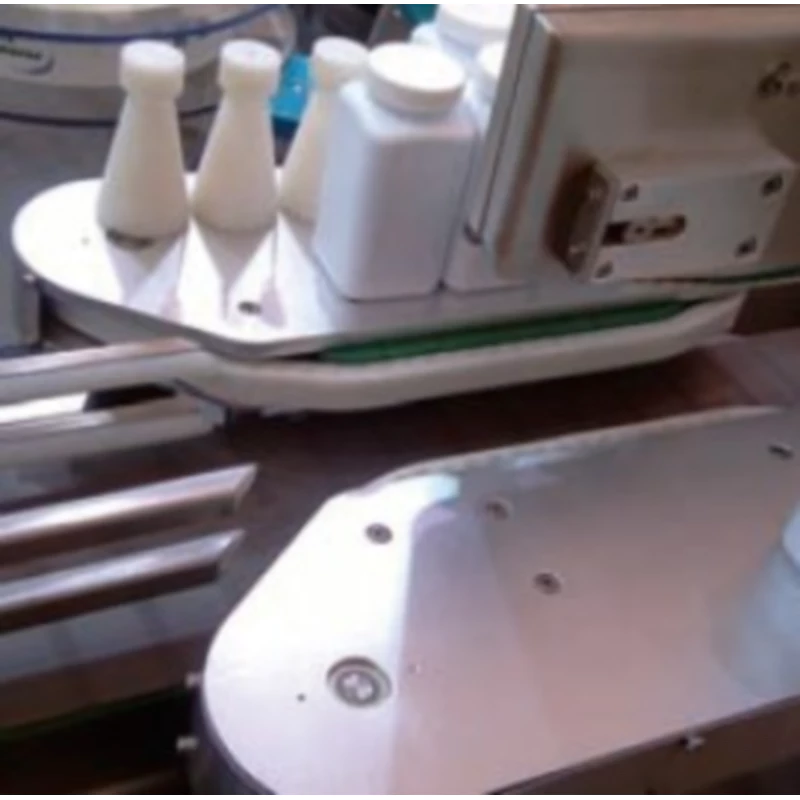
When selecting plastic conveyor chains, it is important to consider factors such as load capacity, speed requirements, operating environment, and specific application needs. Manufacturers provide specifications and guidelines for their chains, including load ratings, temperature limits, and recommended maintenance procedures.
Proper installation and maintenance of plastic conveyor chains are essential to ensure their optimal performance and longevity. This includes proper alignment of sprockets, tensioning of the chains, regular inspection for wear or damage, and cleaning to remove debris or contaminants.
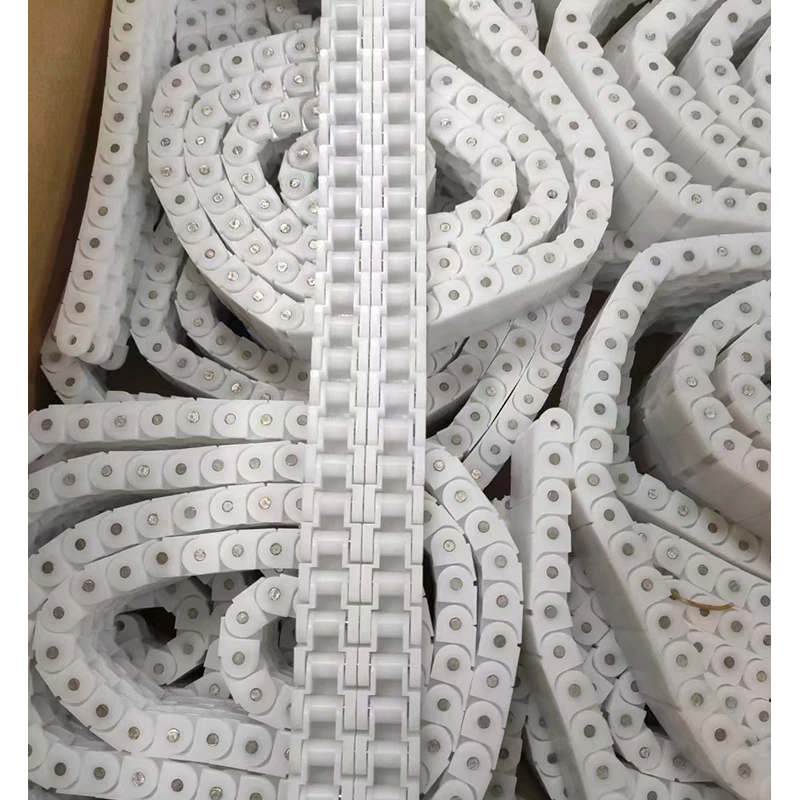
Over time, the plastic conveyor chain may experience wear due to friction and load. This can cause chain elongation and affect its performance.
Solution: Regularly monitor the chain wear and replace the worn-out sections or the entire chain if necessary. Lubrication can also help reduce wear.
Excessive loads or sudden impacts can lead to chain breakage, disrupting the conveyor system's operation.
Solution: Ensure that the conveyor chain is suitable for the intended load capacity. Regularly inspect the chain for any signs of damage or fatigue and replace it if needed.
Improper installation or external factors can cause the chain to become misaligned, leading to uneven movement or jamming.
Solution: Check the alignment of the chain regularly and adjust it as needed. Ensure that the sprockets, guides, and other components are properly aligned and in good condition.
Dust, debris, or product residues may accumulate on the chain, affecting its performance and causing potential hygiene issues.
Solution: Implement regular cleaning and maintenance procedures to remove any contaminants from the chain. Use appropriate cleaning agents and methods that are compatible with the plastic material.
The movement of the conveyor chain can generate noise, which can be disruptive in certain environments.
Solution: Apply suitable noise-reducing measures such as using noise-absorbing materials, adjusting the tension of the chain, or installing noise-dampening components.
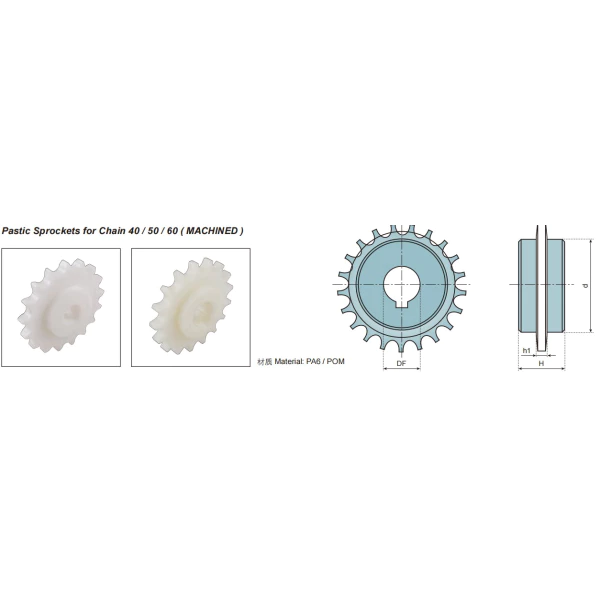
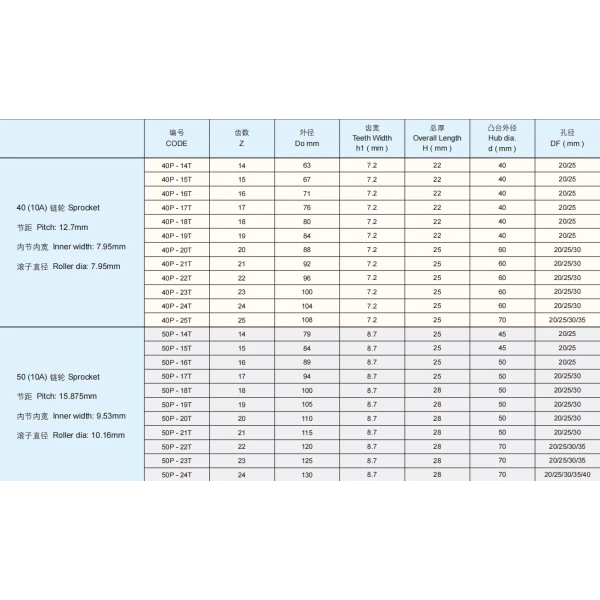
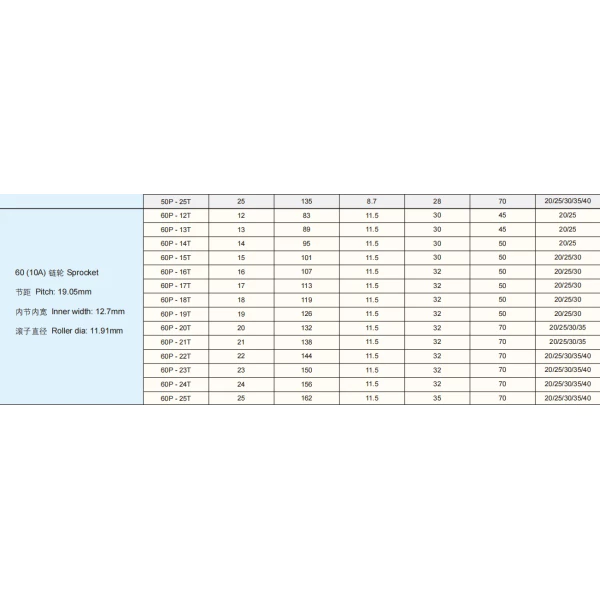
Plastic conveyor chains require corresponding chain sprockets to function properly. Chain sprockets are toothed wheels or gears that mesh with the chain, allowing it to move along the conveyor path. The correct selection and installation of chain sprockets are crucial to the performance and longevity of the conveyor chain.
Raydafon was established in 2006 as a professional transmission parts company. Since its establishment, Raydafon has been committed to becoming an industry leader, not only providing products and services to well-known domestic enterprises but also expanding its market to dozens of countries and regions in Asia, Europe, America, etc.
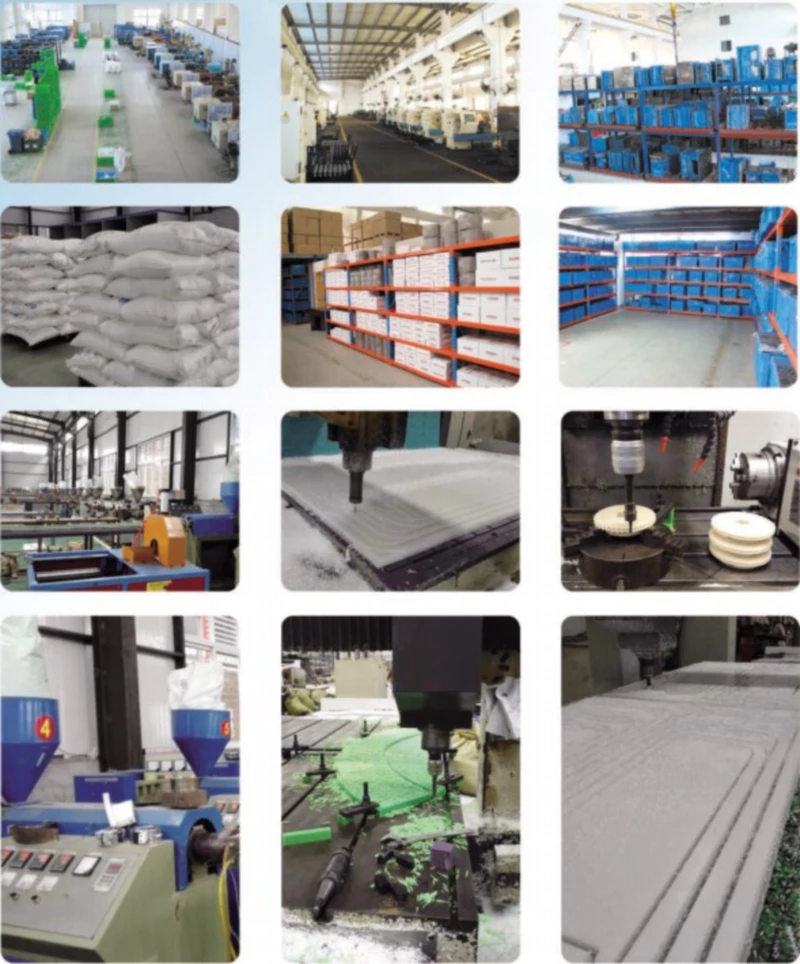
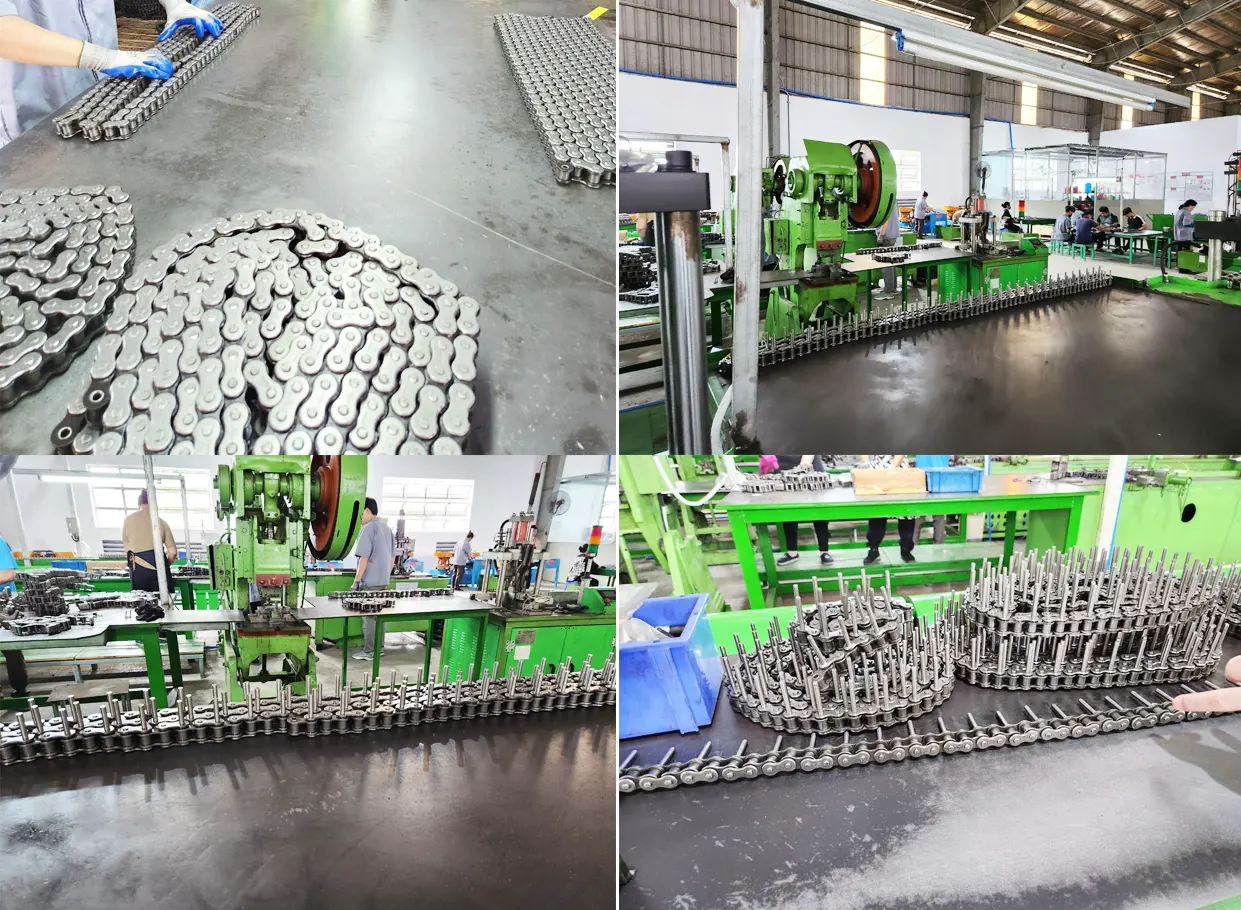
We have multiple advanced production and testing equipment, including CNC gear grinding machines, gear measuring machines, CNC gear shaping machines, machining centers, CMMS, torque testing systems, etc. Our expertise, international certifications, customization services, production equipment, and after-sales service set us apart from the competition.
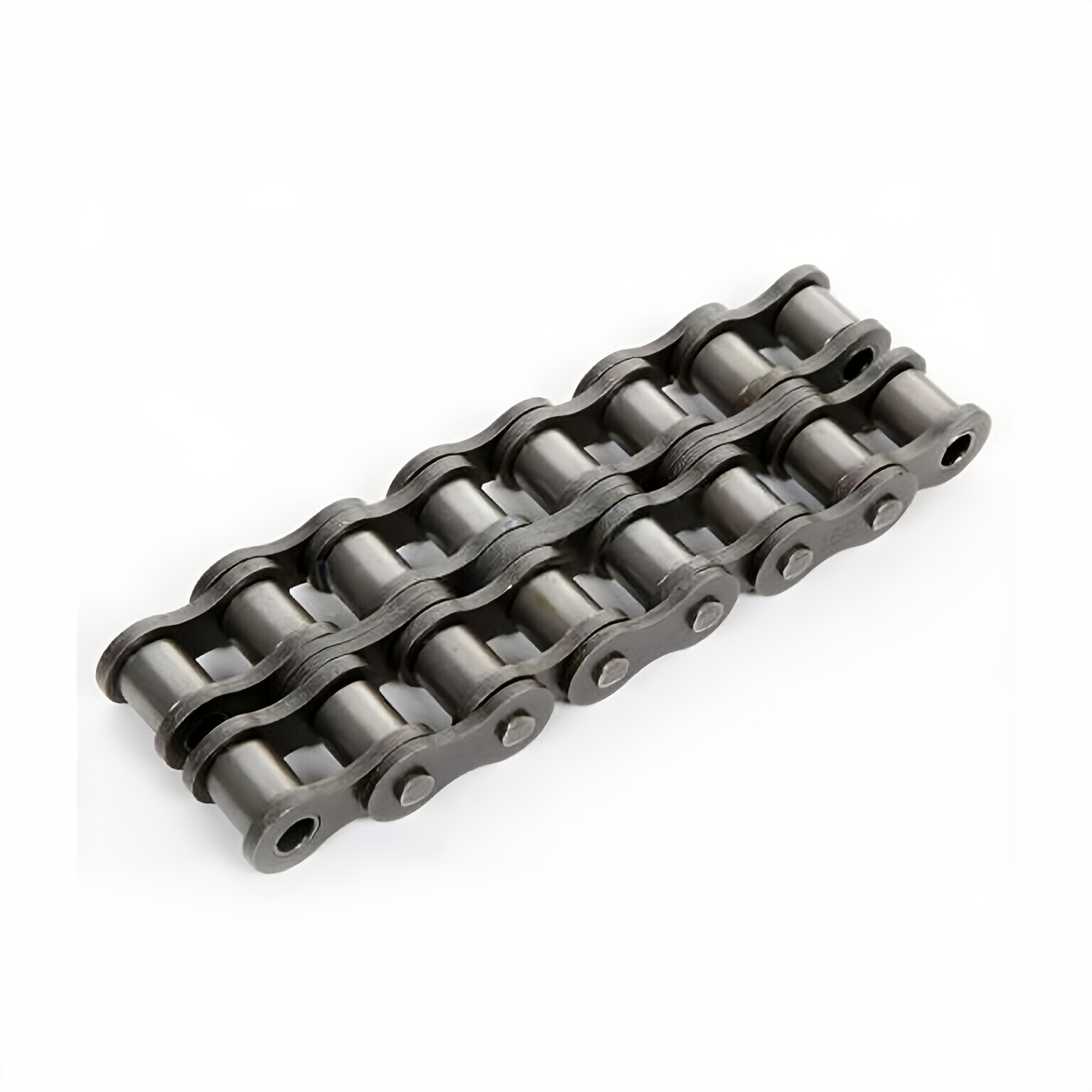
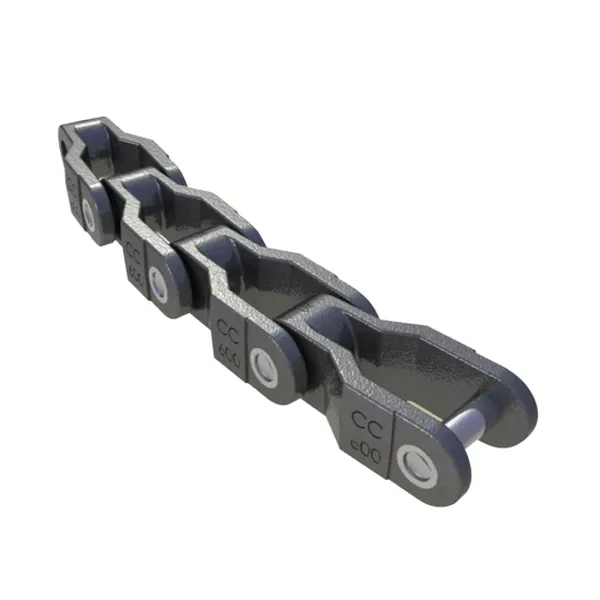
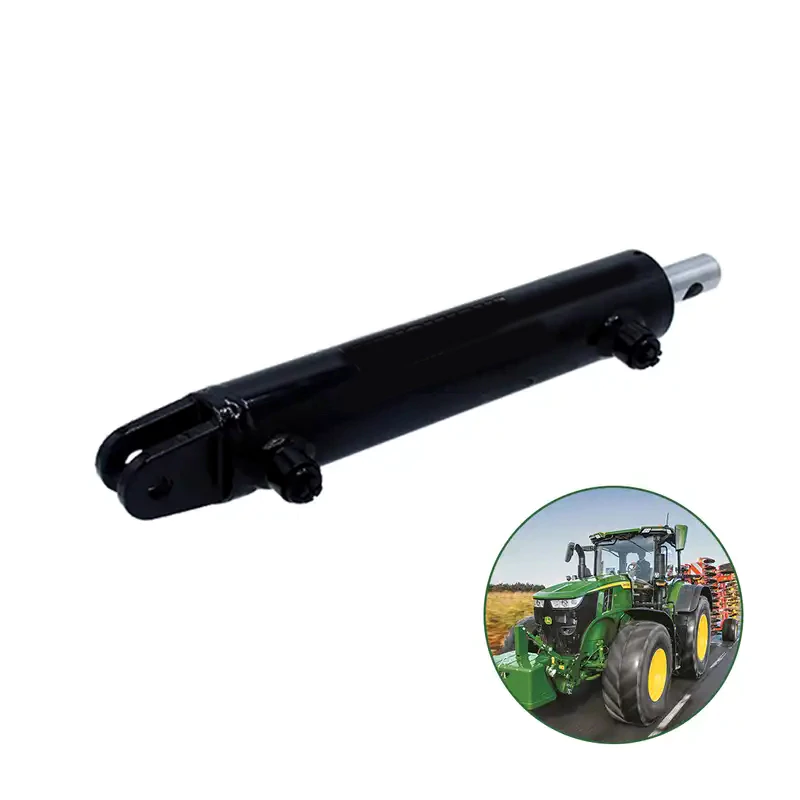
Raydafon produces various conveying equipment and accessories. Its products are widely used in various industries such as beverage and food processing, aquatic product processing, pharmaceuticals, packaging, and electronics. The company's main products include: plastic conveyor flat-top chains, keel chains, flexible chains and matching sprockets; stainless steel conveyor flat-top chains, roller chains and matching sprockets; plastic modular conveyor belts and matching sprockets. In addition, we also provide agricultural machinery gearboxes, PTO shafts, air compressors, hydraulic cylinders, trailers, various agricultural machinery accessories, etc. Please contact us if you need them. Customers are welcome to inquire and customize products.
Address
Luotuo Industrial Area, Zhenhai District, Ningbo City, China
Tel

 Raydafon