
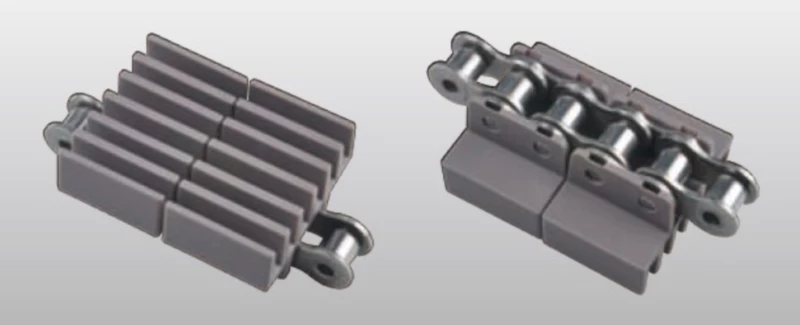
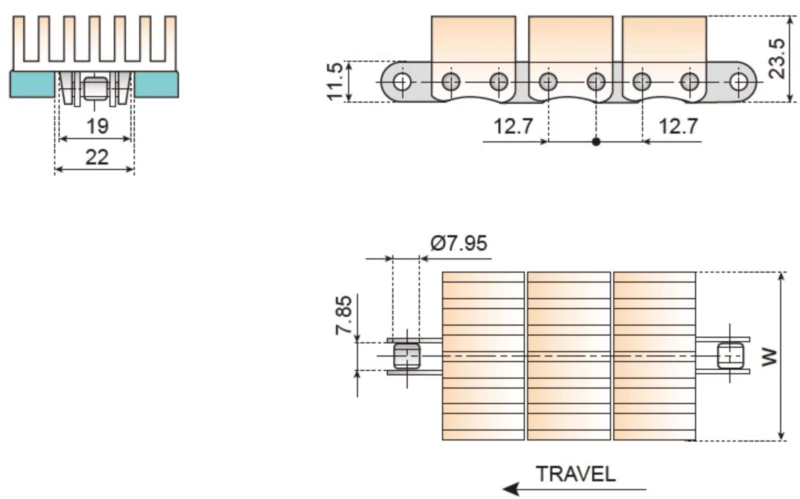
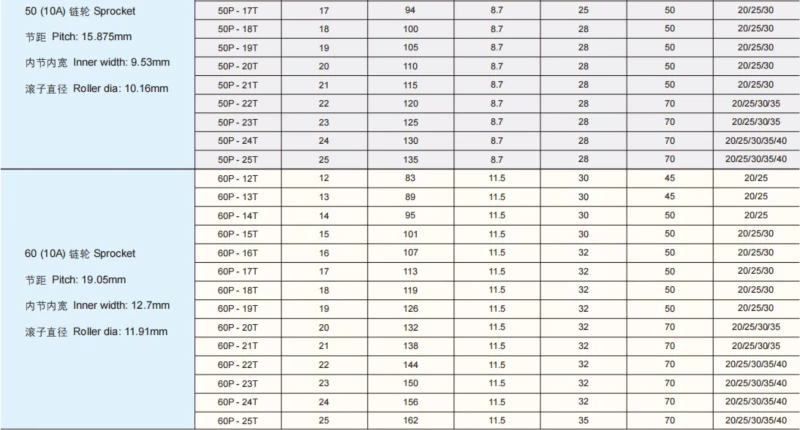
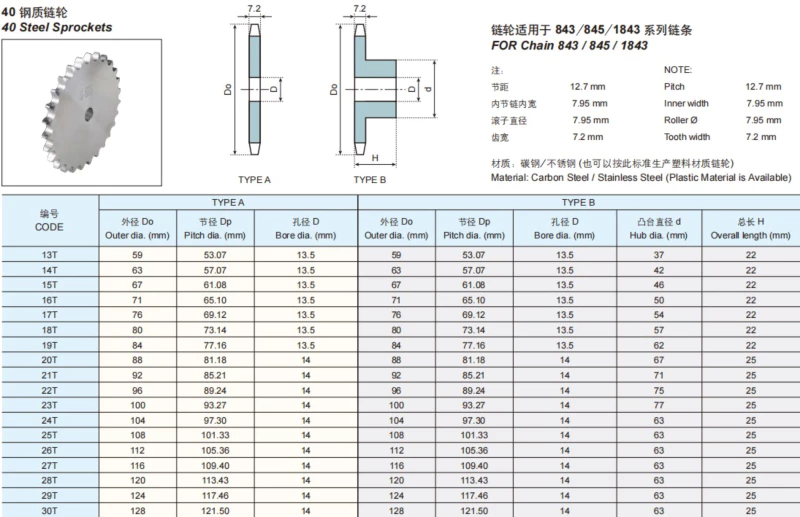
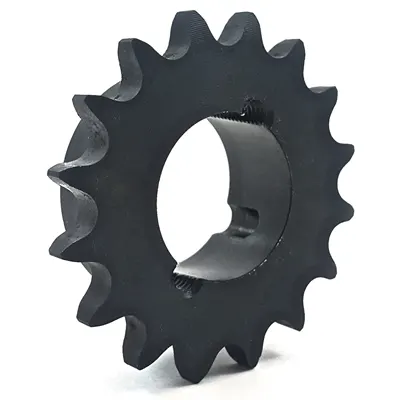
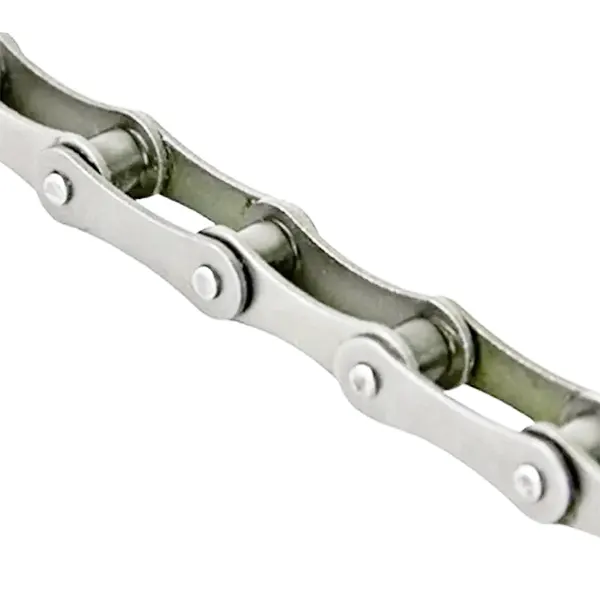
 Features and Advantages:Material: These chains are typically made from high-quality plastic materials such as polyethylene (PE) or polypropylene (PP). The choice of material depends on the specific application requirements, including load capacity, environmental conditions, and chemical resistance.Straight Running: These chains are designed for straight-line conveying, making them suitable for applications that require continuous and uninterrupted movement in a linear direction.Base Rollers: The base rollers on the chain allow for smooth and low-friction movement of the conveyed items. They help to reduce the overall friction and wear on the chain, resulting in improved efficiency and longer chain life.Pitch Size: The pitch size of 12.7mm (1/2 inch) refers to the center-to-center distance between adjacent chain links. This pitch size is commonly used and provides a balance between load capacity and compactness of the chain.Lightweight and Low Noise: Plastic conveyor chains are lightweight compared to their metal counterparts, making them easier to handle and reducing the overall weight of the conveyor system. Additionally, plastic chains produce less noise during operation, contributing to a quieter working environment.Corrosion Resistance: Plastic chains are highly resistant to corrosion, making them suitable for applications in wet or corrosive environments. They are not affected by moisture or chemicals commonly encountered in industries such as food processing or chemical manufacturing.Easy Maintenance: Plastic conveyor chains are relatively easy to maintain. They typically require less lubrication compared to metal chains and can be easily cleaned to remove debris or contaminants.Applications:Packaging Industry: These chains are commonly used in conveying systems for packaging industry, transporting various packaging containers such as boxes, bottles, and cans. They efficiently transport packaging items from one location to another on the production line.Food Processing Industry: In the food processing industry, these chains are used to transport food products such as bread, biscuits, and candies. Plastic chains are suitable for use in the food industry due to their good corrosion resistance and hygiene properties.Logistics and Sorting: Plastic conveyor chains are widely used in the logistics and sorting industry for transporting goods, boxes, and parcels. They can be used to create efficient conveying systems in warehouses, logistics centers, and sorting centers to achieve fast and accurate logistics operations.Automated Production Lines: These chains are commonly used in automated production lines for transporting components, assemblies, and finished products. They play an important role in the automotive manufacturing, electronics manufacturing, and other industrial fields, helping to achieve automated production processes.Mechanical Manufacturing: Plastic chains are used in material handling and conveying in the mechanical manufacturing industry. They can be used to transport metal parts, plastic products, wood, and other materials, serving as a connection, transmission, and support in the manufacturing process.Warehousing and Distribution: These chains can be used for material handling and transport in warehousing and distribution centers, ensuring efficient and accurate delivery of materials. They can be used in shelf systems or conveyor belts to achieve material flow and distribution in warehouses.Customization Options:Application Requirements: Ensure that you communicate your specific application requirements with the manufacturer or supplier, including working environment conditions, load requirements, curve radius, speed requirements, etc. This will help the manufacturer to provide you with a custom chain solution.Material Selection: Choose the appropriate plastic material based on the application requirements to ensure wear resistance, corrosion resistance, and chemical resistance. Different plastic materials have different characteristics, such as polyethylene, polyamide, and polypropylene.Size and Construction: Determine the size and construction of the chain based on the layout of the equipment and the requirements for curve conveying. This includes the chain width, roller diameter, and chain link shape. Ensure that the customized chain is fully compatible with the equipment and meets the requirements for curve conveying.Installation:Preparation: Before installation, ensure that the installation area for the conveyor chain is clean and prepared. Remove debris, dust, and other obstacles to ensure that the chain can move smoothly.Alignment and Adjustment: Before installing the chain, ensure that the conveyor system is aligned and adjusted. Ensure that the chain can run in a straight line, avoiding distortion or deviation from the track.Connecting Chain Links: Align the connecting plates of the chain with the chain links and use appropriate connecting pins or clips to connect them together. Ensure that the connection is secure, but not too tight, to allow the chain to move freely.Tensioning the Chain: Properly tension the chain according to the manufacturer's recommendations. A loose chain may cause chain jumping or unstable operation, while a tight chain may increase friction and wear.Maintenance:Cleaning the Chain: Regularly clean the chain to remove accumulated dust, dirt, and other contaminants. Use appropriate cleaning agents and brushes for cleaning and ensure that the chain is completely dry before using it.Lubricating the Chain: Lubricate the chain at appropriate locations according to the manufacturer's recommendations. Use lubricants suitable for plastic chains and avoid over-lubrication to prevent dust and impurities from adhering to the chain.Regular Inspection: Regularly check for wear, damage, or loose connections in the chain. If any problems are found, repair or replace them promptly.Environmental Conditions: Ensure that the chain operates in an environment that meets its design requirements. Avoid exposure to extreme temperatures, chemicals, or other adverse conditions that may affect the performance and life of the chain.Follow the Manufacturer's Recommendations: Always follow the specific recommendations and guidelines provided by the manufacturer when installing and maintaining the chain. Different types of chains and applications may have different requirements, so ensure that you operate according to the correct methods.Sprockets:Sprockets are an important accessory for plastic conveyor chains. They are used to transmit power and motion from the driving shaft to the chain, which then moves the conveyed items. Sprockets are available in various sizes and configurations to match the pitch and width of the chain. A properly matched sprocket can ensure smooth operation and reduce wear on the chain and sprocket teeth.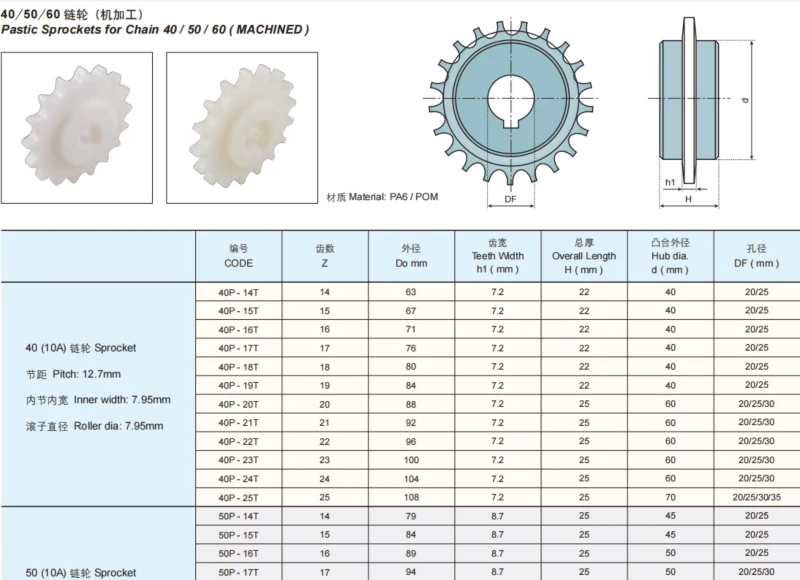
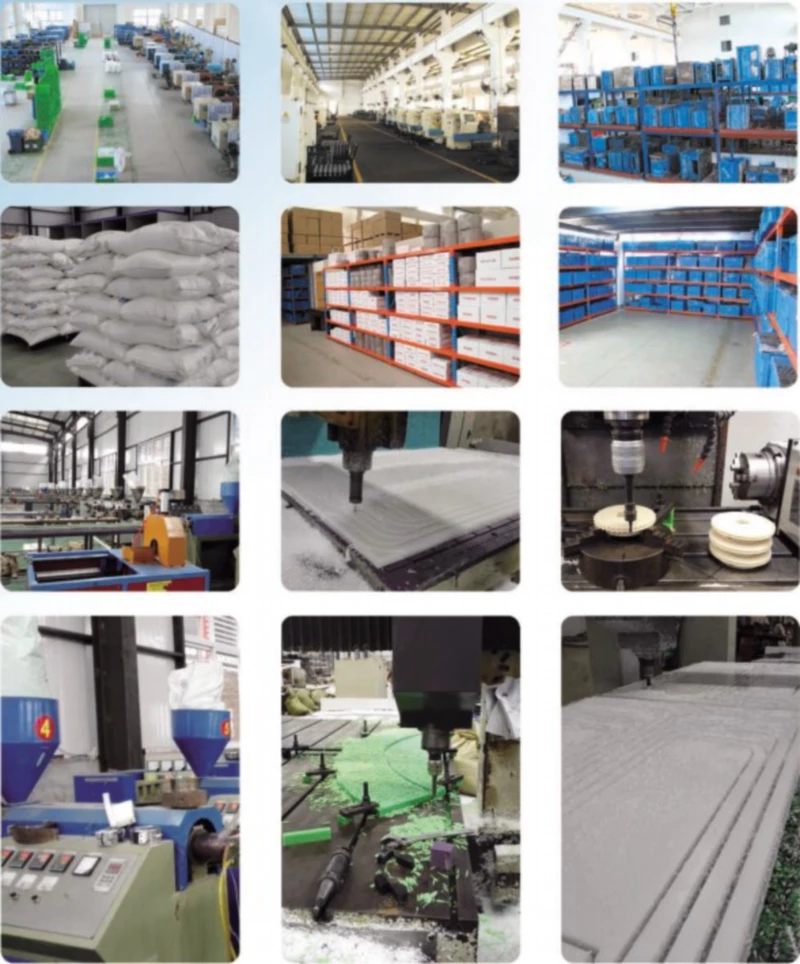
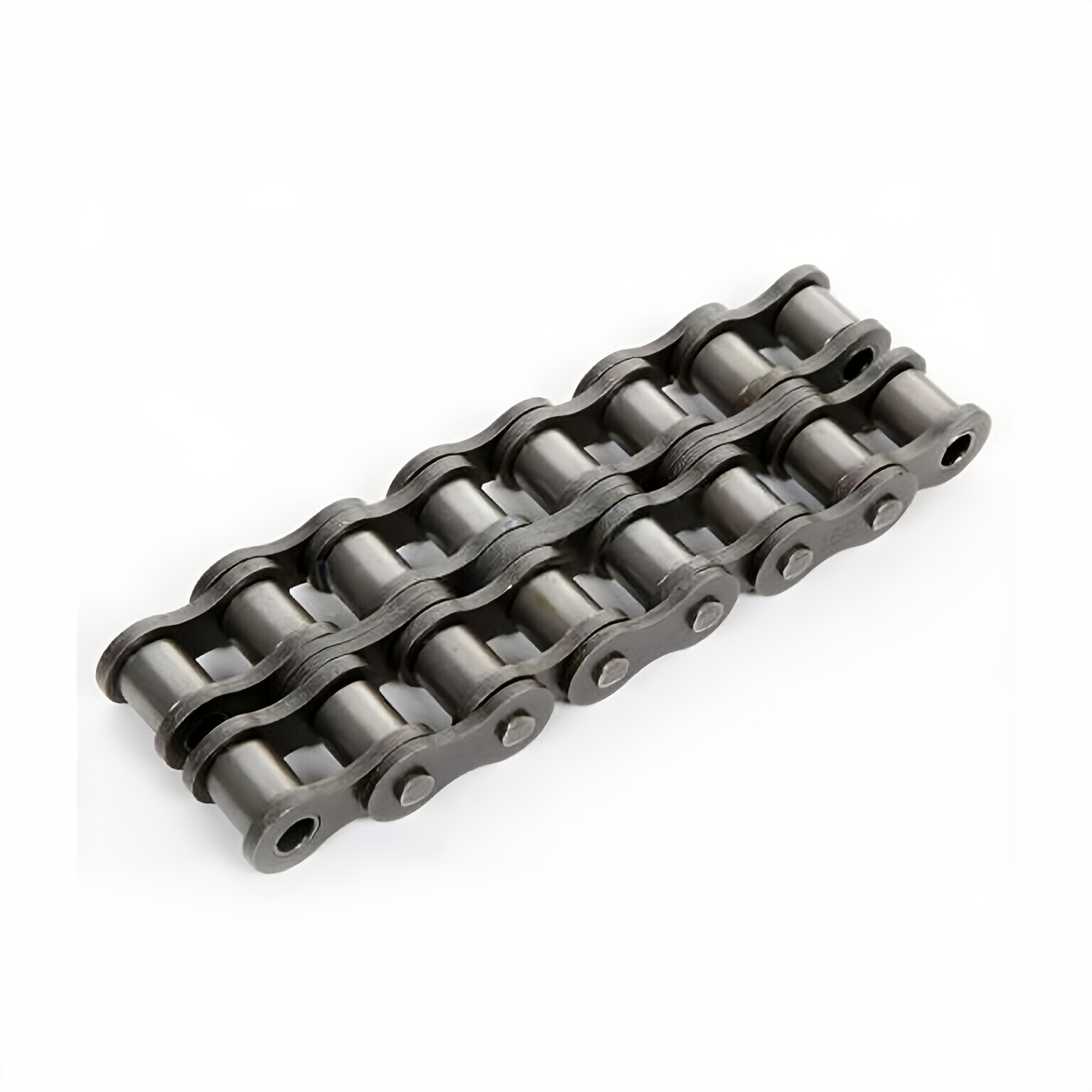
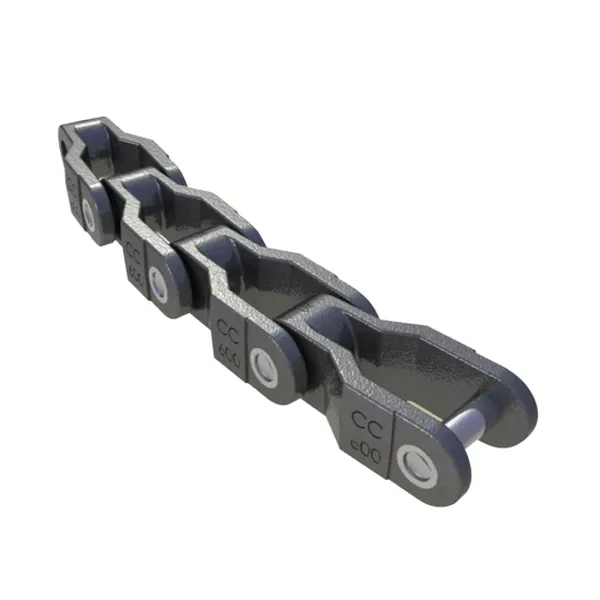
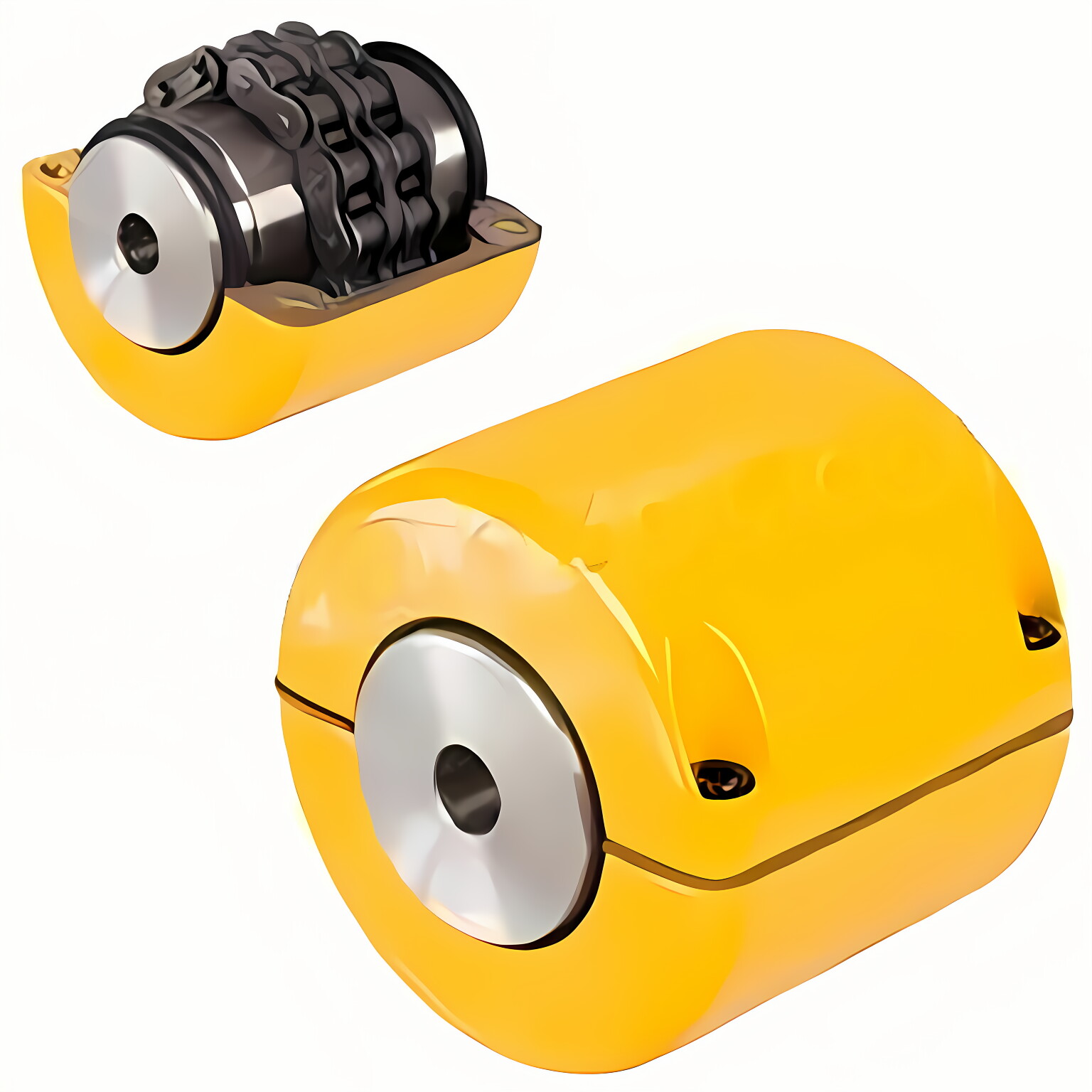
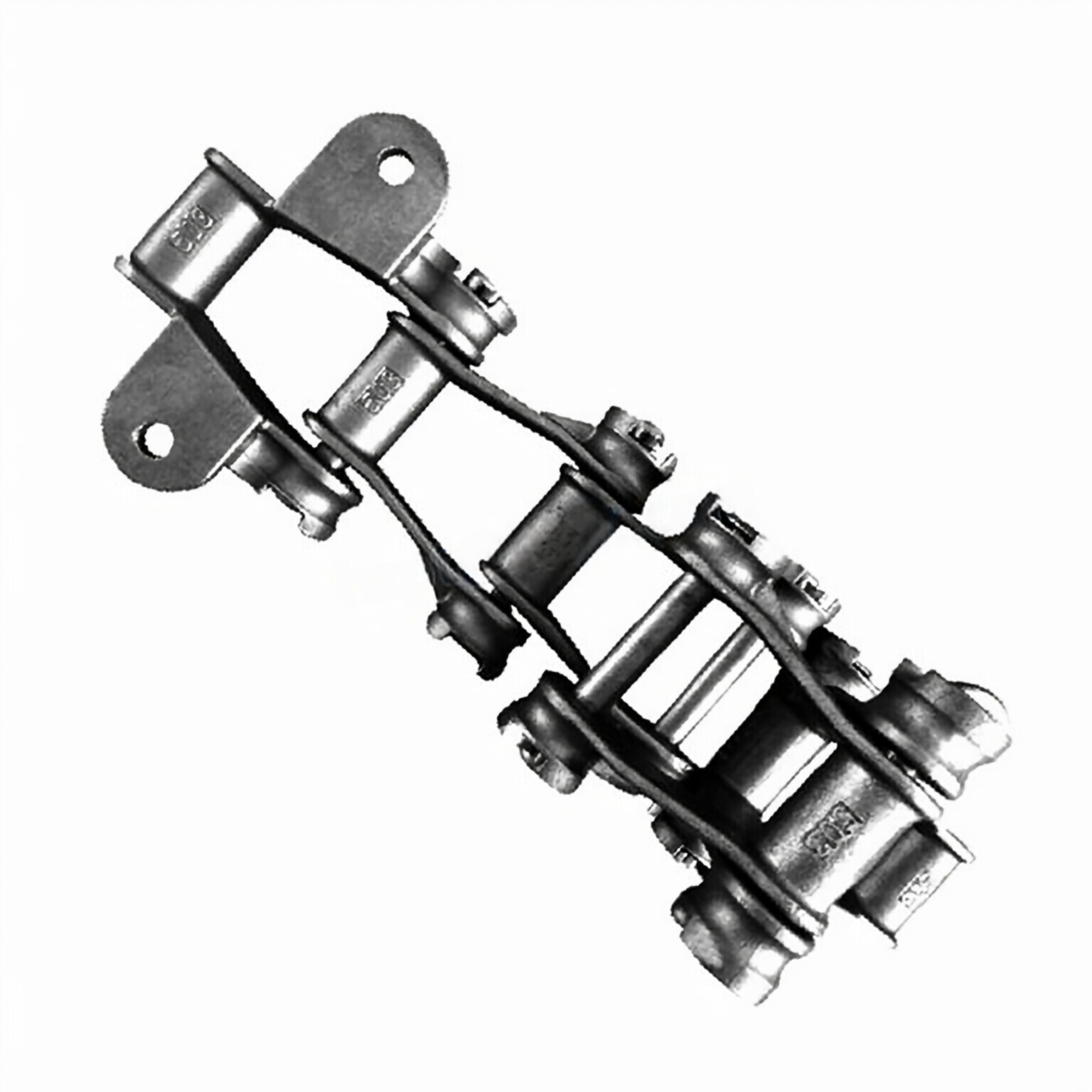
 Other Chain Products:In addition to plastic conveyor chains, we also offer other chain products, such as plastic chain, stainless steel chain, agricultural chains, and leaf chains. These chains are suitable for various applications and can be customized according to specific requirements.Raydafon:Raydafon was founded in 2003 and is a professional manufacturer of transmission parts. We have multiple advanced production and inspection equipment, such as CNC gear grinding machine, gear measuring machine, cnc gear shaper, machine center, CMMS, and torque test system. We offer professional, customized, and international certified products to our customers. With excellent production equipment and after-sales service, Raydafon welcomes all customers to inquire or customize our products.
 FAQ:1. What are plastic conveyor chains straight running with base roller chains 12.7mm (1/2 inch) pitch replacement of System Plast LF845-K150?Answer: Plastic conveyor chains straight running with base roller chains 12.7mm (1/2 inch) pitch replacement of System Plast LF845-K150 are plastic chains used in various industries for straight-line conveying applications.2. What are the advantages of plastic conveyor chains?Answer: The advantages of plastic conveyor chains include lightweight, low noise, corrosion resistance, easy maintenance, and more.3. What industries are plastic conveyor chains suitable for?Answer: Plastic conveyor chains are suitable for packaging, food processing, logistics and sorting, automated production lines, mechanical manufacturing, warehousing and distribution, and more.4. How do I choose the right plastic conveyor chain for my application?Answer: You should ensure that you communicate your specific application requirements with the manufacturer or supplier, including working environment conditions, load requirements, curve radius, speed requirements, etc.5. What is Raydafon?Answer: Raydafon is a professional manufacturer of transmission parts with multiple advanced production and inspection equipment, offering customized and international certified products to customers.
Address
Luotuo Industrial Area, Zhenhai District, Ningbo City, China
Tel

 Raydafon