
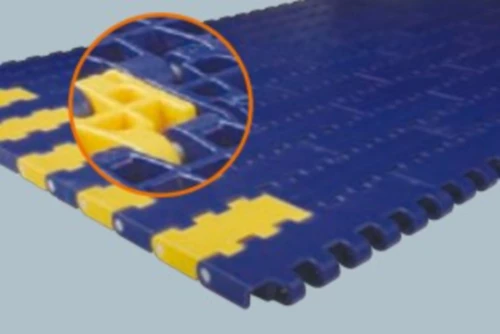
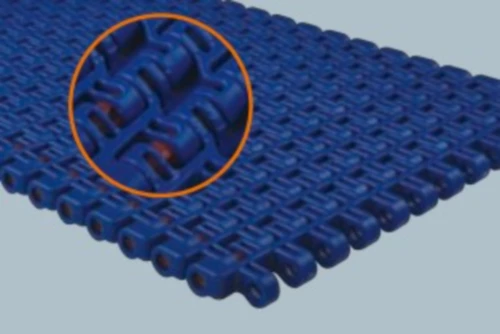
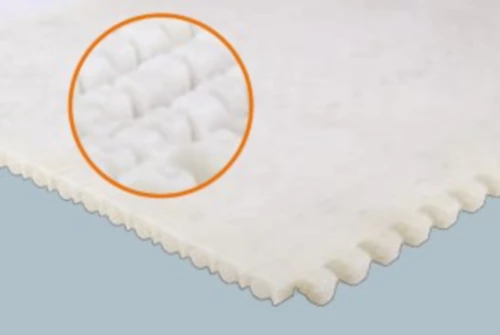
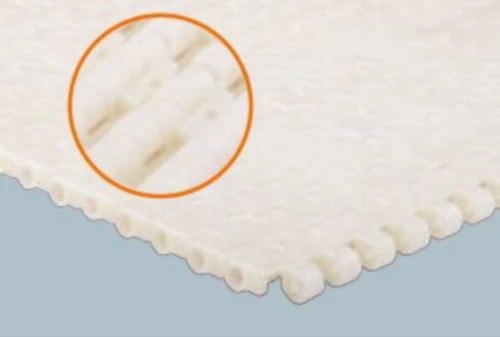
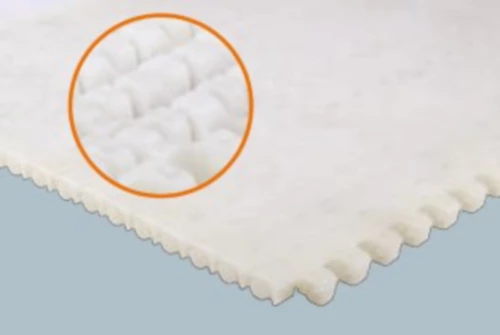
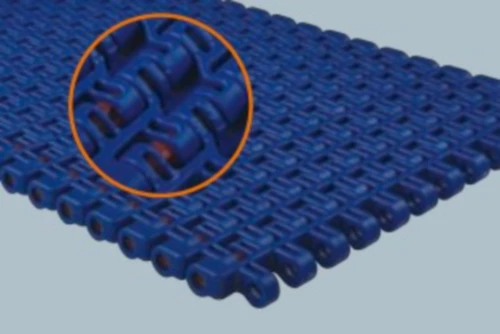
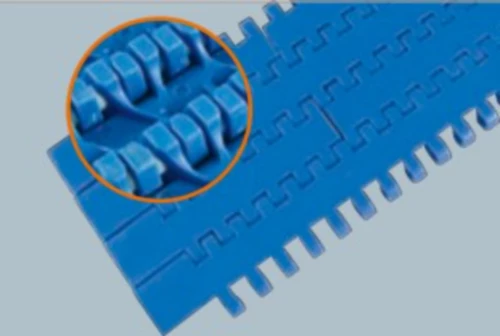
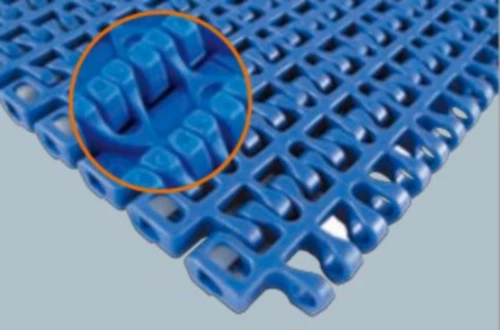
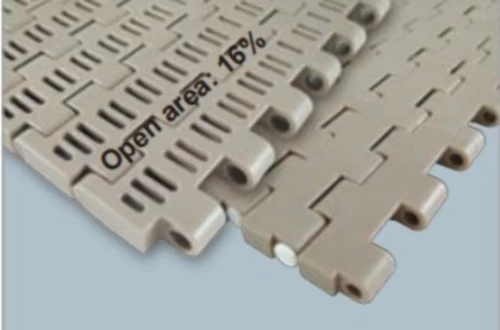
Plastic modular belts are a type of conveyor belt system composed of interlocking plastic modules or links that form a continuous, flexible belt. These belts are designed to be highly customizable, easily assembled, and adaptable to various applications.
Plastic modular belts offer the advantage of modularity, allowing for easy customization and adjustment according to specific conveyor system requirements. This modular design also facilitates quick replacements and modifications.
Plastic modular belts are flexible and can navigate curves, inclines, and declines, making them suitable for various conveyor system configurations. They can adapt to changing production needs and layout constraints.
Plastic modular belts are made of durable thermoplastic materials, such as polypropylene or polyethylene, which provide excellent resistance to wear, abrasion, and corrosion. This ensures a longer service life, even in demanding environments.
Plastic modular belts are easy to clean and maintain, making them ideal for industries with strict hygiene standards, such as food and beverage processing. They are resistant to moisture, chemicals, and microbial growth.
Due to their modular design and material properties, plastic modular belts require minimal maintenance. They are less prone to belt slippage, stretching, and tracking issues compared to traditional conveyor belts.
Plastic modular belts have low friction properties, resulting in reduced energy consumption during operation. This leads to cost savings and environmental benefits.
In the event of belt damage or wear, individual modules can be easily replaced, minimizing downtime and reducing overall maintenance costs.
Plastic modular belts find applications in various industries:
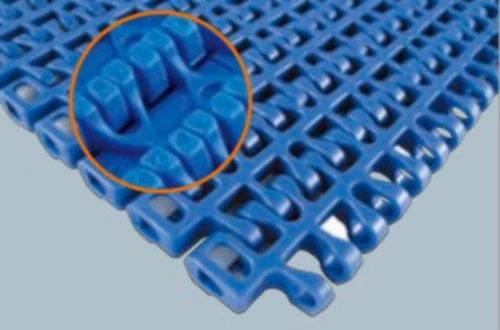
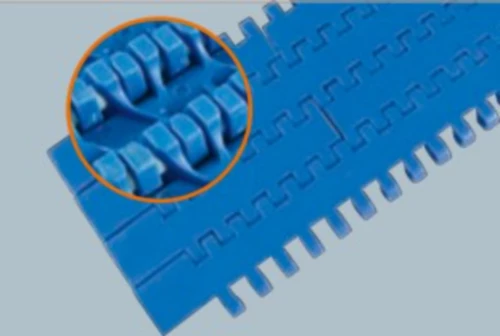
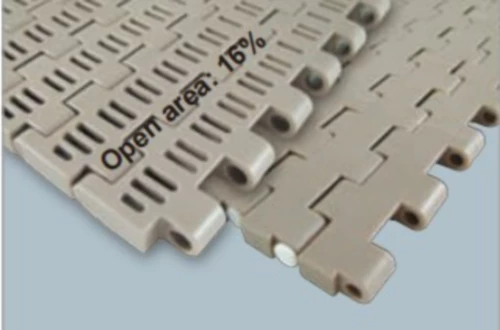
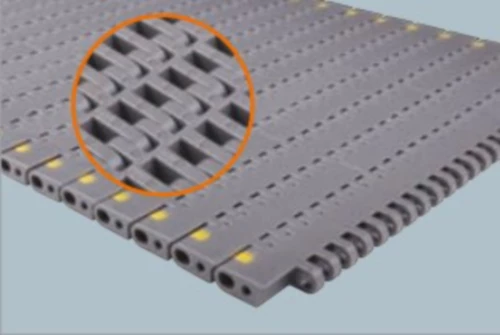
Plastic modular belts consist of individual plastic modules or links that are designed to interlock with each other, forming a continuous, flexible conveyor belt. These modules are typically made of durable thermoplastic materials, such as polypropylene or polyethylene. The belts are supported by a series of rollers or sprockets that drive the belt's movement. As the rollers or sprockets rotate, the interlocking modules align and move in a synchronized manner, propelling the belt forward. The modular design allows the belt to navigate curves, inclines, and declines, making it adaptable to various conveyor system configurations.
When selecting plastic modular belts, consider the following factors:
Sprockets play a crucial role in the operation of plastic modular belts. They are responsible for driving the belt's movement and ensuring proper synchronization of the interlocking modules. The design and quality of the sprockets directly impact the performance and lifespan of the conveyor system.
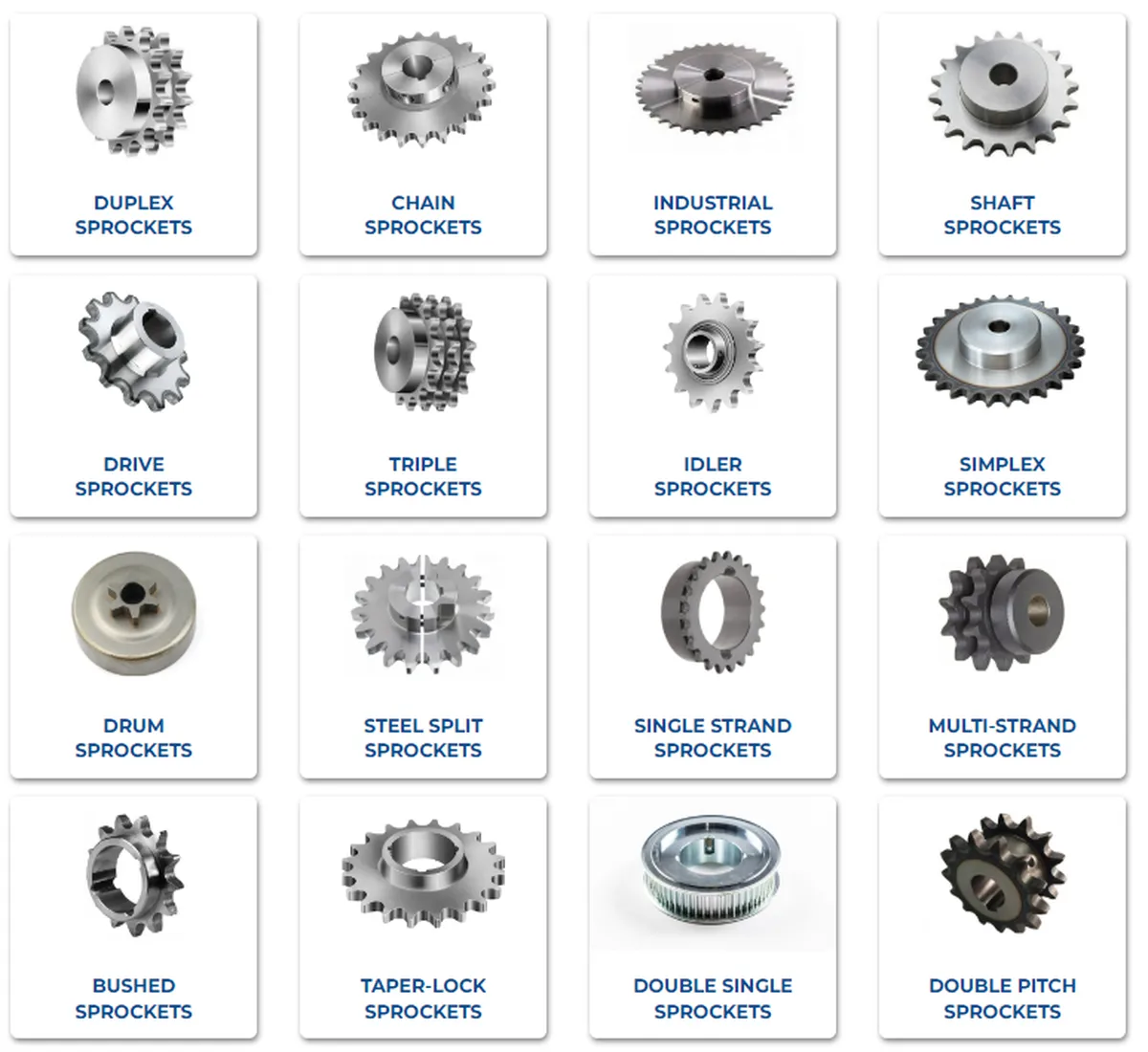
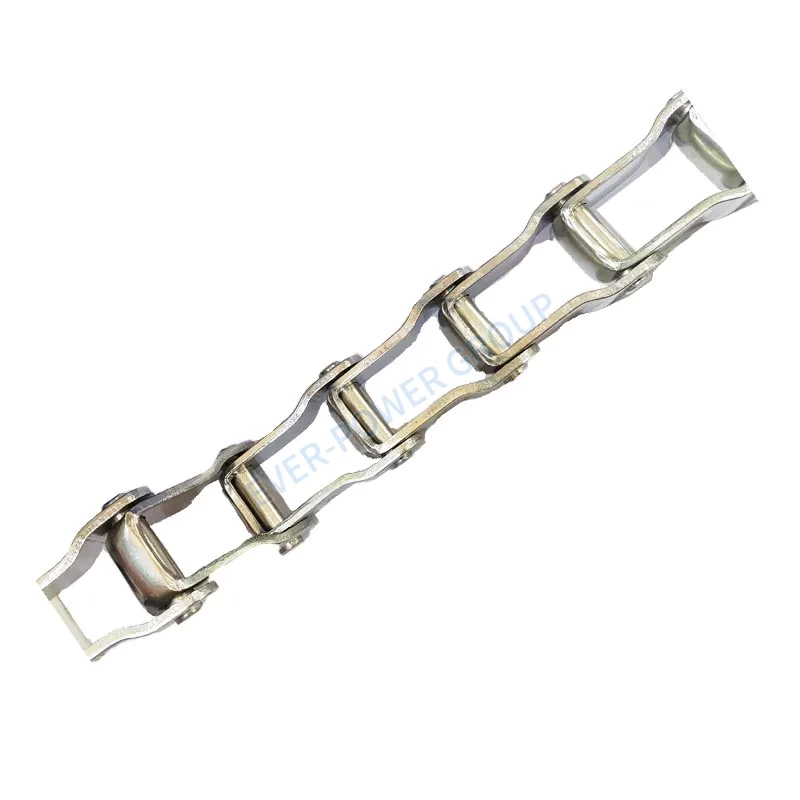
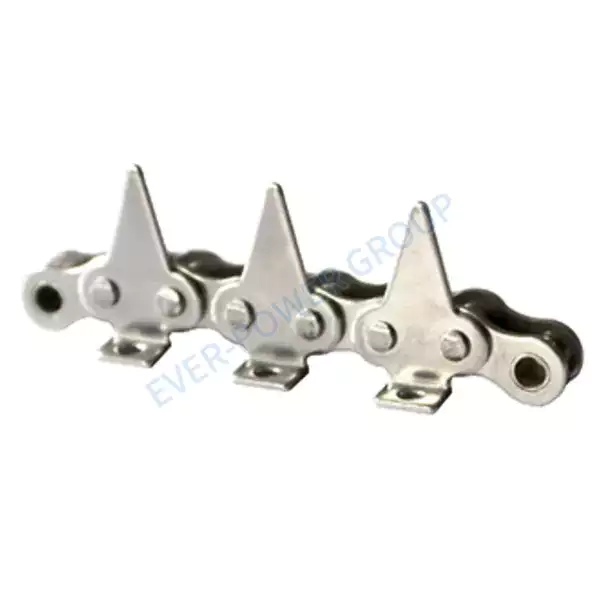
In addition to plastic modular belts, we also offer other chain products such as Plastic Chain, Stainless Steel Chains, Agricultural Chains, and Leaf Chains. These chains cater to different industry needs and provide reliable and efficient power transmission solutions.
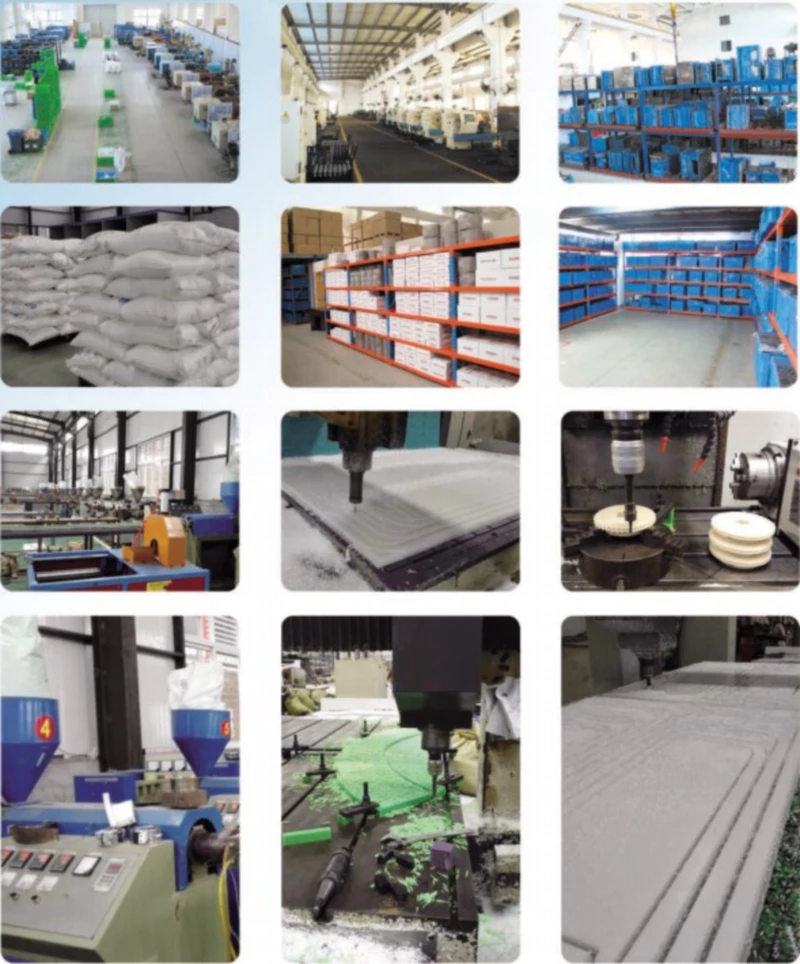
Raydafon was established in 2003 and is a professional manufacturer of transmission components. We have multiple advanced production and inspection equipment, including CNC gear grinding machines, gear measuring machines, CNC gear shapers, machine centers, CMMS, and torque test systems. Our company prides itself on its professionalism, international certifications, customized services, production equipment, and after-sales support.
At Raydafon, we welcome all customers to inquire about our products or request customized solutions.
Address
Luotuo Industrial Area, Zhenhai District, Ningbo City, China
Tel

 Raydafon